8MP Low-Lux USB Camera Module: How to Source a Starvis-Class UVC Board That Actually Performs in the Dark
3264×2448 resolution, sub-0.005 Lux sensitivity, driver-free UVC output — designed, tested and certified by a Guangdong OEM factory.
Key takeaways for procurement teams
- An 8MP low-lux USB camera module is bought for image quality in the dark, not for pixel count alone.
- UVC compatibility and certified drivers matter more than raw megapixels for ATM, kiosk and machine-vision builds.
- Buyers should demand a defined low-lux target, a specified sensor, and an identical production sample as the bulk lot.
- Shenzhen Brekta Electronics Co., Ltd. supplies this module with CE/FCC/RoHS, 24-month warranty and MOQ from 1 pc.
What an 8MP Low-Lux USB Camera Module Actually Is
An 8MP low-lux USB camera module is a compact camera board that outputs a 3264×2448 image over a standard USB Video Class (UVC) connection, but is specifically engineered to keep the image usable when light is scarce. It is not just an 8MP sensor with a big marketing sticker. The critical design choices are the sensor itself, the lens, the IR-cut filter, and the ISP tuning that translates raw sensor data into a clean image at 0.01 Lux or lower.
In most procurement conversations, buyers want a clear answer to one question: "Will this module still show a recognisable face or printed serial number in my dim kiosk lobby at 11 p.m.?" That is the question the low-lux specification exists to answer, and it is the question Brekta engineers optimise for every time a customer opens an RFQ.
Why the Low-Lux Rating Is the Metric That Matters
Resolution is easy to compare. Low-lux performance is not, which is exactly why it is the differentiator buyers should focus on when sourcing an 8MP USB camera module. A standard module may advertise 8MP and still deliver a noisy, colour-degraded frame at 0.5 Lux. A true low-lux module keeps colour, reduces noise, and preserves contrast below 0.05 Lux by combining:
- A back-illuminated Starvis-class sensor that captures more photons per pixel than a conventional front-illuminated CMOS.
- A fast lens (typically f/1.6 to f/2.0) that maximises incoming light without introducing excessive chromatic aberration.
- ISP tuning for gain, exposure and denoise that keeps the signal-to-noise ratio high instead of brute-forcing brightness.
- Selectable IR-cut removal so night operation can switch into monochrome-only if the customer's application permits IR illumination.
The 8MP low-lux USB camera module from Shenzhen Brekta Electronics Co., Ltd. is built around exactly this combination. In real deployments, the difference shows up in retail kiosks where ambient light drops after shop closing, at ATMs in the back of a lobby, and in industrial inspection cabinets where no external illumination can be added.
Need samples for your next low-light build?
Our engineers will match the 8MP low-lux module to your housing size, cable length and firmware requirements.
Contact UsBest-Fit Applications for the 8MP Low-Lux USB Camera Module
Because it is a UVC device, the module is not tied to a specific host. It plugs into a PC, an Android SoC, a Raspberry Pi, an NVIDIA Jetson, a Linux kiosk, or a Windows-based self-service terminal without additional drivers. That flexibility means the same board can serve several product lines for a single customer.
1. ATM, VTM and self-service kiosk integration
Banking and retail self-service equipment is often installed in spaces where illumination is controlled by building management, not by the kiosk owner. A standard 8MP module with a small fixed lens will produce usable but noisy footage; a low-lux module keeps facial features and document detail crisp in the same lighting conditions. The wide-angle lens options on Brekta's 8MP low-lux boards allow a single unit to cover both a user's face and the kiosk's ID and card slots.
2. Smart vending and smart retail cabinets
Vending machines and smart fridges increasingly use camera modules for planogram recognition, out-of-stock detection, and anti-theft. These cabinets are often opened in low-light back rooms or operate overnight in convenience stores with reduced lighting. Because the camera has to see the product through a glass door, glare handling and WDR performance become as important as the low-lux rating.
3. Face recognition and access control terminals
Face terminals have to work reliably in hallways, outdoor covered walkways and reception desks at night. A 3264×2448 image with real low-lux capability gives the face-recognition algorithm enough detail to run liveness detection and matching even when ambient light is under 1 Lux.
4. Industrial machine vision and robotics
Machine vision tasks that involve dark enclosures, printed serial numbers on metal parts, or in-line inspection inside a housing have historically relied on external lighting. An 8MP low-lux UVC camera module can sometimes eliminate that lighting, reducing BOM cost and cabling complexity. Because Brekta's boards support MJPEG, YUY2 and optionally H.264, integrators can choose the format that fits the processing budget on their host controller.
Product Recommendation: How to Choose Among the Low-Lux 8MP Options
Brekta's catalogue presents the 8MP low-lux USB camera module as a family, not a single SKU. Buyers should be explicit about four variables when making a selection:
- PCB size — 32×32 mm and 38×38 mm boards are standard, and 25×25 mm or 15×15 mm boards are available on request.
- Lens and focus — fixed-focus, manual-focus and autofocus options, with a range of focal lengths to fit your field of view.
- Output format and firmware — MJPEG, YUY2, or H.264 depending on the host's processing capacity and bandwidth.
- Cable, connector and housing — everything from a bare 4-pin USB cable to an IP-rated cylinder housing is available as an OEM option.
For new projects with an aggressive timeline, we recommend starting from an in-stock 8MP low-lux board and adapting the cable and firmware first. That keeps the sample lead time under a week while still allowing the final production unit to be tailored to the customer's housing.
Future Procurement Trends Shaping the 8MP Low-Lux Category
Buyers who source a low-lux USB camera module today are participating in a shift that has been accelerating for the last three years. Understanding that shift helps procurement teams plan better roadmaps and negotiate more effectively with suppliers.
Trend 1: Low-light performance is becoming a baseline, not a premium
As Starvis-class sensors become more available and ISP tooling standardises, the price premium for low-lux boards is narrowing. By 2026, most buyer RFQs in the kiosk and ATM space will simply list low-lux as a must-have rather than a separate upgrade.
Trend 2: Shorter custom lead times
Buyers no longer accept six-week lead times for a custom board. Module manufacturers with in-house PCB design and rapid sampling capacity can now quote 10–15 working days for small custom batches. Sourcing teams are shifting spend toward suppliers who can demonstrate this responsiveness in writing.
Trend 3: On-device AI integration
Host systems increasingly run inference at the edge. A UVC board that can output raw frames quickly, with predictable frame timing and stable USB enumeration, is more valuable than one that adds proprietary "smart" firmware that the host cannot control. Brekta's low-lux USB boards are deliberately "dumb on the wire" so integrators can run their own models.
Trend 4: Compliance-first sourcing
Customs and procurement audits are tightening around CE and RoHS documentation. Buyers increasingly demand that the certificate matches the exact part number being shipped, not a blanket "our factory is certified" claim. A serious 8MP low-lux supplier will provide the test report tied to the SKU in the PO.
Trend 5: Regional dual-sourcing
Kiosk and ATM OEMs increasingly split volume between a primary China-based factory and a secondary supplier, to protect against shipping volatility. Expect more RFQs to request "equivalent module, alternate factory" as a procurement requirement rather than an optional line item.
The net effect is that the buyer who negotiates on total cost of ownership — not unit price — is rewarded. A module that cuts a downstream customer's return rate by 30% is worth 5–10% more on the BOM than a cheaper board that fails inspection after six months. Brekta's 13-year track record in miniaturised cameras is largely built on that premise.
Technical Trends Inside the Low-Lux Sensor Stack
The sensor roadmap is also moving. Sony's Starvis line and its recently introduced Starvis 2 sensors have compressed the read noise floor that used to define the category. On the optics side, high-index glass element designs allow f/1.6 lenses to fit in the same M12 barrels that used to top out at f/2.2. That combination means an 8MP low-lux USB camera module in 2026 will likely achieve what 2MP low-lux modules achieve today, without increasing board size.
Two practical implications for procurement:
- Don't lock in a sensor part number for a multi-year programme. Specify the low-lux target instead, and let the supplier commit to the sensor that meets it. Otherwise you will be stuck re-qualifying firmware when that sensor reaches end-of-life.
- Ask for image samples at defined lux levels. A serious engineering team can provide test images captured at 0.01 Lux, 0.1 Lux, 1 Lux and 10 Lux, using a standard target. Without that, the low-lux claim is marketing.
Frequently Asked Questions About the 8MP Low-Lux USB Camera Module
These are the questions our sales engineers receive most often from procurement and engineering teams evaluating this category.
What is an 8MP low-lux USB camera module and what makes it different?
What is the minimum order quantity for the 8MP low-lux USB camera module?
Do you provide samples of the 8MP low-lux USB camera module?
Is the 8MP low-lux USB camera module driver-free?
Can you customize the lens, cable, board size and firmware?
Which certifications and warranty do you offer?
Why Buy an 8MP Low-Lux USB Camera Module from Shenzhen Brekta Electronics Co., Ltd.
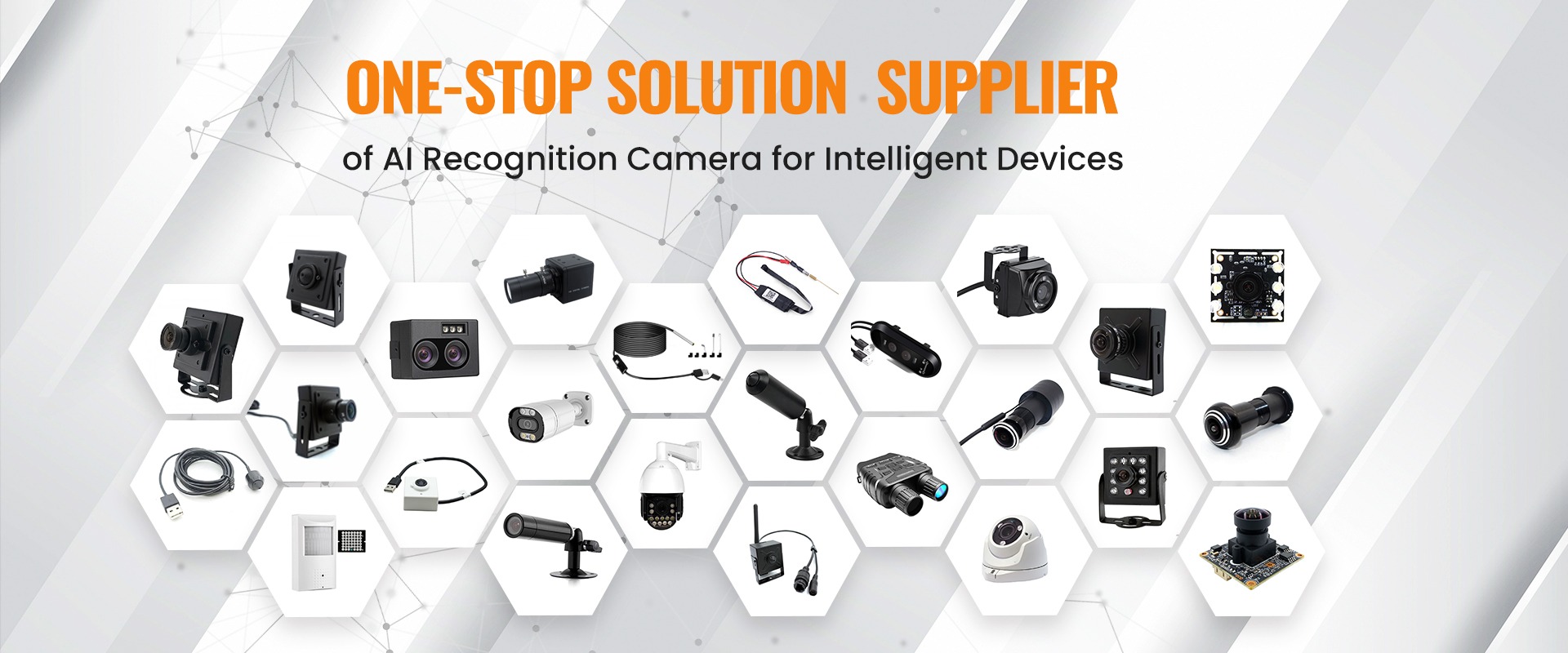
Shenzhen Brekta Electronics Co., Ltd. is a Guangdong-based manufacturer that has been designing, developing and manufacturing miniaturised surveillance and machine-vision cameras for more than 13 years. The company's core specialty is the smallest form factors — micro USB camera modules, mini IP boards and pinhole cameras that fit inside ATMs, VTMs, self-service kiosks, laptops and other intelligent machines.
Headquartered in Shenzhen with a branch factory in Dongguan, Brekta maintains a 51–100 person team with dedicated optics, PCB and firmware engineering support. Their engineers work in Protel and Allegro to translate customer drawings into stable, certified products. Long-term partners across North America, South America, Europe, the Middle East and Asia rely on Brekta for public security, transportation, smart-building, retail and industrial projects.
What you can hold Brekta to as a customer
- Sample-to-bulk consistency. Every module uses the same production process, the same QC standard and the same firmware release as the sample you approve.
- OEM/ODM from a real engineering team. Lens, board, cable, firmware, logo and packaging are all customisable, with a documented change-control process.
- Certifications that match the shipped part. CE, FCC and RoHS evidence for the exact SKU in your purchase order.
- Data security. Custom drawings, firmware and commercial agreements are kept confidential and never reused on other projects.
- After-sales that answers. Average response under 2 hours during business hours, a 24-month warranty, free warranty replacement, and lifetime technical support.
- Practical MOQ. Evaluation quantity from 1 pc, with a project MOQ that is discussed with the customer, not dictated to them.
The company's buyer reorder rate of approximately 13% and total annual revenue in the US$5–10 million range indicate a healthy, stable operation — the kind of supplier that is not going to disappear mid-programme. For a category like 8MP low-lux camera modules, where firmware drift and sensor availability can quietly break a production line, that stability is a meaningful part of the value.
How to Evaluate a Low-Lux USB Camera Module Before You Buy
If you are developing a shortlist, use this checklist. It is the same set of checks our own applications engineers use when a customer sends in a competing sample for comparison.
- Confirm the sensor part number and datasheet. Ask for the exact Sony / OmniVision / onsemi part and the low-lux specification from the manufacturer's datasheet, not from the camera vendor's website.
- Request test images at defined lux levels. Use a standard target (colour chart, resolution chart, printed ID card) at 0.01 Lux, 0.1 Lux, 1 Lux and 10 Lux.
- Measure frame timing. On a host controller representative of your production hardware, measure real-world frame jitter and USB enumeration time.
- Check the lens and IR-cut design. Are the lens and filter matched to the low-lux goal, or is the camera reusing a general-purpose lens?
- Verify firmware versioning. Ask how firmware changes are tracked and whether custom changes are isolated per customer.
- Confirm certification scope. Does the CE/FCC evidence cover the SKU and firmware you are buying, or only a sibling model?
- Test the cable and connector. Long cable runs at USB 2.0 are a common source of enumeration failure; the delivered cable should be tested with your host.
- Request a written quality plan. What is inspected, at what point, with what acceptance criteria?
Brekta provides all of the above on request for the 8MP low-lux USB camera module, and we encourage customers to test our module against their existing supplier before committing to a bulk order. If the application is confidential, we are happy to run the test at our facility under NDA and provide the resulting imagery.
Start Your Project With a Sample, Not a Spec Sheet
The practical next step for most buyers is simple: order one or two samples, run the module inside the real housing, and measure the result at your actual operating conditions. Our company was built on that approach — it is how we win repeat business from integrators in Europe, North America and the Middle East who cannot afford a mid-programme surprise.
Send us your housing drawing, your target Lux level, your chosen resolution and your host operating system. An engineer-backed sales team will reply within 2 hours during working hours with a recommended 8MP low-lux configuration, a sample timeline and a written quality plan.
Request an 8MP low-lux USB camera module sample
Tell us your housing size and interface — we will recommend a module, quote a sample and share test images at your target Lux level.
Contact UsAbout Shenzhen Brekta Electronics Co., Ltd.
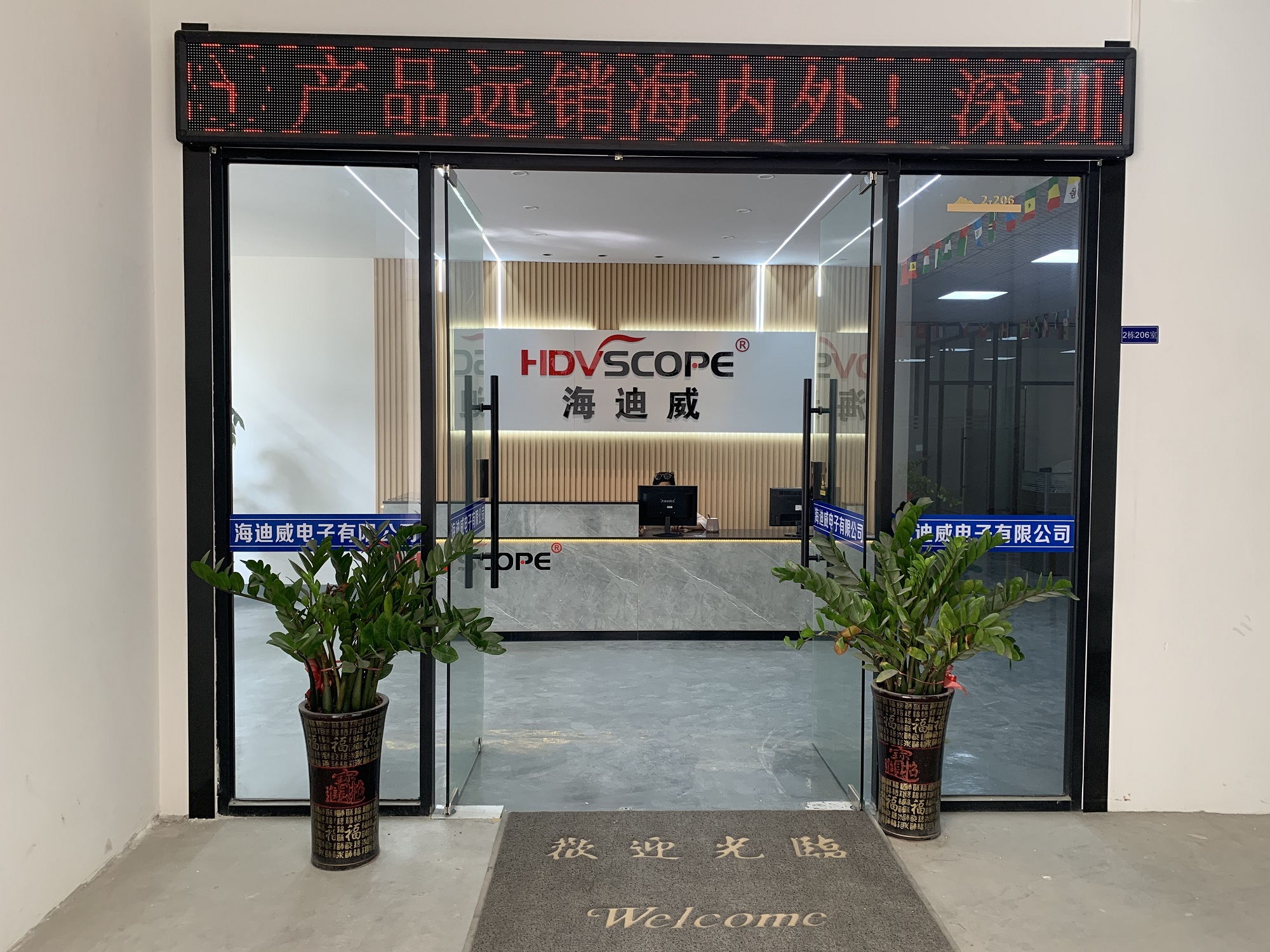
Shenzhen Brekta Electronics Co., Ltd. designs, researches, develops, manufactures and sells ATM and kiosk cameras, USB camera modules, CCD cameras, IP cameras, AHD cameras, wireless cameras and smart-home cameras. The company is particularly specialised in small surveillance cameras — the smallest mini CCD cameras, mini USB cameras, micro USB camera modules and mini IP cameras used in ATMs, kiosks and other intelligent machines. A company branch is set up in Dongguan city, and the company operates its own brand, HDVSCOPE, selling products at home and abroad.
Strict quality control covers every procedure, from material sourcing and processing through to testing and packing. All materials are tested before being sent to assembly, and every finished product is tested by QC for stable quality. The company's security cameras have won CE, FCC and RoHS certification, and every product ships with a 24-month warranty, free warranty replacement and lifetime technical support.
For 8MP low-lux USB camera module enquiries, OEM/ODM projects or distributor partnerships, contact us at info@brektacam.com or use the button below. We look forward to supporting your next low-light imaging project.
Tell Us Your Housing Size and Interface — We'll Recommend a Module
Send your drawing or target specs by email. An engineer-backed sales team replies within 2 hours during working time.