Blog
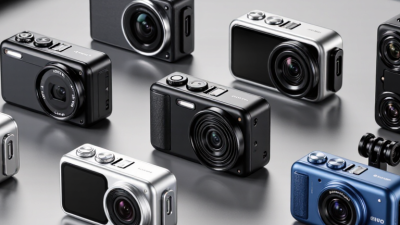
10 Best Micro Cameras for Global Buyers in 2026
A Micro Camera can fit beside a notebook, clip onto a small rig, or capture detail where a full-size camera feels cumbersome. Yet compact dimensions alone do not make a camera dependable. Buyers should compare image quality, lens coverage, stabilization, battery life, storage, and ease of setup. Small cameras can make compromises. Some are noticeable only after a few days of use.
Polaroid founder and imaging pioneer Edwin Land said, “An essential aspect of creativity is not being afraid to fail.” His words were not specifically about micro cameras, but they suit a careful buying process: test assumptions, not just specifications. A bright product photo cannot reveal weak low-light performance or a frustrating companion app. Real use can.
This guide reviews ten options for global buyers in 2026, with attention to practical differences and stated product capabilities. It also considers regional availability, warranty support, charging compatibility, and language settings where information is available. Check current specifications before purchasing; manufacturers can revise models and regional packages. A camera that suits travel may disappoint in a dim workshop. Personal needs still matter. Use every camera responsibly, respect people’s privacy, and check local rules before recording.
Read more »
 By:Evelyn
- November 28, 2026
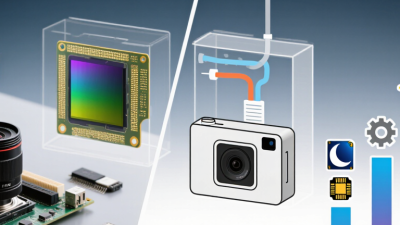
How to Choose a Mini Camera Module for Your Product?
Choosing a Mini Camera Module is a product decision, not just a component purchase. The right choice affects image quality, enclosure design, power use, manufacturing cost, and reliability in the field. Small dimensions matter. So does the image sensor behind the lens.
Industry research helps explain why careful selection matters. IDC’s Worldwide Quarterly Mobile Phone Tracker reported 1.24 billion smartphone shipments in 2024, up 6.4% from 2023. Smartphones are only one application, but their scale shows how extensively compact imaging is built into modern products. Yole Group’s 2024 Status of the CMOS Image Sensor Industry report also examines sensor advances and demand across mobile, automotive, and industrial markets. These reports provide context, not a guarantee that one module will suit every design.
This guide compares the practical specifications buyers should assess: sensor size and resolution, lens field of view, focus type, low-light performance, interface, power consumption, and operating temperature. A tiny module may fit the enclosure but produce soft images at the edges. Higher resolution can help, yet it may also increase processing and storage demands. Details matter.
The trade-offs are easy to underestimate. A datasheet cannot fully predict performance behind tinted glass or under uneven indoor lighting. Testing samples in the intended enclosure is essential, even when schedules are tight. The aim is not to find the smallest module available. It is to select one that meets measurable product needs and remains dependable after integration.
Read more »
By:Evelyn
- November 17, 2026

Best Camera Module Manufacturers in China for Global Buyers
Choosing among the best camera module manufacturers in China requires more than comparing quotations. A low unit price can hide gaps in optical testing, calibration, or production control. Buyers should examine sample consistency, lens and sensor options, autofocus performance, low-light results, and the supplier’s ability to support design changes. Small details matter: a visible dust spot, a loose connector, or uneven focus across samples can become a costly issue at scale.
Photographer and imaging expert Ansel Adams wrote, “You don’t take a photograph, you make it.” His words concern image-making, but they also point to a practical truth for Camera Module sourcing: image quality depends on the full system, not one component. Buyers should ask how suppliers manage lens alignment, module assembly, image tuning, and reliability checks. Request test reports and traceability records, then verify that the tested configuration matches the samples and production units. A polished presentation is not proof.
This guide helps global buyers compare Chinese manufacturers by technical capability, communication, production readiness, and support after delivery. Check how clearly a supplier answers questions about tolerances, customization, lead times, and quality controls. Visit or independently audit facilities when feasible. Confirm market-specific documentation with qualified professionals. Not every supplier will fit every product. That is worth admitting early. A capable partner should explain limitations as clearly as strengths, provide realistic samples, and respond constructively when a test result falls short. The right choice is rarely the loudest sales pitch; it is the one whose performance can be checked, repeated, and supported.
Read more »
By:Evelyn
- November 17, 2026

How to Choose the Best Mini Camera for Your Business?
Choosing a Mini Camera for business use is not simply a matter of buying the smallest device. The right choice depends on what you need to see, where the camera will operate, and how footage will be stored. A retail owner may need clear detail at a checkout, while a small office may prioritize reliable coverage of an entrance. These are different jobs. Small cameras can also have limits, including weaker low-light performance, shorter battery life, or narrow viewing angles.
Industry growth makes careful selection increasingly relevant. MarketsandMarkets’ Video Surveillance Market report estimated the market at USD 53.7 billion in 2023 and projected it to reach USD 83.3 billion by 2028, a 9.2% compound annual growth rate. That figure reflects broad surveillance demand, not a guarantee that every compact camera will suit a business. Still, it points to a crowded market where specifications deserve close attention. Resolution alone is not enough.
This guide compares image quality, field of view, power options, storage, connectivity, and installation needs. Check how a camera performs in the actual setting: a dim stockroom, a bright storefront window, or a busy reception area. Review manufacturer specifications, independent testing, and warranty terms before deciding. Also consider privacy, access controls, and clear notice where cameras are used. A product page may look reassuring. Real-world performance can be less tidy. A practical choice balances dependable footage with responsible use, and leaves room to reassess after installation.
Read more »
By:Evelyn
- November 17, 2026