Best Seller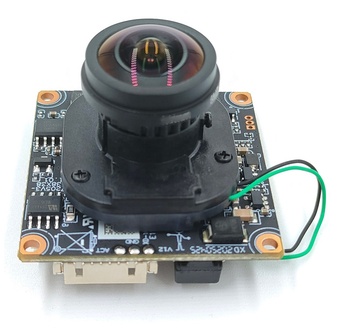
IP · Blacklight
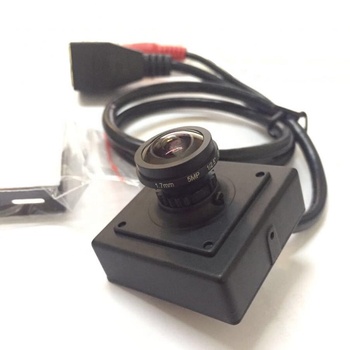
6MP 38×38 mm Blacklight IP Camera Board
- IMX335 Starvis, H.265+
- 1.7 mm fisheye 180° option
- RTSP, CGI, PoE optional
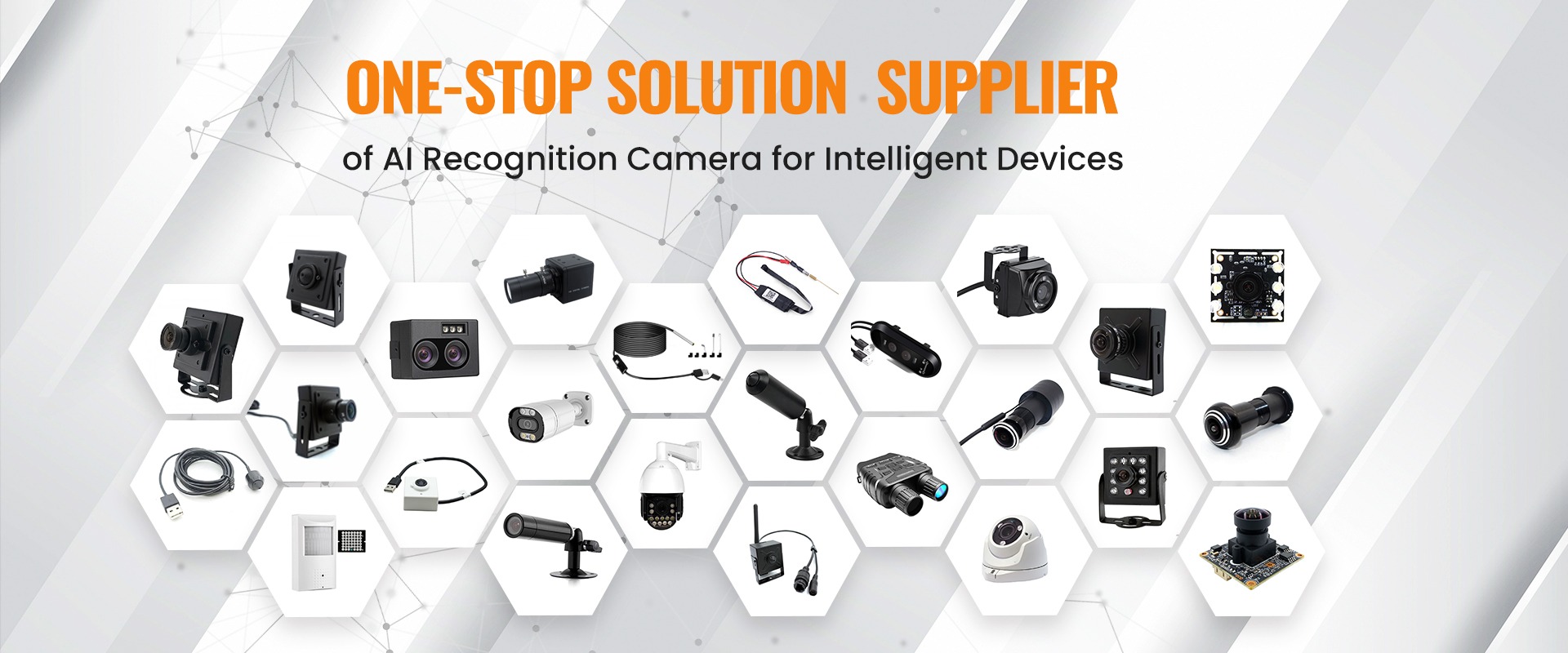
38×38 mm Starlight boards with RTSP, ONVIF and optional PoE — designed, tuned and tested in Guangdong.
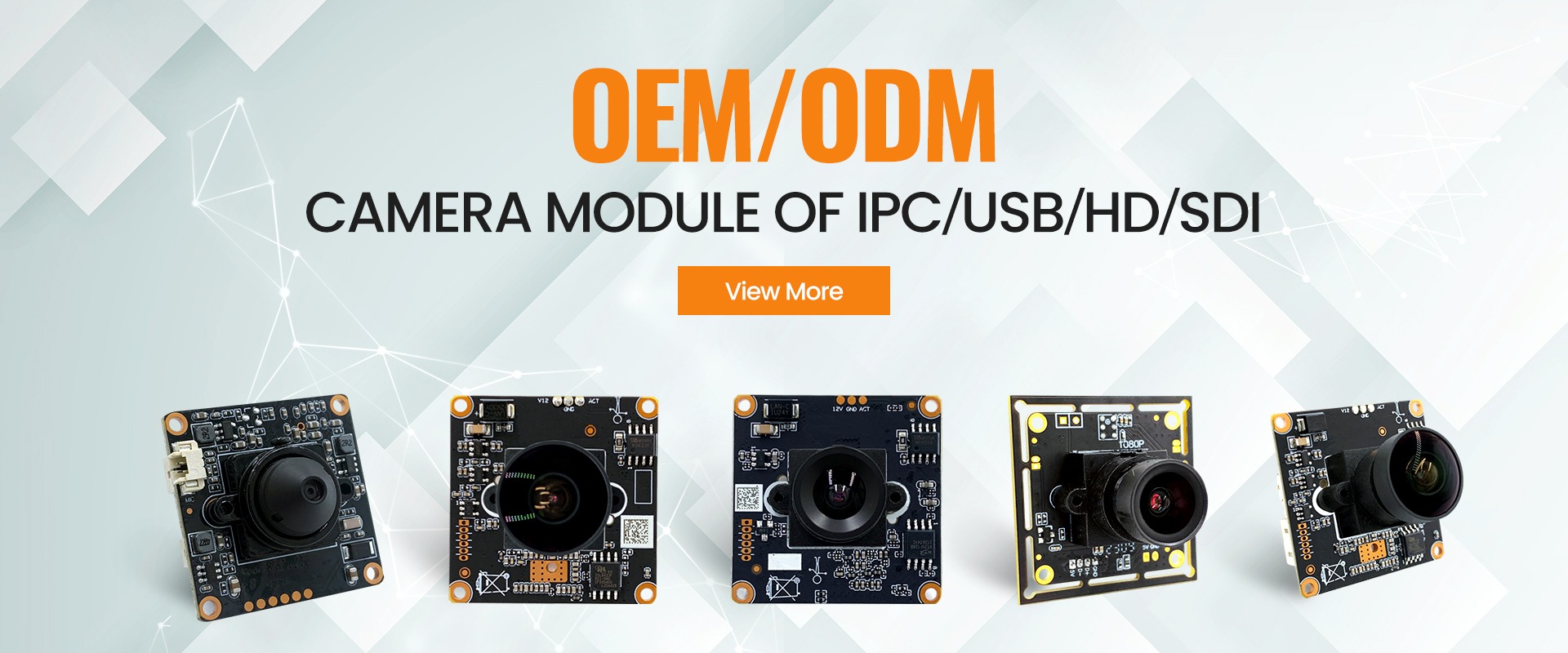
Starvis Sensors Down to 0.0001 Lux
Clean video in dim lobbies, remote cabinets and unlit forecourts — with or without IR.
If you are evaluating a blacklight low-lux IP camera module for a fleet of ATMs, self-service kiosks, remote cabinets or night-time perimeter projects, the spec sheet rarely answers the questions that matter. This guide is written by the engineering and sourcing team at Shenzhen Brekta Electronics Co., Ltd. to show exactly what “0.0001 lux”, “blacklight” and “low-lux” mean in a real bill of materials — and how to choose a module that still performs in year three, not just on the sample bench.
Blacklight low-lux IP camera modules are compact network camera boards built around backside-illuminated (BSI) Starlight sensors, tuned to produce a usable image at extremely low scene illumination. Unlike a standard IP camera, the module has no housing, no bracket and often no lens — it is a PCB, a sensor, an ISP and a network stack that you integrate directly into your machine. That is the entire point: you control the enclosure, the optical window and the mechanical fit, while the module delivers the imaging and streaming engine.
The word “blacklight” in the trade does not refer to the ultraviolet blacklight of forensics. In surveillance sourcing it describes a module whose imaging pipeline is optimised for near-darkness: a BSI Starvis sensor, a wide-aperture lens, an aggressive ISP noise-reduction profile and, on many models, switchable IR-cut for true day/night operation. “Low-lux” simply states the illumination threshold at which the module still produces a recognisable image.
On a Brekta blacklight low-lux IP camera module, the numbers you will see quoted are typically:
Information gain, not marketing: a lux figure on its own is only half the story. The lens F-number, the shutter limit and the noise-reduction profile decide whether the module can actually read a face or a card number at 1–3 metres in the dark. Always ask for sample footage from a scene comparable to your deployment.
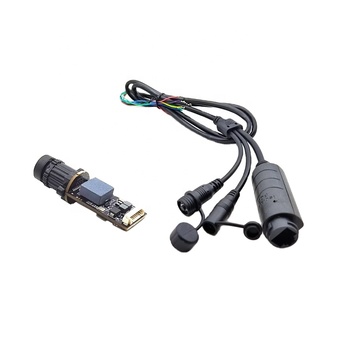
Three families cover the majority of OEM enquiries. All stream RTSP and ONVIF, all accept firmware customisation, and all are supported by the same engineering team that designed them.
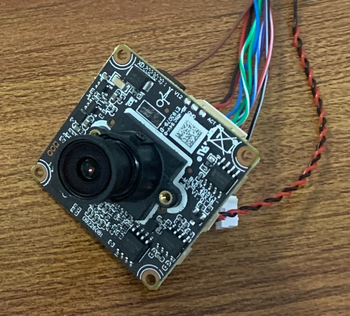
Specification cost and integration risk are decided long before price. This comparison and checklist come straight from the questions our engineers answer during project reviews.
| Requirement | Recommended Choice | Why It Matters | Watch Out For |
|---|---|---|---|
| Sensor | Sony IMX335 (5MP) or IMX291 (2MP) BSI Starvis | Lowest illumination floor with usable SNR | “Starlight” branding without a model number |
| Lens | F1.6–F2.0, M12 board or fisheye 1.7 mm | Light gathering drives night performance | A slow lens negates a good sensor |
| Board size | 38×38 mm standard; smaller for tight housings | Mechanical fit inside ATM/kiosk shell | Clearance for connector and cable bend radius |
| Network | RTSP, ONVIF, H.265, optional PoE | Integrates with existing NVR/VMS and single-cable installs | Firmware must be stable across reboots |
| IR-cut | Switchable IR-cut + 850/940 nm illuminator | True 0-lux operation in cabinets | Reflections from glass windows |
| Compliance | CE, FCC, RoHS documentation | Smooth customs and market access | Certificates naming a different model |
Overseas buyers are asking a different set of questions in 2025 than they did in 2020. Three trends now shape every serious procurement conversation.
As BSI Starvis sensors become mainstream, integrators expect 0.001–0.0001 lux capability in the default BOM rather than as an upgrade. The differentiation is shifting to ISP tuning, wide dynamic range and the ability to keep faces legible when a bright shop window sits behind the subject. Buyers should ask for footage that includes a backlit scene, not just a dark room.
Face detection, people counting and liveness checks are moving from the host CPU into the camera module itself, driven by SoCs with built-in NPUs. Expect more requests for modules that expose an AI event API alongside RTSP so the machine can react to a detected person without streaming everything to a server.
PoE has become the default for kiosk and ATM retrofits because one cable carries power and video. Combined with ONVIF profile S/T support, this lets buyers swap modules between vendors without rewriting the VMS layer — a strong argument for insisting on standards-based firmware from day one.
European and North American buyers increasingly need RoHS and, in some cases, REACH documentation plus a clear component lifecycle statement. A manufacturer that can supply CE, FCC and RoHS certificates that match the exact model number will save you weeks at customs.
From cash machines to unlit forecourts, our low-lux modules are deployed wherever a compact, reliable eye is needed after dark.
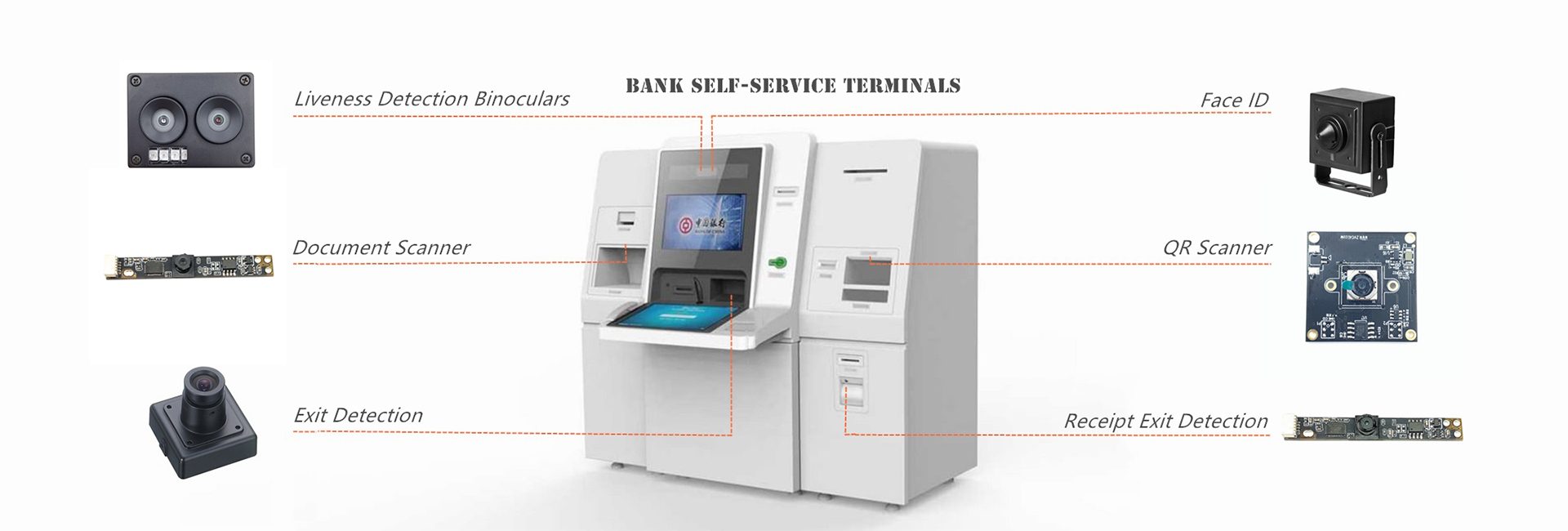
Low-light modules keep transaction footage usable when the lobby lights are dimmed.
Starlight sensors reduce IR dependency for liveness detection and access terminals.
Autofocus low-lux boards read cards and payment codes in low ambient light.
PoE low-lux modules monitor stock and customers inside unlit cabinets.
Night-time monitoring for people counting and unlit perimeter zones.
Low-lux IP modules for production lines and maintenance in dim plants.
Shenzhen Brekta Electronics Co., Ltd. designs, develops and manufactures compact surveillance and machine-vision cameras — USB, IP, blacklight low-lux IP, AHD, CCD-replacement, wireless and smart-home models. Our specialty is the smallest form factors: micro camera modules, mini IP boards and low-lux modules that fit inside ATMs, VTMs, self-service kiosks and other intelligent machines.
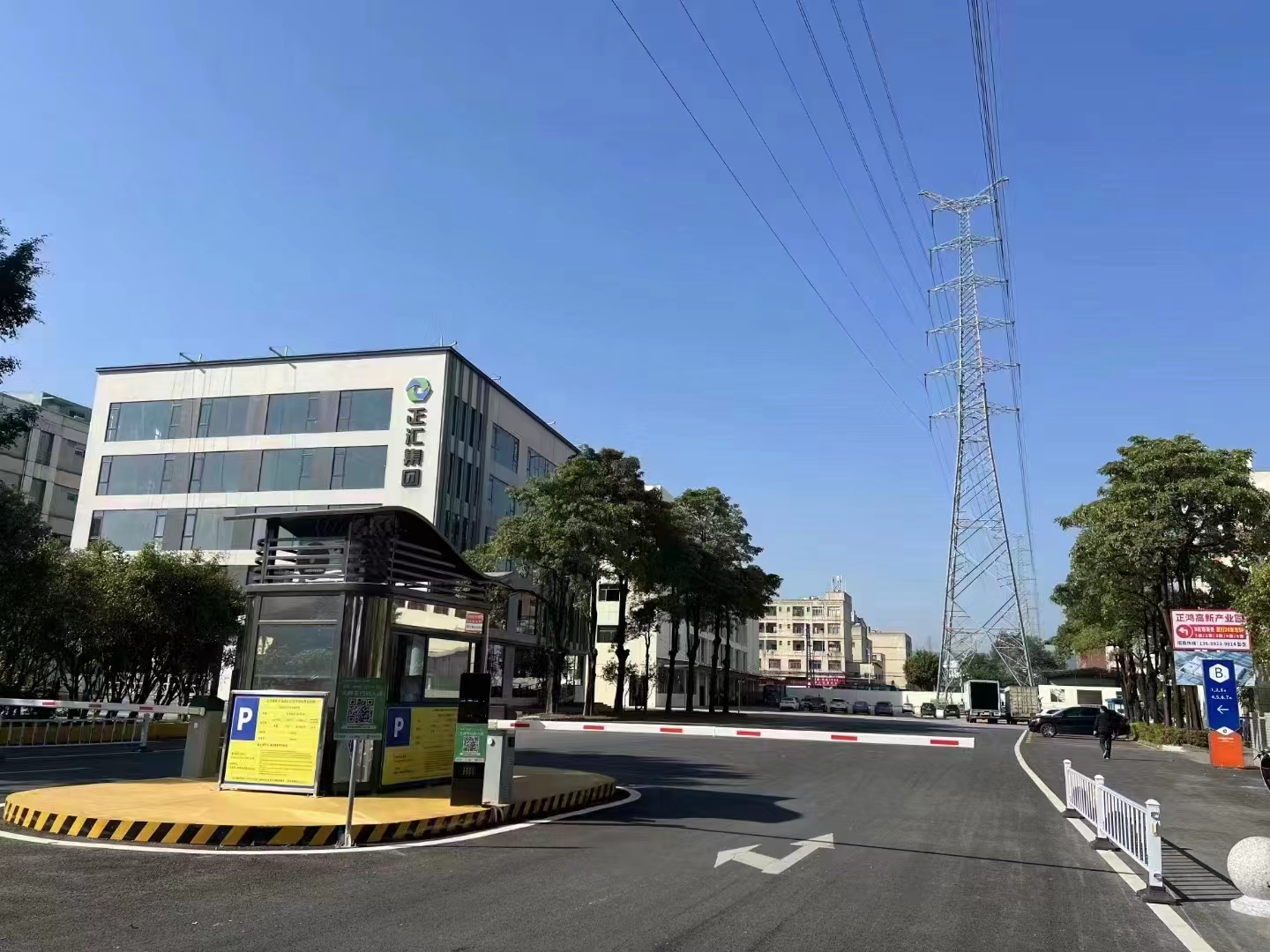
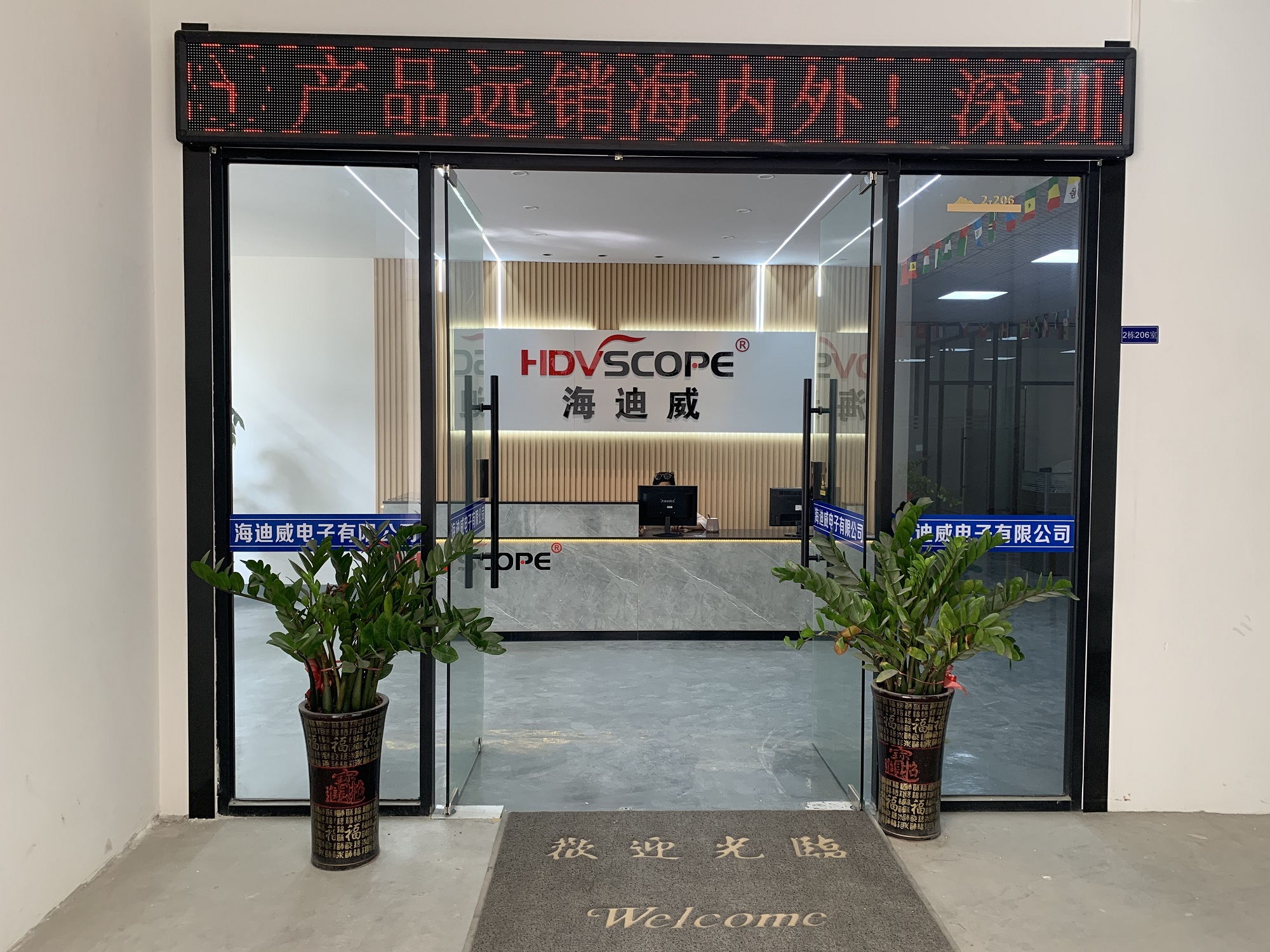
Headquartered in Shenzhen with a branch in Dongguan, our engineering team works in Protel and Allegro to turn customer drawings into stable, certified products. Long-term partners across North America, South America, Europe, the Middle East and Asia rely on us for public security, transportation, smart buildings, retail and industrial projects. All materials are tested before assembly and every finished unit is image-tested by our QC team, so the module that arrives in your line performs exactly like the sample you approved.
Practical guarantees that reduce sourcing risk from first sample to repeat orders.
Your customer data, custom drawings and purchase agreements are protected — never disclosed or reused for other projects.
A documented production and inspection process ensures the bulk order performs exactly like the sample you approved.
Scheme design, lens, board size, firmware, logo and packaging tailored to your product, with dedicated engineering support.
24-month warranty, free warranty replacement and lifetime technical support — with replies typically within 2 hours.
A transparent process that keeps engineering, purchasing and quality teams aligned.
Share housing size, interface, sensor and lens targets.
PCB and optics plan designed in Protel / Allegro.
In-stock samples ship in 1–3 days; custom samples follow.
Image tuning, fit testing and certification support.
Incoming inspection and 100% finished-unit QC.
24-month warranty and lifetime technical support.
Ready to evaluate a blacklight low-lux IP camera module? Send your housing size, interface and target lux level — our engineers will recommend the right sensor, lens and board.
Get a QuoteSend your drawing or target specs by email. An engineer-backed sales team replies within 2 hours during working time.