Flagship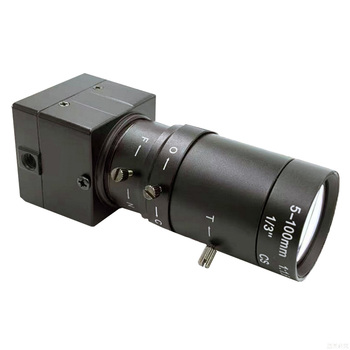
USB · 20x Zoom
8MP 4K 20× Optical Zoom USB Camera
- 3840×2160 @ 25 fps HDR
- 1/2.8" Starvis, 5–100 mm C/CS
- UVC driver-free · MOQ 1
One lens, 5 mm to 100 mm. What global buyers should check before committing to a zoom module — from sensor and low-lux to varifocal mechanics, UVC output and OEM support.
A fixed-focal USB camera sees one angle. A 20x optical zoom USB camera can frame a wide entrance and then push in to read a nameplate at thirty metres — all from the same UVC port your host machine already has.
Optical zoom is the only zoom that does not cost you resolution. Digital zoom crops the sensor and stretches the pixels; a true 20x optical zoom moves glass elements to change focal length, so every pixel of your 4K sensor is still being used when the image is magnified twenty times. For integrators, that single distinction decides whether the module can read a licence plate, a patient label, a screen or a face at long range — or whether it merely produces a blur with more megapixels.
A 20x optical zoom USB camera therefore sits at an interesting intersection. It inherits everything that is convenient about USB (plug-and-play UVC, no capture card, no network configuration) and adds the reach normally reserved for bulky PTZ dome cameras. That makes it a natural fit for self-service kiosks, ATM enclosures, access-control lanes, parking barrier stations, mobile inspection carts and machine-vision cells where the camera must observe a wide scene and a small detail from a single mounting point.
At Shenzhen Brekta Electronics Co., Ltd., zoom USB cameras are engineered on the same miniature-camera platform used across our UVC range. That means the module is built and tested as a machine component, not as a consumer webcam — consistent optics, consistent firmware, documented QC and OEM flexibility on lens, board, cable and housing.
If you need the highest detail at maximum magnification, this is the module most of our long-range OEM projects start from. It pairs a 1/2.8″ Starvis sensor with a 5–100 mm varifocal lens and delivers a standard UVC stream to any host.
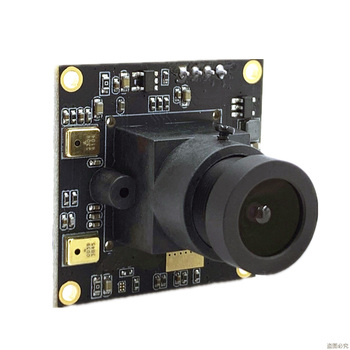
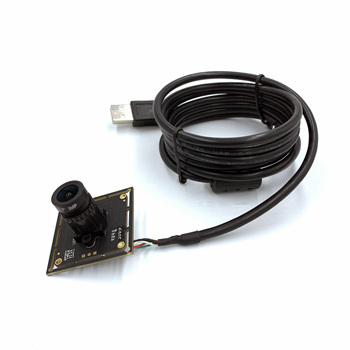
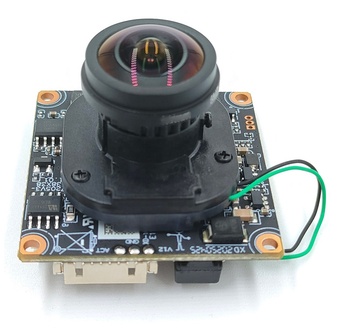
Two cameras can both print “20x zoom” on the datasheet and behave nothing alike in the field. These are the parameters our engineers ask a buyer to confirm before a sample is even quoted.
| Specification | Why It Matters | What to Ask For |
|---|---|---|
| Sensor & resolution | Optical zoom magnifies detail only if the sensor captured it. A 2MP sensor at 20x will pixelate faster than an 8MP sensor at the same magnification. | 4K (8MP) or 16MP sensor with WDR/HDR; state the minimum resolution your downstream software requires. |
| Low-lux rating | At maximum zoom the aperture admits less light. A poor sensor forces long exposure and motion blur on moving targets. | Starvis-class sensor (e.g. IMX291/IMX335) with a lux figure below 0.01; verify with a real low-light sample video. |
| Zoom mechanism | Manual varifocal lenses are set once at install; motorized zoom allows remote framing and presets. Both need a stable optical axis. | Ask whether zoom and focus motors are UVC-controllable, and request the SDK/API for preset positions. |
| Output format | Uncompressed YUY2 needs far more USB bandwidth than MJPEG or H.264 at 4K. | Confirm MJPEG/H.264 support and the sustained frame rate at your target resolution on USB 2.0 vs USB 3.0. |
| Mechanical fit | Zoom optics add length and weight. Board size, lens thread and housing clearance must match your enclosure. | Request the 3D drawing and confirm C/CS vs M12 mount, cable exit direction and mounting hole pattern. |
Across the RFQs that reach our sales engineers, a few clear patterns have emerged in how procurement teams specify and buy zoom USB cameras. They are worth understanding if you are building a 2025–2026 product line.
Buyers who once ordered several fixed-focal SKUs now consolidate on one varifocal zoom module, reducing spare-parts count and inventory risk.
Software vendors increasingly expect 4K input so their AI models can crop and analyse. 2MP zoom modules are being reserved for cost-sensitive retrofit work.
Starvis and Blacklight sensors are now written into tender documents, not treated as an optional upgrade, because half of deployments run through the night.
CE, FCC and RoHS documents are requested at the RFQ stage, and buyers shortlist suppliers who can produce test reports before a PO is issued.
MOQ flexibility has become a deciding factor. Teams want one or two units for a proof-of-concept before committing to a production run.
Warranty length, replacement policy and technical support hours are being compared line by line, not assumed from the brochure.
The module you buy today should still be relevant in three years. These are the development directions shaping the next generation of zoom USB cameras, based on the engineering requests we receive.
Zoom and focus motors exposed through UVC extension units, so host software can store and recall framing presets without human intervention.
Higher native resolution and cleaner low-light output so on-device or host-side models can crop and classify without losing accuracy.
Uncompressed 4K streams over USB 3.0 become more common, reducing compression artefacts that hurt OCR and licence-plate recognition.
Compact varifocal mechanics let a 20x module fit inside kiosk and lane housings that previously only accepted fixed-focal boards.
IR-cut switching, IR illumination control and multi-exposure HDR built into the module rather than added as external hardware.
PID/VID, parameter defaults, ISP tuning and logo strings configured per customer, not treated as a special engineering project.
Any host with a USB port can now include a long-range camera. These are the deployments where a 20x optical zoom USB camera is most often specified.
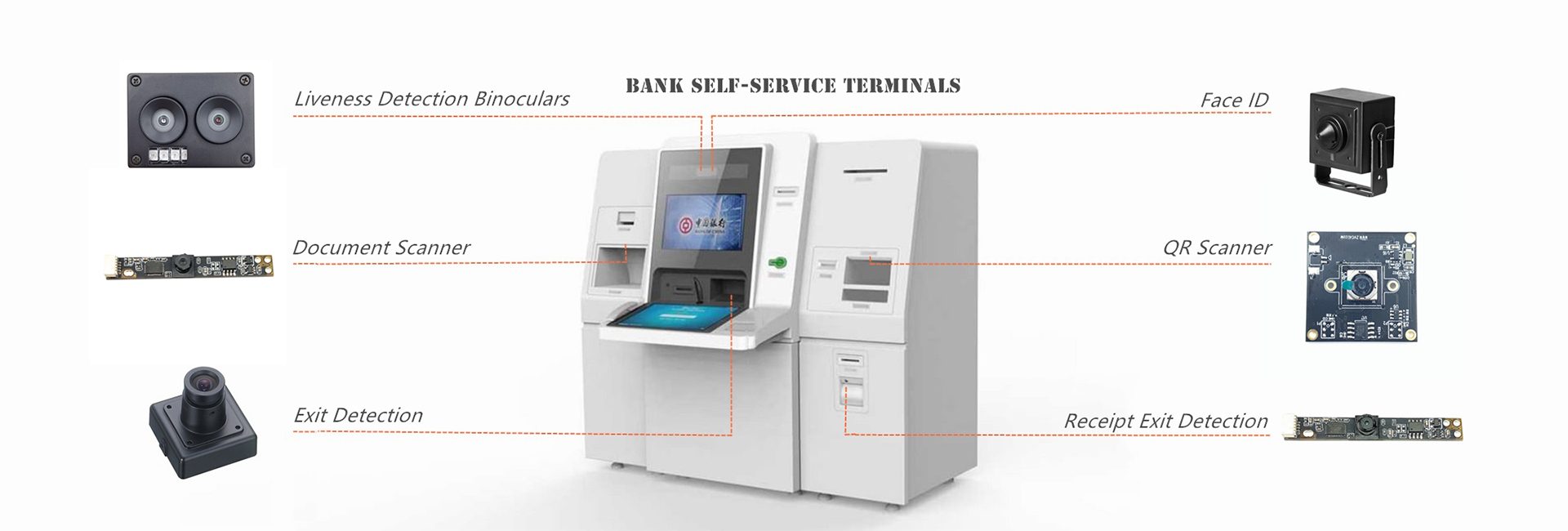
Observe a wide lobby and zoom to the user's document or screen without installing a second camera.
Zoom in on plates and vehicle markings from a single pole-mounted module, streaming directly to the control PC.
Frame a face at a turnstile, then zoom to capture credentials or badges held a few metres away.
Read fine text, labels or defects on moving parts while keeping a wide overview of the production cell.
Monitor a doorway from across a hall and zoom to identify a subject without repositioning the camera.
Plug a zoom module into a laptop or tablet for on-site surveys, utility checks and temporary monitoring.
Zoom optics are harder to get right than fixed-focal boards. These are the commitments that keep our OEM zoom projects on schedule.
We design, develop and manufacture compact cameras as our core business — micro USB modules, mini IP boards, pinhole and zoom modules — not as a side line.
Our engineers work in Protel and Allegro and can adapt board size, lens mount, cable, firmware parameters, logo and packaging to your product.
All materials are tested before assembly and every finished product is tested by our QC team, with quality control covering sourcing through packing.
24-month warranty, free warranty replacement and lifetime technical support, with a typical response time of two hours or less.
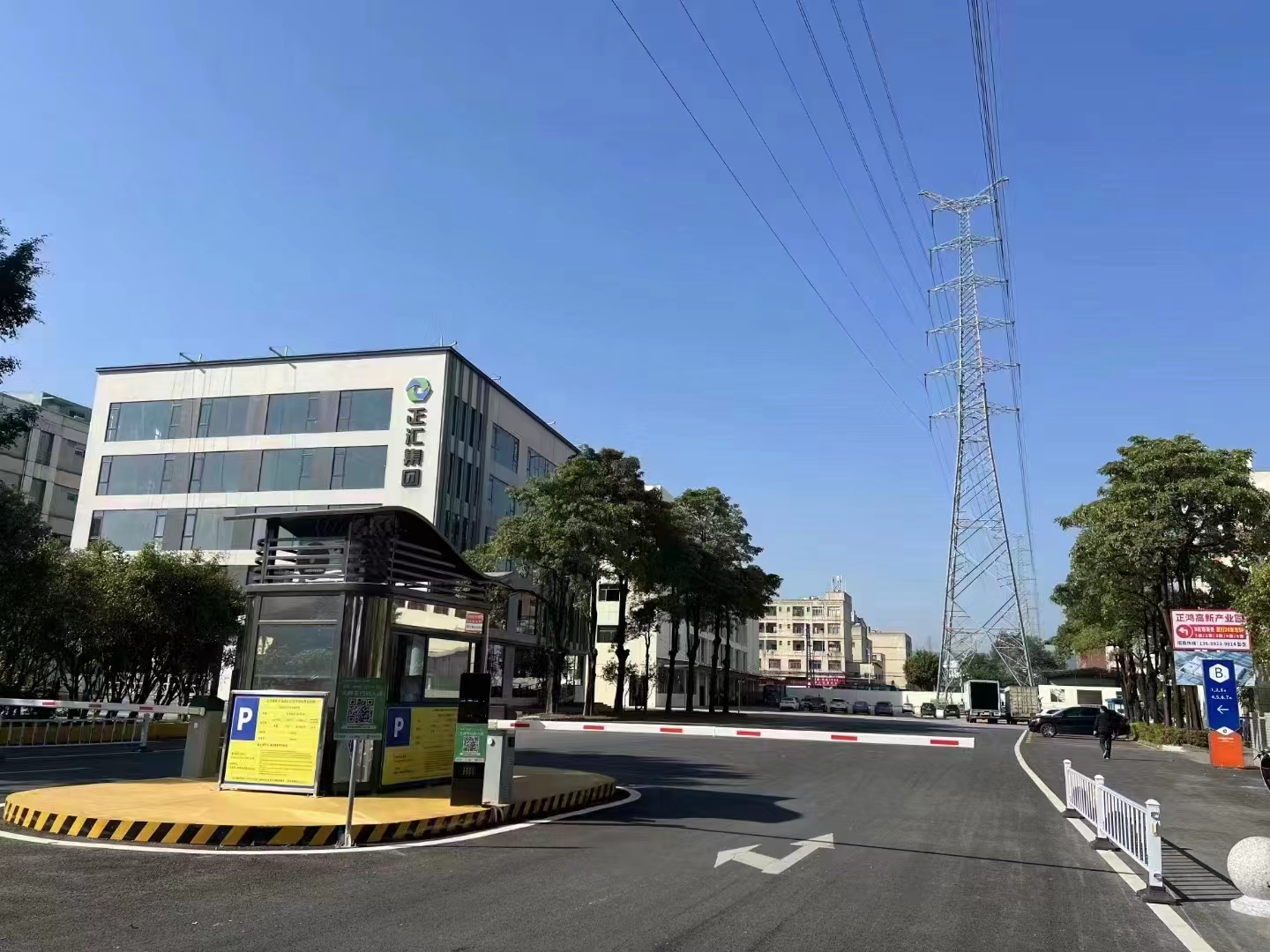
A security and machine-vision equipment manufacturer from Shenzhen, Guangdong, with a branch in Dongguan and a brand that serves buyers across North America, South America, Europe, the Middle East and Asia.
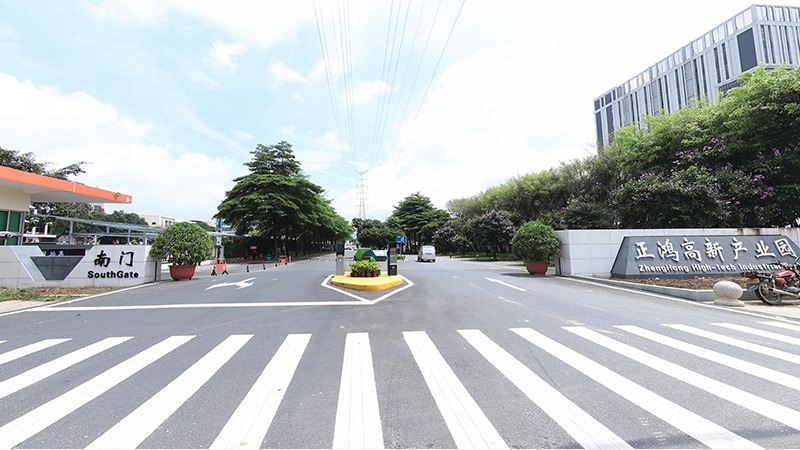
We focus on designing, researching, developing, manufacturing and selling ATM & kiosk cameras, USB cameras, CCD cameras, IP cameras, AHD cameras, wireless cameras and smart-home cameras. Our specialty is developing small surveillance cameras — the smallest mini CCD camera, mini USB camera, micro USB camera module and mini IP camera used in ATMs, kiosks and other intelligent machines.
With our engineers adept at Protel and Allegro, we can work on your OEM/ODM projects and meet customized requirements. Strict quality control is the root of our company: all materials are tested before assembly, all finished products are tested by QC for stable quality, and our security cameras have won CE, FCC and RoHS certification. We offer a 24-month warranty, free warranty replacement and lifetime technical support, and we sincerely hope to build long-term relationships with valued customers worldwide.
The questions procurement and engineering teams most often send to our sales engineers when evaluating a zoom module.
Tell us how far the camera must see, what it must read, and which host system it plugs into. An engineer-backed sales team replies within 2 hours during working time.