Best Seller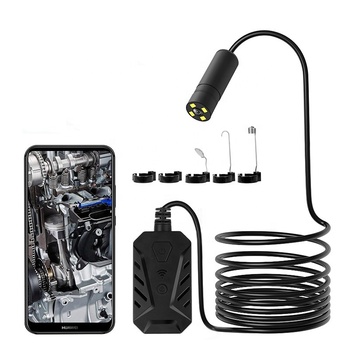
USB · Standard
5MP Autofocus USB Endoscope, 2 m Cable
- 1/4" CMOS, 2592×1944
- 14 mm sealed waterproof probe
- Driver-free UVC · MOQ 1 pc
Driver-free UVC imaging with a sharp autofocus lens, 14 mm waterproof probe and up to 10 m soft cable — engineered in Guangdong for global B2B buyers.
Autofocus That Locks on Small Details
From 1 cm to infinity — read part numbers, weld seams and hairline cracks without re-focusing by hand.
Your Cable Length, Housing & Logo — MOQ from 1 pc
Free samples, 24-month warranty and lifetime technical support from a 13-year camera manufacturer.
Procurement teams rarely buy an endoscope because of pixel count alone. They buy confidence: confidence that the probe survives a wet pipe, that the software works on the technician's laptop, and that the image is sharp enough to justify a decision on site. That is exactly what this module was engineered for.
The 5MP autofocus USB endoscope from Shenzhen Brekta Electronics Co., Ltd. combines a 1/4 inch CMOS sensor, a 5-megapixel imaging pipeline and a motorised autofocus lens in a single sealed 14 mm probe. It outputs a UVC video stream over USB, which means the camera appears as a standard video device in Windows, Linux, Android and macOS — no proprietary driver, no installation CD, no IT ticket.
For distributors, this is a plug-and-play product that reduces after-sales complaints. For integrators, it is a component that slots into inspection kits, borescopes and maintenance tooling without rewriting firmware. For private-label brands, it is a platform we can rebrand with your logo, packaging and cable length.
Below we break down the specification highlights, the procurement trends reshaping this category in 2024–2026, the technical developments buyers should plan around, and the questions our overseas customers ask most.
We sell three configurations of the 5MP autofocus USB endoscope. The variation is not cosmetic — it decides how your customer uses the camera and how you price it in your market.
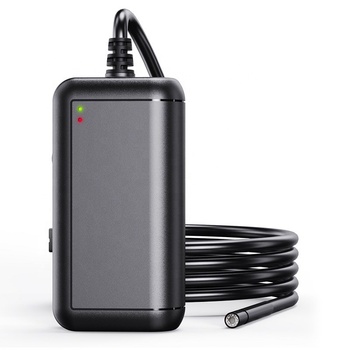
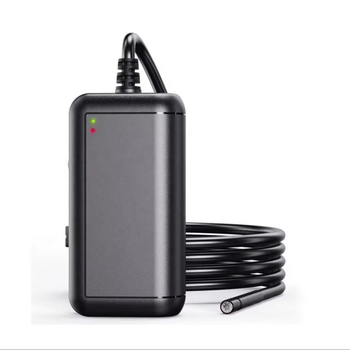
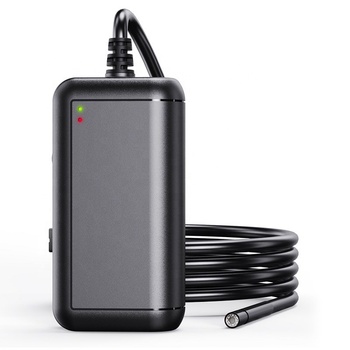
Three shifts are visible across the RFQs we receive from North America, Europe and the Middle East. They explain why the 5MP autofocus USB endoscope keeps growing share in inspection portfolios.
VGA and 2MP endoscopes are becoming commodity items. Buyers who used to advertise “720P” now need 5MP to compete on marketplaces and in catalogues, particularly for eBay, Amazon and B2B tooling distributors.
End users refuse to twist a lens by hand in a wet pipe. Autofocus reduces returns and support calls. Distributors increasingly specify autofocus for any SKU above the entry tier.
Brands no longer just resell — they build kits. That means custom cable length, printed packaging, accessories and calibration certificates. Flexibility at MOQ level is now a scoring criterion in supplier selection.
CE, FCC and RoHS documentation is expected at quotation stage. Buyers in the EU and North America increasingly prefer suppliers who can provide full conformity files rather than “on request” promises.
Stocked samples within 1–3 days and 25–35 day production cycles are now a baseline expectation. Suppliers who keep buffer inventory of core modules win the fastest turnarounds.
Remote diagnostics via UVC screenshots and log capture are becoming standard. Suppliers that provide clear firmware notes and test procedures are retained year after year.
The following developments are already shaping RFQs. Understanding them today helps you specify the right platform for the next two to three product cycles.
Probe diameters are shrinking from 14 mm toward 8 mm, 5.5 mm and even 3.9 mm. Autofocus mechanisms must follow, which pushes engineering toward micro-actuator designs. Buyers planning SKUs for aerospace, automotive and small-engine inspection should ask for a roadmap view now.
Autofocus combined with onboard AI can detect weld defects, missing fasteners or corrosion and highlight them in real time. Even without full AI, autofocus plus HDR reduces blurred frames, which simplifies post-processing for inspection software vendors.
End users want a single tool that connects to a phone in the field and to a laptop on the bench. Hybrid USB + WiFi hotspot designs, like our 10 m model, are becoming the default configuration for higher-tier SKUs.
IP67-rated probes, oil-resistant cables and high-temperature variants are increasingly required for HVAC, automotive and process-industry accounts. Sealing quality is now a differentiator, especially in markets with strict warranty regulations.
Every sample review should be tied to a documented specification sheet. These are the seven parameters our engineers ask buyers to lock down first.
| Specification | Why It Matters | Recommended Range |
|---|---|---|
| Resolution | Directly affects detail recognition on welds, threads and small labels. | 5MP minimum for inspection; 2MP acceptable for entry tier. |
| Focus Type | Autofocus reduces user error and returns in field conditions. | Motorised autofocus with manual override. |
| Probe Diameter | Decides which cavities can be reached. | 14 mm standard; 8 mm or less for narrow ports. |
| Waterproofing | Wet pipes, tanks and HVAC ducts need a sealed head. | IP67 head, sealed lens and connector. |
| Cable Length | Determines reach and whether a WiFi or USB-only design is practical. | 2 m standard; 5 m or 10 m for long runs. |
| Lighting | LED brightness and colour temperature affect image noise. | Adjustable dimmable white LEDs. |
| Compliance & Docs | Needed for customs, retail listing and warranty programs. | CE, FCC, RoHS conformity files. |
We treat camera assembly as an engineering discipline, not a trading activity. That is the practical background behind every drawing, every sample and every shipment.
Customer drawings, firmware parameters and purchase agreements are protected under NDA and never reused for other clients.
The same inspection process produces the sample you approve and the bulk order you receive — tested with the same equipment.
Board size, lens, cable, firmware, logo, packaging and accessories tailored to your product specification.
24-month warranty, free warranty replacement and lifetime technical support, typically answered within 2 hours.
CE, FCC and RoHS files are ready before purchase order, supporting customs clearance and marketplace listings.
Quotations are prepared with input from PCB, optics and firmware engineers, not from a spreadsheet.
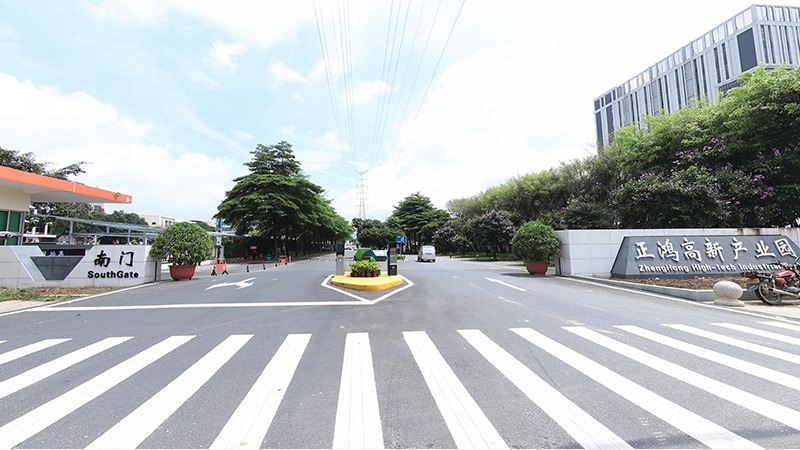
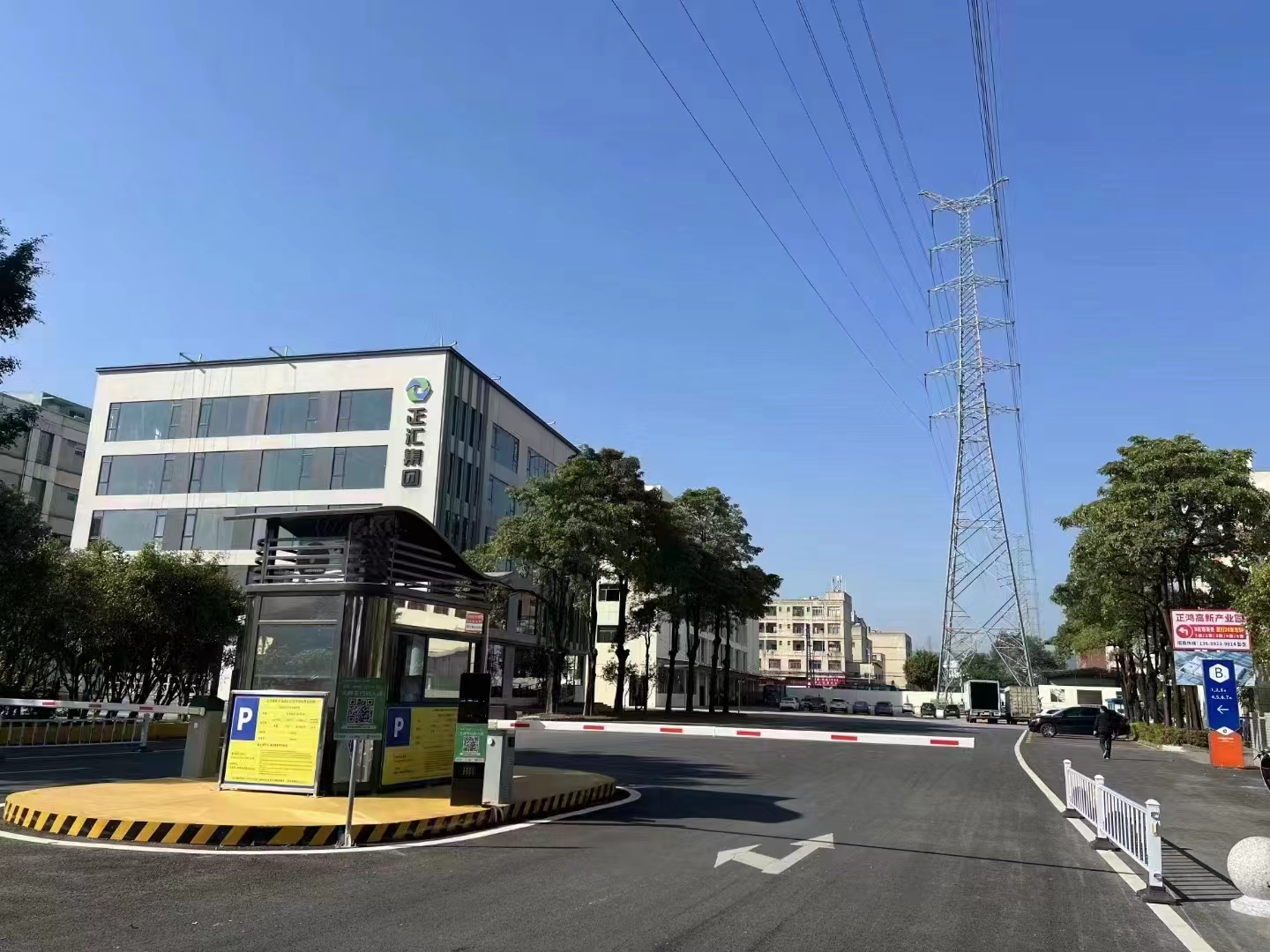
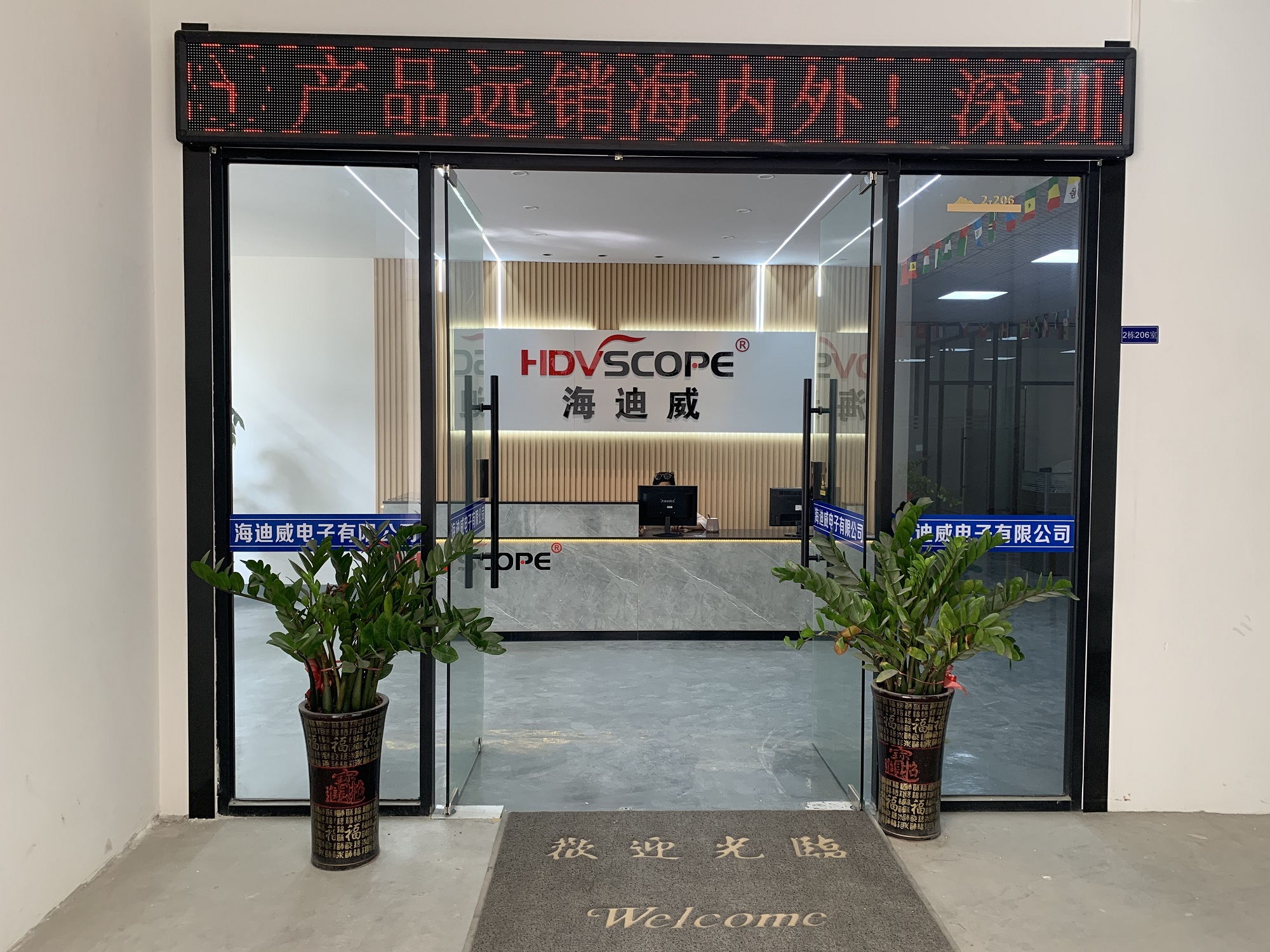
Shenzhen Brekta Electronics Co., Ltd. designs, develops and manufactures compact surveillance and machine-vision cameras in Shenzhen, China, with a branch in Dongguan. Our engineering team has spent 13 years turning demanding form-factor requirements into stable, certified products — micro USB camera modules, mini IP boards, pinhole cameras and industrial endoscopes.
We are a manufacturer, not a reseller. That distinction matters when you source an inspection endoscope: the same team that designs the PCB and selects the sensor is the team that handles your custom cable length, your logo and your packaging. Annual revenue sits between US$5 million and US$10 million, with a team of 51 to 100 people and a buyer reorder rate of 13%. Our long-term partners operate in North America, South America, Europe, the Middle East and Asia, on public security, transportation, smart-building, retail and industrial projects.
Incoming materials are inspected before they reach the production line. Each finished 5MP autofocus USB endoscope is checked for image quality, autofocus accuracy, LED uniformity and cable continuity before packing.

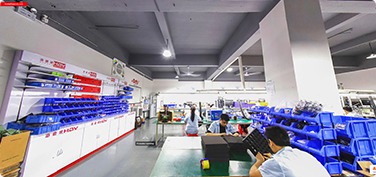
A transparent process that aligns your engineering, purchasing and quality teams with our production and QC teams.
Share probe diameter, cable length, focus target and resolution.
Board, optics and cable plan designed in Protel / Allegro.
In-stock samples ship in 1–3 days; custom samples follow.
Image tuning, fit testing and compliance support.
Incoming inspection and 100% finished-unit QC.
24-month warranty and lifetime technical support.
CE, FCC and RoHS certifications support smooth customs clearance in Europe, North America and beyond. Conformity documents are shared before purchase order when requested.
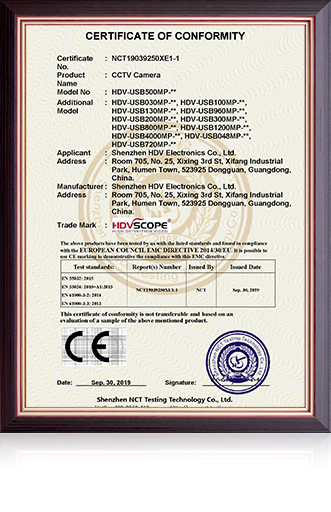
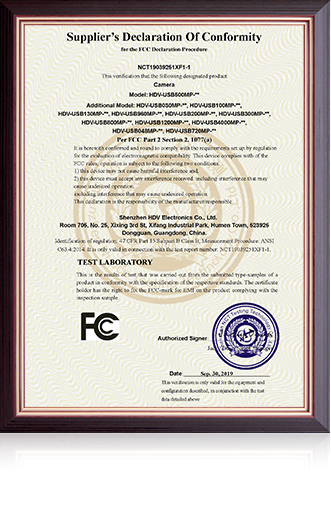
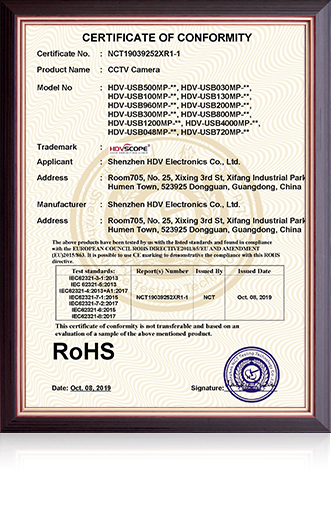
Search-intent based answers to the most common pre-purchase and technical questions we receive from distributors, integrators and brand owners.
Send your drawing, target market and brand requirements by email. An engineer-backed sales team replies within 2 hours during working time and confirms sample lead time before you commit to an order.