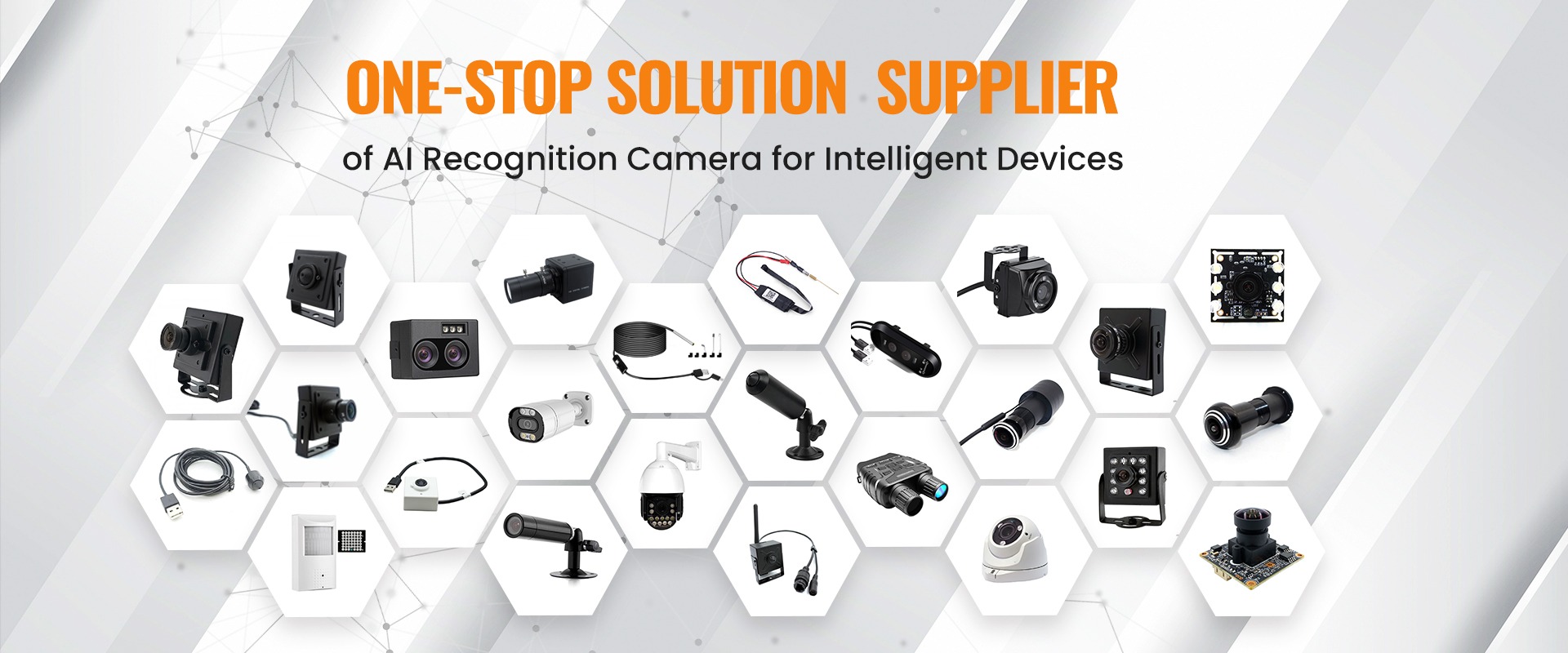
Mini USB Camera Module for ATM Kiosk — Driver-Free UVC Cameras Engineered for Self-Service Machines
15×15 mm to 38×38 mm boards, Starvis low-lux sensors and 1080P to 4K output — designed, tested and certified in Guangdong.
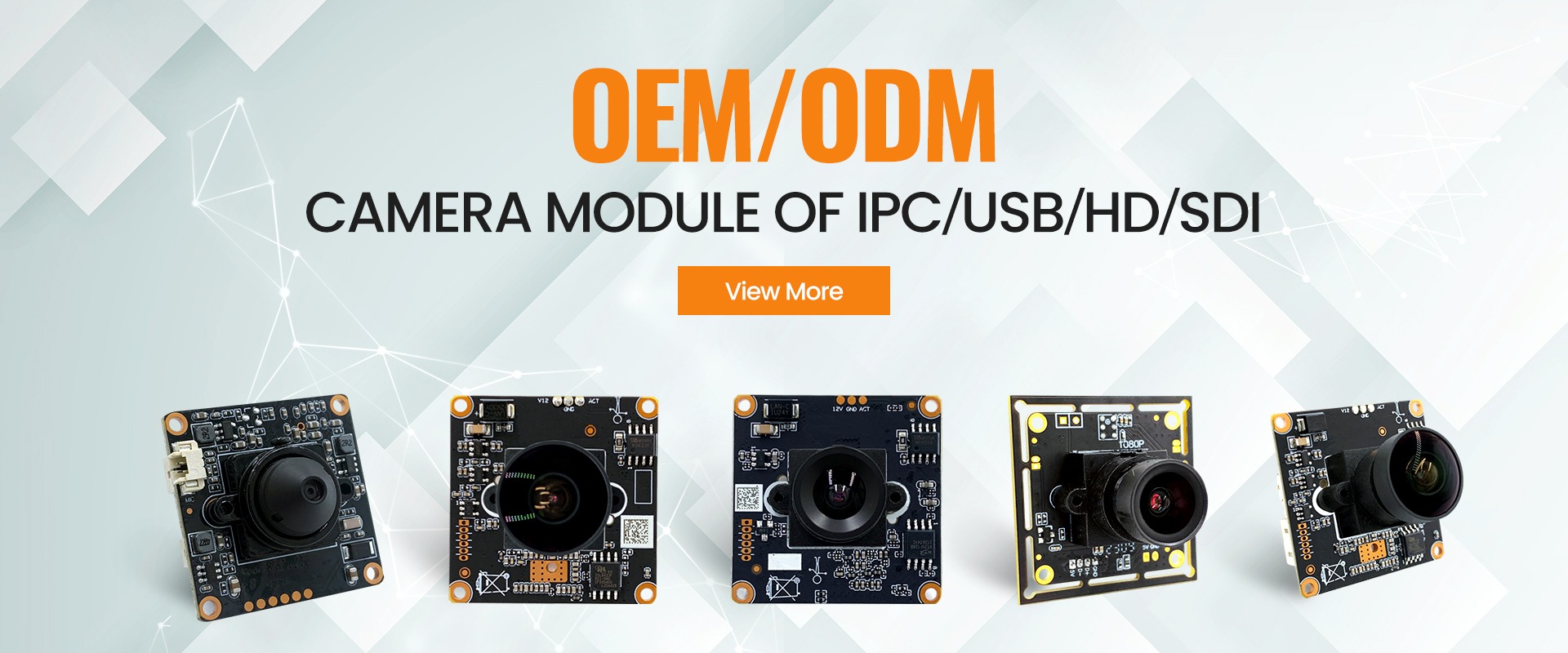
Starvis Sensors Down to 0.0001 Lux
Clear colour video in dim ATM lobbies, night kiosks and enclosed terminals.
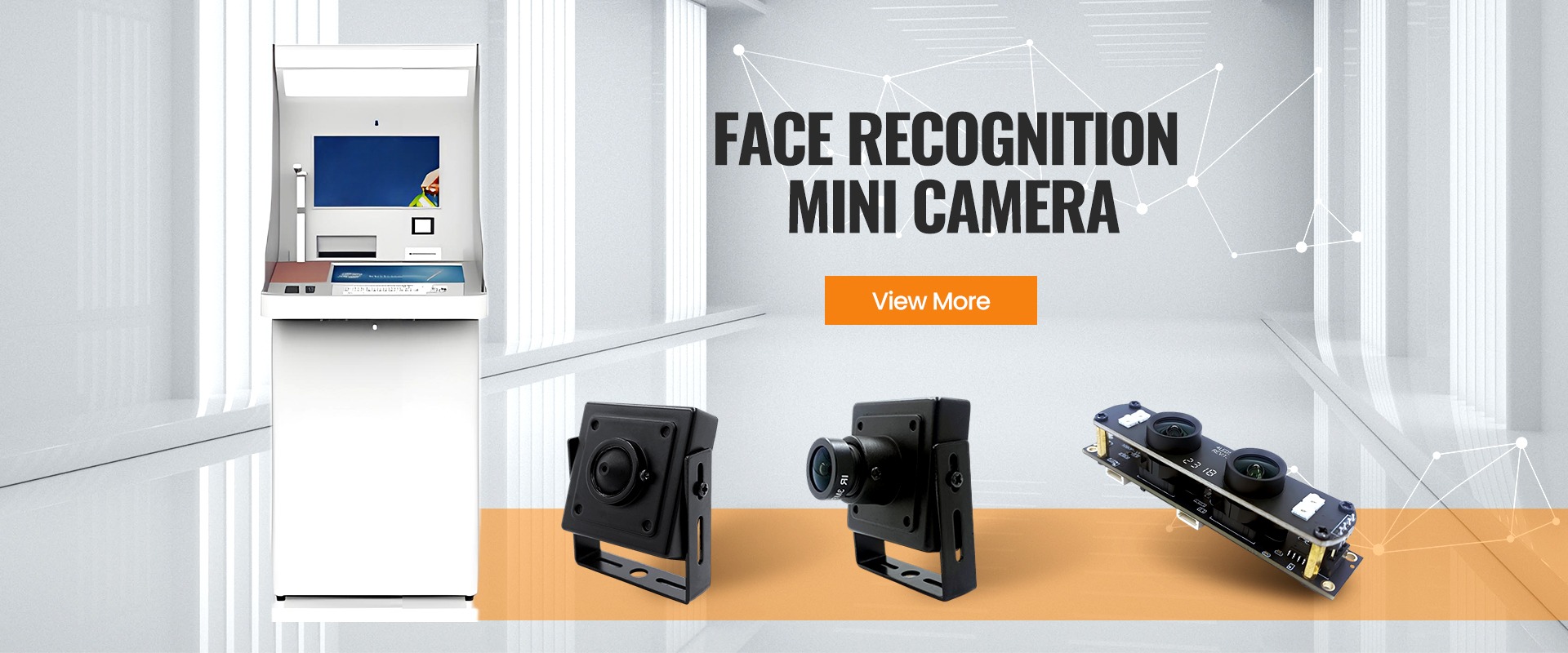
Your Lens, Board & Firmware — MOQ from 1 pc
Free samples, 24-month warranty, lifetime technical support.
Mini USB Camera Module for ATM Kiosk: The 2025 Buyer's Guide for Global Procurement Teams
If you are sourcing a compact camera for an ATM, VTM, self-service kiosk, vending cabinet or face-payment terminal, the questions below are the ones our sales engineers answer every week for OEM buyers in North America, Europe, the Middle East and Asia. This guide summarises what actually matters when you specify a mini USB camera module for ATM kiosk projects.
Why an ATM kiosk needs a purpose-built USB camera — not a consumer webcam
An ATM or self-service kiosk is a hostile optical environment. Its camera sits behind a thick bezel, faces a user at 20–40 cm with unpredictable backlight from a bank lobby or street, works 24 hours a day, and must feed a facial-recognition or transaction-audit application running on Windows, Linux or an Android SoC. A consumer webcam fails on at least three of these points: it is too bulky for a 15 mm aperture, its auto-exposure hunts under lobby glare, and its driver stack is designed for desktop use, not an embedded host that boots a custom image.
A purpose-built mini USB camera module for ATM kiosk applications is engineered the other way around. The sensor and lens are chosen for the actual working distance and lighting; the board is cut down to 15×15 mm, 25×25 mm, 32×32 mm or 38×38 mm so it fits a moulded bracket; the firmware is UVC-compliant so the host OS recognises it as a standard video device; and the output is tuned to MJPEG, YUY2 or H.264 so it does not saturate the USB 2.0 bus. When ATM manufacturers evaluate suppliers, these are the factors that determine whether a sample survives the second design review.
Recommended models for ATM, kiosk and self-service terminals
Based on field deployments and the reorder history of our global distributors, the following configurations are the most reliable starting points for ATM kiosk camera projects. All of them are UVC driver-free and certified to CE, FCC and RoHS.
- 0.01 Lux 2MP 34×34 mm UVC Webcam Board — the workhorse choice for transaction recording and fraud prevention behind an ATM fascia. An OmniVision sensor with a 3.6 mm M12 board lens delivers 1080P with stable exposure under mixed lobby lighting, and the 34×34 mm footprint drops into most existing brackets. MOQ 1 pc, so a pilot run costs almost nothing.
- 2MP 1.7 mm Fisheye USB Camera, IP65 — when the machine must see the whole user, the card slot and the cash dispenser in one frame. A 1.7 mm fisheye plus HDR keeps the face and the ambient lobby readable simultaneously, and the IP65 housing survives outdoor-through-glass installations and cleaning cycles.
- 2MP Starvis IMX291 1080P USB Camera Module — the answer to the classic complaint that night-time ATM footage is unusable. The IMX291 reaches 0.0001 Lux with WDR and H.264 on-board compression, so colour video remains available in a dim vestibule where a normal 1/2.7″ sensor would only produce noise.
- 8MP Autofocus Low-Lux USB Camera Module — for kiosks that must also read a document, ID card or QR payment code. The 3264×2448 resolution and autofocus cover both the 30 cm face distance and the 8–15 cm scanner window in one module, simplifying the bill of materials.
Procurement trends: how global buyers are sourcing ATM kiosk cameras in 2025
Three shifts have changed the way purchasing teams approach this category over the last two years. First, consolidation to a single interface. Where a kiosk programme once mixed analog AHD boards for the DVR and a separate USB webcam for face recognition, buyers now standardise on UVC USB so that one module type serves every terminal in the fleet. This lowers spare-parts inventory and simplifies field service, and it is the single most common request we receive from European and North American integrators.
Second, regulatory pressure is pushing specification upwards. Payment schemes and privacy regulations increasingly require audit-grade video with clear timestamps and identifiable faces at the transaction point, while GDPR and similar regimes require that footage be processed responsibly. That has moved low-lux capability and WDR from “nice to have” to mandatory in tender documents, and it has increased demand for on-board H.264 so the host saves bandwidth and storage rather than raw frames.
Third, supply-chain de-risking. Buyers who were burned by lead-time shocks now ask for a documented second-source plan for the image sensor, a written change-notification process, and suppliers who can ship samples inside a week. A manufacturer that holds stock of key boards and can quote alternative sensors within the same board footprint wins these tenders far more often than the lowest-price bidder. We routinely quote two sensor options for the same PCB precisely for this reason.
Product development trends: where the ATM kiosk camera is heading
Looking forward, four technical directions are visible in the briefs our engineering team receives.
Higher resolution at the same board size. The move from 2MP to 5MP and 8MP boards in 32×32 mm and 38×38 mm form factors continues, driven by face-payment terminals that need more pixels on the face at the same mounting distance. Smaller pixel pitches and better ISP tuning let designers keep the mechanical envelope unchanged while doubling resolution.
On-camera intelligence. Host CPUs in kiosks are already busy, so liveness detection, face detection and even QR decoding are migrating into the camera module or an adjacent co-processor. Expect more modules that output metadata alongside the video stream, reducing the load on the kiosk application and improving latency for face-payment flows.
Embedded H.264 and privacy masking. Compressing on the board saves USB bandwidth and storage, and privacy masking inside the module — for example, blanking the keypad area — is emerging as a compliance feature that regulators and privacy officers increasingly request.
Wider operating envelopes. Outdoor through-glass ATMs and drive-through terminals are pushing specs toward wider temperature ranges, better anti-fog and anti-glare coatings, and IP-rated housings. We now routinely supply IP65-rated fisheye modules where a bare board would have been specified five years ago.
How to evaluate a mini USB camera module for ATM kiosk projects
Specification sheets hide more than they reveal. When comparing suppliers, insist on a sample and test it under the conditions the terminal will actually face. Confirm the low-lux performance by capturing a face at the real working distance in the dimmest expected lighting, not in a studio. Check the field of view against the bezel aperture — a lens that is optically excellent but vignetted by the housing is worthless. Verify that the module enumerates without a driver on the exact host OS build you ship, and that the colour and exposure are consistent between two units from the same batch.
Also verify the boring details: cable length and strain relief at the connector, the pinout of the USB header, the flexibility of the FPC if the board is remote-mounted, and whether the firmware parameters you need — frame rate, resolution, mirror and flip, exposure mode — can be locked so that field replacements behave identically to the units already in service. A supplier who can document these points and repeat them on the production line is worth more than a marginally lower unit price.
About Shenzhen Brekta Electronics Co., Ltd.
Shenzhen Brekta Electronics Co., Ltd. is a security equipment manufacturer based in Guangdong, China, specialising in the design, research, development, manufacturing and sale of ATM and kiosk cameras, USB cameras, CCD and AHD cameras, IP cameras, wireless and smart-home cameras, and industrial endoscopes. Our particular strength is miniaturisation: the smallest mini CCD cameras, mini USB camera modules, micro USB camera boards and mini IP cameras used inside ATMs, kiosks and other intelligent machines.
Our global headquarters is in Shenzhen, with a branch in Dongguan, and we sell our own HDVSCOPE-branded products at home and abroad. With 13 years in the category and a team of 51–100 people, we handle OEM and ODM projects end to end: our engineers work in Protel and Allegro and can adjust board size, lens focal length and field of view, connector and cable, IR-cut, microphone, firmware parameters, logo and packaging. Annual revenue is in the US$5–10 million range, and our global partners are long-standing, spanning North America, South America, Europe, the Middle East and other Asian markets.
Strict quality control is the root of the company. All materials are tested before assembly and all finished products are tested by QC for stable quality; our security cameras carry CE, FCC and RoHS certification, and quality control covers every procedure from material sourcing and processing through to testing and packing. Every product comes with a 24-month warranty, free warranty replacement and lifetime technical support. We reply within roughly two hours during working hours and maintain a 98.1% response rate, because we believe a supplier should be as responsive after the order as before it.
If you are evaluating a mini USB camera module for ATM kiosk integration, send us your housing drawing, target interface and lighting conditions. An engineer-backed team will recommend a module, tune the sample to your environment and quote within one working day. You can reach us at info@brektacam.com.
Questions Overseas Buyers Ask Us Most About Mini USB Camera Modules for ATM Kiosks
What is the minimum order quantity for Brekta camera modules?
Do you provide samples before bulk orders?
Are your USB camera modules driver-free?
Can you customize lens, board size and cable?
Which certifications and warranty do you offer?
Tell Us Your Housing Size and Interface — We'll Recommend a Module
Send your drawing or target specs by email. An engineer-backed sales team replies within 2 hours during working time.