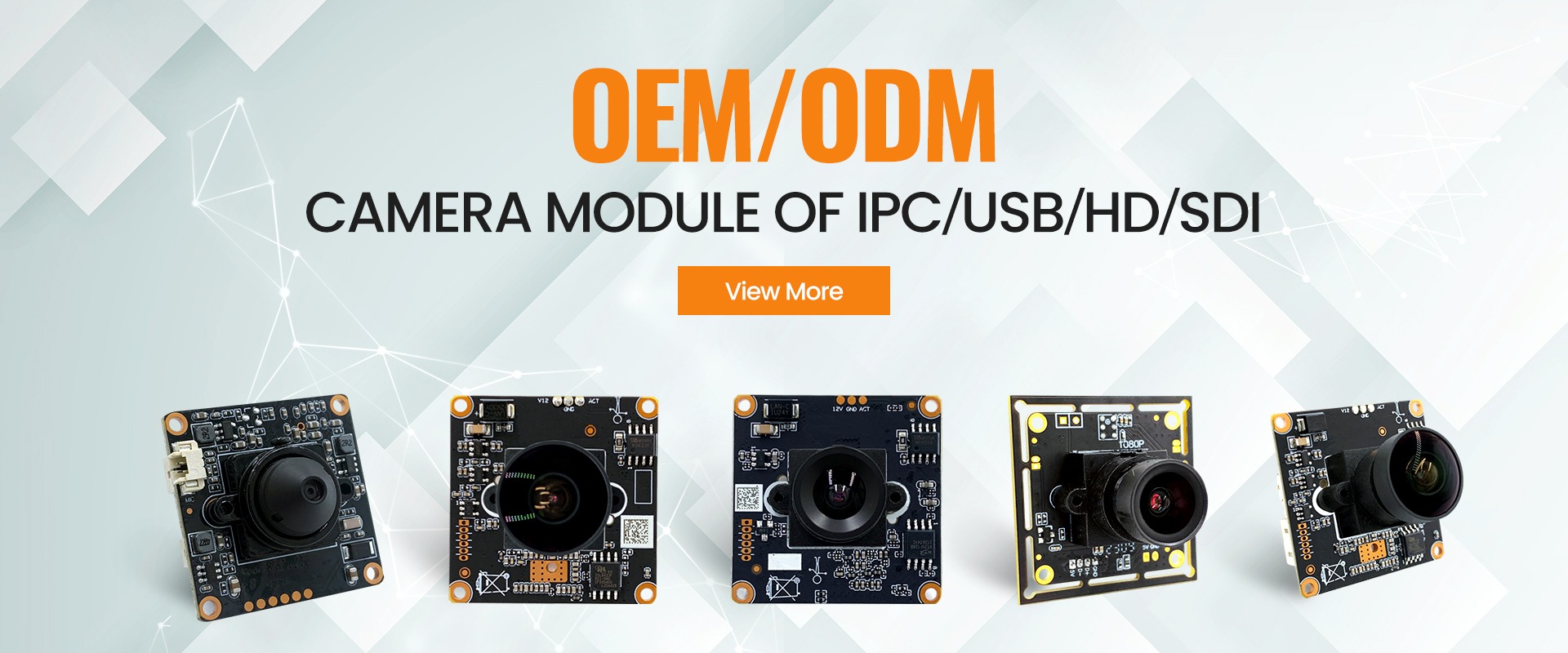
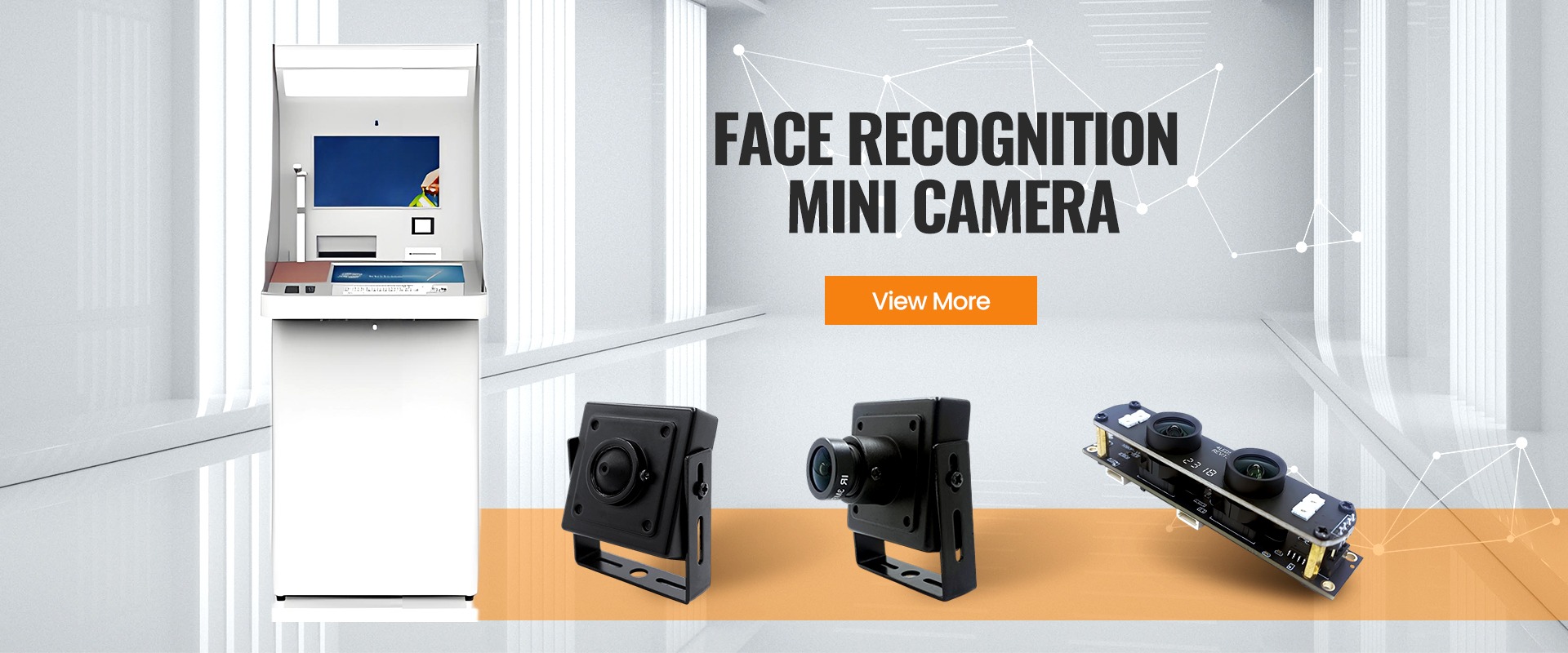
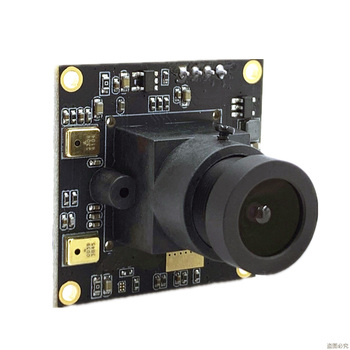
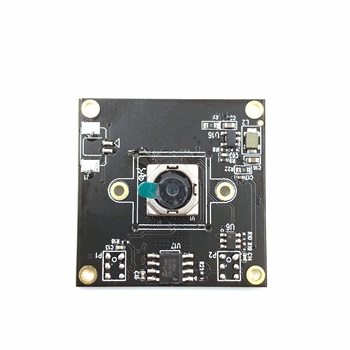
2MP Starvis IMX291 1080P UVC Module
- 1/2.8" IMX291, 0.0001 Lux
- 3.6 mm lens, WDR, H.264
- Driver-free on Win/Linux · MOQ 10
Global procurement teams ask us this in almost every first email. Here is the plain, engineering-first answer — written by the manufacturer that builds them.

A UVC USB camera module is a small camera board that speaks the USB Video Class protocol. Because UVC is a class-compliant standard baked into Windows, Linux, Android and macOS, the module streams video the moment it is plugged in — no proprietary driver, no vendor SDK install, no admin rights on the line PC. That single property is why industrial integrators prefer UVC over proprietary machine vision links when the inspection task can be solved with standard 2D imaging.
In an industrial inspection context, the module is typically embedded inside an AOI station, a robotic end-effector, a sorting chute, a packaging machine or a handheld visual inspection tool. The host application — often written in Python with OpenCV, in Halcon, in Cognex VisionPro or in a custom C# stack — simply opens the UVC device node and receives MJPEG, YUY2 or, on selected models, H.264 frames.
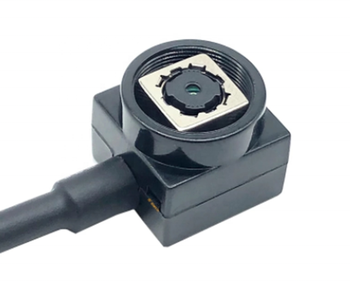
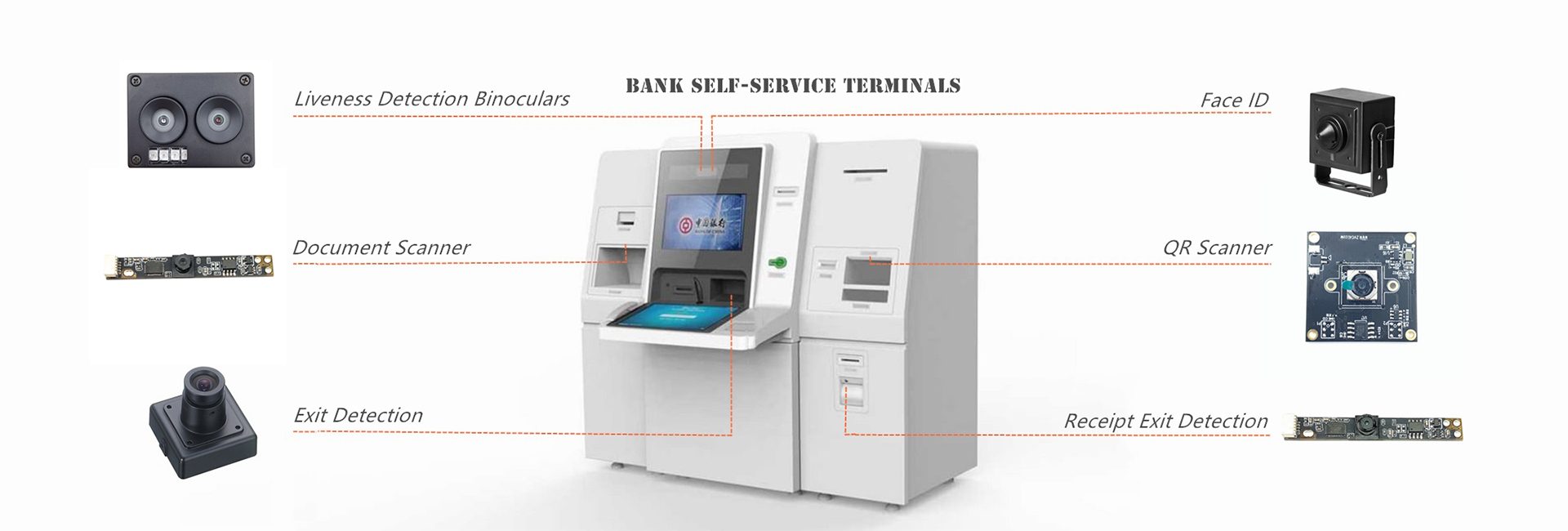
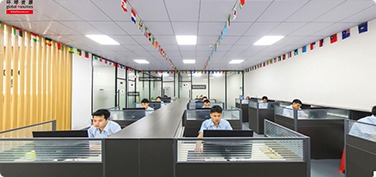
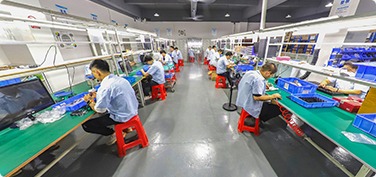
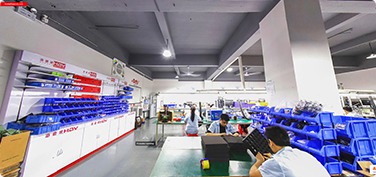
At Shenzhen Brekta Electronics Co., Ltd. we have designed these boards since 2012, starting with micro USB camera modules for ATMs, kiosks and vending machines, and progressively tuning the same architecture for machine vision duty: locked focus, vibration-resistant connectors, industrial temperature range sensors and firmware with fixed-exposure and fixed-white-balance modes that stop auto-algorithms from drifting between inspection frames.
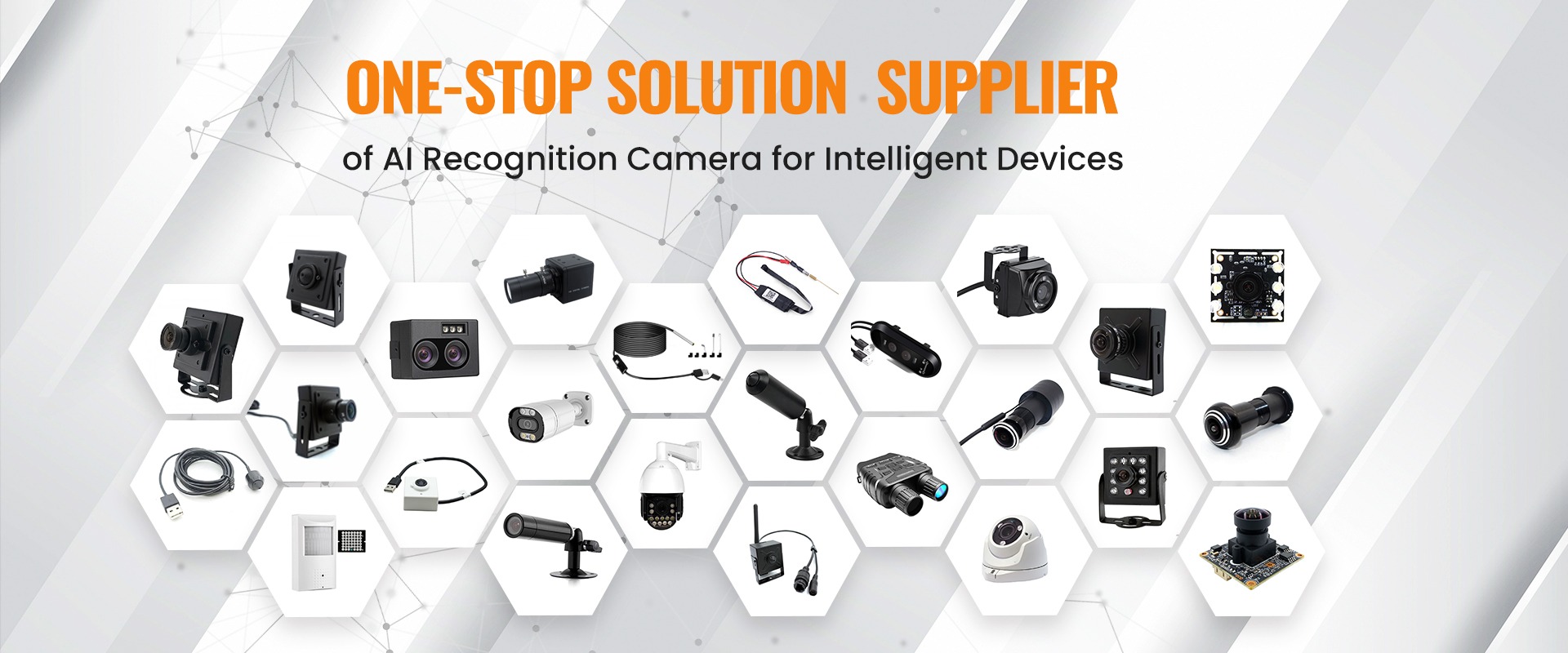
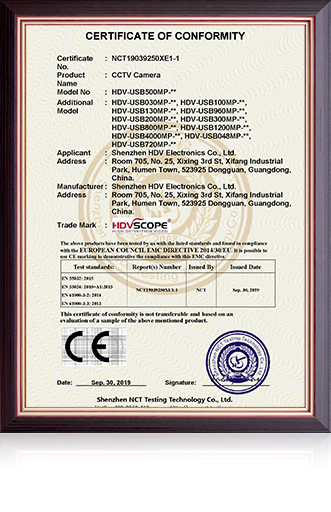
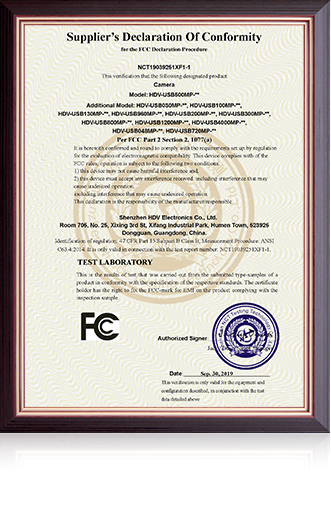
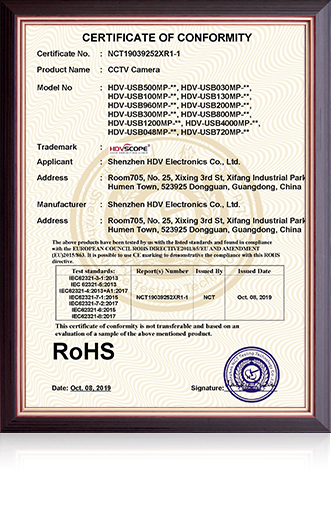
These four models account for the majority of inspection-related sample requests we ship. Each is driver-free, CE/FCC/RoHS certified and backed by a 24-month warranty.


Six parameters decide whether your inspection algorithm succeeds or fails. This is the checklist our engineers walk through with every OEM buyer before a sample ships.
| Parameter | What to Ask For | Typical Brekta Option |
|---|---|---|
| Resolution | Match the smallest feature you must detect (e.g. 1080P for part presence, 4K/8MP for fine surface defects) | 1–16 MP, MJPEG / YUY2 / H.264 |
| Sensor & low-lux | Starvis BSI CMOS for dim cabinets and night-shift lines | IMX291, IMX335, IMX377, 0.0001–0.1 Lux |
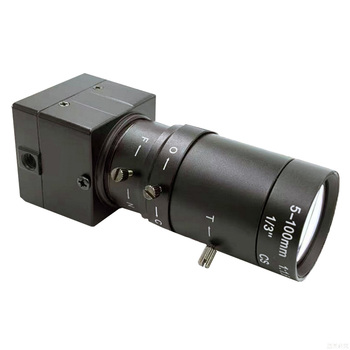
| Lens & FOV | Fixed-focus M12 for repeatability, or 20× zoom for distance inspection | 1.7 – 100 mm, pinhole, fisheye, C/CS zoom |
| Board size | Fit the available cavity inside the fixture or end-effector | 15×15, 25×25, 32×32, 38×38 mm |
| Firmware locks | Fixed exposure, gain and white balance so algorithms do not drift | Custom ISP parameters via UVC controls |
| Cable & connector | USB 2.0 reliable to ~5 m; use active extension or IP module for longer runs | 30 cm–5 m, JST / USB-A / USB-C options |
Based on what our OEM buyers in North America, Europe and Asia are actually asking for on purchase orders and RFQs in 2025.
Inspection PCs increasingly run lightweight neural networks directly on CPU or edge accelerators. Because UVC presents as a standard video device, integrators can prototype on a laptop and deploy the same module inside the machine — no code change, no vendor-specific capture library.
Requests for 8 MP and 16 MP UVC modules on 32×32 mm and 38×38 mm boards are rising sharply, driven by defect classification and OCR tasks that benefit from extra pixel headroom. Board size, not resolution, has become the harder constraint.
Buyers increasingly reject modules that clip highlights under line lighting. Back-illuminated Starvis sensors and true WDR are now baseline requirements for material handling, robotics and dim cabinet inspection rather than premium add-ons.
Procurement teams now qualify two UVC module suppliers and require identical drop-in footprints. Brekta supports this by documenting datasheets and by matching mechanical dimensions across reorder generations so a qualified fixture does not need redesign.
CE, FCC and RoHS documentation is now requested at the RFQ stage, not at shipping. Brekta keeps certification files current and ready to send with each quotation, which shortens the buyer's internal approval cycle.
The pattern has shifted from large speculative purchases toward 1–10 pc evaluation orders followed by fast, repeated reorders once a module passes validation. Because Brekta manufactures in-house, sample-to-bulk consistency and reorder lead times are tightly controlled.
If your inspection machine has a USB port and a place to mount a 15–38 mm board, we likely have a module that already fits.
Fixed-focus UVC modules inside AOI stations, capturing PCB and part images for AI defect classification.
Compact 15×15 mm modules mounted on grippers for pick-and-place verification.
8 MP autofocus modules for reading lot numbers, expiry dates and serial labels.
Confirming presence, orientation and color of connectors, seals and labels.
Autofocus UVC modules for high-density 2D code reading on moving conveyors.
4K / 8 MP modules capturing micro-scratches and coating uniformity on metal and glass.
Our engineers work in Protel and Allegro to transform a customer housing drawing into a stable, certified UVC camera module.
Share housing size, interface, sensor and lens targets.
PCB and optics plan designed in Protel / Allegro.
In-stock samples ship in 1–3 days; custom samples follow.
Image tuning, fit testing and certification support.
Incoming inspection plus 100% finished-unit QC.
24-month warranty and lifetime technical support.
Practical guarantees that reduce sourcing risk from first sample to repeat orders.
Your customer data, custom drawings and purchase agreements are protected — never disclosed or reused for other projects.
A documented production and inspection process ensures the bulk order performs exactly like the sample you approved.
Scheme design, lens, board size, firmware, logo and packaging tailored to your product, with dedicated engineering support.
24-month warranty, free warranty replacement and lifetime technical support — with replies typically within 2 hours.
Incoming materials are inspected before they reach the line, and our QC team image-tests each finished UVC module — not just power-cycles it.


CE, FCC and RoHS certifications support smooth customs clearance in Europe, North America and beyond — on the same certificate files used for every UVC module we ship.


Tell us your inspection task, available cavity size and host interface. An engineer-backed sales team replies within 2 hours during working time.