Featured Industrial USB Camera Modules
Precision-engineered USB Machine Vision Camera Board Solutions for Kiosks, Automated Teller Machines (ATMs), Medical Devices, and AI Vision Terminals.
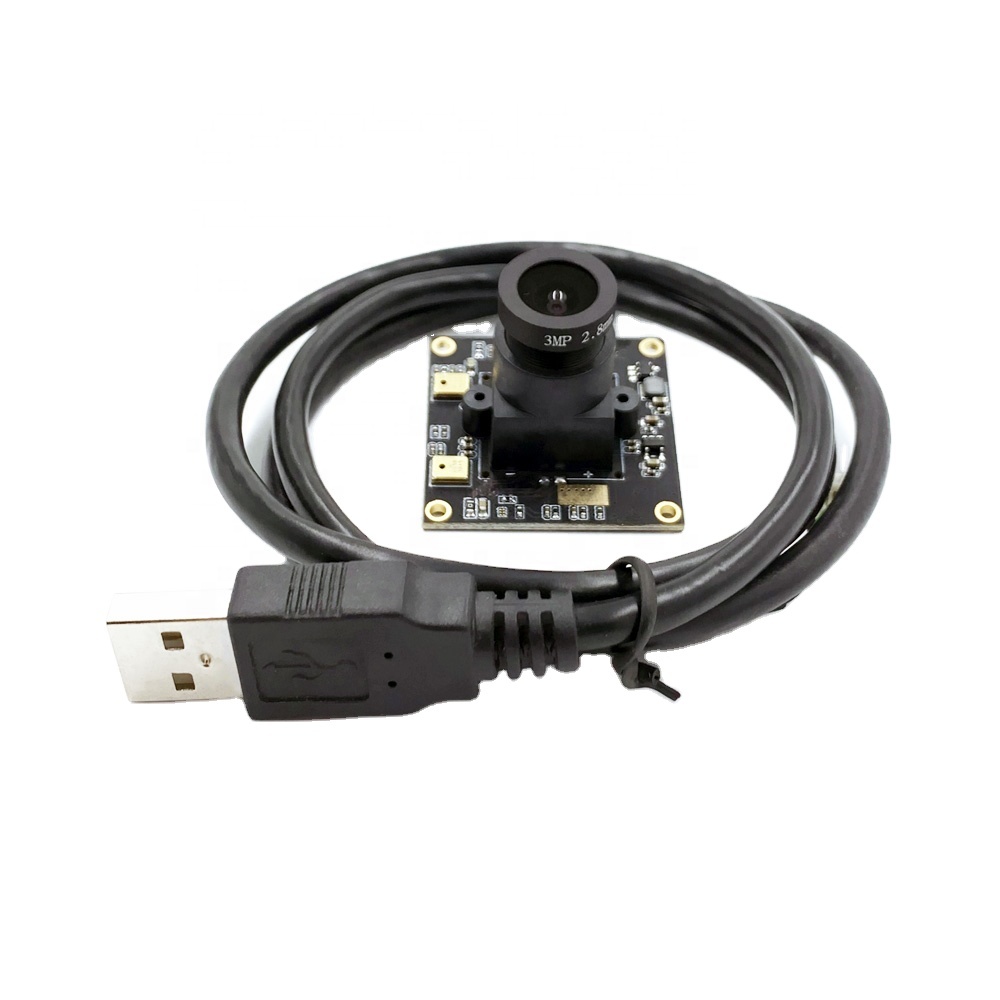
H.264 Rolling Shutter Starvis & WDR 0.001Lux 2.0MP 1920*1080 32*32mm Color USB Camera Module for Door Bell
- 0.001 Lux Ultra Low Illumination
- H.264 / MJPEG / YUY2 Formats
- Compact 32x32mm Form Factor
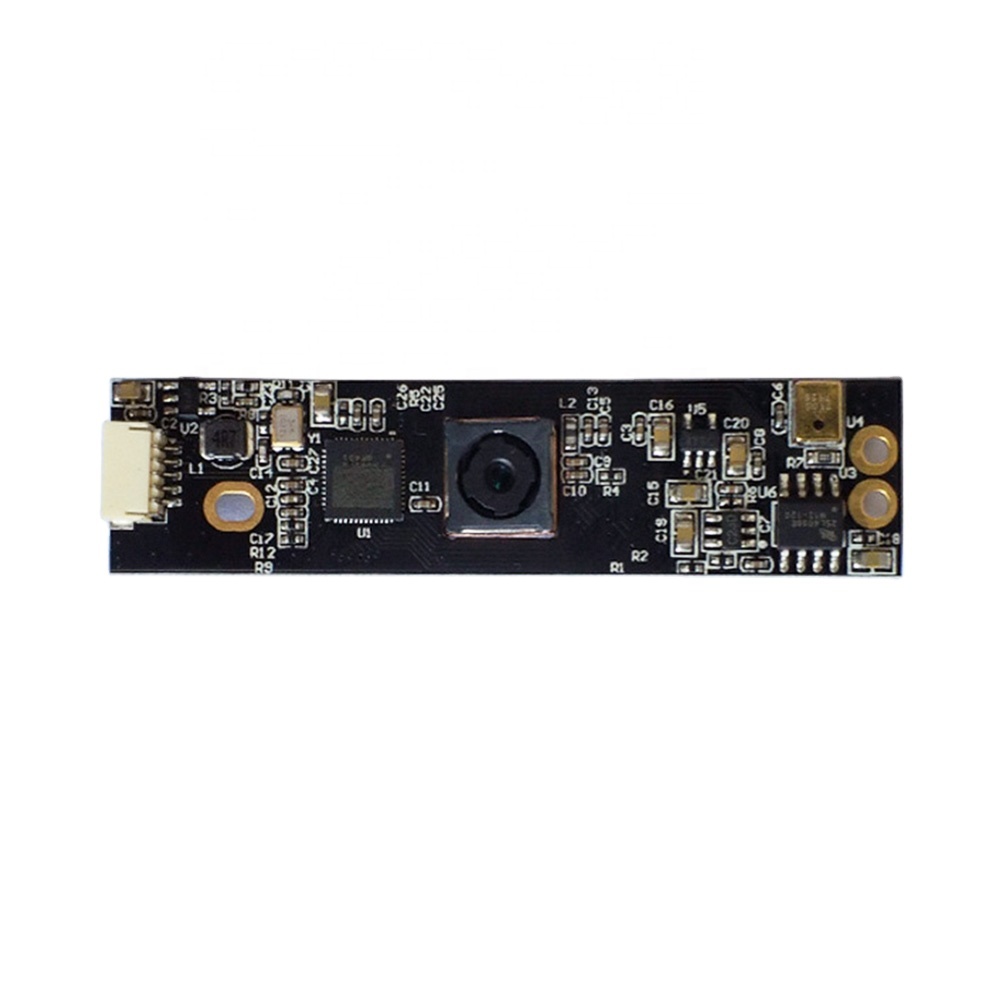
Low Lux 0.1 Customized 1/3.2" CMOS Autofocus 8.0MP 3264*2448 15fps 62*15mm Color USB Camera Module
- High Precision Fast Autofocus
- Narrow 62x15mm PCB Strip
- 3264x2448 UHD Resolution
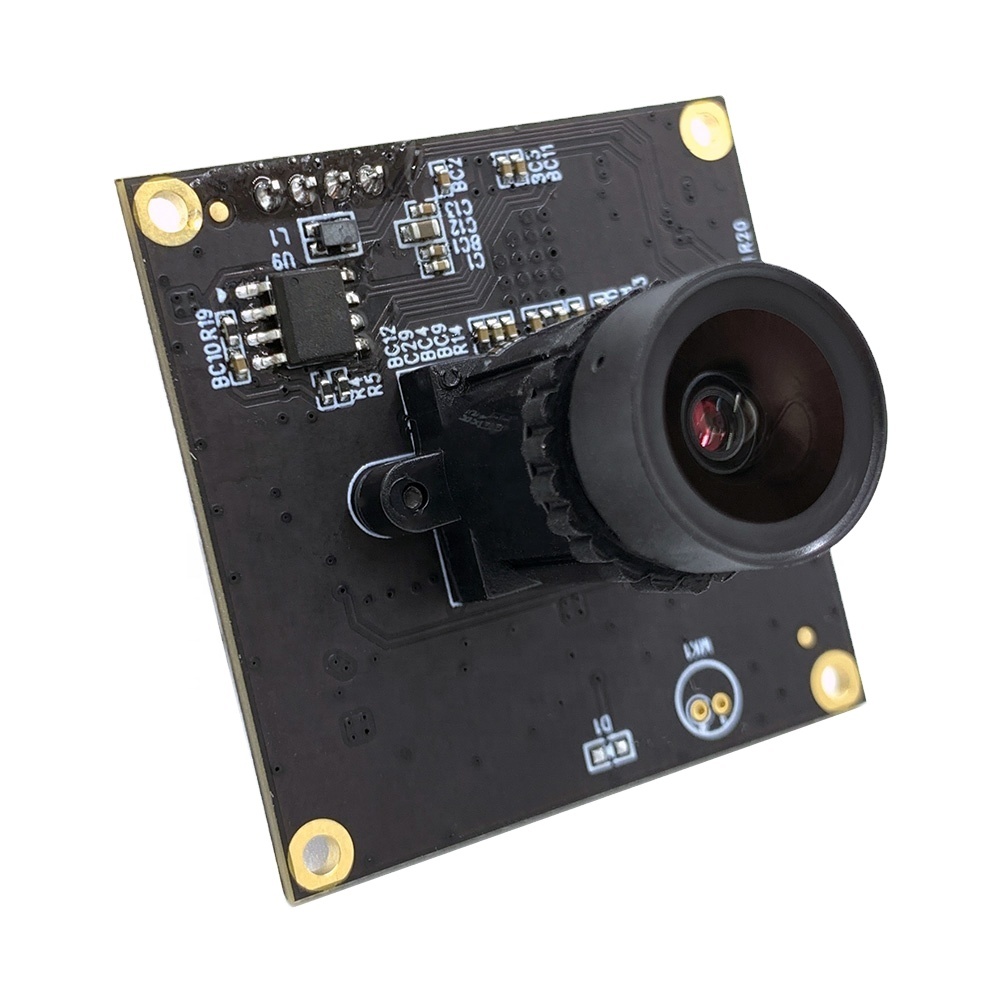
Customized High Speed HDR 330fps 2.0MP 38*38mm High Frame Rate USB Camera Module Wide Angle 2.1mm Lens
- Ultra-Fast 330 FPS Capture
- Hardware HDR Dynamic Range
- 2.1mm Wide Angle Lens
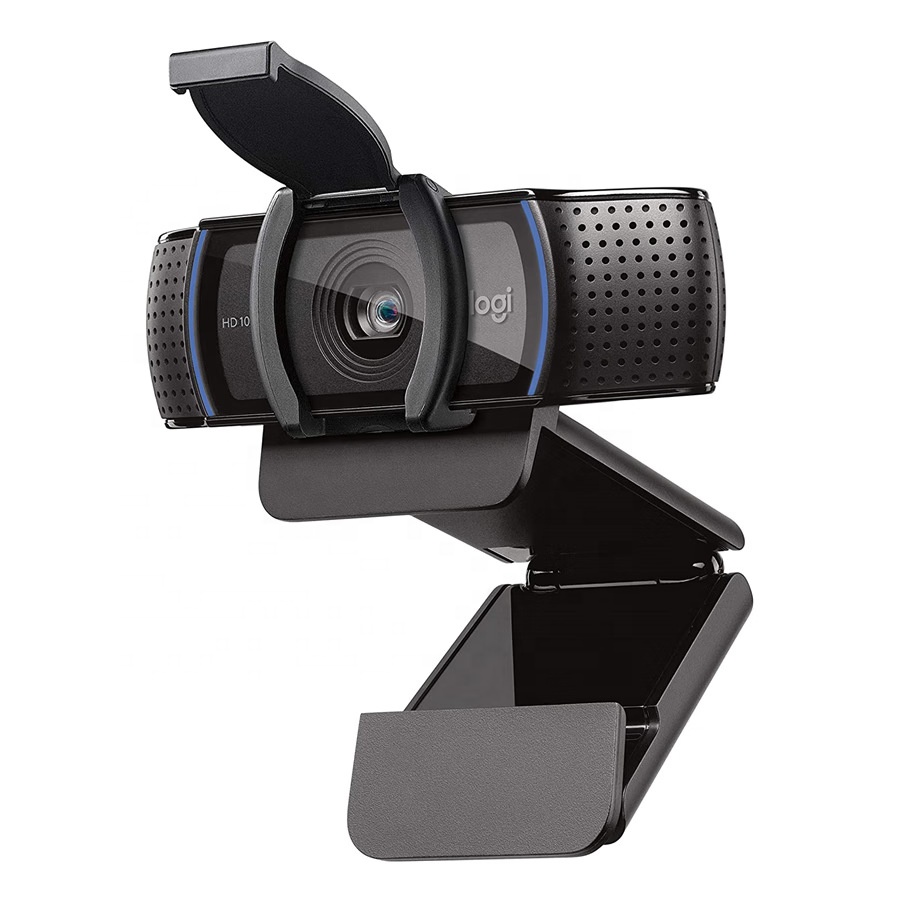
2MP FHD Color Autofocus USB Webcam Multi-Purpose Video Conference Call 78° VFOV Dual Mics Privacy Shutter
- Integrated Dual Array Mics
- Physical Privacy Shutter
- 1080P Full HD Image Quality
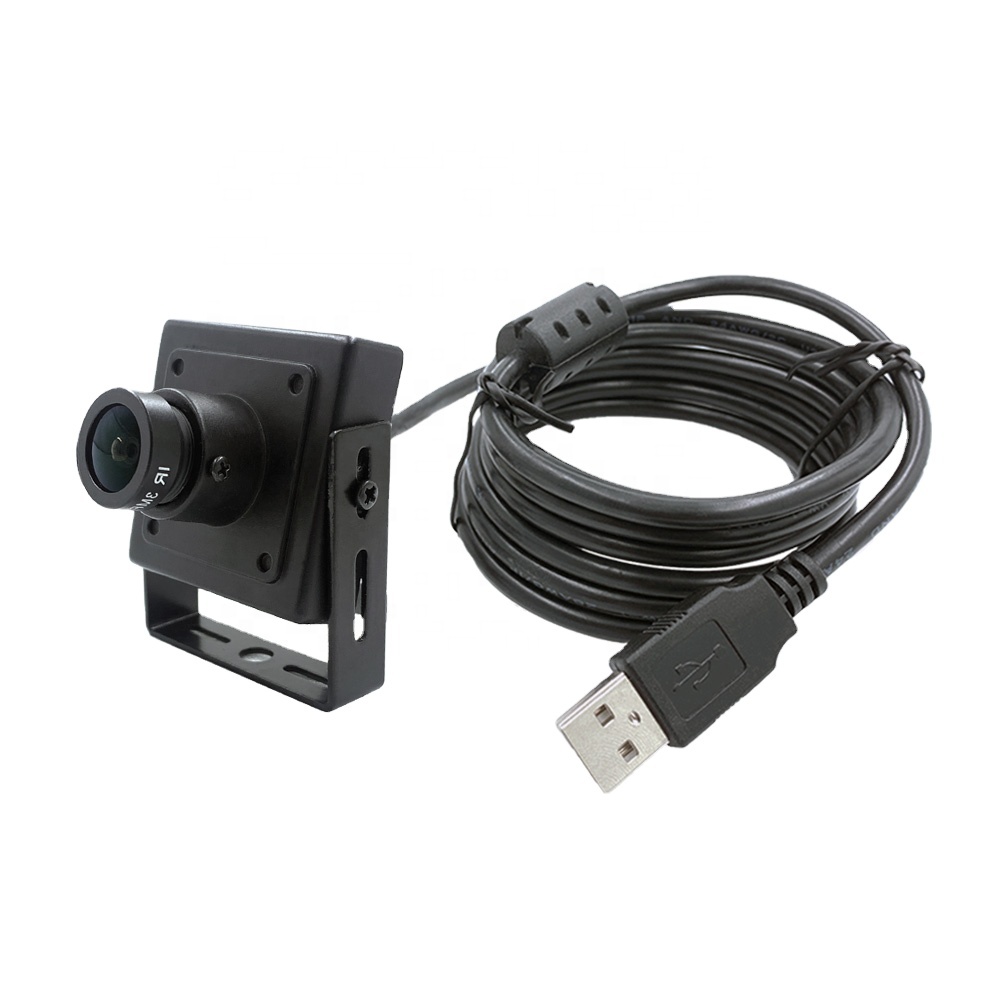
HD 720P 0.1 Low Lux UVC 2.1mm Wide-angle Lens MINI USB Camera Kiosk VTM CRS ATM Machine Module
- Low Power Consumption UVC
- 2.1mm Distortionless Optics
- Ideal for Embedded Machines
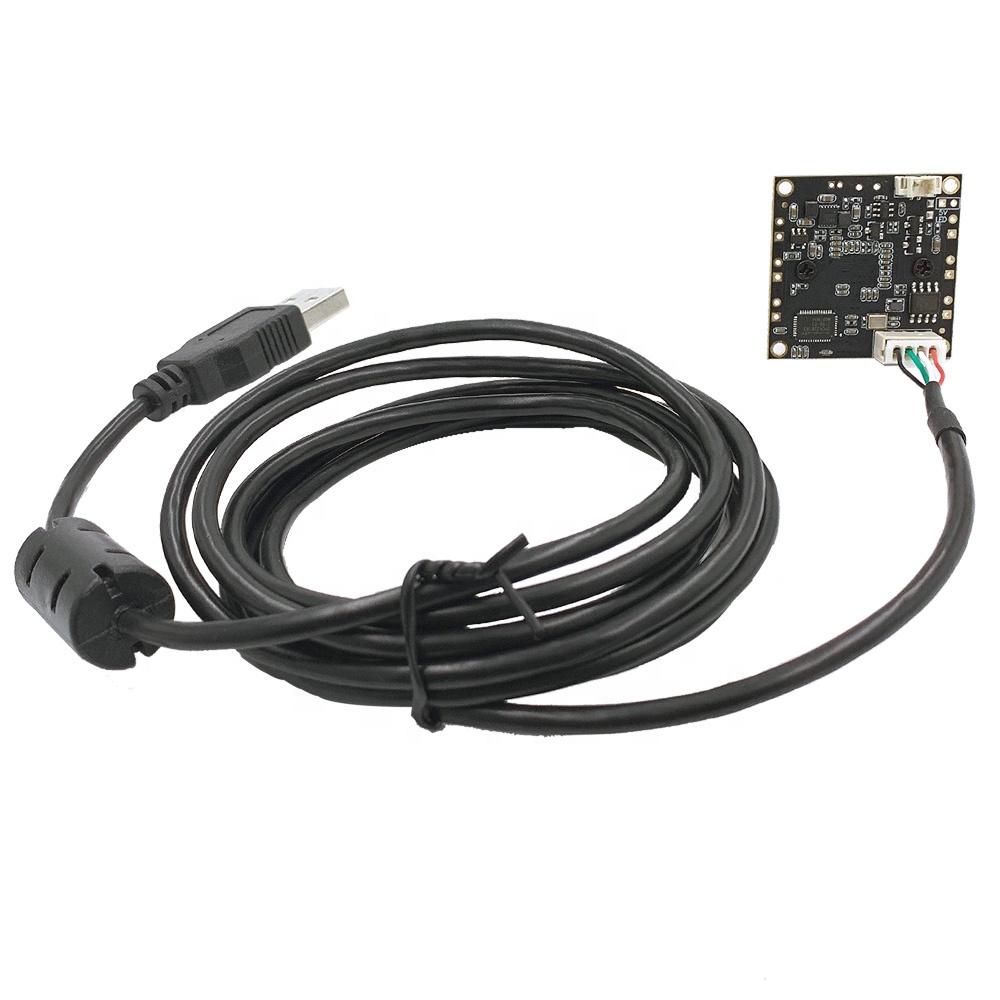
2.0MP Lens Color USB Camera Module for ATM KIOSK Scanning Machine AR0230 Onsemi CMOS WDR 32*32mm
- Onsemi AR0230 Industrial Sensor
- Wide Dynamic Range > 105dB
- Optimized for Document Scanners
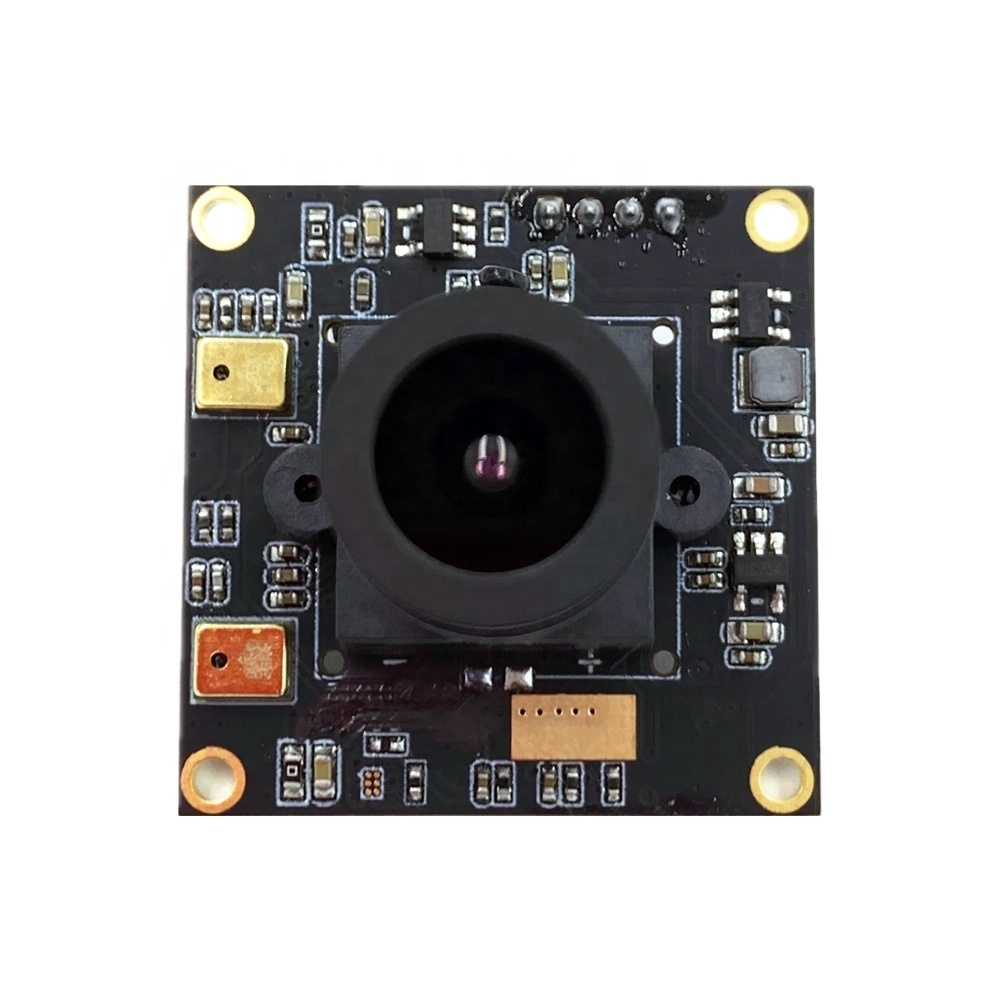
2.0MP 1920*1080 Rolling Shutter 0.001Lux H.264 Starvis & WDR 32*32mm USB Camera Module for Remote Monitoring
- Sony STARVIS Low-Light Tech
- Dual Board Stack (32x32mm)
- Real-Time Remote Streaming

50x50mm Support YUY2 MJPEG 1/3.06'' CMOS 4K UHD 13MP 4192*3104 Color HDR USB Camera Distortionless Lens
- 13MP Ultra High Clarity
- Zero Optical Distortion (<0.5%)
- YUY2 / MJPEG High Compression
Architectural Foundations of CE Certified USB Machine Vision Cameras
In modern industrial automation, smart retail self-service kiosks, biometric access control gates, and diagnostic medical equipment, the optical sub-system is no longer just a passive viewer. It serves as the primary visual data ingestion sensor for sophisticated Edge AI algorithms and host processing systems. Selecting a CE certified USB machine camera wholesaler is a critical engineering decision that dictates signal stability, electromagnetic compliance (EMC), thermal efficiency, and overall Mean Time Between Failures (MTBF).
1. Protocol Architecture & The UVC (USB Video Class) Standard
Our complete range of industrial USB camera modules strictly adheres to the USB-IF UVC (USB Video Class) protocol. This standard eliminates the requirement for proprietary third-party kernel drivers across major operating systems including Windows 10/11, Linux (V4L2 stack), Android, and macOS. For system integrators and machine builders, driverless integration significantly reduces software maintenance overhead and guarantees long-term OS cross-compatibility.
Under the UVC protocol framework, video data transmission is executed primarily via Isochronous Transfer Mode or Bulk Transfer Mode:
- Isochronous Transfer Mode: Guarantees dedicated USB bandwidth for real-time video streaming with predictable latency, vital for video conferencing and interactive kiosk displays.
- Bulk Transfer Mode: Provides error-checked data payload delivery, prioritizing image data integrity over precise timing—an essential parameter for machine vision inspection and OCR document scanning where dropouts cannot be tolerated.
2. ISP Tuning & Compression Formats (YUY2, MJPEG, H.264, H.265)
The onboard Image Signal Processor (ISP) is configured at the hardware firmware level to handle color matrix correction, auto-exposure (AEC), auto-white balance (AWB), lens shading correction, and spatial noise reduction. Depending on host computer interface limits (USB 2.0 480Mbps vs USB 3.0 5Gbps), our camera modules support dual or triple simultaneous stream formats:
- YUY2 (Uncompressed YUV 4:2:2): Delivers zero compression artifacting, preserving pristine pixel fidelity required for machine vision, facial feature extraction, and barcode/QR verification. (Bandwidth intensive; typically capped at 1080P 30fps on USB 3.0 or lower resolutions on USB 2.0).
- MJPEG (Motion JPEG): Hardware-compressed intra-frame encoding allowing full 1080P, 2K, and 4K video playback at 30fps to 60fps over standard USB 2.0 buses while retaining low decoding latency on the host CPU.
- H.264 / H.265 AVC Hardware Encoder: Advanced inter-frame compression integrated directly onto camera board models such as our 2.0MP STARVIS WDR Module. By reducing bitrates by up to 80% compared to MJPEG, it frees host CPU cycles and minimizes network bandwidth for IP streaming and remote telemetry.
Future Sourcing & Tech Procurement Trends (2025–2030)
As machine vision transitions from centralized factory automation to edge-deployed smart IoT devices, OEM procurement managers and lead hardware engineers must evaluate emerging technical paradigms to prevent premature component obsolescence.
Shift to Global Shutter Technology
Traditional rolling shutter sensors introduce spatial distortion ("jello effect") when capturing fast-moving objects. Global shutter USB camera demand is growing by 28% annually in conveyor sorting, robotics, and automated license plate recognition (ALPR).
Edge AI & ISP Co-Processing
Modern machine cameras incorporate NPU or lightweight FPGA co-processors directly on the camera PCB to run neural network inference (such as YOLOv8 face detection, object counting, or anomaly classification) at zero host latency.
Type-C & USB 3.2 Gen 2 High Bandwidth
The phase-out of legacy USB Micro-B and Type-A connectors in favor of robust, reversible USB Type-C locks with screw-lock mechanisms guarantees physical stability under high vibrational industrial machinery environments.
Furthermore, international supply chain regulatory compliance (such as EU REACH, RoHS 3, and CE Directive 2014/30/EU) requires direct manufacturer traceability. Sourcing directly from an established CE certified USB machine camera wholesaler guarantees that component BOMs remain locked, preventing unannounced silicon revisions that break host software stack compatibility.
Engineering Matrix: Standard Webcams vs. Industrial USB Machine Cameras
To assist system architects in justifying procurement costs, the following engineering matrix highlights the technical divergence between off-the-shelf consumer webcams and true industrial-grade OEM USB camera modules.
| Evaluation Parameter | Consumer Webcams | Brekta CE Industrial USB Machine Cameras |
|---|---|---|
| Circuit Board Design | 2-Layer Low Cost PCB; minimal EMI shielding | 4 to 6-Layer FR4 PCB with dedicated Ground/Power planes |
| Operating Temperature | 0°C to +40°C (Thermal throttling prone) | Industrial Grade: -20°C to +70°C / Extended: -30°C to +85°C |
| EMC & ESD Protection | Basic ESD (Contact 4kV / Air 8kV) | Enhanced TVS Array (Contact 8kV / Air 15kV); CE EN 55032 Class B |
| Dynamic Range (WDR) | Digital WDR (<60dB); prone to highlight blown-out | True Hardware WDR / HDR (105dB to 120dB multi-exposure) |
| Lens Mount Flexibility | Fixed plastic lens glued to plastic barrel | Interchangeable M12 / CS / C Mount with high-precision IR-cut filter |
| Product Lifecycle / BOM Lock | 6 to 12 Months (Unannounced silicon changes) | 5 to 7+ Years Locked BOM Commitment for OEM Production Lines |
| Customization Options | None | Fully Custom PCB Shape, FPC Cable Length, Connector & Firmware ISP |
CE Certification & Regulatory Compliance Standards
European conformity (CE Marking) is not merely a trading border stamp; it represents rigorous verification of electrical safety, electromagnetic compatibility, and hazardous substance restriction. When integrating USB camera modules into large-scale commercial equipment (such as self-service banking ATMs, reverse vending machines, or medical diagnostic carts), non-compliant sub-components will cause the host machine to fail site acceptance testing (SAT).
Key Regulatory Directives Applied to Our Manufacturing Lines:
- EMC Directive 2014/30/EU: Ensures our USB camera modules do not emit excessive electromagnetic interference (EMI) that disrupts adjacent wireless, RFID, or payment terminal modules, while maintaining robust immunity to external high-frequency electrical transients.
- EN 55032:2015/A11:2020 (Class B): Rigorously verified for radiated and conducted electromagnetic emissions, ensuring seamless operation in commercial and light-industrial environments.
- EN 55035:2017 (Immunity): Evaluated against electrostatic discharge (ESD), electrical fast transients (EFT), surge voltage spikes, and conducted RF disturbances.
- RoHS Directive 2011/65/EU & (EU) 2015/863: Guarantees 100% lead-free, cadmium-free, and polybrominated biphenyl-free SMT solder paste assembly across all camera PCBs.
Manufacturer Profile & Custom OEM/ODM Capabilities
As a specialized manufacturer and global wholesaler located in Shenzhen and Dongguan, Guangdong, Shenzhen Brekta Electronics Co., Ltd. operates state-of-the-art SMT production facilities equipped with high-precision Yamaha surface-mount lines, dust-free optical assembly cleanrooms, and advanced collimator lens adjustment stations.
PCB & Schematic Layout Engineering
In-house PCB designers utilize Cadence Allegro and Protel to engineer custom form factors (e.g. ultra-narrow 62x15mm, circular 30mm, or multi-board stacked assemblies) matching your enclosure constraints.
Custom Optical Tuning & Lenses
From 180° fisheye wide-angle optics to non-distorting document lenses, pinhole cone lenses, or long-range telephoto zoom optics, we customize lens focal lengths, IR-pass/IR-cut filter glass, and optical coatings.
Firmware & ISP Optimization
Our software team modifies standard ISP parameters to lock exposure settings, fine-tune chroma maps for facial biometrics, customize UVC Device Name descriptors, or embed hardware serial numbers.
Frequently Asked Technical Procurement Questions (FAQ)
For evaluation samples of standard catalog models, our MOQ is 1 piece. For standard wholesale volume orders, flexible tier pricing begins at 10 to 50 pieces. Custom NRE/OEM board modifications typically start at an MOQ of 100 to 500 units depending on the complexity of the PCB layout and sensor procurement requirements.
Yes. All standard USB camera boards comply with the universal USB Video Class (UVC 1.0 / UVC 1.5) standard. They automatically initialize under native OS drivers on Windows (DirectShow/MediaFoundation), Linux (V4L2), Android (UVC Camera SDK), and macOS (AVFoundation) without requiring additional driver installation.
Sony STARVIS and STARVIS 2 sensors feature Back-Illuminated (BSI) pixel technology. By positioning the metal wiring layer underneath the photodiode array rather than above it, light blockage is minimized, increasing light collection efficiency per pixel. Combined with our tuned 0.001 Lux ultra-low-light ISP firmware, our STARVIS camera modules capture color video in near-total dark environments.
Upon request for volume purchases or OEM projects, we provide complete official test report documentation for CE (EMC Directive 2014/30/EU, EN 55032/EN 55035), FCC Part 15 Class B certificates, and RoHS 2.0 chemical analysis reports issued by accredited third-party testing laboratories (such as SGS / TUV / Intertek).
All industrial USB machine camera products are backed by a comprehensive 24-month factory warranty. We provide direct FAE (Field Application Engineer) support for integration issues, USB signal integrity troubleshooting, custom SDK configuration, and optical calibration.
Accelerate Your Machine Vision Hardware Integration
Contact our engineering sales team today to request evaluation samples, engineering datasheets, 3D STEP CAD models, or custom OEM quotation quotes.
Get a Quote