Featured CE-Marked USB & IP Camera Modules
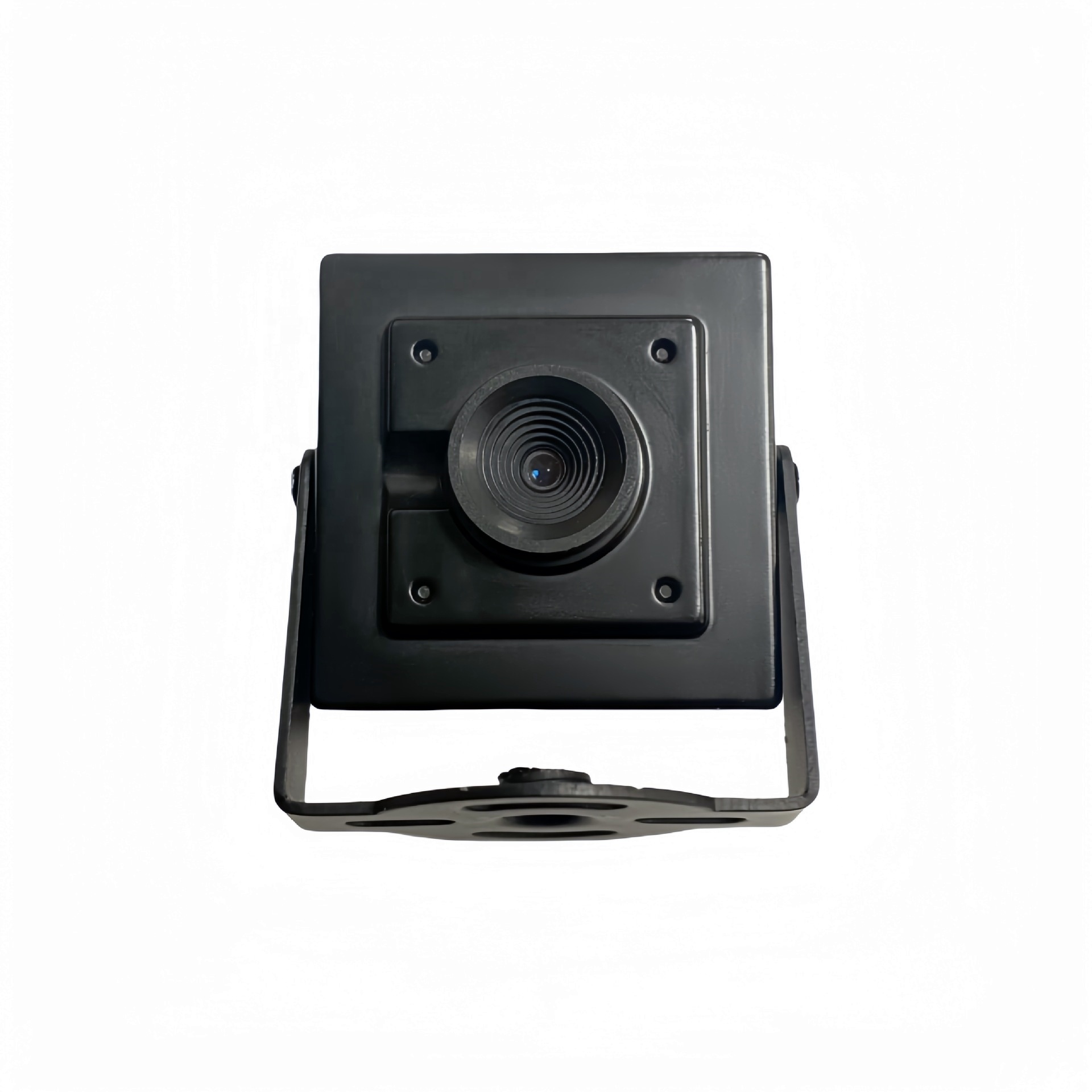
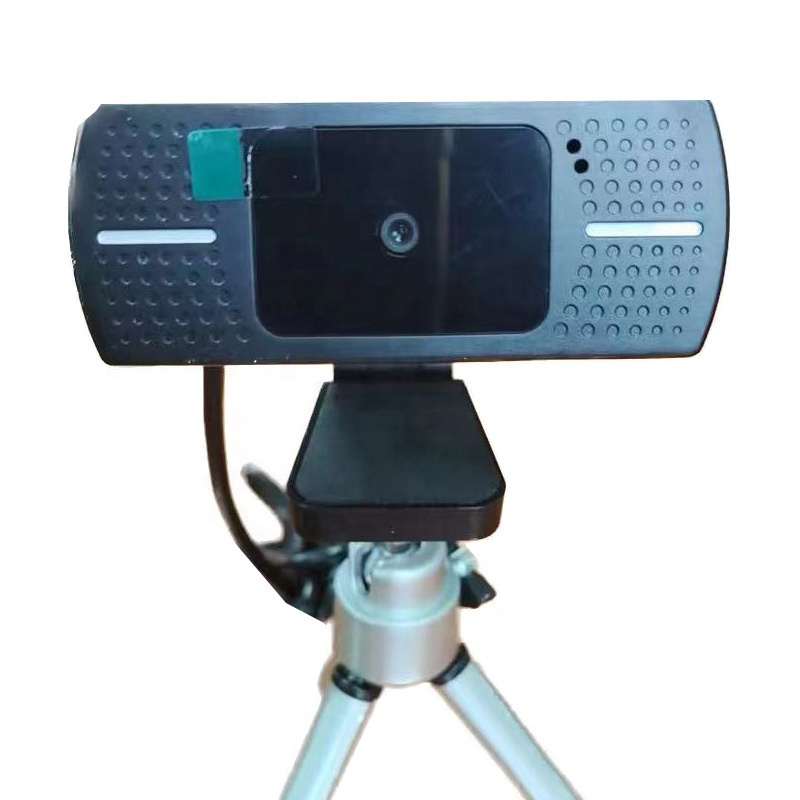
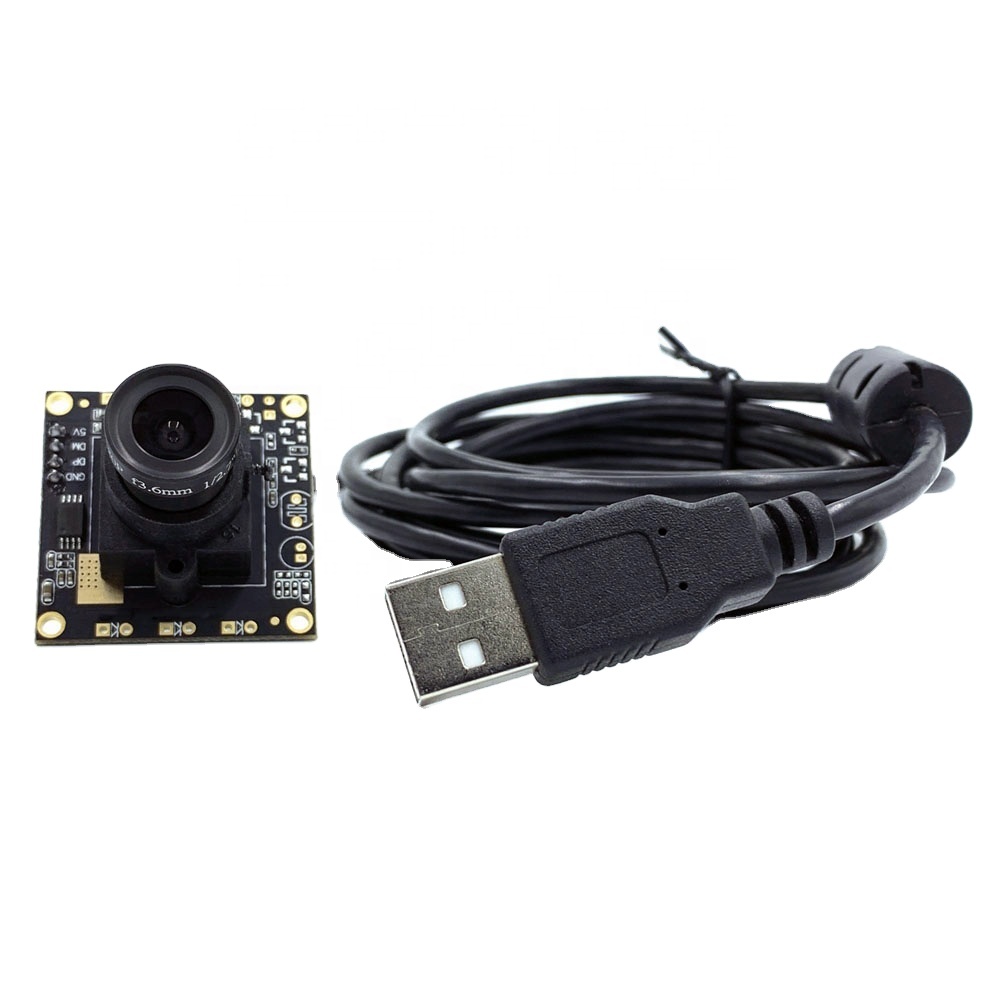
Precision-engineered image capture modules with low-lux Sony STARVIS sensors, wide dynamic range (WDR), high frame rates, and driver-free USB UVC interface compliance.
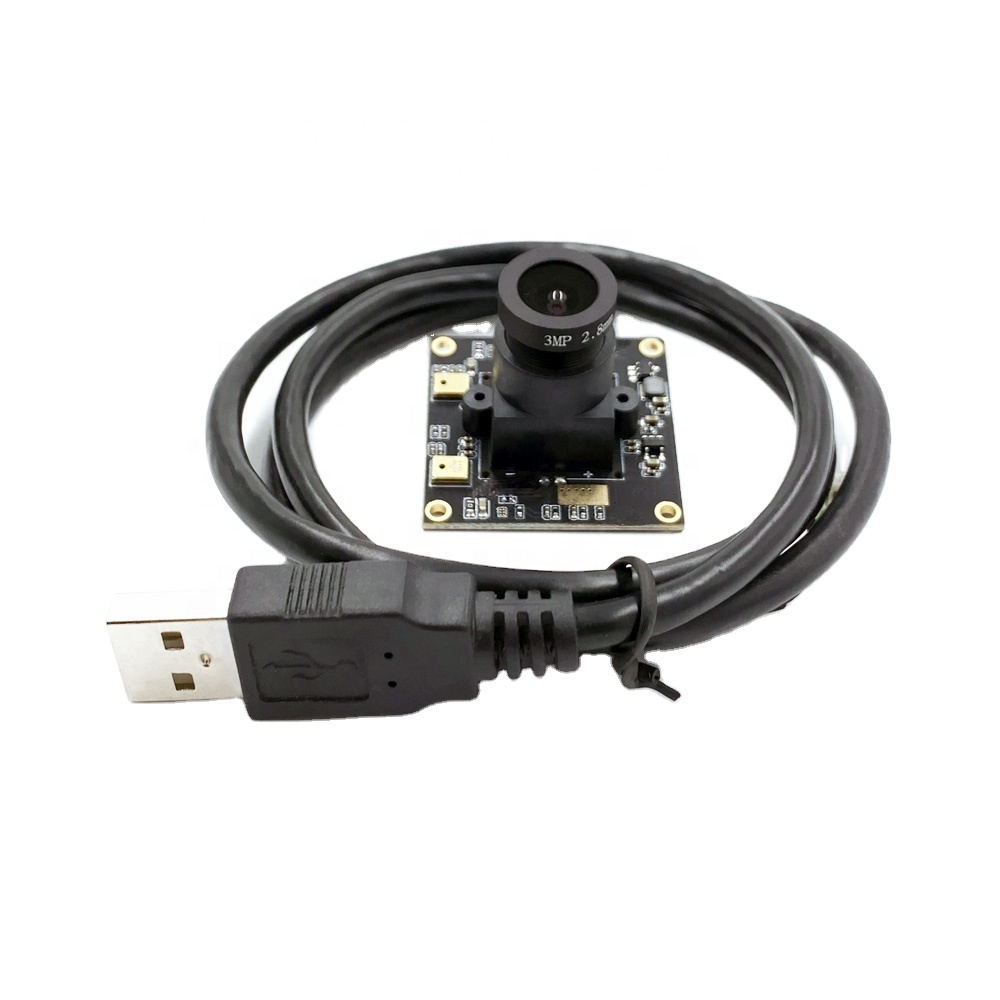
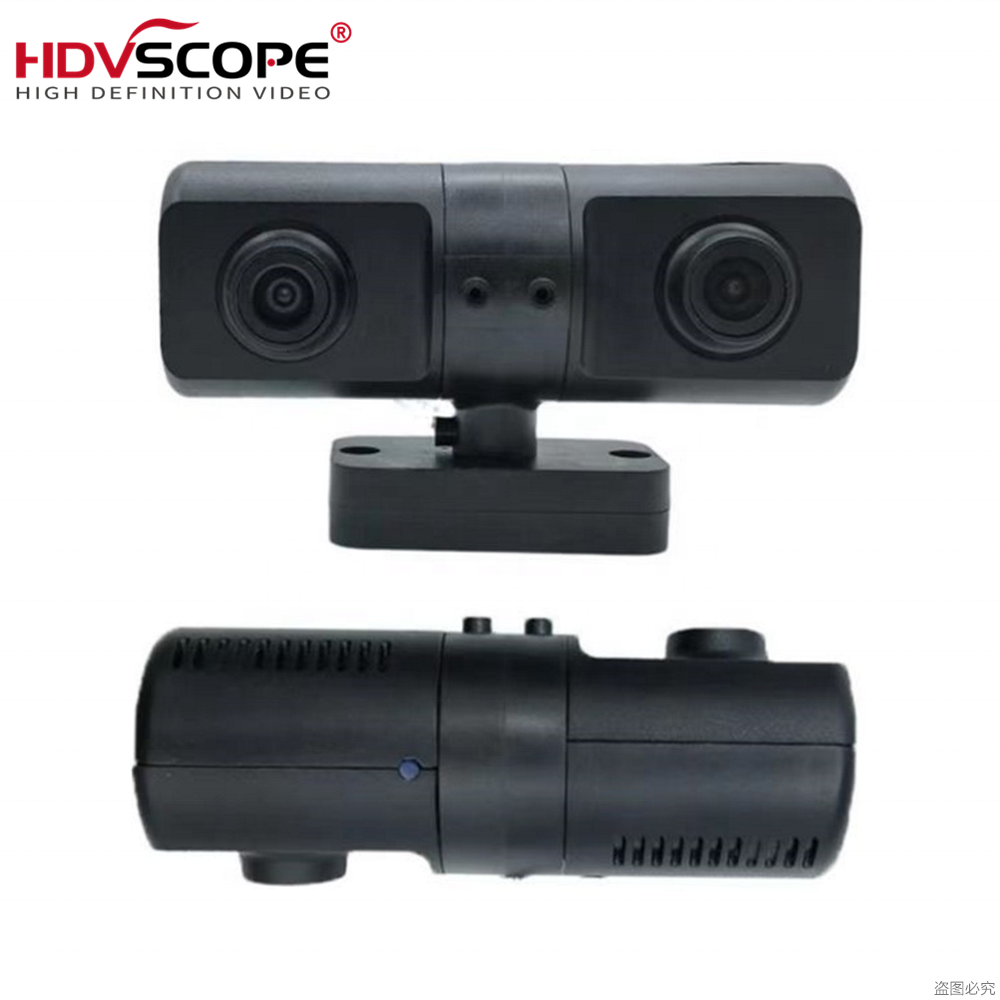
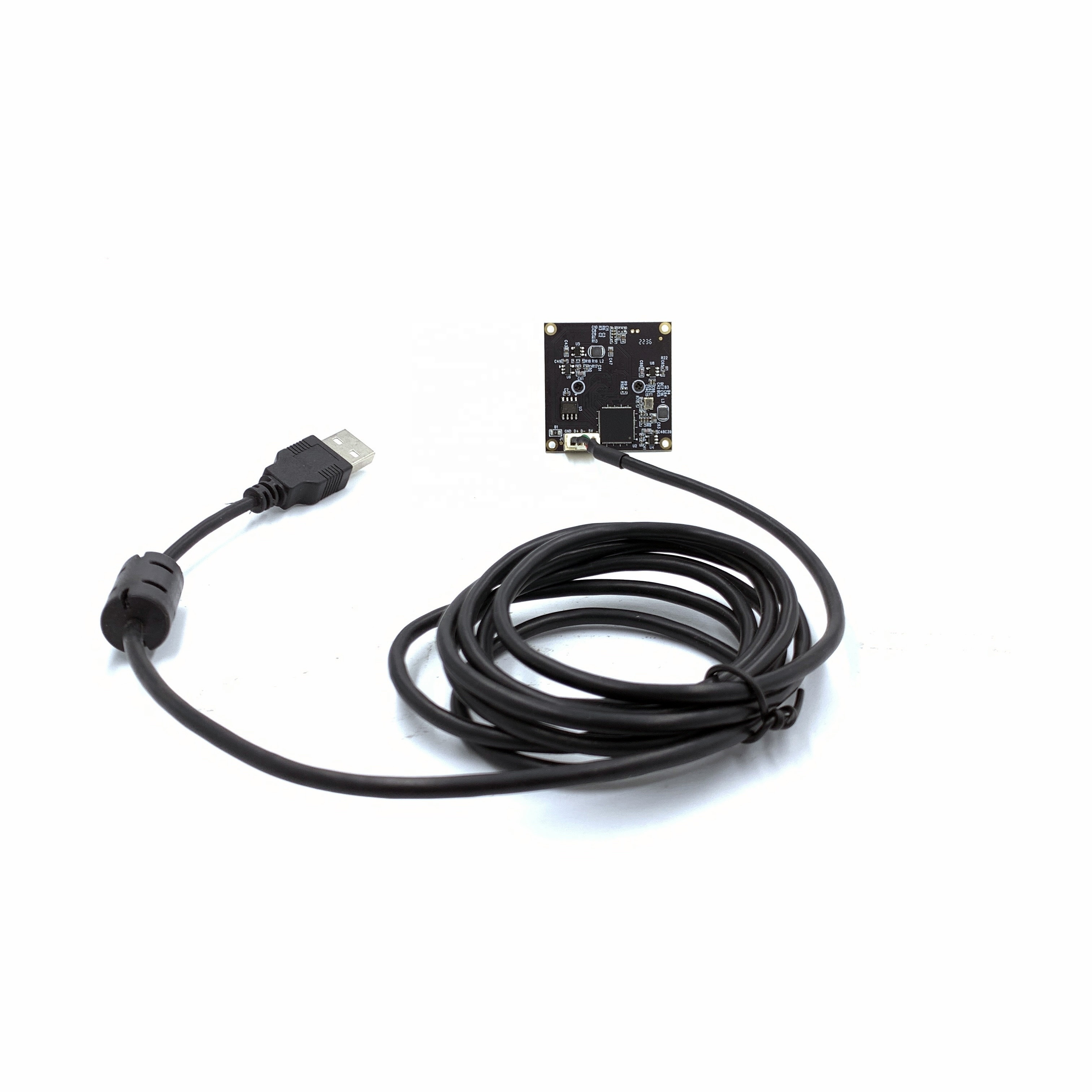

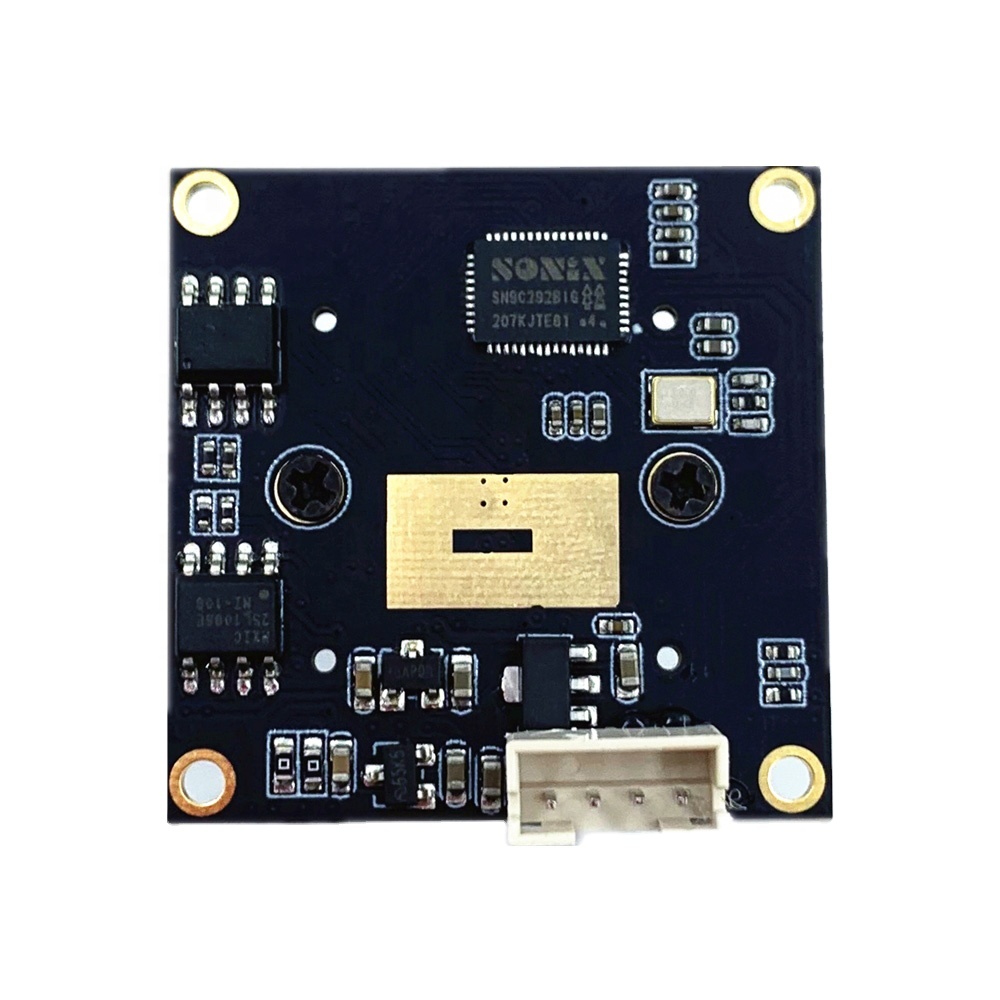
Why Global System Integrators Choose Brekta Vision Solutions
Direct OEM/ODM manufacturing capability supported by high-precision PCB design in Protel/Allegro, full SMT line inspection, and stringent optical calibration.
Strict CE & Electromagnetic Compliance
Every USB camera module undergoes rigorous EMC testing under EN 55032 Class B and EN 55035 directives. Guaranteed signal immunity against industrial voltage spikes and zero interference with host equipment.
Universal UVC Driverless Integration
Plug-and-play functionality across Linux, Android, Windows, and macOS host platforms. Standard USB Video Class protocol support eliminates proprietary kernel driver dependencies in automated kiosk architectures.
Starlight Low-Lux & Dynamic WDR
Utilizing premium Sony STARVIS IMX291/IMX323 and Onsemi AR0230 CMOS image sensors capable of capturing crystal-clear 1080P color imagery in sub-0.001 Lux illumination and extreme backlit lobby environments.
Flexible Form Factor Customization
From micro 15×15mm pinhole boards to standardized 32×32mm and 38×38mm PCBs. We customize focal lengths, IR-Cut filters, dual-lens RGB-IR configurations, ribbon cables, and specialized enclosures.
High Frame Rate (Up to 330fps)
Ultra-fast frame rate options (up to 330fps at 1080P) engineered specifically for high-speed machine vision, motion tracking, document scanning, and automated industrial sorting operations.
Consistently Verified OEM Reliability
Every batch undergoes automated SMT AOI inspection, high-temperature burn-in chamber stress tests, optical MTF resolution testing, and strict 100% pre-shipment image quality control.
Technical Whitepaper: Engineering CE-Certified USB Surveillance & Embedded Vision Modules
In modern industrial automation, financial technology (FinTech), smart retail, and access control infrastructure, the embedded camera module serves as the primary visual sensory channel. Sourcing engineers and procurement executives navigating the landscape of CE Certified USB Surveillance Camera Manufacturers & Factory operations face complex technical requirements. Unlike consumer-grade webcams, industrial USB camera modules must operate continuously (24/7/365) inside enclosed chassis, endure ambient temperature fluctuations ranging from -20°C to +70°C, maintain uncompromised Signal-to-Noise Ratios (SNR) under dim lighting, and comply with international electromagnetic compatibility (EMC) regulations.
Shenzhen Brekta Electronics Co., Ltd. leads the industry by combining custom PCB schematic design (using Protel and Allegro design software suites) with advanced image signal processor (ISP) firmware tuning. This whitepaper analyzes the core engineering benchmarks, regulatory directives, low-lux optical physics, and procurement strategies required when integrating USB surveillance and machine vision modules into self-service infrastructure.
1. Regulatory Compliance Standards: CE, FCC, and RoHS Engineering Breakdown
Compliance certification is not merely a legal mark; it is a direct measurement of hardware engineering maturity. For European Union deployment, CE Certification requires compliance across two primary directives: the Electromagnetic Compatibility (EMC) Directive 2014/30/EU and the Restriction of Hazardous Substances (RoHS 3 Directive 2015/863/EU).
Industrial USB camera modules operate adjacent to high-power components within ATMs, smart vending cabinets, and self-ordering kiosks. Switch-mode power supplies, touch-display backlights, thermal printers, and motorized bill acceptors generate significant electromagnetic interference (EMI). Brekta's CE-marked USB camera board designs incorporate dedicated multi-layer PCB ground planes, ferrite beads on differential USB D+/D- data paths, and TVS diode electrostatic discharge (ESD) suppression circuits capable of absorbing 8kV contact and 15kV air discharge.
- EN 55032 Class B (Emissions): Ensures the USB camera's internal high-frequency clock oscillators (e.g., 24MHz/48MHz crystal drivers) do not emit radiated interference that distorts host CPU execution or cellular modem signals.
- EN 55035 (Immunity): Verifies that the camera module maintains continuous video streaming and frame sync without dropping USB connections or producing video artifacts when exposed to external radio-frequency fields.
- RoHS & REACH Compliance: Guarantees that solder joints (lead-free SAC305), optical lens coatings, connector housings, and PCB substrates contain no hazardous heavy metals or chemical plasticizers.
2. Sensor Technology Dynamics: STARVIS Low-Lux vs. Wide Dynamic Range (WDR)
A critical architectural choice for system integrators involves selecting the optimal CMOS image sensor and ISP pairing. Modern self-service terminals operate under unpredictable lighting conditions—from direct sunlight streaming into glass atrium lobbies to dark outdoor nighttime installations.
Sony STARVIS & STARVIS 2 Technology: STARVIS back-illuminated pixel technology (found in models featuring the Sony IMX291, IMX307, and IMX335) shifts the internal sensor layout, placing the metal wiring layer beneath the photo-sensing diode layer instead of above it. This design increases photon collection efficiency, extending light sensitivity into both the visible spectrum and the near-infrared (NIR) 850nm/940nm ranges. Achieving low-lux performance down to 0.001 Lux to 0.0001 Lux allows financial ATMs and video wall face-recognition hardware to capture clear facial features without installing glaring external illumination lamps.
Hardware WDR vs. Digital WDR (AR0230 CMOS Integration): When a self-ordering kiosk or ATM is installed facing a brightly lit window, the background luminance can exceed 100,000 Lux, while the user's face remains in shadow at less than 100 Lux. Standard digital WDR (dWDR) utilizes software curve stretching, which introduces severe noise in dark areas. In contrast, true hardware WDR (such as the Onsemi AR0230 sensor module) utilizes dual-exposure high-speed frame capture—combining a short exposure image (retaining bright background details) with a long exposure image (capturing dark facial details) inside the onboard ISP hardware before outputting a balanced 105dB to 120dB dynamic range video stream.
| Specification Parameter | Standard USB Webcams | Brekta Industrial STARVIS Modules | Brekta WDR AR0230 Modules | Brekta 4K UHD High-Speed Modules |
|---|---|---|---|---|
| Min. Illumination | 1.0 - 5.0 Lux | 0.001 - 0.0001 Lux (Starlight) | 0.01 Lux | 0.1 Lux |
| Dynamic Range | 60 dB (Standard) | 80 - 90 dB (STARVIS SNR1s) | 105 - 120 dB (Hardware WDR) | 72 - 84 dB |
| Max Frame Rate | 1080P @ 30fps | 1080P @ 30fps - 60fps | 1080P @ 30fps | 1080P @ 330fps / 4K @ 30fps |
| Interface / Protocol | USB 2.0 (UVC) | USB 2.0 / USB 3.0 (UVC) | USB 2.0 (UVC Driver-free) | USB 2.0 / High-Speed USB 3.0 |
| Operating Temp | 0°C to +40°C | -20°C to +70°C | -30°C to +75°C | -20°C to +70°C |
| Target Application | Desktop VoIP / Office | Night Kiosks, Access Control, ATM | Backlit Lobby ATMs, Self-Checkouts | AI Retail, Motion Analysis, Document Scanners |
3. USB Video Class (UVC) Architecture & Embedded Host Interfacing
Engineering compatibility across heterogeneous operating systems requires strict adherence to the USB-IF UVC standard. Brekta's USB camera modules integrate embedded ISP microcontrollers pre-programmed with UVC 1.0 / UVC 1.5 descriptor tables. When plugged into a host controller running Windows, Linux (V4L2 kernel driver), Android ARM, or macOS, the host stack instantly enumerates device capabilities without requiring secondary driver installation discs or binary kernel patches.
Compression Formats: MJPEG, YUY2, and H.264 Encoding: Processing raw video data requires significant bandwidth. Uncompressed YUY2 pixel format delivers uncompromised color accuracy for machine vision algorithms, but consumes substantial USB 2.0 bandwidth (limiting 1080P video to roughly 5fps). To deliver smooth 30fps to 330fps video over standard USB 2.0 interfaces, Brekta modules incorporate hardware MJPEG image compression engines and H.264 video encoders. By offloading video encoding to the camera board's hardware ISP, host CPU utilization on embedded systems (such as Rockchip RK3399 or Intel Celeron kiosk boards) drops by up to 75%.
4. Future Sourcing & Technical Sourcing Trends (2025–2030)
As global manufacturers upgrade automated retail and security infrastructure, procurement directors must evaluate future technology cycles. Key technology vector shifts include:
- Dual-Lens RGB + IR Liveness Detection: Financial ATMs and high-security access gates are rapidly transitioning from single-lens cameras to binocular dual-lens modules. One lens captures color RGB visual imagery while the second synchronized lens operates under 940nm infrared illumination. Advanced AI algorithms cross-reference skin reflectance and depth disparity to block spoofing attempts using printed photos or smartphone screens.
- High-Speed Document & Barcode Scanning (Up to 330fps): Modern logistics sorting machines and retail self-checkout systems demand camera sensors capable of high-speed capture without rolling shutter blur. High-frame-rate modules operating at 120fps, 260fps, or 330fps ensure instant QR code extraction and sub-millimeter OCR scanning.
- Embedded Edge AI Signal Processing: Emerging camera modules combine CMOS image sensors directly with low-power Neural Processing Units (NPUs). These smart modules perform face detection, feature vector extraction, and human presence sensing onboard—transmitting only light encrypted metadata via USB, dramatically improving user privacy and reducing host computation burdens.
- Compact Flexible Connectors & Type-C Micro-interconnects: Machine form factors continue to shrink. Standard 4-pin 2.0mm pitch wafer connectors are giving way to micro FPC ribbon cables and USB Type-C physical interfaces with robust locking screws designed for vibration-heavy automotive and outdoor environments.
5. Comprehensive Application Matrix
CE-certified USB surveillance camera modules serve as critical visual inputs across multiple commercial and industrial sectors:
ATM, VTM & Financial Self-Service Terminals: Compact pinhole 15×15mm or 32×32mm camera modules positioned behind smoked glass monitor user interactions, cash dispenser slots, and ambient surroundings to prevent card skimming and vandal fraud.
Food Self-Ordering Kiosks & AI Self-Checkouts: 4K UHD and 1080P auto-focus camera modules allow automated retail machines to recognize unscanned items in shopping baskets, scan digital discount vouchers, and support face-payment authentication.
Access Control & Video Intercom Walls: Low-lux STARVIS modules operating with WDR provide 24/7 crystal-clear video streaming for building access gates, video doorbells, and industrial site control posts.
Industrial Inspection & Endoscopy: Waterproof IP67 mini USB endoscope modules equipped with flexible cables and continuous LED dimming permit non-destructive inspection of narrow pipes, engines, and internal machine cavities.
End-to-End OEM/ODM Camera Module Manufacturing
From initial circuit diagram schematic design to automated SMT board placement, lens alignment, and environmental stress testing.
1. Custom Schematic & PCB Layout
In-house electronic engineers design multi-layer PCB boards using Protel and Allegro suites, optimizing signal integrity, thermal dissipation, and space-constrained dimensional requirements.
2. Precision Optical Lens Matching
Selection and precise mechanical pairing of M12 mount, CS mount, pinhole, 180° fisheye, or motorized zoom optical lens assemblies with calibrated IR-Cut filters (650nm / 850nm / 940nm).
3. Firmware Customization & ISP Tuning
Customization of default image parameters including exposure tables, white balance, gain limits, gamma curves, flip/mirror modes, and USB descriptor strings (vendor ID, product name).
Frequently Asked Sourcing & Technical Questions
Direct answers for procurement leads, hardware engineers, and quality assurance teams evaluating Brekta camera modules.
What is the typical Minimum Order Quantity (MOQ) for evaluation samples and custom OEM orders?
For all standard CE-certified USB, IP, and AHD camera modules, our factory supports evaluation orders starting from 1 piece. This allows engineering teams to perform initial host software testing and optical fit checks with minimal financial risk. Standard production sampling requires 1 to 3 working days. For custom OEM/ODM projects requiring modified PCB dimensions, non-standard connectors, or unique firmware tuning, MOQ starts at 50 to 100 units based on specification complexity.
Are Brekta USB camera modules fully driverless across embedded Linux and Android operating systems?
Yes. All standard Brekta USB camera modules strictly implement the USB Video Class (UVC) protocol. They operate seamlessly without secondary driver installation on Windows (10/11/Server), Linux (Ubuntu, Debian, CentOS, Yocto with V4L2 framework), Android (Android 4.4 and above via UVCCamera library), and macOS. Video streams can be directly captured using OpenCV, ffmpeg, GStreamer, or standard media software APIs.
How does Brekta guarantee mass production consistency matching approved engineering samples?
Consistency is enforced through rigorous quality management system controls. Every component batch is inspected prior to assembly. Our automated SMT lines utilize 3D Automated Optical Inspection (AOI) to verify solder joint integrity. Following assembly, 100% of finished camera modules undergo automated optical chart resolution testing (MTF), color balance verification, and a multi-hour burn-in stress cycle. The production parameters established during sample sign-off are locked in our ERP manufacturing system to ensure batch-to-batch consistency.
What international certifications and factory warranty terms are provided?
Our surveillance cameras and embedded USB module products comply with CE, FCC, and RoHS standards, facilitating straightforward customs clearance and safety compliance in European and North American markets. Every product shipped from Shenzhen Brekta Electronics includes a comprehensive 24-month factory warranty, free warranty replacement options for qualified technical defects, and lifetime engineering support.
Can Brekta customize physical board dimensions, focal lengths, and cable pinouts?
Custom engineering is our core strength. We routinely tailor physical PCB footprints (such as converting a standard 38×38mm layout into a 32×32mm dual-board structure or a 15×15mm micro pinhole design). We provide optical customization across M12 board lenses, pinhole optics, 160°/180° wide-angle fisheye optics, and motorized zoom modules. Cable lengths, shield braiding, 4-pin JST/Molex connector pinouts, and custom USB Type-C assemblies are fully configurable.
Request Custom Quotation & Technical Evaluation Samples
Consult directly with our engineering sales team to receive detailed datasheets, 3D CAD mechanical models, and tailored competitive pricing for your project volume.
Send an Inquiry