Precision Engineering & CE Compliant Vision Architecture
An authoritative analysis of optical engineering, USB Video Class (UVC) protocols, European regulatory compliance, and OEM design customization for global equipment manufacturers.
In the modern landscape of smart automation, edge computing, human-machine interfaces (HMI), and automated security infrastructure, the integrated camera module serves as the primary visual sensing organ. For global B2B procurement managers, hardware architects, and system integrators importing visual components into the European Economic Area (EEA) and global markets, securing CE Certified USB Webcam Modules is not merely a legal prerequisite—it is a cornerstone of operational reliability, electromagnetic compatibility (EMC), and device safety.
This technical whitepaper explores the critical engineering parameters of industrial USB camera modules, detailing sensor architectures (such as Sony STARVIS™ and OmniVision CMOS), Image Signal Processor (ISP) firmware tuning, wide dynamic range (WDR) performance, micro-PCB design layout, and rigorous factory testing protocols executed by leading manufacturers like Shenzhen Brekta Electronics Co., Ltd.
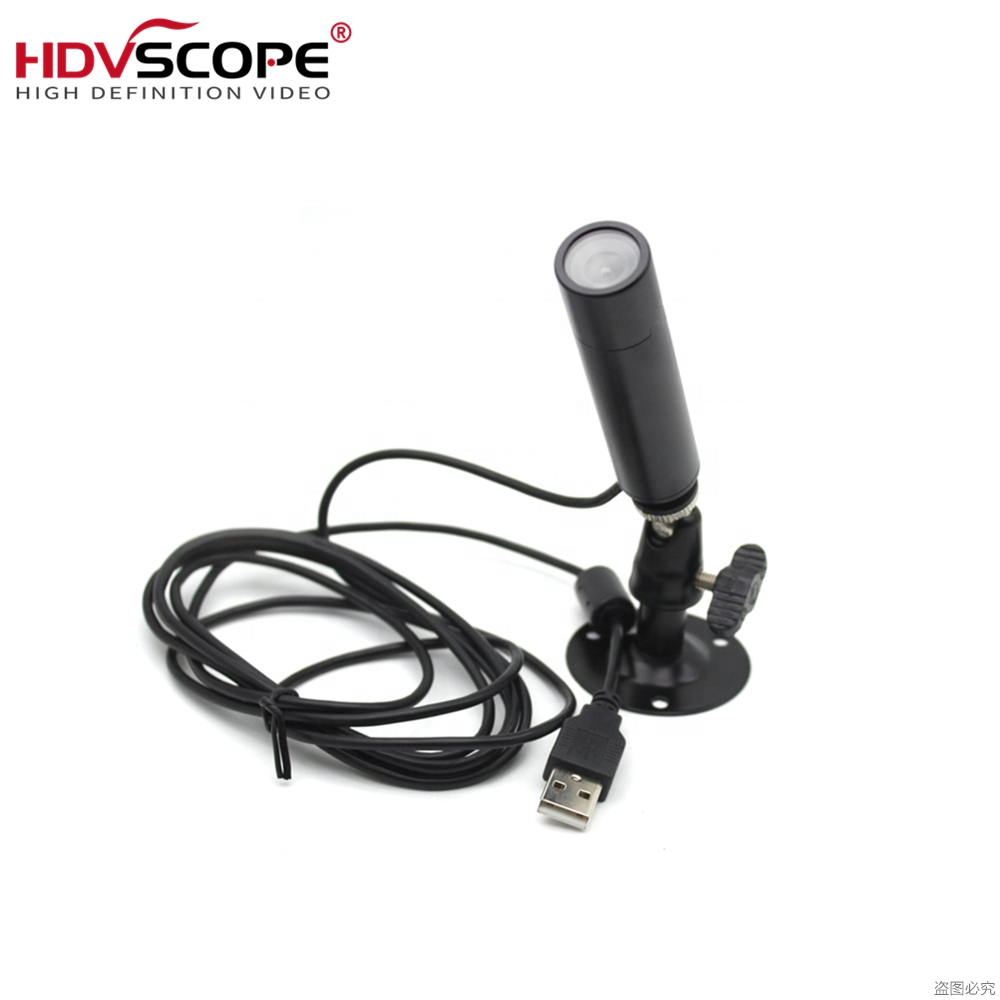
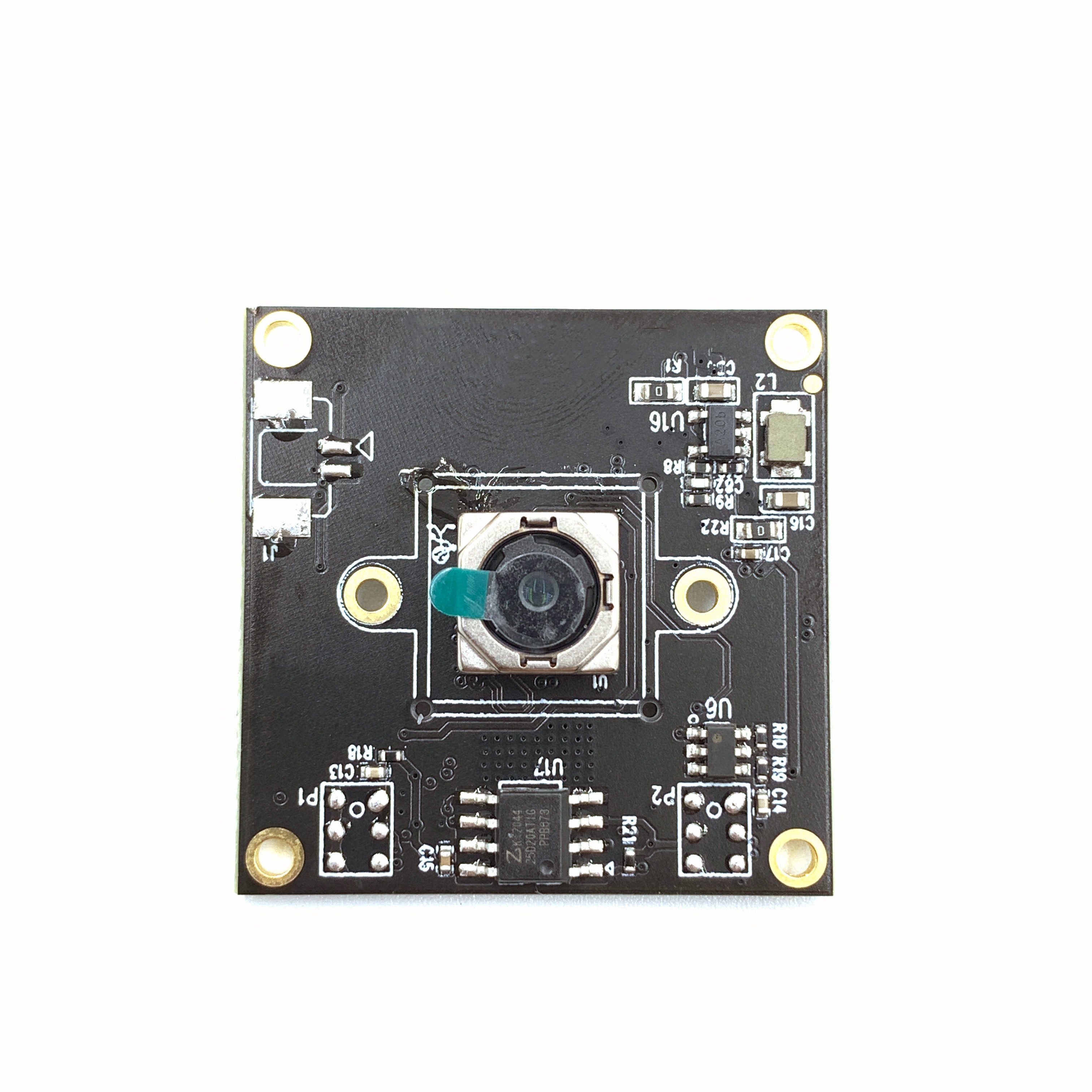
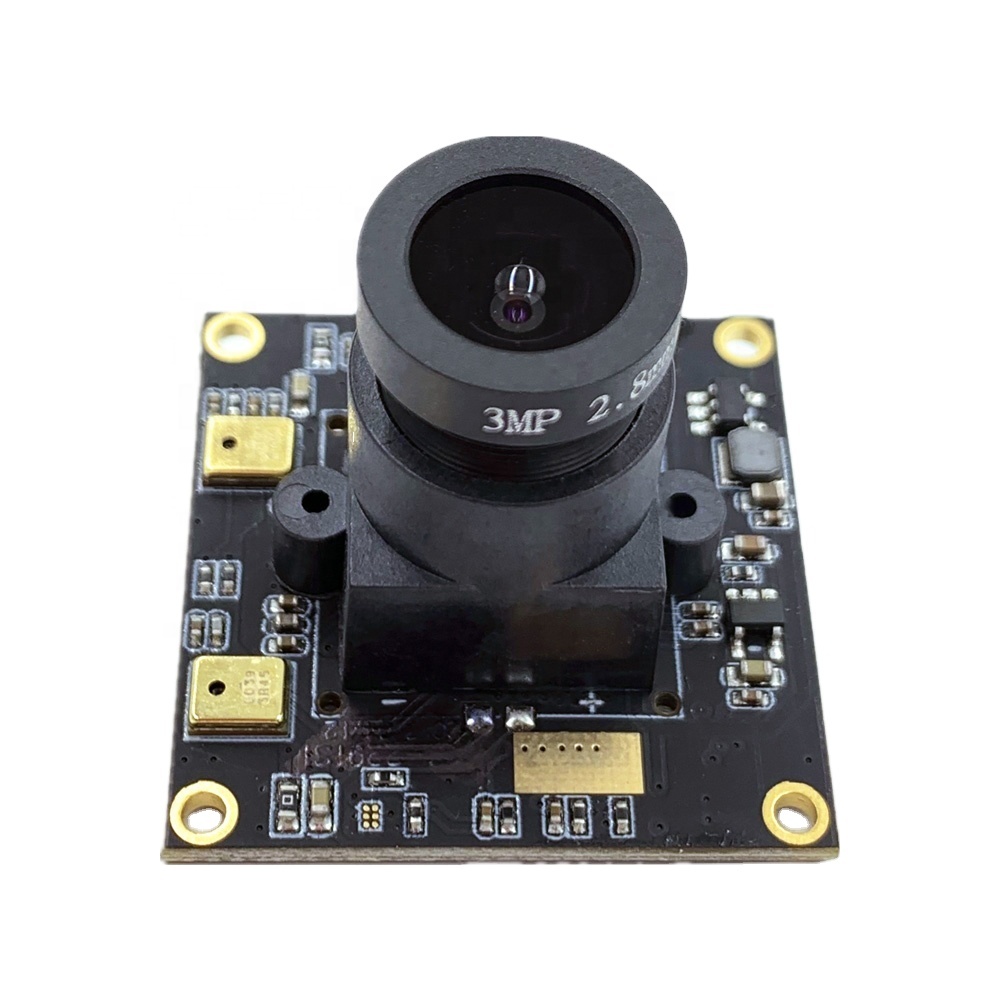
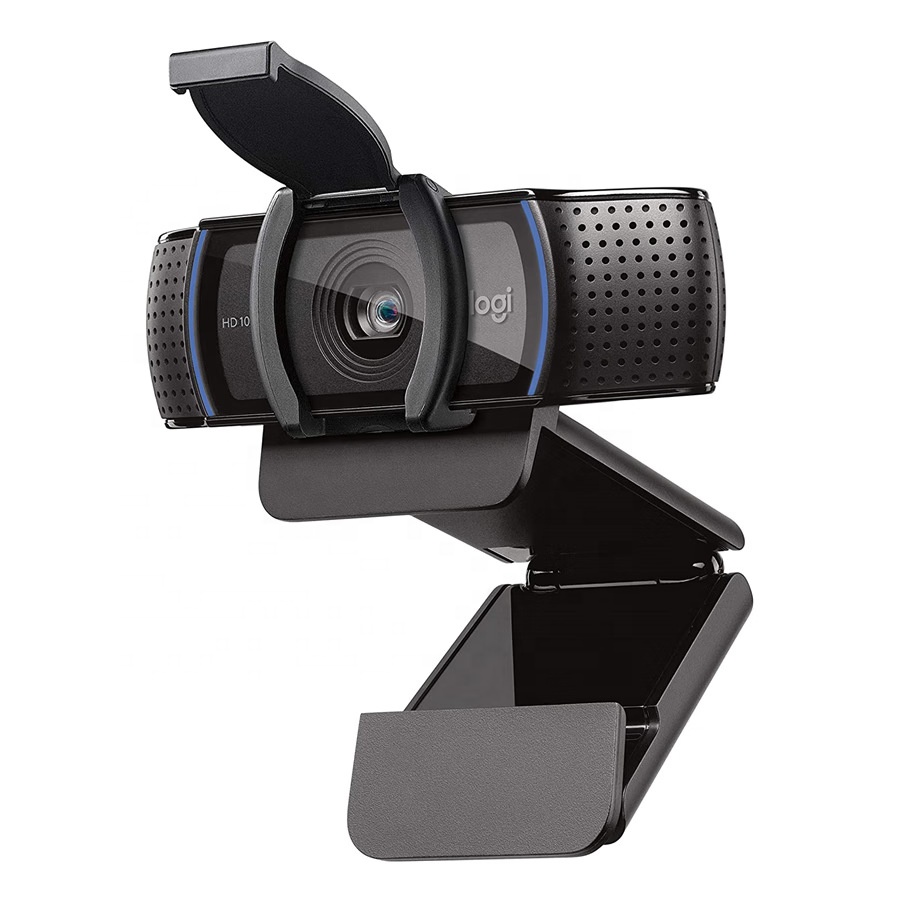
Featured CE Certified USB Camera Modules
Engineered for immediate evaluation and seamless system integration. Explore our high-demand USB webcam boards across various sensor resolutions, form factors, and optic specs.

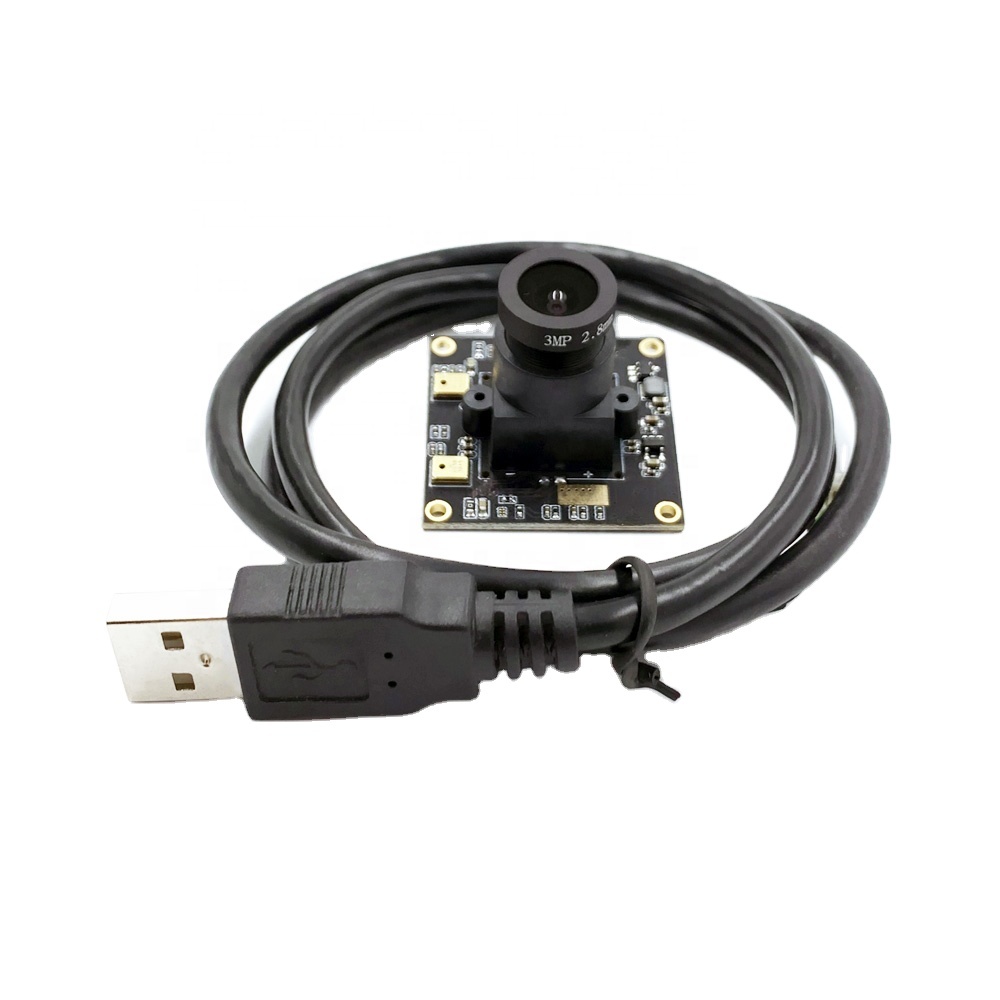
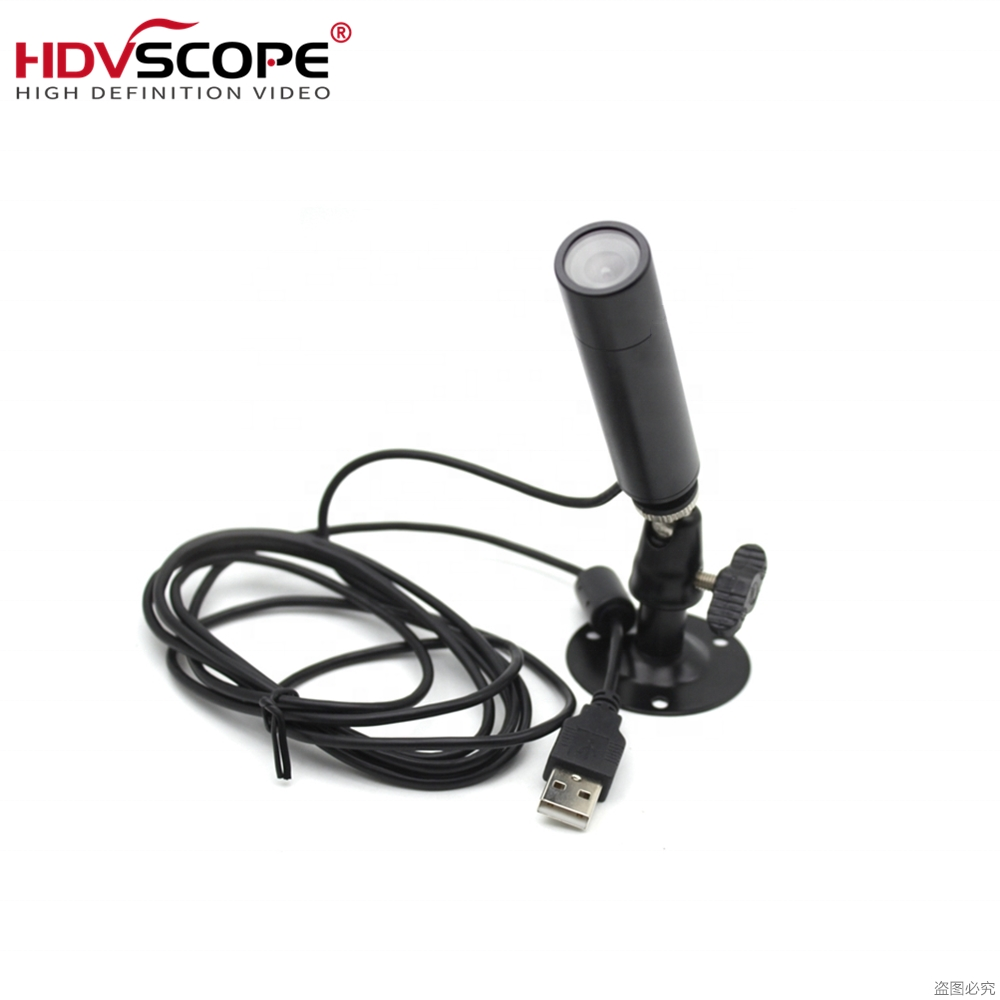
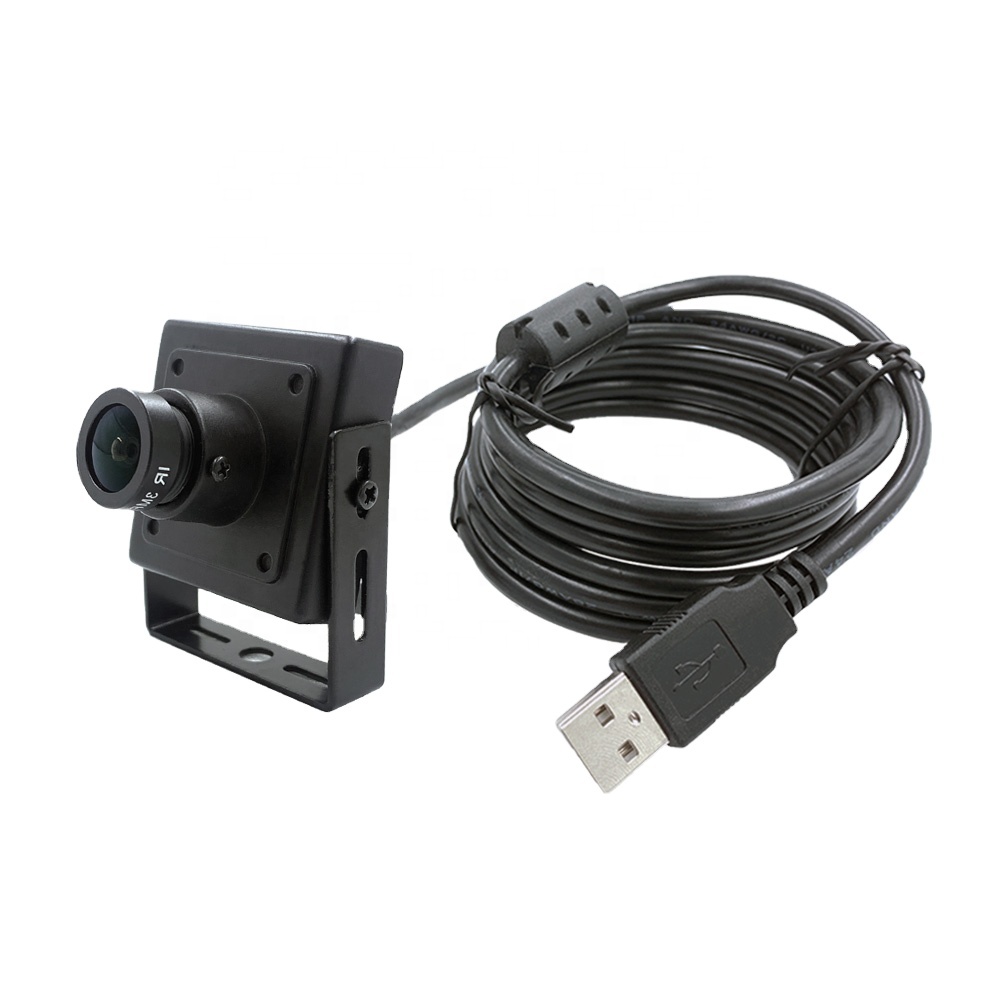
Understanding CE Certification Standards for USB Camera Modules
When engineering camera modules for integration into commercial products sold within the European Union and international territories, compliance with the CE (Conformité Européenne) mark guarantees that the hardware meets stringent directives regarding safety, health, and environmental protection. For USB cameras, CE certification encompasses two core testing paradigms:
- Electromagnetic Compatibility (EMC Directive 2014/30/EU): Verifies that the USB camera module does not emit excessive electromagnetic interference (EMI) that could disrupt nearby electronic systems (such as financial card readers or wireless transceivers) and ensures high immunity against incoming electrostatic discharge (ESD) and radio frequency (RF) interference.
- Restriction of Hazardous Substances (RoHS Directive 2011/65/EU & EU 2015/863): Mandates that all electronic components on the PCB—including lead-free solder, image sensors, passive capacitors, and surface-mount components—are completely free from hazardous toxic elements.
Shenzhen Brekta Electronics Co., Ltd. implements comprehensive 4-layer PCB designs equipped with active ESD protection chips, ferrite beads, and multi-point ground plane shielding to ensure every USB webcam module effortlessly passes CE laboratory testing and delivers zero-drift operation in high-interference environments.
Hardware Driverless Compatibility
Built upon the standard USB Video Class (UVC) protocol version 1.1/1.5. Plugs natively into Windows (7/10/11), Linux (Ubuntu/Debian), Android, and macOS systems without installing secondary third-party drivers.
Advanced Low-Lux Imaging
Utilizing Sony STARVIS™ back-illuminated pixel technology and ultra-low noise ISPs, achieving vivid color video capture down to 0.001 Lux to 0.0001 Lux in extreme low-light automated environments.
Flexible OEM Layout Customization
Full custom engineering capabilities covering PCB dimensions (15x15mm, 32x32mm, 38x38mm, micro bullet), lens focal lengths (pinhole, 170° fisheye, distortion-free), dual microphones, and custom USB pinouts.
Optical Hardware Architecture: Sensors, ISP Tuning & Compression Standards
Selecting the optimal camera module for an industrial project requires balancing hardware parameters against environmental constraints. Our engineering whitepaper highlights key technical trade-offs:
1. CMOS Sensor Selection (Sony Starvis vs OmniVision)
For applications demanding high detail and color accuracy in uneven lighting—such as banking ATMs, outdoor automated kiosks, and medical diagnostic machinery—sensor architecture is paramount. Sony STARVIS™ back-illuminated CMOS sensors (e.g., IMX291, IMX307, IMX335) offer superior sensitivity in the near-infrared (NIR) spectrum, delivering noise-free full-color frames at night. Conversely, OmniVision and Aptina CMOS sensors provide highly cost-effective 1080p, 4MP, and 8MP 4K resolution options ideal for barcode scanning, document imaging, and high-density video conferencing hardware.
2. On-Board ISP Signal Processing & Compression Protocols
Transmitting high-resolution raw video frames across USB 2.0 or USB 3.0 interfaces presents bandwidth challenges. Industrial USB camera modules integrate hardware Image Signal Processors (ISPs) capable of real-time video encoding directly on the camera board:
| Video Format | Bandwidth Requirement | Host CPU Load | Primary Industrial Use Cases |
|---|---|---|---|
| YUY2 (Uncompressed) | High (Requires USB 3.0 for High FPS) | Low | Machine Vision, Medical Inspection, Measurement Systems |
| MJPEG (Motion JPEG) | Moderate (Supported across USB 2.0) | Low to Moderate | ATMs, Self-Service Kiosks, Access Control, Video Call |
| H.264 / H.265 (Hardware AVC) | Ultra-Low (High Compression Efficiency) | Minimal | Doorbell Cameras, Long-Distance USB Cable Systems, Embedded IoT |
3. Wide Dynamic Range (WDR) and Dynamic Range Tuning
In real-world deployment scenarios—such as a bank ATM installed opposite glass store frontages—extreme backlighting can cause target faces to appear completely shadowed while the background is blown out. CE certified camera modules manufactured by Brekta integrate True Hardware WDR (up to 120dB) using multi-exposure frame fusion technology, preserving detail simultaneously in high-brightness glare and deep shadow areas.
Future Sourcing Trends for USB Camera Modules (2025–2030)
As industrial automation evolves towards autonomous intelligent machines and hyper-connected IoT ecosystems, B2B procurement strategies are shifting rapidly. Hardware architects and buyers must prepare for upcoming technology paradigm shifts:
Trend 1: Adoption of Edge-AI & Neural Processing Unit (NPU) ISP Integration
Future USB camera modules are transitioning from passive optical sensors to active edge intelligence nodes. Next-generation camera boards integrate micro NPUs directly onto the ISP circuit, enabling lightweight facial recognition, liveness detection, eye-tracking, and gesture control on-module before video data reaches the host processor.
Trend 2: Global Shutter Transition for High-Speed Automation
While traditional Rolling Shutter CMOS sensors excel in static visual capture, high-speed automated logistics, barcode scanning conveyors, and robotics are migrating to Global Shutter USB Camera Modules. By exposing all pixels simultaneously, global shutter sensors eliminate motion blur and "jello" distortion artifacts during high-speed image processing.
Trend 3: Compact USB Type-C & High-Bandwidth USB4 Interfaces
Legacy USB Type-A connectors are progressively giving way to USB Type-C interfaces with lockable screw mount connectors engineered to resist vibration in vehicular and industrial machinery. USB Type-C modules support higher power delivery (USB-PD) and dual data lanes for simultaneously carrying 4K 60fps video feeds and auxiliary telemetry signals.
Trend 4: Dual-Spectrum Binocular RGB + IR Sensing
Security kiosks, financial VTM systems, and smart access terminals increasingly demand 3D facial liveness detection to block spoofing attacks executed with physical photos or video screens. Integrated binocular camera modules—combining one visible RGB camera with one narrow-band 850nm/940nm Infrared (IR) camera on a single aligned circuit board—are fast becoming the mandatory global standard.
Shenzhen Brekta Electronics: Enterprise OEM/ODM Manufacturing Excellence
As a leading camera module manufacturer established in Shenzhen with expanded assembly facilities in Dongguan, Shenzhen Brekta Electronics Co., Ltd. offers over 13 years of specialized expertise in miniaturized image acquisition systems. Our modern production factory operates dedicated Surface Mount Technology (SMT) lines, cleanroom optical assembly stations, and automated optical inspection equipment.
Protel & Allegro PCB Engineering
Our in-house R&D engineering team designs multi-layer circuit boards in Protel and Cadence Allegro, ensuring rigid impedance control, low noise floor, and optimized thermal dissipation for continuous 24/7 industrial duty cycles.
Strict Quality Control Protocol
Every camera module undergoes 100% optical resolution target testing, colormetric ISP calibration, thermal burn-in testing, and structural stress inspection prior to packaging to guarantee flawless sample-to-mass-production consistency.
Comprehensive Market Certifications
Backed by official CE, FCC, and RoHS certification documentation, Brekta camera modules are fully qualified for rapid customs clearance and immediate compliance approval in Europe, North America, South America, and Asia.
Frequently Asked Questions (FAQ)
Technical and commercial answers to the most common inquiries raised by B2B hardware engineering teams and procurement professionals.
What specific CE directives and standards do your USB camera modules comply with?
What is your typical Minimum Order Quantity (MOQ) for evaluation samples vs mass production?
Are your USB webcam boards completely driverless on Linux and Android embedded systems?
Can Brekta customize the camera lens field of view (FOV) and pinhole barrel dimensions?
How do you ensure hardware performance consistency between early samples and high-volume orders?
What warranty coverage and technical support services do you provide?
What are the maximum recommended USB cable lengths for reliable industrial camera operation?
Initiate Your OEM Camera Module Inquiry Today
Connect directly with our experienced engineering consultants to request CAD drawings, test reports, or custom quotation sheets.