Featured OEM/ODM Vision Modules & Cameras
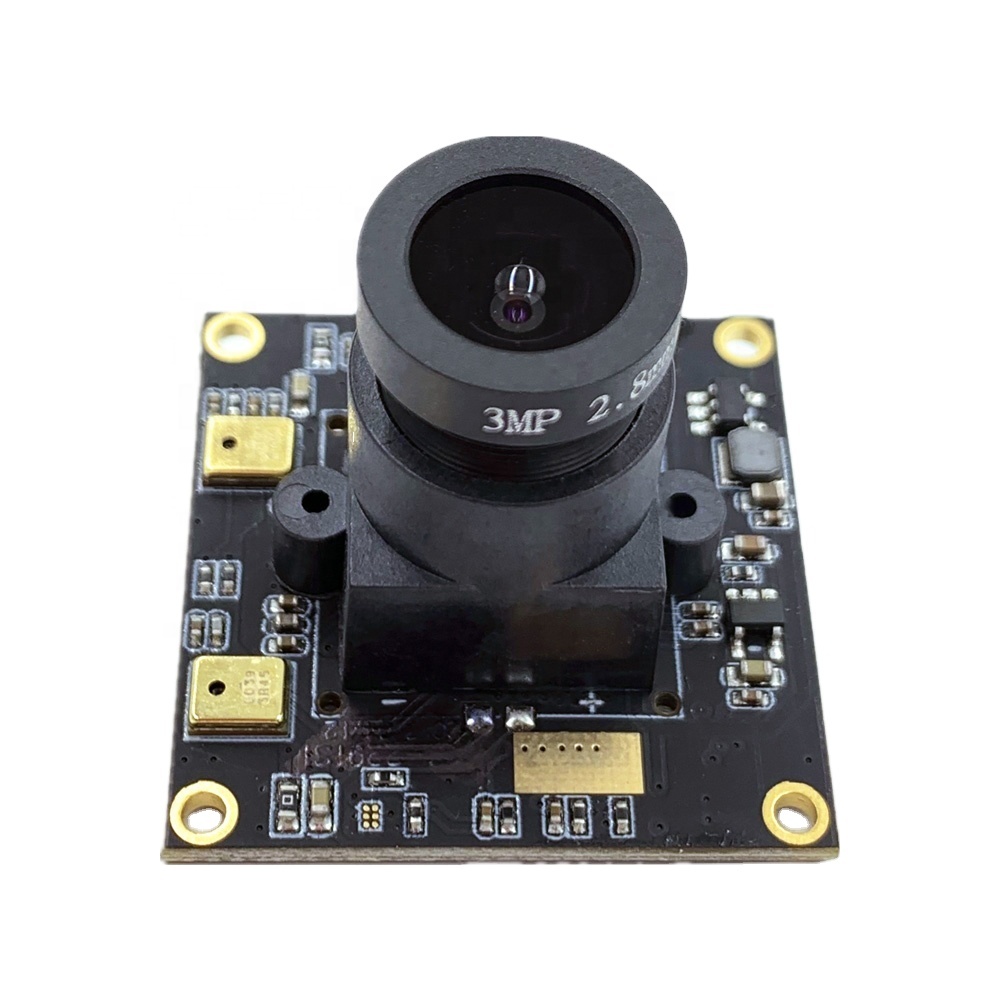
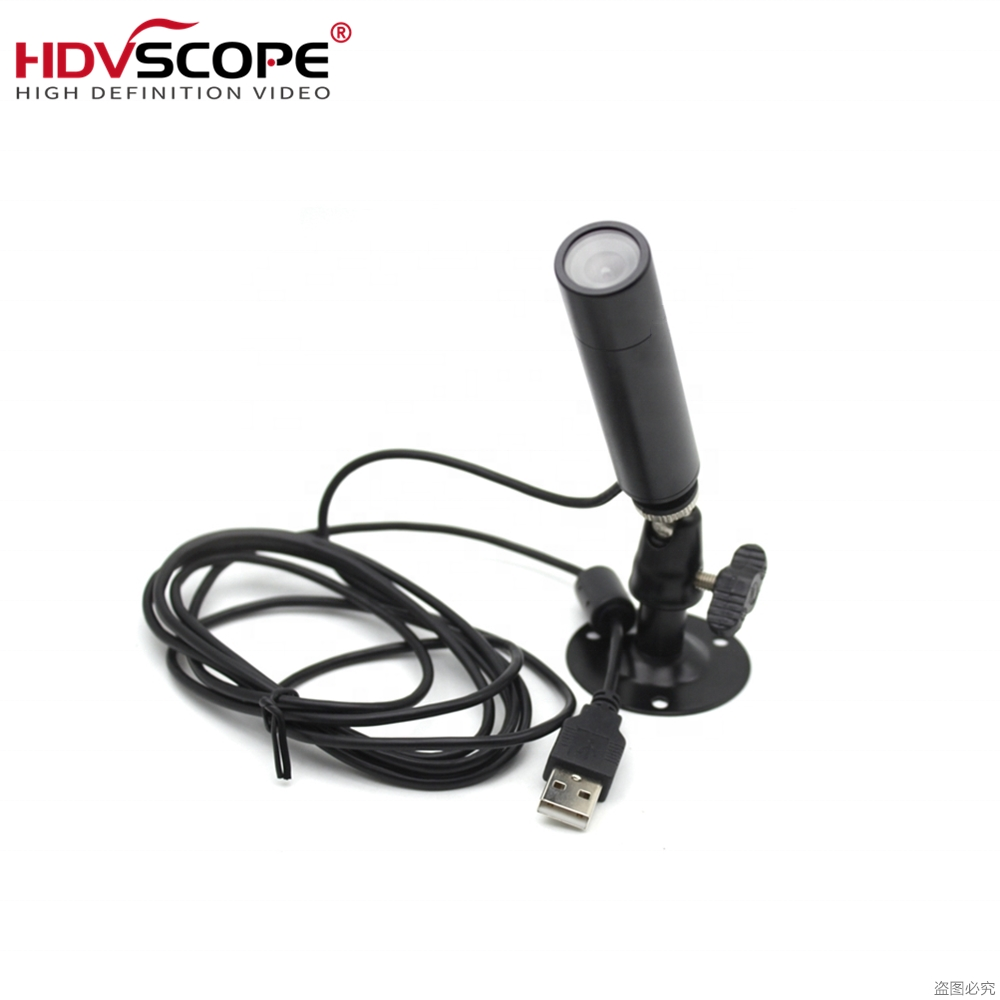
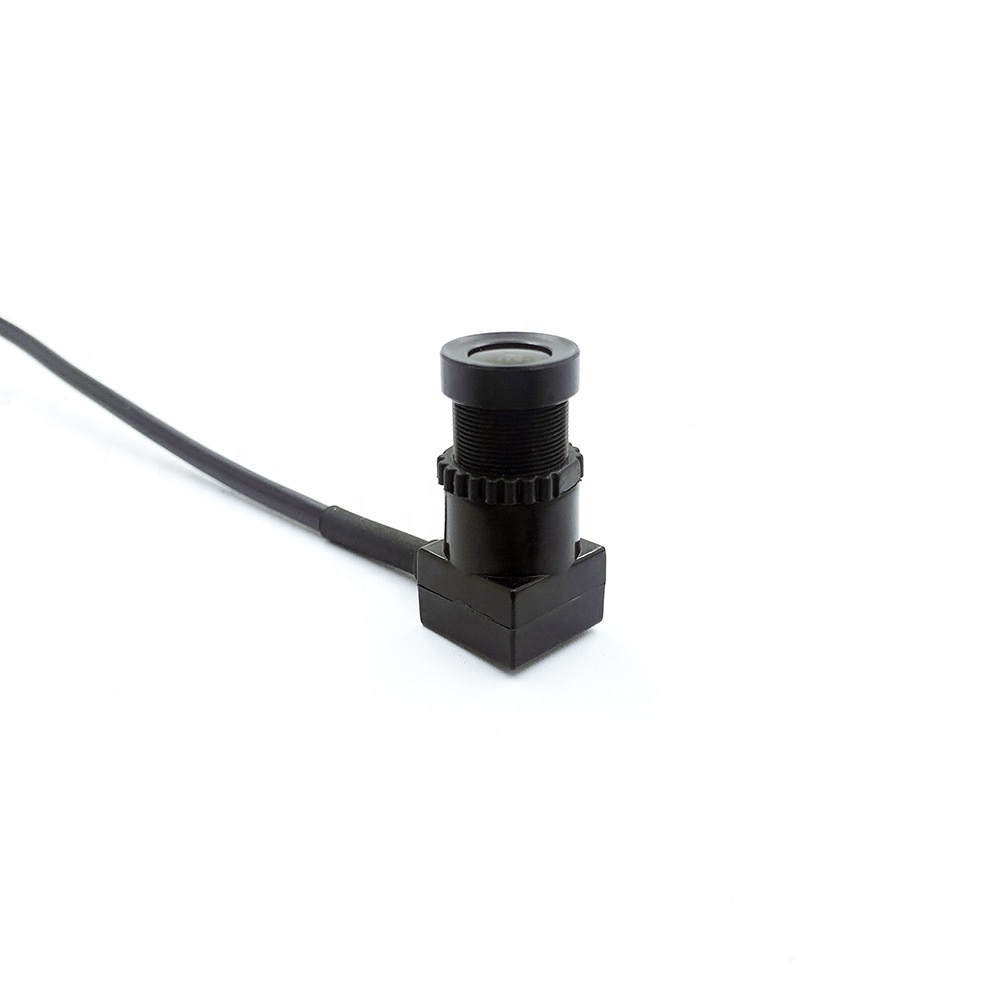
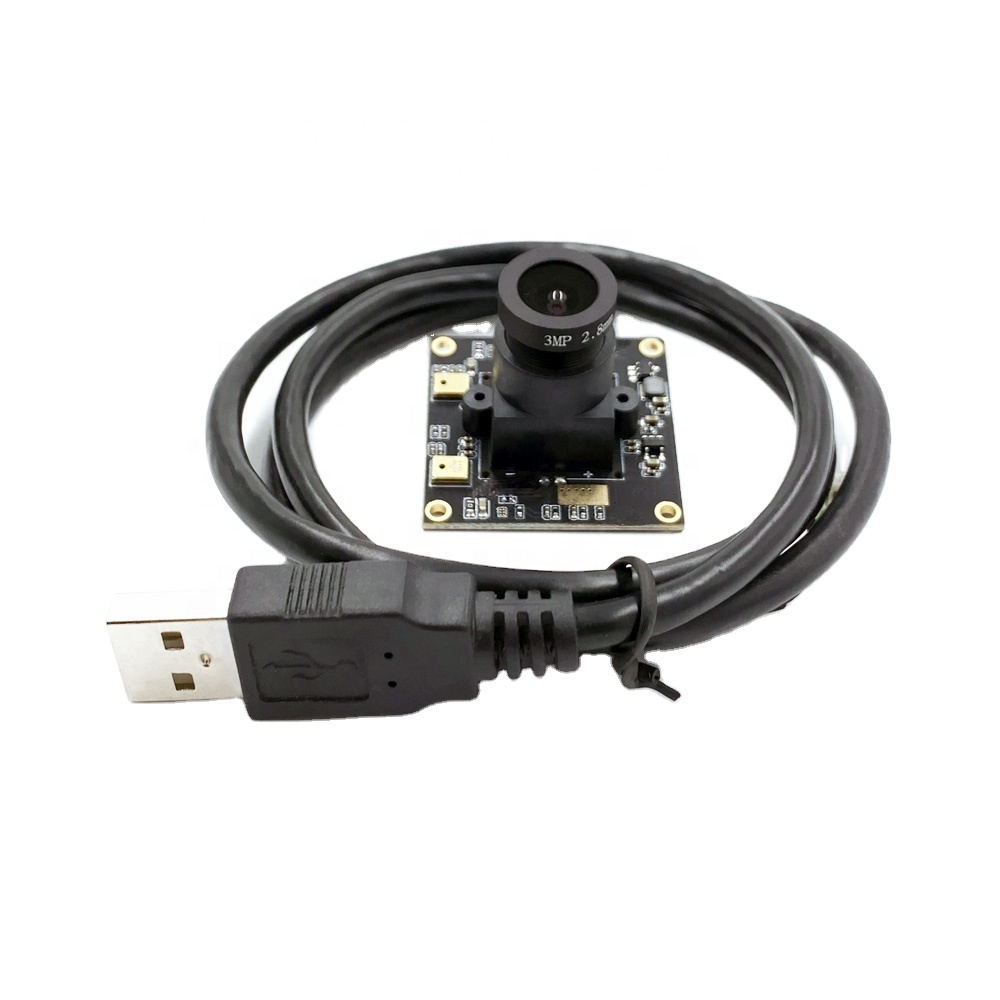
High-performance embedded camera boards and micro cylindrical units engineered for ATM, kiosk, medical, and industrial automation deployments.
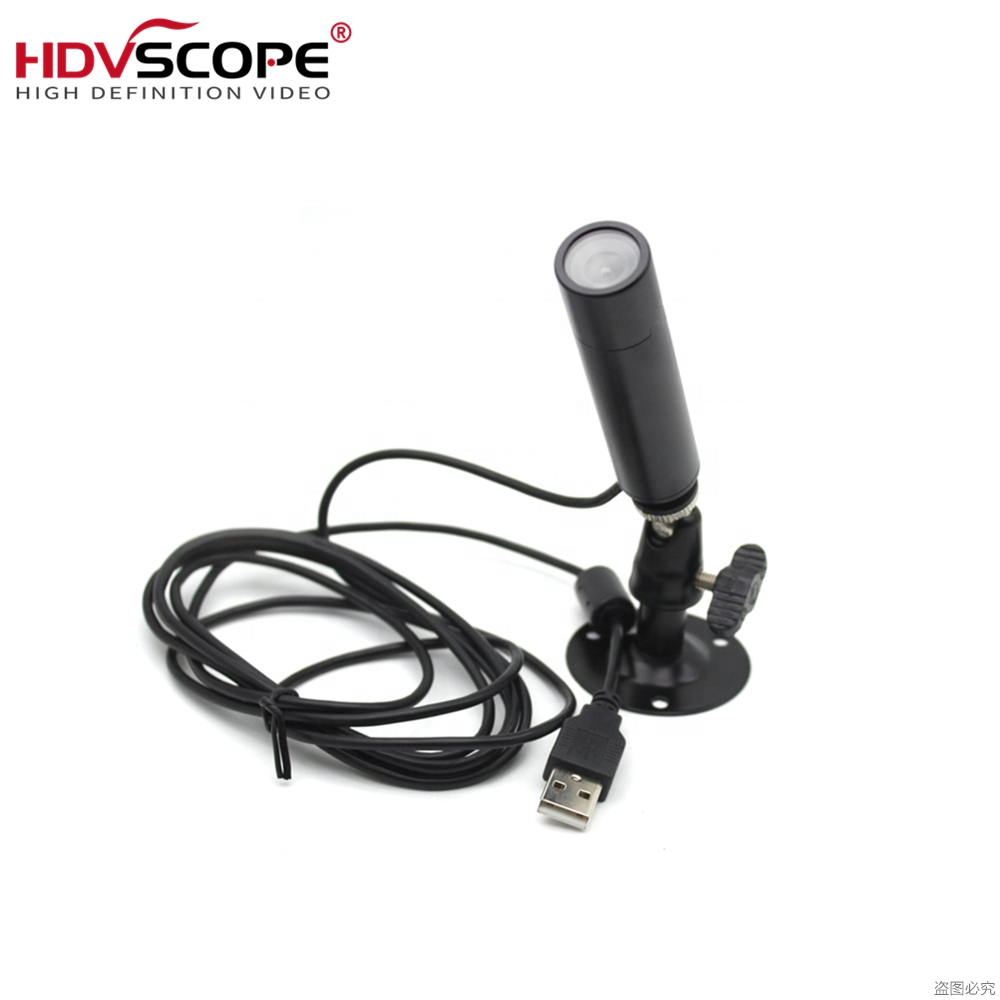
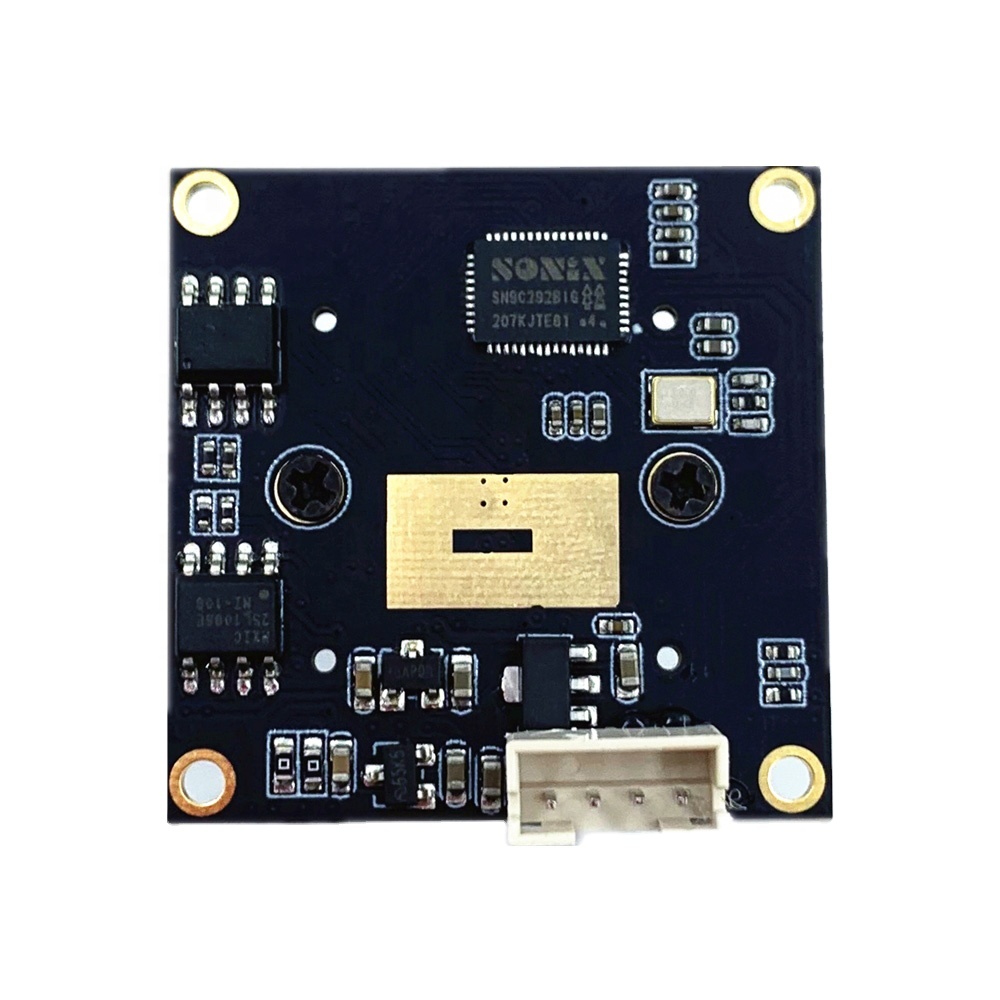
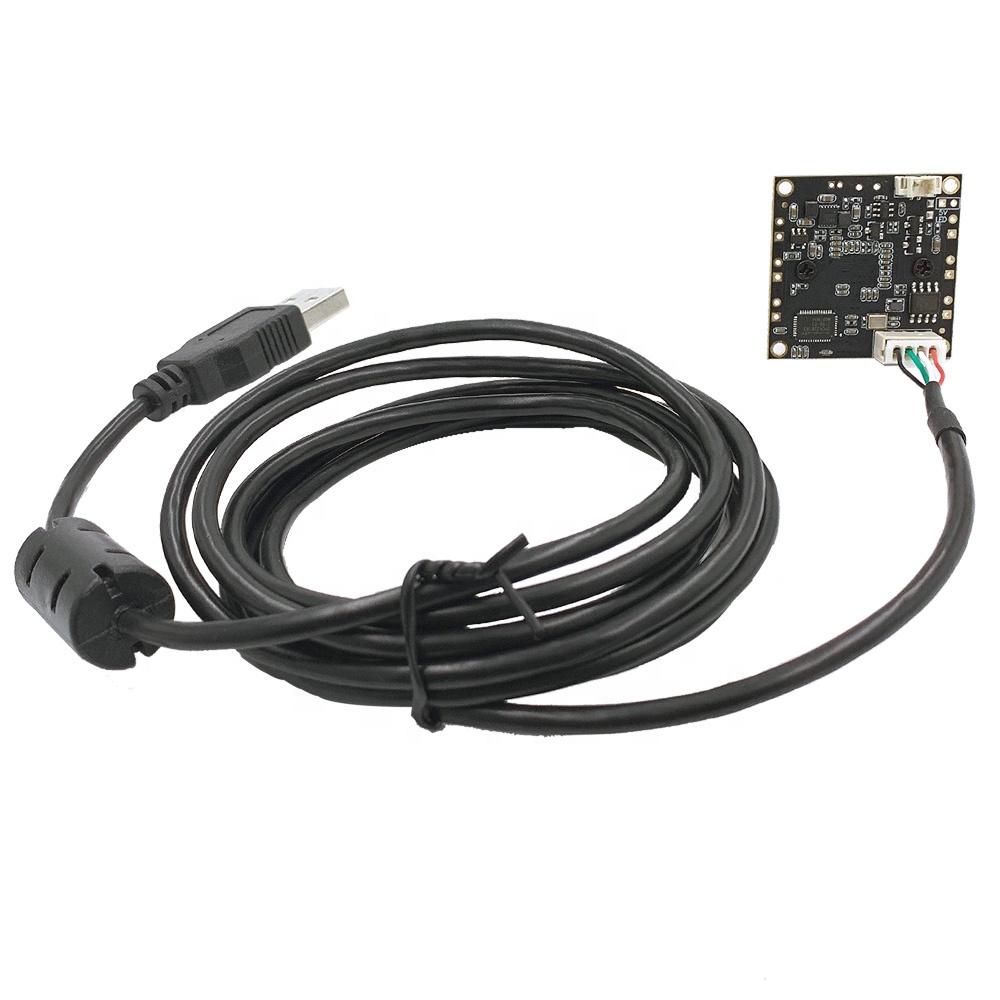
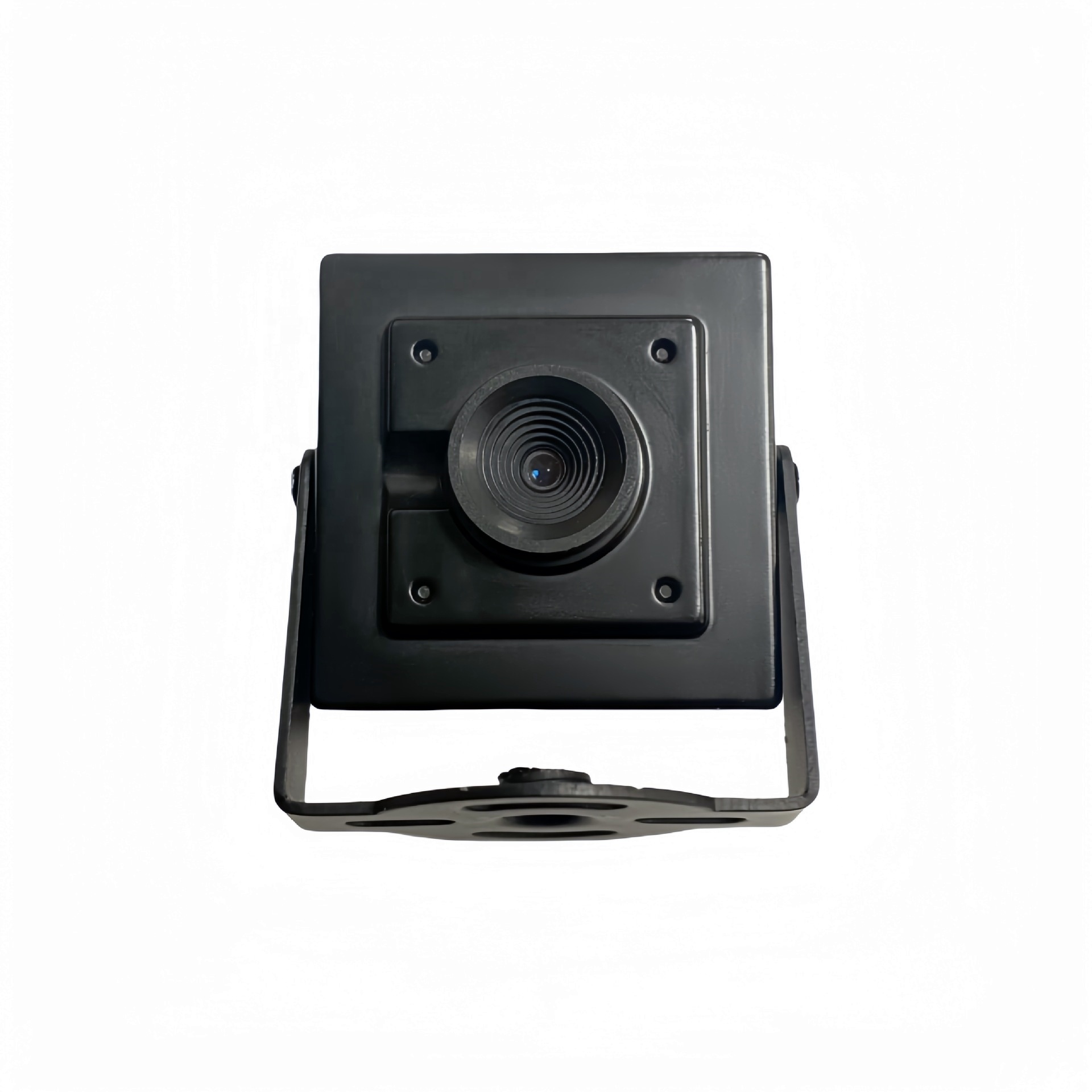
Industry Whitepaper: The Paradigm Shift in CCD & CMOS Sensor Architecture
Historically, CCD (Charge-Coupled Device) camera modules represented the gold standard for optical quality, global shutter capability, and low spatial noise in industrial machine vision. However, the global optical manufacturing landscape centered in China has undergone a monumental shift toward advanced Back-Illuminated (BSI) CMOS and Sony Starvis™ architecture. Understanding this technological convergence is essential for global original equipment manufacturers (OEMs), systems integrators, and procurement teams sourcing imaging components for automated teller machines (ATMs), medical diagnostics, automated retail kiosks, and smart industrial inspection systems.
While legacy CCD modules offered exceptional light efficiency by transporting charge across the chip to a single read-out node, modern high-sensitivity CMOS sensors—such as the Onsemi AR0230 WDR chip and Sony STARVIS IMX291/IMX335 series—have surpassed classic CCD performance metrics. Contemporary BSI CMOS camera modules deliver starlight-level low-light illumination down to 0.001 Lux, ultra-wide dynamic range (WDR > 115dB), significantly lower power dissipation, and native system-on-chip (SoC) integration of UVC USB 2.0/3.0, RTSP IP, and H.264/H.265 compression protocols.
For enterprise purchasing leads seeking top-tier China camera module suppliers, evaluating sensor performance requires analyzing more than basic megapixel resolution. Optical engineers must carefully weigh signal-to-noise ratio metrics (SNR1s), quantum efficiency across near-infrared (NIR) spectrums, printed circuit board (PCB) footprint constraints, thermal dissipation properties, and long-term component lifecycle availability.
Technical Benchmark: Legacy CCD vs. Modern BSI/Starvis CMOS Modules
Selecting the optimal camera module interface and sensor configuration directly impacts host system overhead, heat envelope, and optical clarity. The matrix below outlines key engineering trade-offs:
| Performance Dimension | Legacy CCD Modules | Modern Starvis/BSI CMOS Modules | OEM Application Impact |
|---|---|---|---|
| Min. Illumination | 0.05 Lux - 0.1 Lux | 0.0001 Lux - 0.001 Lux (Starlight) | CMOS enables 24/7 capture without bulky external IR illuminators. |
| Dynamic Range (WDR) | 60 dB - 72 dB (Limited) | 105 dB - 120 dB (Multi-exposure WDR) | Crucial for ATMs & outdoor kiosks with intense backlighting. |
| Power Consumption | High (requires multi-voltage supplies) | Ultra-Low (< 1.5W via 5V USB Bus) | Simplifies thermal management in sealed IP67 enclosures. |
| System Integration | Analog capture card / decoder required | Native USB (UVC), RTSP IP, or MIPI | True driverless plug-and-play across Windows, Linux, Android, macOS. |
| Form Factor Size | Bulky (typically > 44x44 mm) | Micro-Miniature (15x15mm to 32x32mm) | Fits restricted enclosures, snake endoscopes & door peepholes. |
Strategic Global Procurement Trends in Camera Module Sourcing
Sourcing imaging hardware from Chinese camera module factories has evolved beyond basic unit price negotiations. Global equipment manufacturers now prioritize strategic supply chain resilience, standardized firmware compliance, and high-precision OEM customization. Analysis of international procurement metrics reveals several pivotal trends driving procurement decisions:
- UVC Protocol Standardization Across Heterogeneous Operating Systems: Enterprise buyers are overwhelmingly transitioning away from proprietary hardware drivers toward standard USB Video Class (UVC 1.1/1.5) compliance. Driver-free plug-and-play functionality across Windows, Linux, Android, and macOS drastically reduces system integration cycles and ongoing software maintenance costs for kiosk and medical device developers.
- Rapid NPI (New Product Introduction) and Low MOQ Prototyping: Leading Chinese manufacturers now offer prototype evaluation quantities starting at a single piece (MOQ 1 pc) with standard sample dispatch times of 1 to 3 working days. This enables system architects to test optical performance, field of view (FOV), and ISP tuning before committing to volume tooling.
- Shift Toward Custom PCB Layouts & Multi-Flex Form Factors: Off-the-shelf square boards are increasingly replaced by custom-engineered PCBs. Suppliers capable of designing tailored board geometries—such as ultra-compact 15x15mm micro-squares, 32x32mm double-layer stackables, or flexible FPC connectors—are gaining distinct competitive advantages in spatial engineering.
- Comprehensive Lifecycle Management & Supply Security: Industrial and security clients require component continuity guarantees spanning 5 to 10 years. Leading manufacturers work closely with wafer providers (such as Sony, OmniVision, and Onsemi) to provide PCN (Product Change Notification) roadmaps and last-time-buy protections.
Need a Custom Board Size, Specific Lens FOV, or Firmware ISP Tuning?
Our senior optical and hardware engineers design PCBs in Protel and Allegro to deliver exact dimensional and image specs for your machine vision project.
Inquire NowFuture Technology Trends in Embedded Camera Module Engineering
As machine vision, edge artificial intelligence, and automated identity verification penetrate industrial workflows, camera module technology is rapidly progressing along several key innovation vectors:
1. Edge AI & On-Chip ISP Processing
Next-generation camera modules integrate high-performance Image Signal Processors (ISP) capable of executing localized spatial AI tasks directly at the edge. Features such as hardware-level H.264/H.265 compression, face detection vectoring, dual-lens binocular liveness identification, and instant QR code hardware decoding eliminate processing burdens on the master host CPU.
2. High-Speed Autofocus & Multi-Focus Actuation
Industrial document scanning, medical diagnostic endoscopes, and retail self-checkout systems demand lightning-fast focal adjustments. Advances in miniature Voice Coil Motors (VCM) and liquid-lens piezo electronics enable sub-100ms high-speed autofocus capability within ultra-slim lens barrel architectures.
3. Extreme Environment Waterproofing & Ruggedization
Miniature bullet and cylindrical camera modules (such as 20mm diameter lipstick and snake form factors) are increasingly specified with factory-sealed IP67/IP68 submersible ratings. Hermetic potting techniques protect internal optics and sensor boards against moisture ingress, chemical exposure, and high-vibration industrial environments.
4. Ultra-Resolution (4K/16MP) Combined with Low Lux
Historical trade-offs between high pixel density and low-light performance are vanishing. Modern 4K (3840x2160) and 16MP camera modules leverage advanced 1/2.8" and 1/2.3" CMOS image sensors featuring pixel-binning capabilities, delivering crystal-clear daytime document capture alongside clean, noise-free night capture.
Manufacturer Profile & Quality Engineering Standards: Shenzhen Brekta Electronics
When evaluating specialized suppliers in China, Shenzhen Brekta Electronics Co., Ltd. stands as a premier manufacturer of compact USB (UVC), mini IP (RTSP/PoE), AHD/TVI/CVI, and specialized optical camera modules. With headquarters in Shenzhen and advanced assembly operations in Dongguan, Brekta brings over 13 years of dedicated engineering expertise to the global vision market.
Full-Spectrum Optical Tailoring
Engineering team utilizes Protel and Allegro PCB design suites to customize board geometry, focal length (1.7mm fisheye to 12mm narrow board lenses), IR-Cut filter thresholds, and cabling pinouts.
Strict Quality Assurance
Multi-tier QC protocol ensures incoming material verification, optical resolution alignment, temperature burn-in, and 100% finished product optical testing before export packing.
Global Compliance & Support
All security and industrial modules hold CE, FCC, and RoHS certifications. Backed by an industry-leading 24-month warranty and 2-hour technical response window.
Frequently Asked Questions (FAQ) for B2B Camera Sourcing
Engineering and commercial guidance for purchasing managers, systems integrators, and optical engineers.
Ready to Evaluate Camera Samples or Request a Technical Quotation?
Connect with our expert application engineering team today. We provide full optical consultation, datasheet documentation, and rapid sample delivery for your OEM build.
Inquire Now