Featured USB CMOS Camera Modules
Precision-engineered embedded camera boards equipped with high-sensitivity Sony STARVIS, Onsemi, and OmniVision CMOS sensors for industrial, commercial, and security integration.
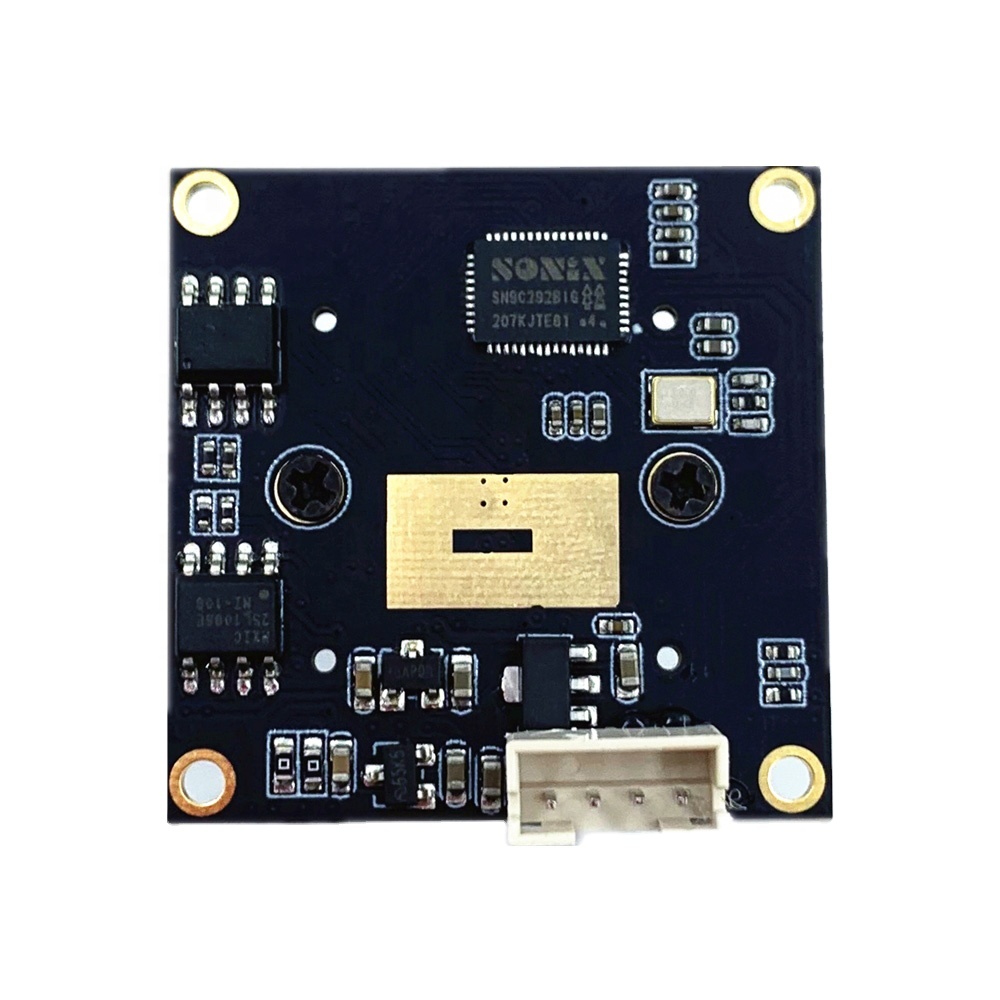
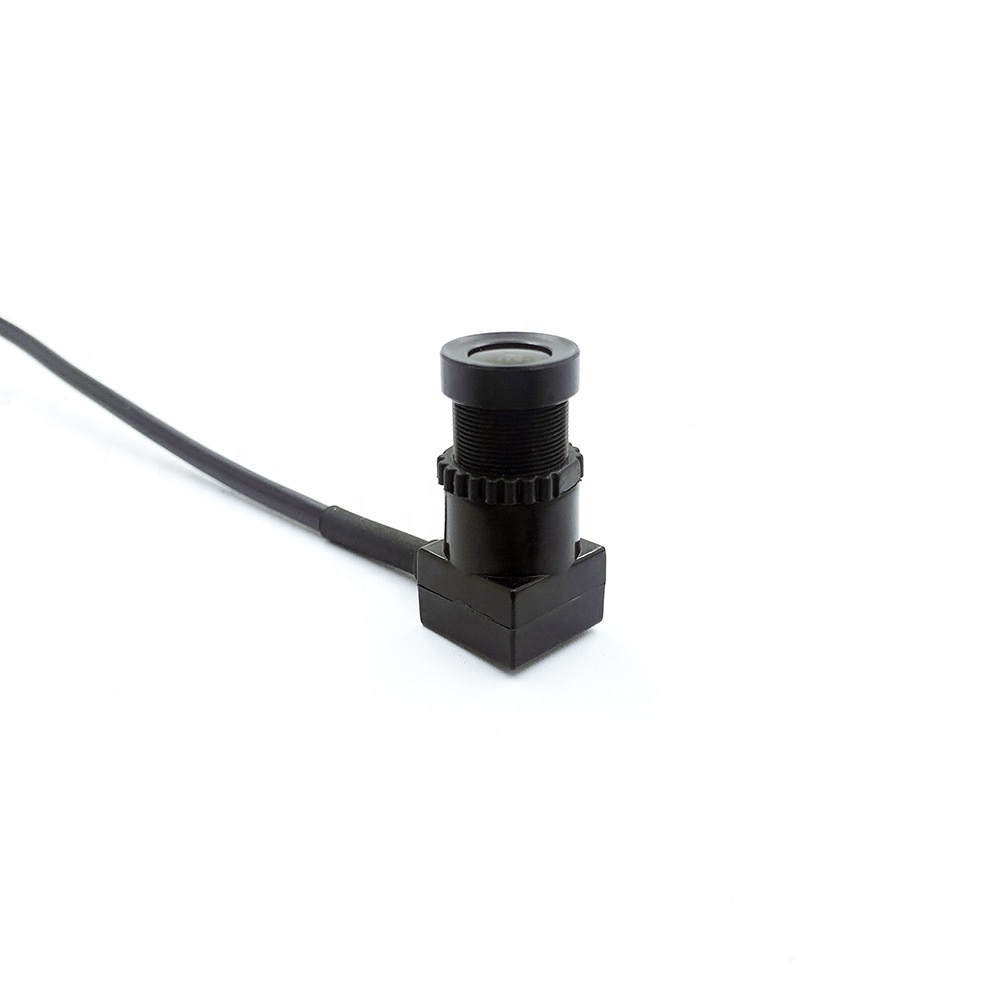
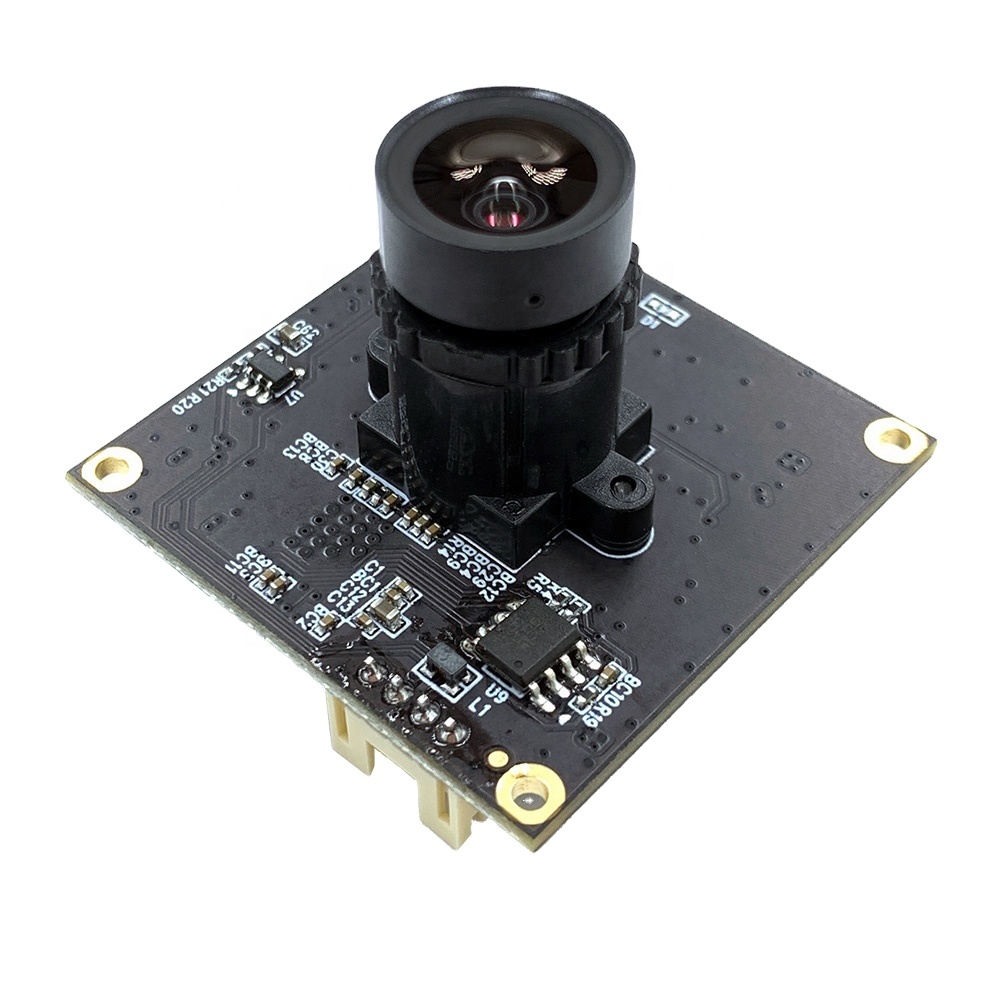
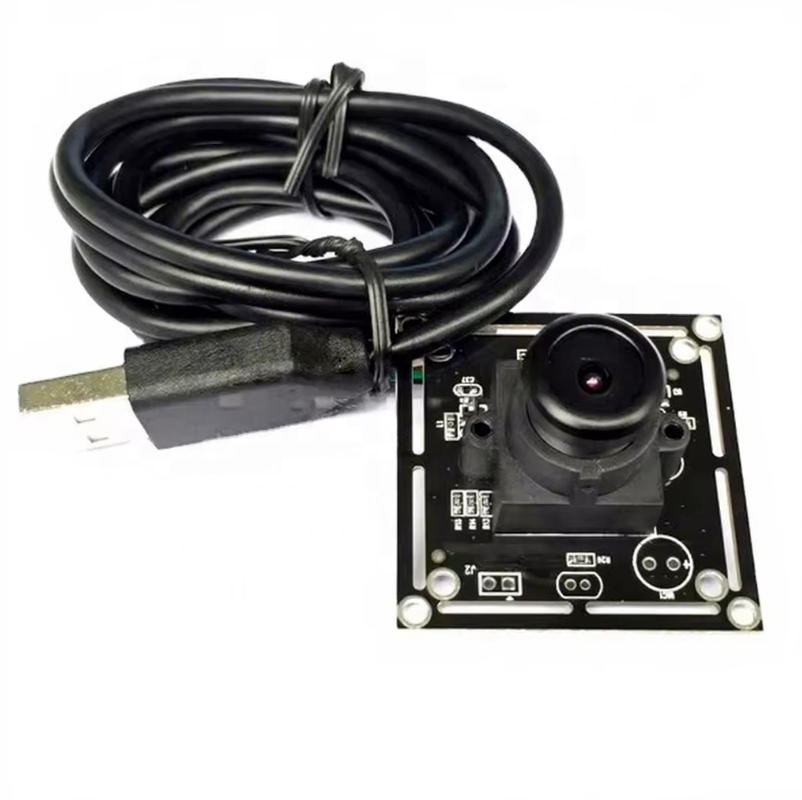
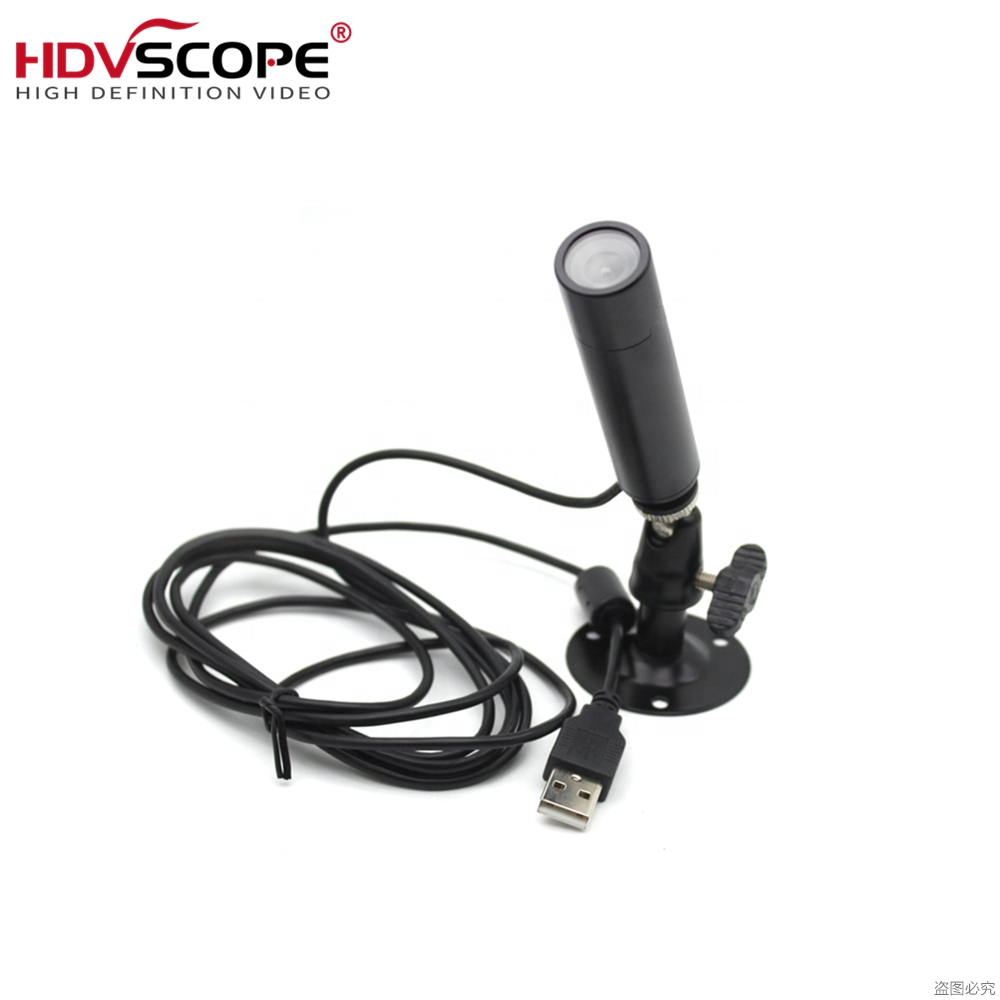
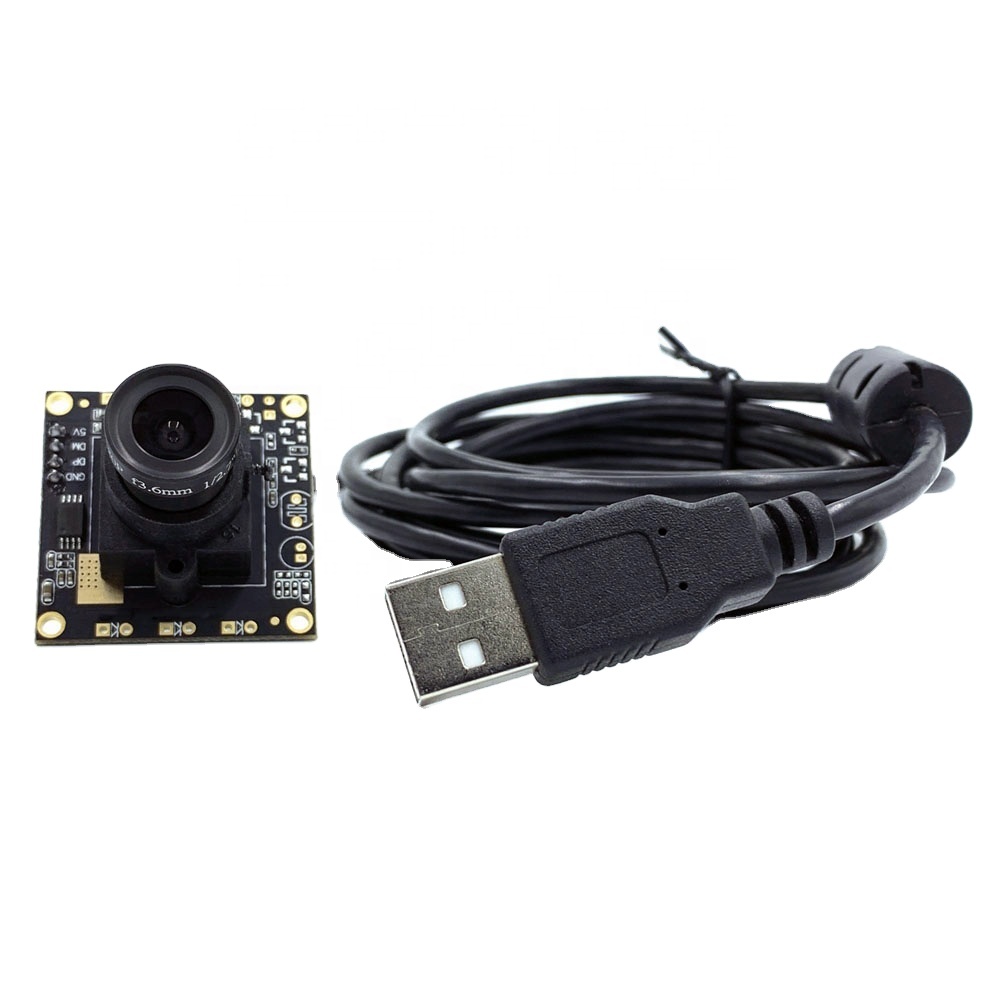
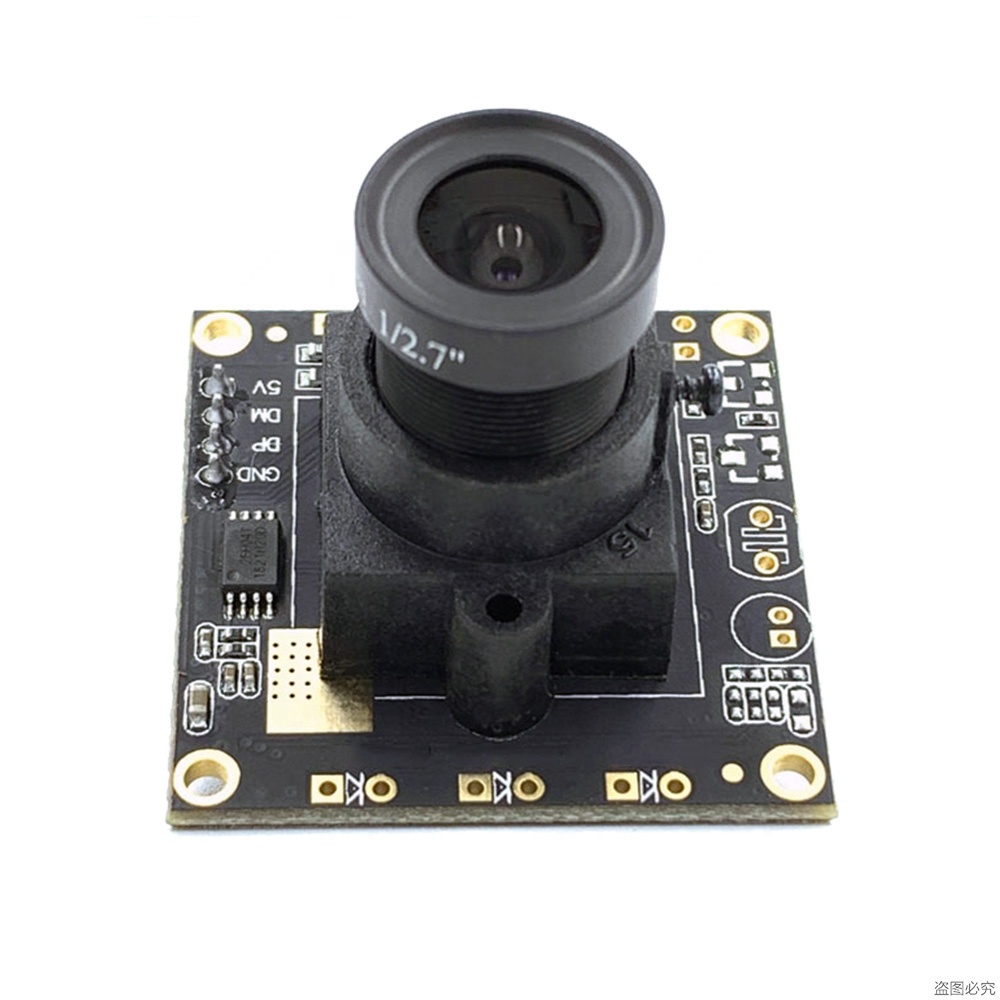
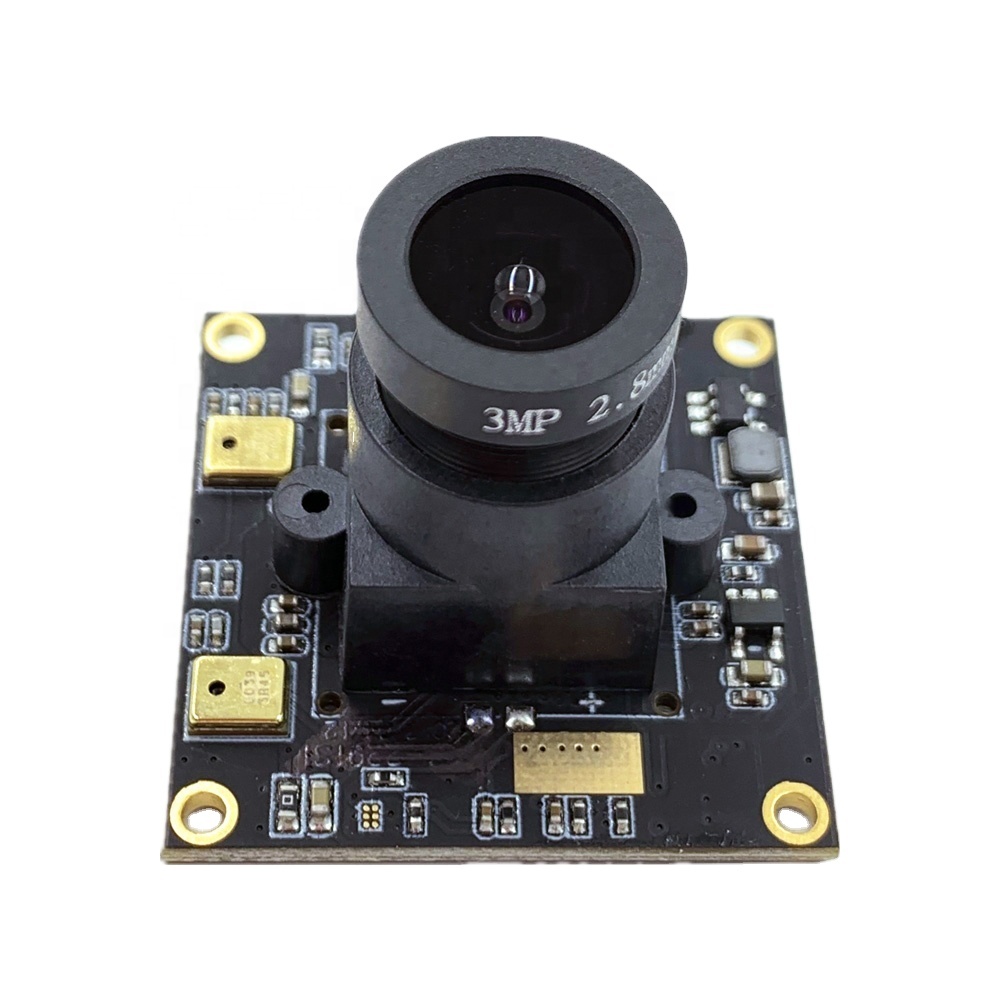
Engineering Excellence: The Anatomy of High-Performance USB CMOS Camera Modules
In modern machine vision, self-service automation, and edge-AI monitoring systems, the USB CMOS camera module acts as the primary sensory interface. Unlike off-the-shelf consumer webcams, industrial USB camera boards manufactured by Shenzhen Brekta Electronics Co., Ltd. are optimized for continuous 24/7 operation under challenging environmental conditions—ranging from high-backlight financial ATMs to near-zero-ambient-light night surveillance.
1. Advanced CMOS Sensor Integration & Illumination Technology
Selecting the appropriate CMOS sensor parameter is critical to achieving accurate feature extraction and image processing. High-sensitivity back-illuminated pixel architecture, such as Sony's STARVIS and STARVIS 2 technology, elevates low-light performance down to 0.001 Lux and even 0.0001 Lux in color mode. For applications exposed to sudden high contrast—such as outdoor kiosks or video walls exposed to direct sunlight—Wide Dynamic Range (WDR) sensors (e.g., Onsemi AR0230 featuring >105dB dynamic range) prevent highlight clipping and dark shadow compression.
For high-speed automated sorting, motion tracking, and biometric recognition, frame rate stability is paramount. Dual-mode output supporting both uncompressed YUY2 for high-fidelity spatial detail and compressed MJPEG/H.264 for high-frame-rate bandwidth optimization (up to 330 FPS at Full HD) ensures seamless host processor integration without system latency.
2. UVC Architecture & Multi-Platform Compatibility
Driver-free USB Video Class (UVC) compliance allows embedded system developers to deploy cameras directly across Windows, Linux, Android, and macOS kernel environments without third-party driver dependencies. Modern embedded IPCs and single-board computers (SBCs like Raspberry Pi, NVIDIA Jetson, and Rockchip platforms) bind native video streaming interfaces via V4L2 (Video4Linux2) or DirectShow seamlessly when pairing with Brekta's hardware-encoded modules.
Core Engineering Advantages of Brekta OEM Solutions
Customized embedded vision hardware built to specification for global OEMs, system integrators, and equipment manufacturers.
Custom PCB & Micro Form Factors
Ultra-compact board designs starting from 15x15mm mini-square modules up to standard 32x32mm and 38x38mm industrial layouts designed with Protel and Allegro for tight enclosure integration.
Hardware WDR & Night Vision
True optical Wide Dynamic Range combined with dual band IR-Cut filters (850nm / 940nm) ensure zero color distortion in daylight and crisp illumination in ambient darkness.
High-Speed Hardware ISP
Custom ISP firmware tuning guarantees accurate auto-exposure (AEC), auto-white balance (AWB), auto-gain control (AGC), and distortion correction directly on board without CPU overhead.
USB CMOS Camera Module Technical Selection Matrix
Refer to our standardized hardware selection guide to align your technical procurement requirements with the optimum optical and sensor configuration:
| Target Application | Recommended Sensor | Optical Resolution | Dynamic Range / Lux | Encoders / Output |
|---|---|---|---|---|
| ATM / VTM Kiosks | Onsemi AR0230 / Sony IMX307 | 2.0MP (1920x1080) | WDR > 105dB / 0.01 Lux | MJPEG / YUY2 / H.264 |
| Face ID & Video Wall | Sony STARVIS IMX291 / IMX327 | 2.0MP Full HD | Ultra Low Lux (0.001 Lux) | H.264 / MJPEG Dual Stream |
| High-Speed Industrial Inspection | Global / High-Speed CMOS | 1.3MP - 2.0MP | 330 FPS @ 720P / 1080P | Uncompressed YUY2 High Speed |
| Compact Medical / Endoscopes | Micro CMOS Sensor Array | 2.0MP / 5.0MP | Standard Light / Waterproof IP67 | USB UVC / WiFi Hotspot |
| Document & QR Code Scanning | OmniVision / Sony CMOS | 5.0MP - 16.0MP (4K) | HDR / Autofocus Lens | MJPEG / YUY2 High Resolution |
Future Procurement & Technology Trends in USB CMOS Vision (2025–2030)
As machine vision migrates from centralized server processing to edge computing systems, the procurement criteria for B2B buyers, OEM system builders, and engineers are shifting rapidly. Understanding these technological trends ensures long-term lifecycle stability for project developments:
1. Migration to Edge-AI & Embedded Compression Codecs
Modern cameras are no longer passive image capturers. Future-proof USB CMOS camera modules integrate hardware H.265/H.264 and MJPEG compression chips directly on the camera PCB. This dramatically decreases bandwidth requirements on host USB buses, allowing multiple high-resolution cameras (e.g., 4K or multi-angle 1080p arrays) to run concurrently on a single embedded host hub without frame dropping.
2. Global Shutter replacing Rolling Shutter in Logistics & Robotics
While rolling shutter CMOS sensors provide unmatched low-light sensitivity and cost efficiency, automated mobile robots (AMR), conveyer belt barcode scanners, and high-speed drones require zero-distortion capture of fast-moving objects. Factory procurement trends show a rapid rise in demand for global shutter USB camera modules that freeze motion cleanly without jelly effects or spatial distortion.
3. Type-C Interface & USB 3.2 Gen High-Bandwidth Expansion
Legacy Micro-USB and USB 2.0 4-pin connectors (HST 1.25mm/1.5mm/2.0mm pitch) are increasingly being upgraded to USB Type-C and high-speed USB 3.0/3.2 protocols. This provides uncompressed 4K video feeds at 60 FPS while improving locking screw stability against high-vibration industrial environments.
4. Multi-Spectral & RGB-IR Dual-Band Integration
Biometric authentication terminals (such as facial payment systems and access control gates) are transitioning from single-sensor setups to dual-camera arrays or combined RGB-IR sensors. By utilizing one channel for standard RGB color rendering and the secondary channel for 850nm/940nm Near-Infrared (NIR) liveness detection, systems effectively prevent spoofing attacks while maintaining compact device dimensions.
Why Partner with Shenzhen Brekta Electronics?
Founded in Shenzhen with extended manufacturing infrastructure in Dongguan, Shenzhen Brekta Electronics Co., Ltd. stands as a premier enterprise in China’s embedded camera manufacturing sector. Our engineering-driven approach guarantees that every custom design transitions seamlessly from CAD schematic to mass manufacturing.
Low MOQ & Fast Sample Turnaround
We lower the barrier to prototype evaluation. In-stock camera modules ship within 1–3 business days with an evaluation sample MOQ starting from just 1 piece.
Rigorous 100% Quality Assurance
Every camera board undergoes multi-stage inspection: automated optical inspection (AOI) during SMT assembly, image resolution calibration using ISO resolution charts, dynamic range validation, and full burn-in testing.
Global Certification & Support
Fully compliant with CE, FCC, and RoHS standards. All standard and customized camera products come backed by a 24-month warranty, free warranty replacement, and lifetime engineering support.
Frequently Asked Questions (FAQ) for OEM Buyers
Direct technical answers to common engineering, procurement, and customization inquiries.
Are Brekta USB camera modules completely driver-free (UVC compliant)?
Yes. All of our USB camera modules fully comply with the standard UVC (USB Video Class) protocol. They operate seamlessly without installing third-party drivers on Windows (10/11/Server), Linux (Ubuntu, Debian, CentOS), Android (5.0+ with OTG), and macOS systems.
What custom OEM/ODM parameters can be adjusted for engineering projects?
We provide full hardware and firmware customization, including custom PCB board dimensions (15x15mm, 32x32mm, 38x38mm, or irregular shapes), optical lens selection (FOV from 60° up to 190° fisheye, pinhole, or varifocal), USB cable lengths, pin connector types (JST, Molex, Type-C), built-in microphones, and custom ISP firmware defaults (brightness, exposure range, contrast).
How do Starvis low-light sensors perform in pitch-black environments?
Sony STARVIS back-illuminated sensors (like the IMX291, IMX307, or IMX335) retain full color capability down to 0.001 Lux. For zero-ambient-light (0 Lux) environments, our modules can be integrated with dual 850nm or 940nm IR LEDs and automatic IR-Cut switching mechanisms to deliver clear monochrome night vision.
What is the minimum order quantity (MOQ) and lead time for batch manufacturing?
Standard catalog models have a low MOQ of 1 to 5 units for sampling and validation. In-stock sample orders ship within 1 to 3 working days. Regular mass production orders (500 to 5,000 units) are typically fulfilled within 12 to 18 business days depending on lens and SMT component availability.
How is heat dissipation managed on compact embedded camera boards?
High-resolution processing generates thermal load on the ISP and CMOS sensor. Brekta designs multi-layer PCBs with optimized copper thermal pours, low-power ISP chipsets, and optional aluminum heat-sink backplates to ensure stable chip junction temperatures even during 24/7 uninterrupted operation inside sealed terminal housings.
What warranty terms and technical support services are provided?
All products carry a 24-month comprehensive factory warranty with free hardware replacement for defects under normal operational conditions. Our optical and firmware engineers provide direct lifetime technical support, assisting with SDK integration, image quality tuning, and hardware trouble-shooting.
Ready to Build Your Custom Embedded Vision Solution?
Consult with our engineering team today for technical data sheets, 3D CAD models, optical customization, and direct factory quotation.