Featured Camera Modules & Embedded Imaging Solutions
Explore our top-performing AHD, USB UVC, Low-Lux STARVIS, and Industrial Endoscope camera modules, custom-engineered for OEM/ODM hardware integration.
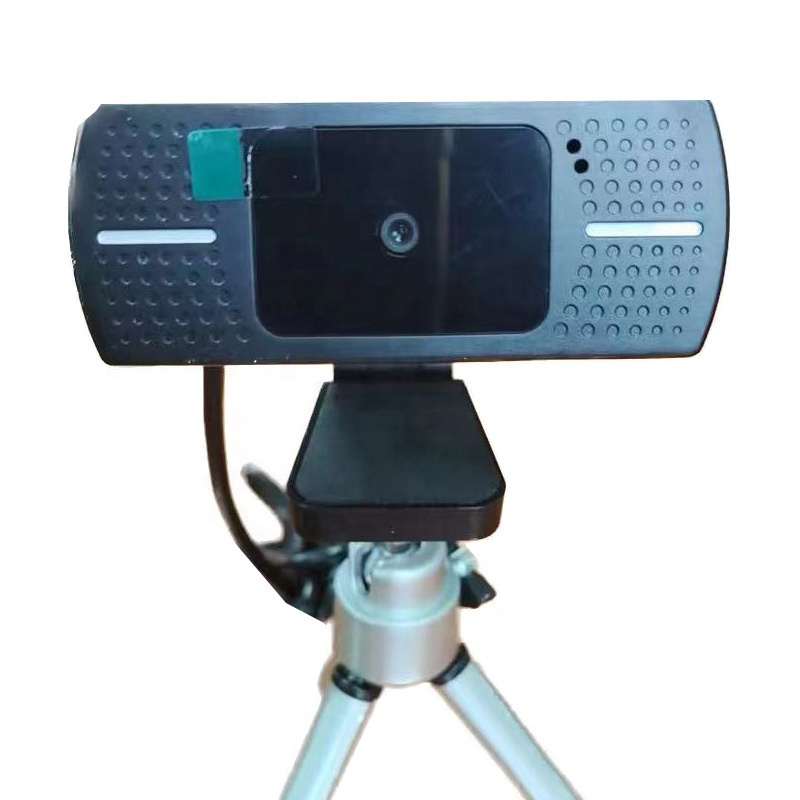

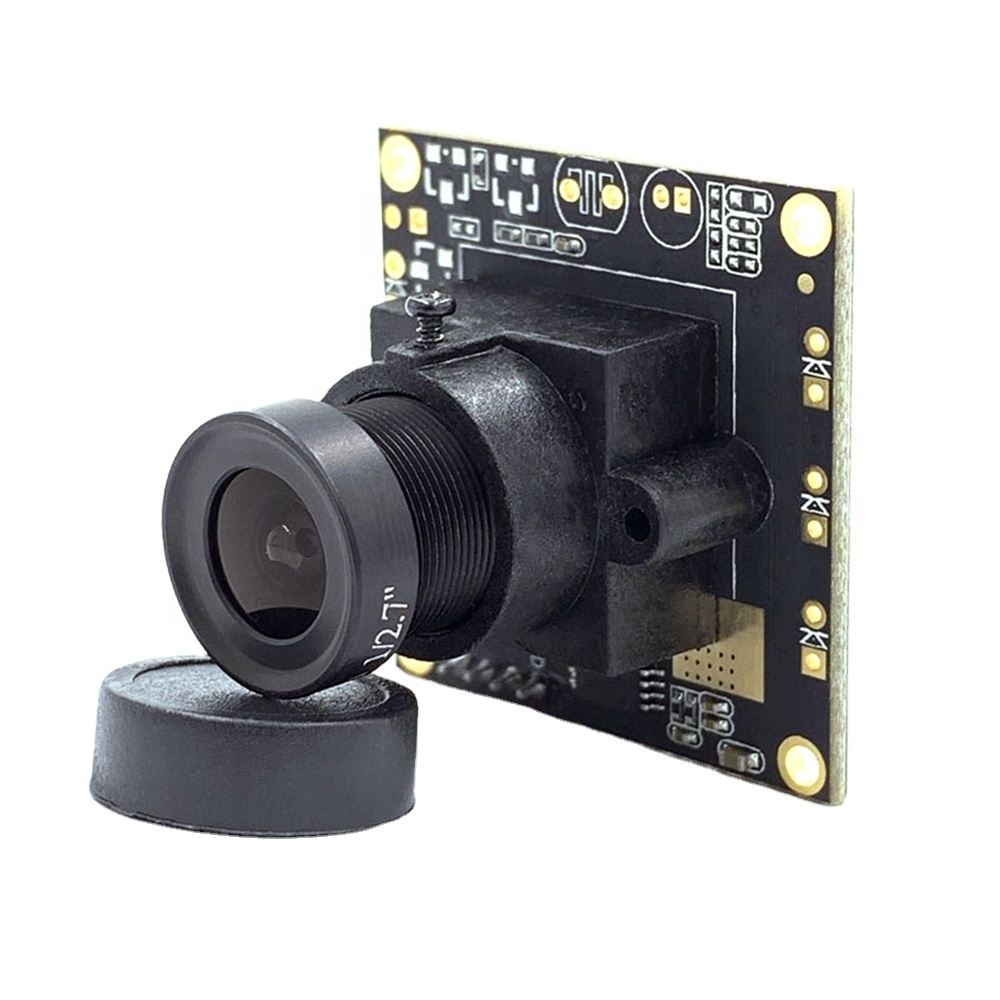
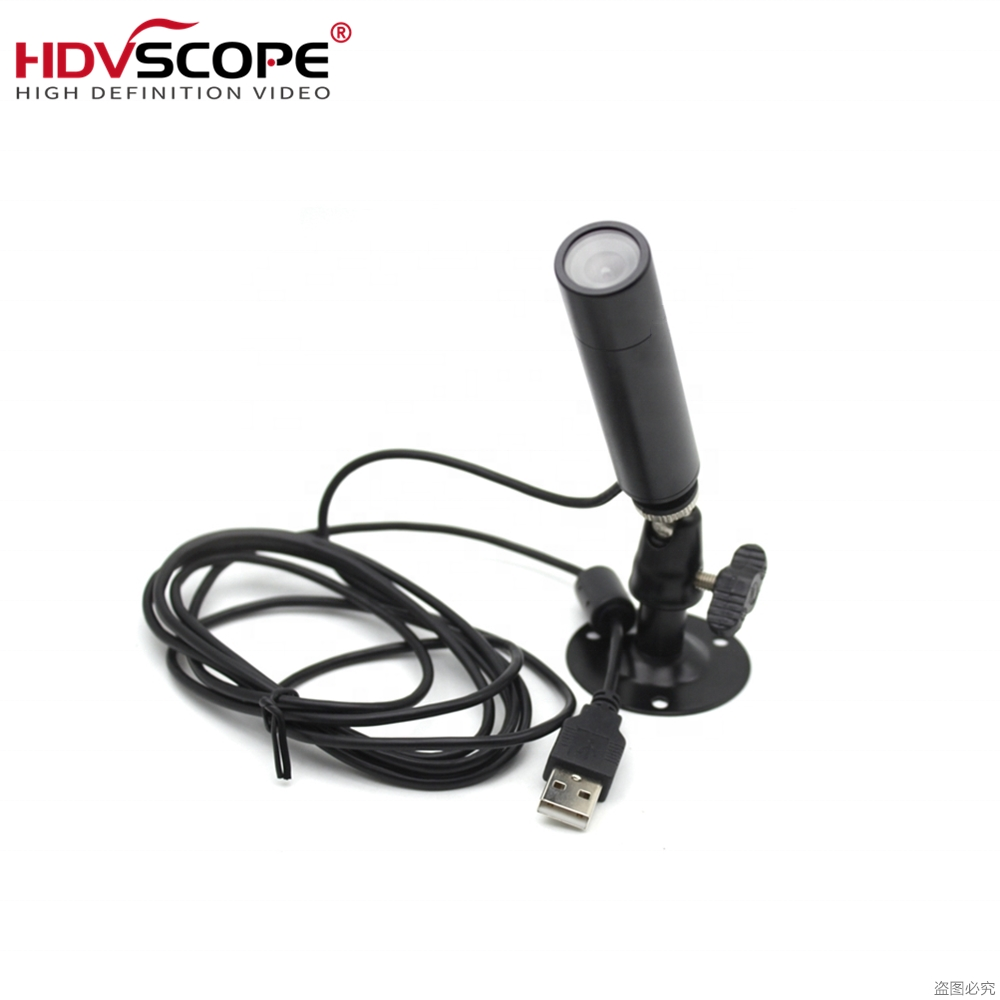
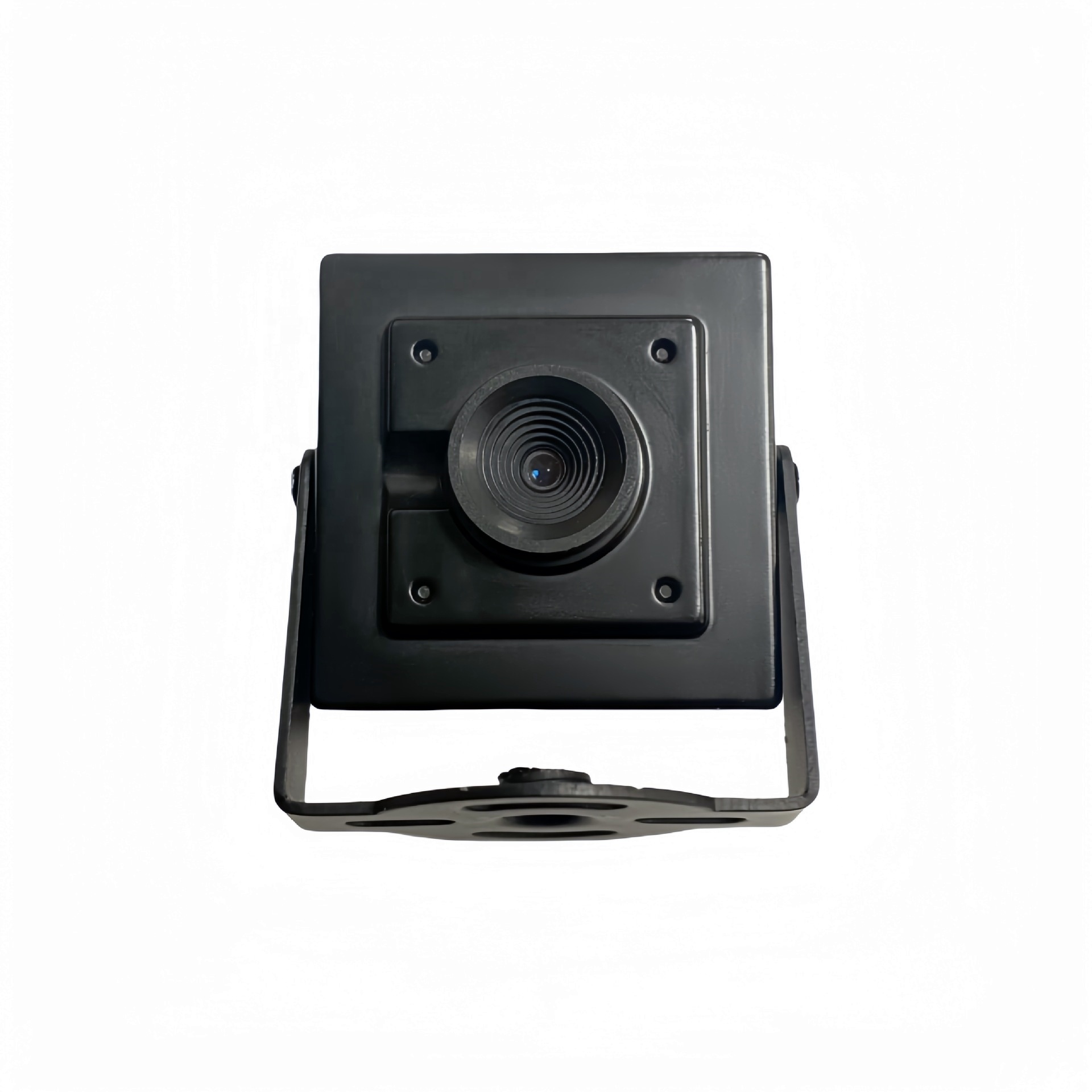
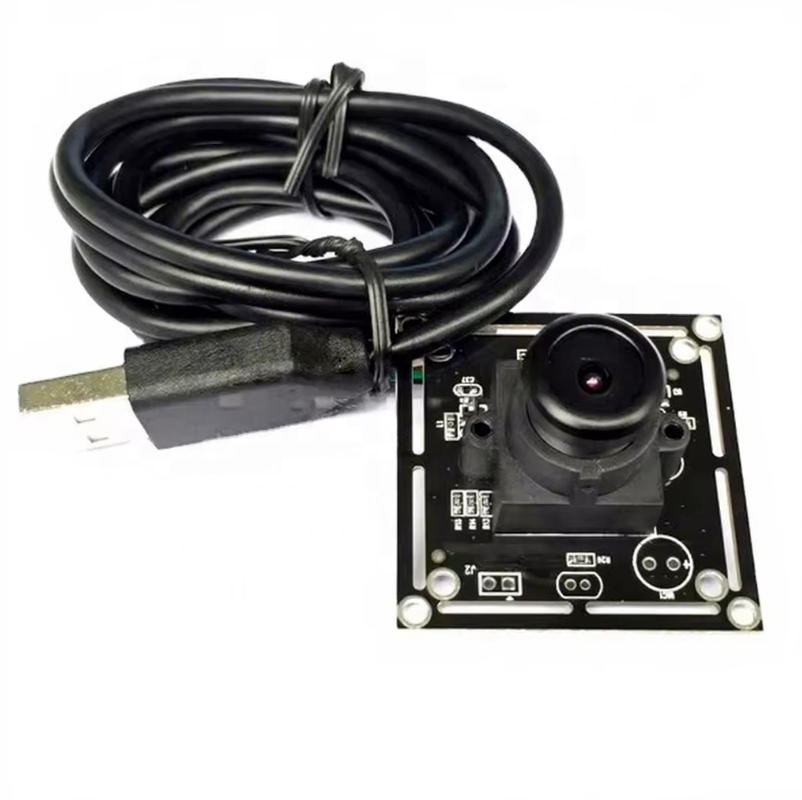
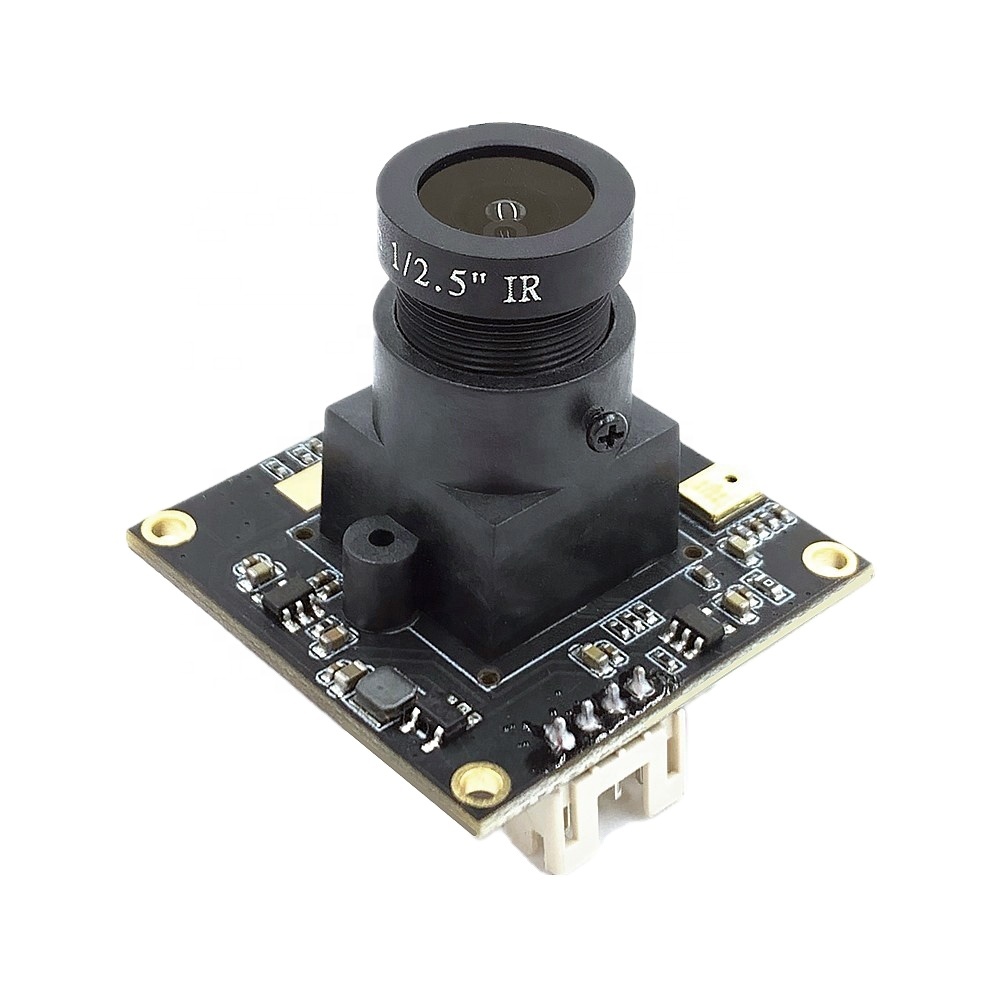
Architectural Blueprint: Navigating China’s AHD & Legacy CCD Camera Manufacturing Landscape
In the rapidly changing global market for industrial machine vision, automated self-service terminals, and security inspection, selecting an optical imaging supplier requires balancing physical constraints, interface protocols, and optical efficiency. Historically, traditional Charge-Coupled Device (CCD) technology set the standard for low-noise imaging and high dynamic consistency. However, modern semiconductor physics has dramatically shifted this balance toward high-performance CMOS architectures—specifically Analog High Definition (AHD) signals and high-speed USB Video Class (UVC) / IP streaming modules.
As a premier OEM/ODM China camera module manufacturer based in Shenzhen and Dongguan, Shenzhen Brekta Electronics Co., Ltd. bridge the gap between legacy analog infrastructure replacements (CCD/CVBS) and modern digital machine vision pipelines. Enterprise procurement officers and system integration engineers no longer evaluate camera suppliers solely on unit pricing. Instead, strategic sourcing focuses on optical sensor responsiveness (e.g., Sony STARVIS™ low-light performance down to 0.0001 Lux), thermal dissipation efficiency on micro-PCBs (such as 15×15mm, 32×32mm, or 38×38mm form factors), ISP (Image Signal Processor) fine-tuning, and robust compliance across global standards.
The Technological Migration: Analog CCD vs. High-Definition AHD vs. Micro USB CMOS
Engineers retrofitting legacy machinery often face a dilemma: should they maintain traditional analog coaxial lines or convert to high-speed USB/IP digital interfaces? Understanding the optical and electrical trade-offs is essential for long-term reliability:
- AHD (Analog High Definition) Modules: Engineered to stream uncompressed 1080P/4MP/5MP high-resolution video over existing 75-ohm coaxial cabling (rg59/rg6) up to 500 meters without transmission latency or packet loss. AHD provides an ideal upgrade path for retrofitting legacy CCD setups in public transit, industrial inspection, and vehicle monitoring.
- CMOS Starvis Low-Lux Modules: Utilizing back-illuminated pixel technology (such as Sony IMX291, IMX307, or IMX335 sensors), modern CMOS sensors surpass older CCD sensors in low-light sensitivity. Operating reliably down to 0.0001 Lux, these modules deliver clear color video in near-total darkness while reducing thermal consumption.
- UVC USB Camera Modules: Standardized driver-free plug-and-play modules (USB 2.0 / USB 3.0) supporting MJPEG, YUY2, and onboard H.264/H.265 compression. Designed specifically for embedded Windows, Linux, Android, and macOS hosts inside ATMs, interactive kiosks, face-recognition gates, and medical devices.
Why Global Tech Integrators Choose Shenzhen Brekta
From PCB circuit layout in Protel and Allegro to precision SMT optical alignment, we provide full-lifecycle OEM/ODM hardware customization for demanding enterprise applications.
Custom Board & Lens Engineering
Tailored PCB sizes (15×15mm, 20mm circular, 32×32mm, 38×38mm), customizable pinouts, specialized optics (160° wide-angle, 1.7mm fisheye, pinhole, or CS varifocal), and engineered cable lengths with IP67 waterproofing.
Strict 100% Quality Assurance
Every camera unit undergoes rigorous incoming component inspection, automated SMT mounting, thermal burn-in, image focus testing, and resolution calibration before packaging. Fully certified with CE, FCC, and RoHS markings.
Low MOQ & Fast Sampling
Accelerate your technical prototyping with evaluation sample dispatches in just 1–3 business days. We support low minimum order quantities starting from 1 unit for standard and semi-custom modules.
24-Month Factory Warranty
Backing our industrial engineering quality with a full 2-year warranty, free replacement services for quality claims, lifetime technical software support, and direct engineer-to-engineer communication within 2 hours.
Complete IP Protection & Confidentiality
We respect original design manufacturers and system builders. Non-Disclosure Agreements (NDAs) protect your proprietary mechanical CAD drawings, firmware configurations, logo branding, and target system applications.
Future Procurement Trends & Technological Evolution in Industrial Imaging (2025–2030)
As smart manufacturing, autonomous self-service retail, and AI-driven video analytics gain global traction, procurement managers must anticipate technology transitions over the next 3 to 5 years. Selecting a camera board supplier requires looking beyond immediate specifications to evaluate how manufacturing partners adapt to key industry trends:
1. AI-ISP & Onboard Edge Image Processing
Traditional image signal processing (ISP) relied on fixed firmware pipelines for white balance, noise reduction, and exposure. Next-generation AHD and USB camera modules integrate neural-network-assisted AI-ISPs directly onto the board. These smart ISPs dynamically optimize dynamic range (HDR >120dB) and eliminate glare in high-contrast environments—such as direct sunlight streaming into an ATM fascia or outdoor smart kiosk screens.
2. Transition to Sony STARVIS 2™ & Blacklight Low-Illumination Sensors
Ultra-low-light sensitivity is shifting from a niche security requirement to a standard industrial benchmark. Modern STARVIS 2 sensors feature larger pixel sizes and deep-trench isolation, delivering clear color rendering down to 0.0001 Lux without introducing digital motion blur. Sourcing camera boards equipped with high-sensitivity sensors ensures reliable operation in variable light conditions while eliminating the thermal load and energy cost of external IR LED illuminators.
3. Miniaturization for Space-Constrained AI Devices
As processing power shifts toward compact edge compute modules (e.g., NVIDIA Jetson Orin, Raspberry Pi 5, Rockchip RK3588), mechanical envelopes for vision sensors are shrinking. The market demands ultra-compact 15×15mm square camera modules, 20mm bullet enclosures, and dual-lens binocular modules (combining RGB color with IR gesture/liveness detection) capable of fitting inside ultra-slim terminal bezels.
4. Multi-Protocol Switchable Signal Architecture
Hardware integrators serving global markets require hardware flexibility. High-demand AHD camera modules now incorporate 4-in-1 switchable dip-switches or OSD menu control lines, supporting AHD, HD-TVI, HD-CVI, and standard legacy CVBS outputs on a single board. This multi-standard capability lets procurement teams streamline inventory by stocking a single universal camera model for diverse regional deployments.
Engineers’ Interface Selection Matrix: AHD vs. USB UVC vs. RTSP IP vs. HD-SDI
Selecting the optimal physical interface protocol dictates board design, system latency, cable routing, and CPU overhead. The matrix below compares primary hardware interfaces across industrial applications:
| Interface Standard | Max Transmission Distance | Host OS Driver Needs | System Latency Benchmark | Primary Target OEM Application |
|---|---|---|---|---|
| AHD / TVI / CVI | Up to 500 Meters (75-5 Coax) | None (Analog Frame Grabber / DVR) | Near Zero (< 1ms) | Vehicle Telematics, Long Cable Runs, Industrial Retrofits |
| USB UVC (USB 2.0 / 3.0) | 5 Meters (Direct) / 50m (Active) | Driver-Free (Standard OS UVC) | Low (30ms – 60ms) | ATMs, Self-Checkout Kiosks, Medical Devices, Scanners |
| Mini IP (RTSP / ONVIF) | 100 Meters (Cat5e / Cat6 PoE) | Network Socket / SDK / Web Browser | Moderate (120ms – 250ms) | Remote Machine Fleets, Smart City, Network Surveillance |
| HD-SDI / Ex-SDI | 100–150 Meters (Digital Coax) | SDI PCIe Capture Card | Zero Delay (Uncompressed) | Medical Endoscopy, Live Broadcast, High-Speed Inspection |
| WiFi / Smart Cloud (Tuya) | Wireless (2.4GHz / 5GHz Band) | App SDK / Cloud Protocol | Variable (Dependent on RF Environment) | Smart Home Peephole, Door Eye Security, Portable Devices |
Application Architecture & Integration Blueprints
Each embedded deployment presents unique thermal, optical, and mechanical challenges. Below are typical system blueprints developed by our engineering team for global OEM clients:
A. Financial ATM & Self-Service Banking Terminals (VTM / CRS)
Financial transaction security demands 24/7 continuous video capture under bright indoor banking hall lights, harsh outdoor sun reflection, or dark ambient nighttime conditions. Our recommended setup features an AR0230 WDR 1080P USB module or a STARVIS IMX291 ultra-low-lux 32×32mm camera board. With real Wide Dynamic Range (WDR > 105dB), the sensor prevents facial silhouetting when subject backgrounds are brightly backlit, ensuring clear biometric identification during transactions.
B. AI Self-Checkout Retail Kiosks & Smart Vending Cabinets
Modern retail automation relies on high-resolution image acquisition for AI object recognition and automatic barcode/QR scanning. Utilizing our 4K UHD 12MP Autofocus USB Camera Module or 180° Anti-Fog Panoramic Camera allows system designers to capture clear wide-angle imagery of multiple shelf items simultaneously. Integrated anti-fog optical coatings ensure consistent image clarity in humid or refrigerated smart fridges.
C. Industrial Machinery & Pipeline Inspection Endoscopes
Space-constrained machinery maintenance and pipe inspection require compact, sealed camera heads. Our 20mm / 14mm IP67 Waterproof Bullet USB/WiFi Camera Modules integrate flexible 2.8mm to 3.6mm board lenses with high-brightness adjustable SMT LEDs. Constructed with oil-resistant, water-tight housings, these camera modules stream uncompressed video directly to host diagnostics units or mobile Android/iOS platforms.
Frequently Asked Sourcing & Technical Questions
Get definitive answers from our engineering team regarding ordering, custom development, signal protocols, and quality guarantees.
Step-by-Step Engineering Procurement Checklist
To accelerate your technical inquiries and sample dispatches, we recommend verifying the following parameters with your system design team before submitting project specifications:
- Physical Dimensions & Clearance: Measure internal housing limits. Popular industrial board standards include 15×15mm, 32×32mm, 38×38mm, or custom cylinder/lipstick housings.
- Target Resolution & Frame Rate: Determine whether your application requires 1080P@30fps, 4K@25fps high-speed capture, or 60fps high-frame-rate tracking.
- Illumination Environment: Specify ambient light ranges. Low-light environments require STARVIS sensors (0.001 to 0.0001 Lux), while high-contrast or backlit environments demand true WDR (>100dB).
- Field of View (FOV) & Lens Type: Select the required focal length—from 1.7mm (160°–180° wide fisheye) to 3.6mm/6mm standard viewing, pinhole concealments, or motorized varifocal zooms.
- Interface Pinout & Protocol: Confirm host interface requirements (USB UVC, AHD/TVI/CVI analog coax, RTSP IP with PoE, or wireless 2.4G/5G WiFi).
Ready to Customize Your Industrial Camera Module Solution?
Contact our engineering sales team today. Share your target specifications, PCB dimensional constraints, or optical requirements, and receive direct engineering feedback within 2 hours.