Featured Industrial Camera Modules & Systems
Engineered for mission-critical machine vision, self-service terminals, ATM kiosks, and extreme-environment monitoring.
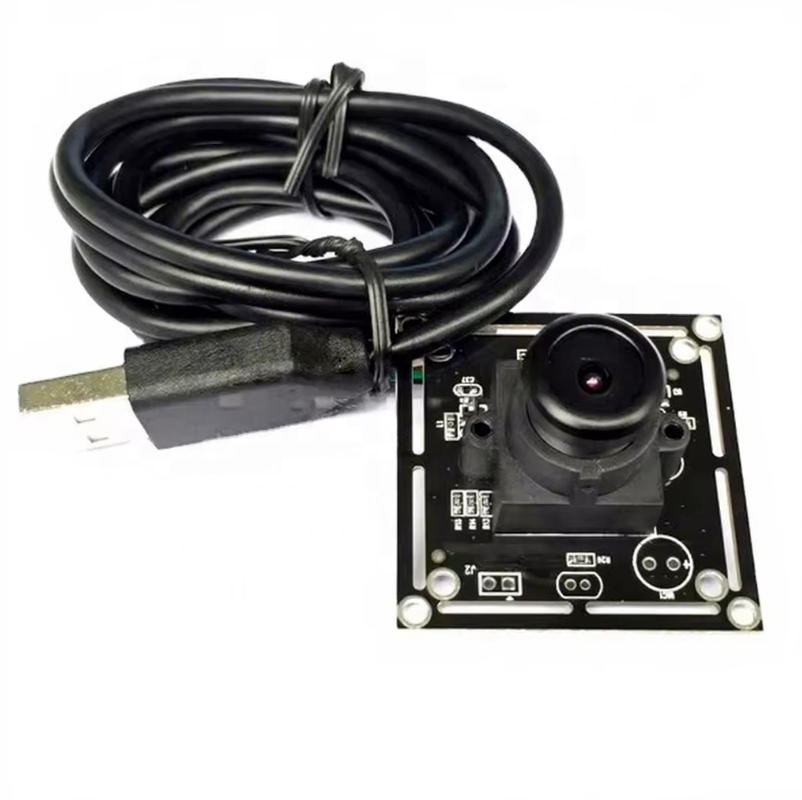
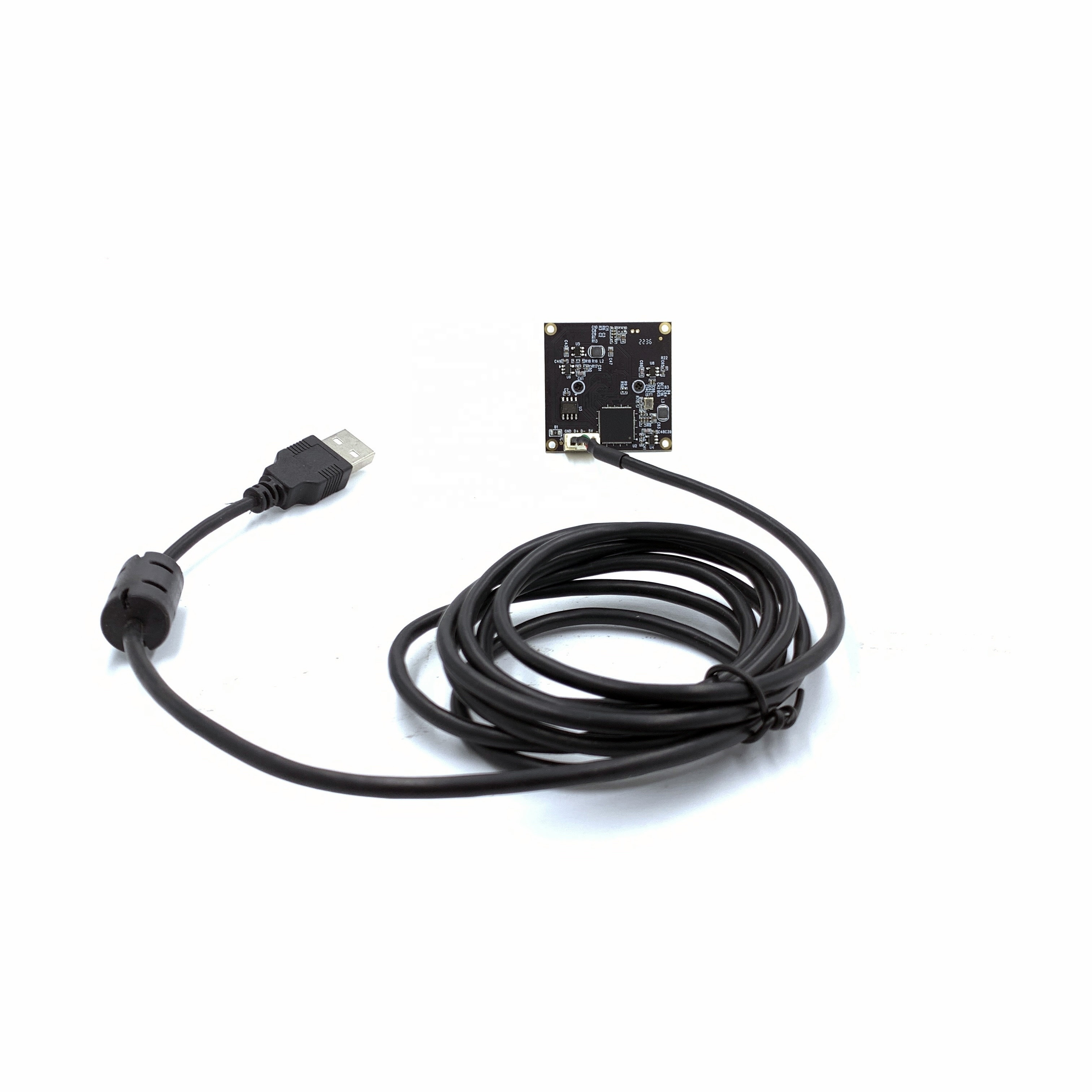
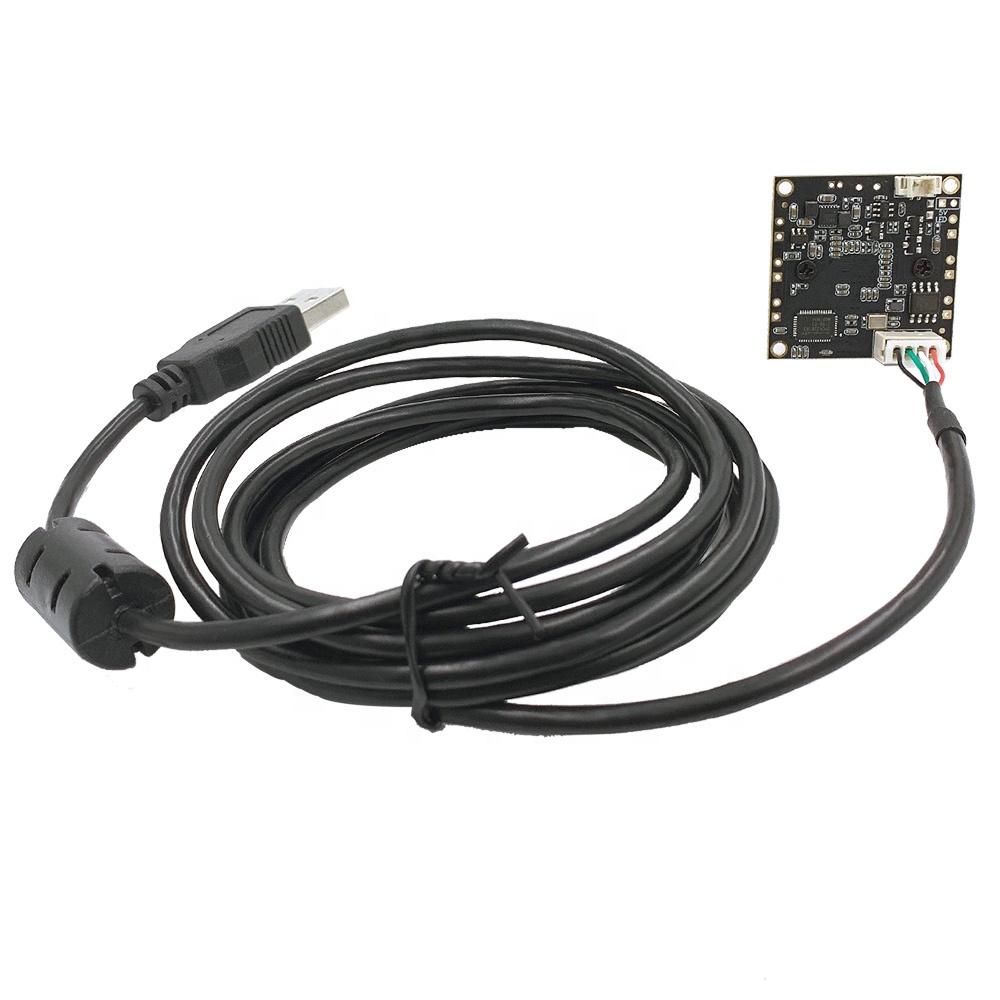
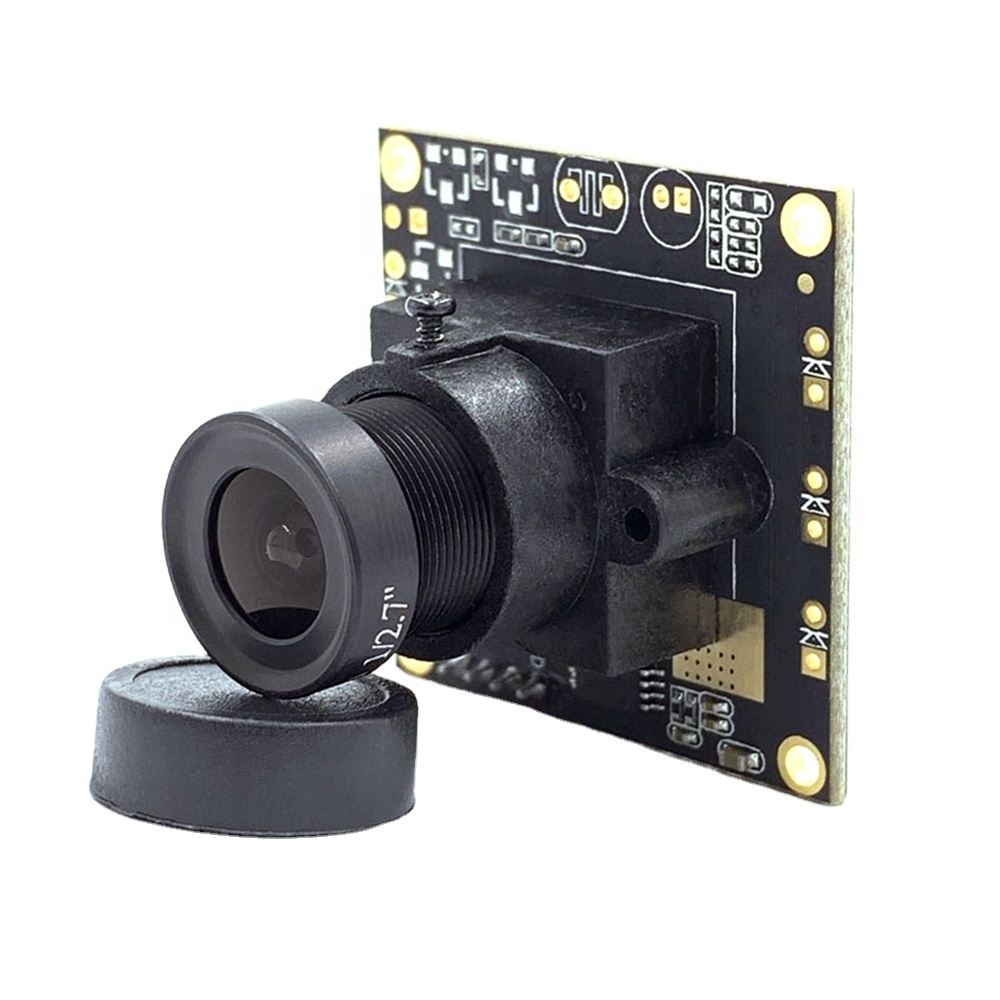
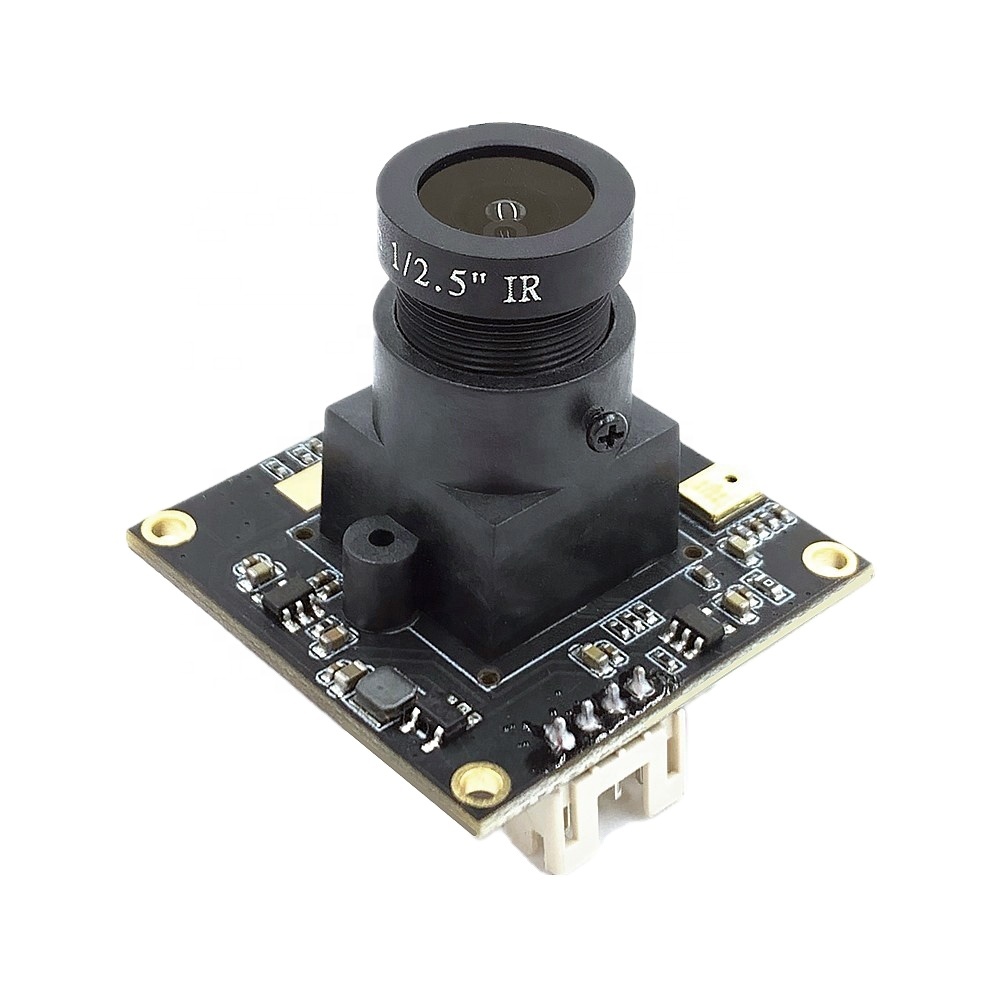
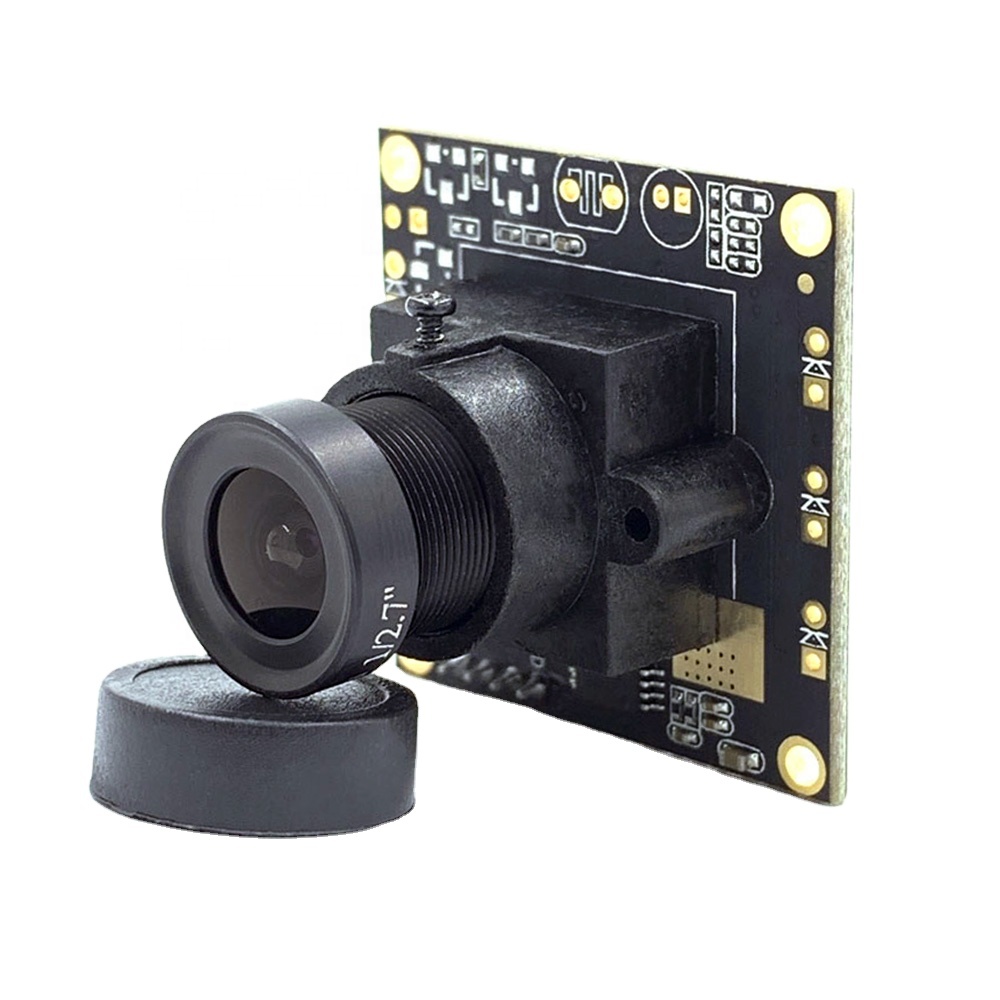
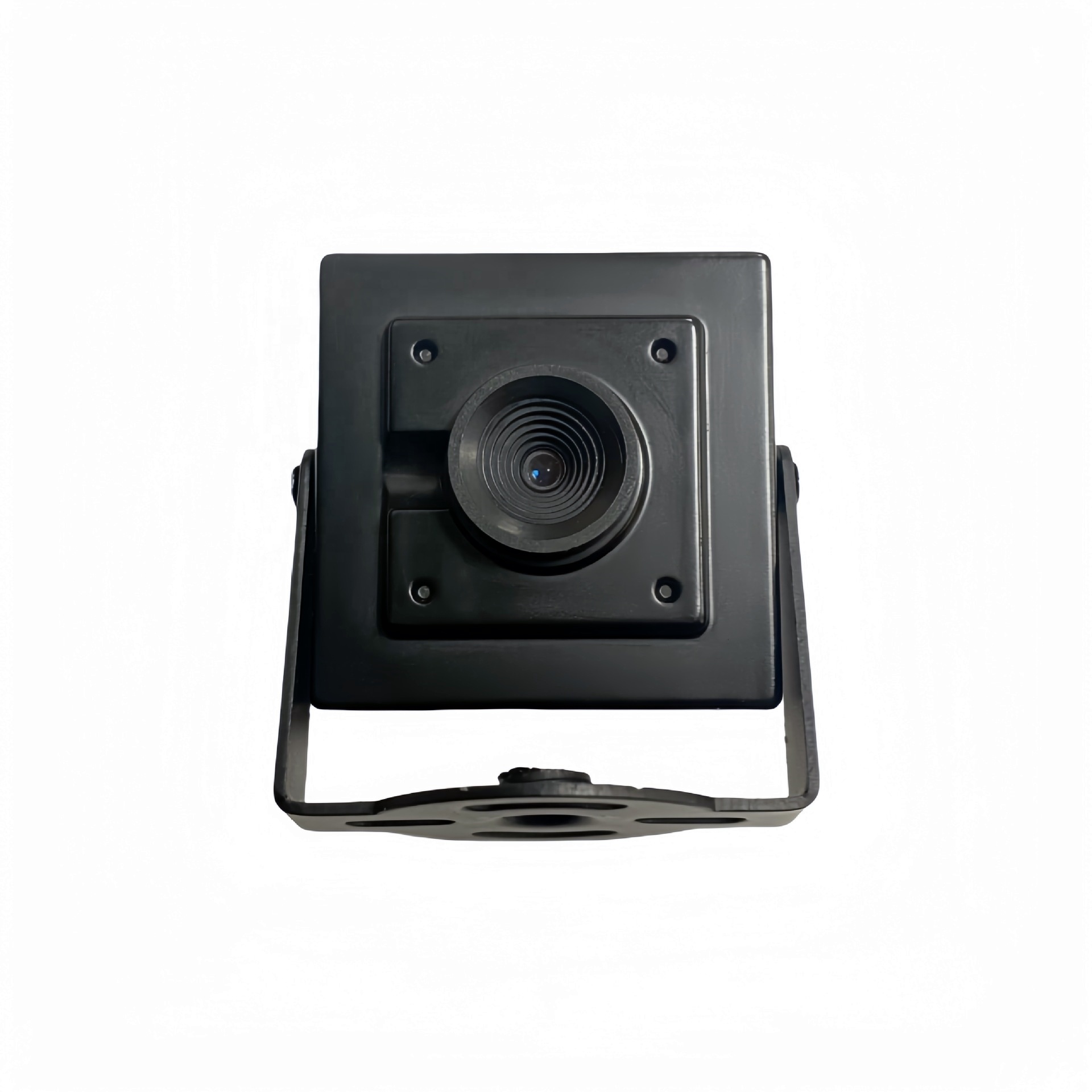
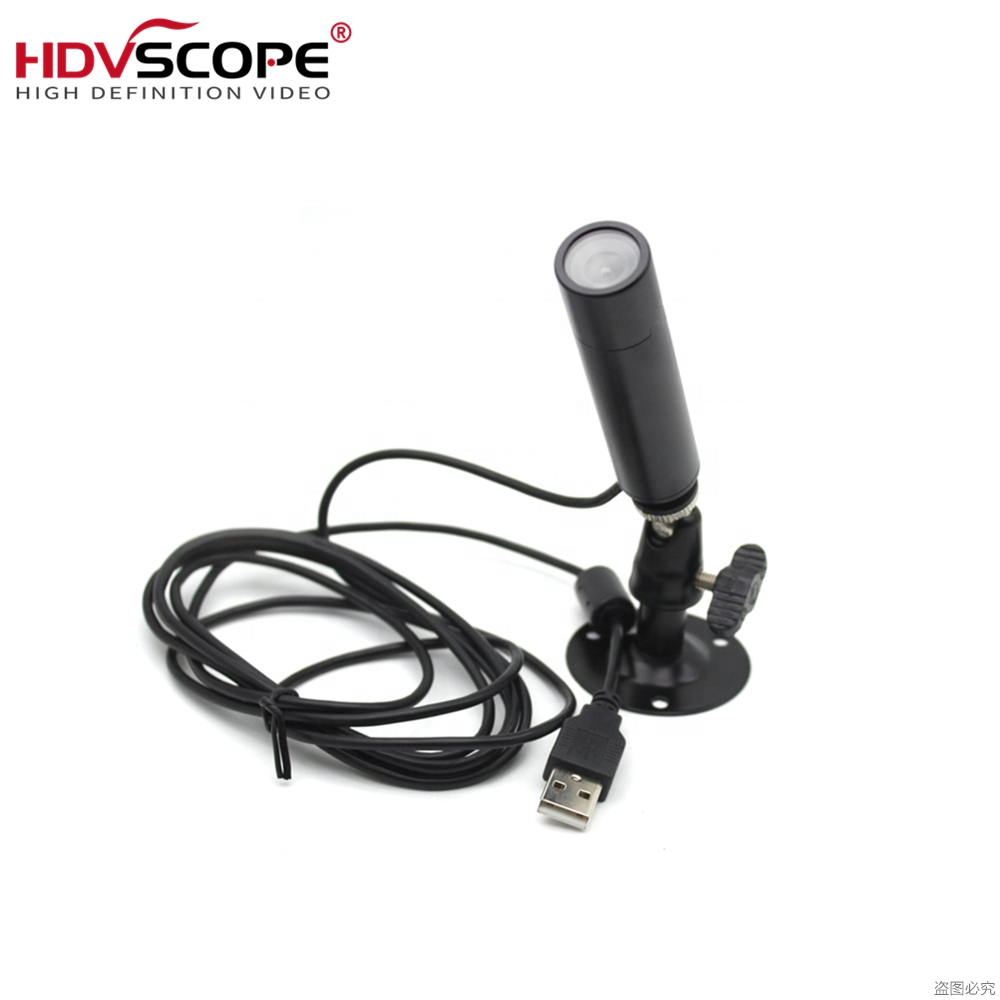
Executive Summary & Whitepaper Overview: The Evolution of Industrial Analog High Definition (AHD)
In the rapidly advancing landscape of industrial automation, smart infrastructure, and intelligent embedded vision, selecting the optimal camera architecture is a high-stakes engineering decision. As a premier China AHD Industrial Camera Supplier and Global Exporter, Shenzhen Brekta Electronics Co., Ltd. delivers state-of-the-art vision modules tailored for rugged industrial deployment, bank ATM terminals, self-service kiosks, medical scanners, and automated inspection systems.
Analog High Definition (AHD) technology has redefined the capabilities of coax-based vision systems. By utilizing advanced low-pass filtering, liveness signal separation, and optimized Image Signal Processors (ISP), AHD facilitates point-to-point uncompressed 1080P, 4MP, and 4K video transmission over standard RG59 coaxial cables for distances exceeding 500 meters without signal degradation, frame dropping, or latency.
Interface Performance Architecture Matrix: AHD vs. TVI, CVI, HD-SDI, USB & IP
To assist system integrators, optical design engineers, and global procurement managers in selecting the ideal interface architecture, our engineering team has summarized the core operational parameters of leading industrial imaging standards:
| Interface Standard | Max Uncompressed Distance | System Latency | Cable Medium | Host Compute Overhead | Primary Industrial Use Cases |
|---|---|---|---|---|---|
| AHD (Analog High Definition) | 500 meters (RG59/RG6) | < 1 ms (Real-time) | 75-ohm Coaxial / UTP Balun | Zero (Direct Hardware Decode) | ATMs, Kiosks, Industrial DVRs, Fleet Transit |
| HD-SDI / Ex-SDI | 100–300 meters | Zero Latency | High-Grade Digital Coax | Zero (Direct Capture) | Medical Displays, Broadcast, Precision Labs |
| USB UVC (USB 2.0 / 3.0) | 3–5 meters (Direct) | 15–30 ms | Shielded USB Data Cable | Low to Medium (Host OS Native) | Self-Checkout Kiosks, Facial ID, Scanners |
| IP (RTSP / ONVIF PoE) | 100 meters (Cat6) | 120–250 ms | Twisted Pair Ethernet | High (H.264/H.265 Decoding) | Perimeter Security, Smart City, Remote Fleets |
| TVI / CVI (4-in-1 Hybrid) | 300–500 meters | < 1 ms (Real-time) | Coaxial Cable / Twisted Pair | Zero (Hardware Receiver) | Retrofit Surveillance, Commercial Security |
Key Image Signal Processing (ISP) Technologies in Industrial AHD Modules
The superior performance of Chinese industrial AHD cameras stems from optical engineering advancements and hardware-level ISP microcode tuning. Key technical innovations include:
- Hardware-Level Wide Dynamic Range (120dB WDR): Leveraging premium CMOS image sensors like Onsemi AR0230 and Sony Starvis series, our AHD and USB modules execute multi-exposure frame synthesis. This eliminates washouts in high-contrast lobby backlit ATMs and outdoor solar flare environments.
- Ultra-Low Light Starlight Performance (0.0001 Lux): Utilizing back-illuminated pixel architecture (BSI), our low-lux industrial camera modules convert faint ambient photons into clear, noise-free color video without requiring harsh IR illuminators that cause reflective glare.
- 3D Digital Noise Reduction (3D-DNR): Advanced spatial-temporal filtering algorithms inspect adjacent frames to neutralize Gaussian and impulse noise caused by electrical interference in heavy machinery installations.
- Up-The-Coax (UTC) Telemetry Control: Allows field technicians to remotely adjust OSD settings, focal points, white balance, and shutter speeds directly via the coaxial signal wire without running secondary RS485 communication loops.
Next-Generation Industrial Vision Trends (2025–2030)
Exploring the technological shifts transforming industrial camera manufacturing, sensor miniaturization, and edge processing.
Hybrid Multi-Interface Integration
Future industrial cameras are bridging the gap between legacy coaxial infrastructures and modern USB/IP connectivity. Multi-mode ISP architectures allow a single 32*32mm PCB to output simultaneous AHD, CVBS, and UVC signals for dual-purpose local telemetry and host computer processing.
Ultra High Frame Rate (330fps+) & Zero Blur
In high-speed manufacturing, robotic assembly lines, and ballot sorting machinery, standard 30fps speeds fail to capture instantaneous defects. Industrial adoption of high-speed sensors delivering 1080P @ 330fps guarantees frame-perfect inspection without motion distortion.
Micro-Miniaturization (15x15mm Form Factors)
As self-service kiosks, medical endoscopes, and smart appliances shrink, camera module footprints must follow suit. Multi-layer high-density interconnect (HDI) PCB design enables 2.0MP and 4K camera modules within micro 15*15mm and 20mm bullet enclosures.
Anti-Fog & Ruggedized IP67 Enclosures
Industrial imaging systems are expanding into harsh environmental domains—such as commercial refrigeration cabinets, outdoor EV charging hubs, and chemical processing plants. Sealed IP67 mini bullet housings with integrated anti-fog heating elements maintain visual clarity despite rapid thermal shifts.
AI-At-The-Edge Liveness Detection
Integrating binocular dual-lens modules (combining RGB color with IR monochrome sensors) directly into ATM facial scan units prevents biometric spoofing via 2D photos or digital screens, establishing a new gold standard for fintech transaction security.
Custom Optics & M12/CS Precision Mounts
Global procurement teams increasingly demand application-specific lens assemblies. From 1.7mm 180-degree distortion-corrected fisheye lenses for wide kiosk coverage to 20x optical varifocal CS mounts for long-distance surveillance, modular optics are replacing rigid fixed setups.
Future Procurement Trends: Strategic Sourcing of Industrial Cameras from China
As international original equipment manufacturers (OEMs) and system integrators streamline their supply chains, China remains the undisputed global hub for industrial camera R&D, sensor packaging, and lens fabrication. However, the procurement playbook has evolved from simple cost-minimization to holistic value-engineering and risk mitigation.
Key procurement shifts observed across North American, European, and Asia-Pacific industrial sectors include:
Integrators no longer tolerate high upfront order commitments. Suppliers providing evaluation samples from 1 piece with 1–3 day dispatch times win critical design-in slots during the initial prototyping phase.
Off-the-shelf cameras often fail complex system integration. Sourcing trends favor factories capable of modifying PCB dimensions, adjusting IR-Cut thresholds, hardcoding custom USB vendor IDs (VID/PID), and embedding tailored lens distortion profiles.
Global customs and municipal projects require certified quality assurance. B2B buyers mandate full compliance documentation—including CE, FCC, and RoHS certifications—guaranteeing smooth clearance and long-term operating stability.
Enterprise Capabilities: Shenzhen Brekta Electronics Co., Ltd.
Over 13 years of manufacturing excellence in miniaturized industrial camera modules, trusted by top-tier global integrators.
Why Global OEM/ODM Buyers Choose Brekta as Their Preferred Camera Partner
Shenzhen Brekta Electronics Co., Ltd. stands at the forefront of mini industrial vision design. Headquartered in Shenzhen's high-tech manufacturing core with dedicated facilities in Dongguan, our factory specializes in the micro-engineering of USB (UVC), IP (RTSP/PoE), AHD/TVI/CVI, and HD-SDI camera modules.
Protel & Allegro Engineering Depth
Our internal R&D team utilizes advanced EDA software (Protel, Cadence Allegro) to prototype complex multi-layer PCBs, optimize noise shielding, and execute custom pinouts within days.
End-to-End Quality Control
Every single sensor wafer and lens element undergoes stringent SMT placement checks, optical alignment testing, high-temperature burn-in, and 100% final image quality evaluation before packaging.
Confidentiality & Data Protection
We respect our clients' intellectual property. Custom engineering designs, proprietary firmware code, and order histories are protected under strict non-disclosure agreements (NDAs).
Frequently Asked Questions (FAQ) for Industrial Procurement
Addressing key technical, logistical, and customization questions from overseas procurement managers.
Ready to Upgrade Your Industrial Vision Architecture?
Download our complete 2025 Product Catalog, request custom lens & PCB engineering drawings, or consult with our senior optical engineers today.