State of Embedded Vision Systems & Industrial Optics
In the rapidly expanding ecosystem of edge computing, artificial intelligence of things (AIoT), automated retail, and biometric access control, embedded camera modules serve as the critical perceptual layer. As digital transformation reshapes self-service banking terminals, intelligent interactive kiosks, automated exam systems, and smart factory vision lines, the demand for highly reliable, mini-form-factor optical imaging modules has escalated globally. Selecting the ideal embedded camera solution requires navigating complex optical trade-offs—balancing frame rates against bandwidth constraints, rolling shutter distortion against global shutter fidelity, and Wide Dynamic Range (WDR) performance against extreme illumination variances.
As China’s premier exporter and OEM/ODM wholesaler of specialized embedded camera modules, Shenzhen Brekta Electronics Co., Ltd. bridge high-precision optical design with rigorous electronics manufacturing. Our engineering architecture focuses on driver-free USB Video Class (UVC) plug-and-play modules, low-latency network RTSP IP boards, and ultra-high-speed capture optics optimized for computer vision algorithms. By controlling the entire manufacturing value chain—from schematic PCB layout in Protel/Allegro to active alignment lens mounting and burn-in testing—we provide industrial B2B clients across North America, Europe, Latin America, and Asia with superior imaging clarity, thermal stability, and long-term component availability.
Featured Wholesale Embedded Camera Modules
Explore our flagship product lineup optimized for immediate system integration. Each module is engineered to handle rigorous industrial workflows, high ambient contrast, and zero-driver software architectures.
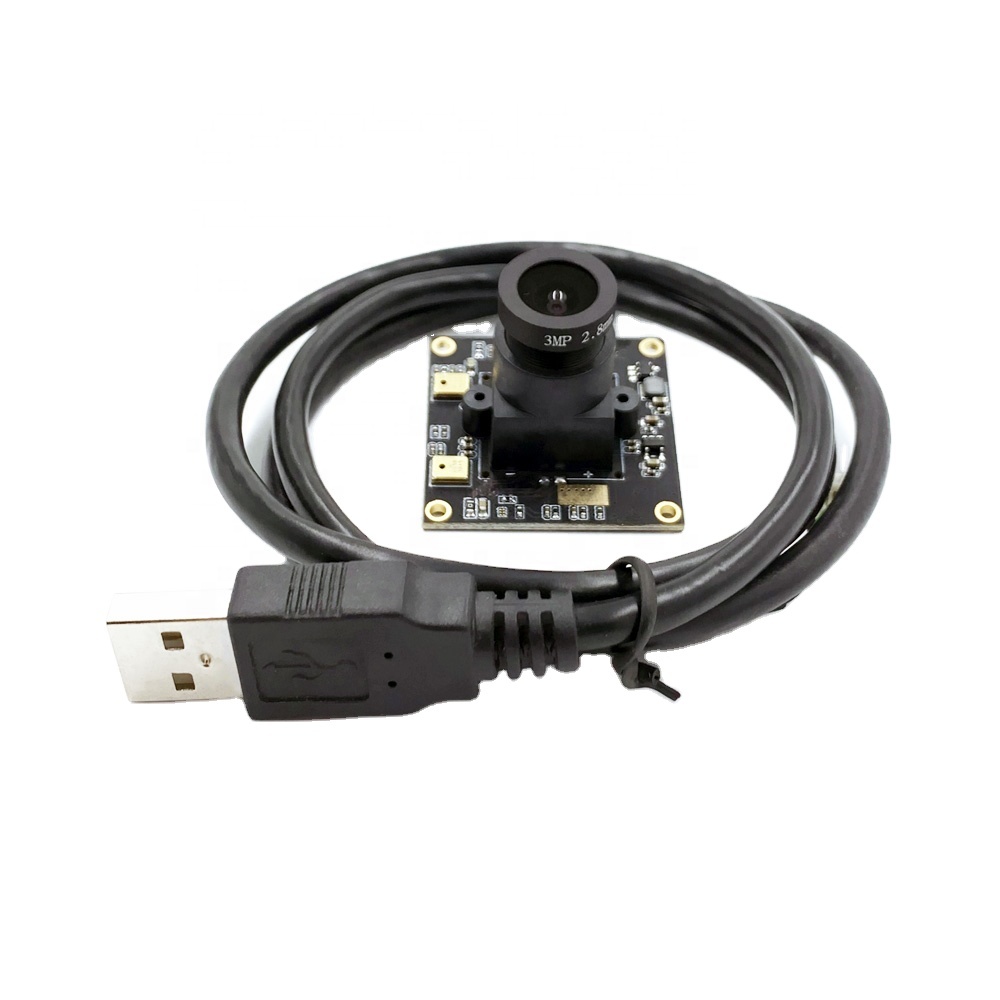
H.264 Rolling Shutter Starvis & WDR 0.001Lux 2.0MP 1920*1080 32*32mm Color USB Camera Module for Door Bell and Button System
- 2.0MP Sony STARVIS Sensor (0.001 Lux)
- Hardware H.264 / MJPEG / YUY2
- Compact 32×32mm Form Factor
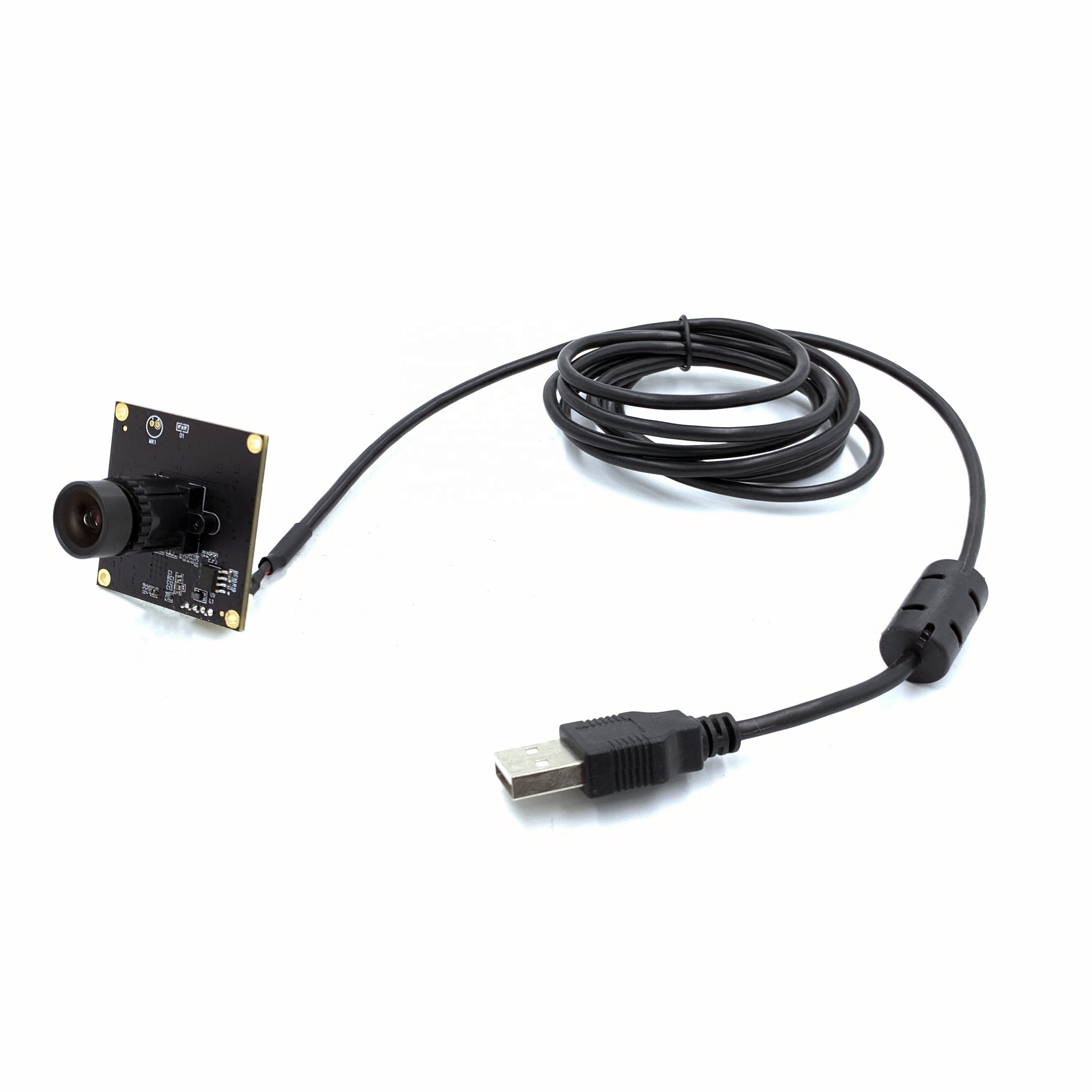
OEM 1/3" CMOS HD HDR 330FPS 2.0MP 1080P 38*38mm Color Wide Angle USB Camera Module 2.8mm Board Lens for Virtual Teller Machine
- High-Speed 330FPS Frame Rate
- Hardware HDR for ATM / VTM
- 2.8mm Wide Angle Optics

1920*1080 32*32mm 0.001Lux H.264 Rolling Shutter Starvis WDR 2.0MP Color USB Camera Module 160 Wide Angle Manual Focus Driving
- 160° Ultra-Wide Field of View
- Manual Focus Adjustment Mechanism
- STARVIS Starlight Illumination
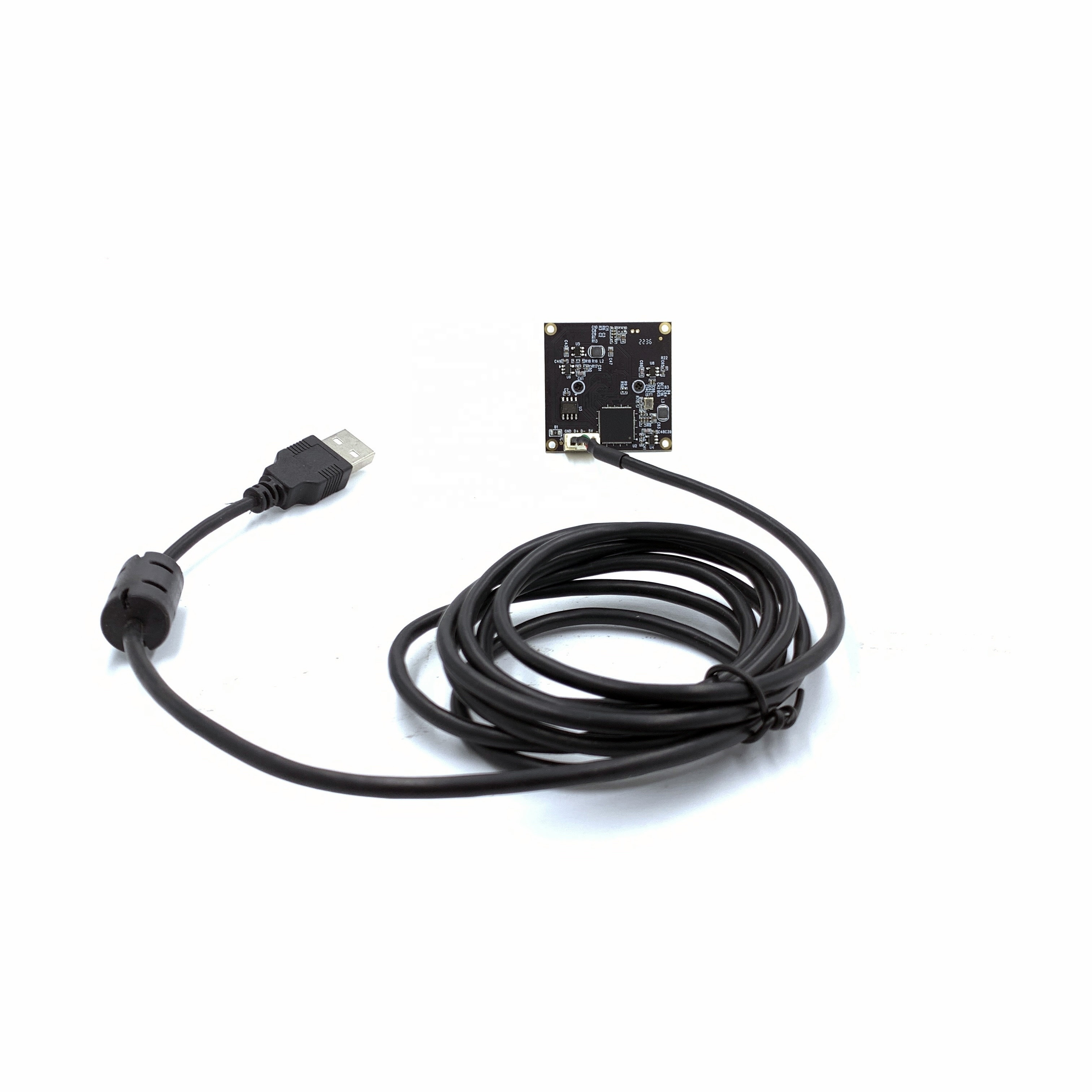
2.0MP 1920*1080 38*38mm High Speed HDR 330fps High Frame Rate Color Narrow Angle USB Camera Module with 3.7mm Lens
- Zero Motion-Blur 330 FPS
- 3.7mm Low-Distortion Lens
- Industrial 38×38mm Board Size
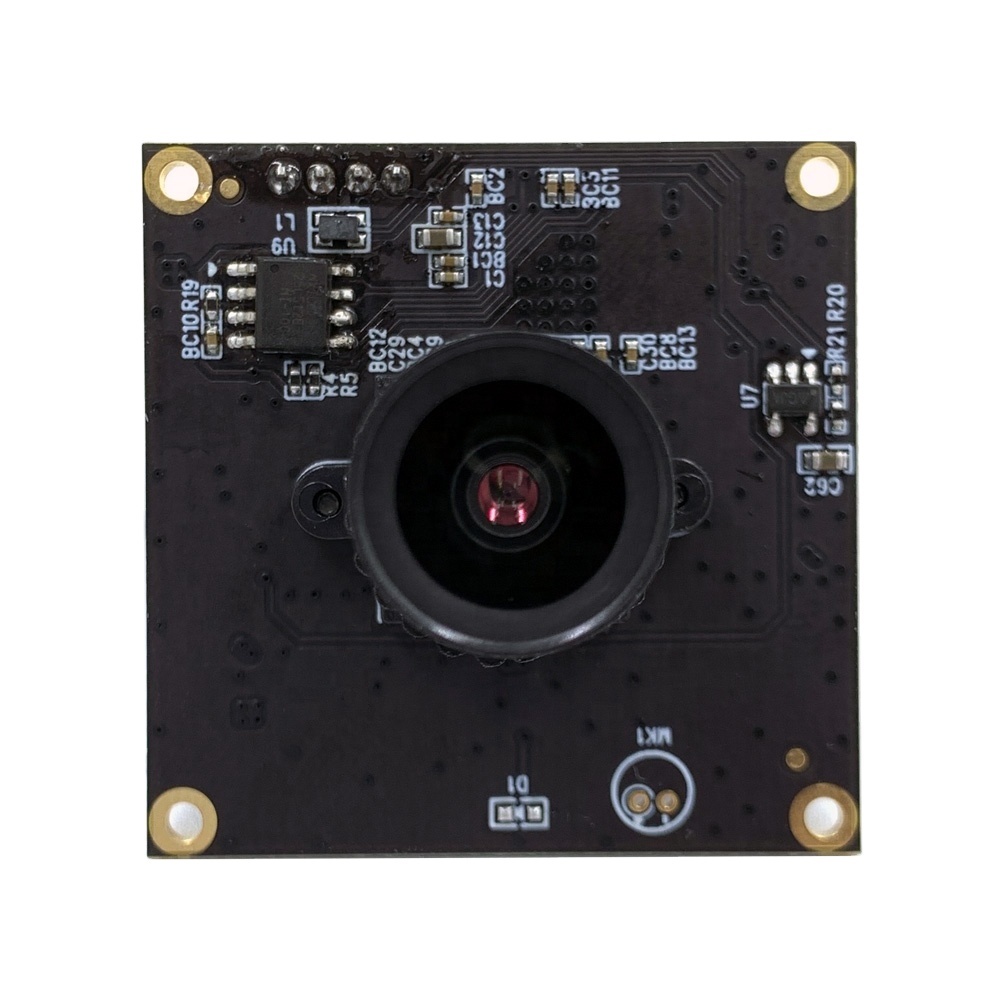
High Speed HDR 2.0MP 1920*1080 38*38mm 330fps High Frame Rate Color Wide Angle USB Camera Module with 2.8mm Board Lens
- High Dynamic Range (HDR > 100dB)
- 330FPS High Frame Rate ISP
- 2.8mm M12 Optical Mount
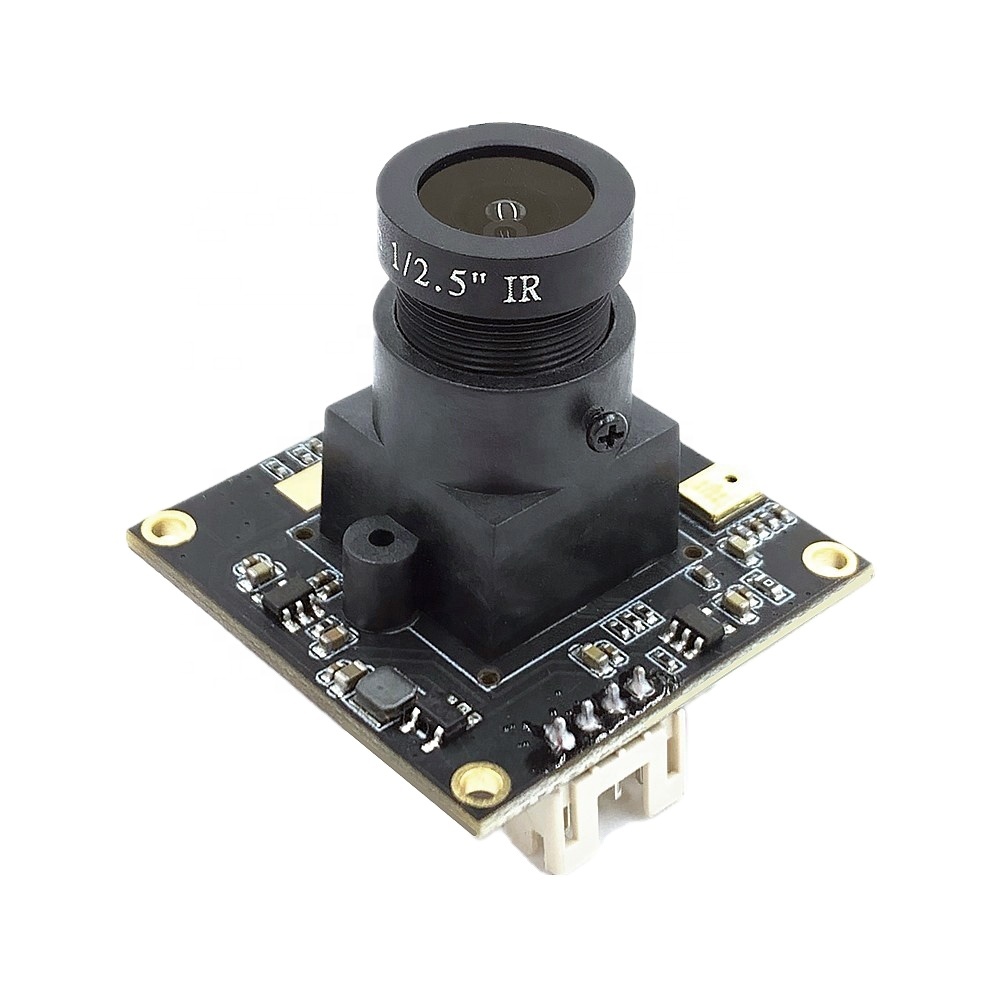
Rolling Shutter 0.001Lux H.264 Starvis & WDR 2.0MP 1920*1080 32*32mm Color USB Camera Module for Voting System Exam System
- Optimized for Paper & Face Capture
- Low-Bandwidth H.264 Compression
- Starlight Illumination Sensor
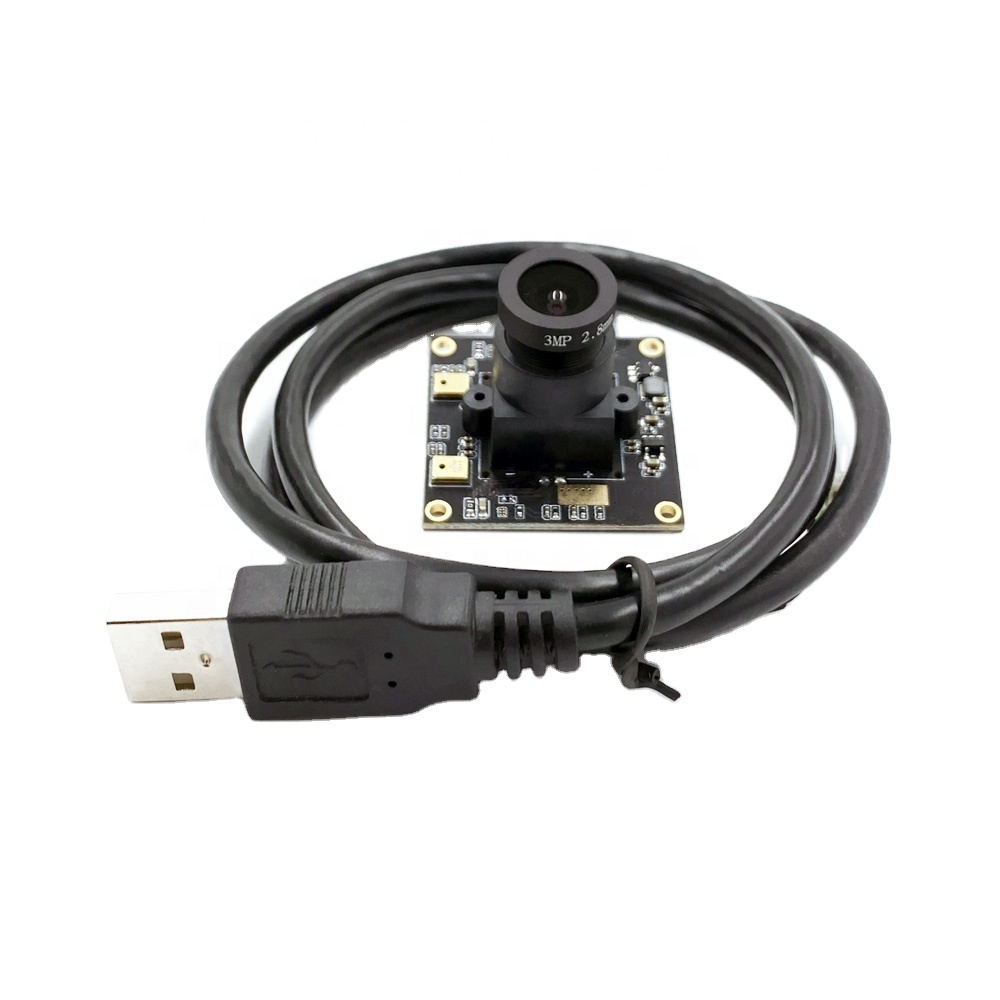
2.0MP 1920*1080 32*32mm Rolling Shutter 0.001Lux H.264 Starvis & WDR Color USB Camera Module for Food Self Order Kiosk
- True WDR for Ambient Backlight
- Plug-and-Play UVC Windows/Linux
- Mini 32×32mm Form Factor
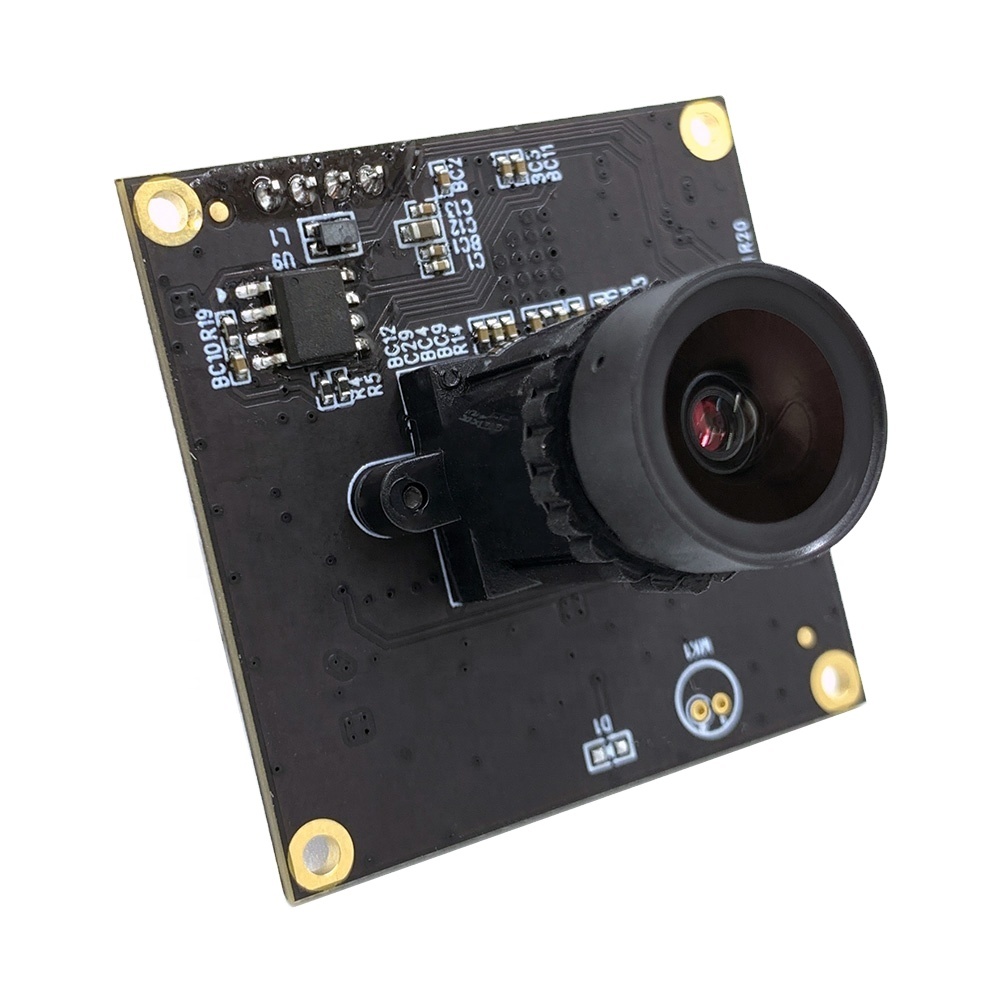
Customized High Speed HDR 330fps 2.0MP 38*38mm High Frame Rate USB Camera Module Wide Angle with 2.1mm Board Lens
- 2.1mm Super-Wide Board Lens
- 330FPS Capture & HDR Pipeline
- Customized PCB Pinout & Cable
Technological Development & Paradigm Shifts in Embedded Vision
The embedded vision landscape is undergoing unprecedented innovation driven by sensor architecture advancements, hardware-accelerated image signal processing (ISP), and machine learning integration at the edge. Sourcing managers and optical engineers must look beyond basic pixel count when selecting long-term suppliers. Key technological shifts defining the industry include:
1. Sony STARVIS & Back-Illuminated (BSI) Sensors
Traditional front-illuminated CMOS sensors suffer from optical sensitivity degradation in low-light environments due to wiring metal layers obscuring light pathways. Sony STARVIS and STARVIS 2 back-illuminated pixel technology relocates circuits beneath the photodiode array, dramatically expanding sensitivity down to 0.001 Lux and near-infrared (NIR) spectrums. This ensures vivid color reproduction in nighttime kiosks, dim parking garages, and unattended indoor security enclosures.
2. Ultra-High Frame Rate Imaging (330 FPS)
Standard 30 FPS cameras introduce motion blur and temporal artifacts when tracking rapid manual movements, high-speed counting, cash dispense verification, or automated sorting. Integrating high-bandwidth sensor clocking with real-time ISP processing allows 1080P video streams at 330 FPS. This eliminates temporal distortion, enabling machine vision algorithms and biometrics to execute near-instantaneous verification without image lag.
3. On-Board H.264/H.265 Hardware ISP Encoding
Uncompressed YUY2 video at 1080P 60FPS can quickly saturate USB 2.0 interface bandwidths (480 Mbps) and overwhelm host CPU computational cycles. Modern embedded USB modules incorporate dedicated DSP/ISP microcontrollers that execute real-time, zero-latency H.264 or H.265 hardware video compression. This slashes bandwidth consumption by up to 80% while conserving host system processing power for core application logic.
Engineering Insight: Wide Dynamic Range (WDR) vs. High Dynamic Range (HDR)
In self-service kiosks and outdoor doorbells, severe illumination contrast—such as bright direct sunlight behind a user in a shadowed lobby—frequently leads to silhouetting or overexposure. Sensor-level WDR (Wide Dynamic Range) captures multiple exposures simultaneously per frame, utilizing dynamic tone mapping to preserve highlight details in bright backgrounds while pulling clean, low-noise shadow detail from face region subjects.
| Architecture Feature | Standard Entry-Level USB Camera | Industrial Brekta STARVIS WDR Module | High-Speed 330FPS HDR Module |
|---|---|---|---|
| Sensor Technology | Front-Illuminated (FSI) Standard CMOS | Sony Back-Illuminated STARVIS BSI | High-Speed Pixel Architecture CMOS |
| Min. Illumination | 0.5 Lux – 1.0 Lux (Grainy in dark) | 0.001 Lux Starlight Color Sensitivity | 0.01 Lux High Dynamic Range |
| Frame Rate & Bandwidth | 1080P @ 30 FPS (MJPEG/YUY2) | 1080P @ 30/60 FPS (H.264 Compressed) | 1080P @ 330 FPS Ultra-Fast Capture |
| Dynamic Range (WDR) | Digital WDR (< 60dB) | True Hardware WDR (> 100dB) | Sensor Multi-Exposure HDR |
| Form Factor Flexibility | Fixed 38×38mm Board | Modular 32×32mm / 38×38mm PCB | Modular 38×38mm Industrial Board |
| Target Application | Basic Desktop Webcams | ATM, Smart Kiosks, Access Control | High-Speed Motion, VTM, Robotics |
Future Procurement Trends for Global B2B Optical Sourcing
Procurement strategies for OEM vision hardware have shifted from simple transactional purchasing to strategic partner alignment. Global system integrators face escalating demand for custom mechanical footprints, long lifecycle support, and strict regional compliance. System purchasers should align procurement with four major sourcing trends:
1. Small-Batch Customization & Low MOQ Prototyping
System designers no longer adapt their metal chassis to fit rigid, off-the-shelf camera dimensions. Modern procurement favors factories offering low Minimum Order Quantities (MOQ starting at 1-10 units) for initial engineering evaluation, backed by agile customization of lens focal length, Field of View (FOV), IR-cut filter thresholds, pinout wiring, and PCB mounting holes (e.g., 15×15mm micro-boards to 38×38mm standard frames).
2. Cross-Platform Plug-and-Play (UVC Standard)
Maintaining proprietary drivers across evolving operating system kernel updates (Windows 11, Linux Ubuntu/Debian, Android, macOS) creates significant software maintenance overhead. Procurement directors prioritize USB Video Class (UVC) compliant modules that function instantly natively without third-party driver installations, simplifying software stack maintenance in unattended equipment fleets.
3. Stringent Environmental & Regulatory Traceability
Cross-border trade regulations require full compliance documentation. B2B procurement demands verified CE, FCC, and RoHS certifications directly from the manufacturer. Additionally, thermal reliability testing (-20°C to +70°C operational range) and long MTBF (Mean Time Between Failures) ratings are non-negotiable for industrial-grade deployments.
Enterprise Advantages & Manufacturing Infrastructure
Headquartered in Shenzhen with advanced production facilities in Dongguan, Shenzhen Brekta Electronics Co., Ltd. stands as a premier direct manufacturer of industrial embedded vision equipment. Over 13 years of specialized engineering refinement allows us to provide end-to-end OEM and ODM services that mitigate procurement risks for overseas buyers.
In-House PCB Circuit & Optics R&D
Our senior hardware engineers utilize Protel and Allegro design suits to route multi-layer PCBs, optimize thermal dissipation pads, and eliminate Electromagnetic Interference (EMI) for seamless board integration.
100% Optical Active Alignment & QC
Every camera board undergoes strict SMT assembly, automated optical inspection (AOI), dual-distance focus calibration, color fidelity tuning, and 24-hour high-temperature burn-in testing before shipment.
Rapid Prototyping & Fast Dispatch
In-stock evaluation samples dispatch within 1 to 3 working days. Custom OEM orders transition from final schematic sign-off to functional sample delivery in record lead times with sample MOQs from 1 piece.
24-Month Warranty & Technical Support
We stand firmly behind our product quality with a 24-month replacement warranty, non-disclosure agreement (NDA) data protection, and an average customer service response time under 2 hours.
Comprehensive Embedded Camera Procurement FAQ
Get immediate technical answers to the most common engineering and procurement queries regarding embedded camera module integration, hardware compatibility, and custom ordering policies.
What is the Minimum Order Quantity (MOQ) for evaluation samples and custom orders?
Are your USB camera modules driver-free across Windows, Linux, and Android?
How do I choose between a Rolling Shutter and a Global Shutter camera module?
Can Brekta customize board size, lens field of view (FOV), and cable specifications?
- PCB Dimensions: 15×15mm, 25×25mm, 32×32mm, 38×38mm, or custom non-standard shapes.
- Optics & Lens: M12 board lenses, pinhole optics, 180° fisheye, or varifocal zoom ranging from 2.1mm to 16mm.
- Connectors & Cables: Customized USB Type-A, Micro-USB, Type-C, or 4-pin/5-pin JST/Molex lock headers with tailored cable lengths up to 5 meters.
- IR Filters: 650nm standard color filters, 850nm/940nm dual IR-pass filters, or mechanical IR-cut switchers.
How do your camera modules perform under direct sunlight or dark ambient conditions?
What international quality certifications and warranty terms do you provide?
Accelerate Your Embedded Vision Integration Project
Need technical datasheets, CAD step files, optical lens customization, or a rapid sample quotation? Speak directly with our vision engineering team today. We provide professional module selection guidance within 2 hours.
Send an Inquiry