Featured Industrial Low Light USB Camera Modules
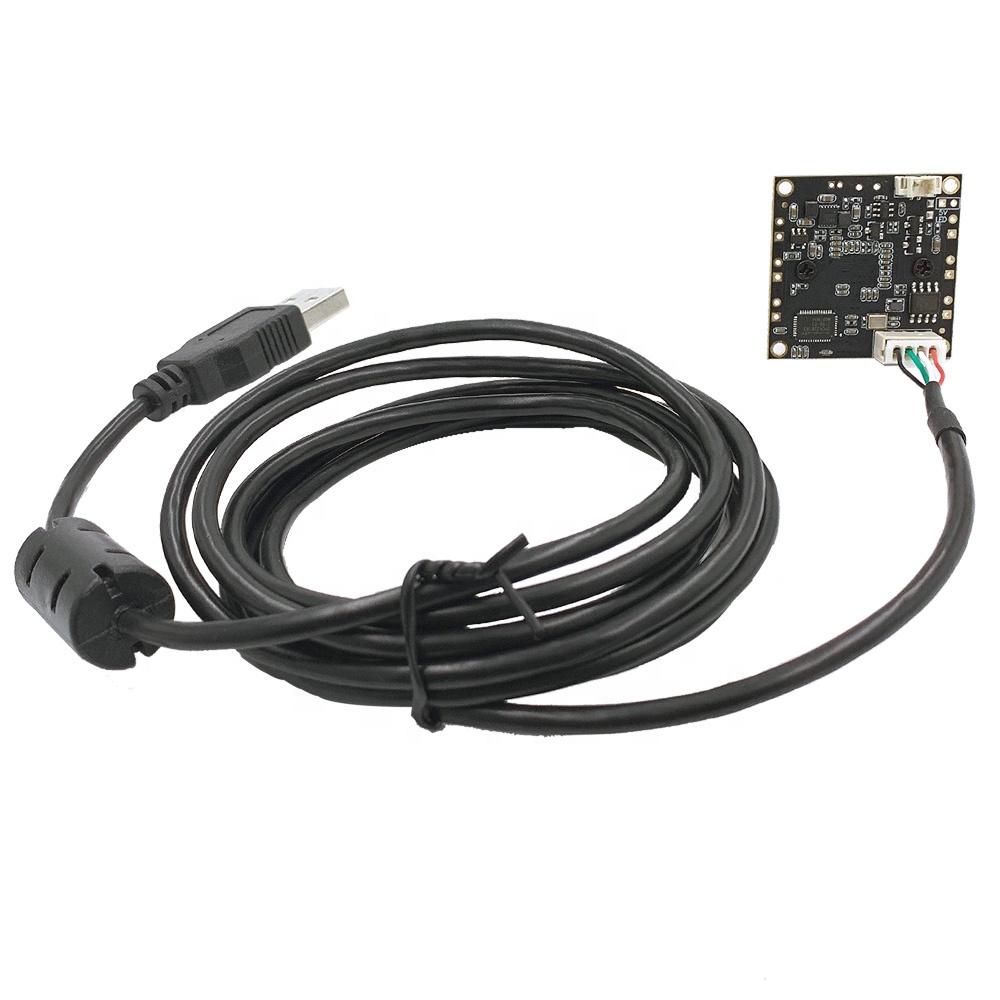
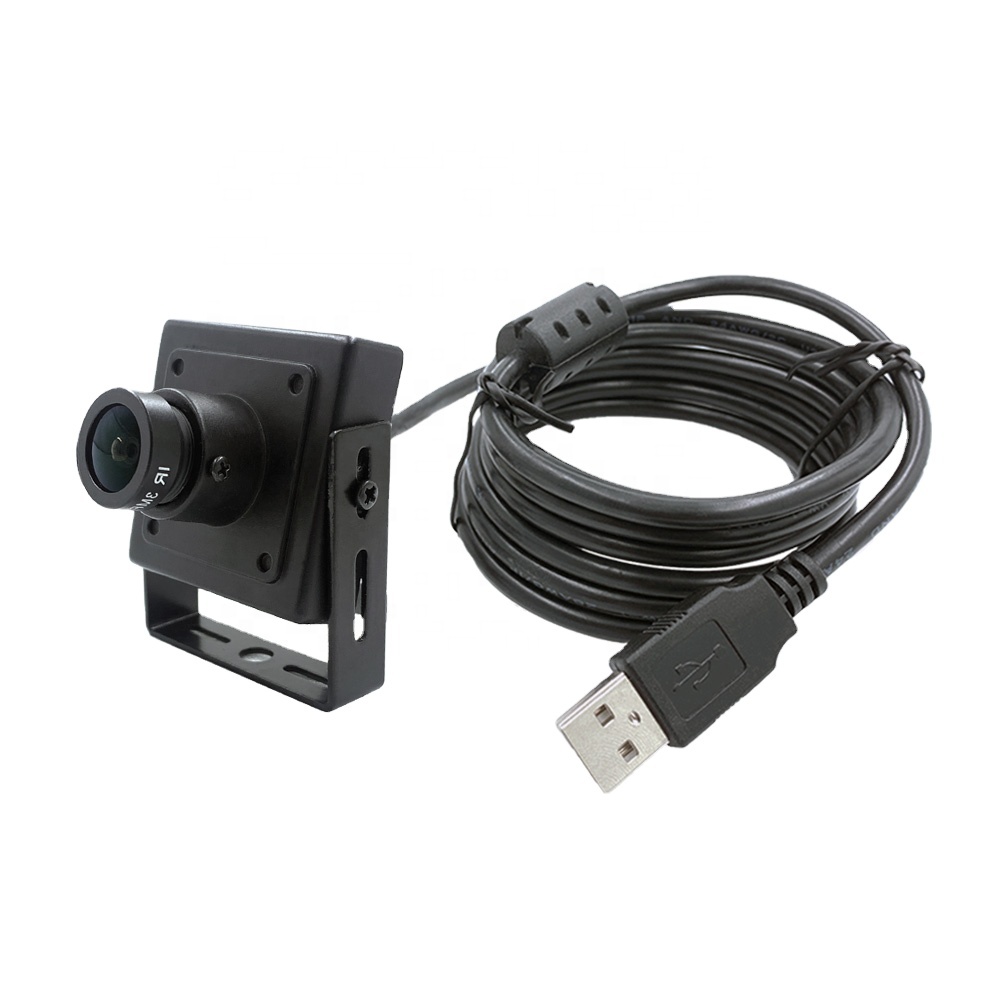
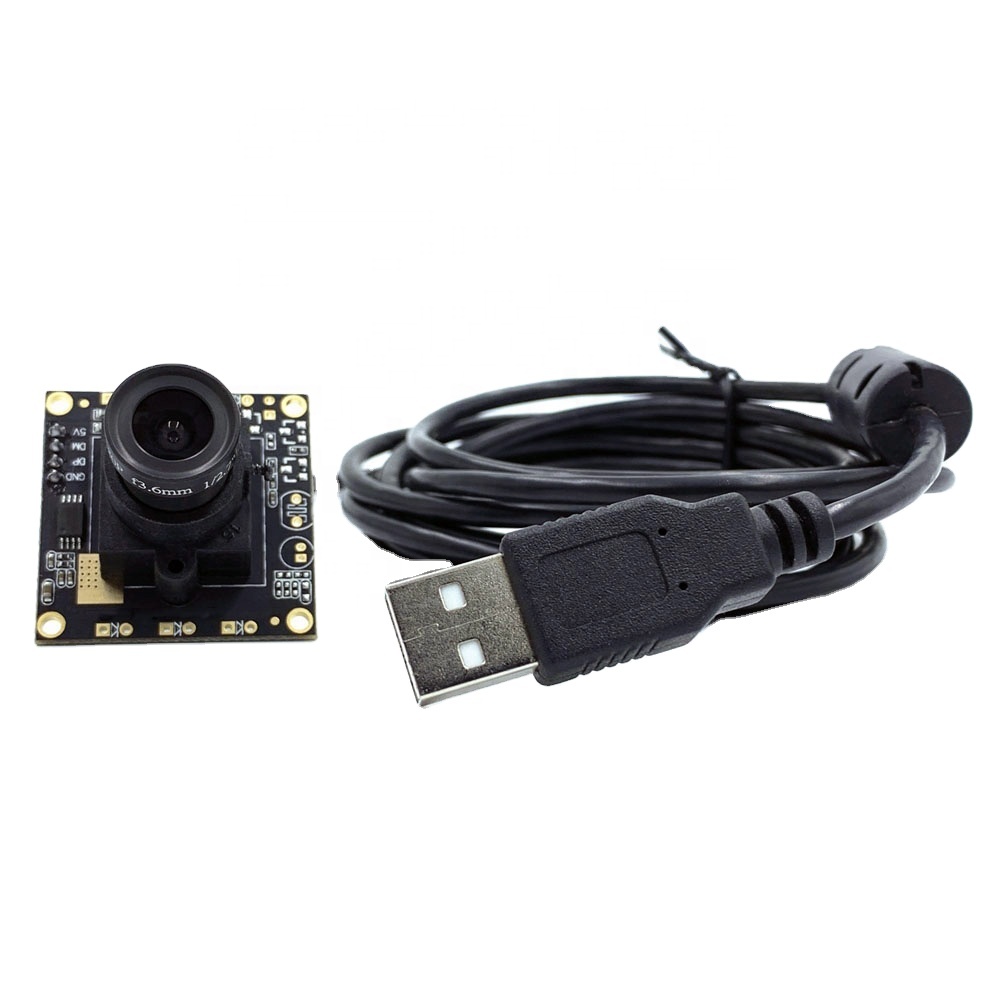
Precision-engineered UVC USB camera boards optimized for ATMs, Kiosks, Medical Devices, and AI Vision Terminals.


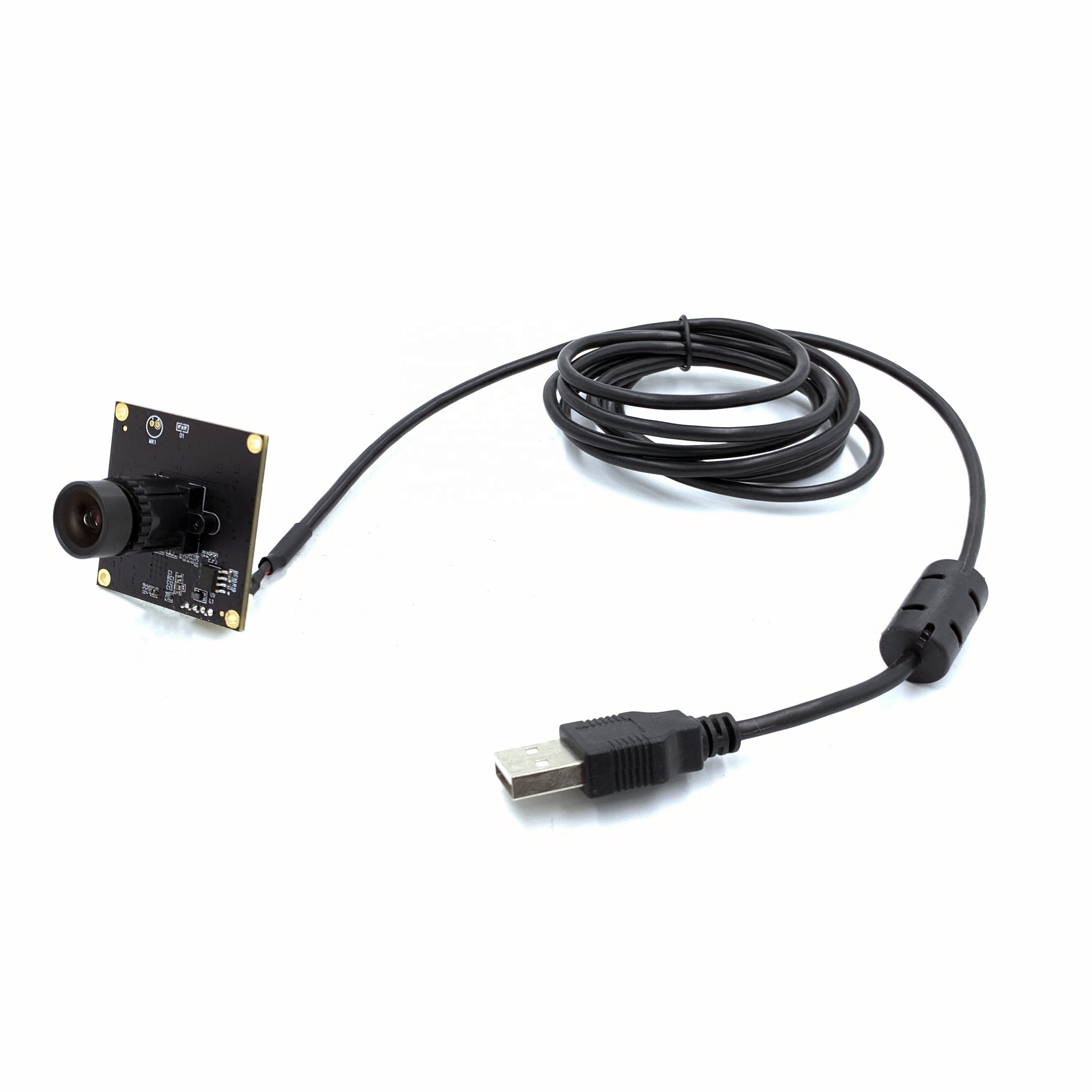
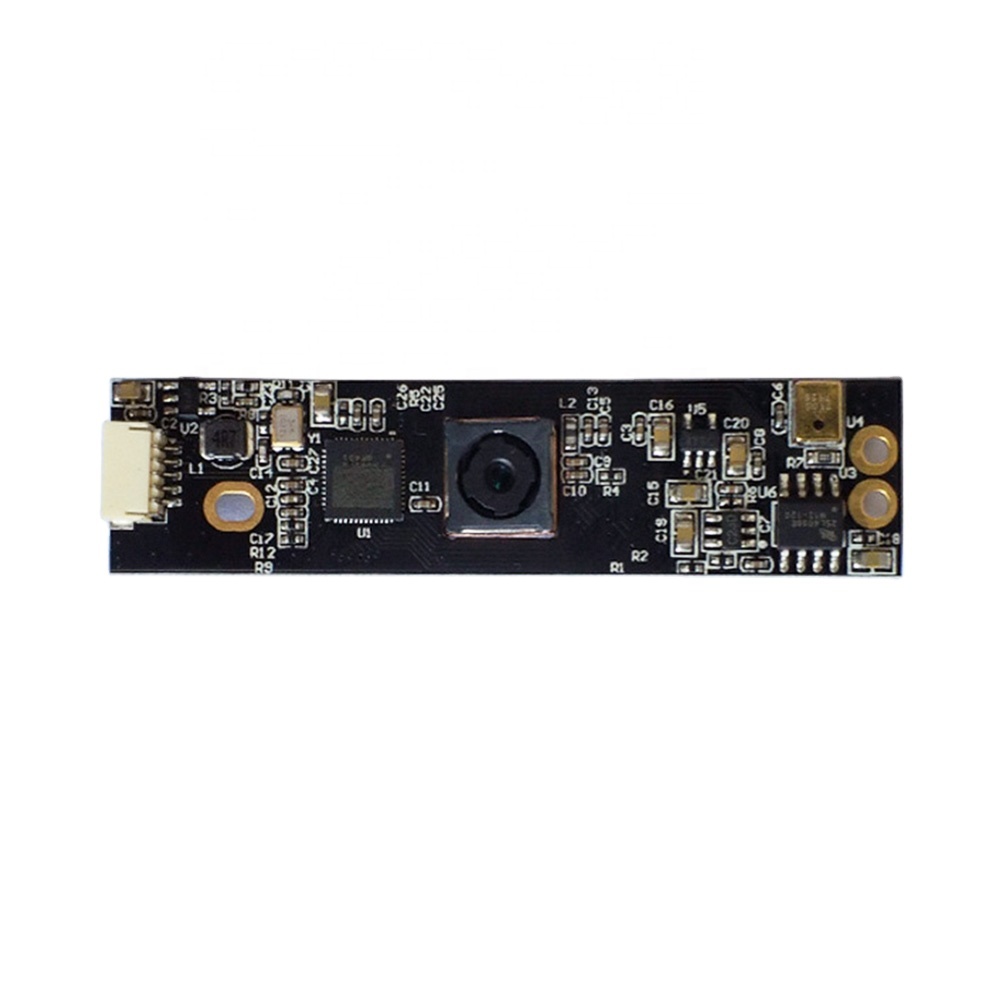
Executive Sourcing Whitepaper: Navigating China’s Low-Light USB Camera Manufacturing Ecosystem
In modern computer vision systems, embedded kiosks, automated teller machines (ATMs), automated license plate recognition (ALPR), and industrial robotics, low-light video acquisition performance represents the critical boundary between system reliability and operational failure. Sourcing high-performance low-light USB camera modules directly from Chinese manufacturers and OEMs requires an intimate engineering-level understanding of sensor architectures, Image Signal Processor (ISP) tuning, optics selection, and USB Video Class (UVC) protocol compliance.
Shenzhen and Dongguan stand as the global nerve center for miniaturized camera module fabrication. However, for international OEM buyers, hardware integrators, and procurement directors, identifying top-tier factories capable of delivering consistent signal-to-noise ratios (SNR) in sub-0.01 Lux ambient environments demands deeper criteria than simple unit price evaluation. This whitepaper analyzes the underlying physics of low-light USB vision systems, highlights future procurement trends, defines technical benchmarking criteria, and details the OEM production rigor executed by Shenzhen Brekta Electronics Co., Ltd.
The Physics of Low-Light Imaging: Decoupling Lux Ratings & SNR1s Metrics
A primary challenge during B2B procurement is evaluating manufacturer illumination claims. A specification claiming "0.001 Lux" is meaningless without context regarding Signal-to-Noise Ratio (SNR), aperture size (e.g., F1.2 vs F2.0), and shutter speed (e.g., 1/30s vs 1 sec slow shutter exposure). Professional camera OEMs evaluate low-light capability using standardized Sony SNR1s metrics—defined as the minimum light intensity (in Lux) required to achieve an SNR of 1 (where signal power equals noise power) on a 1 µm² sensor surface within the green spectrum.
| Performance Class | Typical Lux Rating | Primary Sensor Technologies | Ideal B2B Industrial Application |
|---|---|---|---|
| Standard Low Lux | 0.1 Lux to 0.5 Lux | Standard Front-Illuminated (FSI) CMOS (OmniVision/Onsemi) | Indoor Kiosks, Retail POS, Office Access Control |
| Ultra Low Lux (Starlight) | 0.001 Lux to 0.01 Lux | Back-Illuminated (BSI) Sony STARVIS™ (e.g., IMX291, IMX307, IMX327) | ATMs, Outdoor VTMs, Night Driving Assistance, Street Kiosks |
| Blacklight / Night-Vision | 0.0001 Lux & Below | Sony STARVIS 2 / Large Format BSI CMOS + Dual ISP Noise Reduction | Perimeter Defense, Military Grade Inspection, Darkroom Robotics |
When selecting low-light USB cameras for unassisted 24/7 commercial deployments, back-illuminated (BSI) pixel structures are vital. In traditional Front-Side Illuminated (FSI) sensors, the metal wiring layers above the photosensitive silicon substrate block a portion of incoming photons. BSI sensors relocate this metal interconnect matrix behind the photodiode array, dramatically increasing light collection efficiency and pushing photon conversion efficiency above 80% across both visible and near-infrared spectrums.
Future Industry Trends: Sourcing Low Light USB Cameras (2025–2030)
As AI edge computing, facial recognition algorithms, and autonomous robotics mature, the expectations placed on China’s camera manufacturing base are shifting rapidly. Procurement managers must position their supply chains to align with five dominant technology trends over the coming five-year horizon:
1. Transition to Sony STARVIS 2 Architecture
STARVIS 2 sensors feature enhanced dynamic range (>8db improvement over gen 1) and superior NIR sensitivity. This enables crystal-clear color capture at twilight and razor-sharp monochrome imaging under 850nm IR illumination without thermal image blooming.
2. On-Board ISP Hardware AI Denoising
Modern low-lux USB camera boards integrate dedicated hardware Image Signal Processors (ISPs) running 3D Dynamic Noise Reduction (3DNR). This filters out temporal spatial grain before frame compression, conserving host USB bus bandwidth.
3. High Frame Rate (330 FPS+) Low-Lux Capture
Industrial motion tracking and cash deposit counting machines demand extreme frame rates combined with low-lux sensitivity. Advanced USB boards pair high-speed global or rolling shutters with high-speed UVC bridges to prevent motion blur in low ambient light.
4. Multi-Stream Hardware Encoding (MJPEG/YUY2/H.264/H.265)
To relieve host processors (such as ARM-based Android boards or low-power Intel NUCs in kiosks), top Chinese factories embed H.264/H.265 hardware encoders directly onto compact 32x32mm and 38x38mm camera PCBs.
5. Miniaturization & Micro-Housing Form Factors
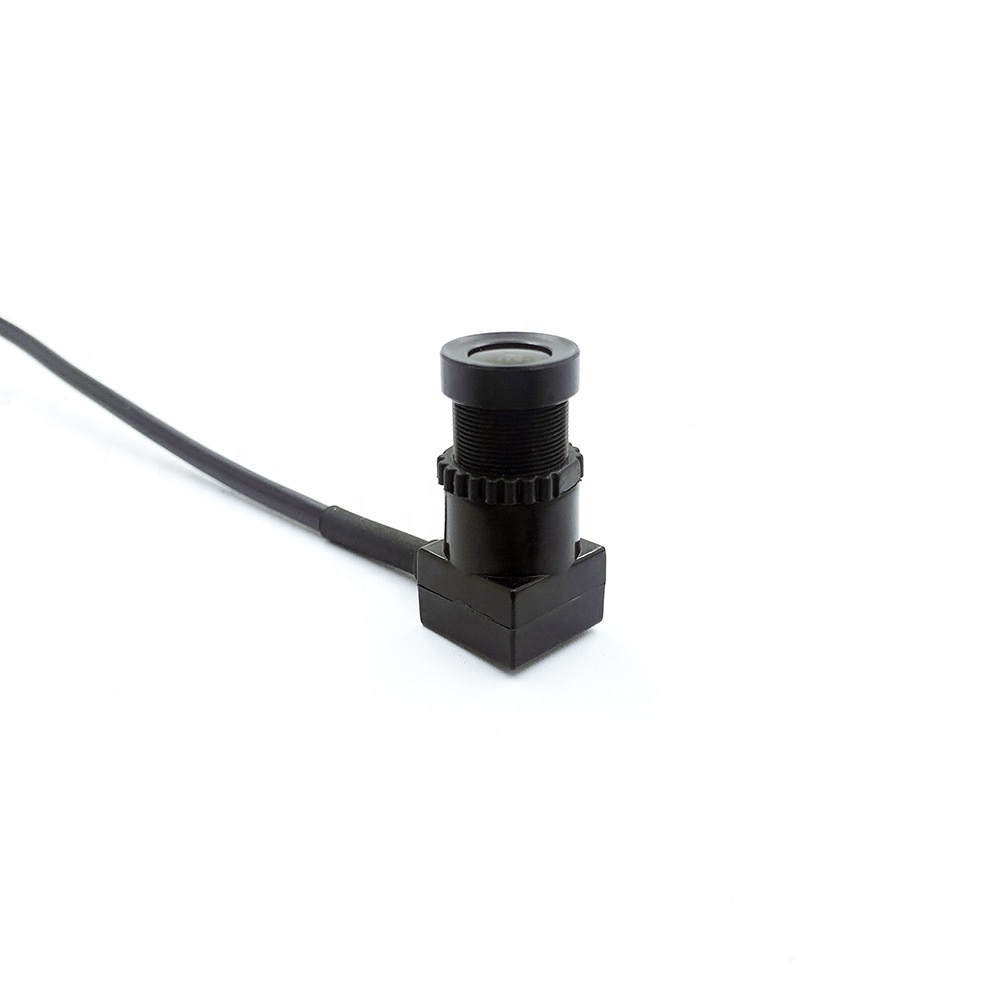
Enclosure constraints in modern ultra-thin kiosks and smart parcel lockers require custom PCB shapes (e.g., 15x15mm mini square boards or long narrow 62x15mm strips) equipped with distortionless wide-angle M12 or M7 optics.
6. Wide Dynamic Range (WDR/HDR > 120dB) Integration
Low light environments frequently contain intense glare or bright background lighting (e.g., an indoor ATM looking out towards a sunlit glass storefront). Dual-exposure HDR hardware ensures detail retention in both shadow and highlight zones.
Evaluating China Low Light USB Camera Wholesalers: An Engineering Sourcing Guide
Navigating the supplier market in China requires distinguishing between trading brokers and genuine OEM factories with in-house electronic engineering capabilities. When sourcing low-light USB cameras for enterprise-grade projects, procurement managers should execute a rigorous audit of candidate factories across four operational pillars:
1. PCB Circuit & ISP Engineering Competence
True OEM camera factories do not simply buy off-the-shelf reference designs. They maintain dedicated hardware engineering teams operating professional Electronic Design Automation (EDA) software such as Protel and Allegro. Custom multi-layer PCB layout is essential for low-noise low-light operation. Improper ground plane isolation or high-frequency clock line routing near sensor analog signal traces introduces electronic noise, destroying low-lux performance regardless of how expensive the sensor chip is.
2. Optical Assembly & Cleanroom Rigor
Low-light imaging relies on wide-aperture lenses (F1.0 to F1.4) that possess extremely shallow depths of field. Assembling M12/M16 or CS mount optics onto sensor boards must take place in Class 1000 or Class 100 dust-free cleanrooms. A single micro-particle of dust resting on a STARVIS sensor cover glass causes dark spots and severe optical diffraction under low-light gain amplification.
3. 100% Full-Field Optical & Thermal Burn-In Testing
Wholesale trading companies often sample-test only 1% of outgoing shipments. Quality-driven manufacturers implement rigorous double-100% inspection: every board undergoes automated optical resolution target testing, MTF (Modulation Transfer Function) verification across all four image corners, color fidelity calibration under standard illuminants (D65, TL84, CWF), and thermal burn-in to guarantee image stability up to 60°C.
4. Firmware Customization & Driverless UVC Compliance
Industrial integration demands custom UVC parameters hard-coded into the board's EEPROM. Overseas buyers require customized USB Vendor IDs (VID), Product IDs (PID), default exposure ranges, white balance locking, auto-focus triggers, and specific video streaming descriptors (YUY2 raw uncompressed vs MJPEG vs H.264 compression) tailored to their target OS (Windows, Linux, Android, macOS).
Enterprise Manufacturing Profile: Shenzhen Brekta Electronics Co., Ltd.
As a specialized high-tech enterprise founded in Shenzhen with advanced production workshops in Dongguan, Shenzhen Brekta Electronics Co., Ltd. stands as a premier OEM/ODM manufacturer of compact USB, IP, AHD, and embedded camera modules. Operating with a dedicated team of 51 to 100 skilled engineers and assembly professionals, Brekta delivers tailored vision solutions for ATMs, self-service kiosks, medical diagnostic equipment, smart home devices, and industrial automation terminals.
Custom Circuit & Housing Design
Our senior hardware team utilizes Protel and Allegro to rapidly design custom PCB dimensions (from micro 15x15mm boards up to standard 38x38mm modules), flexible flat cables (FFC), custom connectors, and specialized lens mounts.
Strict International Certifications
Every camera series produced by Brekta holds full CE, FCC, and RoHS compliance certificates, guaranteeing seamless customs clearance, environmental safety, and regulatory compliance across North America, Europe, and Asia-Pacific.
Flexible Sourcing & Fast Sampling
To minimize R&D risk for system integrators, standard catalog models carry a Minimum Order Quantity (MOQ) of just 1 to 10 pieces. In-stock evaluation samples dispatch within 1 to 3 working days with full engineering support.
24-Month Factory Warranty
We stand behind our manufacturing quality with a comprehensive 24-month warranty. Every camera undergoes strict double-100% testing prior to shipment, backed by lifetime technical and firmware upgrade support.
Procurement FAQ: Low Light USB Camera Modules
Below are authoritative technical answers to common engineering and procurement questions encountered when sourcing low light USB camera boards from Chinese factories.
Accelerate Your Project with Custom Low Light Camera Solutions
Submit your housing dimensions, target illumination environment, resolution specs, and interface requirements to our engineering team. Receive technical recommendations and factory-direct pricing within 2 hours.
Get a Quote