Featured Micro Camera Modules & Board Cameras
Engineered for ATM, Self-Service Kiosks, Medical Devices, and High-Definition Industrial Inspection


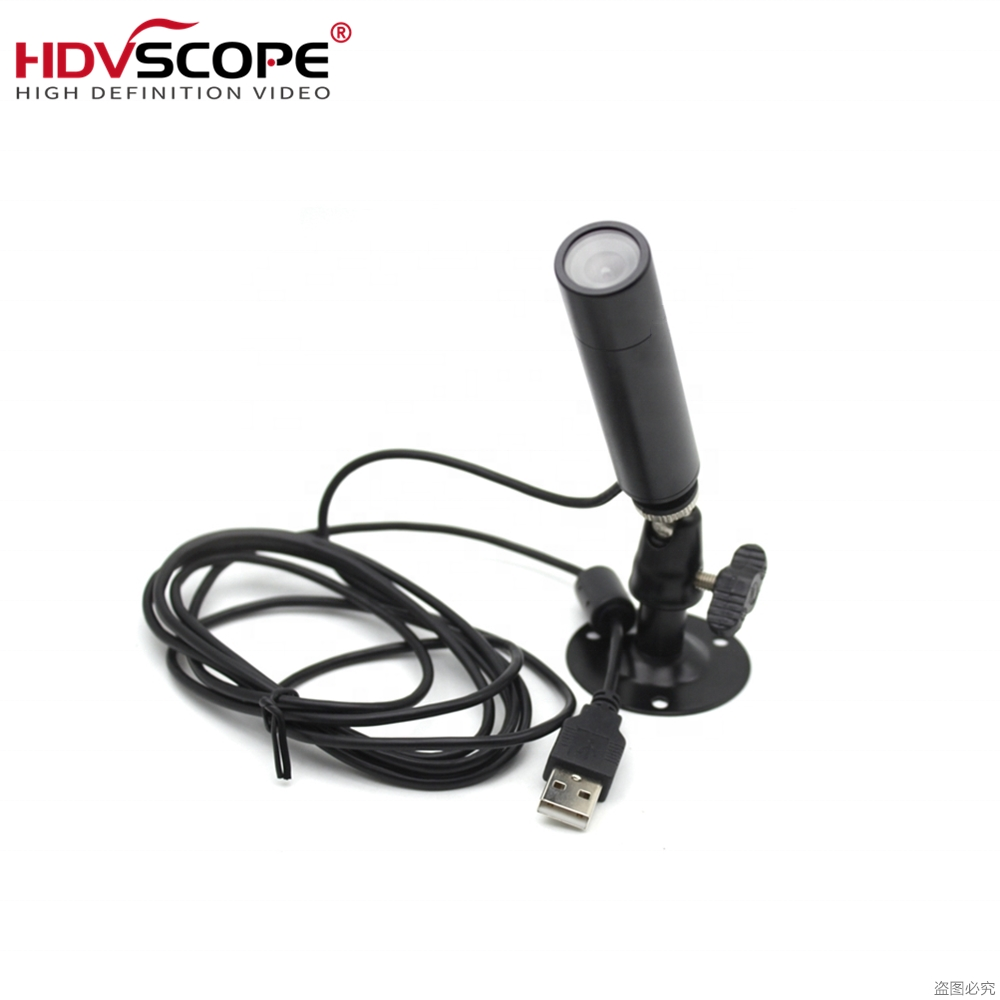
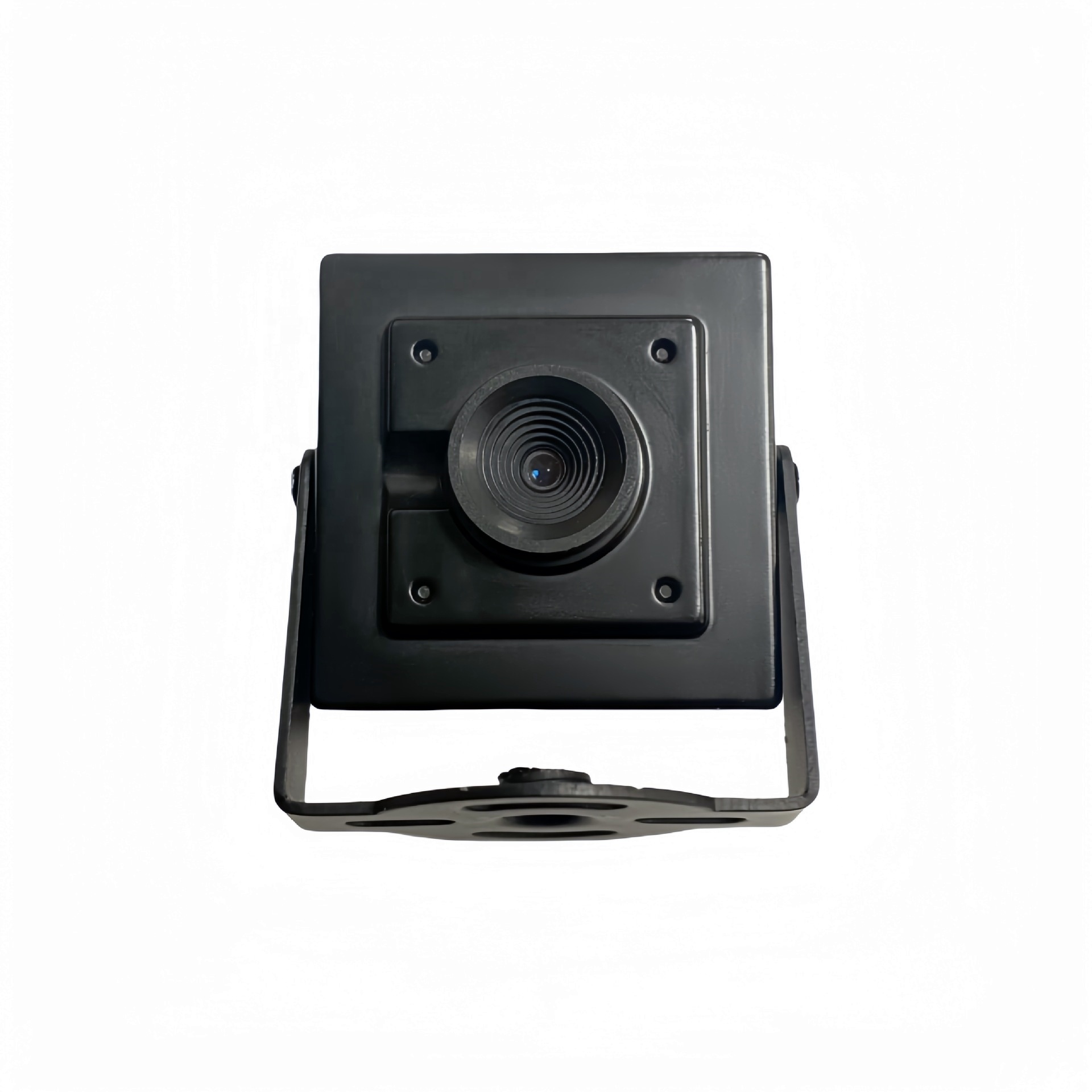
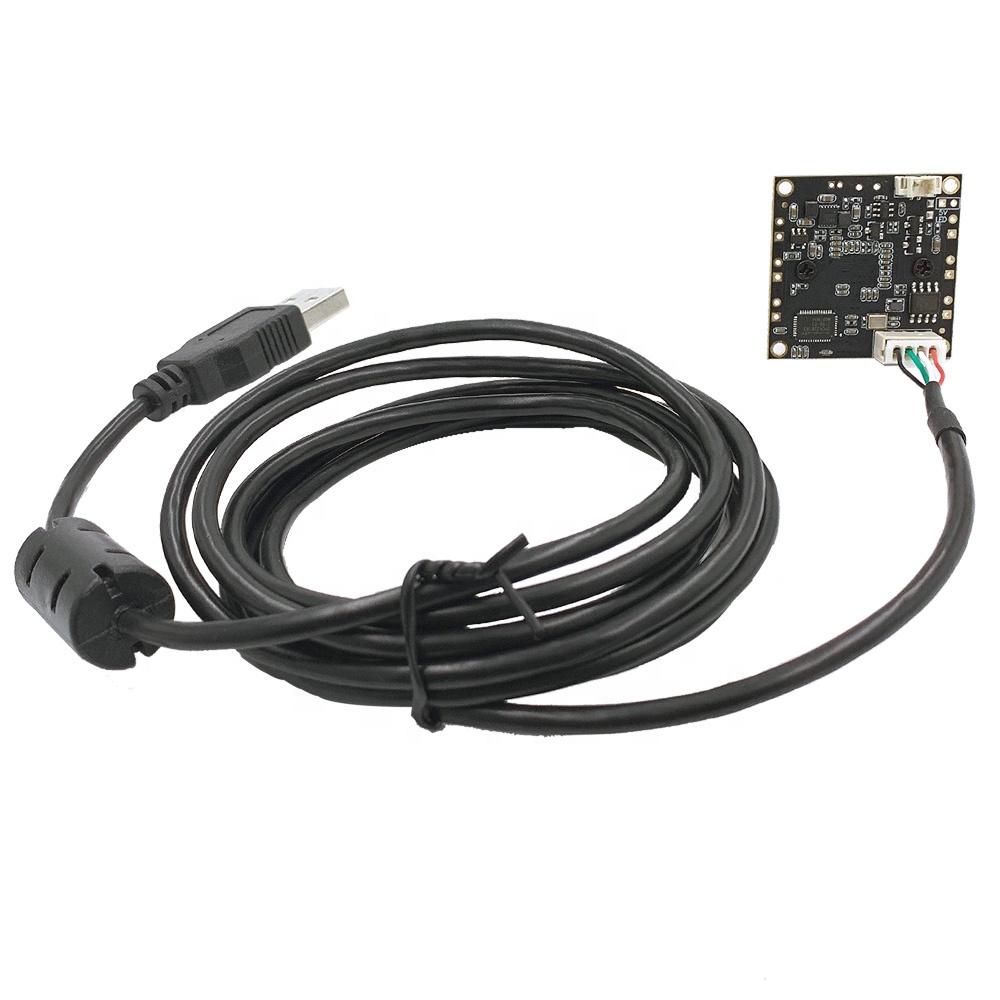
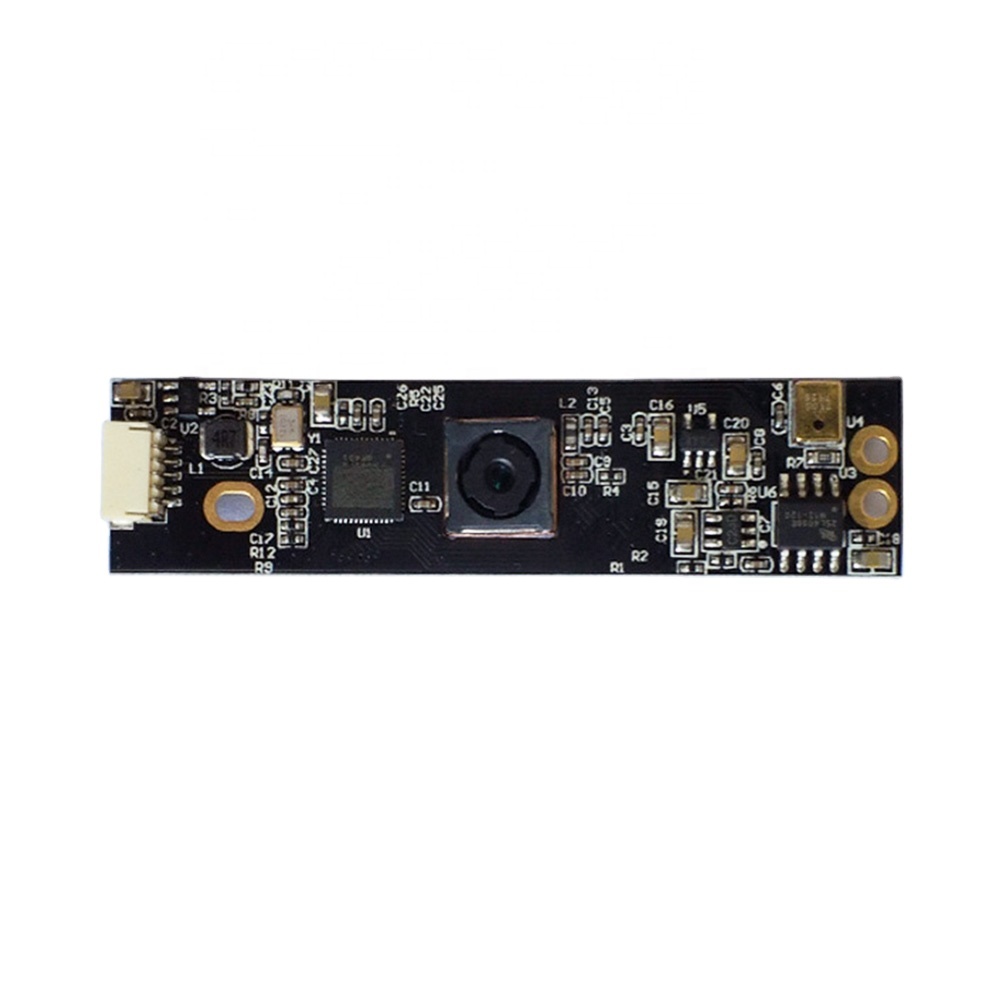
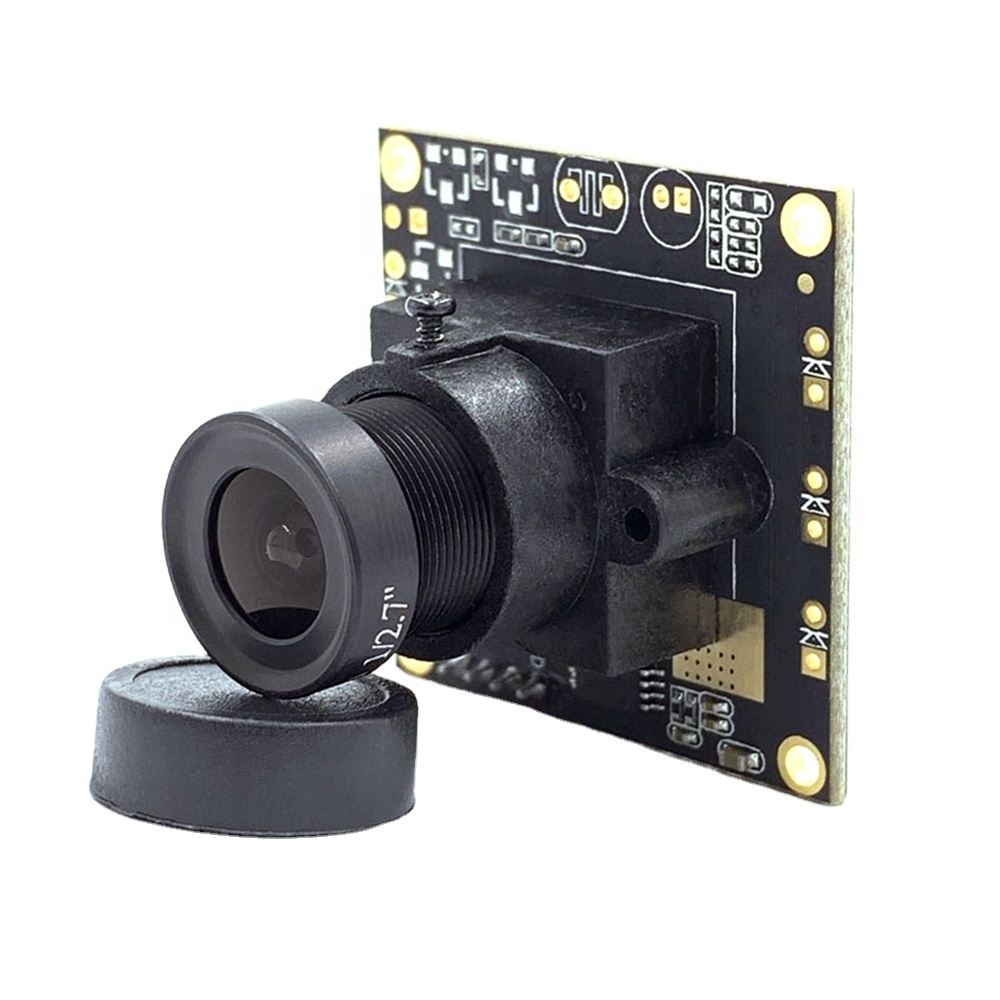
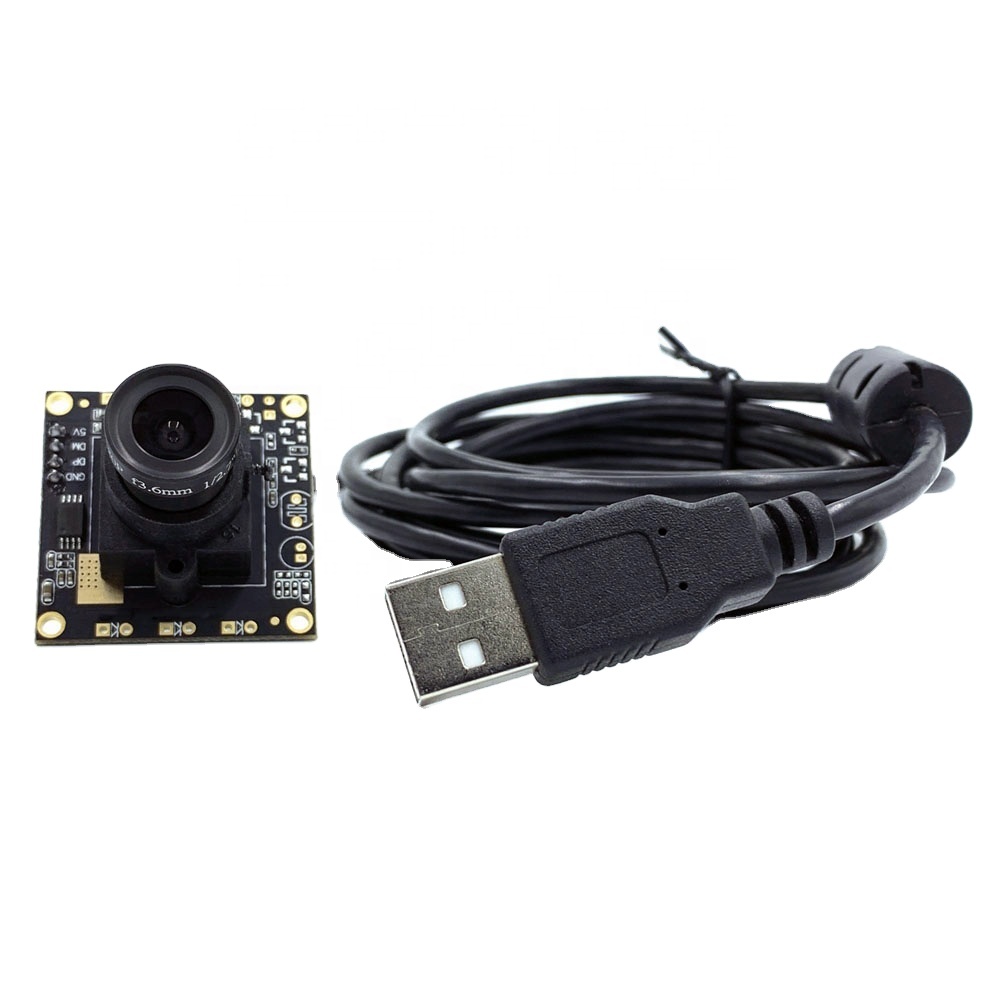
1. Architectural Fundamentals of Micro AHD Camera Technology
In the rapidly evolving domain of industrial vision and spatial security, Micro Analog High Definition (AHD) cameras represent a vital technological bridge. Combining uncompressed zero-latency video transmission with ultra-small physical footprints, micro AHD solutions resolve a persistent engineering bottleneck faced by system integrators: achieving reliable, real-time HD video over legacy coaxial infra-structures without incurring the heavy processing overhead or network jitter inherent in IP systems.
As a premier China Micro AHD Camera Supplier & Exporter, Shenzhen Brekta Electronics engineers miniature board cameras ranging from 15×15mm pinhole configurations to 32×32mm and 38×38mm standardized industrial footprints. The underlying technology relies on high-performance Analog Transport Signal Processing (TX chipsets like Nextchip NVP2441H / NVP2470 coupled with Sony STARVIS CMOS sensors), modulating 1080P, 4MP, or 5MP raw sensor output into robust analog high-frequency signals.
This physical property makes Micro AHD modules uniquely qualified for high-speed automated teller machines (ATMs), cash recycling systems (CRS), medical endoscopes, mobile automotive blackboxes, and covert access control terminals where real-time synchronization is paramount.
2. Interface Selection Guide: Micro AHD vs. USB UVC vs. Mini IP Modules
Selecting the optimal camera architecture requires evaluating system latency, cable run distance, host processing capacity, and environmental noise immunity. Below is a comprehensive engineering matrix comparing Micro AHD against alternative modular formats:
| Parameter / Feature | Micro AHD Camera | UVC USB Camera Module | Mini IP Camera Module | HD-SDI Broadcast Module |
|---|---|---|---|---|
| Video Transmission Format | Modulated Analog HD (AHD/TVI/CVI) | Digital USB 2.0 / USB 3.0 (UVC) | Compressed IP Packets (RTSP/ONVIF) | Uncompressed Digital Serial (SDI) |
| Latency Performance | < 1 millisecond (Real-Time) | 30ms - 80ms (System Dependent) | 150ms - 400ms (Network Jitter) | < 1 millisecond (Broadcast Grade) |
| Maximum Cable Distance | Up to 500 Meters (Coaxial RG59) | 3m - 5m (Without Active Extension) | 100 Meters (Cat5e/Cat6 with PoE) | 100m - 150m (75 Ohm Coax) |
| Host CPU/GPU Load | Zero (Handled by DVR/Capture Card) | Moderate to High (Software Decoding) | Low to Moderate (Stream Parsing) | Zero (Hardware SDI Receiver) |
| Form Factor Availability | 15x15mm, 25x25mm, 32x32mm | 15x15mm, 32x32mm, 38x38mm | 38x38mm, Pen-Bullet Types | 38x38mm, 40x40mm Box |
| Low-Lux & WDR Capability | Up to 0.0001 Lux (Sony STARVIS) | Up to 0.001 Lux (Onsemi AR0230) | Blacklight 0.0001 Lux (H.265+) | Starlight 0.00008 Lux |
| Integration Cost Factor | Extremely Low (Cost-Effective TX) | Low (Plug & Play UVC Driverless) | Moderate (Network Config Required) | High (Specialized SDI Recovers) |
3. Future Procurement Trends in Micro Security & Machine Vision
Global OEM buyers and hardware engineering leaders are shifting procurement paradigms. As hardware cycles compress, B2B buyers must anticipate technology shifts to avoid premature obsolescence. Key procurement trends shaping the 2025–2030 landscape include:
Hybrid 4-in-1 Output Standardisation
Procurement specifications increasingly mandate multi-protocol backends (AHD, HD-TVI, HD-CVI, and CVBS legacy outputs integrated into a single DIP/OSD-switchable ISP board) to simplify supply chain SKUs across diverse global markets.
Ultra-Low Illumination STARVIS 2 Migration
Industrial deployment demands 24/7 color visibility under sub-lux lighting conditions without power-hungry IR LEDs. Sourcing is gravitating toward Sony STARVIS 2 Back-Illuminated CMOS sensors providing >120dB dynamic range.
Direct PCB SMT & Modular Cable Assemblies
System integrators are abandoning standard full-body casings in favor of ultra-miniature bare PCB camera modules featuring custom FPC (Flexible Printed Circuit) cables, wafer connectors, and localized thermal dissipation brackets.
4. Technological Breakthroughs & R&D Vectors in Miniature Imaging
The technological evolution of micro AHD and compact board cameras is accelerated by advances in Image Signal Processors (ISPs) and specialized optical stacks:
A. Edge AI-ISP Integration: Modern micro camera ISPs now integrate embedded Neural Network Processing Units (NPUs). This enables hardware-level noise suppression (3D-DNR), motion adaptive de-interlacing, and real-time edge analytics (such as face detection triggering or spatial line crossing) directly on the 32x32mm board before video modulation occurs.
B. Hardware-Level Wide Dynamic Range (HDR/WDR): In backlit banking kiosks or vehicle door entry systems, extreme contrast between indoor ambient light and external daylight causes severe image bleaching. Double-exposure and triple-exposure WDR sensors (such as Onsemi AR0230 and Sony IMX291/IMX307) combine high and low shutter speed frames in real time to yield balanced 105dB–120dB image fidelity.
C. Pinhole & Non-Distortion Conical Optics: Achieving ultra-wide Field of View (FOV) up to 160° to 180° without fisheye geometric distortion requires multi-element glass optical designs. Brekta's specialized optical assemblies combine 6-layer precision glass (6G) with IR-cut filters to maintain edge-to-edge resolution clarity for automated license plate scanning and facial verification algorithms.
Why Leading Global OEMs Partner with Shenzhen Brekta Electronics
Shenzhen Brekta Electronics Co., Ltd. stands as a specialized manufacturer and exporter of mini USB (UVC), mini IP (RTSP/PoE), AHD/TVI/CVI, HD-SDI, and endoscope camera modules engineered for high-reliability industrial environments.
Custom Engineering & SMT
Full OEM/ODM engineering capabilities covering custom PCB board shapes, sensor pinout re-mapping, low-lux ISP tuning, and custom lens mount fabrication.
Rigorous QC & Testing
Every single camera module undergoes 100% automated optical testing, sensor burn-in, vibration testing, and low-lux color calibration prior to export.
Rapid Global Logistics
In-stock sample dispatch within 1–3 business days. Dedicated technical support with guaranteed response times under 2 hours for global buyers.
5. Frequently Asked Questions (FAQ) for Micro Camera Sourcing
What is the minimum order quantity (MOQ) for custom Micro AHD and USB camera modules?
We support engineering evaluation and field testing by offering an MOQ starting from just 1 piece for standard stock models. For custom OEM/ODM designs (such as customized PCB diminsions, special lens mounts, or custom wire harness pinouts), sample batches are quoted based on specific NRE and tooling scope.
How do Micro AHD cameras handle power supply and signal wiring over long distances?
Micro AHD camera boards operate on standard DC 12V (or DC 5V custom variants). They utilize 75-Ohm impedance coaxial cables (such as RG59 or RG6) or shielded twisted pair (UTP) cables with passive baluns. This allows stable 1080P/4MP video signal transmission up to 500 meters without active repeaters.
Are your USB camera modules standard driver-free UVC compliant?
Yes. All Brekta USB camera modules strictly adhere to the USB Video Class (UVC) protocol. They operate seamlessly on Windows (10/11), Linux (Ubuntu/Debian/Yocto), Android OS, and macOS without installing secondary software drivers, outputting MJPEG, YUY2, or hardware H.264 video streams.
Can Brekta customize board dimensions and optical lens configurations?
Absolutely. Our in-house hardware engineering team utilizes Protel and Allegro for multilayer PCB layout. We can engineer custom board footprints down to 15x15mm, integrate pinhole conical lenses, wide-angle fisheye optics (up to 180°), or motor-driven autofocus assemblies to meet your exact enclosure constraints.
What certification and warranty coverage do you provide for international orders?
All Brekta security and machine vision products carry CE, FCC, and RoHS certifications for smooth customs clearance and regulatory compliance in North America, Europe, and Asia-Pacific regions. Every camera module is backed by our comprehensive 24-month factory replacement warranty and lifetime technical engineering support.
Ready to Accelerate Your Hardware Integration Project?
Connect directly with our engineering sales team to request optical datasheets, custom PCB drawings, or rapid sample evaluations within 24 hours.