Top-Rated USB Endoscope & Industrial Vision Modules
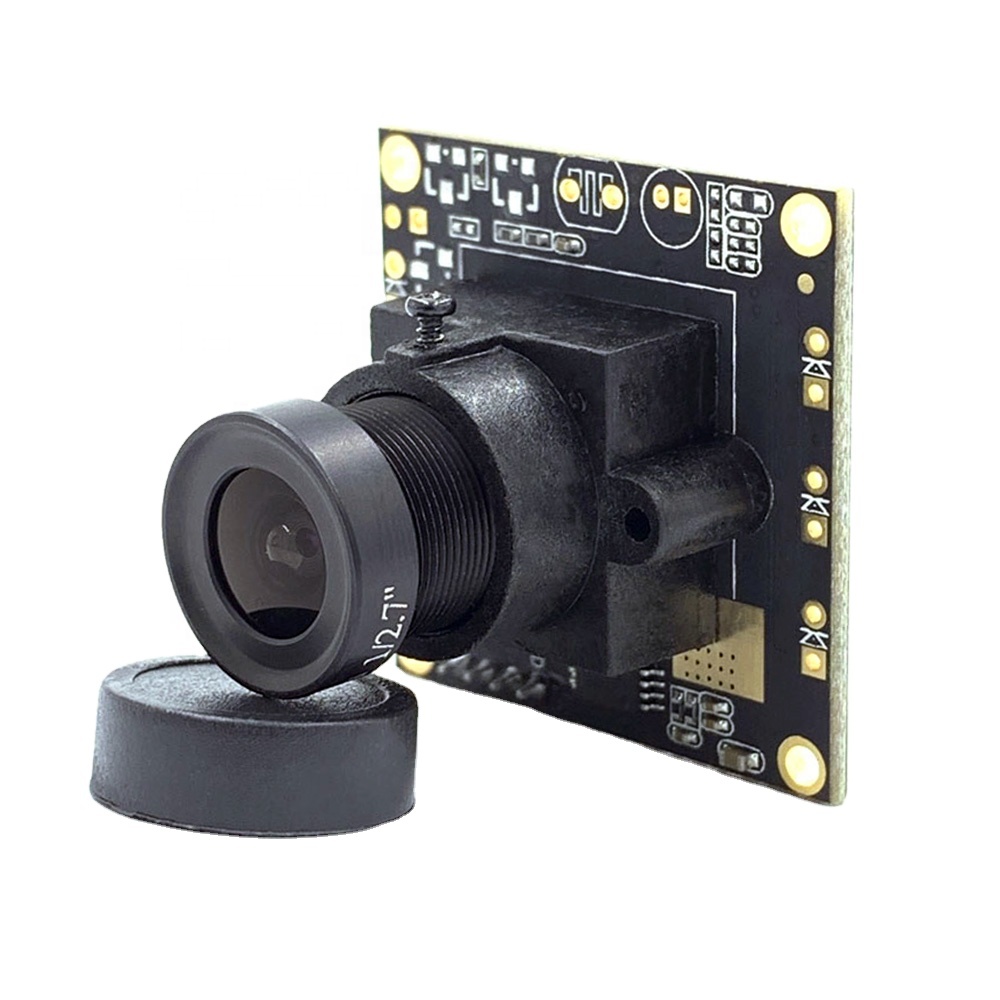
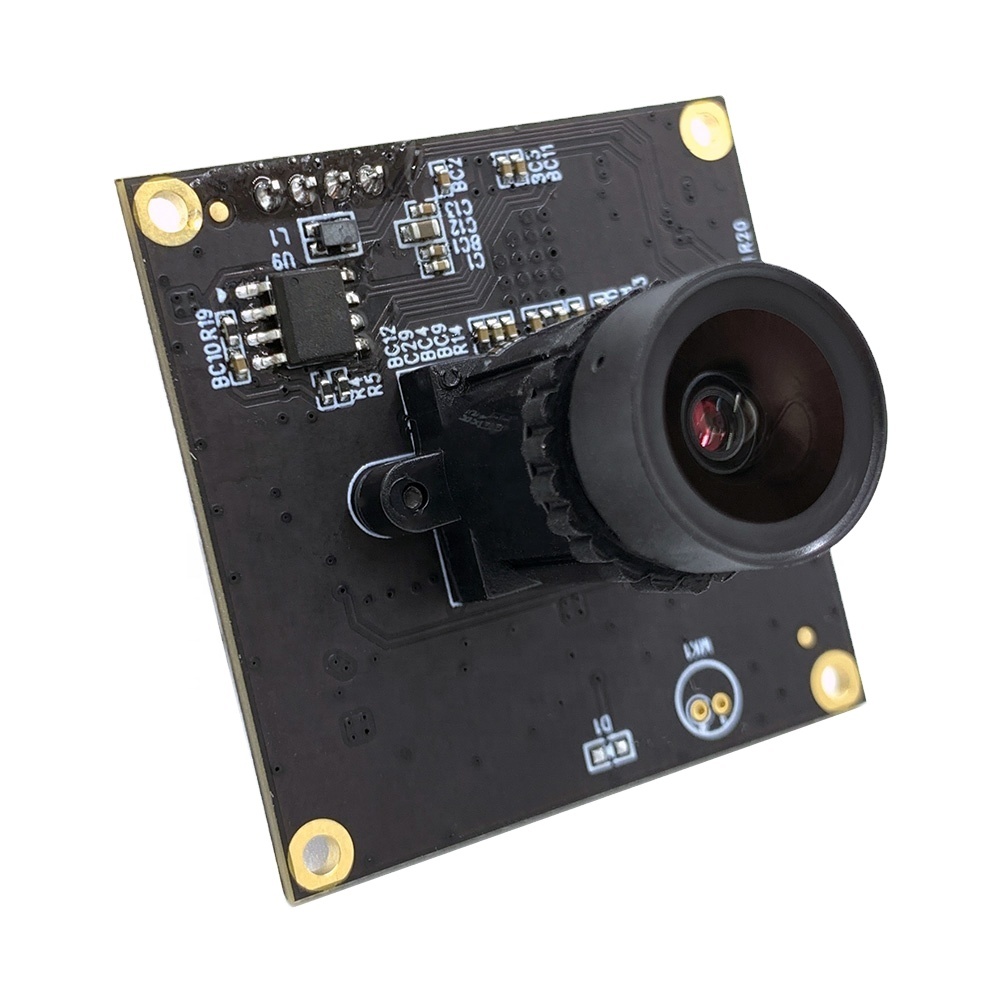
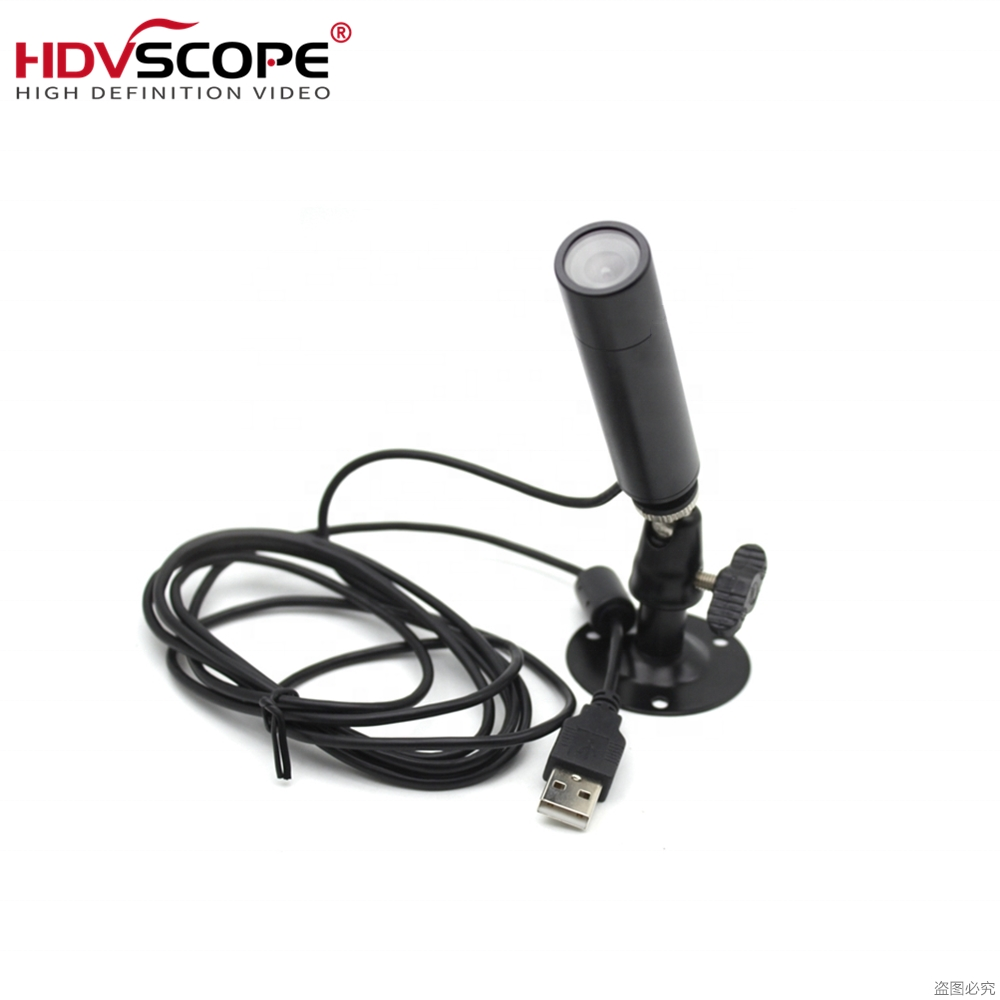
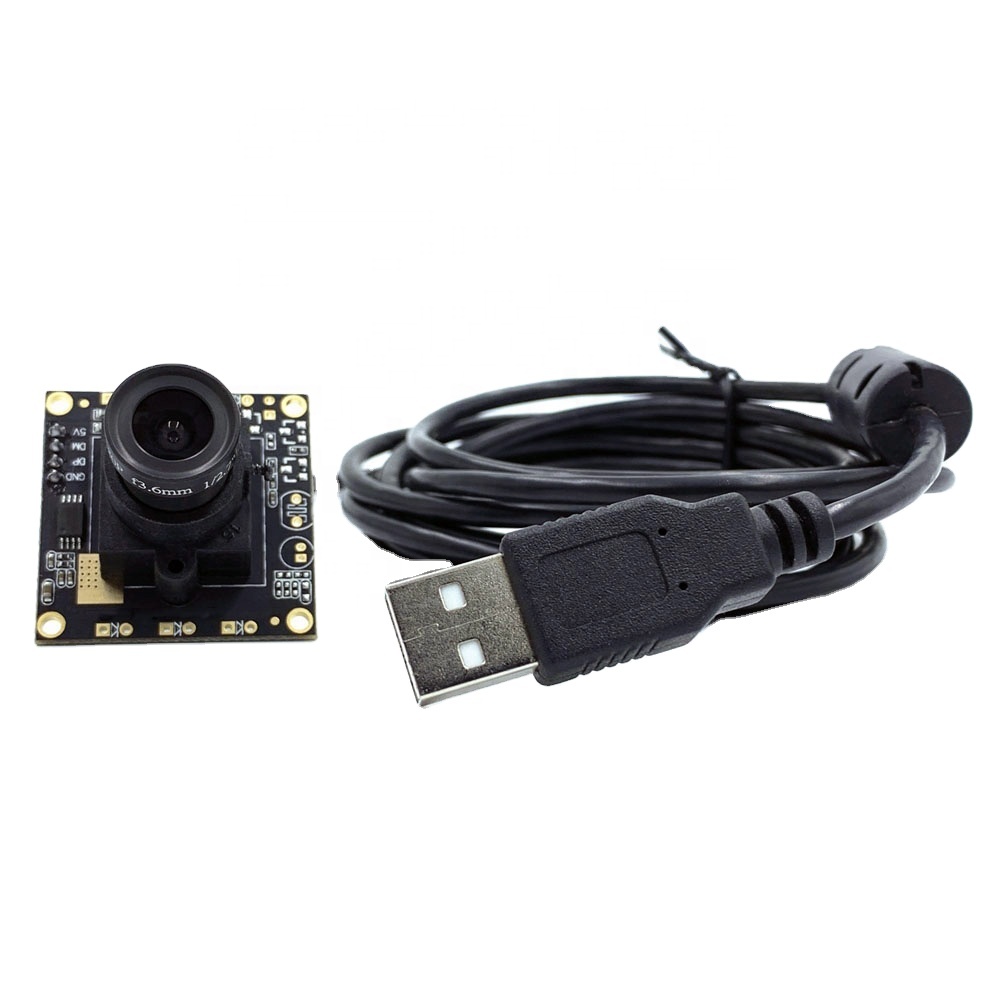
As leading China USB endoscope camera manufacturers, engineering teams prioritize signal integrity, thermal dissipation, driverless UVC protocol compatibility, and optical distortion mitigation. Below are eight shortlisted flagship camera modules deployed worldwide across medical endoscopy, automated teller machines (ATMs), industrial non-destructive testing (NDT), and machine vision platforms.
The Technological Evolution of China's USB & Endoscope Camera Industry
Over the past decade, China has solidified its position as the world's primary manufacturing hub for specialized optical imaging modules and miniaturized endoscopes. Driven by rapid advancements in CMOS image sensor (CIS) fabrication, Surface Mount Technology (SMT), Chip-on-Board (COB) packaging, and micro-lens grinding, premier manufacturing clusters in Shenzhen and Dongguan have transformed simple webcams into medical-grade and industrial-grade machine vision instruments.
For international system integrators, OEM hardware manufacturers, and medical device engineers, sourcing directly from top-tier Chinese optical factories offers unmatched cost-to-performance efficiency. Modern USB endoscope camera modules are no longer basic video capture cards; they represent integrated electro-optical systems combining multi-element glass optical stacks, integrated signal processors (ISP), hardware compression engines (H.264/H.265, MJPEG), and plug-and-play USB Video Class (UVC) firmware.
Sub-Millimeter Optics
Pinhole and micro-probe designs down to 2.0mm outer diameter allow insertion into narrow body cavities, pipe walls, or hidden ATM security slots without structural compromise.
High Dynamic Range (HDR)
Onsemi AR0230 and Sony STARVIS sensors deliver up to 105dB WDR, resolving high-contrast backlit conditions in outdoor kiosks and reflective metallic pipes.
Ultra High Frame Rates
Engineered high-speed PCBs capable of 330fps capture at 2.0MP resolution, allowing precise motion tracking and high-speed sorting in automation lines.
Engineering Benchmark: Sensor & Interface Comparison
When evaluating procurement options from a China USB endoscope camera manufacturer, engineering teams must evaluate sensor architecture against operational environments. Below is a real-world technical matrix designed for engineering directors and procurement officers.
| Optical Architecture | CMOS Sensor / DSP | Max Resolution & Frame Rate | Dynamic Range / Sensitivity | Primary OEM Application Field |
|---|---|---|---|---|
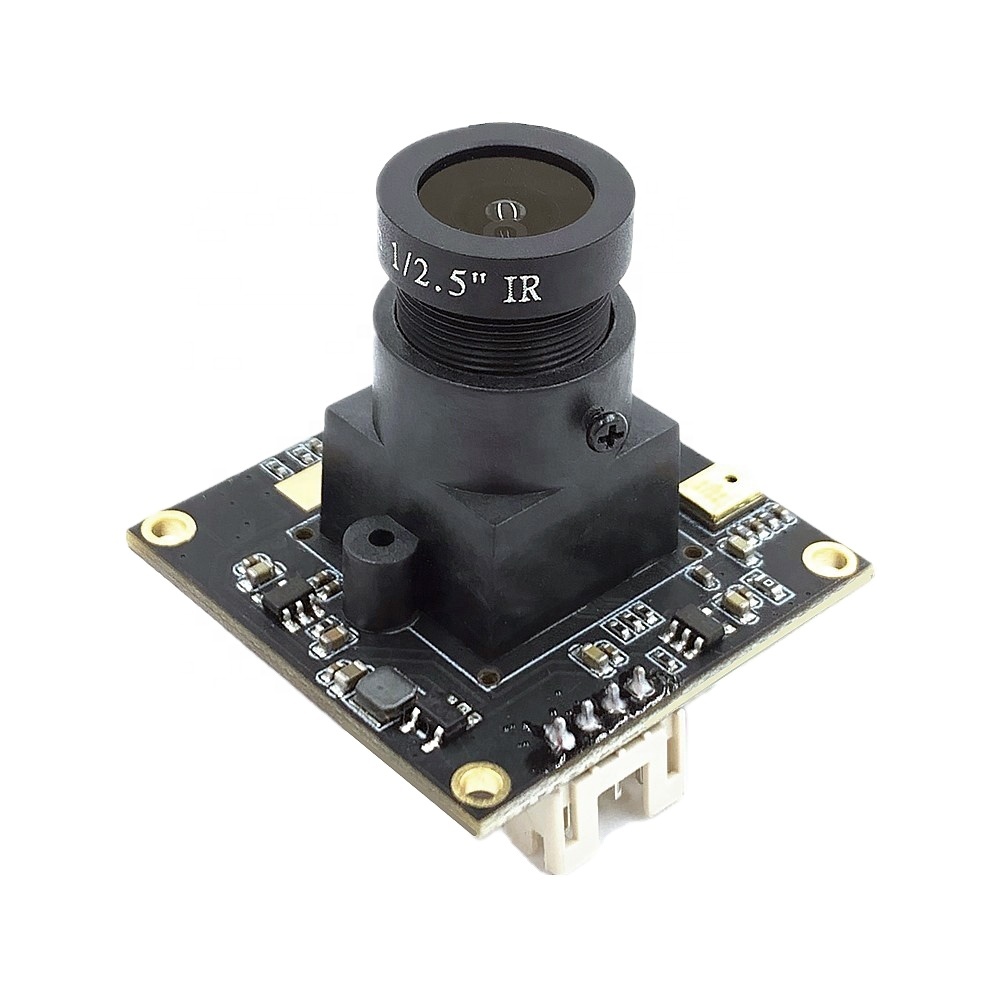
| WDR Security Module | Onsemi AR0230 / DSP | 1920×1080 @ 30fps | 105 dB WDR (Color) | ATM Kiosks, Access Control, VTMs |
| Ultra High-Speed USB | Customized High Frame Sensor | 1920×1080 @ 330fps | Standard HDR (60 dB) | High-Speed Motion Analysis, Automation |
| Micro Industrial Endoscope | 1/4" Compact CMOS (IP67) | 1280×720P @ 30fps | 0.1 Lux Low Illumination | Pipe Inspection, NDT, Engine Maintenance |
| Ultra Low-Lux Starvis | Sony STARVIS IMX291 / H.264 | 1920×1080 @ 30fps | 0.001 Lux Night Vision | Voting Systems, Exam Proctoring, Facial Recognition |
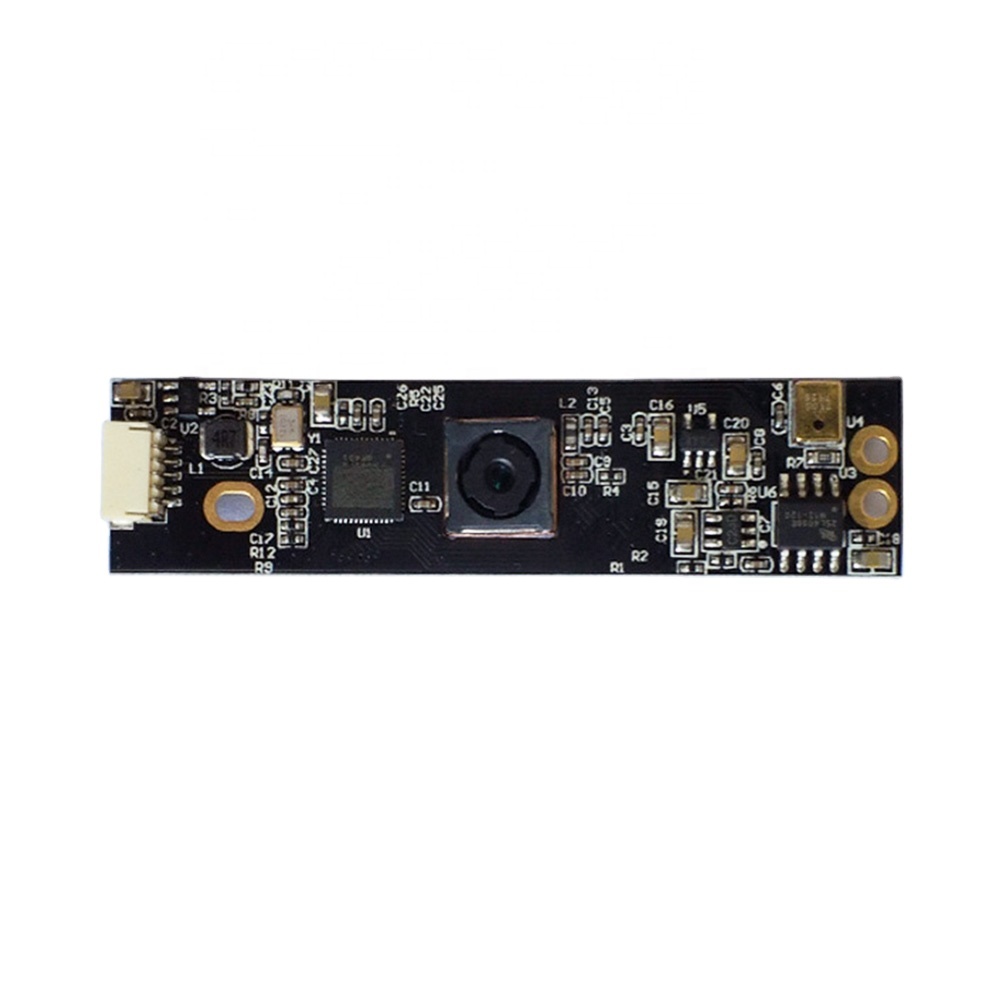
| Autofocus Micro Board | 1/3.2" 8.0MP CMOS | 3264×2448 @ 15fps | 0.1 Lux / YUY2 & MJPEG | Medical Document Scanning, OCR, Fine Inspection |
Key Sourcing & Procurement Trends (2025–2030)
Strategic procurement requires looking ahead at market trajectory and technology convergence. Procurement managers sourcing vision modules from China are navigating three critical industrial shifts:
1. Transition from Standard USB 2.0 to Type-C USB 3.2 Gen 2x2 High-Bandwidth Interfaces
While USB 2.0 UVC remains the workhorse for 1080P video streams due to its universal micro-controller compatibility, high-pixel count endoscopic probes (4K / 8MP and 16MP) require uncompressed RAW YUY2 data delivery. The shift toward Type-C USB 3.2 interfaces allows latency-free transmission of 4K 60fps feeds, critical for real-time surgical navigation and AI-assisted defect recognition.
2. On-Board Edge AI Processing & Neural Processing Units (NPUs)
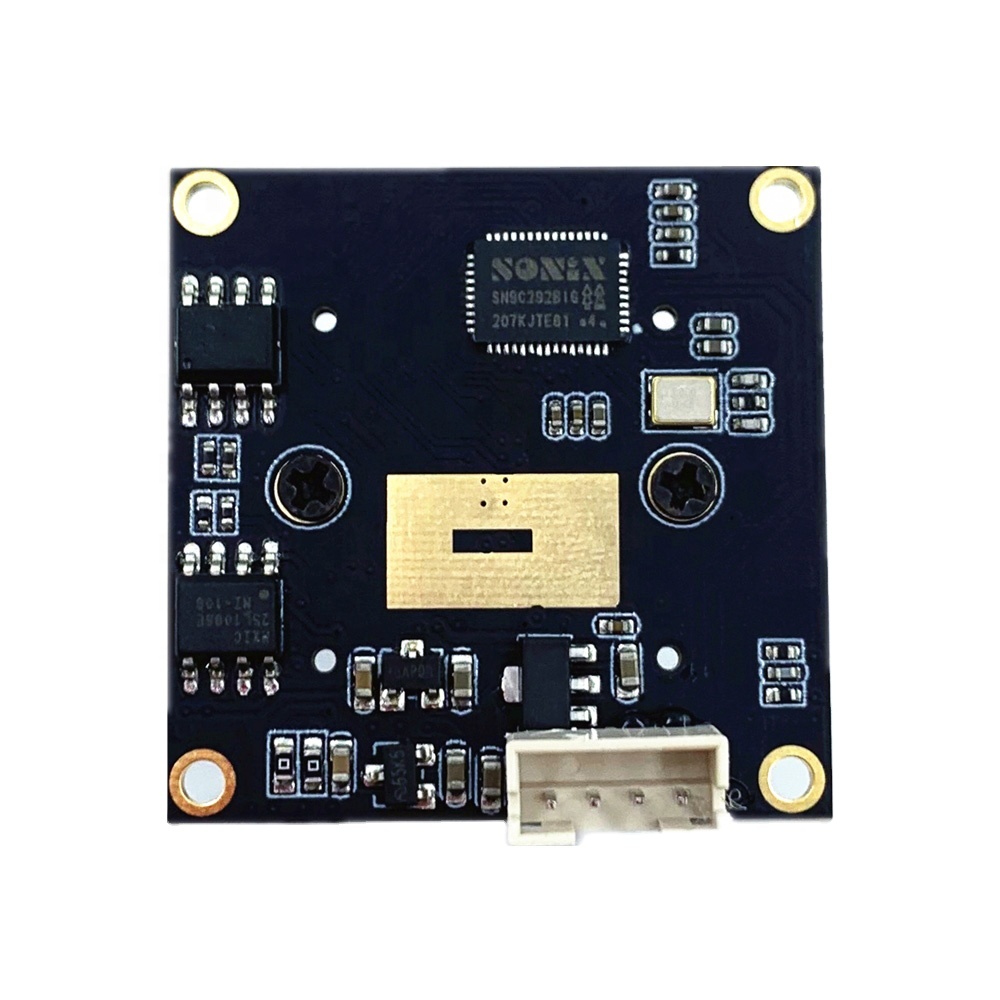
Modern USB endoscopes are integrating miniature NPUs directly onto 32x32mm or 38x38mm secondary PCB stacks. Instead of sending raw frames to a host computer, smart vision modules execute lightweight facial recognition, defect detection, or biometric liveness verification directly at the edge, dramatically reducing bandwidth requirements for host systems.
3. Hybrid Waterproofing & Sterilization Resistance (IP68 & Autoclave Readiness)
Industrial and medical buyers increasingly demand endoscope camera heads capable of enduring aggressive chemical immersion, autoclave sterilization cycles, and high-pressure fluid environments. Leading manufacturers utilize medical-grade bio-compatible epoxy encapsulation, titanium housing, and sapphire glass cover lenses.
Shenzhen Brekta Electronics Co., Ltd. operates state-of-the-art optical assembly facilities in Shenzhen and Dongguan, catering specifically to custom optical requirements from B2B integrators across the Americas, Europe, and Asia.
Custom Board Engineering
Full PCB schematic design using Protel and Allegro, tailored to custom dimensions: 15x15mm, 32x32mm, 38x38mm, or circular form factors.
Flexible Lens Tailoring
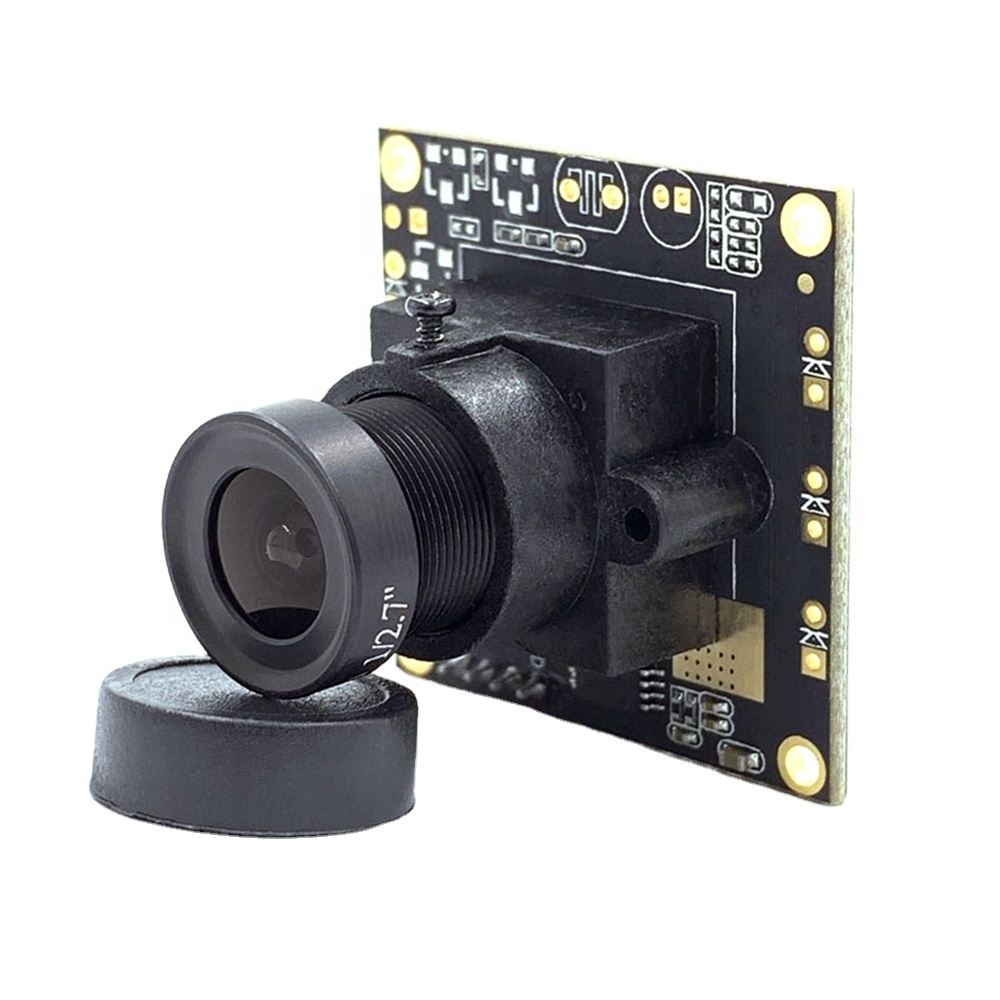
Extensive selection of M12 board lenses, C/CS mounts, wide-angle fisheye (up to 190° FOV), pinhole lenses, and motorized optical zoom stacks.
Rapid Prototyping & Low MOQ
Standard models ship within 1 to 3 working days with an evaluation MOQ starting at just 1 piece. Customized prototypes are delivered rapidly.
Full Compliance & Warranty
All camera modules carry full CE, FCC, and RoHS certifications backed by an industry-leading 24-month factory warranty.