Enterprise Engineering & Manufacturing Profile: Shenzhen Brekta Electronics
In the rapidly evolving landscape of machine vision, artificial intelligence of things (AIoT), and automated self-service infrastructure, selecting an authentic, high-precision camera module manufacturer in China is a critical decision for global procurement officers, system integrators, and engineering hardware teams. Shenzhen Brekta Electronics Co., Ltd. stands at the forefront of miniature imaging solutions, offering over 13 years of specialized expertise in designing, engineering, and mass-producing high-performance CMOS and CCD camera modules.
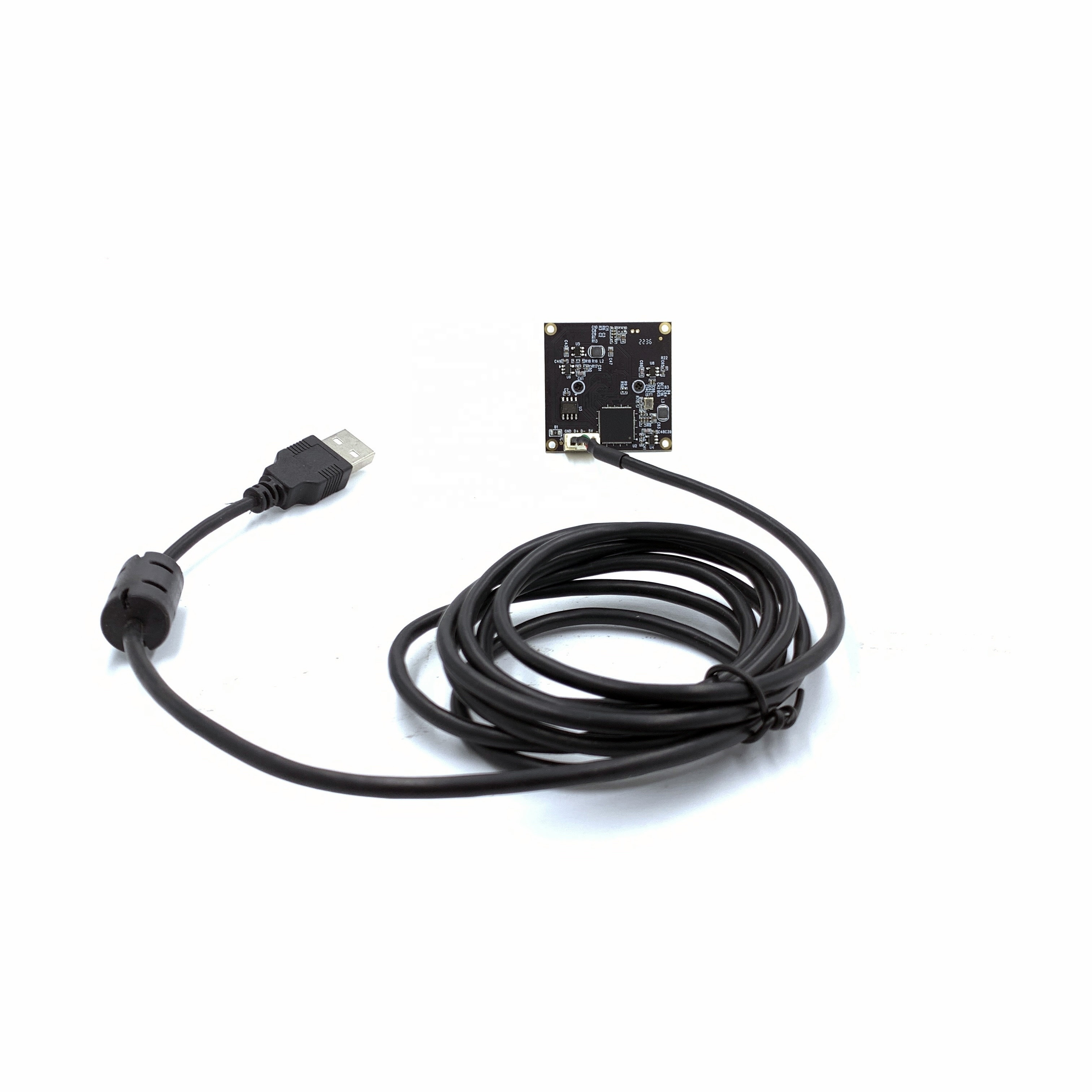
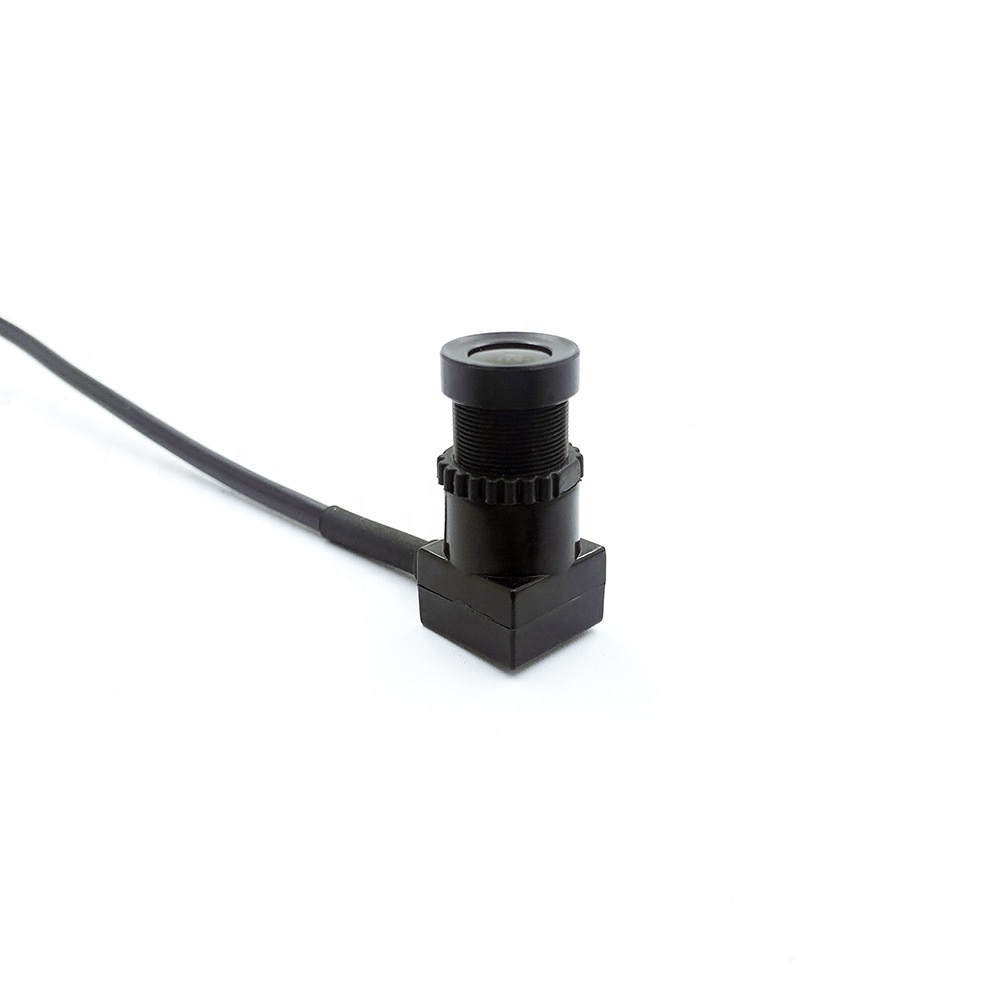
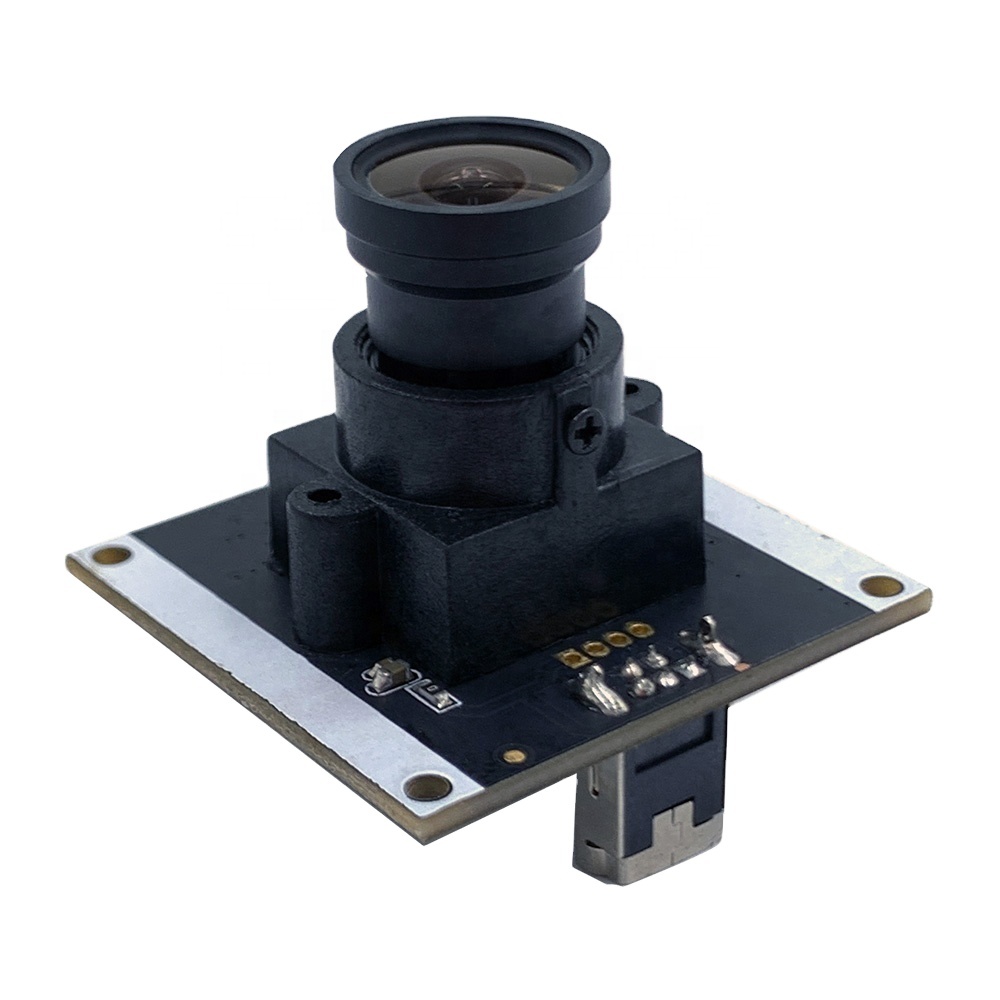
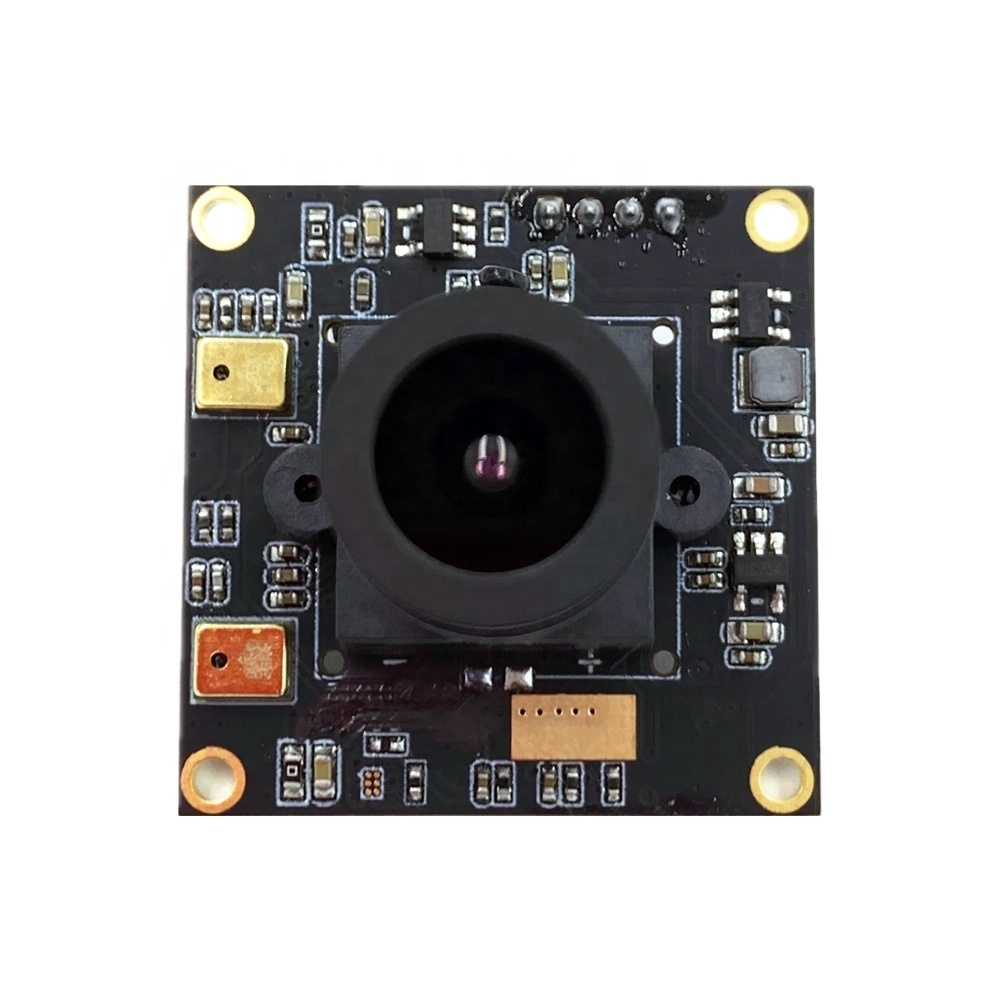
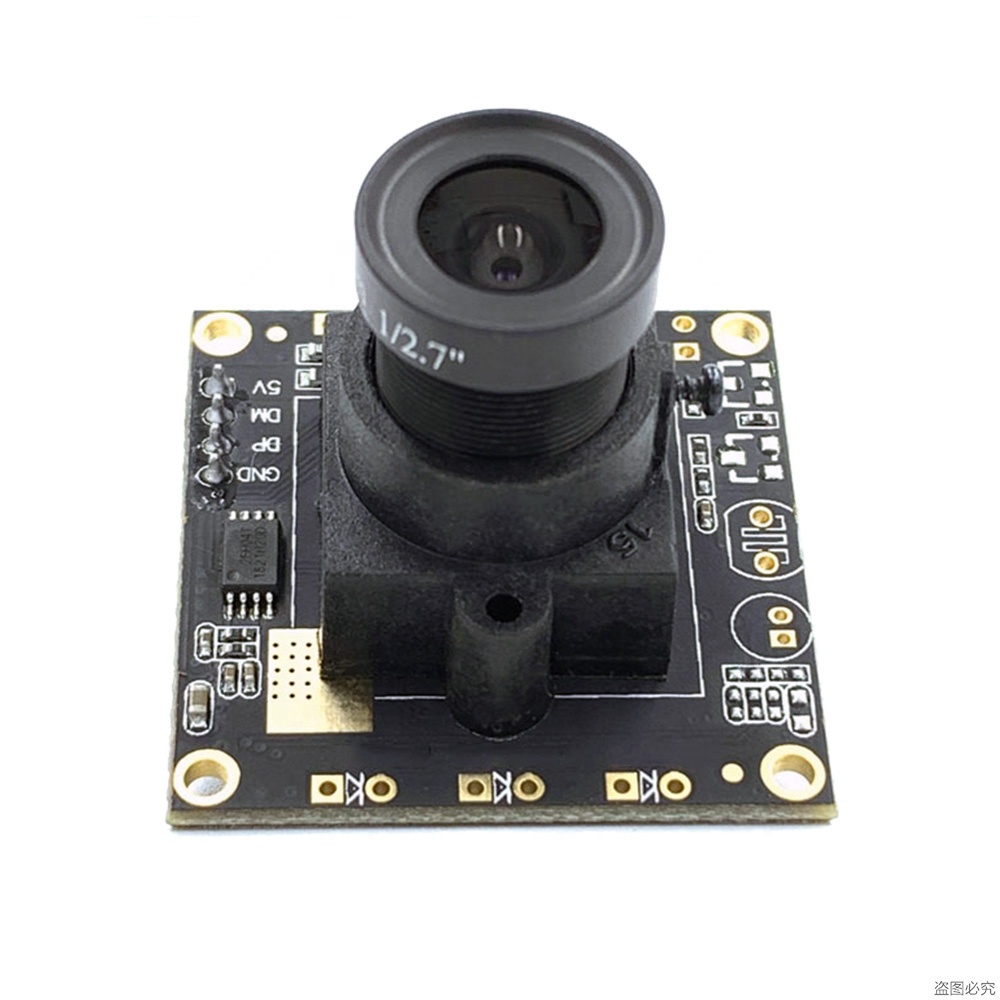
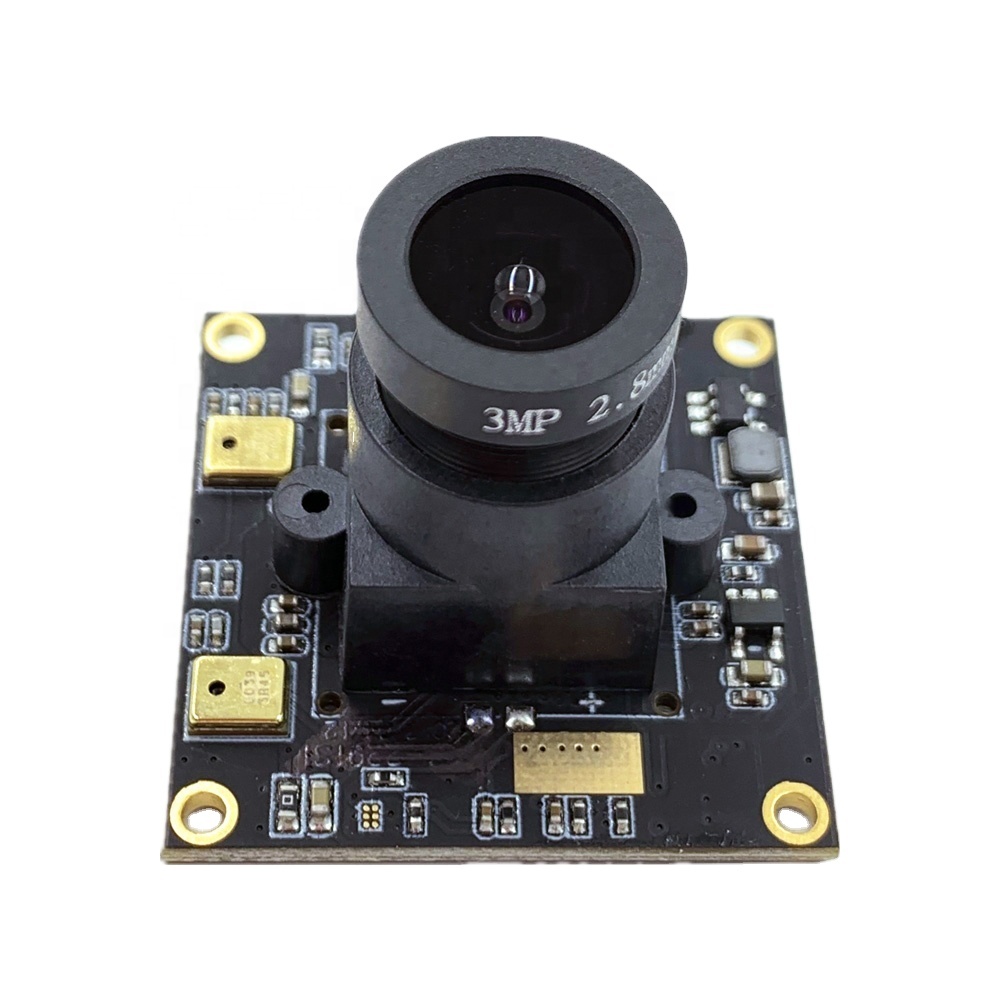
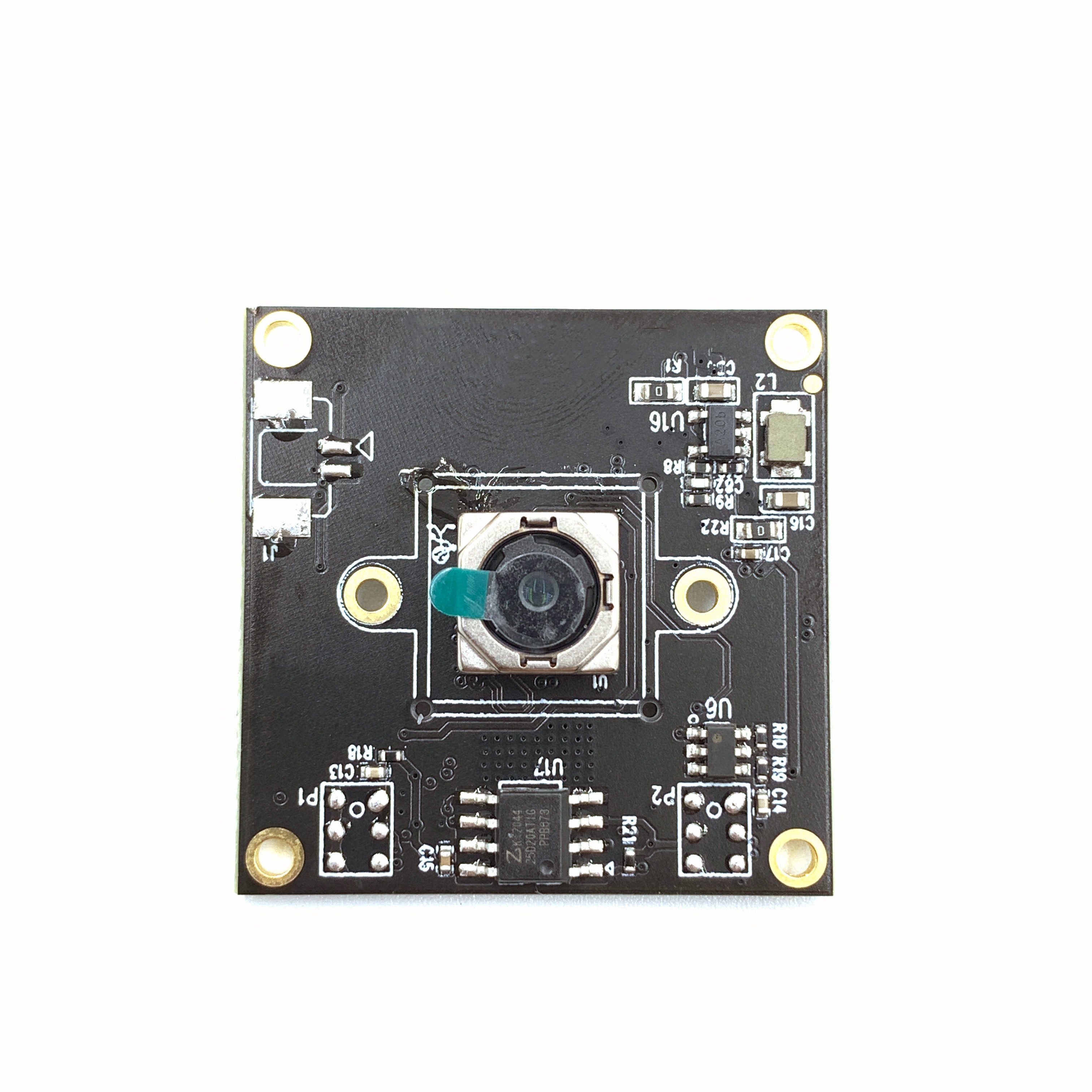
Operating state-of-the-art production hubs in Shenzhen and Dongguan, Guangdong, Brekta integrates full-lifecycle manufacturing capabilities. Our optical and electronic engineering departments utilize industry-standard software suites including Protel and Allegro to engineer custom Printed Circuit Board Assemblies (PCBs) adapted to exacting spatial dimensions, high-speed signal integrity standards, and harsh thermal parameters. From micro 15×15mm USB modules to multi-channel RTSP/ONVIF IP cameras and high-frame-rate industrial vision boards, our wholesale offerings empower clients across North America, Europe, South America, Asia, and the Middle East.
Featured Wholesale Camera Modules
High-Precision Imaging Solutions Specially Engineered for Kiosks, ATMs, Industrial Vision, and Remote Monitoring

Future Technology & Procurement Trends in Embedded Vision (2025–2030)
As wholesale importers, OEM system designers, and solution architects re-evaluate their supply chain strategies, the embedded camera module market in China is undergoing key technological shifts. Understanding these optical, electronic, and protocol trends is essential for acquiring components that remain competitive across long project lifecycles:
1. High Frame Rate (HFR) & High Dynamic Range (HDR)
Conventional 30fps vision modules fail to capture ultra-fast object motion in automated industrial sorting, high-speed document scanning, and robotic inspection. Modern procurement strategies prioritize camera boards reaching up to 330 frames per second at 1080P. Concurrently, Dual-Exposure and True WDR (up to 120dB, using sensors like Onsemi AR0230) prevent motion blur and image blowout under harsh, direct outdoor lighting or high-contrast financial kiosk enclosures.
2. Starlight Ultra-Low-Light Sensitivity (Sony Starvis)
Nighttime remote surveillance and dim indoor environments demand extreme low-lux performance without relying entirely on hot, power-hungry infrared LED arrays. Integrating Sony Starvis IMX291 and IMX335 CMOS sensors enables full-color video streaming at illumination thresholds as low as 0.001 Lux to 0.0001 Lux. This significantly reduces thermal output, extends hardware lifespan, and cuts power draw in battery-backed edge devices.
3. Form Factor Miniaturization & Flexible Optics
As self-service terminals, Smart Cabinets, and medical endoscopes shrink in size, housing constraints require micro camera boards. The market is shifting from standard 38×38mm PCBs to ultra-compact 32×32mm and 15×15mm micro-square footprints. Furthermore, multi-lens modularity—allowing interchangeable M12 board lenses, pinhole optics, 160°–180° wide-angle fisheyes, and Voice Coil Motor (VCM) autofocus mechanisms—allows a single base board to fulfill multiple system requirements.
4. Driverless UVC & Multi-Protocol Standardization
Software integration overhead is a primary cause of project delay. The shift toward USB Video Class (UVC) plug-and-play standards guarantees immediate driver-free compatibility across Windows, Linux, Android, and macOS hosts. For network-attached deployments, dual H.264/H.265 compression alongside RTSP, ONVIF, and CGI APIs ensures seamless ingestion into enterprise Video Management Systems (VMS) and NVR platforms.
B2B Hardware Engineer's Interface Selection Guide
Choosing the wrong transmission interface, sensor shutter type, or lens mount can create thermal bottlenecks, latency issues, and bandwidth constraints. Refer to our comparative matrix to match your host controller with the ideal camera module architecture:
| Interface Standard | Video Output Format | Max Cable Distance | Primary Application Scenarios | Engineering Trade-Offs & Considerations |
|---|---|---|---|---|
| USB 2.0 / USB 3.0 (UVC) | MJPEG, YUY2, H.264, Uncompressed RAW | ≤ 5 Meters (Direct passive coax) | ATMs, Self-Service Kiosks, Document Scanners, Laptops, Face ID | Plug-and-play simplicity; higher CPU decoding load for YUY2; cable extensions require active repeaters. |
| Mini IP / Network (RTSP/ONVIF) | H.264, H.265 Main Profile, MJPEG | ≤ 100 Meters (CAT5e/6 with optional PoE) | Remote Monitoring, Perimeter Security, Smart City Fleet Kiosks | Long-distance network streaming; 100-200ms latency overhead; requires static IP or DHCP provisioning. |
| AHD / TVI / CVI (4-in-1 Analog HD) | Uncompressed Analog HD Video Signals | ≤ 500 Meters (75-3 Coaxial Cable) | Legacy Security Upgrades, Automotive Displays, DVR Systems | Zero transmission latency; immune to IP network dropouts; requires dedicated DVR or encoder capture card. |
| HD-SDI / Ex-SDI | Uncompressed Broadcast-Grade Digital Signal | ≤ 100 Meters (RG6 Coax) | Medical Endoscopy, Live Broadcast, High-End Inspection | Pure uncompressed crystal video; zero latency; higher hardware component costs and rigorous shielding requirements. |
| WiFi / Wireless (Tuya / iCSee) | Cloud App Stream, Local TF Recording | Wireless RF Coverage (2.4G / 5GHz) | Smart Home Door Eyes, Peepholes, Private-Label Security Lines | Rapid installation without cabling; vulnerable to wireless channel interference and battery/power management limits. |
Strict Quality Control & Manufacturing Excellence
As a verified manufacturer, Shenzhen Brekta Electronics enforces rigorous quality assurance standard operating procedures (SOPs) throughout every phase of production. We understand that field failures in automated bank ATMs or industrial assembly lines lead to severe downtime costs for global buyers.
1. Raw Material IQC & SMT Assembly
Every sensor batch from Sony, Onsemi, OmniVision, and SmartSens undergoes Incoming Quality Control (IQC). High-speed Surface Mount Technology (SMT) lines assemble multi-layer PCBs under dust-free cleanroom conditions, eliminating solder bridges and parasitic inductance.
2. Optical Alignment & Burn-In Testing
Lens focus, back focal length (BFL), and optical axis alignment are individually calibrated using collimators and resolution test charts. Assembled camera modules complete a 24-hour thermal burn-in stress cycle to guarantee long-term system stability before final packaging.
All manufactured camera models carry full international compliance certifications, including CE, FCC, and RoHS, ensuring smooth customs processing and hassle-free retail distribution in regulated European and American markets. Furthermore, our products come backed by an industry-leading 24-month manufacturer warranty alongside lifetime technical engineering support.
Frequently Asked Procurement Questions (FAQ)
Direct Answers to Common Purchasing, Technical Integration, and Logistics Queries
What is the Minimum Order Quantity (MOQ) for wholesale and OEM orders?
Can Brekta customize board dimensions, lenses, cables, and firmware parameters?
Are your USB camera modules truly driver-free across operating systems?
What are the typical lead times for sample dispatch and bulk production?
How does Brekta ensure product consistency between approved samples and bulk orders?
What warranty and after-sales support policies are provided?
Ready to Request Custom Samples or Wholesale Quotations?
Partner with China's leading miniature camera module manufacturer. Contact our optical engineering and technical sales team today for fast project assessments, custom drawings, and competitive wholesale pricing.