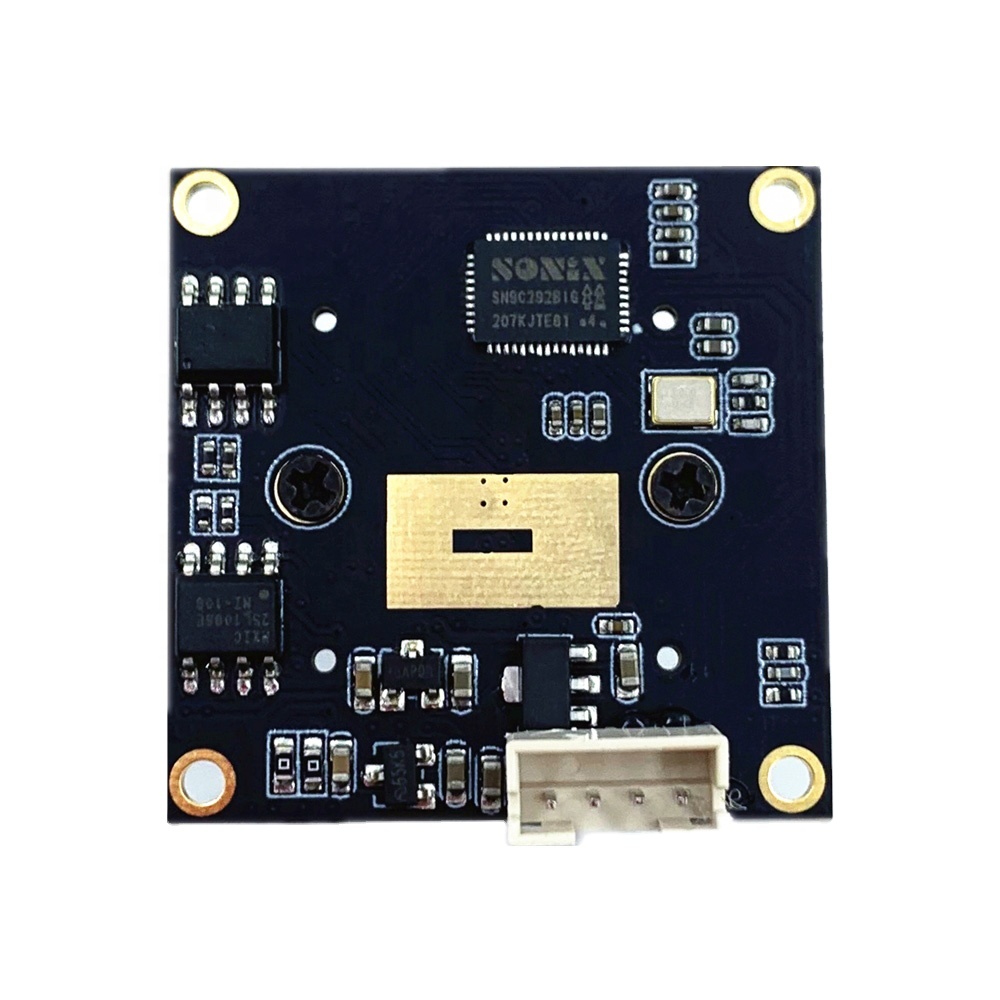
Featured USB Security Camera Modules
Explore high-performance embedded USB camera modules engineered for industrial automation, kiosk systems, video walls, access control, and low-light vision solutions.
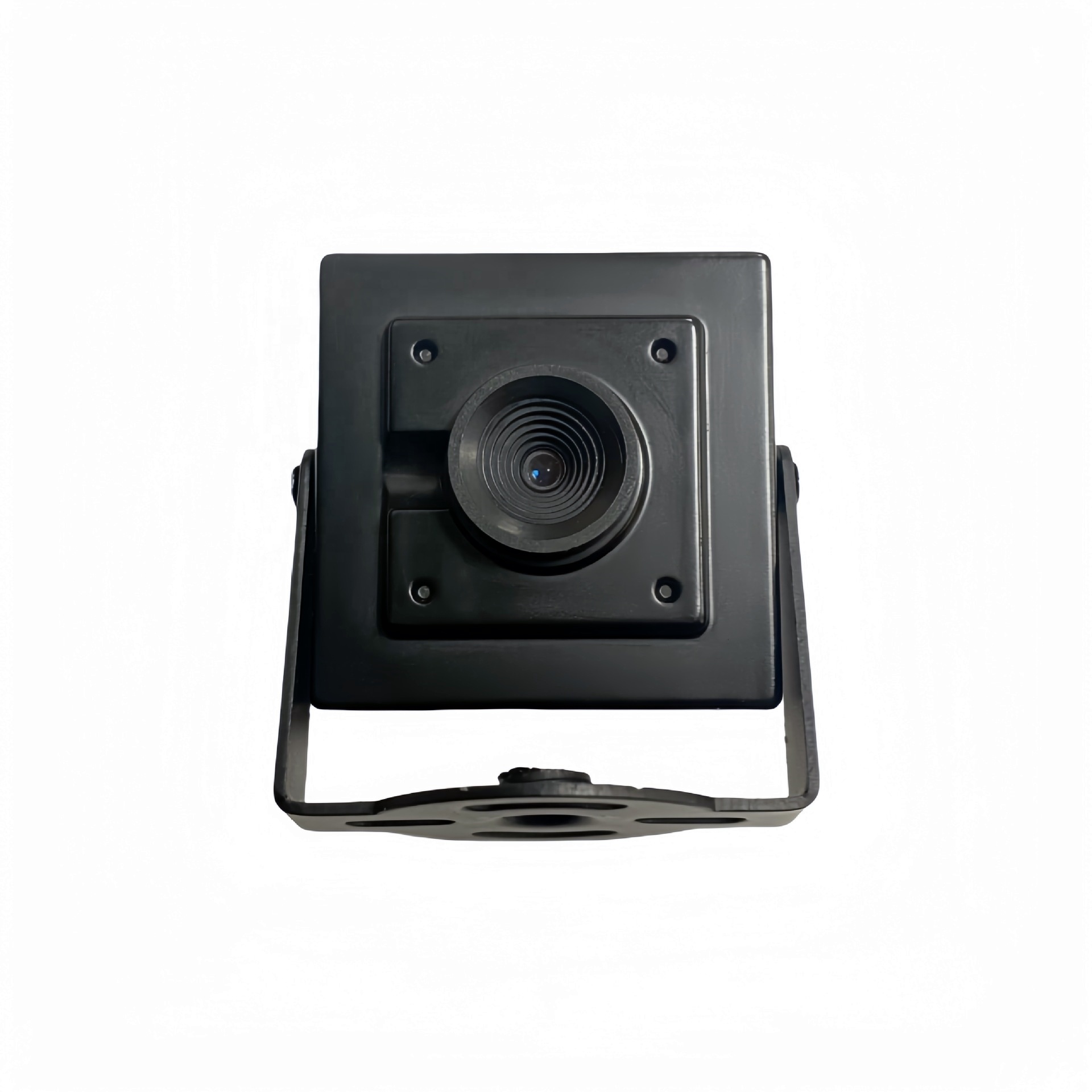
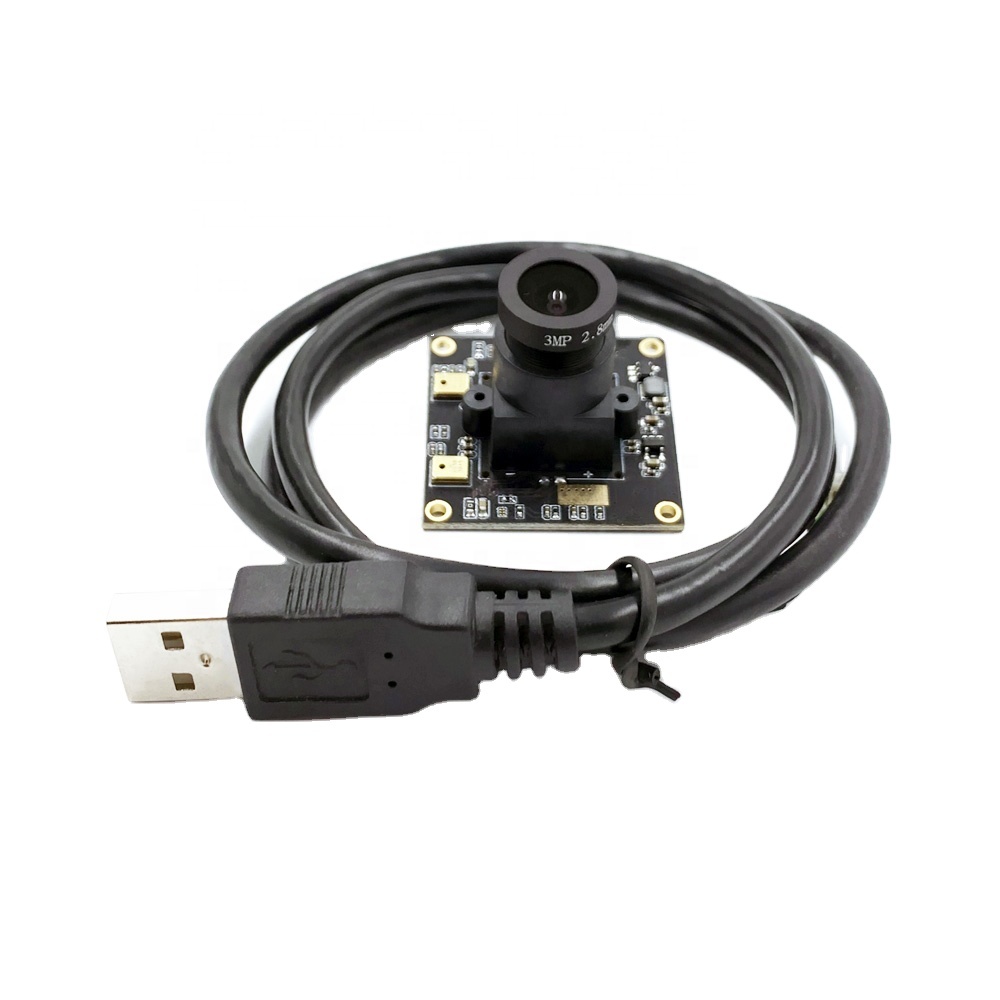


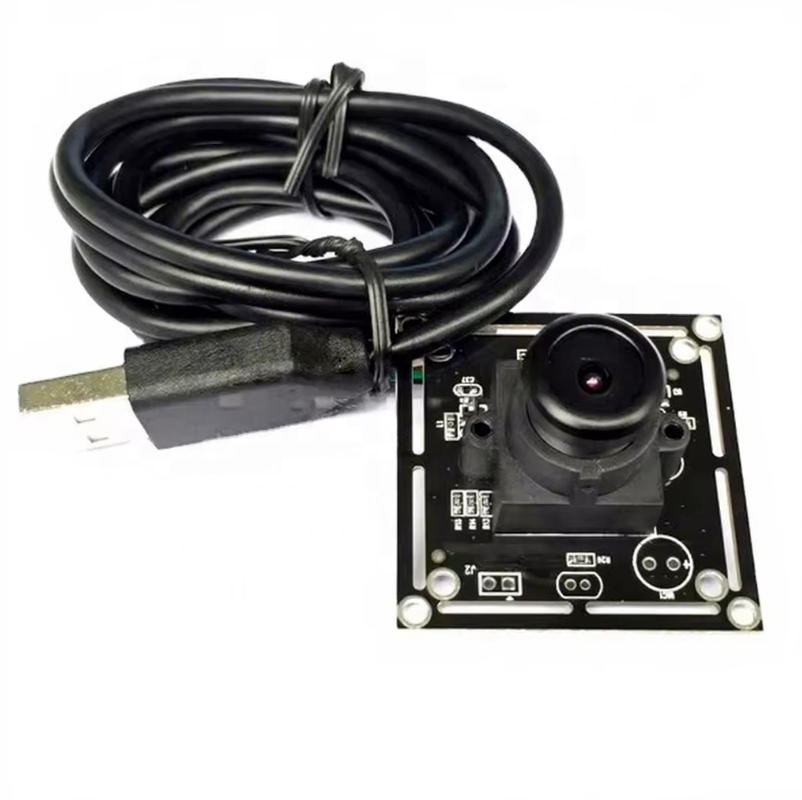
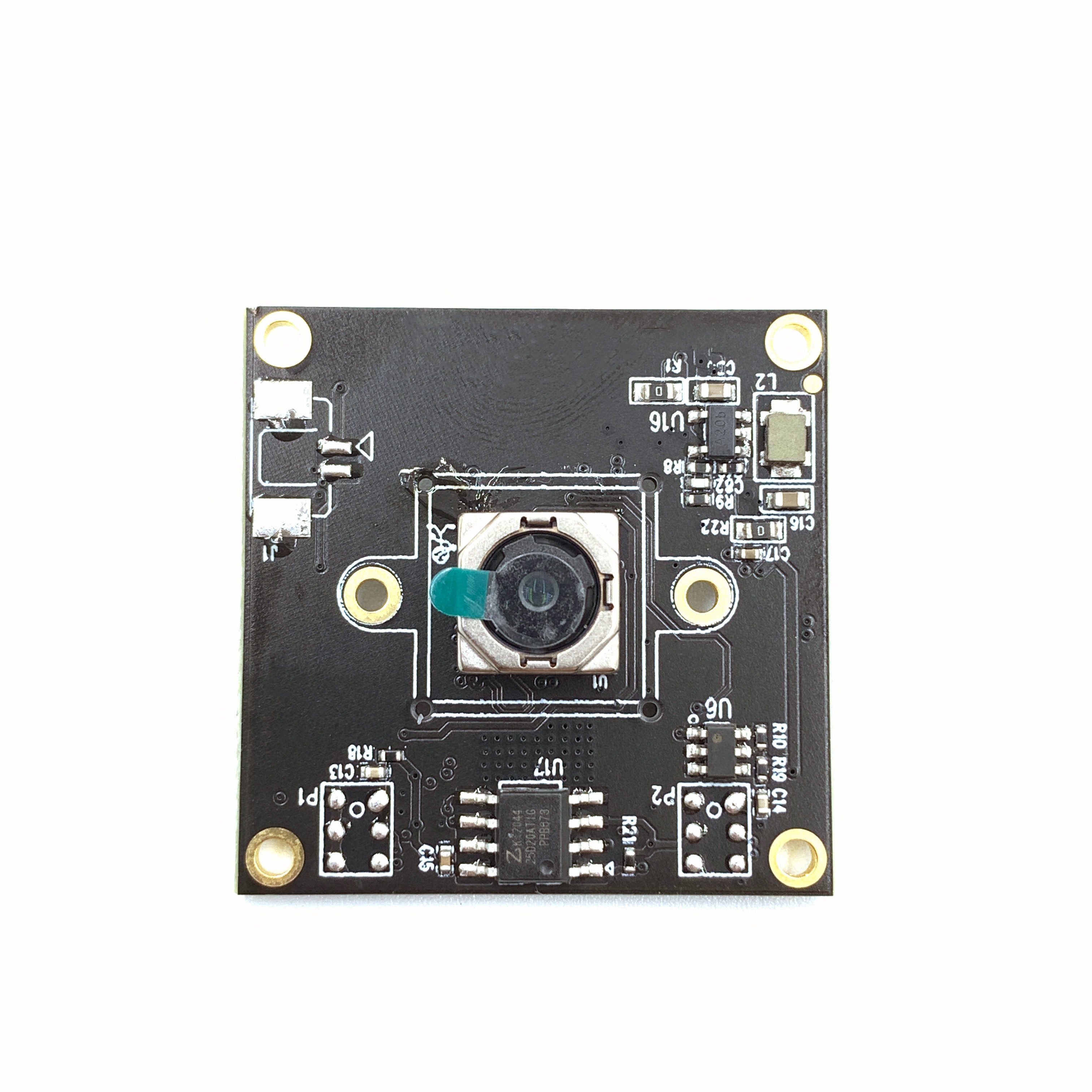
Executive Whitepaper: Sourcing B2B USB Security Cameras & Embedded Modules from China
In the rapidly evolving ecosystem of smart automation, security surveillance, intelligent self-service kiosks, and artificial intelligence at the edge (Edge AI), embedded vision hardware has shifted from standard standalone security cameras to modular, highly integrated USB camera modules. As a premier China Wholesale USB Security Camera Supplier and Manufacturer, Shenzhen Brekta Electronics Co., Ltd. delivers engineered imaging solutions tailored to global OEMs, system integrators, and industrial machine builders.
Unlike consumer-grade webcams or traditional CCTV security cameras operating over analog coax or standalone NVR networks, industrial USB security camera modules rely on the UVC (USB Video Class) standard. This architecture enables plug-and-play cross-platform driverless connectivity across Windows, Linux, Android, macOS, and embedded ROS (Robot Operating System) environments. Whether integrating facial recognition for financial ATMs, high-speed document verification in AI self-checkouts, or ultra-low-light surveillance in ambient-lit entryways, selecting the proper USB camera module requires deep technical comprehension of optical sensor dynamics, signal processors, hardware encoding, dynamic range, and mechanical design limitations.
Technical Focus: Information gain in modern USB security camera procurement relies on evaluating total system cost—including DSP encoding latency, MTBF under thermal stress, optical lens distortion tolerances, and long-term component availability guarantee (5+ year lifecycle commitment).
Custom PCB Engineering
Engineered PCB layout capabilities using Protel and Allegro. Tailored dimensions ranging from ultra-compact 15x15mm micro-boards to standard 32x32mm, 38x38mm, and 50x50mm industrial form factors.
Sony Starvis Low-Lux Imaging
Integration of Sony Starvis & Starvis 2 back-illuminated CMOS sensors (such as IMX291, IMX307, IMX335) delivering full-color night vision down to 0.001 Lux and 0.0001 Lux ultra-low illumination.
Multi-Format DSP Encoding
On-board ISP hardware processing supporting raw YUY2 for machine vision, MJPEG high-frame capture, and H.264/H.265 compressed video streams to eliminate CPU processing overhead on host terminals.
Optical Precision & WDR
Custom lens integration including non-distortion optical glass, fisheye ultra-wide FOV up to 180°, and True Hardware WDR (up to 120dB) for high-contrast backlit environment management.
Technical Architecture Comparison: USB Camera Modules vs. Alternative Systems
When selecting embedded visual hardware for commercial deployment, engineers must evaluate bandwidth requirements, system architecture complexity, latency, and environmental adaptation. The table below outlines key technical differentiators between industrial USB UVC camera modules, traditional IP Network Cameras, and Analog HD (AHD) coaxial systems.
| Technical Parameter | Embedded USB Camera Module (UVC) | IP Network Camera Module (RTSP/ONVIF) | Analog HD Camera (AHD/TVI/CVI) |
|---|---|---|---|
| Host Bus Interface | USB 2.0 / USB 3.0 High-Speed Bus | RJ45 Ethernet (10/100 Mbps, PoE) | BNC / Coaxial Copper Cable |
| Driver Requirements | Driverless (Standard UVC Class Protocol) | Network Stack / IP Setup / RTSP Client | Capture Card / Standalone DVR Required |
| Video Compression | YUY2 (Uncompressed), MJPEG, H.264, H.265 | H.264, H.265, H.265+ High Efficiency | Uncompressed Analog Composite Signal |
| Latency Performance | Ultra-low (<30ms in YUY2 / MJPEG mode) | Moderate (150ms - 300ms network buffer) | Zero Real-time Latency (<10ms) |
| Host Processing Load | Zero CPU load when using H.264 DSP on-board | Low (Decoded via stream player) | High (Requires local digitizer hardware) |
| Typical Deployment | ATMs, Self-Checkouts, Video Walls, Kiosks | Perimeter CCTV, Building IP Surveillance | Legacy Retrofits, Vehicle Fleet Monitoring |
Understanding UVC Compression Protocols: YUY2 vs. MJPEG vs. H.264
Selecting the optimal output protocol on a USB security camera module directly dictates system latency, image clarity, and host computer CPU consumption:
- YUY2 (Uncompressed Raw Video): Transmits uncompressed pixel data over the USB bus. It provides maximum image fidelity without compression artifacts, ideal for computer vision algorithms (OpenCV, YOLO, facial landmark recognition). However, due to USB 2.0 bandwidth caps (480Mbps), YUY2 is restricted to lower frame rates at high resolutions (e.g., 1080p @ 5fps).
- MJPEG (Motion JPEG): Compresses each individual frame as a discrete JPEG image. MJPEG dramatically reduces bandwidth consumption, permitting 1080P at 30fps or 4K UHD at 30fps over standard USB 2.0 cables with minimal compression latency (<15ms).
- H.264 / H.265 (AVC / HEVC Hardware Encoding): Integrated directly into high-tier USB camera module DSPs (such as Sonix, Grain Media, or Ambarella chips), on-board AVC encoding compresses video into inter-frame streams. This allows ultra-high-definition multi-camera streams to transmit over a single USB hub while maintaining minimal host memory footprint.
Industry Trends: The Evolution of USB Security Camera Modules
The market for USB security cameras and embedded vision modules in 2025 and beyond is undergoing profound structural shifts driven by advancements in semiconductor manufacturing, edge computing, and artificial intelligence.
1. Convergence of Edge AI & NPU Integration
Future USB camera modules are transitioning from passive image capture devices into intelligent sensor nodes. By embedding low-power Neural Processing Units (NPUs) directly onto the module PCB, cameras perform liveness detection, face matching, and object classification on-board before transmitting metadata via UVC interface.
2. Starvis 2 & Blacklight Low-Lux Dominance
Back-illuminated CMOS technology continues to reduce minimum illumination thresholds. Modern 2.0MP and 4K USB camera modules utilize Sony Starvis 2 sensors with enlarged pixel pitch (e.g., 2.9µm to 3.75µm pixels), achieving vivid full-color video capture at 0.0001 Lux without requiring power-hungry IR illuminators.
3. Zero-Distortion Optical Precision
Traditional wide-angle lenses introduce barrel distortion, forcing software applications to execute GPU-intensive dewarping scripts. Modern industrial procurement favors customized non-distortion optical assemblies (distortion <0.5%), critical for automated barcode scanning, document imaging, and video wall alignment.
B2B Procurement Blueprint: Sourcing from China Wholesalers & Manufacturers
Procuring USB security camera modules at wholesale scale requires strict vendor evaluation parameters to mitigate engineering risks, quality variations, and supply chain bottlenecks. Global sourcing managers should implement the following engineering check-list during vendor audit and sample validation:
1. Optical & Sensor Specification Alignment
Ensure the supplier provides comprehensive datasheets specifying the exact CMOS sensor manufacturer (e.g., Sony, OmniVision, SmartSens, GalaxyCore) rather than generic labels. Validate whether dynamic range capability is Digital WDR (Software) or True Hardware Multi-Exposure WDR (100dB–120dB). True WDR is mandatory for devices facing outdoor daylight or brightly lit glass lobbies.
2. Thermal Dissipation & PCB Substrate Quality
High-resolution 4K UHD and H.264 encoding DSP chips generate substantial heat during continuous 24/7 operation. Professional OEM manufacturers employ 4-layer or 6-layer FR4 PCBs with dedicated copper thermal vias and optional aluminum heatsinks. Poor thermal management leads to sensor noise amplification, frame dropping, and premature component degradation.
3. Modular Cable Customization & Pinout Standards
Industrial integration demands flexible wiring harnesses. Ensure your supplier supports custom cable lengths (e.g., 1m, 2m, 3m, 5m), connector options (JST 1.25mm, JST 2.0mm, Molex, USB Type-A, Type-C, or micro-USB), and specialized shielding against electromagnetic interference (EMI) generated by nearby motors or high-voltage power supplies in kiosks.
Supply Chain Security Note: Reliable China wholesalers maintain strategic inventory reserves for raw CMOS wafers and DSP ICs, providing customer protection against semiconductor market volatility and ensuring consistent batch-to-batch color reproduction and optical focus setting.
Industrial Application Matrix for USB Security Camera Modules
Brekta Electronics engineers modular camera solutions optimized for diverse deployment environments. The matrix below illustrates typical application scenarios matched with recommended camera configurations:
ATM / VTM / Financial Self-Service Kiosks
Challenges: Space-constrained housings, backlighting from glass windows, variable lighting across day/night operating cycles.
Recommended Spec: 2.0MP 32x32mm Starvis 0.001Lux Low-Lux USB Module, True WDR, 160° Wide Angle or 4mm Non-Distortion Lens, H.264/MJPEG Dual Stream.
AI Self-Checkout & Retail Smart Cabinets
Challenges: High-speed item identification, OCR document parsing, wide color accuracy under fluorescent store lighting.
Recommended Spec: 4K UHD 12MP/13MP High Speed Auto-Focus USB Camera Module, 1/3.06" CMOS, YUY2/MJPEG support, Distortionless Lens, anti-fog coating.
Video Wall & Biometric Access Control
Challenges: High facial matching accuracy, zero geometric distortion, seamless stitching across multiple video streams.
Recommended Spec: 2.0MP 1080P Starvis WDR USB Camera Module with 3.24mm or 4mm distortionless lens, UVC compliant, calibrated color profile.
Smart Doorbells & Building Intercoms
Challenges: Vandal resistance, low power draw, instant wake-up image output, wide field-of-view for visitor verification.
Recommended Spec: Compact 32x32mm 1080P H.264 Rolling Shutter Starvis USB Camera Module, integrated IR-cut filter, wide-angle lens.
B2B Sourcing Help
Frequently Asked Questions (FAQ)
Clear technical answers to common questions asked by global procurement managers, system integrators, and design engineers.
What is the advantage of using UVC driver-free USB camera modules over traditional webcams?
UVC (USB Video Class) camera modules adhere to universal USB implementer forum protocols, enabling direct kernel-level recognition across Linux, Android, Windows, and macOS without installing proprietary third-party drivers. Unlike consumer webcams designed for desktop monitors, industrial USB camera modules feature modular board layouts (15x15mm, 32x32mm, 38x38mm), customizable optical M12/CS lenses, industrial-grade operating temperatures (-20°C to +70°C), and extended product lifecycles required for industrial machinery.
Can Brekta customize board dimensions, optical lenses, and cable connectors?
Yes. As a direct China manufacturer with in-house hardware engineering, we offer full OEM/ODM design services. We utilize Protel and Allegro PCB design software to customize board dimensions, implement custom mounting hole locations, adjust lens focal lengths (ranging from 1.7mm fisheye to 16mm telephoto or C/CS varifocal), integrate hardware IR-cut filters, add microphones, and customize USB harness connectors (JST, Molex, Type-C, right-angle connectors).
What is the Minimum Order Quantity (MOQ) for wholesale orders and engineering evaluation samples?
We support engineering evaluation and initial prototyping by offering a low MOQ starting from 1 piece for standard stock models. For fully customized OEM/ODM projects involving custom PCB layouts or specialized lens tooling, MOQ requirements typically range from 100 to 500 pieces, depending on component sourcing specifications.
How does Sony Starvis technology achieve 0.001 Lux low-light performance?
Sony Starvis and Starvis 2 sensors utilize back-illuminated (BSI) CMOS pixel structures that position the optical light-receiving surface above the wiring layer. This maximizes light collection efficiency per pixel. Combined with high sensitivity in both visible light and near-infrared (NIR) spectrums, advanced internal ISP noise reduction algorithms, and wide apertures (F1.2 - F1.6), our camera modules capture vivid color video under extreme low-light ambient conditions down to 0.001 Lux without supplementary lighting.
What compression format should I choose for multi-camera kiosk installations?
For multi-camera installations connected to a single host computer or USB hub, we strongly recommend selecting camera modules with built-in hardware H.264 or H.265 video encoding. H.264 reduces signal bandwidth usage by up to 80% compared to MJPEG and up to 95% compared to YUY2, preventing USB bus bandwidth saturation and minimizing host CPU decoding load.
What quality control and certification standards are applied to Brekta camera modules?
All Brekta camera modules undergo a 100% multi-stage quality control process, including incoming SMT component inspection, automated optical focus calibration, high-temperature burn-in testing, and individual video output verification. Our products carry CE, FCC, and RoHS certifications, ensuring compliance with international market standards and smooth customs clearance. Every product is backed by a 24-month manufacturer warranty.
What is the standard lead time for sample delivery and bulk OEM orders?
Standard catalog evaluation samples are dispatched within 1 to 3 working days. Custom sample builds (with specific lens tuning or wire harnesses) ship within 7 to 10 working days. Mass production lead times for wholesale orders typically range between 2 to 3 weeks, supported by our flexible production capacity in Shenzhen and Dongguan.
Partner with a Leading China USB Security Camera Manufacturer
Need custom PCB design, specialized optical lenses, low-lux Starvis sensors, or wholesale B2B volume quotes? Contact our engineering and sales support team today for technical advice and rapid sample delivery.