Featured OEM Analog & USB/IP Micro Camera Modules
Precision-engineered imaging hardware optimized for ATMs, self-service kiosks, medical endoscopes, and high-reliability industrial automation systems.
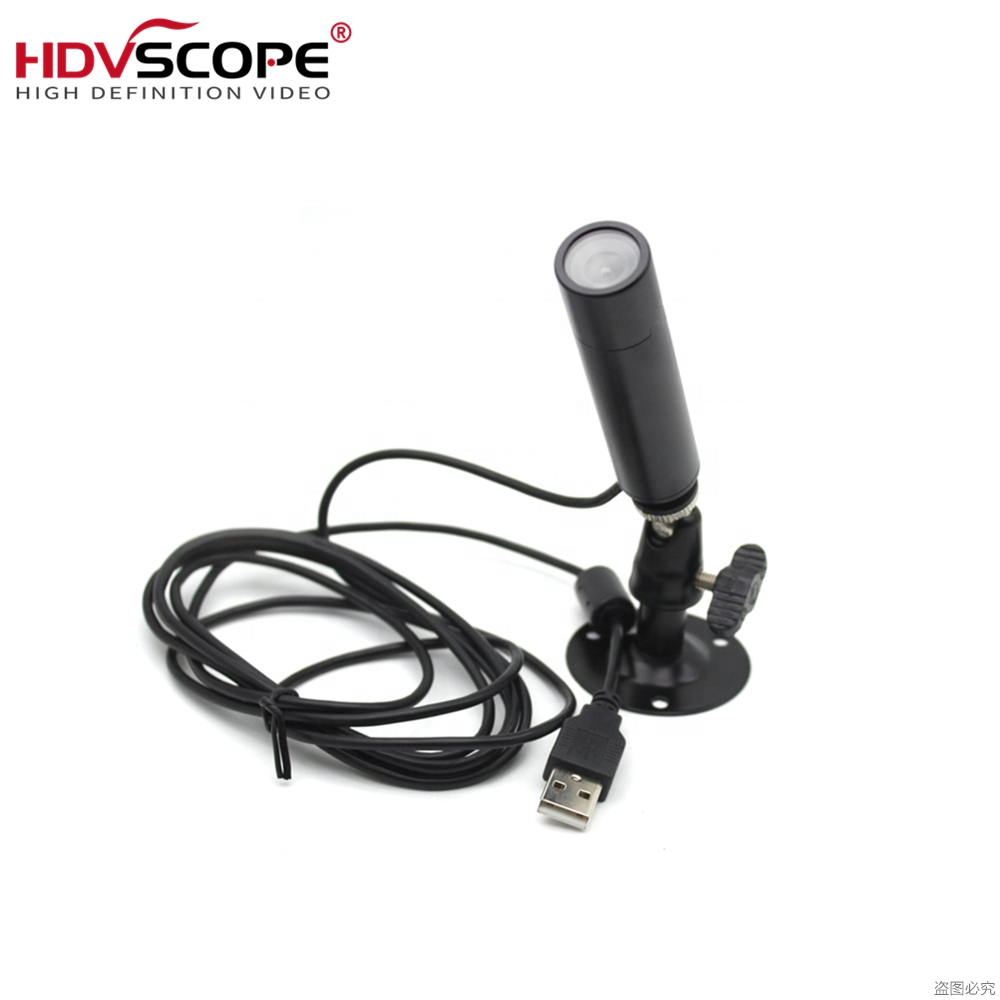
2MP 1/2.7" CMOS USB Camera 2.8mm Board Lens Waterproof IP67 Mini Bullet 1080P
View Product Details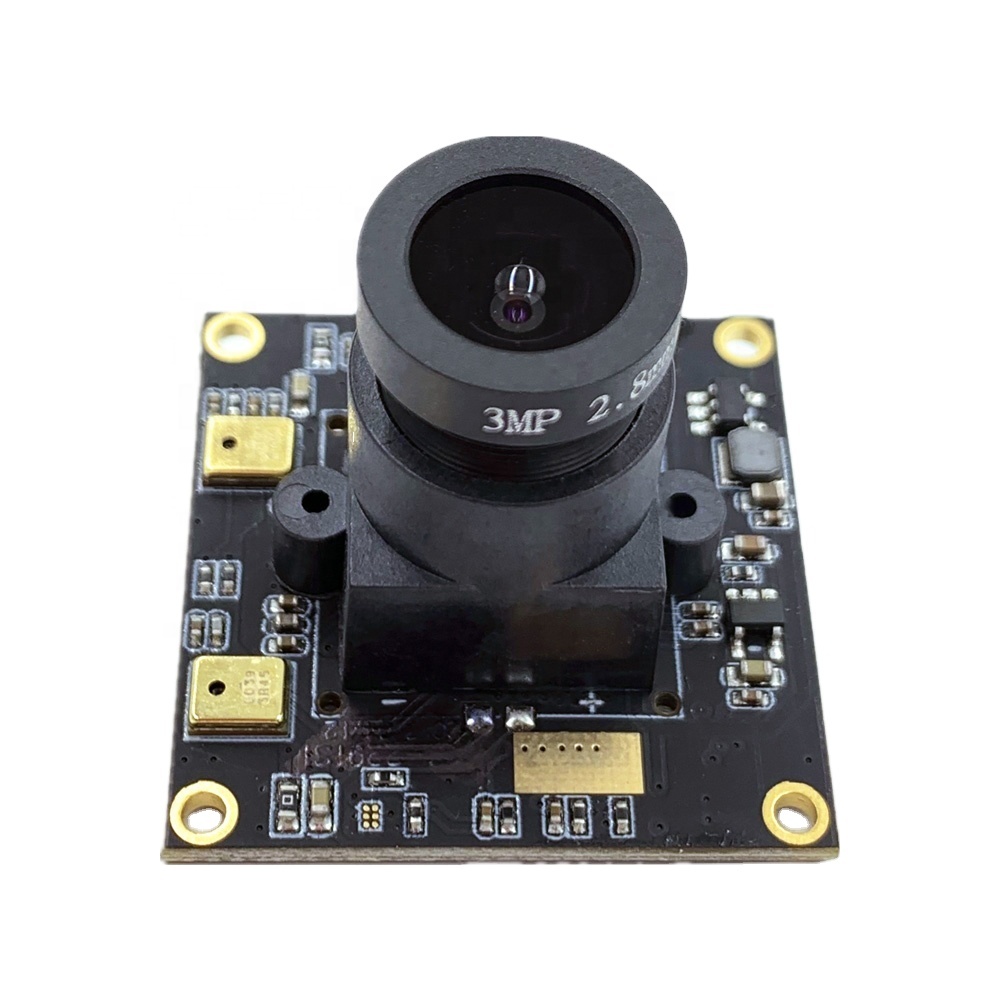
60° 0.001Lux H.264 Rolling Shutter Starvis & WDR 2.0MP 32*32mm Color USB Camera Board
View Product Details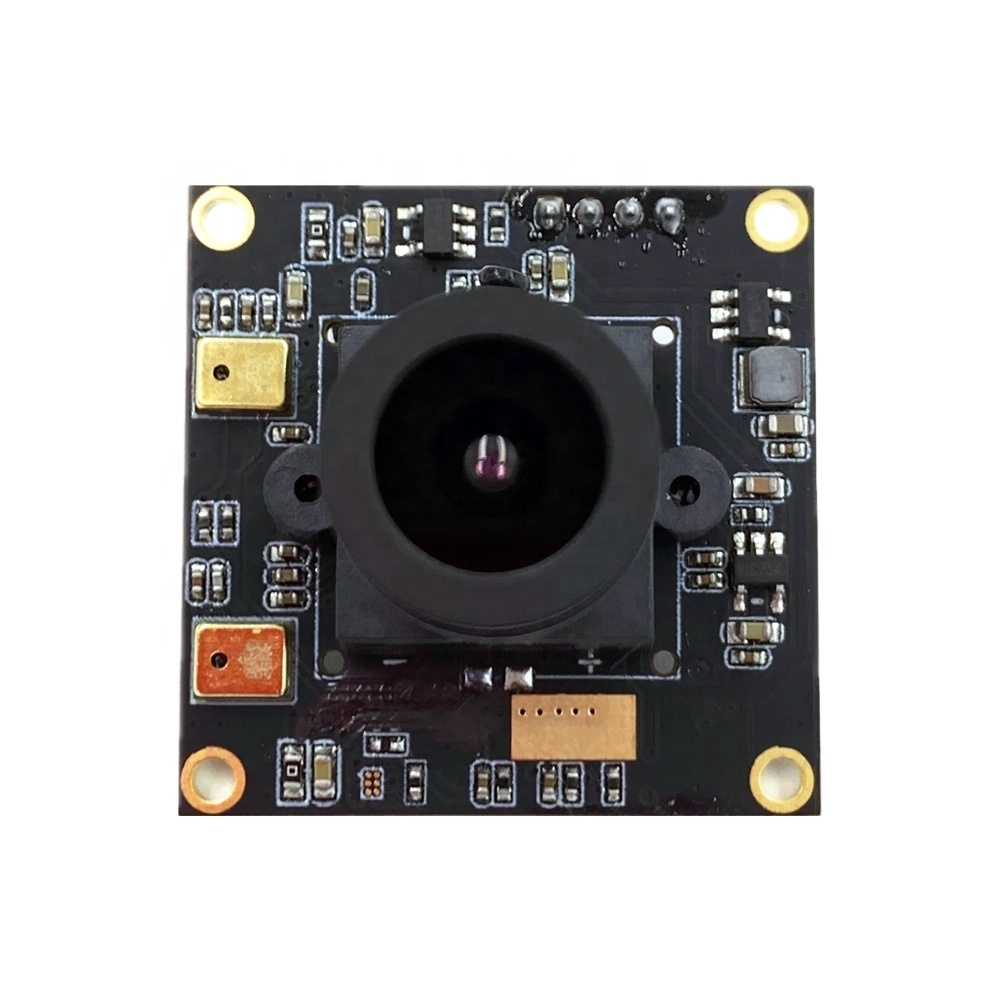
2.0MP 1920*1080 Rolling Shutter 0.001Lux H.264 Starvis & WDR 32*32mm Camera Module
View Product Details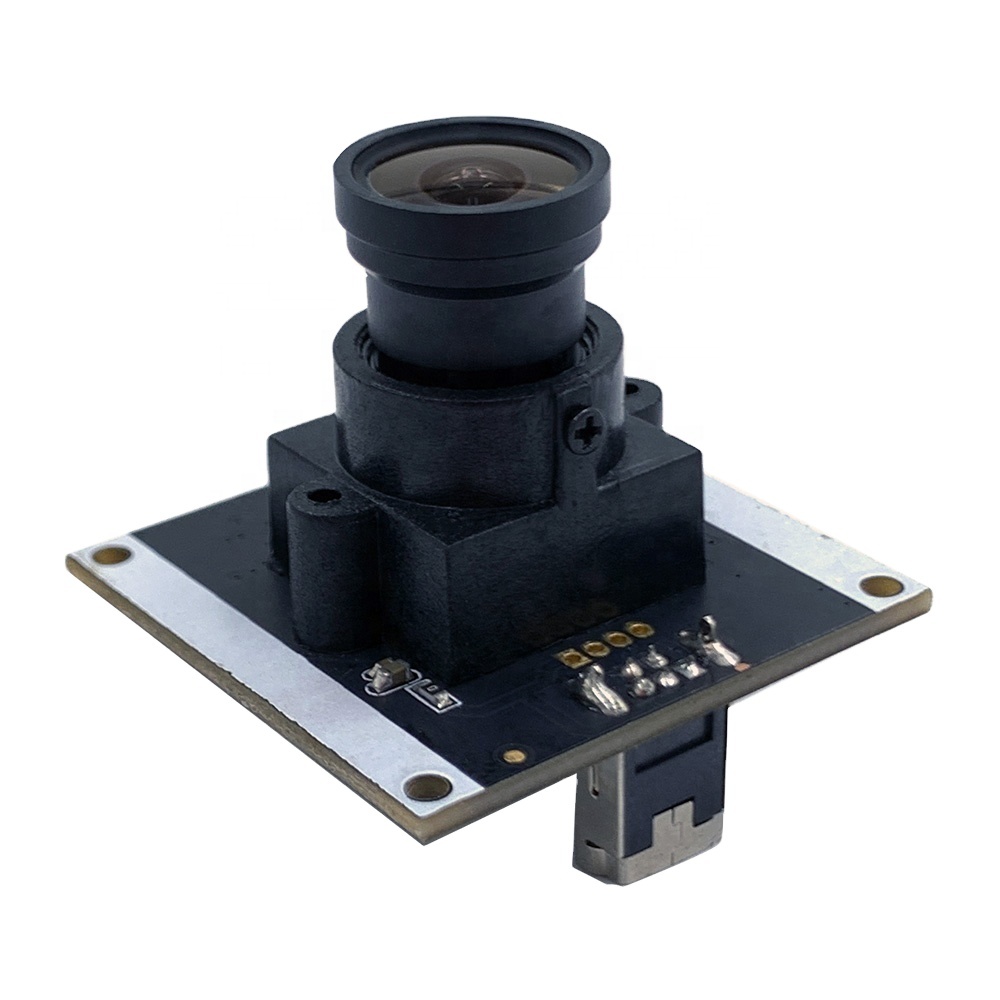
USB-Mini Connector 2.0MP Color AR0230 Onsemi CMOS WDR 1080P 30fps Module
View Product Details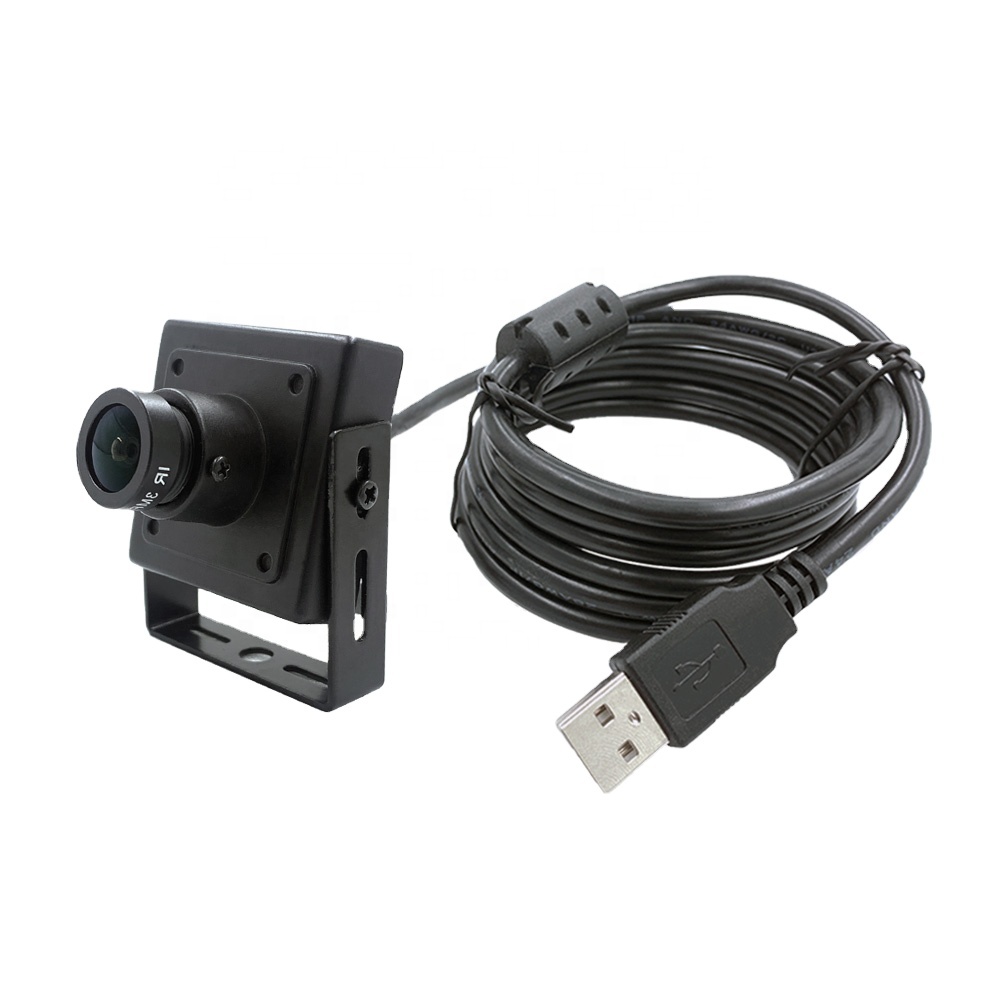
HD 720P 0.1 Low Lux UVC 2.1mm Wide-Angle Mini USB Camera Module for Kiosks
View Product Details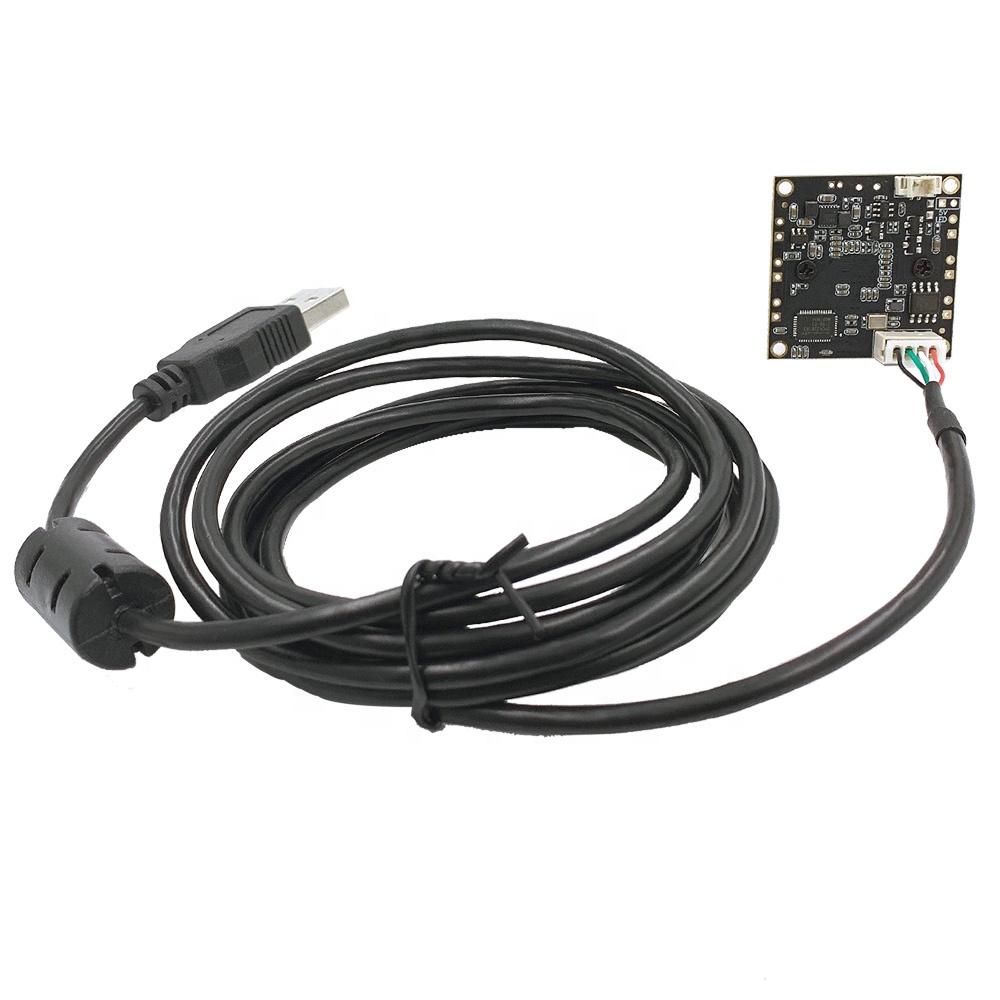
2.0MP Lens Color USB Camera Module AR0230 Onsemi CMOS WDR 32*32mm PCB
View Product Details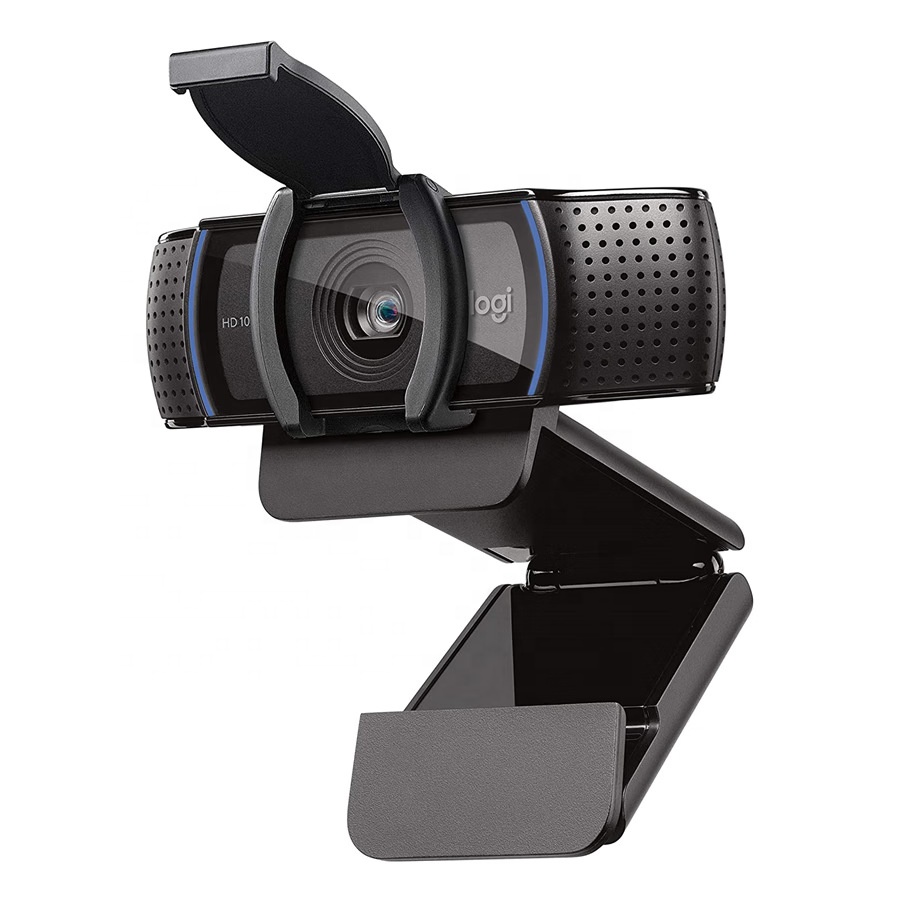
2MP FHD Color Autofocus USB Camera Module with Dual Microphones & Privacy Shutter
View Product Details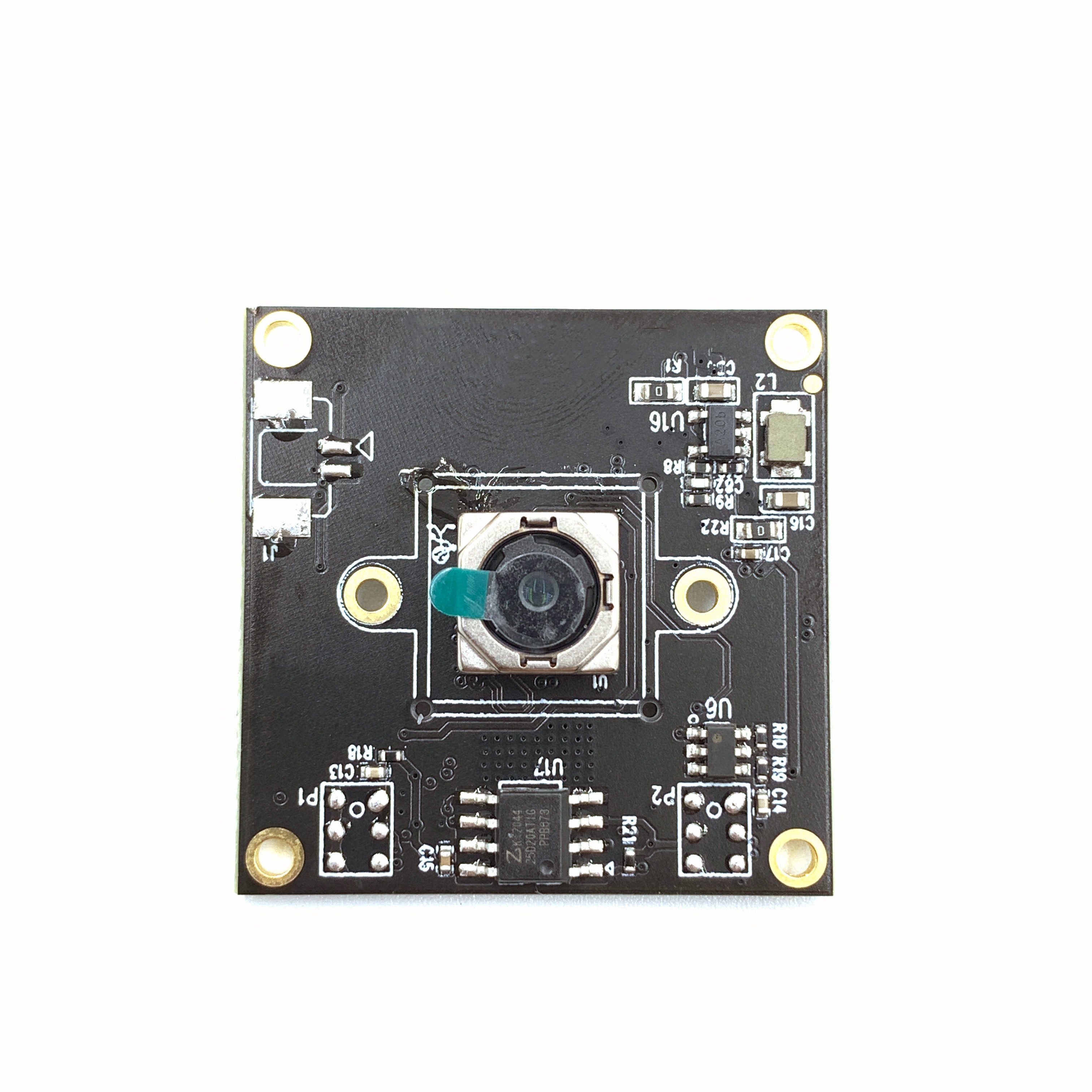
8.0MP 3264*2448 15fps Autofocus Low-Lux 0.1 32*32mm Color USB Camera Module
View Product DetailsArchitectural Engineering of Custom OEM Analog & USB Micro Camera Modules
In the contemporary landscape of machine vision, embedded automation, and high-security transactional terminals, selecting the optimal image sensor architecture is a critical engineering milestone. Shenzhen Brekta Electronics Co., Ltd. stands as an industry-leading OEM/ODM exporter and wholesaler, specializing in the precision design, surface-mount technology (SMT) assembly, and signal pipeline optimization of miniaturized camera modules. Whether deploying high-definition analog composite video broadcast signal (CVBS), Analog High Definition (AHD/TVI/CVI), or digital USB Video Class (UVC) micro-modules, global system integrators face stringent operational demands across varied lighting, physical constraints, and bandwidth thresholds.
Information Gain Insight: Modern OEM camera procurement has shifted from simple pixel-count comparison to holistic Image Signal Processor (ISP) tuning, Quantum Efficiency (QE) evaluation at near-infrared (NIR) spectrums, and long-term thermal dissipation stability inside enclosed kiosk chassis.
CMOS Sensor Physics & Low-Lux Starlight Performance
The foundation of any high-performance micro camera module resides in its silicon photodiode structure. The integration of Sony STARVIS™ back-illuminated pixel (BSI) sensor technology (such as the IMX291 and IMX307 series) alongside Onsemi industrial-grade sensors (e.g., AR0230) has fundamentally altered low-light capabilities for industrial surveillance. Traditional front-illuminated sensors suffer from metallic wiring blockage across the optical path, reducing photo-electron conversion efficiency. Conversely, BSI architectures position the pixel matrix directly above the metallization layer, achieving light sensitivity down to 0.0001 Lux in starlight conditions.
For OEM machine design—specifically Automated Teller Machines (ATMs), Video Teller Machines (VTMs), and self-service ticketing kiosks—lighting environments are highly unpredictable. High-contrast backlighting caused by glass storefronts or nighttime streetlamps requires hardware-level Wide Dynamic Range (WDR). By utilizing dual-exposure stacked frame processing, our AR0230 and STARVIS modules capture both high-exposure and low-exposure signals simultaneously, blending them inside the ISP to yield clear, artifact-free images spanning dynamic ranges up to 105dB to 120dB.
Analog vs. USB Signal Pipelines: Engineering Trade-offs
When selecting a camera module interface for enterprise integration, system engineers must balance latency, cabling distance, image compression, and host system processing capacity:
| Interface Protocol | Maximum Native Distance | Transmission Latency | Host Processing Overhead | Best Industrial Application |
|---|---|---|---|---|
| Analog (AHD / TVI / CVBS) | Up to 500 Meters (Coaxial) | < 1 Millisecond (Zero-Delay) | Zero (Hardware Demux) | Long-distance retrofits, heavy machinery, video doorbells |
| USB 2.0 / 3.0 (UVC) | 5 Meters (Direct) / 15m (Active) | 30 - 80 Milliseconds | Low to Moderate (UVC Stack) | ATMs, interactive kiosks, PC-based face ID terminals |
| IP (RTSP / ONVIF / PoE) | 100 Meters (Cat5e / Cat6) | 150 - 300 Milliseconds | Moderate (Network Stream Parsing) | Remote facility monitoring, IP security networks |
| HD-SDI / Ex-SDI | 100 - 150 Meters | Zero Uncompressed Delay | Zero (Direct Frame Capture) | Medical endoscopy, broadcast broadcasting, surgical displays |
Advanced ISP & Optics Engineering Capabilities
Discover how custom PCB layout, thermal management, and optic barrel design elevate OEM hardware reliability.
Precision Optics & Lens Mounts
Custom optical engineering featuring standard M12 board lenses, pinhole cone lenses, ultra-wide 170° fisheye barrels, and C/CS motorized varifocal mounts with anti-fog coatings.
Flexible PCB Form Factors
Protel and Allegro-designed multi-layer PCBs in ultra-compact dimensions: 15x15mm, 20mm round bullet, 25x25mm, 32x32mm, and 38x38mm standard industry footprints.
Driver-Free UVC & SDK Support
Native USB Video Class compliance across Windows, Linux, Android, and macOS ecosystems. Customized SDKs available for brightness, gain, exposure, and IR-Cut toggling.
Future Procurement Trends in Industrial Analog & Embedded Vision (2025–2030)
As smart cities, autonomous retail, and automated industrial inspection mature, the global procurement landscape for camera modules is undergoing three pivotal transformations:
1. Edge AI & On-Board ISP Spatial Processing
The boundary between discrete camera modules and edge computing units is blurring. Future OEM procurement requests increasingly mandate camera modules equipped with neural processing unit (NPU)-augmented ISPs. These micro-controllers perform real-time optical distortion correction (ODC), automated privacy masking, face detection, and QR code decoding directly on the sensor board before streaming raw video frames to the host system. This drastically reduces CPU utilization on host processors within ATM and vending hardware.
2. Hybrid Dual-Output Architecture (Analog + USB / IP Bridge)
System integrators replacing legacy CCTV infrastructure in transport hubs and financial institutions require dual-output versatility. Enterprise buyers now prioritize camera modules offering simultaneous analog CVBS/AHD video out for local zero-latency maintenance monitors alongside encoded UVC or IP streams for remote machine learning networks. Shenzhen Brekta’s customized PCB schemes natively support dual-signal routing without increasing module footprint.
3. Multi-Spectral & 3D Depth Sensing Integration
Standard RGB imaging is rapidly being augmented by Near-Infrared (NIR) 850nm/940nm spectrum illumination and dual-lens stereoscopic vision for biometric liveness detection. In self-service banking kiosks, single RGB cameras are vulnerable to spoofing via printed photographs or smartphone displays. Incorporating binocular RGB+IR camera modules engineered with synchronized global shutters ensures true 3D facial depth mapping and anti-spoofing security compliance.
Manufacturer Profile & Strict Quality Assurance Matrix
Shenzhen Brekta Electronics Co., Ltd. operates state-of-the-art SMT production workshops and optical cleanroom alignment stations in Shenzhen and Dongguan, Guangdong Province. As an established enterprise employing 51 to 100 specialized technicians and engineers, we serve global enterprise accounts across North America, South America, Europe, and Asia.
Quality Assurance Guarantee: Every single camera module leaving our assembly line undergoes a 100% automated optical inspection (AOI), 48-hour continuous burn-in test, sensor dark-current calibration, and MTF optical resolution target testing.
Standardized OEM/ODM Customization Workflow
Our engineering team delivers end-to-end custom design services tailored to complex industrial specifications:
- Optical Customization: Tailored Focal Length (EFL), Back Focal Length (BFL), Field of View (30° to 180°), IR-Pass (650nm/850nm/940nm), or Mechanical IR-Cut Switchers.
- PCB Architecture: Custom board geometries, rigid-flex substrates, dual-board stacking, customized mounting hole coordinates, and specialized connector interfaces (Molex, JST, USB Type-C, Micro-USB).
- Firmware & ISP Tuning: Pre-set color matrix profiles, low-lux noise suppression curves, custom USB Vendor ID / Product ID (VID/PID), and localized device descriptors.
- Environmental Protection: Conformal coating for high-humidity environments, IP65/IP67 waterproof encapsulation, and wide operational temperature design (-30°C to +85°C).
Frequently Asked Questions (B2B Procurement & Engineering)
Comprehensive technical answers designed for hardware engineers, procurement officers, and system integrators.
What is the Minimum Order Quantity (MOQ) for standard vs. customized camera modules?
For standard in-stock USB, IP, and Analog camera modules, our Minimum Order Quantity is 1 piece to allow seamless engineering evaluation and prototyping. For customized OEM/ODM projects (involving bespoke PCB layouts, tailored cable harnesses, custom lens barrels, or custom VID/PID firmware), the typical initial evaluation batch is 10 to 50 pieces, with full production pricing scaled according to volume requirements.
How do you ensure consistency between sample units and volume production?
At Shenzhen Brekta Electronics, samples are manufactured on the exact same automated SMT assembly lines and evaluated using identical optical testing protocols as full-scale production runs. Golden Sample parameters—including Modulation Transfer Function (MTF) optical sharpness, color reproduction, signal-to-noise ratio (SNR), and current draw—are permanently archived in our quality control database to guarantee zero divergence during mass production.
Are your USB camera modules truly driverless across industrial operating systems?
Yes. All Brekta USB camera modules strictly comply with the USB Video Class (UVC 1.0 / 1.5) standard. They operate plug-and-play without installing third-party drivers on Microsoft Windows (7, 8, 10, 11), Linux (Ubuntu, Debian, CentOS, Yocto), Android (version 4.4 and higher), and Apple macOS. Compressed streams including MJPEG, H.264, and raw uncompressed YUY2 are natively decoded by host OS frameworks.
What electrical and optical parameters can be tailored for OEM kiosk projects?
System designers can specify lens focal length (e.g., 2.1mm, 2.8mm, 3.6mm, 6mm, 12mm), optical distortion limits (<1% low-distortion lenses for document scanners), IR filter passbands (650nm visible light or 850nm/940nm IR dual-band), board dimension conversion (e.g., breakout 32x32mm to 26x26mm), LED night-vision ring boards, microphone integration, and custom wiring harness lengths with industrial locking headers.
What international compliance certifications and warranties are provided?
All Brekta security and micro camera modules carry formal CE, FCC, and RoHS compliance certification, ensuring smooth customs clearance and regulatory approval in European, North American, and Asia-Pacific markets. Every shipment is backed by a 24-month manufacturer replacement warranty and lifetime technical engineering support.
How does Brekta manage thermal dissipation in sealed, ultra-small camera housings?
Miniaturized camera modules operating continuously inside unventilated machine enclosures can experience thermal build-up, leading to sensor thermal noise (fixed-pattern noise) or frame rate throttling. We employ high-thermal-conductivity copper PCB substrates, optimized ISP low-power microcode, and optional aluminum heatsink backplanes to maintain optimal operational temperatures below 55°C even during 24/7 continuous video streaming.