Featured High-Performance Micro Camera Modules
Rigorously calibrated micro image sensor boards customized with Onsemi & Sony Starvis CMOS sensors, ultra-wide WDR, high frame rates, and compact board dimensions for high-reliability embedded systems.
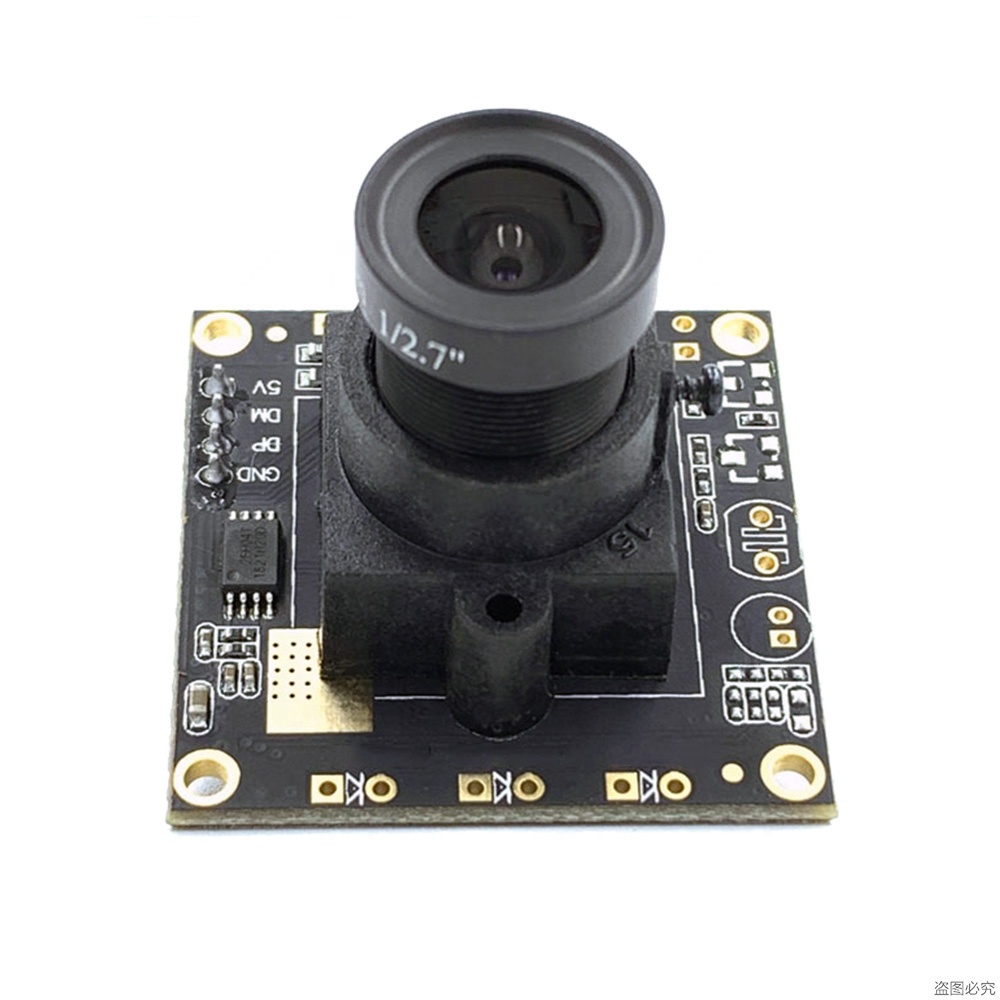
WDR 2.0MP 1920*1080 32*32mm Color USB Camera Module 1/2.7" AR0230 Onsemi CMOS for ATM KIOSK
- Sensor: 1/2.7" Onsemi AR0230
- Dynamic Range: Up to 105dB WDR
- Form Factor: 32x32mm Mini Board
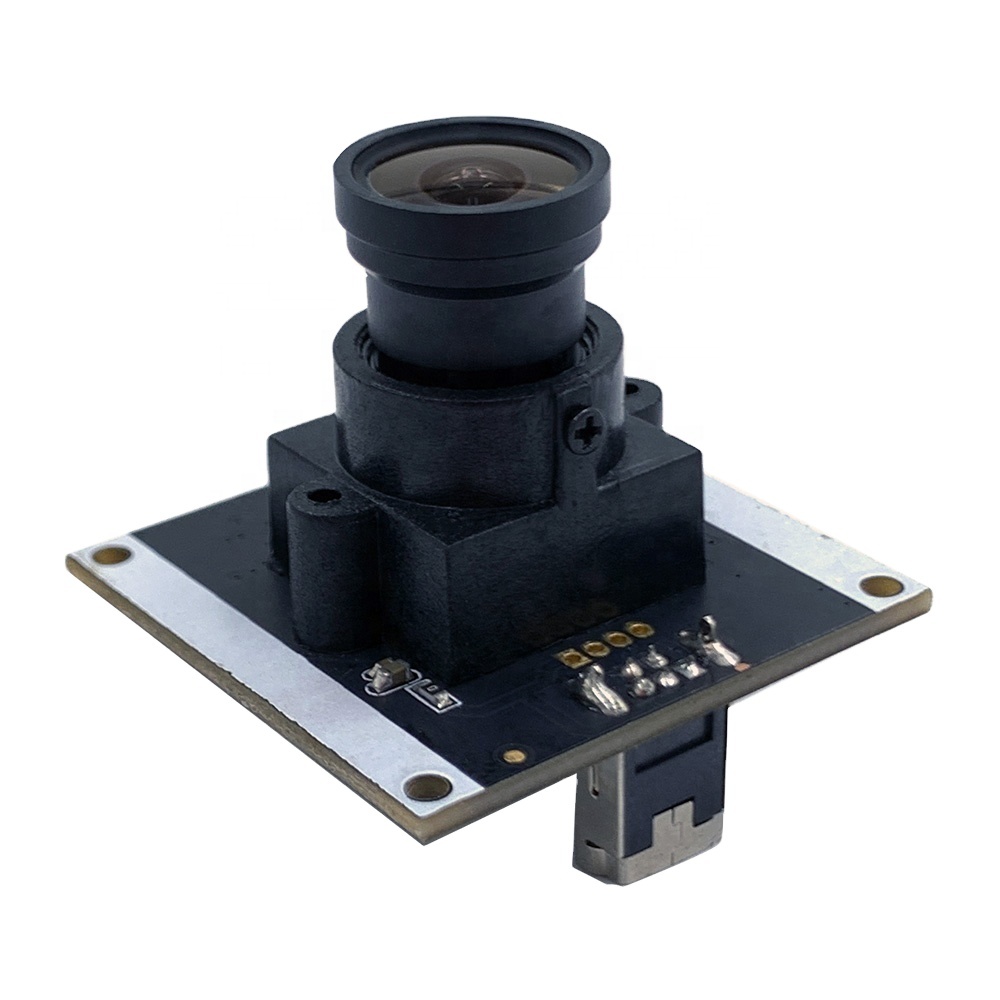
USB-Mini Connector 2.0MP Color USB Camera Module ATM KIOSK AR0230 Onsemi CMOS 30fps 0.01Lux
- Low Illumination: 0.01 Lux
- Interface: Mini USB UVC Driverless
- Resolution: 1080P @ 30fps
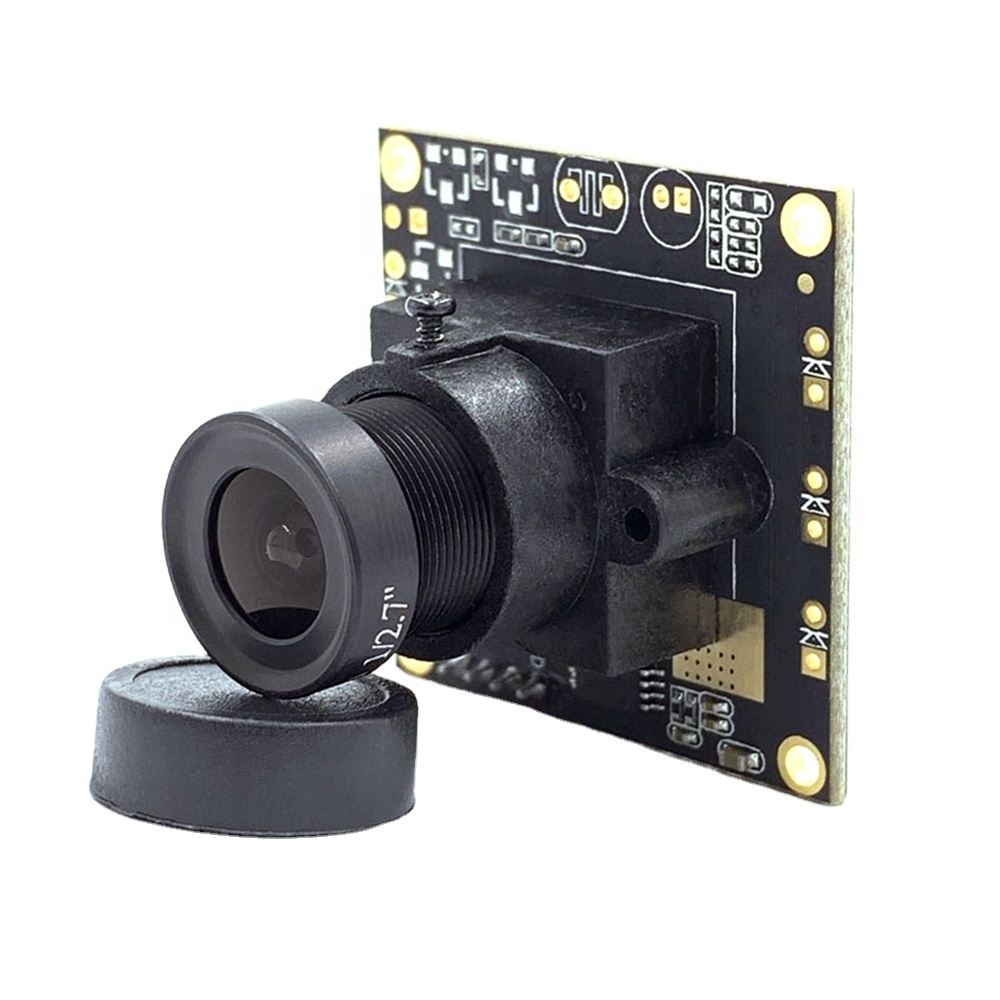
HOT SALE AR0230 Onsemi CMOS WDR 2.0MP 1920*1080 32*32mm Color USB Camera Module for ATM KIOSK
- Anti-Glare Hardware WDR
- Operating Systems: Win/Linux/Android
- Lens: Customizable M12 Lens
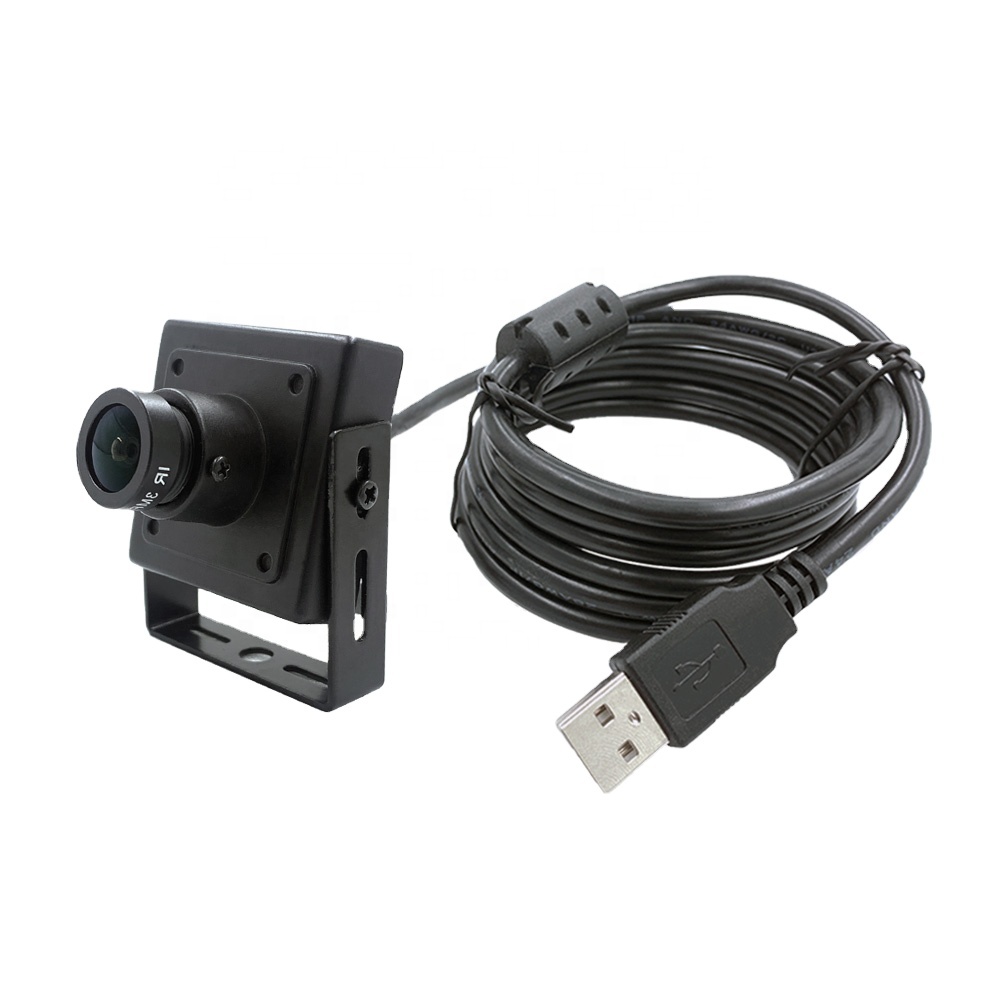
HD 720P 0.1 Low Lux UVC 2.1mm Wide-angle Lens MINI USB Camera Kiosk VTM CRS ATM Module
- Lens Optics: 2.1mm Wide Angle
- Low-Light: 0.1 Lux Starlight
- Application: VTM & Kiosk Scanning
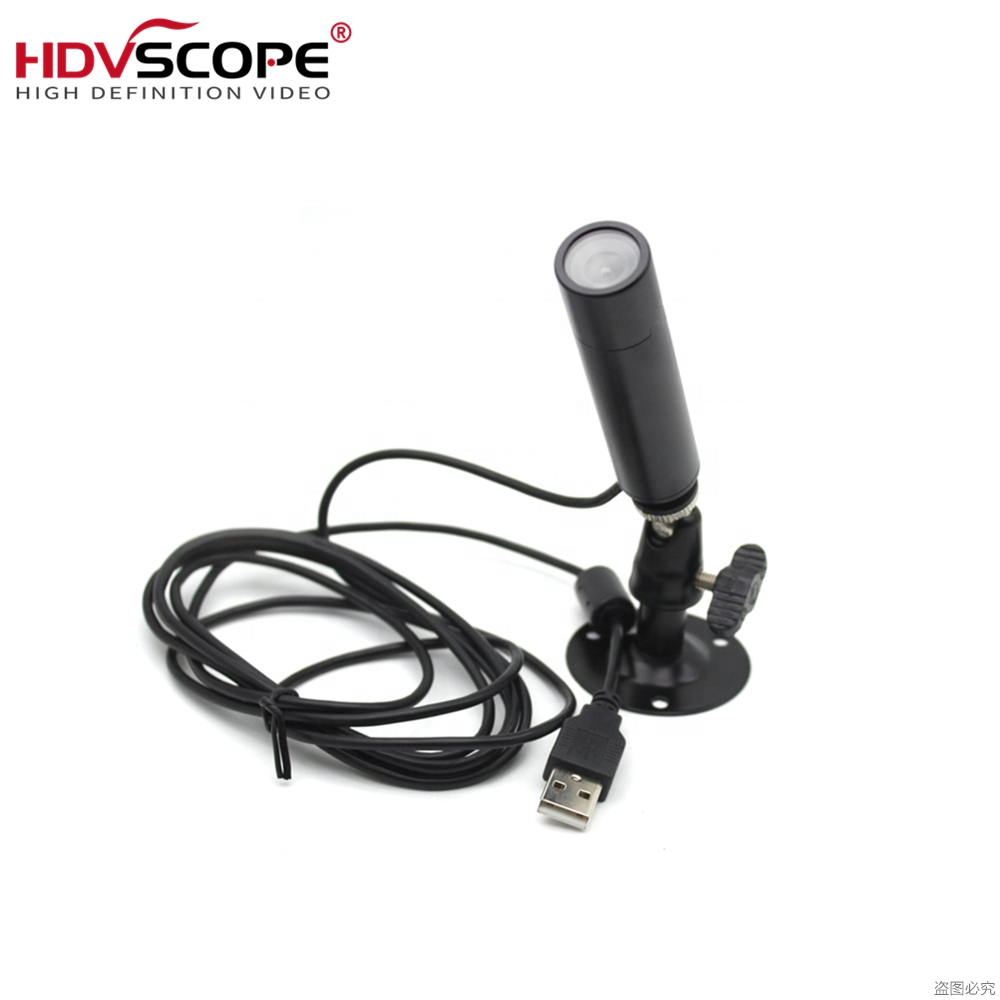
2MP 1/2.7" CMOS USB Camera 2.8mm Board Lens Waterproof IP67 Mini Bullet / Snake Endoscope
- Ingress Protection: IP67 Sealed
- Diameter: Compact 20mm Cylinder
- Output: 1080P YUY2/MJPEG
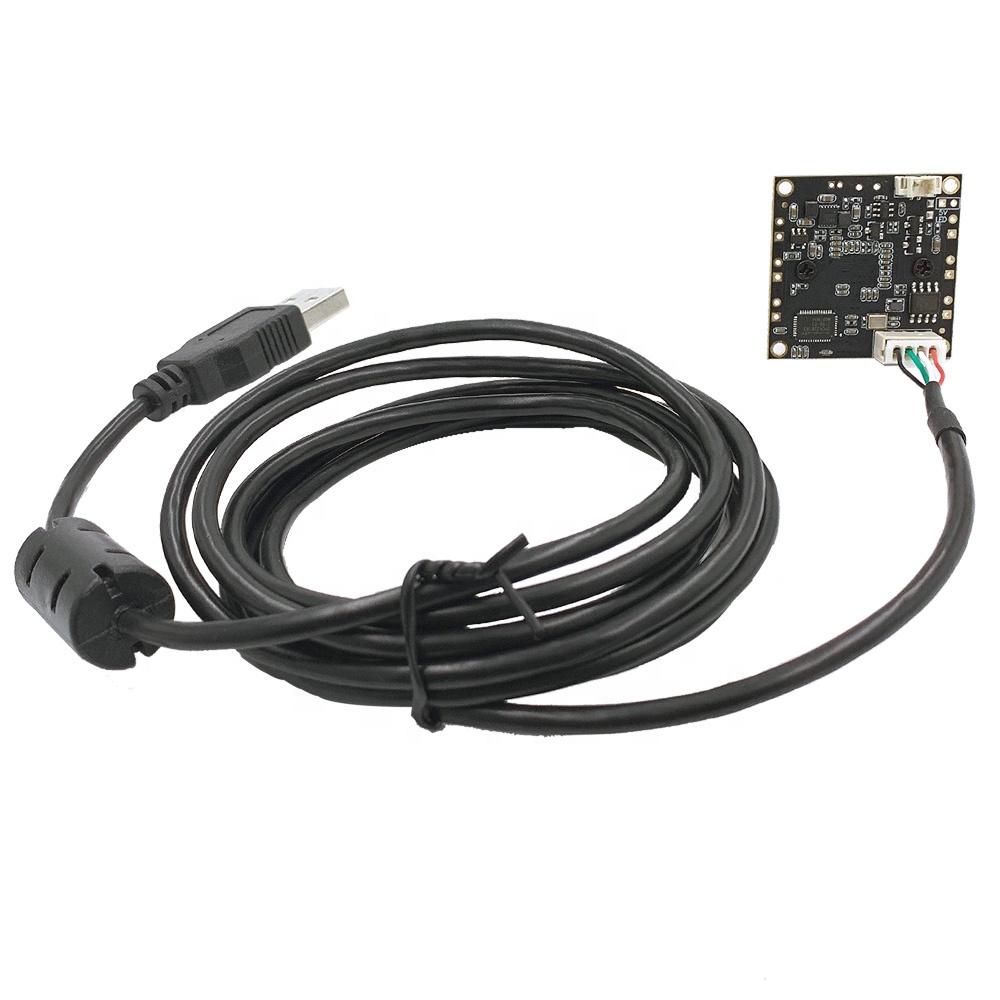
2.0MP Lens Color USB Camera Module for ATM KIOSK Scanning AR0230 Onsemi WDR 1080P 32*32mm
- True Color Reproduction
- DSP Noise Reduction Algorithm
- Hardware Customization Ready
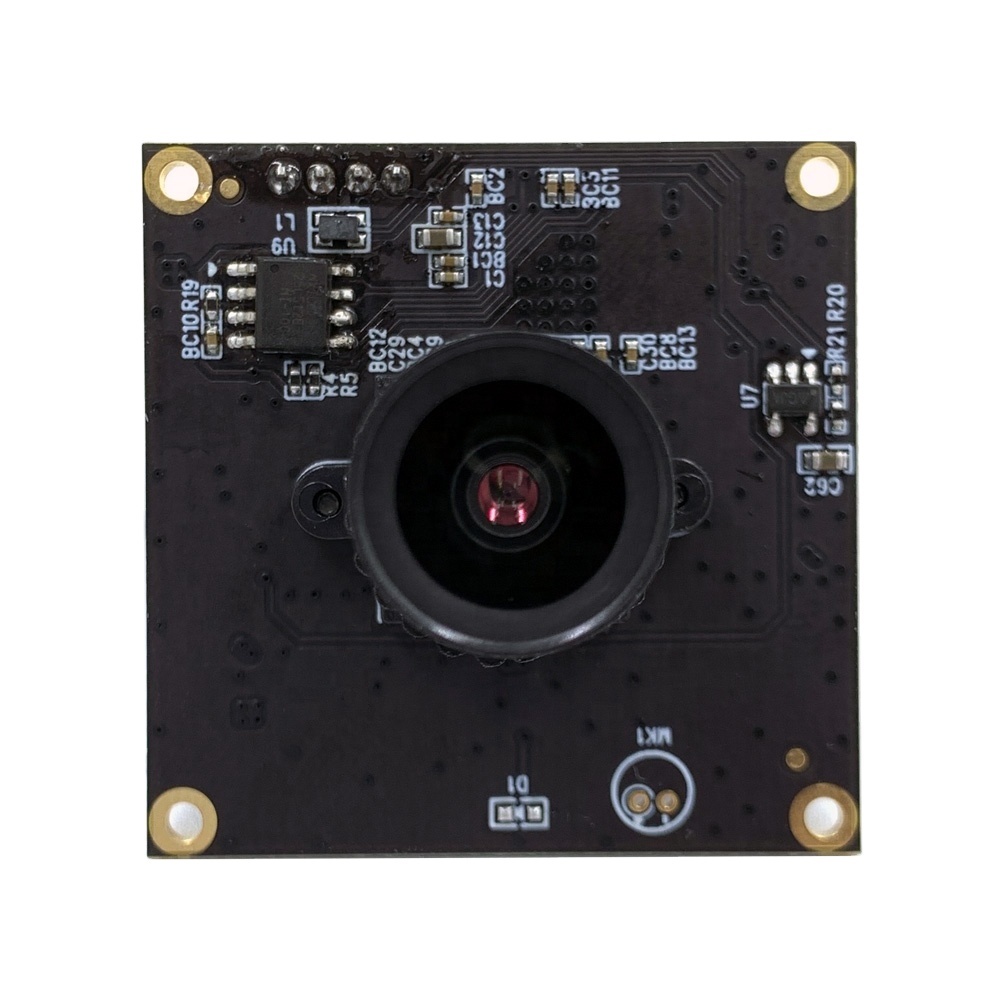
High Speed HDR 2.0MP 1920*1080 38*38mm 330fps High Frame Rate Color Wide Angle USB Module
- Frame Rate: Ultra High 330 FPS
- Dynamic Range: HDR Enabled
- High-Speed Motion Tracking
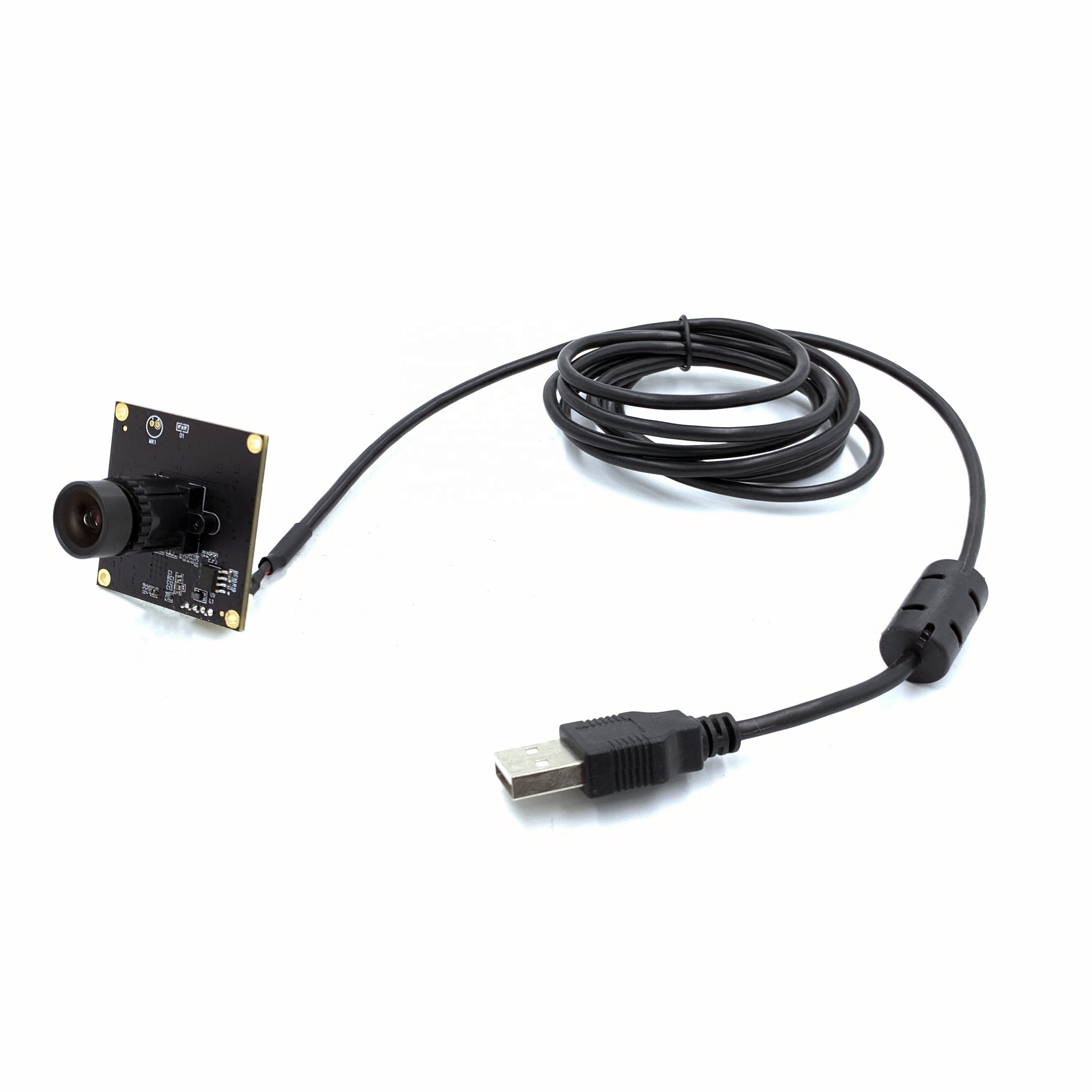
OEM 1/3" CMOS HD HDR 330FPS 2.0MP 1080P 38*38mm Color Wide Angle USB Camera Module
- Optical Format: 1/3" High Speed
- Zero Motion Blur Capture
- Board Size: Standard 38x38mm
Custom Micro Camera Module Engineering for B2B Integrators
An authoritative technical breakdown on selecting micro optical components, image signal processing (ISP) pipelines, and form factor trade-offs in automated hardware integration.
1. Micro Optical System Architecture & CMOS Sensor Selection
In modern industrial and self-service automated equipment (such as Automated Teller Machines, Virtual Teller Machines, Self-Checkout Terminals, and Medical Diagnostic Devices), the embedded vision subsystem serves as the primary data acquisition node. Engineering a custom micro camera module requires balancing sensor physical footprint, optical circle size, noise thresholds, and illumination conditions.
Sensory choice dictates image processing bounds. The integration of Onsemi AR0230 CMOS sensors provides exceptional Wide Dynamic Range (WDR up to 105dB) through multi-exposure pixel synthesis. This is vital in outdoor or glass-front ATM kiosks where direct sunlight creates severe backlight contrasts against user faces. Conversely, applications operating under extreme ultra-low ambient light (such as subterranean inspection or nighttime vending operations) leverage Sony STARVIS & STARVIS 2 backside-illuminated (BSI) sensor technology (e.g., IMX291, IMX335), achieving color rendering down to 0.0001 Lux without supplementary infrared LEDs that consume additional power and produce excess thermal dissipation.
2. High Frame Rate Engineering & Motion Blur Mitigation (Up to 330 FPS)
Standard machine vision webcams cap output at 30 to 60 frames per second (fps). However, specialized applications—such as high-speed document scanning, banknote verification, optical character recognition (OCR) on automated conveyor belts, and eye-tracking interfaces—demand ultra-high frame rates to eliminate motion blur and spatial distortion.
By engineering specialized Image Signal Processing (ISP) firmware married to global shutter or high-clock rolling shutter micro CMOS sensors, custom micro camera modules can deliver uncompressed or MJPEG video feeds up to 330 FPS at Full HD 1080P resolution. Operating at 330 FPS shrinks exposure time windows to microsecond scales, ensuring clear edge detection for barcode scanning and biometric facial verification even when targets move rapidly across the field of view (FOV).
3. Form Factor Miniaturization & PCB Layout Constraint Optimization
Spatial constraints represent the most crucial design bottleneck for micro camera suppliers. Industrial designers require micro camera boards that seamlessly integrate into tightly packed enclosures without sacrificing signal integrity or generating thermal hot spots. Standard customized PCB dimensions for embedded micro camera modules include:
- 15x15mm Micro Square PCBs: Tailored for ultra-compact pinhole cameras, wearable diagnostics, and internal machine maintenance monitoring.
- 32x32mm & 38x38mm Standard Embedded Boards: Dual-layer or 4-layer stacked PCBs supporting flexible connector options (USB Mini, Micro USB, Type-C, or 4-pin JST headers) with mounting holes engineered to resist mechanical vibration.
- 20mm IP67 Waterproof Bullet Enclosures: Cylindrical stainless steel or aluminum alloy housings equipped with O-ring gaskets for endoscopes, outdoor inspection, and wet industrial environments.
Selecting the Optimal Camera Interface for Embedded Integration
A detailed comparison between USB UVC, Network IP RTSP, Analog HD, and Broadcast HD-SDI micro camera protocols for hardware engineers and procurement teams.
| Interface Standard | Protocol & Drivers | Max Transmission Distance | Latency Metrics | Target Machine Integration |
|---|---|---|---|---|
| USB UVC (USB Video Class) | UVC 1.1 / 1.5 Driver-Free (Plug & Play) | ≤ 5 meters (Extendable via Active Cables) | Low (< 30-50ms) | ATM Kiosks, Self-Checkout, Smart Vending, Windows/Linux/Android Hosts |
| Mini IP (RTSP / ONVIF) | TCP/IP, RTSP, ONVIF Profile S, H.264/H.265 | ≤ 100 meters (Standard Cat5e/Cat6 PoE) | Medium (120-200ms depending on buffer) | Distributed Machine Fleets, Remote Facility Surveillance, NVR System Linkage |
| Analog HD (AHD/TVI/CVI) | Uncompressed Analog Coax (4-in-1 Switchable) | ≤ 500 meters over 75-3 Coax | Zero Latency (< 1ms) | Legacy Security Upgrades, Automotive Rear View, Long Cable Runs |
| HD-SDI / Ex-SDI | SMPTE Digital Uncompressed Video | ≤ 100 meters over HD Coaxial Cable | Absolute Zero Latency (< 1ms) | Medical Endoscopes, Sports Broadcasting, Precision Real-Time Robotics |
Future Procurement & Technological Trends in Micro Cameras
Key technological shifts shaping the next generation of embedded optics, computer vision hardware, and supplier evaluations over the coming decade.
1. Edge AI & NPU On-Module ISP Integration
Future micro cameras will transition from simple image stream sensors to intelligent edge computing nodes. By embedding low-power Neural Processing Units (NPUs) directly into the camera module PCB (1-2 TOPS computing power), modules will perform face detection, liveness verification, gesture recognition, and QR code decoding on-board, dramatically reducing CPU load on host controllers.
2. Multi-Spectral & RGB-IR Binocular Fusion
Biometric authentication and anti-spoofing security (such as facial recognition payment in ATMs and turnstiles) are moving toward single-module dual-sensor arrays. By combining a visible RGB sensor with a dedicated 850nm/940nm Near-Infrared (NIR) sensor on a unified compact PCB, camera modules will deliver foolproof 3D liveness detection even in zero-light environments.
3. Ultra-High Dynamic Range (HDR > 120dB)
As self-service kiosks expand to unmonitored outdoor environments, sensor dynamic range requirements are skyrocketing. Emerging staggered HDR and triple-exposure sensor architectures will provide over 120dB of true hardware dynamic range, preserving crisp detail in highlights and deep shadows simultaneously without motion artifacts.
Factory Strengths & OEM/ODM Customization Capabilities
Backing your system engineering with 13+ years of dedicated optical manufacturing expertise, ISO-standard quality management, and end-to-end customization support.
Protel & Allegro PCB Customization
Our engineering team utilizes professional Protel and Cadence Allegro EDA tools to tailor board layouts, pinouts, board thickness, and component positioning to your precise housing CAD models.
100% Quality Calibration & Inspection
Every single micro camera module undergoes automated optical MTF focus testing, color temperature tuning, dynamic range verification, and high-temperature aging tests prior to delivery.
24-Month Comprehensive Warranty
All camera modules manufactured carry a full 24-month manufacturer warranty, lifetime technical support, and guaranteed free warranty replacements for complete procurement peace of mind.
Certified Global Compliance
Fully compliant with international quality and environmental standards including CE Mark, FCC Class B certification, and RoHS directive compliance for hassle-free global export.
Rapid Prototyping & Agile Delivery
Standard in-stock sample modules dispatch within 1-3 business days. Custom PCB design, lens optical matching, and sample turnarounds are delivered on strict production timelines.
Flexible Low MOQ Evaluation
We support engineering development and low-volume trials with sample evaluation orders starting from just 1 piece for standard models, reducing upfront R&D barrier risks.
Frequently Asked Questions by Industrial OEM Buyers
Answers to common engineering, integration, and purchasing queries regarding custom micro camera modules.
What is the minimum order quantity (MOQ) for custom micro camera modules?
For standard model evaluations (such as standard USB 32x32mm AR0230 or IMX291 boards), the minimum order quantity is just 1 piece. For fully customized OEM/ODM projects involving custom PCB footprints, special cable harness pinouts, or modified ISP firmware parameters, custom MOQs typically start from 50 to 100 pieces based on engineering scope.
Are USB camera modules plug-and-play across different operating systems?
Yes. All our USB micro camera modules strictly adhere to the UVC (USB Video Class) protocol standard. They operate driver-free across Microsoft Windows (7, 10, 11), Linux (Ubuntu, Debian, CentOS), Android (version 4.4 and above), and macOS. Image streams output in universal MJPEG, YUY2, or H.264 video formats.
Can you customize optical lenses, focal lengths, and Field of View (FOV)?
Absolutely. We offer a broad spectrum of interchangeable M12 board lenses, pinhole cone lenses, non-distortion flat lenses, and fisheye optics. Available FOVs range from narrow telephoto angles (20° FOV) up to ultra-wide fisheye perspectives (170° to 190° FOV) with optional IR-cut filter configurations (850nm, 940nm, or dual optical filter switching).
How are samples verified before moving into mass production?
Samples undergo identical production quality control workflows as full-scale production runs. Before dispatch, we provide comprehensive MTF optical test charts, low-light gain analysis, sample imagery, and technical dimensional drawings. Bulk manufacturing commences only after client sign-off on sample performance.
What environmental protections are available for outdoor or industrial use?
For outdoor kiosks, marine applications, or medical sterilization environments, we supply micro cameras housed in IP67-rated sealed metal bullet casings (e.g., 20mm diameter snake/lipstick designs) treated with anti-corrosion coatings and anti-fog coated optical glass lenses.
What documentation and warranty backing do you provide to corporate buyers?
Every shipment is backed by official CE, FCC, and RoHS certificates of compliance, complete product datasheets, pinout diagrams, and a 24-month factory warranty. Technical engineering support is provided directly by our hardware engineers throughout your product lifecycle.
Need a Custom Micro Camera Module Engineered for Your System?
Consult with our optical and hardware engineering specialists today. Download our complete engineering catalog or submit your technical drawings for a rapid quote within 2 hours.
Get Catalog