Precision Mini Analog & USB Camera Modules
Engineered for compact enclosures, embedded machines, and demanding low-lux vision applications. Explore our high-frame-rate, WDR, and autofocus OEM camera range.
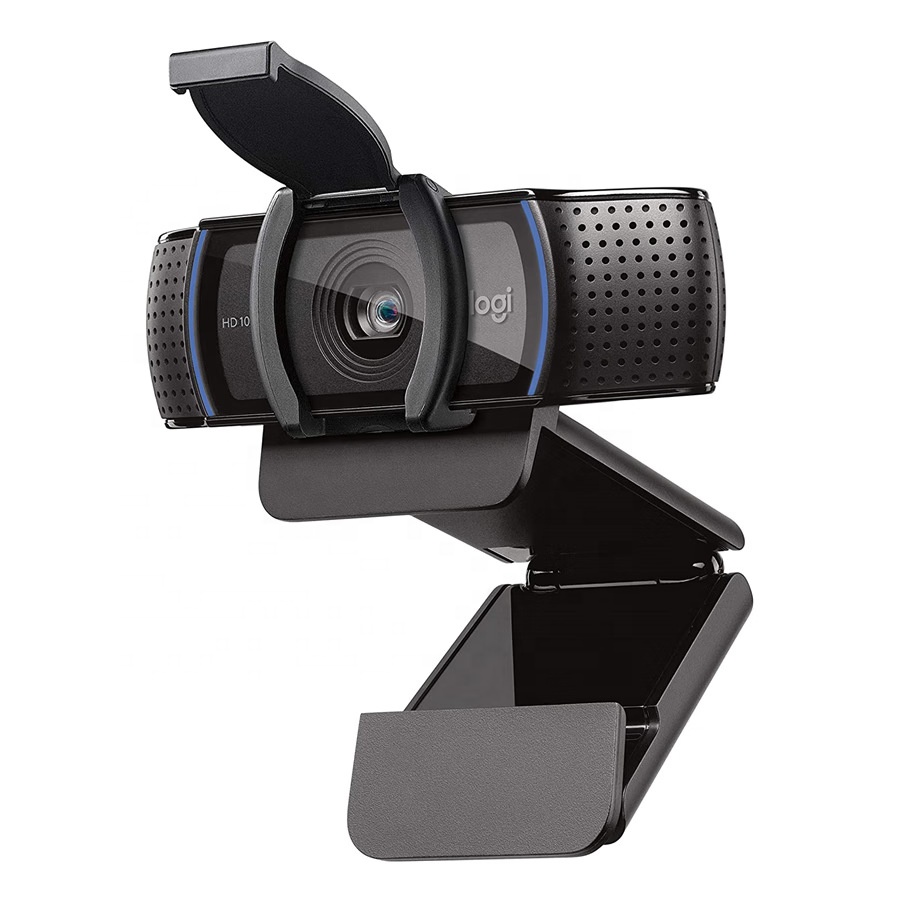
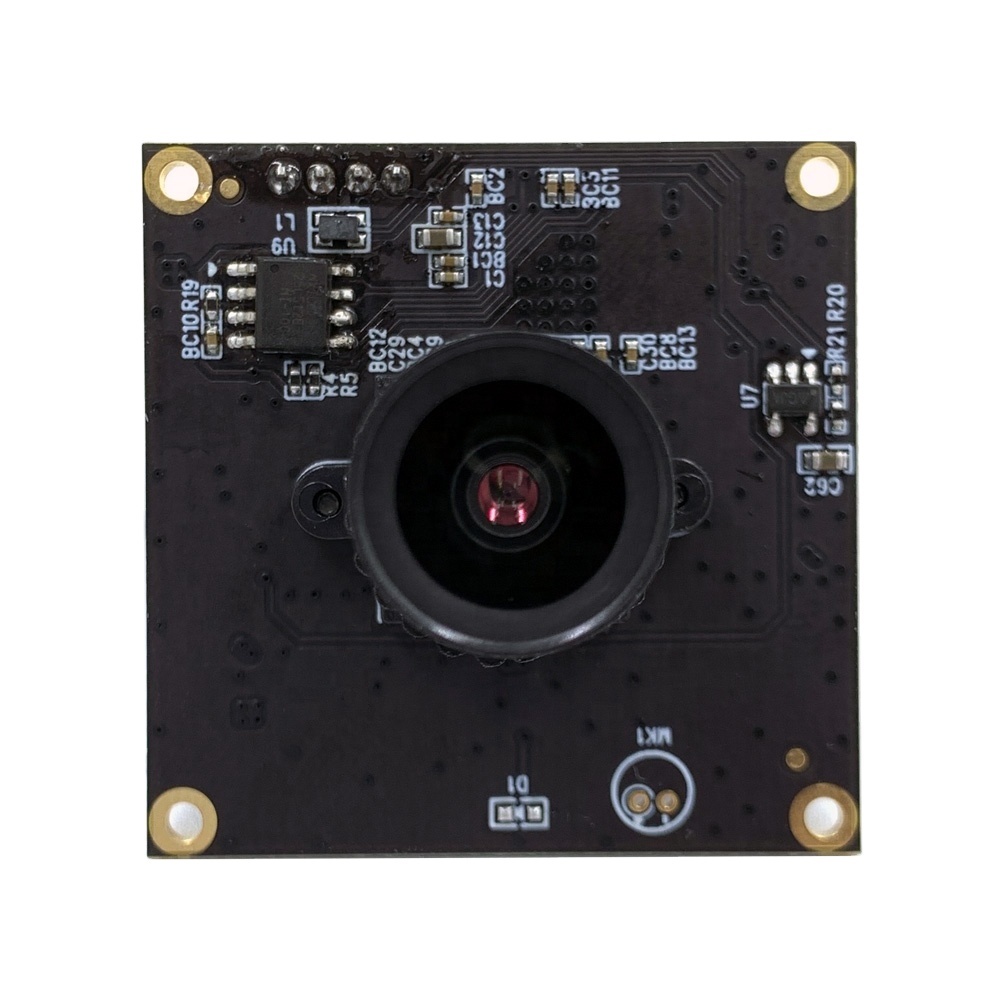

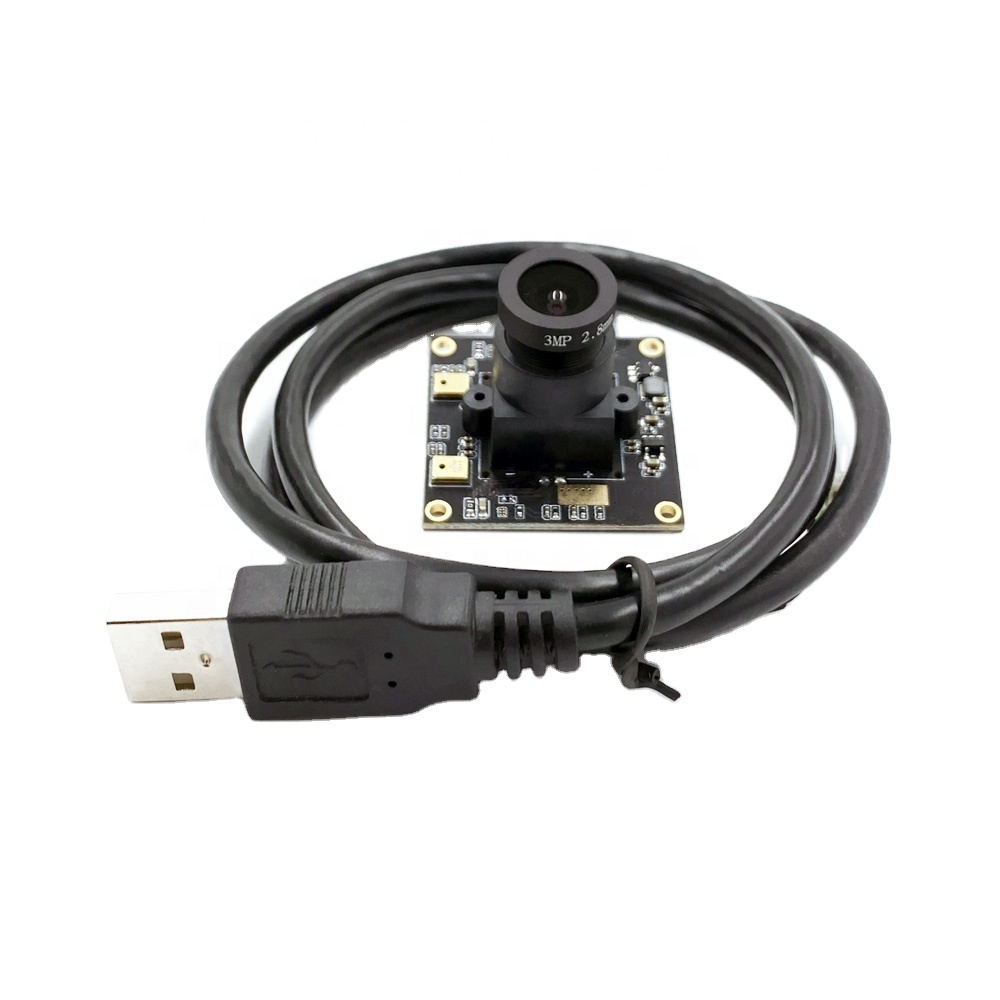
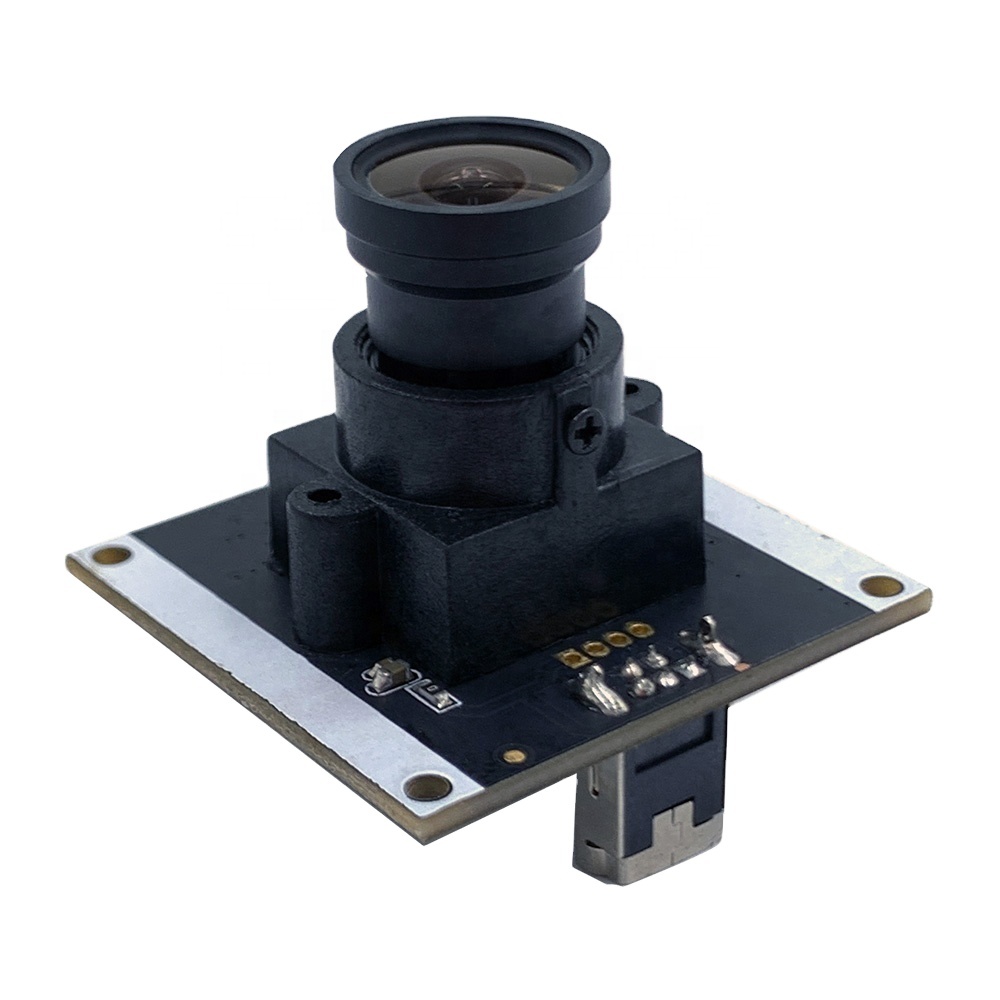
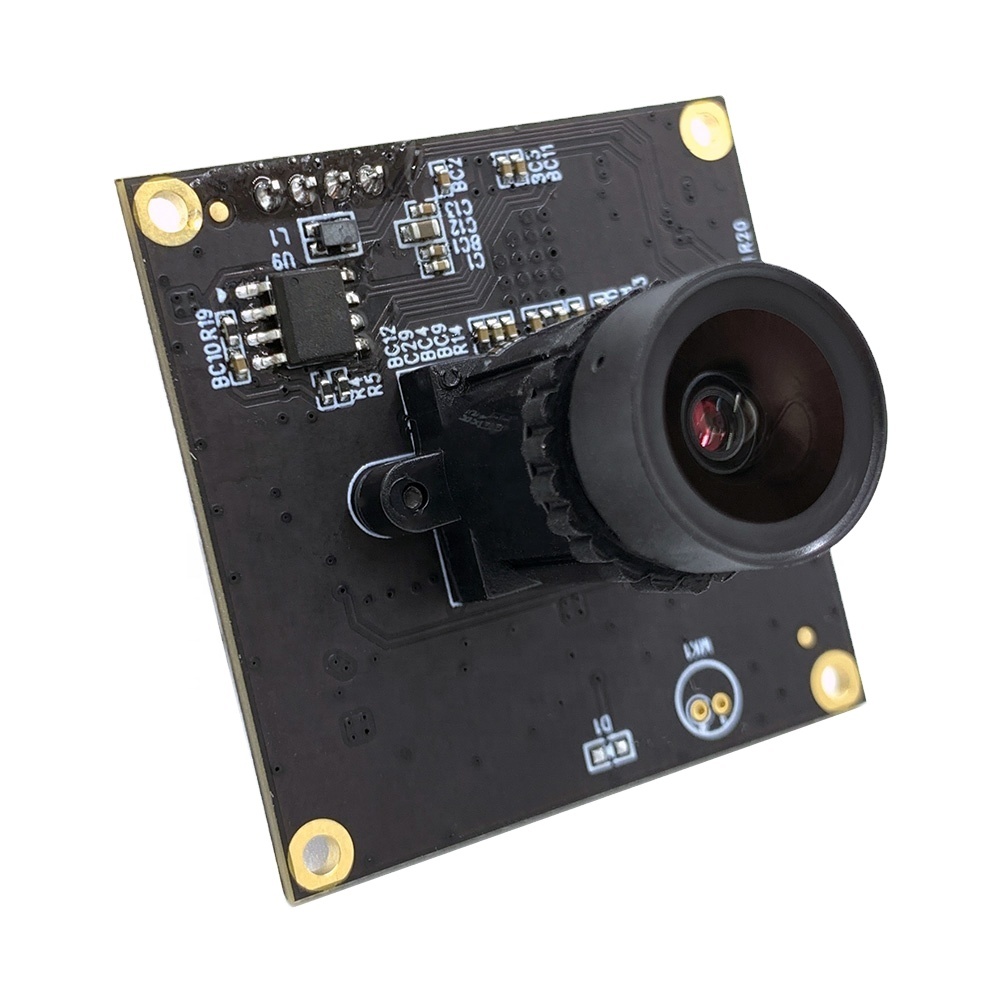
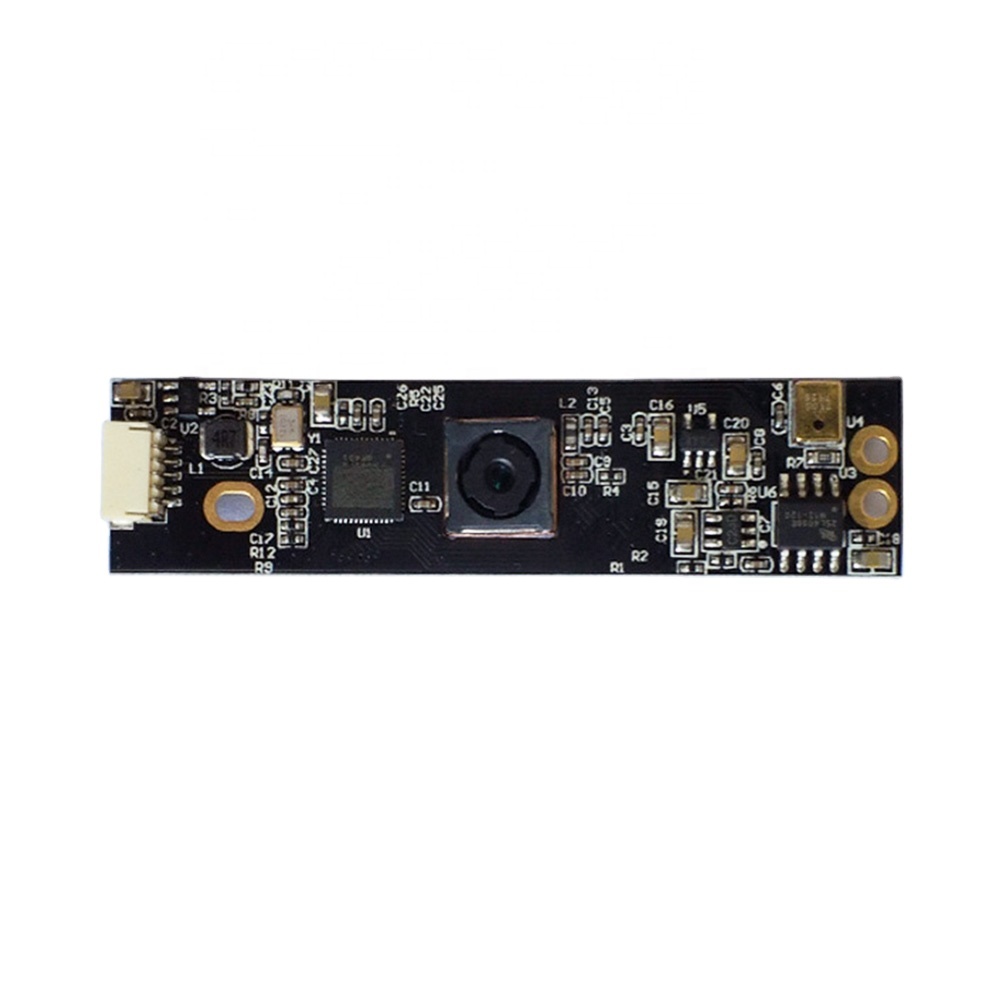
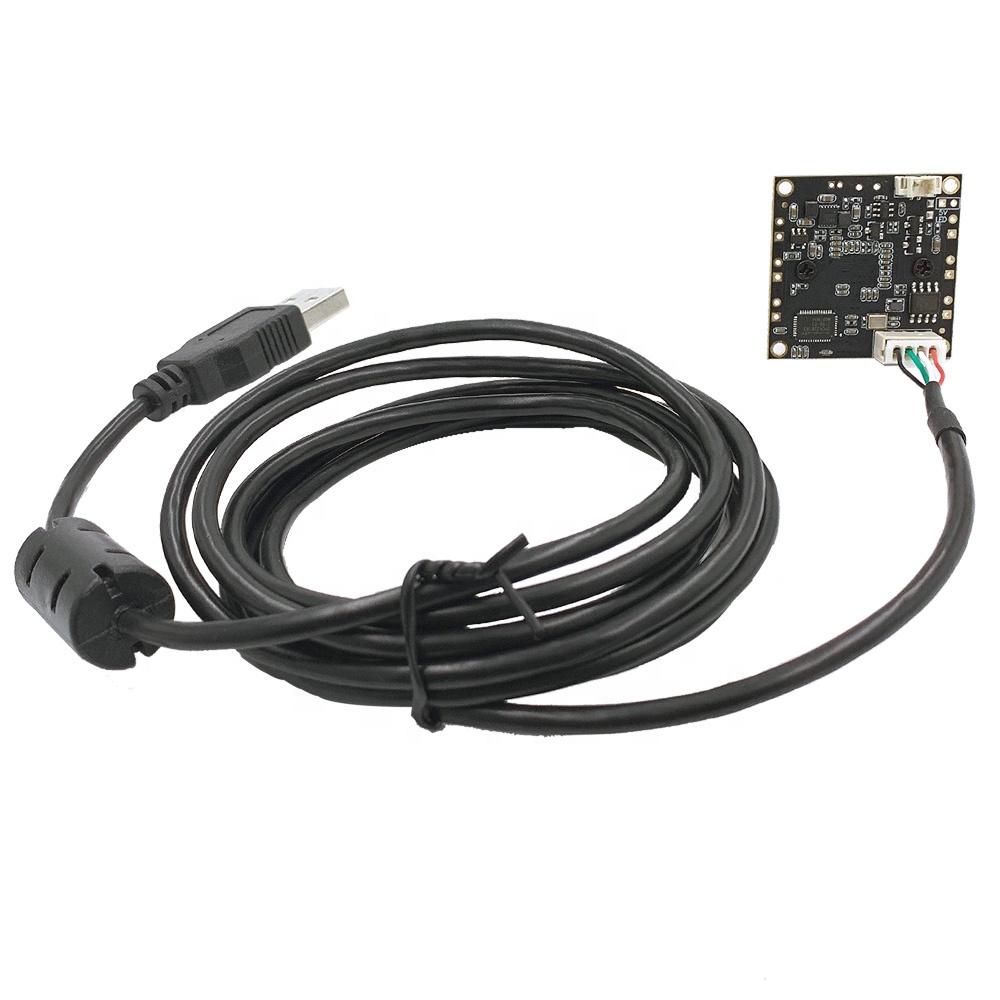
Engineering Overview: OEM Mini Analog & Hybrid Camera Architecture
In modern embedded vision system integration, choosing the appropriate camera module interface is a foundational technical decision that dictates signal integrity, latency, thermal dissipation, and overall system lifetime costs. While digital standards like UVC USB and Ethernet-based IP cameras dominate consumer and standalone applications, specialized OEM mini analog cameras—alongside high-definition coaxial hybrids (AHD, HD-TVI, HD-CVI, and HD-SDI)—remain indispensable across industrial automation, banking infrastructure, self-service kiosks, automotive telematics, and covert surveillance.
As a leading custom camera OEM manufacturer based in Shenzhen and Dongguan, China, Shenzhen Brekta Electronics Co., Ltd. specializes in micro-miniaturized imaging modules starting from ultra-compact 15×15 mm, 32×32 mm, and 38×38 mm PCB footprints. Our engineering methodology focuses on solving real-world physical integration challenges: signal degradation over long cable runs, wide dynamic range (WDR) performance under erratic glare, and zero-latency real-time video feedback.
Comparing Coaxial Analog HD vs. UVC USB Interfaces
When selecting between mini analog camera modules and UVC USB camera modules, system architects must evaluate transmission distance, processing latency, and host system CPU load:
| Technical Parameter | High Definition Analog (AHD/TVI/CVI) | Standard CVBS Analog | Digital UVC USB 2.0 / 3.0 | Uncompressed HD-SDI |
|---|---|---|---|---|
| Max Transmission Distance | Up to 500 Meters (75-3 Coax) | Up to 300 Meters | 5 Meters (Without Active Extension) | 100–150 Meters |
| System Video Latency | Near Zero (<1ms) | Zero (<1ms) | 30ms – 120ms (Frame Buffering) | Zero (<1ms Uncompressed) |
| Host CPU Overhead | Zero (Direct DVR / Capture Board) | Zero | Moderate to High (Software Decoding) | Zero (Direct Hardware Interface) |
| Supported Resolutions | 1080P (2MP), 4MP, 5MP, 8MP (4K) | 700TVL – 1200TVL (VGA / NTSC / PAL) | 720P up to 16MP / 4K UHD | 1080P @ 60fps Uncompressed |
| Typical OEM Target Applications | ATMs, Vending, Mobile Telematics, DVRs | Legacy Security Retrofits, Medical Tubes | Smart Kiosks, Face Recognition, Laptops | Broadcast, Surgical, High-Speed Inspection |
For systems requiring instant human feedback (such as driver monitoring, surgical endoscopes, and ATM transaction verification), mini analog and HD-SDI modules deliver uncompressed, zero-latency streams without risk of software lockup or operating system driver crashes. Conversely, for PC-based self-order kiosks, our UVC driver-free USB modules—featuring Sony Starvis IMX291, Onsemi AR0230, and high-speed 330fps sensors—provide plug-and-play simplicity across Windows, Linux, Android, and macOS platforms.
Core Engineering & Custom OEM Capabilities
Tailored optical, PCB, and firmware customization engineered to solve application-specific physical constraints.
Ultra Low-Lux Starlight Imaging
Integration of Sony STARVIS BSI CMOS sensors reaching down to 0.0001 Lux illumination. Ensures vivid color retention in low-light banking lobbies, night vending, and outdoor enclosures without artificial IR glare.
Custom Optics & Pinhole Lenses
Complete lens flexibility: from 1.7mm fisheye lenses (180° FOV) to 3.7mm pinhole, 2.8mm distortionless board lenses, and C/CS optical zoom mounts with custom-cut IR filters (650nm / 850nm / 940nm pass).
Hardware WDR & Dynamic Range
True Hardware WDR (up to 120dB) powered by Onsemi AR0230 and Sony DSPs. Prevents overexposure in glass-front kiosk environments and extreme background lighting near retail entryways.
Protel & Allegro PCB Layouts
Custom PCB board shapes designed specifically for your chassis geometry. Multi-layer RF shielding, anti-interference layout design, and flexible FPC tail lengths tailored for high-vibration equipment.
Rigorous Quality Control
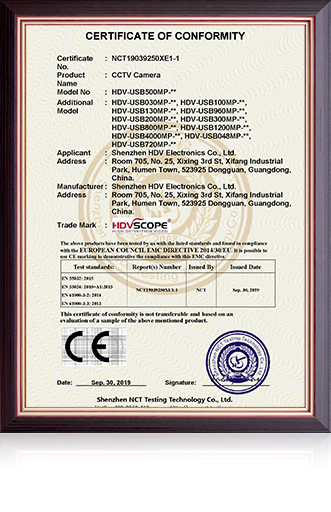
100% optical alignment testing, high/low-temperature burn-in chambers, and strict incoming component qualification. Fully certified to CE, FCC, and RoHS standards for worldwide distribution.
High Frame Rate Tracking
Specialized high-speed camera modules reaching up to 330fps at 1080P resolution. Ideal for industrial automation line verification, motion analysis, gesture recognition, and high-speed object counting.
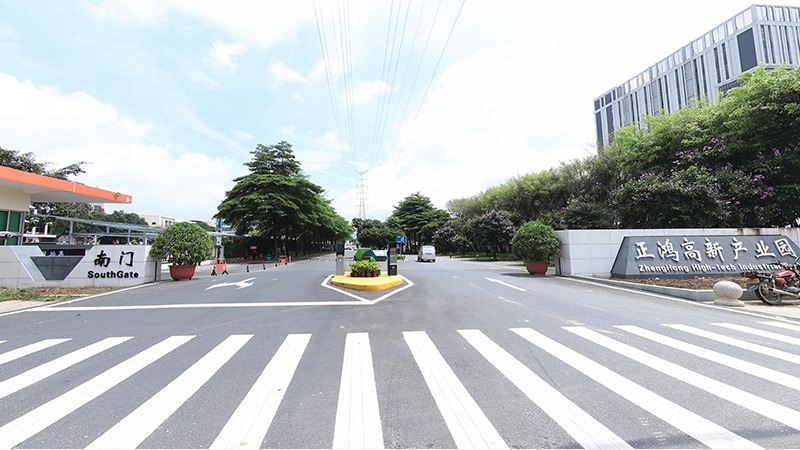
Inside Brekta Electronics: OEM Factory & Production Excellence
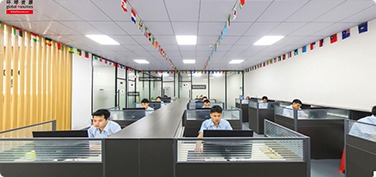
Operating state-of-the-art facilities in Shenzhen and Dongguan, Shenzhen Brekta Electronics Co., Ltd. serves as a verified Tier-1 OEM factory for global system integrators, kiosk builders, and security hardware brands across North America, South America, Europe, the Middle East, and Asia-Pacific.
Our in-house R&D team uses industry-standard CAD suites (Protel and Allegro) to develop optimized PCB trace layouts, ensuring minimal electromagnetic interference (EMI) and robust signal transmission even in tight, unshielded machine metal cavities. From initial schematic review to final SMT surface mounting and optical lens calibration, every stage follows ISO-compliant protocols.

Complete OEM/ODM Production Workflow
We streamline the custom camera procurement journey for B2B buyers through a structured 6-step engineering protocol:
- Step 1: Mechanical & Optical Requirement Analysis: Evaluation of spatial envelope (15×15mm, 32×32mm, 38×38mm), FOV requirements, IR needs, cable length, interface standard (AHD/CVBS/UVC/RTSP/SDI), and host power delivery.
- Step 2: Circuit Design & Schematic Prototype: Custom engineering using Protel and Allegro to optimize power regulators, ESD protection components, and image sensor pinouts.
- Step 3: Rapid Sample Fabrication (1–3 Days): Fast-turn prototyping utilizing in-stock sensor inventory (Sony STARVIS IMX291, IMX323, Onsemi AR0230, OmniVision CMOS) for immediate buyer evaluation.
- Step 4: Image Parameter Tuning & SDK Validation: White balance calibration, AE table customization, ISP firmware locking, and driver verification across OS platforms.
- Step 5: Full Mass Production & 100% Testing: Automated SMT placement followed by 100% image resolution testing, dynamic range checks, and burn-in aging tests.
- Step 6: Compliance Documentation & Logistics: Dispatch accompanied by full CE, FCC, and RoHS certification reports, backplane schematic pinouts, and a comprehensive 24-month warranty.
Future Procurement & Technology Trends in Mini Embedded Cameras (2025–2030)
The micro embedded camera industry is undergoing rapid technical evolution driven by edge artificial intelligence, smart retail expansion, automated banking automation, and industrial IoT integration. Strategic procurement teams must align their multi-year hardware roadmaps with these emerging technological trends:
1. Migration from CVBS to High-Definition Analog Hybrids (AHD/TVI/CVI/SDI)
Traditional legacy analog video (CVBS NTSC/PAL) is rapidly retiring due to resolution bottlenecks (limited to ~700–1200TVL). Modern OEM equipment integrators are upgrading to HD Analog standards (AHD, HD-TVI, HD-CVI) and HD-SDI. These protocols deliver 1080P, 4MP, and 4K uncompressed video over existing coaxial infrastructure without latency, enabling high-resolution AI video analytics at the host recorder without replacing long cable runs.
2. AI-at-the-Edge & Dual-Spectrum Binocular Vision
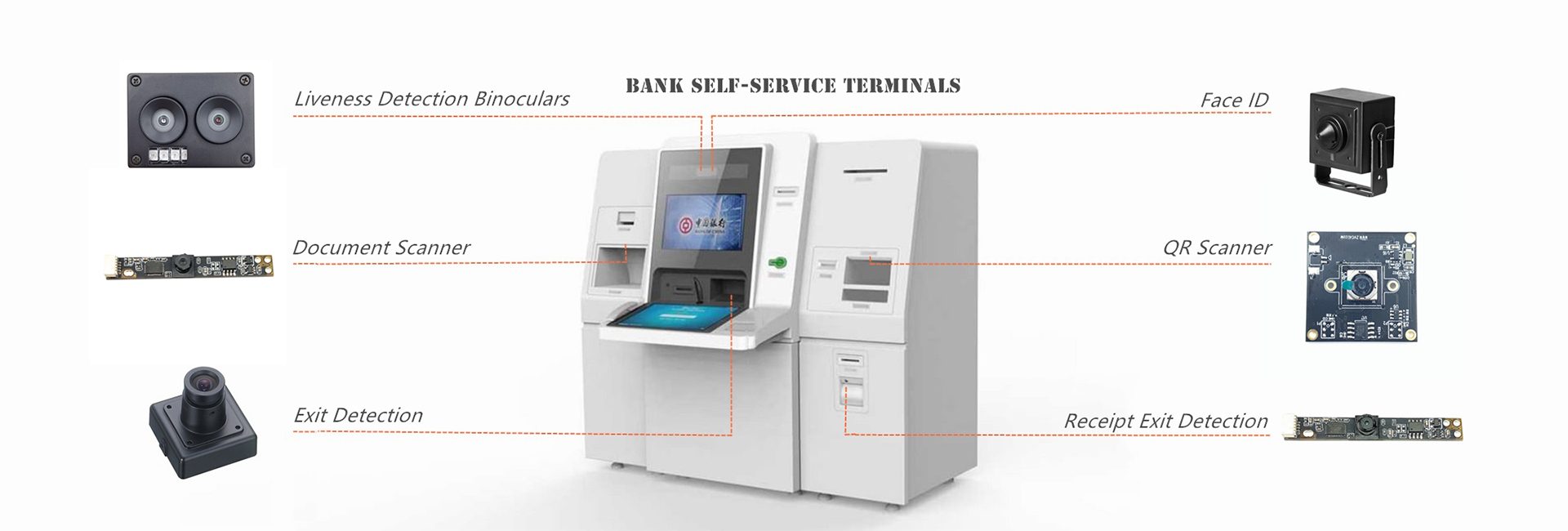
Self-service kiosks, access control turnstiles, and ATM financial terminals are increasingly adopting binocular dual-lens camera modules. By combining an RGB color sensor (for human-visible UI feed and identity verification) with an IR sensor (for 3D depth mapping and anti-spoofing liveness detection), OEMs eliminate identity fraud. Embedded ISP chips now execute facial recognition and gesture control natively at the edge.
3. Ultra-Low-Lux Starlight CMOS Replacing Power-Hungry IR LEDs
Thermal management is a critical concern in tightly sealed outdoor kiosks and slim handheld terminals. Next-generation Back-Illuminated (BSI) CMOS sensors, such as Sony STARVIS and Blacklight technologies, achieve ultra-high sensitivity (down to 0.0001 Lux). This allows clear, full-color nighttime recording under ambient street lighting, eliminating the need for high-power infrared LED boards that generate excessive heat and attract insects.
4. Anti-Fog, Wide-Angle Optics for Smart Retail & Cold-Chain Vending
With the rise of smart unmanned micro-markets and automated refrigerated lockers, mini cameras are exposed to extreme humidity and temperature fluctuations. Advanced OEM camera designs incorporate anti-fog hydrophobic lens coatings, heated optical windows, and 180° ultra-wide fisheye optics, allowing a single module to monitor entire refrigerator shelves without blind spots.
Comprehensive B2B Procurement FAQ
Technical and commercial insights compiled by our senior engineering team to assist B2B purchasing managers, component buyers, and system architects.
Ready to Develop Your Custom Camera Module Solution?
Send us your enclosure dimensions, target resolution, interface requirements, or optical lens specifications. Our senior engineering team will review your project and provide a technical proposal and sample quotation within 2 hours.
Contact Us