Featured OEM Mini Camera Modules
High-performance rolling shutter, low-lux Starvis, 4K UHD, and ultra-compact square form factors engineered for direct embedded integration.
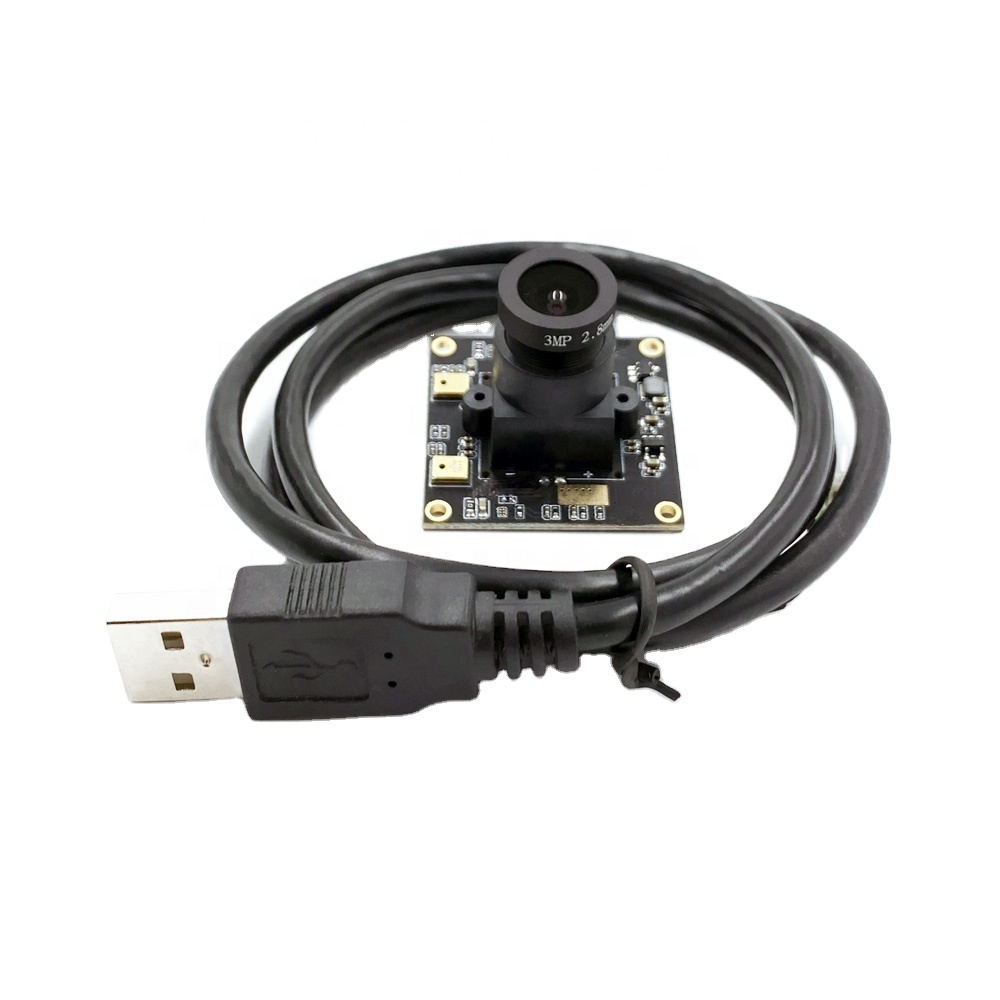
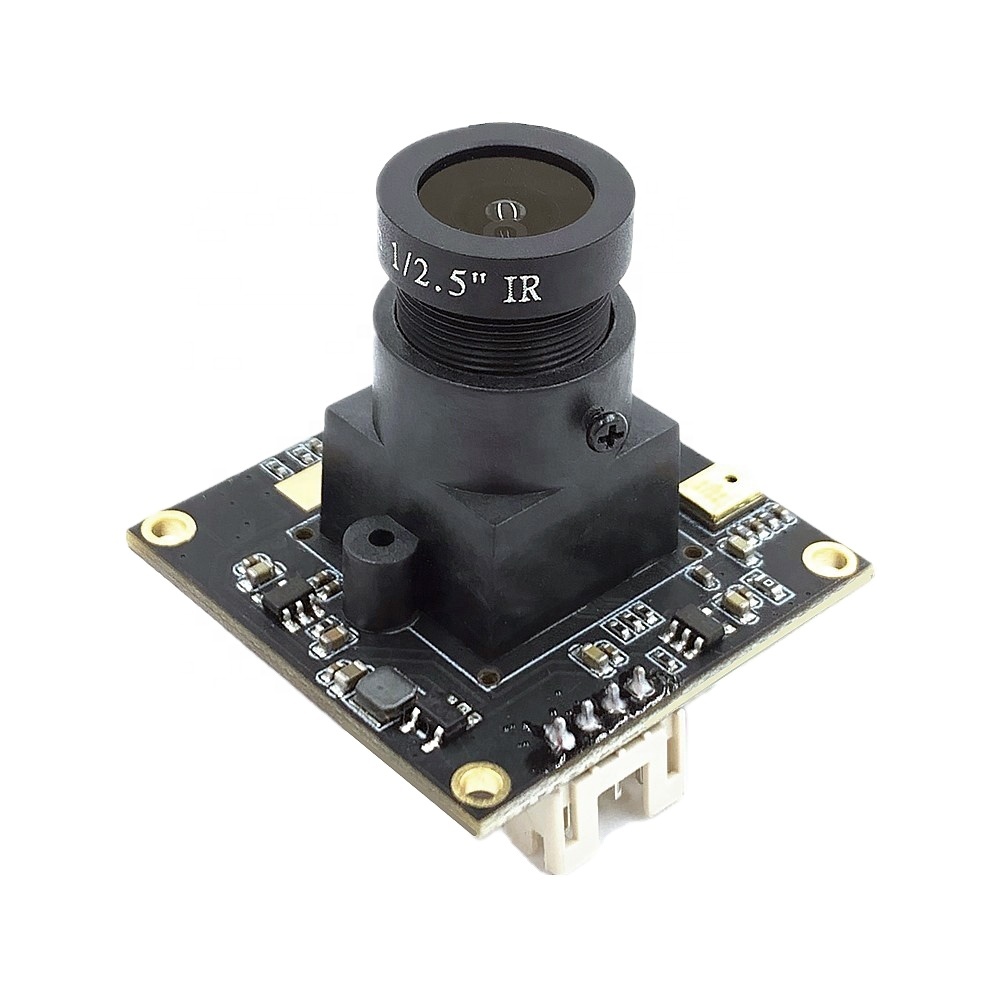

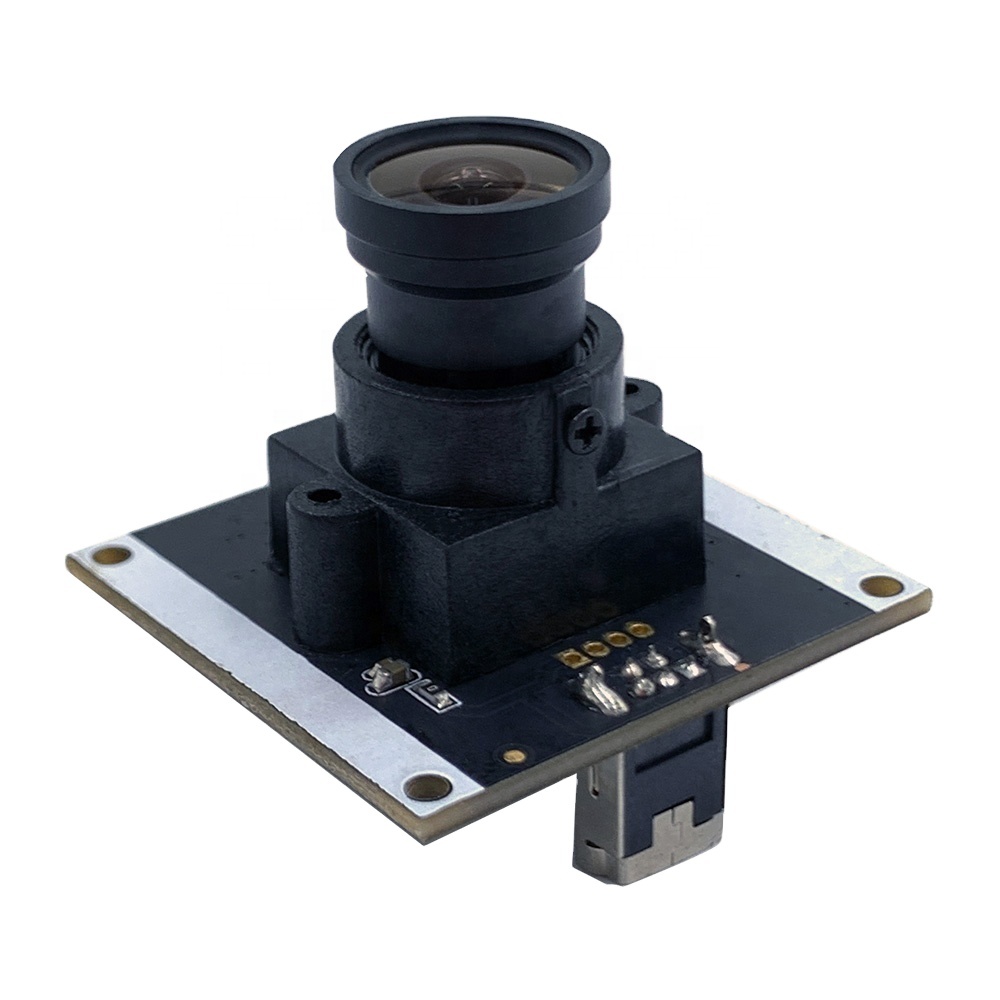
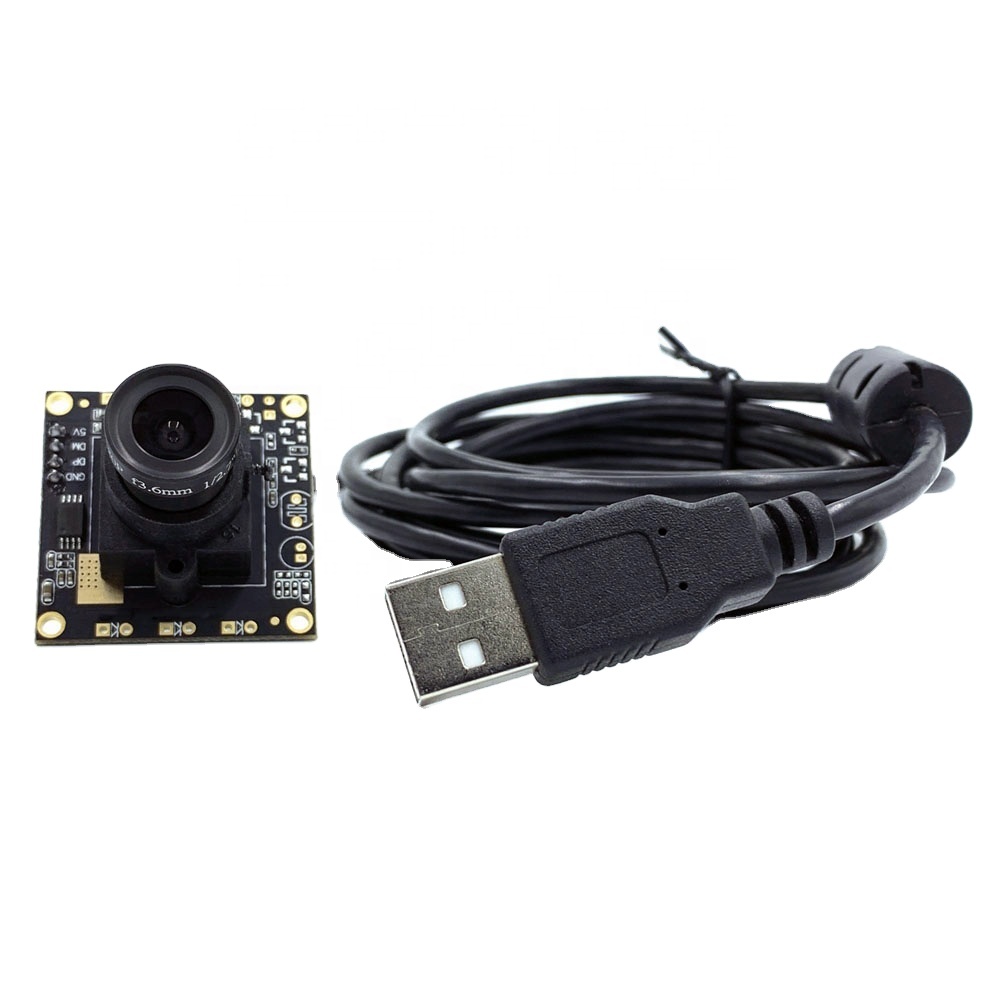
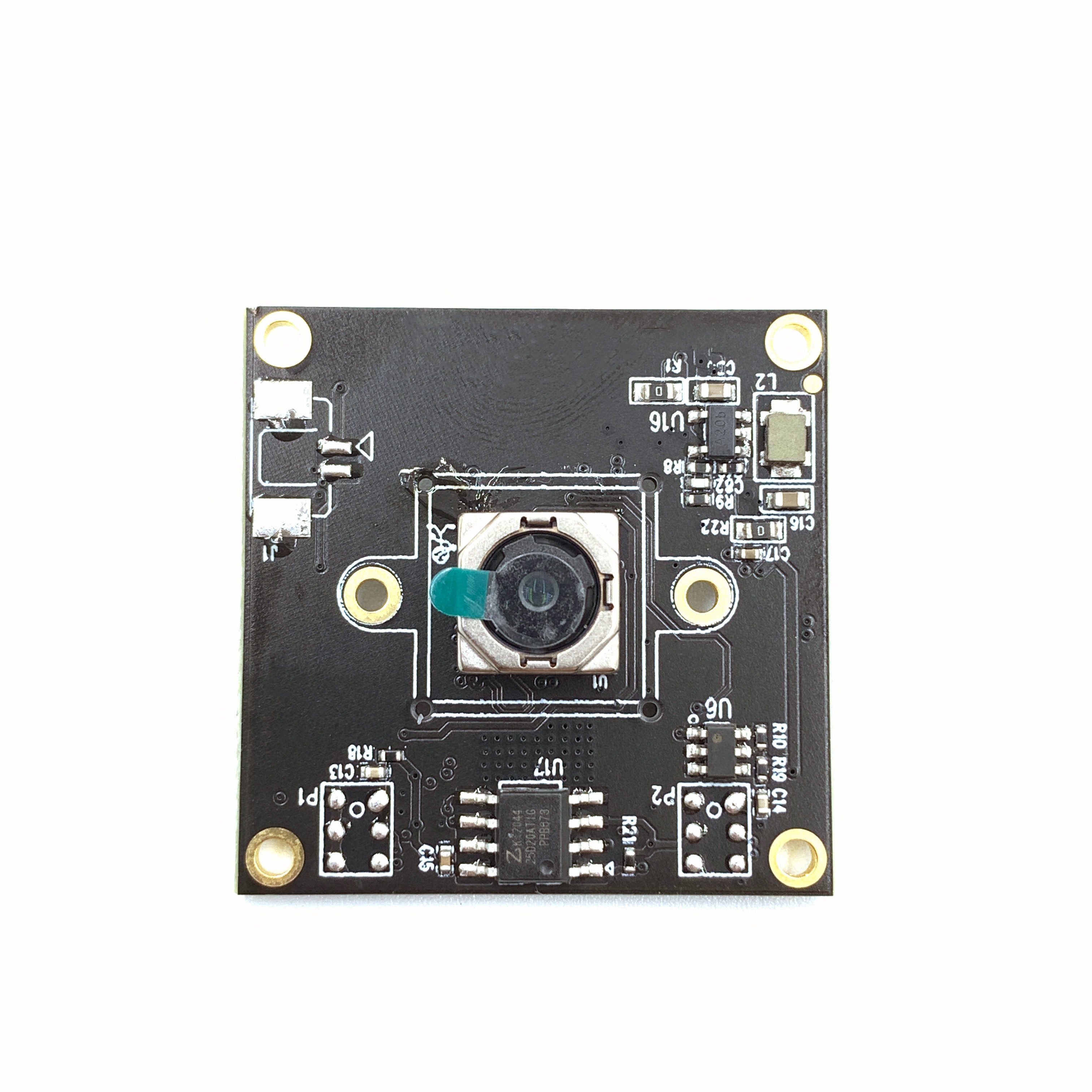
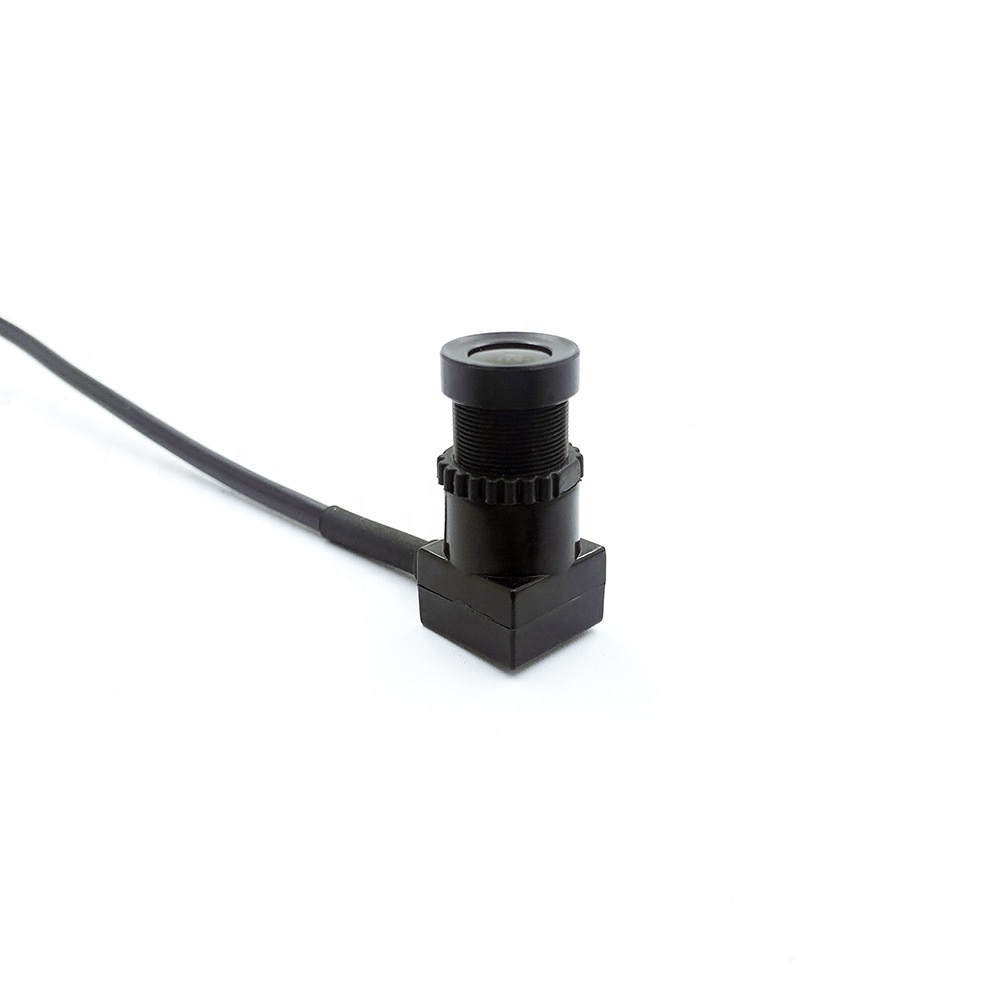
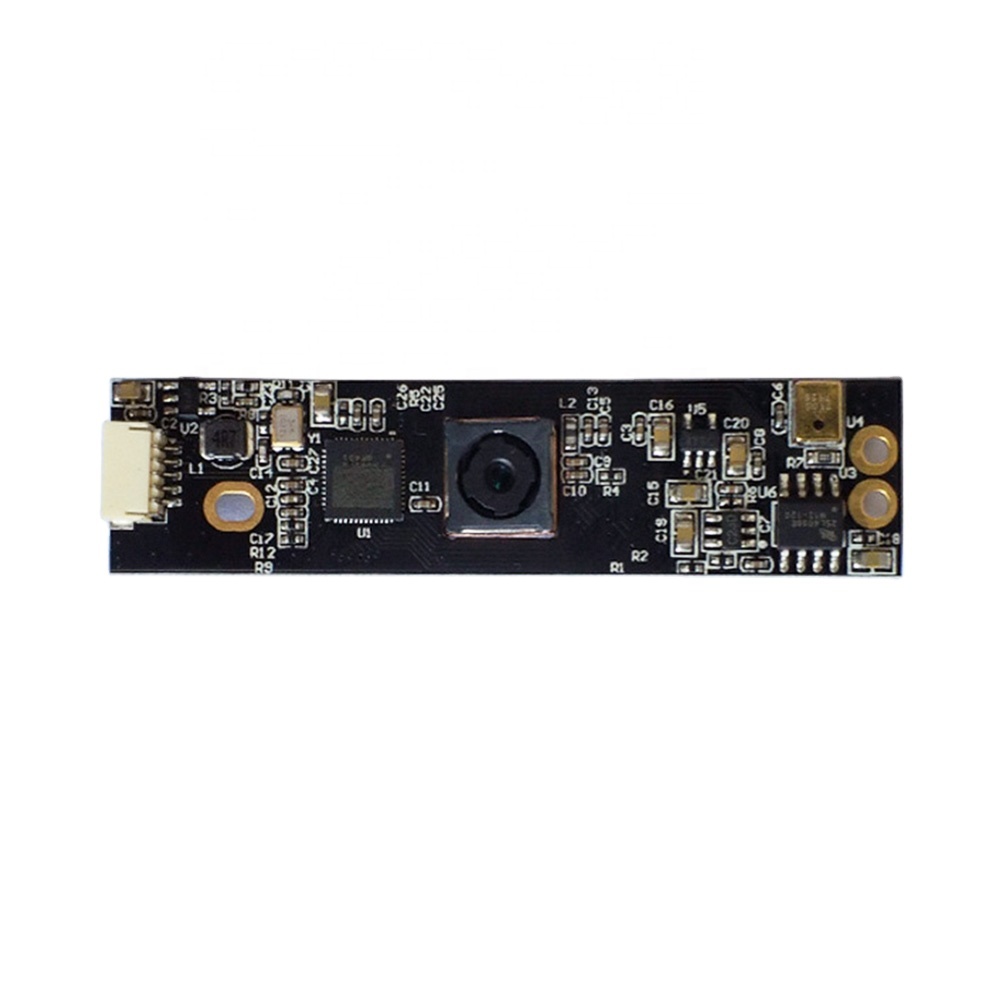
Custom OEM Mini Camera Factories & Manufacturing Architectural Guidelines
In the era of edge artificial intelligence, automated retail, and biometric verification, selecting the right Custom OEM Mini Camera Factory is no longer a simple purchasing decision—it is a core system design requirement. Modern machine vision architectures demand micro-board form factors, strict signal integrity, real-time dynamic range adjustments, and specialized lens alignment. For hardware product managers, optical system integrators, and procurement directors, navigating the technical landscape of miniaturized imaging modules requires a deep understanding of optical physics, sensor architecture, printed circuit board (PCB) design, and firmware tuning.
Custom mini camera factories specializing in OEM (Original Equipment Manufacturer) and ODM (Original Design Manufacturer) projects must balance dimensional constraints—ranging from 15×15mm square PCBs to custom elongated 62×15mm form factors—with stringent operational parameters such as low illumination sensitivity (0.001 Lux to 0.0001 Lux), high wide dynamic range (WDR > 105dB), and driverless USB Video Class (UVC) compliance across diverse host environments (Linux, Android, Windows, macOS).
1. Sensor Selection Architecture: Sony STARVIS vs. OnSemi WDR vs. OmniVision
The choice of image sensor dictates the boundaries of system capability. OEM mini camera factories typically architect solutions around three distinct silicon foundations based on user intent and deployment environment:
-
Sony STARVIS / STARVIS 2: Back-illuminated pixel technology delivering extreme low-light sensitivity (<0.001 Lux), superior NIR (Near Infrared) quantum efficiency, and low read noise for 24/7 security.
-
OnSemi AR Series (e.g., AR0230): True Digital Overlap WDR (up to 105dB–120dB) optimized for harsh backlighting scenarios such as outdoor self-service kiosks and glass-front ATM lobbies.
-
OmniVision High-Res CMOS: Ultra-compact die sizes for 4K UHD (13MP / 8MP) document scanners, medical endoscopes, and biometric face-identification terminals.
-
Global Shutter vs. Rolling Shutter: Rolling shutter optimized for static/low-speed detail capture; Global Shutter selected for high-speed scanning, motion tracking, and distortion-free barcode reading.
2. Interface & Protocol Standards: UVC USB vs. IP RTSP/PoE vs. AHD/SDI
| Interface Standard | Data Protocol / Compression | Maximum Cable Distance | Ideal Application Domain |
|---|---|---|---|
| USB 2.0 / USB 3.0 | UVC (MJPEG, YUY2, H.264 / H.265) | Up to 5m (Standard) / 15m+ (Active) | Embedded Self-Service Kiosks, ATMs, Laptops, Document Scanners |
| Mini IP Network | RTSP, ONVIF, CGI, P2P, H.265+ | 100m (Standard Ethernet / PoE) | Remote Machine Monitoring, Fleet Systems, Smart Building Security |
| Analog HD (AHD/TVI/CVI) | Raw Uncompressed Coaxial Video | Up to 500m (RG59 Coax) | Legacy DVR Upgrades, High-Interference Industrial Plants |
| HD-SDI / EX-SDI | Broadcast Uncompressed Digital | Up to 100m–300m | Medical Operating Rooms, Zero-Latency Broadcast, High-Speed Inspection |
Future Procurement & Technological Development Trends
Key shifts shaping the global supply chain for custom OEM camera modules and miniature optical vision systems.
Trend 1: Edge AI Processing & On-Board ISP Customization
The traditional paradigm of sending raw video streams back to a host CPU is rapidly evolving. OEM mini camera factories are increasingly integrating low-power NPUs (Neural Processing Units) and sophisticated Image Signal Processors (ISPs) directly onto 32×32mm and 38×38mm camera PCBs. This enables on-module face detection, optical character recognition (OCR), dynamic privacy masking, and automatic ROI (Region of Interest) target tracking, significantly reducing host computer processing overhead and bandwidth usage.
Trend 2: Ultra-Low-Light Blacklight & Dual-Spectrum RGB-IR Integration
Future smart kiosk and security installations require flawless imaging under dynamic lighting—ranging from harsh direct sunlight to complete darkness. Procurement demand is shifting toward dual-sensor or single-sensor RGB-IR hybrid modules equipped with motorized IR-cut filters or 940nm invisible IR LEDs. Furthermore, 0.0001 Lux Blacklight technology permits full-color video streaming without visible floodlighting, preserving discrete monitoring in residential smart doorbells (peephole cameras) and high-security banking terminals.
Trend 3: Miniaturization & Zero-Distortion Optical Assemblies
As equipment enclosures shrink, mini camera modules must maintain high optical fidelity within smaller footprints. The industry is adopting custom 3.24mm and 1.7mm zero-distortion lenses, eliminating the software warping traditionally required for fisheye or wide-angle correction. Micro-board designs (such as 15×15mm square and 14mm diameter pen-type modules) are becoming mandatory for industrial endoscopes, medical devices, and slimline self-service checkout counter terminals.
Why Partner with Shenzhen Brekta Electronics Co., Ltd.?
A premier OEM/ODM manufacturer dedicated to miniaturized video engineering, stringent quality assurance, and global compliance.
-
Protel & Allegro Engineering: In-house hardware engineering team executing complex PCB layout design, impedance matching, and thermal dissipation modeling for high-reliability industrial use.
-
Rapid Prototyping & Sampling: Standard sample turnaround within 1–3 working days; custom mechanical board dimensions and specialized cable pinouts prototyped rapidly.
-
100% Quality Inspection: Full optical resolution, color fidelity, auto-focus curve, and thermal stability testing performed on every unit prior to shipment.
-
International Compliance: All products carry CE, FCC, and RoHS certifications, ensuring frictionless customs clearance and regulatory alignment.
-
Low MOQ Flexibility: Standard inventory available with MOQ starting from 1 piece for preliminary engineering evaluation and integration testing.
-
24-Month Warranty Commitment: Comprehensive 2-year factory warranty backed by free replacement policies and lifetime technical support.
Frequently Asked Questions (FAQ)
Technical, commercial, and logistical guidance for OEM buyers and engineering leads.
What is the Minimum Order Quantity (MOQ) for custom OEM mini camera modules?
For standard catalog products—including UVC USB camera modules, mini IP boards, and AHD pinhole units—our MOQ starts at just 1 piece for customer testing and validation. For bespoke OEM/ODM projects involving custom PCB dimensioning (e.g., rigid-flex or non-standard mounting holes), dedicated lens matching, or customized ISP firmware parameters, MOQ typically ranges between 10 to 100 pieces depending on NRE engineering scope.
Are your USB camera modules driver-free across all host operating systems?
Yes. All Brekta USB camera modules fully comply with the international USB Video Class (UVC) standard. They operate plug-and-play without installing external drivers on Windows 7/8/10/11, Linux (kernel 2.6.26 and above), Android 4.0+, and macOS. Output video streams can be retrieved via standard media APIs such as OpenCV, DirectShow, V4L2, and WebRTC.
How do you ensure low-light performance in unlit kiosk enclosures?
We leverage high-sensitivity image sensors such as Sony STARVIS (IMX291/IMX307/IMX335) combined with large-aperture lenses (F1.6 to F2.0). Additionally, our engineering team optimizes ISP noise reduction algorithms (3DNR) to deliver crisp, noise-free color video down to 0.001 Lux, or black-and-white NIR imaging in 0 Lux conditions when coupled with 850nm/940nm IR illumination boards.
Can Brekta customize board dimensions, cable connectors, and lenses?
Customization is our primary core competency. Using EDA software like Allegro and Protel, our hardware engineers can adjust PCB outlines to fit tight enclosure profiles (e.g., 15×15mm, 32×32mm, 38×38mm, or dual-lens alignment boards). We also offer customized wiring harnesses (JST, Molex, Micro-USB, Type-C, pin headers), specialized focal lengths (M12, M7, pinhole, manual/optical zoom), and custom ISP tuning (WDR levels, gain control, exposure tables).
What is the lead time for sample delivery and mass production?
Standard catalog sample orders are dispatched within 1 to 3 working days. Custom engineering prototypes generally require 7 to 12 working days for PCB fabrication, SMT mounting, and optical calibration. Mass production lead times typically range from 2 to 3 weeks, backed by strict batch-to-batch consistency controls.
What certifications and quality assurance guarantees are provided?
Every camera module manufactured by Brekta adheres to rigorous ISO-compliant quality control procedures. Products are fully certified with CE, FCC, and RoHS marks. We stand behind our quality with a 24-month factory warranty, offering free replacement units for any quality defects and providing lifetime technical support from dedicated optical engineers.
Ready to Engineer Your Custom OEM Mini Camera Solution?
Connect directly with our engineering and procurement sales team. Receive technical feasibility feedback, detailed datasheets, and custom pricing within 2 hours.