Featured OEM Mini USB Camera Modules
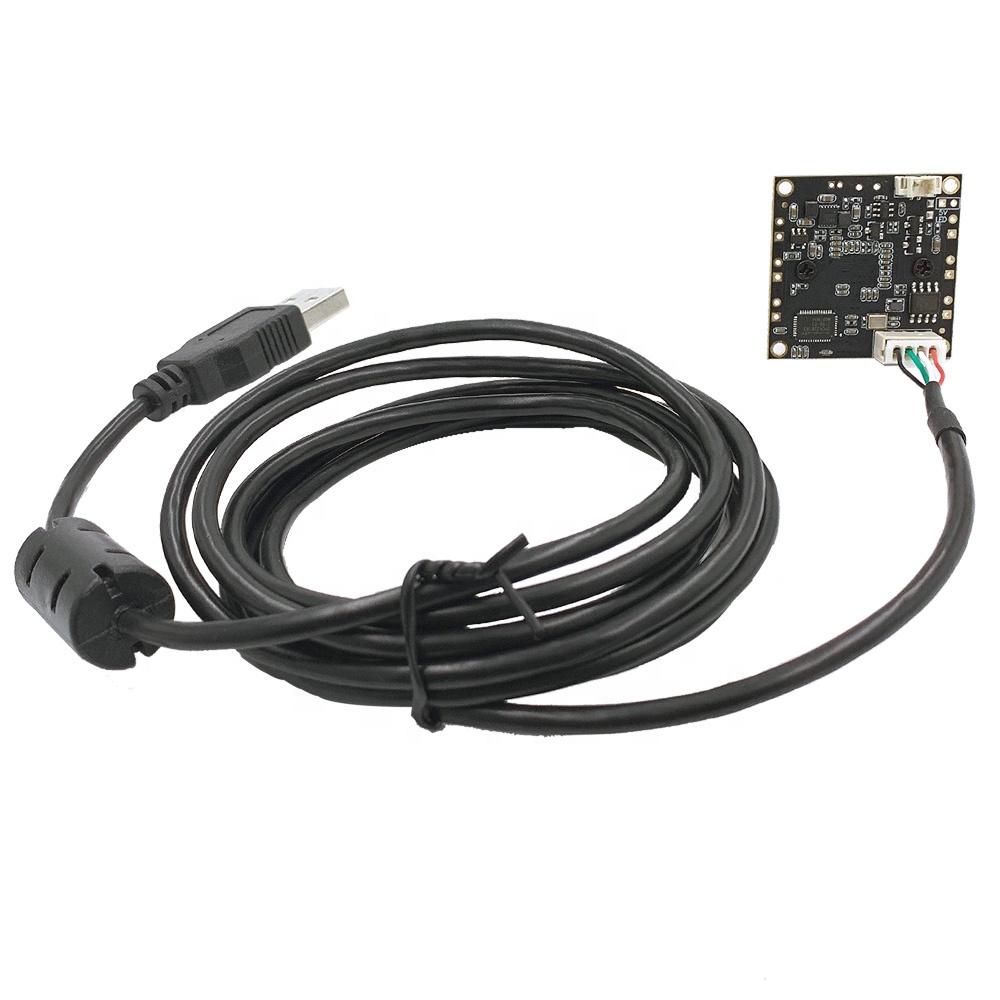
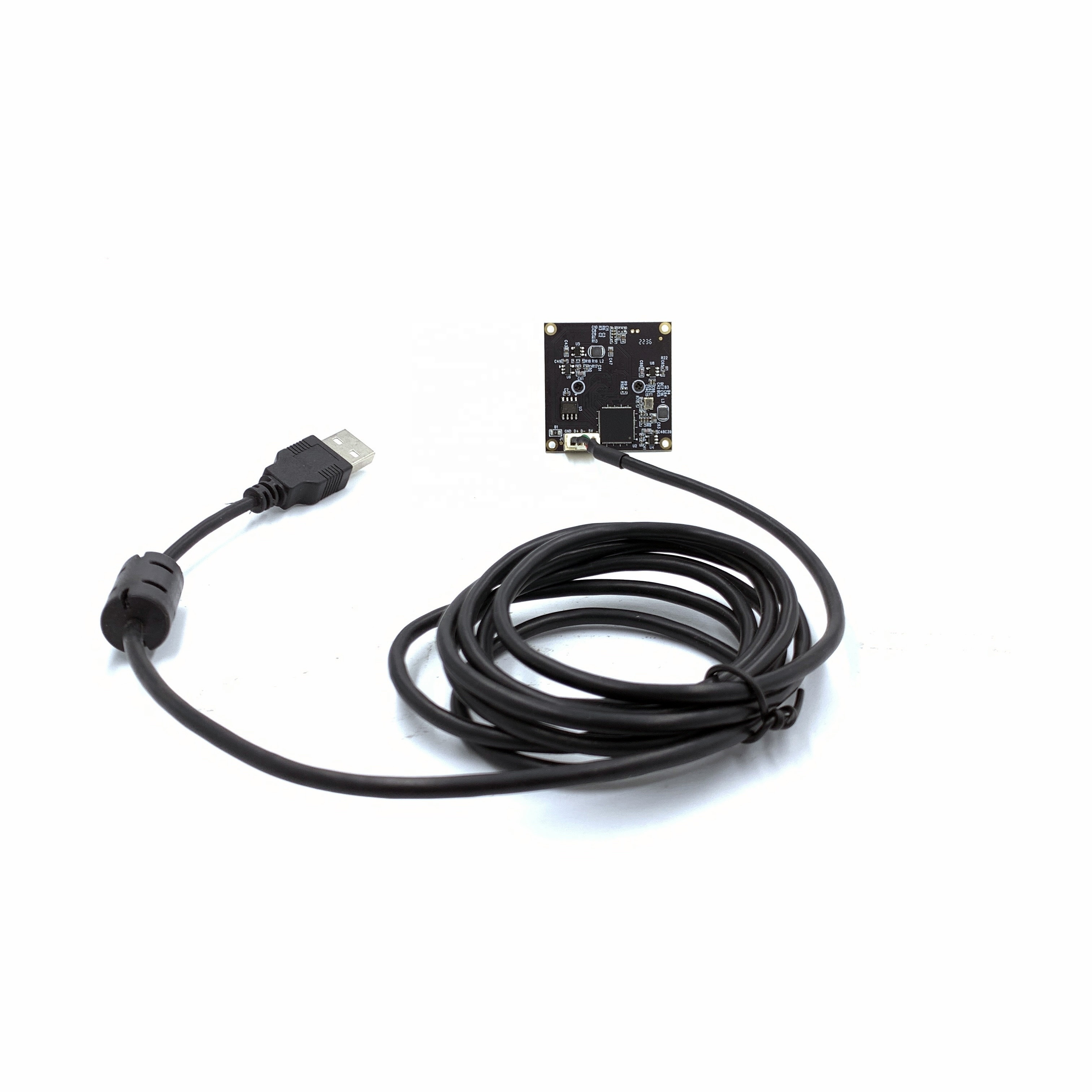
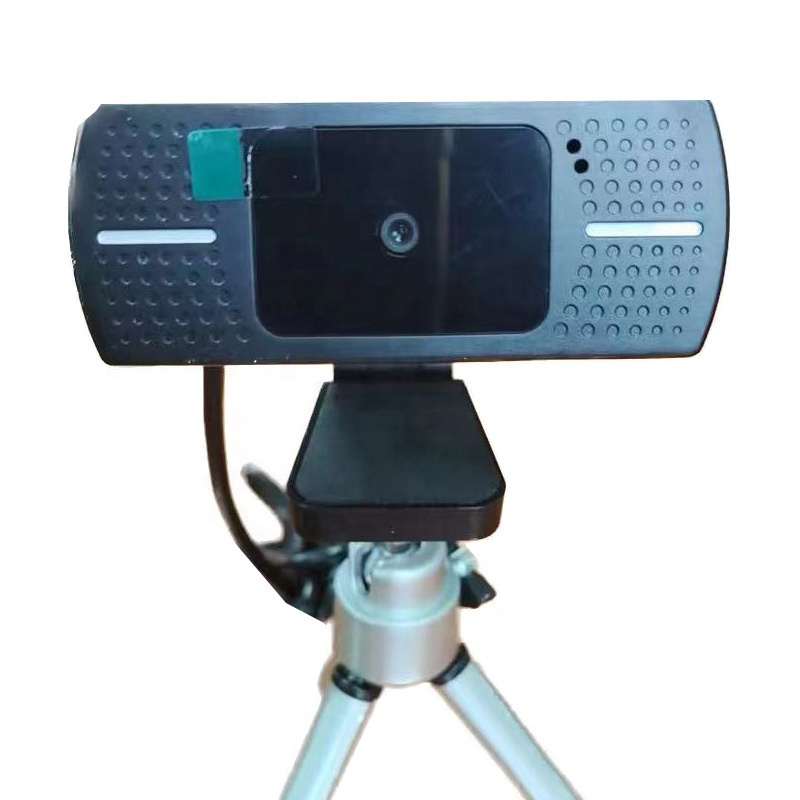
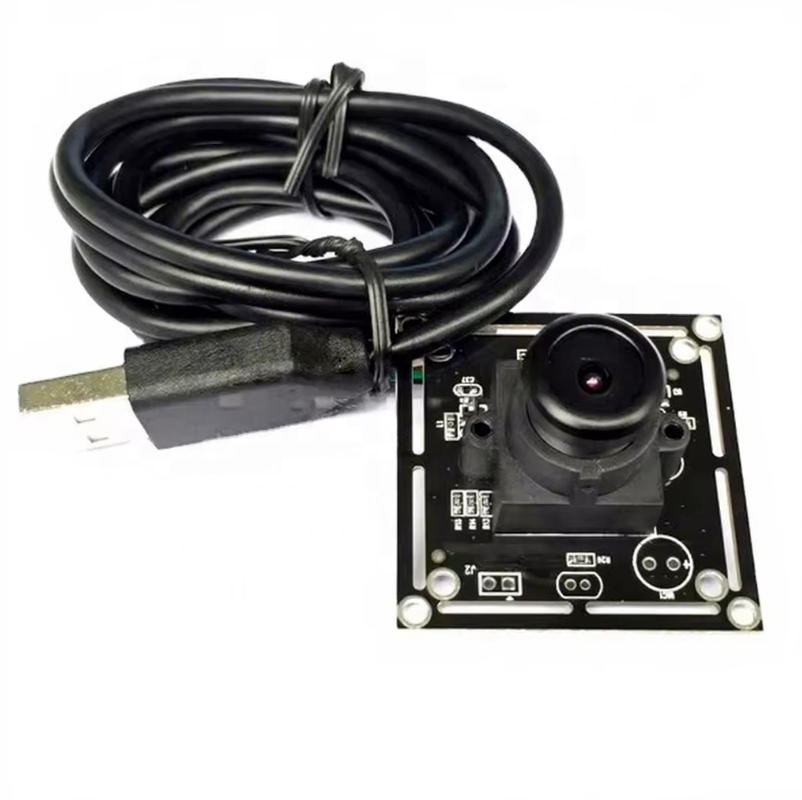
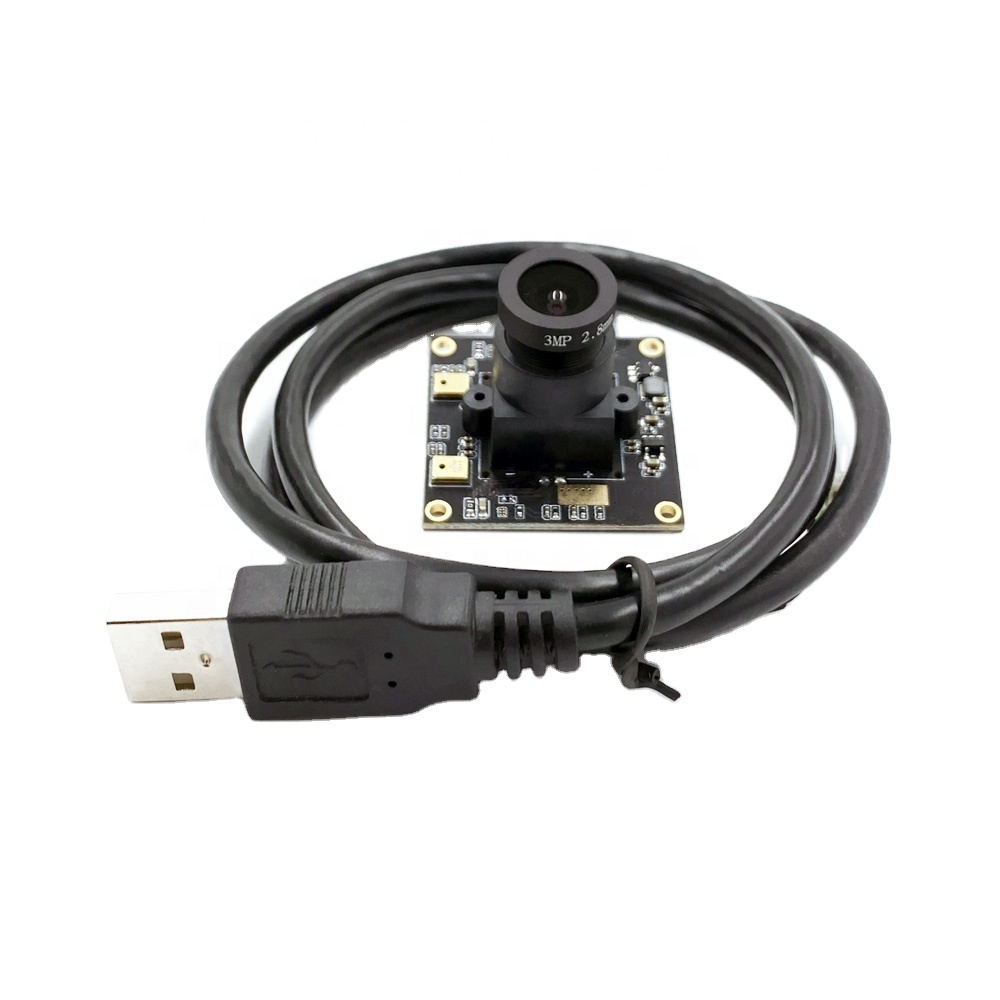
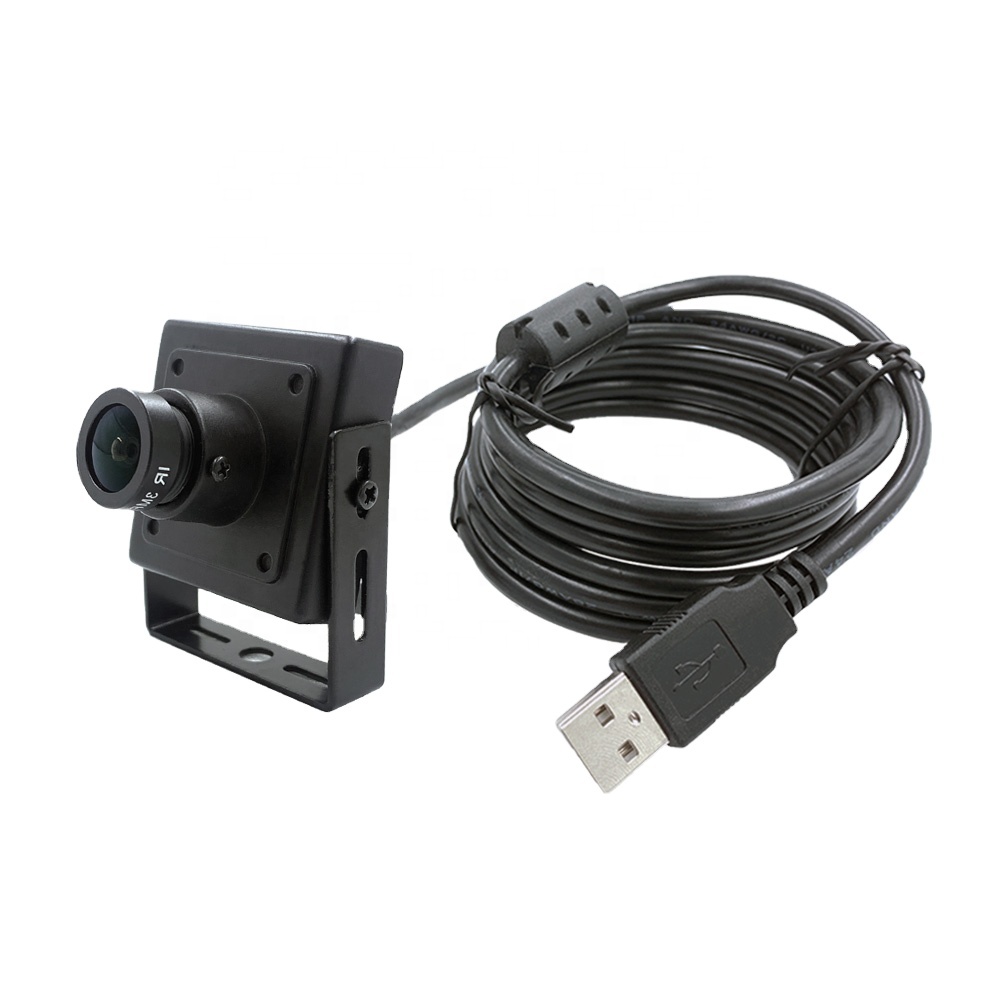
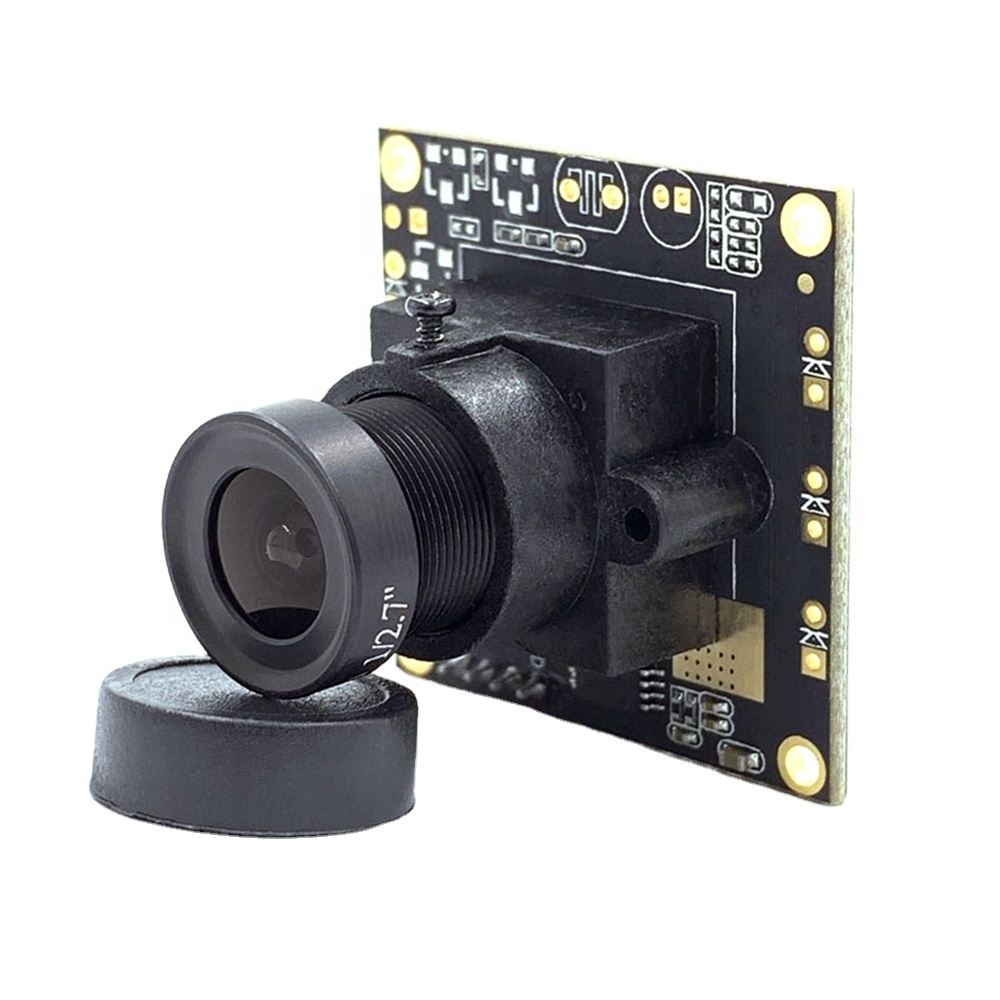
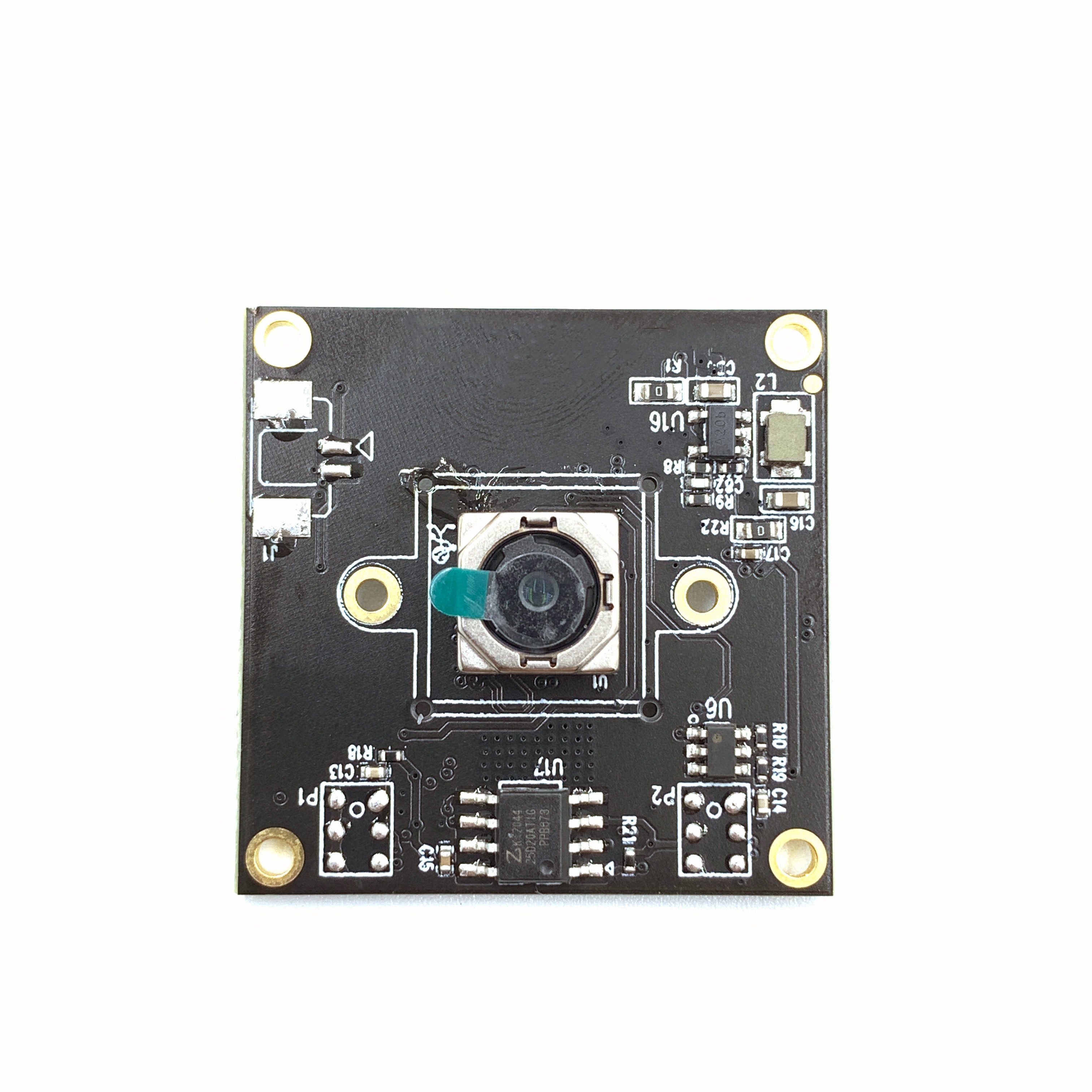
Explore our top-performing driver-free USB camera modules designed for ATM machines, self-service kiosks, medical devices, and industrial vision systems.
Enterprise Capabilities & OEM Manufacturing Advantage
Shenzhen Brekta Electronics Co., Ltd. is a leading high-tech manufacturer specializing in miniaturized visual imaging systems, UVC-compliant USB camera modules, industrial mini IP camera solutions, and high-definition analog/digital video components. Operating modern manufacturing facilities in Shenzhen and Dongguan, China, Brekta merges state-of-the-art optical engineering with automated SMT assembly lines to support global original equipment manufacturers (OEMs), system integrators, and industrial solution providers.
Our core engineering team possesses extensive expertise in PCB circuit design using industry-standard platforms such as Protel and Allegro, sensor ISP firmware tuning, dynamic range optimization, and custom optical mechanical encapsulation. Whether your application demands a micro 15×15mm board size for tight enclosure integration or specialized Wide Dynamic Range (WDR) sensors for high-contrast lighting environments like ATMs and self-service kiosks, Brekta provides end-to-end ODM engineering support from rapid schematic prototyping to mass production.
Technical Capabilities Overview:
Our operational capabilities span multiple camera technologies designed to solve complex machine vision, biometric authentication, and commercial monitoring challenges:
- Form Factor Customization: Standard board dimensions including 15×15mm, 25×30mm, 32×32mm, and 38×38mm, as well as customized non-standard geometric PCB designs tailored to fit restricted mechanical housings.
- Sensor Integration: Advanced partnerships with premium CMOS sensor foundries including Sony (Starvis & Starvis 2 series), Onsemi (AR0230, AR0130), OmniVision, and GalaxyCore to deliver resolutions from 720P HD up to 4K UHD (16MP).
- Lens Options & Optical Engineering: M12 board lenses, pinhole optics, distortion-free flat lenses, high-FOV ultra-wide fisheye lenses (up to 190°), motorized varifocal lenses, and precision voice-coil motor (VCM) autofocus modules.
- Driverless System Architecture: Full UVC (USB Video Class) compliance ensuring seamless plug-and-play operation across Windows, Linux, Android, macOS, and embedded ROS operating systems without third-party driver installations.
Future Procurement Trends in Custom Mini USB Camera Modules
The global industrial camera module procurement landscape is shifting rapidly. Driven by the proliferation of edge AI processing, smart self-service infrastructure, contactless biometrics, and automated machine inspection, procurement managers and hardware design engineers are seeking higher performance in smaller form factors. Below are key technical procurement trends governing next-generation OEM mini USB camera sourcing:
1. High Frame Rates for Edge AI
Modern machine vision relies on high-speed image acquisition to eliminate motion blur. Demand is surging for 1080P modules capable of 60fps to 330fps for real-time facial recognition, eye tracking, and high-speed document scanning.
2. High Dynamic Range (HDR > 105dB)
Self-service kiosks and outdoor ATMs operate under unpredictable lighting, from direct sunlight to dark night shadows. True hardware-level WDR (such as Onsemi AR0230) is now a non-negotiable procurement requirement.
3. Dual-Spectrum RGB + IR Imaging
Anti-spoofing biometrics and 3D facial verification require simultaneous visible spectrum (RGB) and Near-Infrared (NIR 850nm/940nm) capture. Integrated single-sensor or dual-lens modules are replacing separate cameras.
4. Ultra-Low Illumination (Starvis Tech)
Sensors featuring back-illuminated pixel technology (Sony Starvis) capable of rendering full-color video under 0.001 Lux are replacing power-hungry IR LED illuminators in compact, low-power terminal designs.
5. Hardware H.264/H.265 Compression
To reduce CPU load on embedded host controllers (Raspberry Pi, NVIDIA Jetson, Android ARM boards), USB cameras with built-in ISP hardware compression encoding are becoming standard for video streaming.
6. Compact Micro Packaging (15×15mm)
As smart devices shrink, hardware architects demand micro USB board footprints without compromising thermal dissipation, optical MTF resolution, or electromagnetic immunity (EMI/EMC).
Product Development Trends: Sensor Architecture & Optical Innovation
The engineering landscape for USB camera modules is undergoing transformative developments across ISP algorithms, sensor silicon chemistry, and optical lens manufacturing. Understanding these innovations helps B2B buyers select camera components that guarantee long product lifecycles and superior imaging accuracy.
1. Advanced CMOS Sensor Silicon & Shutter Technologies
Historically, rolling shutter sensors suffered from motion distortion ("jello effect") when capturing moving targets like scanning barcodes or fast-moving conveyor belts. Modern OEM module design incorporates high-speed rolling shutters with electronic rolling shutter (ERS) optimization or true Global Shutter CMOS sensors (such as OmniVision OG02B10 / Sony Pregius architecture). Global shutter sensors expose all pixels simultaneously, capturing distortion-free images of fast-moving objects vital for high-speed industrial robotics and VTM card scanners.
2. ISP Firmware Optimization & Color Fidelity
An optical sensor is only as good as the Image Signal Processor (ISP) driving it. Brekta's software team customizes ISP firmware directly in the microcontroller chip. Our engineered ISP algorithms include:
- Automatic Gain Control (AGC) & Exposure Tuning: Instantaneous adjustment (under 10ms) when transitioning from high brightness to total darkness.
- Dynamic Auto White Balance (AWB): Neutral color rendering under fluorescent, LED, natural daylight, and sodium lamps.
- De-warping & Optical Distortion Correction: Hardware-level lens correction for ultra-wide angle (120°–180°) lenses, outputting rectified flat images to host applications without consuming host CPU memory.
3. Physical Reliability & Thermal Management
Industrial deployment demands continuous 24/7/365 operation under adverse thermal conditions (-20°C to +70°C). Brekta's camera PCBs utilize multi-layer FR-4 materials with thermal vias and optional aluminum heatsink backplanes to dissipate thermal energy generated by high-definition ISP chips, preventing thermal noise degradation and fixed-pattern noise (FPN) in continuous surveillance scenarios.
B2B Technical Procurement FAQ
Detailed technical answers to common queries raised by hardware integration engineers, sourcing leads, and procurement teams during project evaluation.
What is the Minimum Order Quantity (MOQ) for standard and customized USB camera modules?
For in-stock standard USB camera modules (such as our 2MP AR0230 WDR or Starvis 1080P series), our Minimum Order Quantity is 1 piece for engineering evaluation and prototyping. For customized OEM/ODM projects requiring bespoke PCB layouts, non-standard optical lenses, custom cable lengths, or specialized pinout connectors, MOQ typically ranges from 50 to 100 pieces depending on engineering complexity.
Are Brekta USB camera modules truly driver-free across all operating systems?
Yes. All standard Brekta USB camera modules adhere strictly to the USB Video Class (UVC 1.0 / 1.5) standard protocol. They operate out-of-the-box without installing external drivers on Windows 7/8/10/11, Linux (Kernel 2.6.26 and above), Android 4.0+, macOS, and Ubuntu/Debian Linux distributions. Stream formats include uncompressed YUY2, compressed MJPEG, and hardware-encoded H.264/H.265.
Can you customize the physical PCB size, optical lens focal length, and wire harness?
Customization is our core business. Using Protel and Allegro electronic engineering software, we custom-design board dimension layouts (e.g., 15×15mm micro square, 32×32mm dual-board stack, or narrow bar PCBs). Furthermore, buyers can select M12/M8 optical lenses with focal lengths ranging from 1.7mm fisheye (180° FOV) to 16mm narrow-angle telephoto, as well as specify custom USB cable shielding, length (up to 5 meters USB 2.0 or active extensions), and connector types (Micro USB, Type-C, JST, Molex, 4-pin pitch headers).
How do you guarantee quality consistency between engineering samples and bulk production?
Every sample dispatched to a client undergoes identical SMT, optical alignment, and QA testing as full-scale production runs. Golden sample parameters (color matrix, MTF resolution, signal-to-noise ratio, white balance) are recorded into our automated test fixtures. Every mass-production batch must match the approved golden sample benchmark 100% prior to dispatch, backed by our 24-month manufacturer warranty.
What certifications do Brekta camera products carry for international export?
Our camera modules comply with international safety, electromagnetic compatibility, and environmental regulatory standards. Standard models are fully certified with CE, FCC, and RoHS certificates. Test reports and compliance documentation are available upon request to assist our global OEM partners with their final product system certification.
What is the difference between Wide Dynamic Range (WDR) and Digital WDR (DWDR)?
True hardware WDR (such as Onsemi AR0230 offering >105dB up to 120dB) captures multiple exposures (long and short exposure frames) at the pixel level simultaneously, merging them within the sensor ISP. This produces crystal-clear images in intense backlighting without noise or motion blur. Digital WDR (DWDR) uses software contrast adjustment on a single exposure, which brightens dark areas but introduces significant digital noise. Brekta supplies true hardware WDR modules for critical ATM, Kiosk, and VTM applications.
Need Custom Camera Hardware for Your Engineering Project?
Talk directly with our experienced optical and hardware engineers. Get custom PCB layouts, sensor recommendations, lens calculations, and fast engineering sample delivery within 1–3 business days.
Get a Quote