Precision OEM/ODM USB Camera Modules for Industrial Procurement
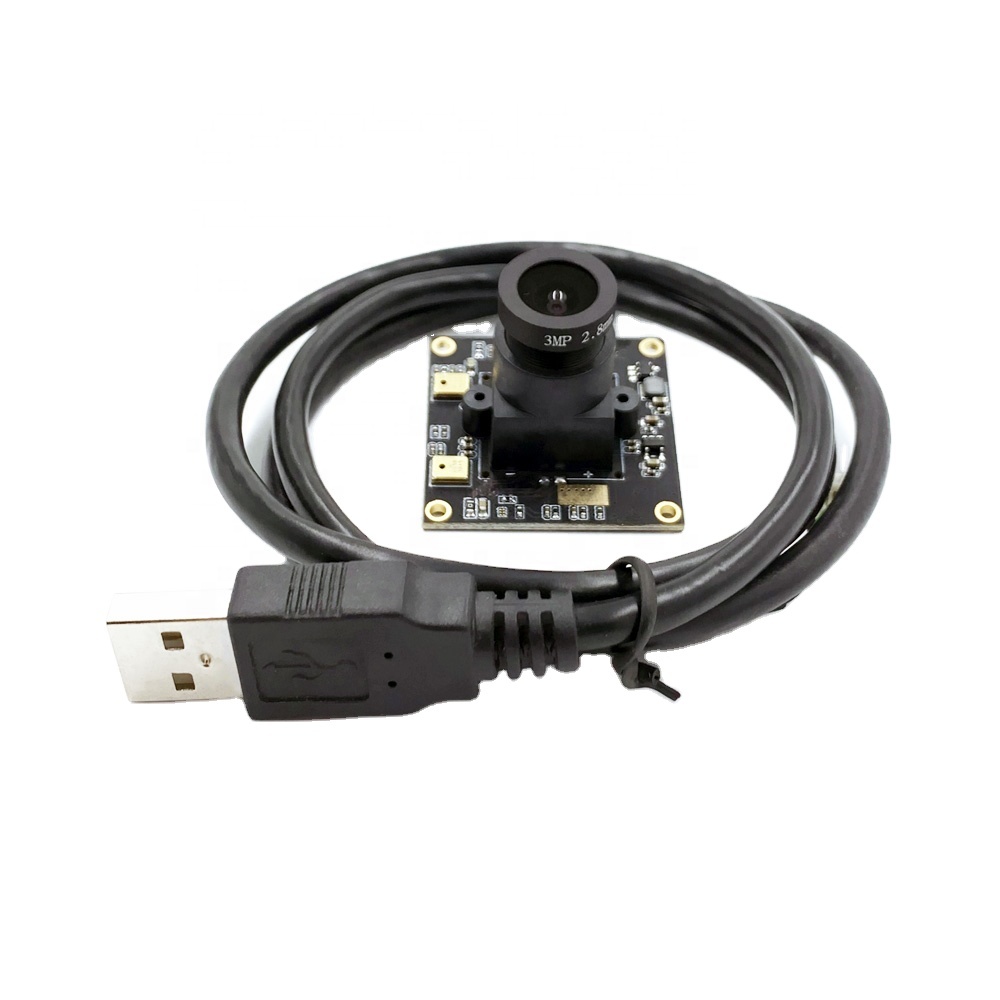
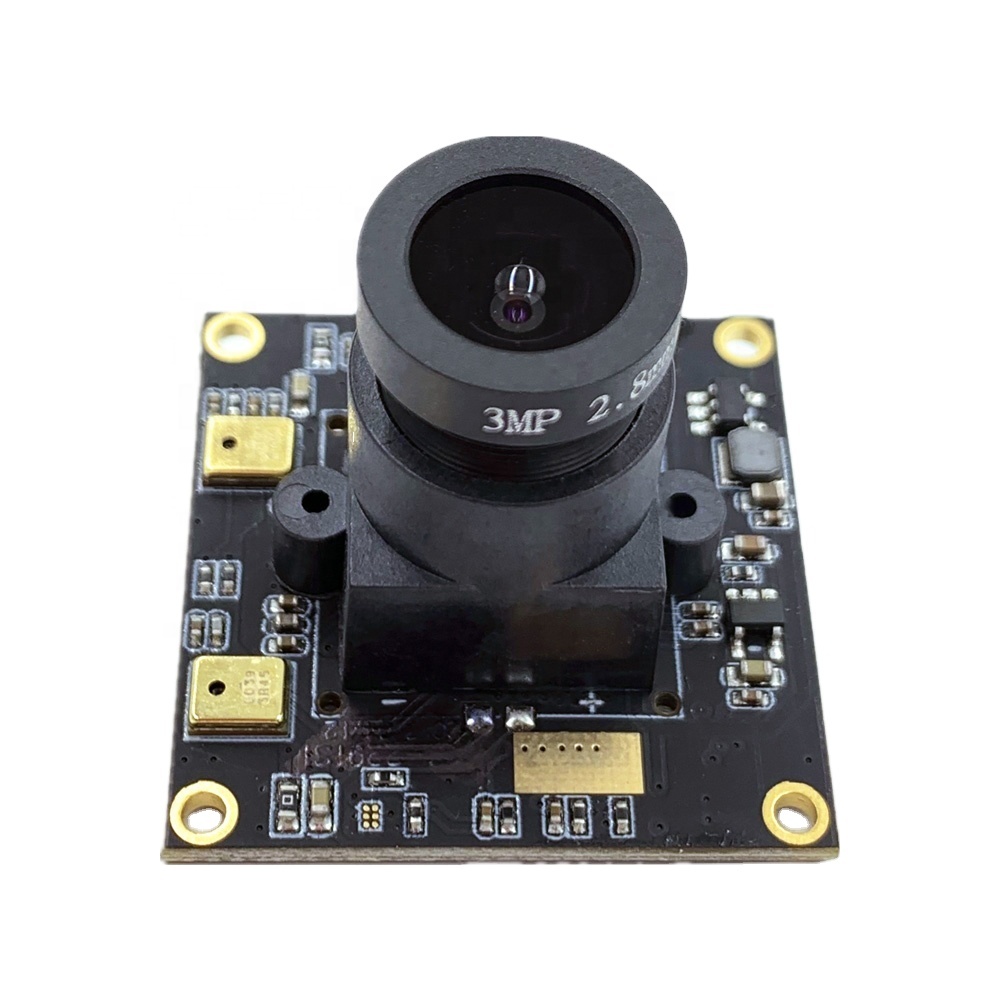
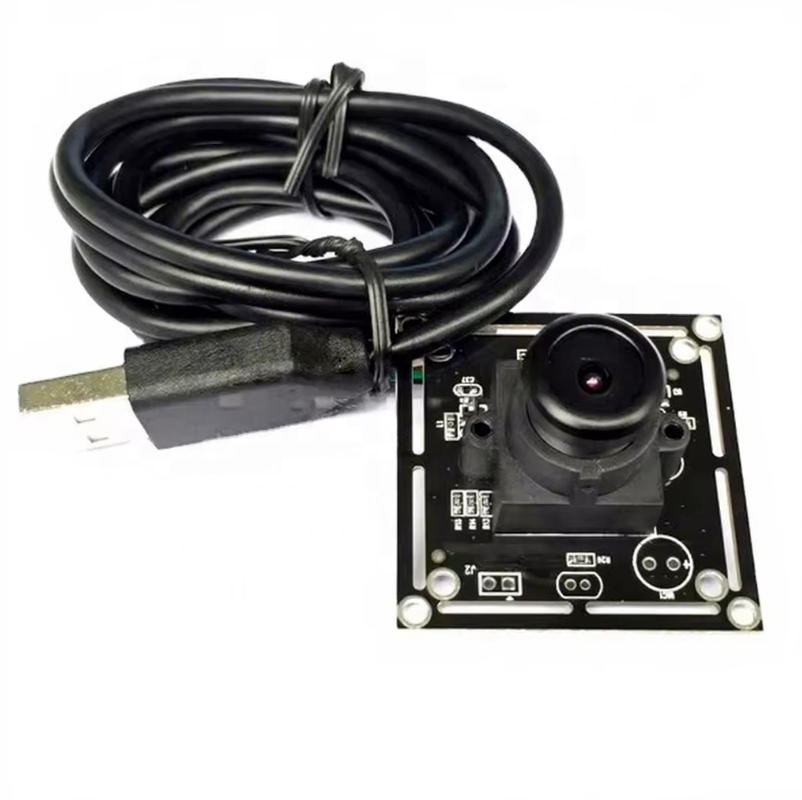
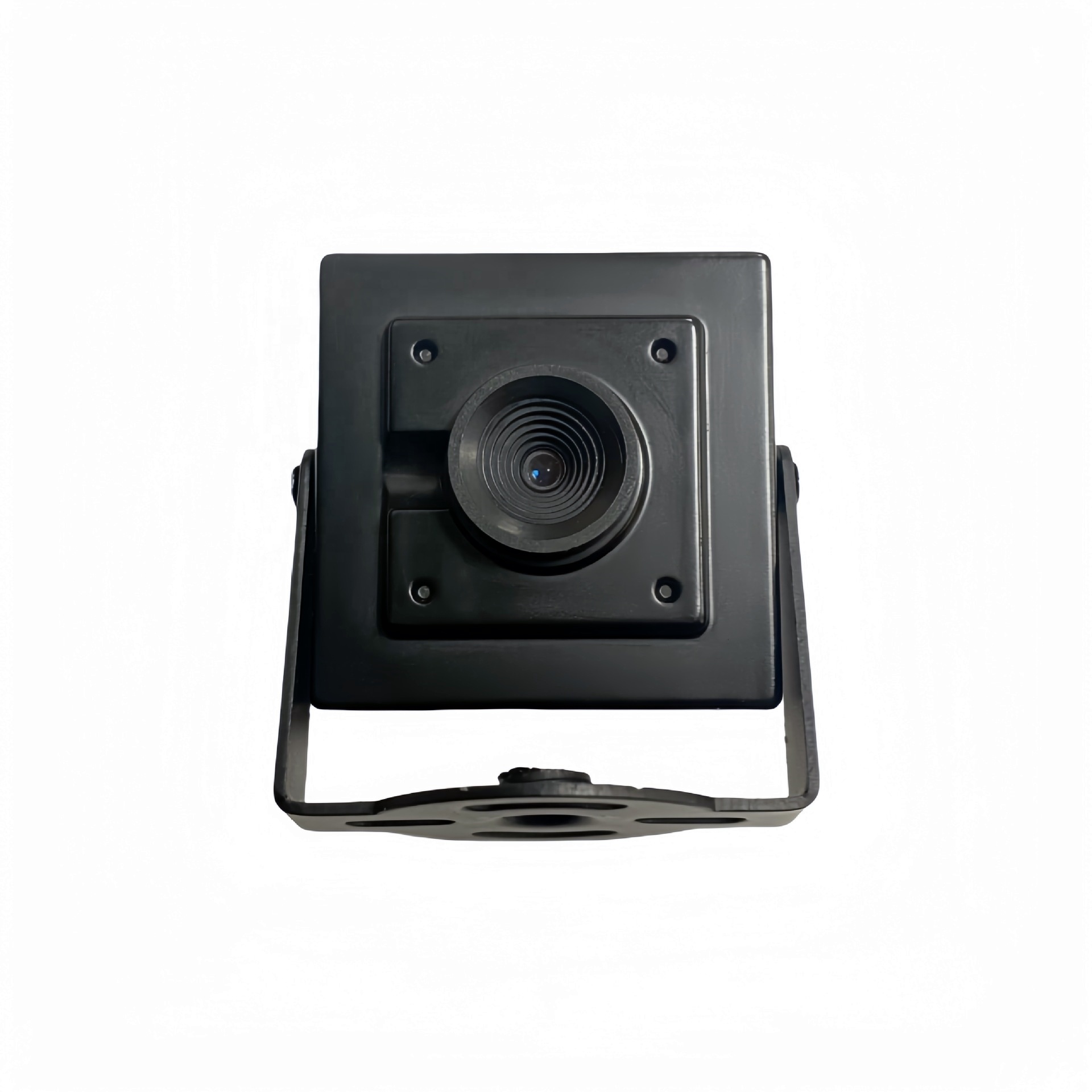
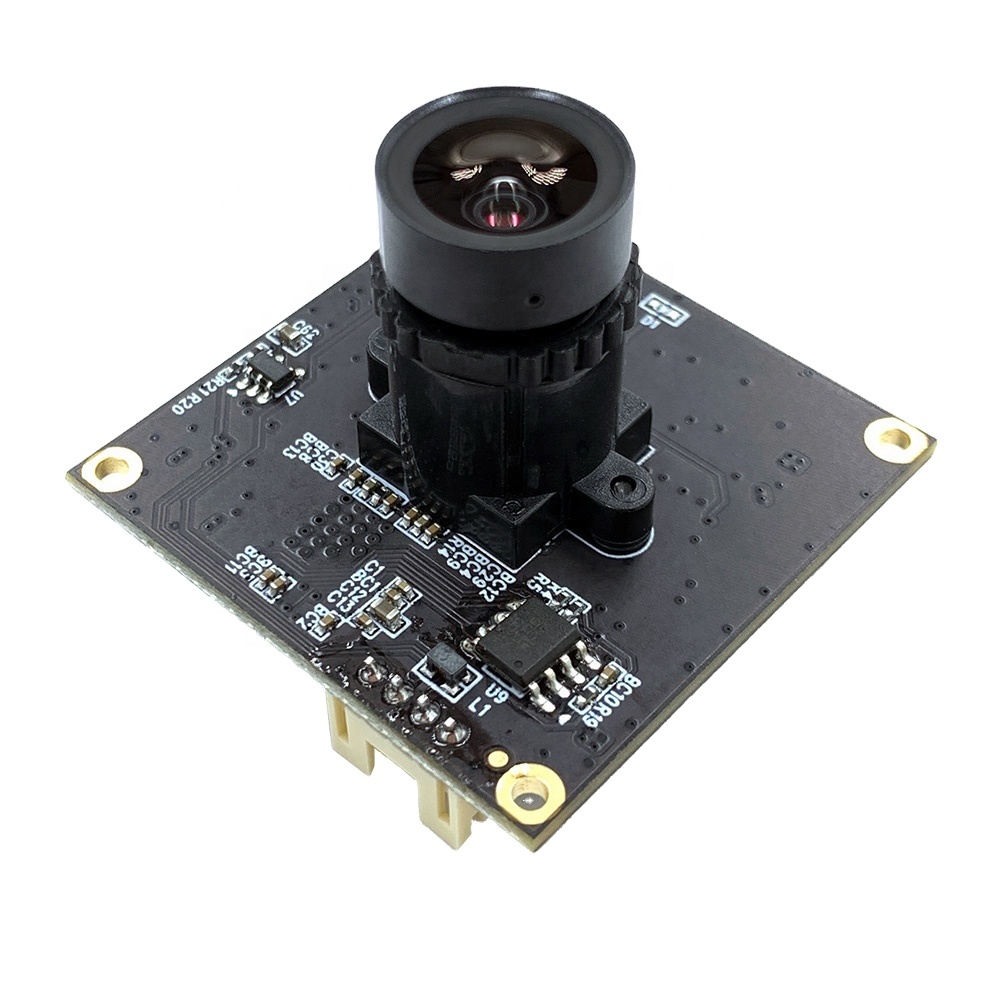
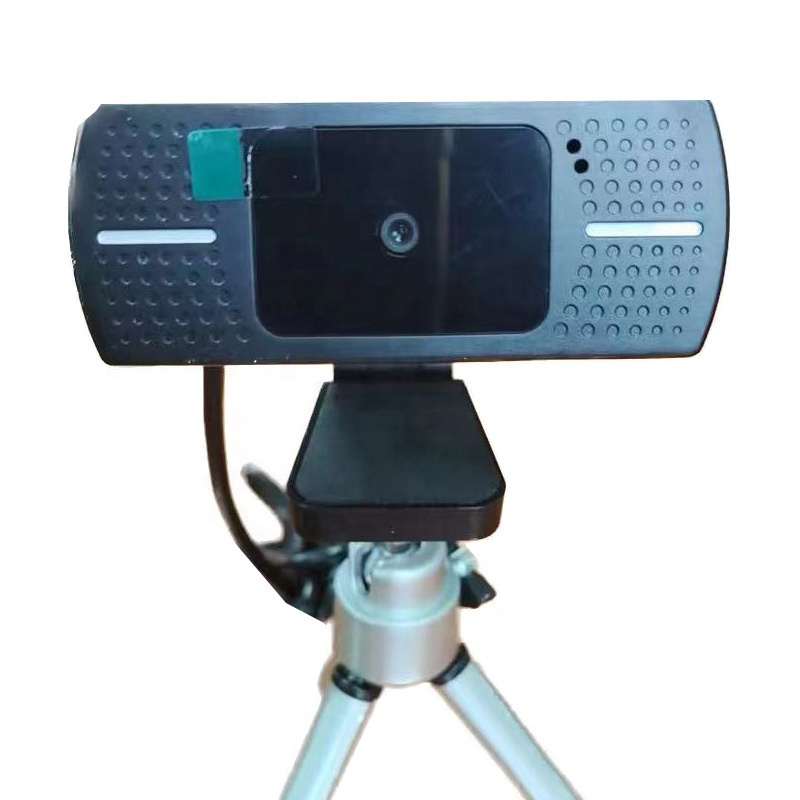
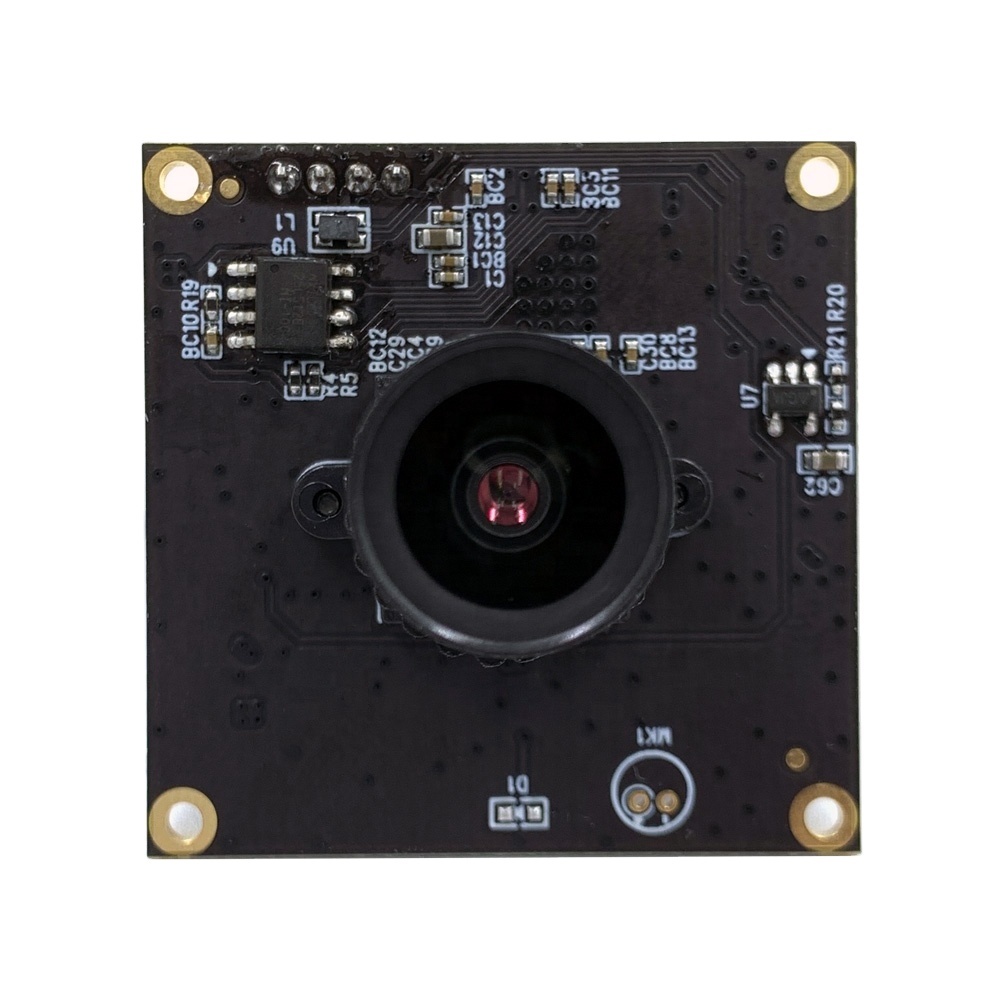
Shortlisted UVC camera boards engineered with advanced ISP tuning, Sony STARVIS™ sensors, high-frame-rate rolling/global shutters, and flexible board dimensions (15×15mm, 32×32mm, 38×38mm).
Why Tier-1 System Integrators Partner with Shenzhen Brekta Electronics
Combining over 13 years of specialized hardware miniaturization engineering with rigorous ISO-aligned quality assurance, Protel/Allegro PCB customization, and end-to-end supply chain reliability.
Custom PCB Layout & Form Factors
Engineered using Protel and Allegro CAD software. We design single-board and flexible dual-board layouts spanning micro 15×15mm, 25×25mm, 30×25mm, 32×32mm, up to standard 38×38mm, ensuring seamless mechanical fit inside constrained kiosk housings, doorbells, and industrial machinery.
ISP Optical Tuning & Firmware Modification
Our dedicated optical laboratory customizes Image Signal Processor (ISP) firmware for optimal AE (Auto Exposure), AWB (Auto White Balance), WDR (Wide Dynamic Range), and low-light noise reduction (2D/3D NR) targeting specific operational ambient light levels.
Strict Quality Control & Global Certifications
Every single OEM USB camera board undergoes darkroom illuminance testing, MTF resolution testing, and high-temperature burn-in. Products are certified compliant with CE, FCC, and RoHS directives, backed by a 24-month replacement warranty.
Future Procurement Trends in Industrial USB Camera Boards
A strategic analysis for engineering leaders, procurement directors, and system architects specifying embedded optical hardware over the next 3–5 years.
The global embedded vision market is undergoing a fundamental structural transition. Driven by the rapid proliferation of Edge Artificial Intelligence (Edge AI), automated self-service financial terminals, biometric access control, and smart retail checkout infrastructures, procurement parameters for USB camera boards have shifted from basic pixel resolution toward specialized optical fidelity, bandwidth efficiency, and long-term supply chain durability.
1. Shift Toward High Dynamic Range (HDR) & Ultra Low-Lux Sensitivities
Legacy procurement strategies relied heavily on raw megapixel specs (e.g., standard 1080P vs 4K). However, real-world deployments in outdoor kiosks, food self-order terminals, and security doorbells frequently encounter adverse lighting conditions—such as strong backlighting, direct sunlight flare, or pitch-black ambient environments. Modern B2B procurement mandates image sensors equipped with Sony STARVIS™ back-illuminated pixel technology capable of operating at light levels down to 0.001 Lux or even 0.0001 Lux (Blacklight technology).
Furthermore, real-time hardware Wide Dynamic Range (WDR/HDR > 120dB) has become a non-negotiable procurement standard. WDR ensures that facial features in bright outdoor backgrounds and shadow areas are captured simultaneously without over-exposure or black clipping, which is vital for facial recognition algorithms and fraud-prevention compliance in ATM/VTM environments.
Procurement Insight: Evaluating dynamic range requires looking beyond sensor spec sheets. Hardware-level multi-exposure HDR processed on-board by the ISP delivers significantly lower host CPU overhead compared to software-driven tone mapping on the host platform.
2. Demand for Ultra High Frame Rates (Up to 330 FPS) in Motion Analytics
High-speed industrial automation, high-speed document scanning, and gesture-tracking interfaces require high frame rate USB camera modules. Standard 30fps cameras suffer from severe motion blur and rolling shutter skew when capturing fast-moving objects. Sourcing trends show a marked increase in demand for USB camera boards operating at 60fps, 120fps, and up to 330fps at 1080P resolution.
- Reduced Frame Latency: 330fps frame rates reduce temporal capture latency to ~3ms, enabling real-time optical tracking for robotics and automated sorting.
- MJPEG & Uncompressed YUY2 Dual Output: Allowing procurement teams to deploy identical camera hardware across both low-bandwidth embedded Linux systems (using compressed MJPEG) and high-accuracy host processors requiring raw uncompressed frames (YUY2).
3. Micro-Miniaturization & Modular Connector Customization
As smart devices shrink in footprint, physical spatial constraints within equipment enclosures have made standard 38×38mm PCBA footprints obsolete for specialized applications. Modern procurement specifications prioritize custom PCB engineering (e.g., 15×15mm square, 30×25mm mini, or 32×32mm dual-board stackable modules).
Moreover, global buyers increasingly require customized cable harnesses, FPC (Flexible Printed Circuit) interconnections, right-angle JST/Molex connectors, and waterproof strain-relief grommets directly from the OEM manufacturer to reduce assembly labor costs on their main production lines.
Technology & Product Development Trends in OEM USB Camera Modules
Examining technological innovations in ISP silicon, lens mechanics, hardware compression encodings, and UVC driverless standards.
Hardware-Level H.264 / H.265 On-Board Encoding
To bypass USB 2.0 interface bandwidth limitations without sacrificing 1080P / 4K resolution at 30+ fps, modern OEM USB camera boards incorporate onboard H.264 / H.265 hardware video compression ASICs. This compresses raw optical streams directly on the board, drastically reducing host PC CPU utilization and system memory footprints.
Driverless UVC Plug-and-Play Standardization
Modern industrial USB camera boards strictly implement standard USB Video Class (UVC 1.1 / UVC 1.5) protocols. This guarantees standard driverless operation across cross-platform environments including Windows 10/11, Linux (V4L2 driver), Android, macOS, and ROS (Robot Operating System), eliminating third-party driver dependency risks.
Advanced Optics: Autofocus & Distortion-Free Fisheye
From high-speed voice-coil motor (VCM) PDAF autofocus modules for 4K document inspection to zero-distortion ultra-wide 180° fisheye lenses, lens assembly technology now integrates specialized anti-reflective coating, IR-Cut filters (650nm / 850nm / 940nm switchable), and hydrophobic anti-fog elements for humid kiosk operating environments.
Technical Matrix: Comparative Analysis of Mainstream USB Camera Board Architecture
| Architecture Type | Sensor Technology | Max Output Format | Primary Industrial Use Case | Key OEM Advantage |
|---|---|---|---|---|
| STARVIS™ Low-Lux Series | Sony IMX291 / IMX307 | 1080P @ 30fps (H.264 / MJPEG) | Doorbell systems, ATM kiosks, Night vision terminals | 0.001 Lux ultra sensitivity; superior color rendering in dim light |
| Ultra High Frame Rate Series | High-Speed CMOS Rolling Shutter | 1080P @ 330fps / 720P @ 330fps | High-speed industrial tracking, Sports analysis, Motion AI | Sub-3ms temporal frame delay; crisp motion capture without blur |
| 4K UHD Autofocus Series | 12MP / 16MP High-Res CMOS | 3840×2160 @ 30fps (YUY2/MJPEG) | AI Retail check-out, QR/Document scanners, Medical vision | Fast VCM autofocus loop; micro-text resolution fidelity |
| Micro Square PCB Series | 1/4" to 1/2.7" Compact CMOS | 1080P @ 30fps (MJPEG) | Pinhole cameras, Endoscopes, Compact laptops, Smart fridges | Ultra-small 15×15mm board size; fit-anywhere mechanical enclosure |
Comprehensive B2B Sourcing Blueprint for OEM USB Camera Boards
A step-by-step framework to evaluate hardware vendors, manage optical component risks, and guarantee long-term production availability.
Selecting the optimal OEM camera board manufacturer requires evaluating engineering rigor and manufacturing capabilities alongside initial sample costs. System failures caused by improper optical alignment, thermal throttling, or component obsolescence can result in costly recall cycles for device manufacturers.
Phase 1: Defining Mechanical and Thermal Parameters
Before issuing an RFQ (Request for Quotation), project engineering teams should establish strict mechanical bounds. Key variables include:
- PCB Outer Dimensions & Mounting Hole Pitch: Confirm whether 32×32mm with corner mounting holes or 38×38mm standardized layout is required. For space-constrained pinhole systems, evaluate 15×15mm ultra-miniature single-board layouts.
- Thermal Dissipation Coefficients: High-performance ISPs operating H.264 encoding at 4K resolution generate continuous heat. Ensure the manufacturer designs copper-poured ground planes and offers passive heat-sink mounting interfaces to prevent ISP thermal throttling during 24/7 continuous operation.
- Lens Mount Specification: Choose between standard M12 (S-mount) for compact versatility, M7/M5 for micro pinholes, or C/CS mounts for large optical varifocal/zoom lenses.
Phase 2: Verifying Signal Integrity & Cable Constraints
USB 2.0 high-speed signal integrity degrades over distance. Standard USB cables are limited to approximately 5 meters without active repeaters. OEM buyers requiring extended wiring runs within large vending machines or industrial inspection equipment must verify that the camera board manufacturer supports customized differential pair impedance matching (90 ohm ±10%) and integrated signal boosting circuitry.
Phase 3: Lifecycle Management & Component Availability
Industrial product lifecycles typically span 5 to 10 years. Leading manufacturers like Shenzhen Brekta Electronics partner directly with primary sensor vendors (Sony, OmniVision, Aptina) to ensure extended component availability guarantees, preventing unexpected sensor EOL (End-of-Life) disruptions.
Frequently Asked Questions (FAQ) for OEM Buyers & Engineers
Direct technical and commercial answers addressing common engineering hurdles during USB camera module procurement.
What is the Minimum Order Quantity (MOQ) for standard and customized USB camera boards? +
Are Brekta USB camera modules driverless across Linux, Windows, and Android? +
How quickly can customized samples be engineered and dispatched? +
Can you customize the ISP firmware for specific lighting or color rendering requirements? +
What warranty coverage and quality assurance certifications do you provide? +
What is the difference between Rolling Shutter and Global Shutter USB camera boards? +
Accelerate Your Vision Project with Custom OEM Camera Boards
Send us your housing dimensions, target sensor specs, lens requirements, or project drawings. Our experienced optical engineering and sales support team will respond within 2 hours with customized technical recommendations and direct factory pricing.