Engineered OEM USB Camera Modules
Explore our benchmark embedded vision modules utilized worldwide in financial ATMs, smart self-service kiosks, medical diagnostic devices, and machine vision systems.
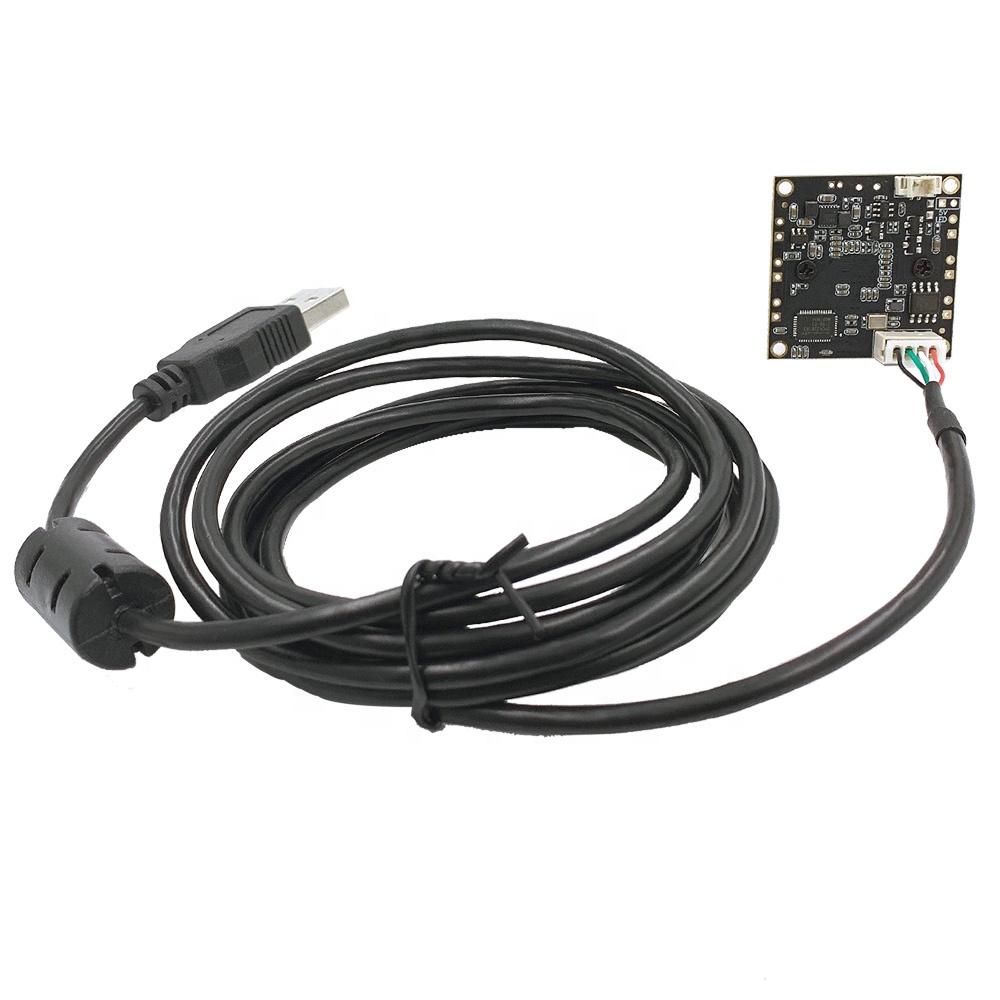
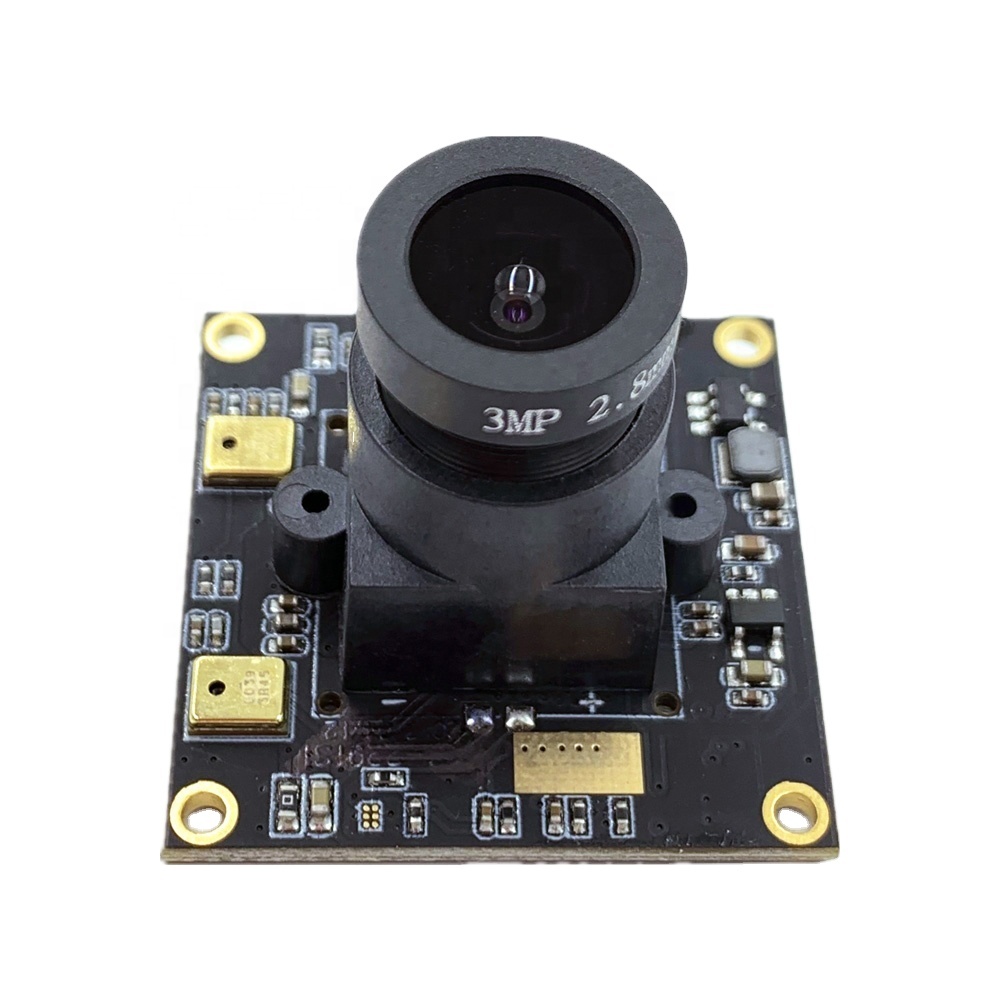
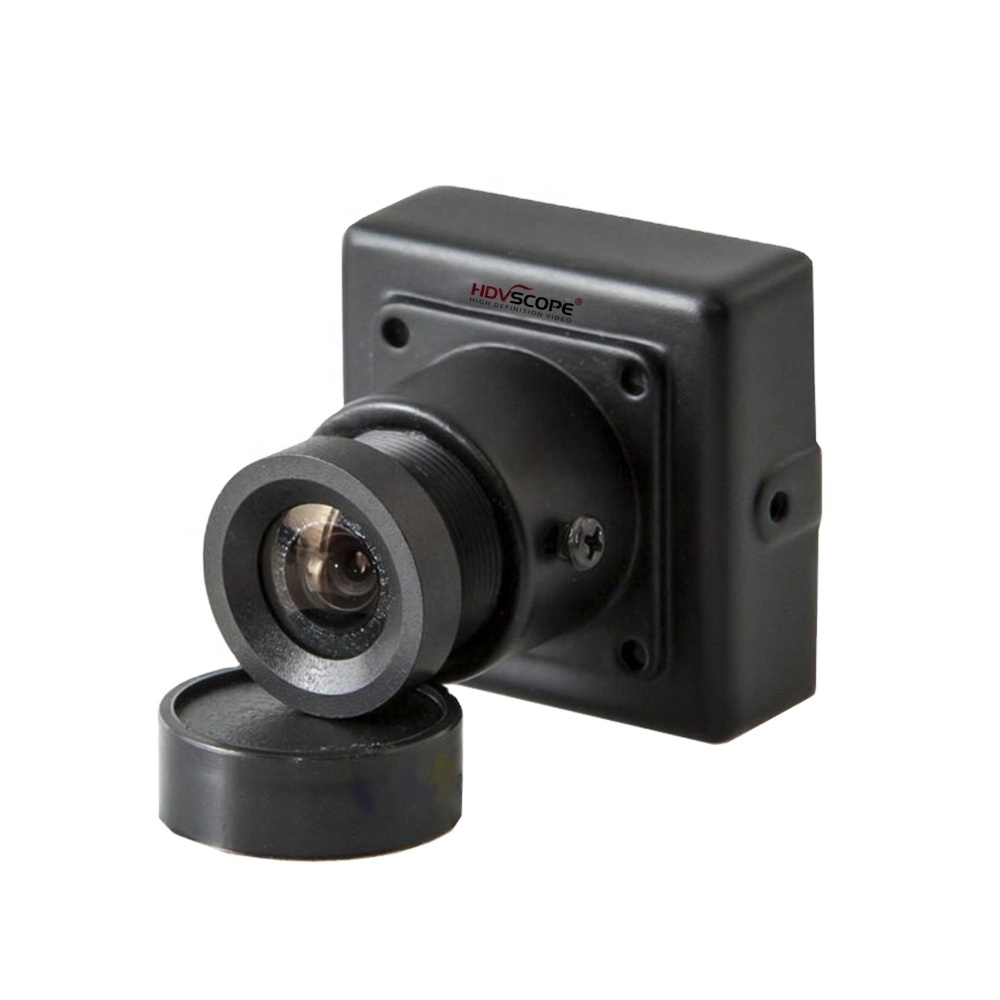
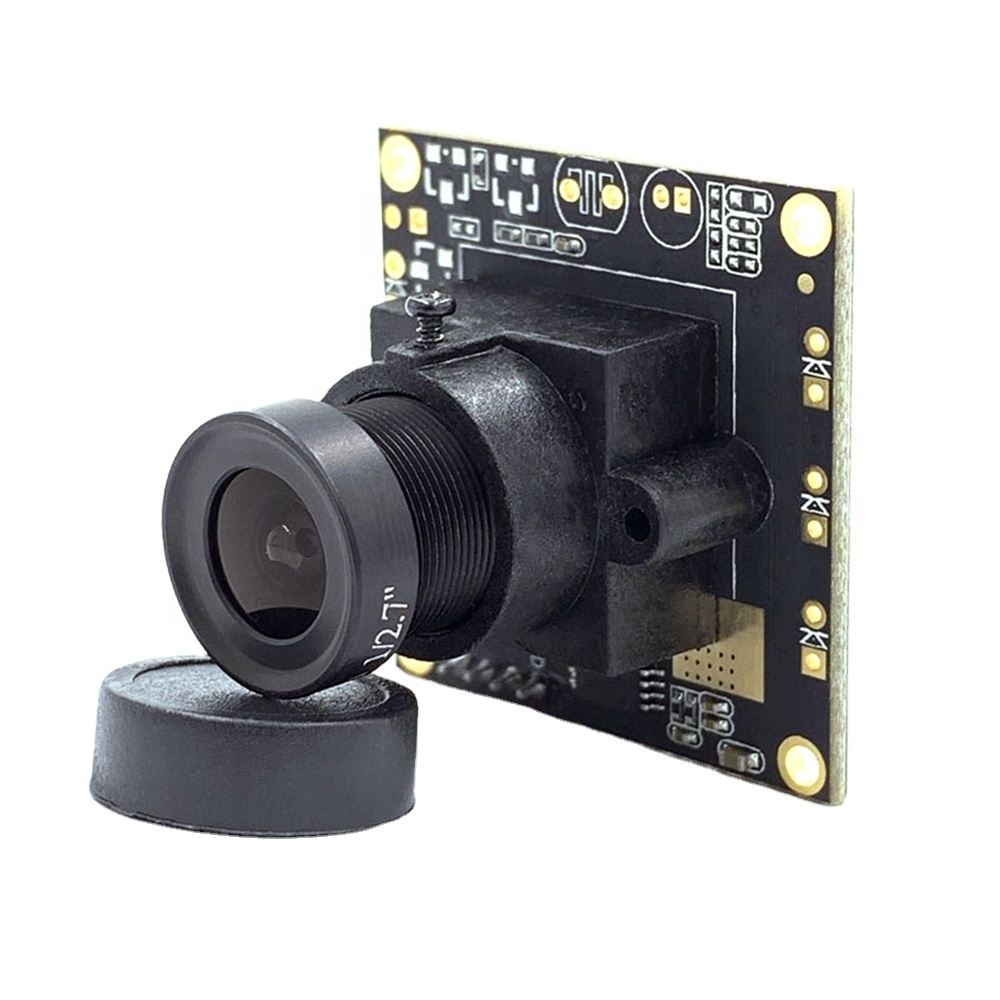
Industry Whitepaper: The Technical Architecture of Custom OEM USB Camera Modules
In modern industrial automation, financial technology, biometric security, and robotics, embedded imaging systems serve as the critical sensory gateway. Choosing a reliable Custom OEM USB Camera Exporter is no longer merely a procurement exercise; it is an architectural decision that directly influences system reliability, edge-AI processing accuracy, and long-term operating costs.
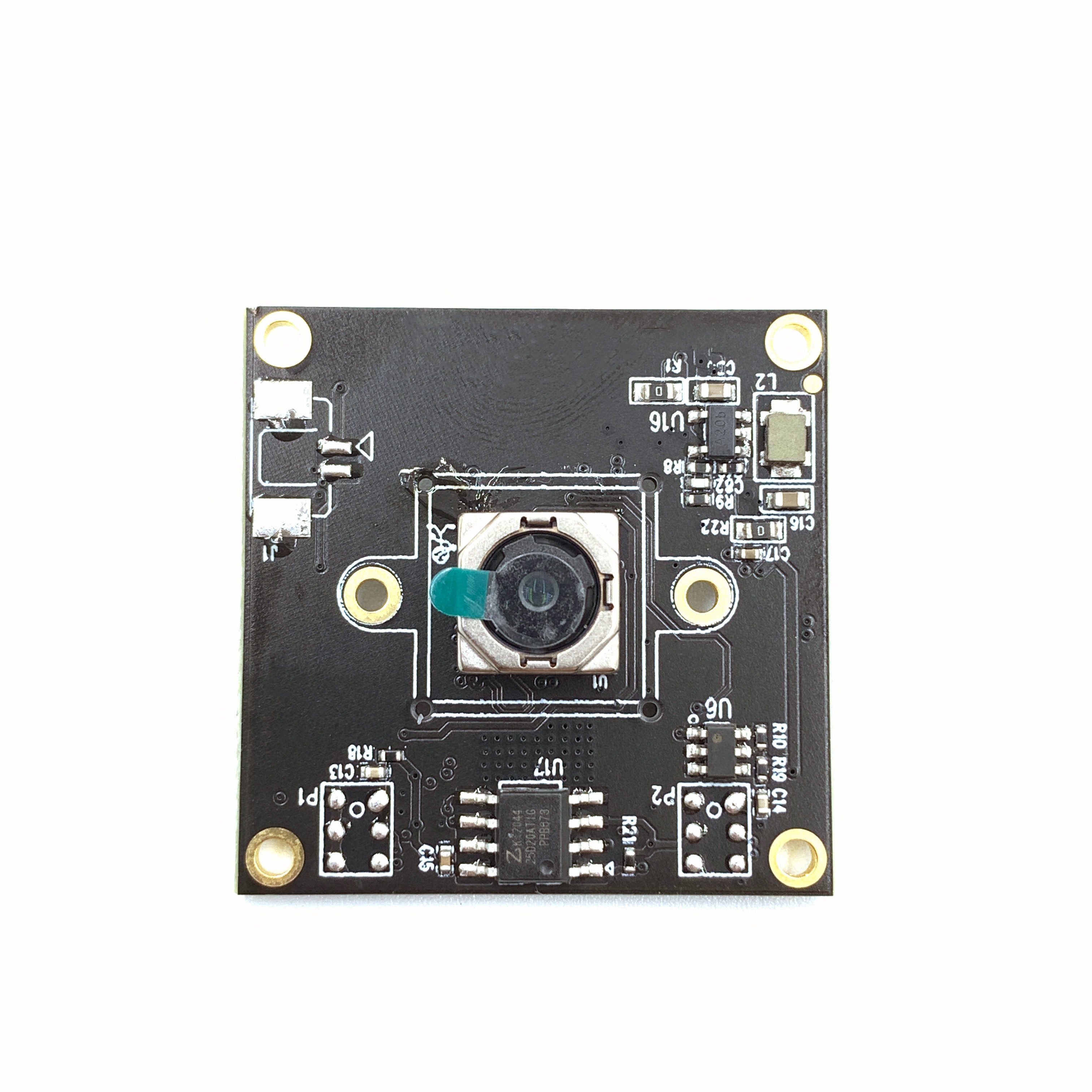
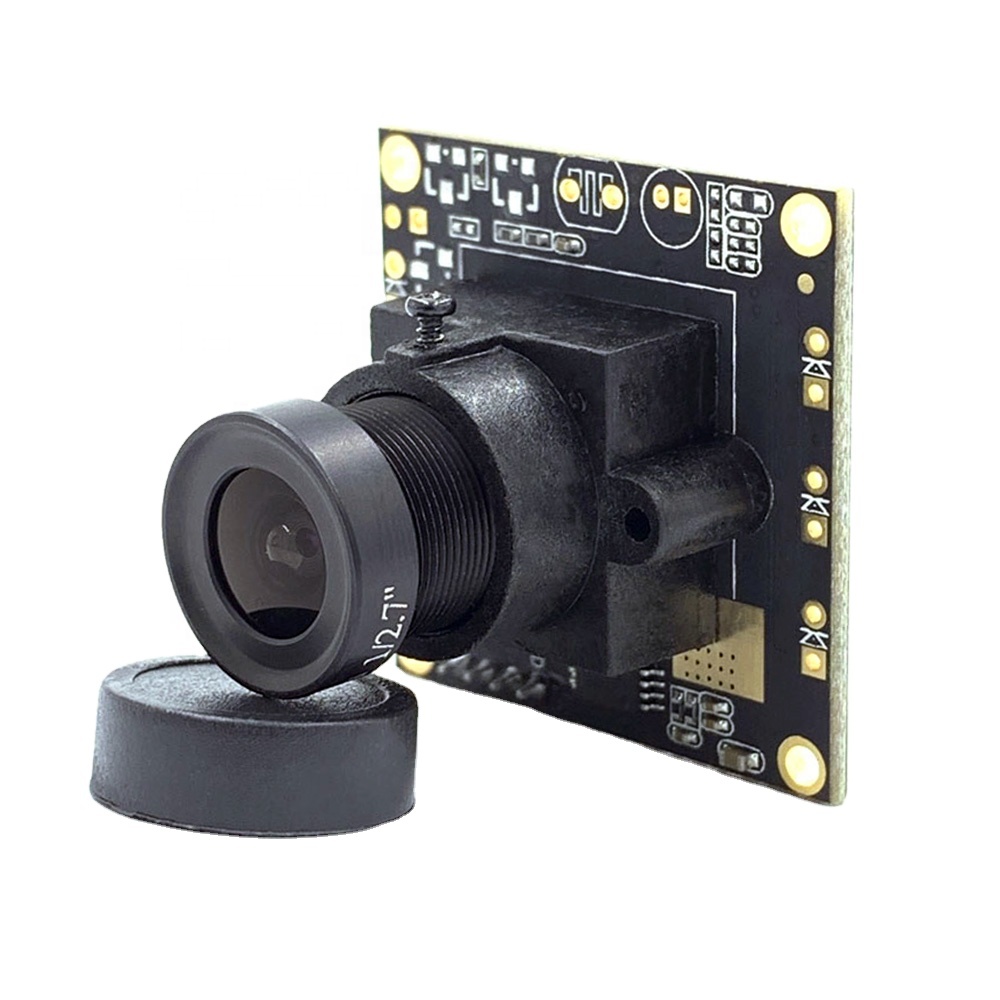
Standard off-the-shelf webcams fail to meet the harsh mechanical, thermal, and optical requirements of embedded environments. Industrial applications require custom PCB form factors (ranging from ultracompact 15×15mm boards to standard 32×32mm and 38×38mm footprints), specialized image sensor integration (Onsemi, Sony Starvis, OmniVision), custom lens optical distortion correction (FFOV from 60° pinhole to 190° anti-fog ultra-wide fisheye), and fine-tuned Image Signal Processors (ISP).
1. Advanced Sensor Paradigms: Onsemi WDR vs. Sony Starvis Low-Lux
Optimal target recognition depends on matching the sensor architecture with environmental lighting conditions. Shenzhen Brekta Electronics customizes camera module pipelines around two dominant sensor paradigms:
Onsemi AR0230 Wide Dynamic Range (WDR)
Designed specifically for harsh, backlit environments such as outdoor ATM financial kiosks and glass-front retail terminals. Featuring up to 105dB WDR capabilities, the AR0230 prevents facial blackouts and background clipping by capturing dual-exposure frames and stitching them at the ISP hardware level.
Sony Starvis Back-Illuminated CMOS (e.g., IMX291/IMX335)
Engineered for extreme low-light environments reaching down to 0.001 Lux or 0.0001 Lux. By shifting the wiring layer behind the photodiode substrate, Starvis sensors maximize photon capture efficiency, producing crisp color images under moonlight or dim indoor corridor lighting without heavy noise filtering artifacts.
High-Resolution 4K UHD & Document Scanning
Integrating sensors up to 8MP, 16MP, or Sony IMX377 for high-precision OCR document scanning, QR code reading, and industrial inspection endoscopes where fine micro-detail and edge sharpness are required.
2. UVC Architecture & Driver-Free Plug-and-Play Protocol
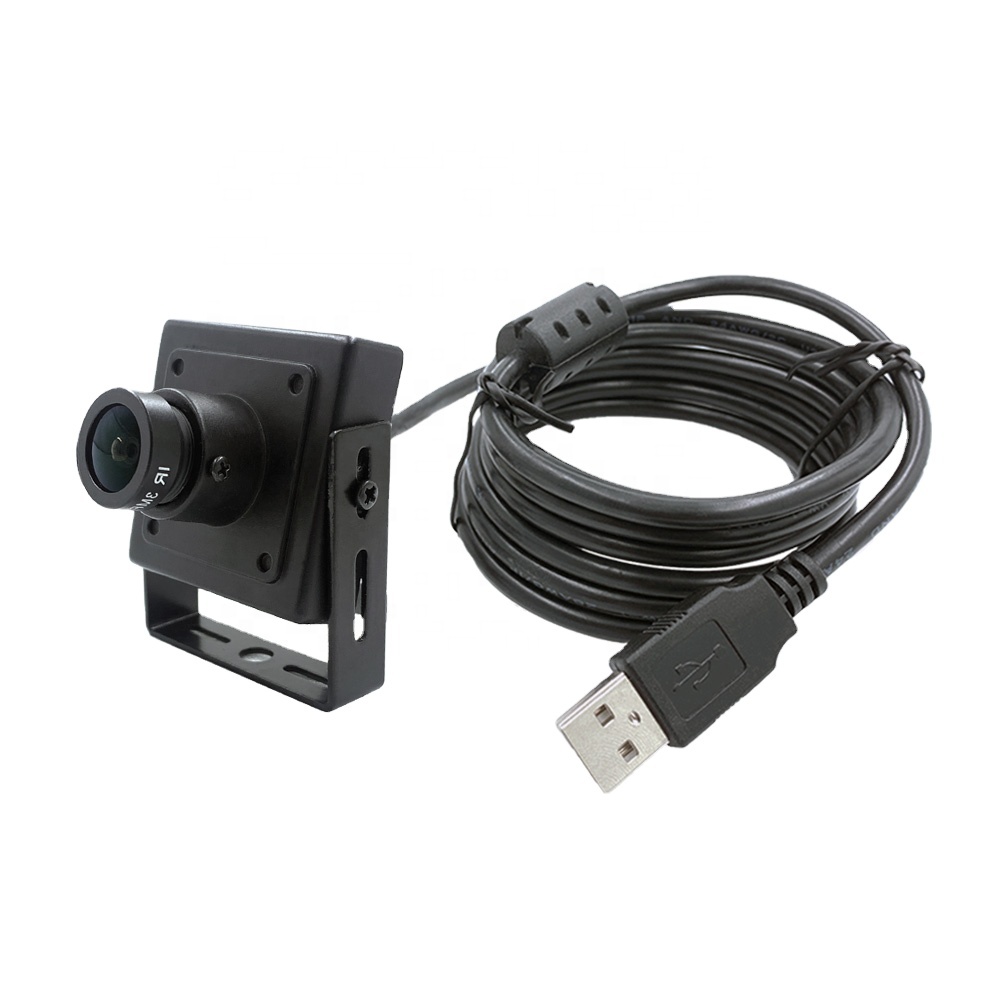
Our entire line of USB camera modules strictly adheres to the USB Video Class (UVC 1.0 / UVC 1.5) standard. This guarantees complete driverless plug-and-play functionality across major operating platforms including Windows (7/8/10/11), Linux (Ubuntu, Debian, CentOS with kernel 2.6.26+), Android (5.0+ with UVC OTG support), and macOS.
By utilizing host-side native video capture stack architectures (such as DirectShow, Media Foundation, V4L2, and OpenCV), software developers eliminate the deployment friction and OS kernel panic issues associated with proprietary third-party drivers.
3. Video Streaming Formats & Bandwidth Engineering
Selecting the correct video output compression format directly impacts host CPU usage, latency, and image quality during multi-camera deployments:
| Output Format | Compression Type | Bandwidth Consumption | Host CPU Load | Typical Industrial Use Case |
|---|---|---|---|---|
| YUY2 (Uncompressed) | Raw YUV 4:2:2 | Very High (>1.5 Gbps at 1080p30) | Ultra Low (Direct to GPU/RAM) | Machine vision algorithm inspection, high-precision color analysis, low-latency display. |
| MJPEG (Motion JPEG) | Intra-frame Compression | Moderate (~50–150 Mbps) | Low-to-Medium (JPEG decoding) | Multi-camera kiosks, ATM security, general video conferencing, high-frame-rate 60fps video. |
| H.264 / H.265 | Inter-frame Video Codec | Very Low (<10 Mbps) | Medium (Requires hardware decoder) | Long-term remote recording, edge-to-cloud telemetry, network video streaming. |
Future Procurement Trends in OEM USB Camera Modules
As AI vision algorithms transition from centralized cloud servers to edge processing units (NVIDIA Jetson, NXP i.MX8, Raspberry Pi 5, Intel OpenVINO), procurement requirements for custom USB camera boards are evolving rapidly. B2B buyers and system integrators should consider these emerging engineering trends when finalizing RFQs:
1. Dual-Spectrum RGB + IR Biometrics
To combat spoofing attacks in facial recognition ATMs and access turnstiles, demand is shifting toward binocular camera modules that combine a standard RGB sensor for human viewing with a 940nm/850nm Narrowband IR sensor for 3D liveness detection.
2. Type-C High-Bandwidth & USB 3.0/3.1
While USB 2.0 (480Mbps) remains the standard for 1080p MJPEG cameras, 4K UHD 60fps applications and uncompressed raw industrial vision demand USB 3.0 SuperSpeed interfaces with locking Type-C connectors to prevent signal degradation in high-vibration environments.
3. Embedded Hardware ISP Fine-Tuning
Hardware ISPs integrated directly onto the camera PCB handle automatic exposure (AEC), white balance (AWB), lens distortion correction (LDC), and noise reduction (3DNR), freeing the host system CPU to execute heavy neural network inference.
4. Compact Board Shrinkage & Flex PCBs
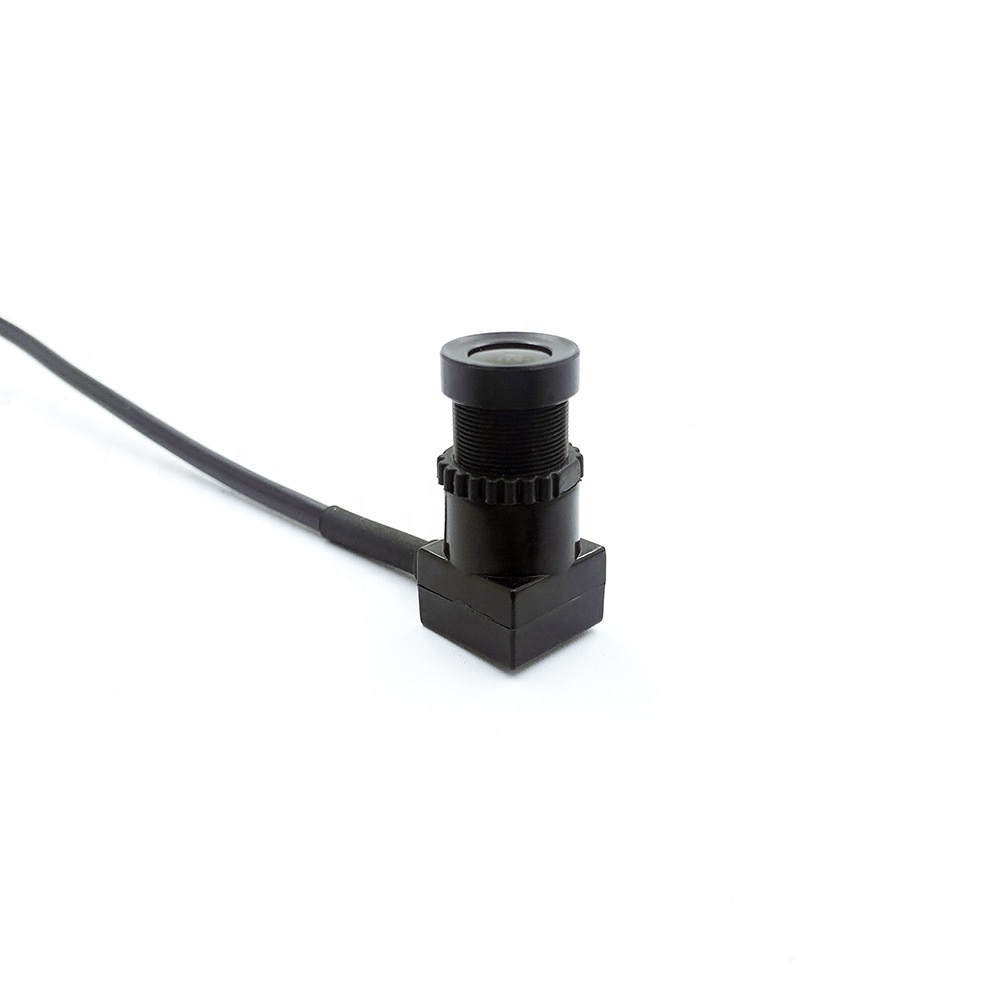
Ultra-miniaturized applications—such as medical inspection endoscopes, smart door eyes, and sleek point-of-sale systems—require custom rigid-flex PCBs and optics with board widths as narrow as 15×15mm or cylindrical housings under 14mm in diameter.
Why Partner with Shenzhen Brekta Electronics Co., Ltd.?
With over 13 years of dedicated ODM/OEM manufacturing expertise in Shenzhen and Dongguan, China, Shenzhen Brekta Electronics Co., Ltd. stands as a trusted supplier of specialized mini USB (UVC), mini IP (RTSP/PoE), AHD, HD-SDI, and endoscope camera modules. We solve complex spatial and optical challenges for engineering teams globally.
Rapid Prototyping & Protel/Allegro Design
Our experienced engineering team utilizes professional CAD tools (Protel, Allegro) to design custom multi-layer PCB layouts tailored to your exact mechanical dimensions, mounting hole locations, pinout configurations, and cable length specifications.
100% Active Alignment & Rigorous QC
We perform 100% optical inspection and Active Alignment (AA) during assembly to eliminate lens tilt and focus drop-off across the entire image plane. Incoming raw materials, SMT surface mount lines, burn-in environmental testing, and final image testing follow strict ISO-aligned quality management workflows.
Low MOQ & Fast Sample Lead Times
We support engineering development cycles by offering minimal evaluation thresholds: MOQ starts from 1 piece on standard models, with sample dispatch typically completing in 1 to 3 working days.
Certified Quality & 24-Month Warranty
All Brekta security cameras and USB camera modules hold complete CE, FCC, and RoHS certifications, enabling seamless customs clearance across Europe, North America, the Middle East, and Asia-Pacific. Every unit is backed by a 24-month warranty and lifetime technical support.
B2B Technical Procurement & Engineering FAQ
Find authoritative answers to common engineering, optical, and procurement questions regarding our custom OEM USB camera exporter services: