Featured OEM/ODM Camera Modules & Imaging Solutions
Engineered for extreme performance in self-service kiosks, ATMs, industrial inspection devices, and robust surveillance environments.
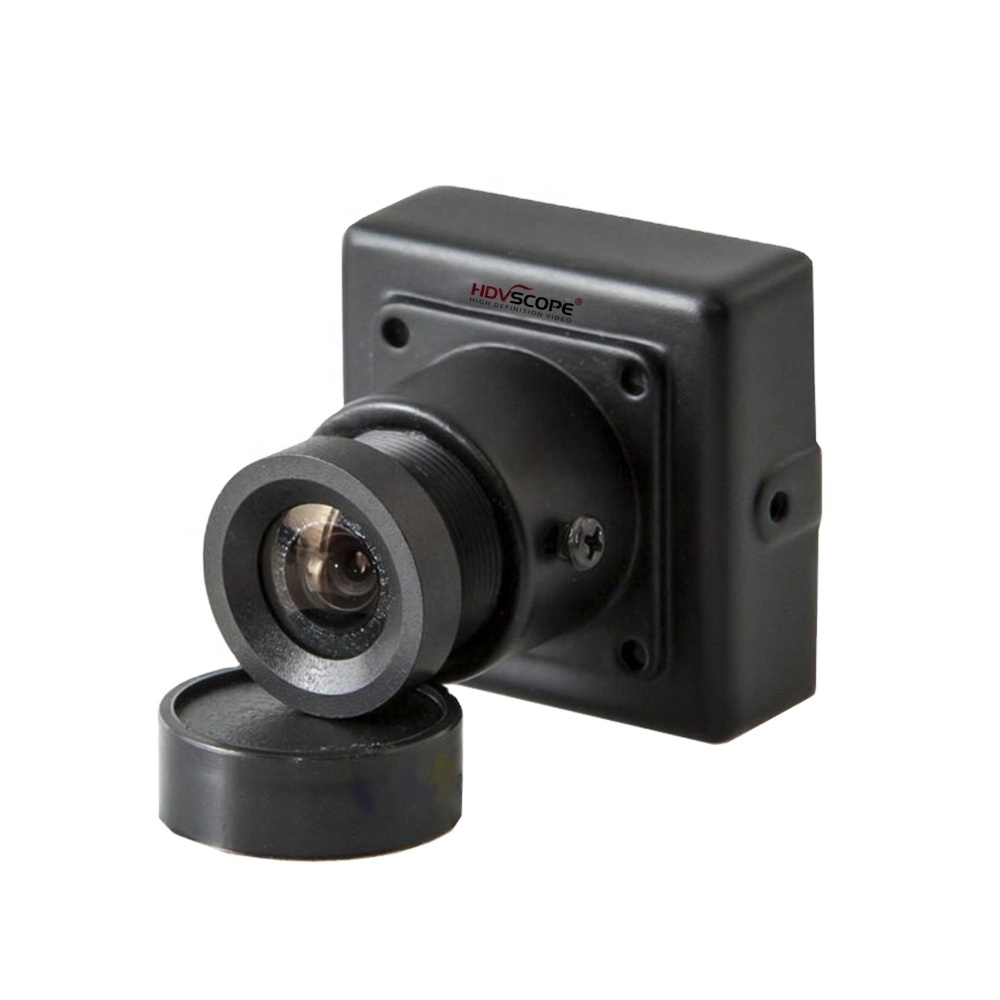
Rolling Shutter 2.0MP 0.1Lux 25*25mm Ultra-small Size Color USB Camera 3.6mm Board Lens Wide Angle 90 Degrees
- Form Factor: Ultra-compact 25x25mm PCB
- Low-Lux: 0.1 Lux sensitivity
- Field of View: 90° Wide Angle
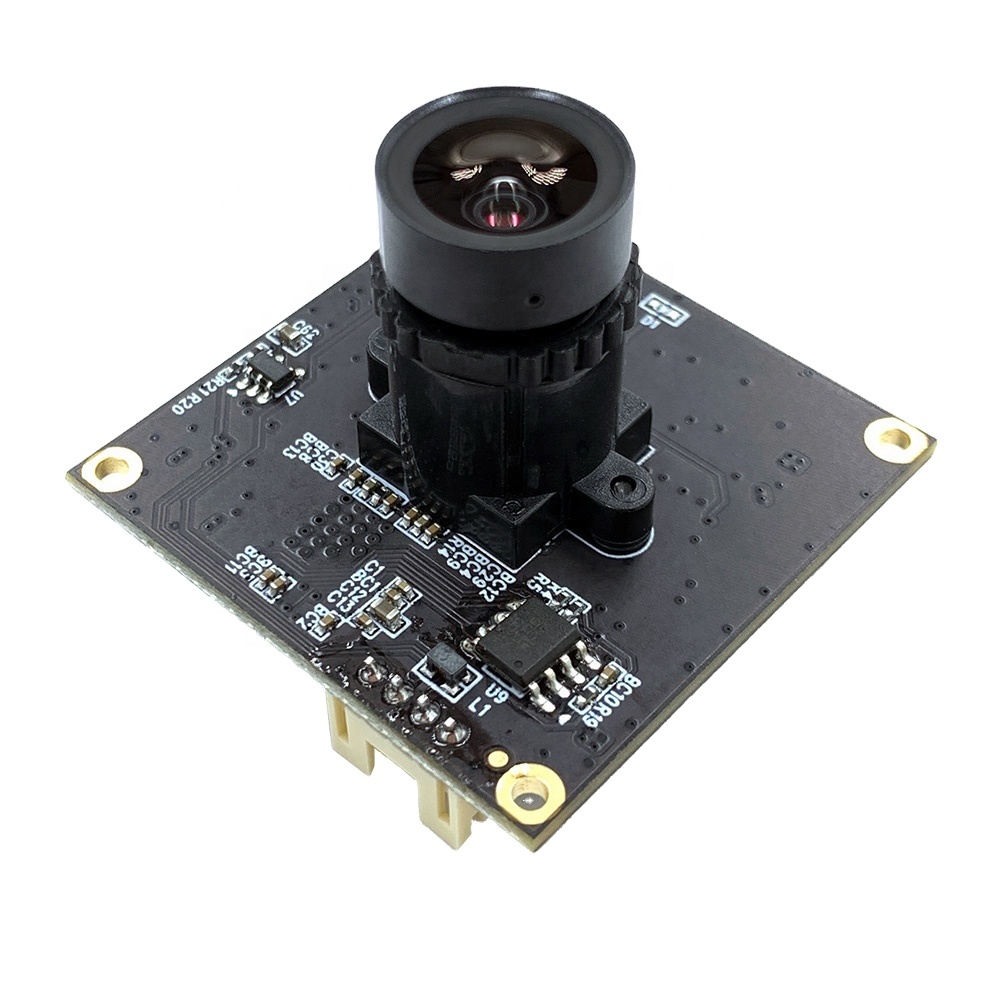
High Speed HDR 330fps 2.0MP 38*38mm USB Camera Module Wide Angle with 3.6mm Board Lens, Video Format Support YUY2 & MJPEG
- Frame Rate: High Speed 330 FPS
- Dynamic Range: Hardware HDR Integration
- Output Stream: Dual YUY2 / MJPEG
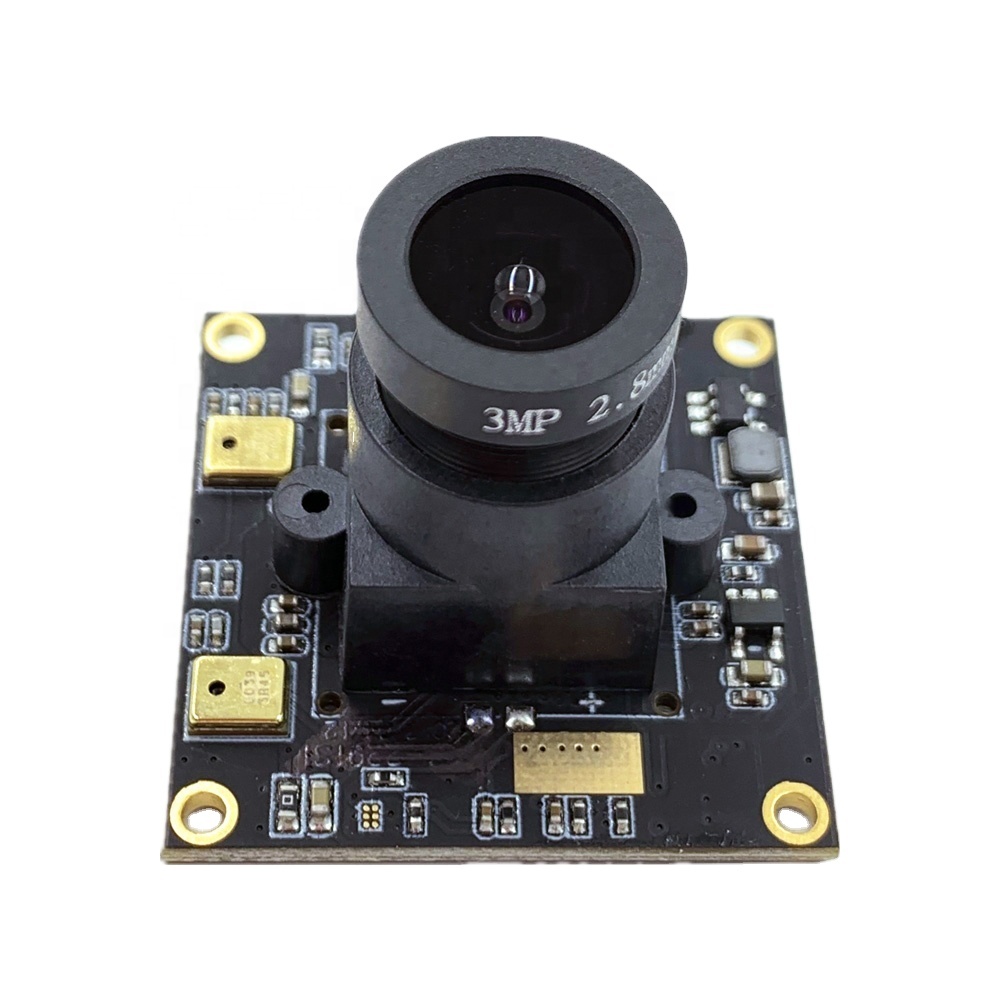
60 Degree 0.001Lux H.264 Rolling Shutter Starvis & WDR 2.0MP 1920*1080 32*32mm Color USB Camera Module for Project Video Capture
- Sensor: Sony STARVIS Low-Lux (0.001 Lux)
- Encoding: Onboard H.264 Compression
- Target: Embedded Project Video Capture
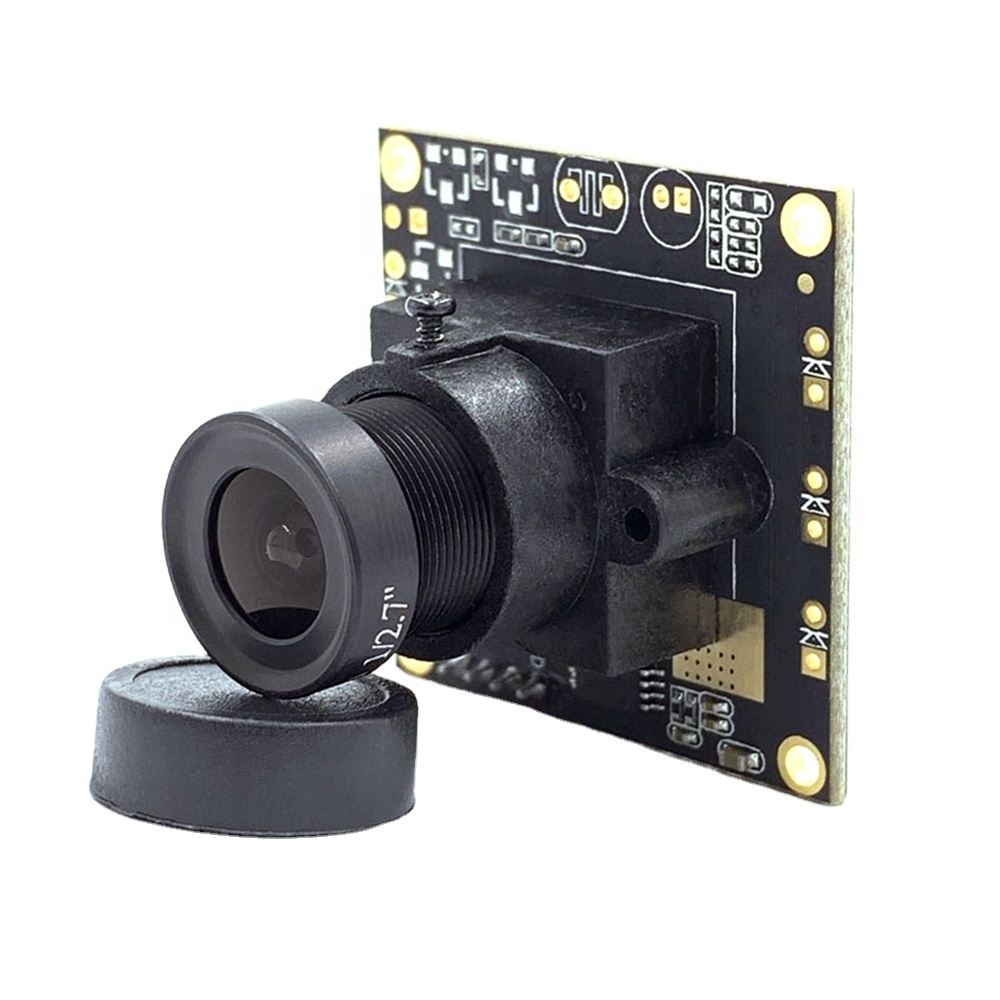
HOT SALE AR0230 Onsemi CMOS WDR 2.0MP 1920*1080 32*32mm Color USB Camera Module for ATM KIOSK Scanning Machine
- Sensor: ON Semiconductor AR0230 WDR
- Size: Standard 32x32mm Form Factor
- Application: Banking ATM & Kiosk Verification

50x50mm Support YUY2 MJPEG, 1/3.06'' CMOS 4K UHD Rolling Shutter 13MP 4192*3104 Color HDR USB Camera 3.24mm Distortionless Lens
- Resolution: Ultra-HD 13MP (4192*3104)
- Lens: 3.24mm Distortionless Optical Assembly
- Format: High-Bandwidth YUY2 & MJPEG
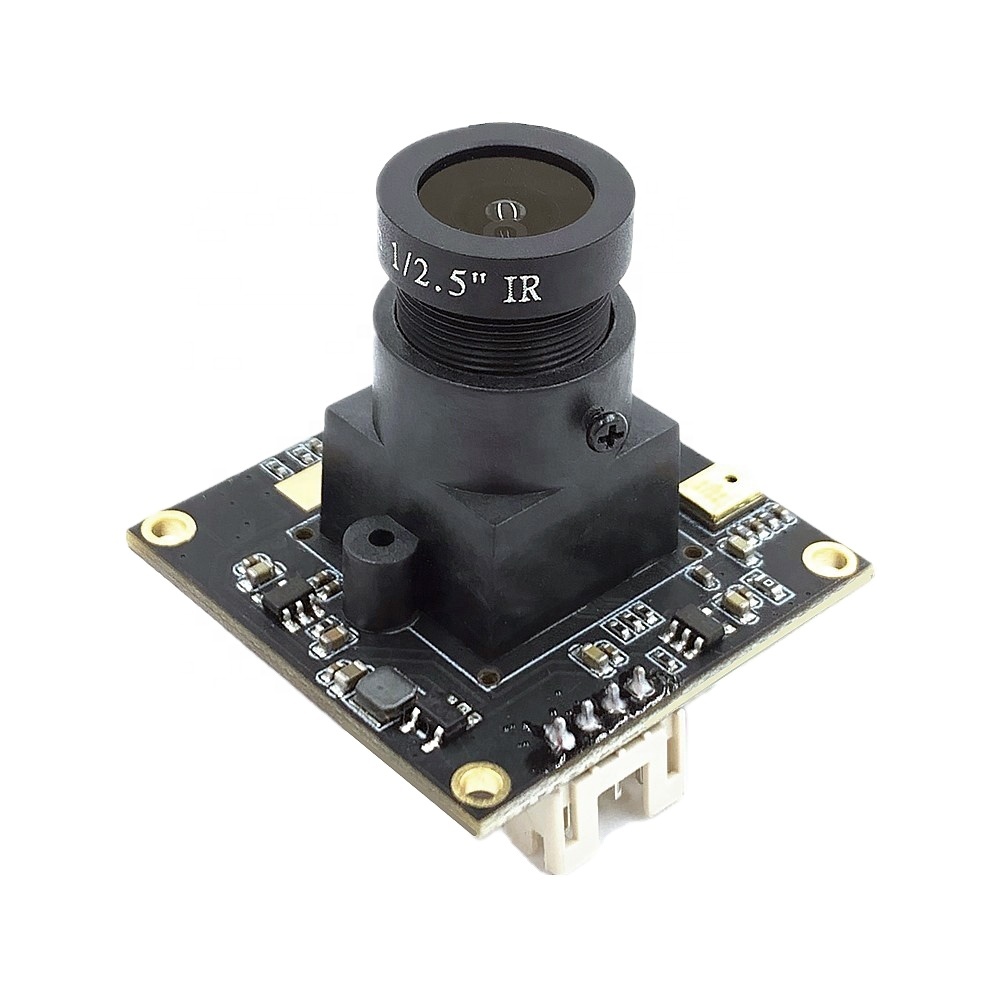
Rolling Shutter 0.001Lux H.264 Starvis & WDR 2.0MP 1920*1080 32*32mm Color USB Camera Module for Voting System Exam System
- Low Light: 0.001 Lux Night-Vision Capability
- Dynamic Range: True Hardware WDR
- Compliance: Voting & Biometric Exam Approved
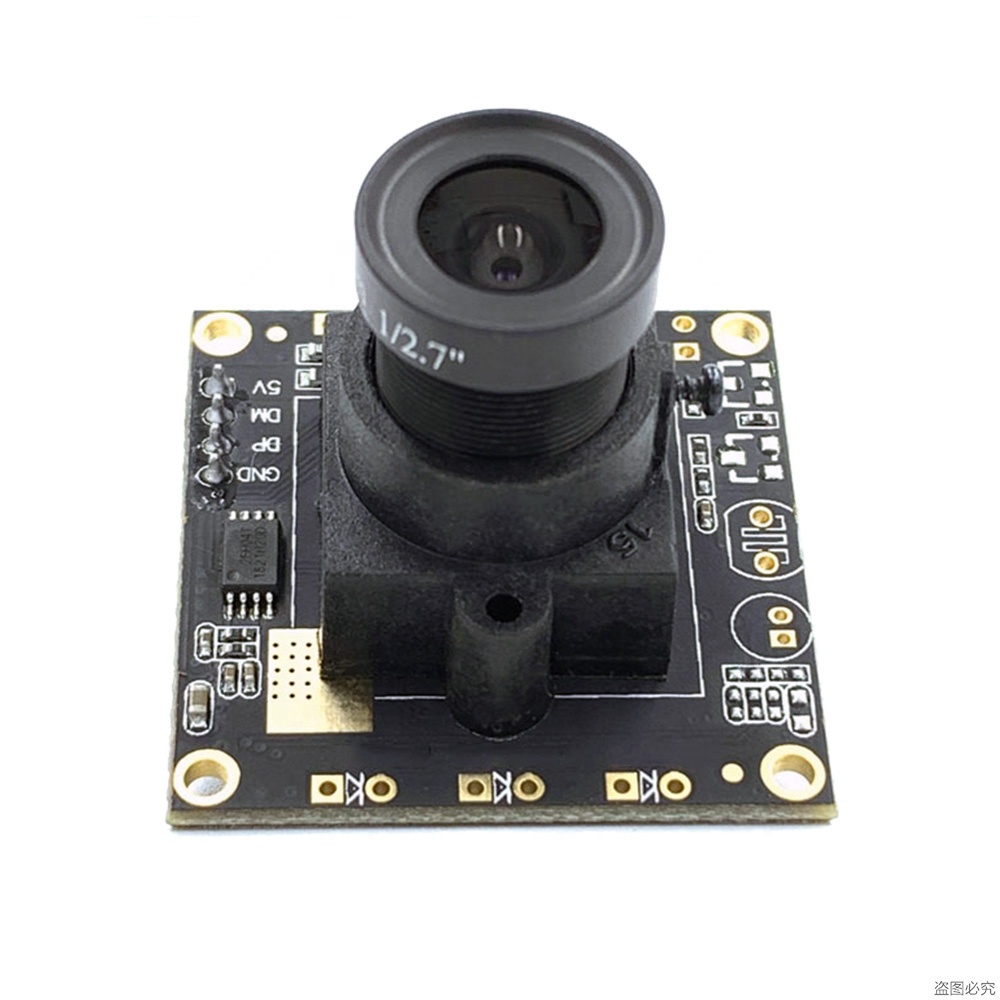
WDR 2.0MP 1920*1080 32*32mm Color USB Camera Module 1/2.7" AR0230 Onsemi CMOS for ATM KIOSK Scanning Machine Hot Sale
- Dynamic Sensor: 1/2.7" AR0230 Sensor
- Interface: Driver-Free UVC Protocol
- OEM Customization: Cable & Focal Length
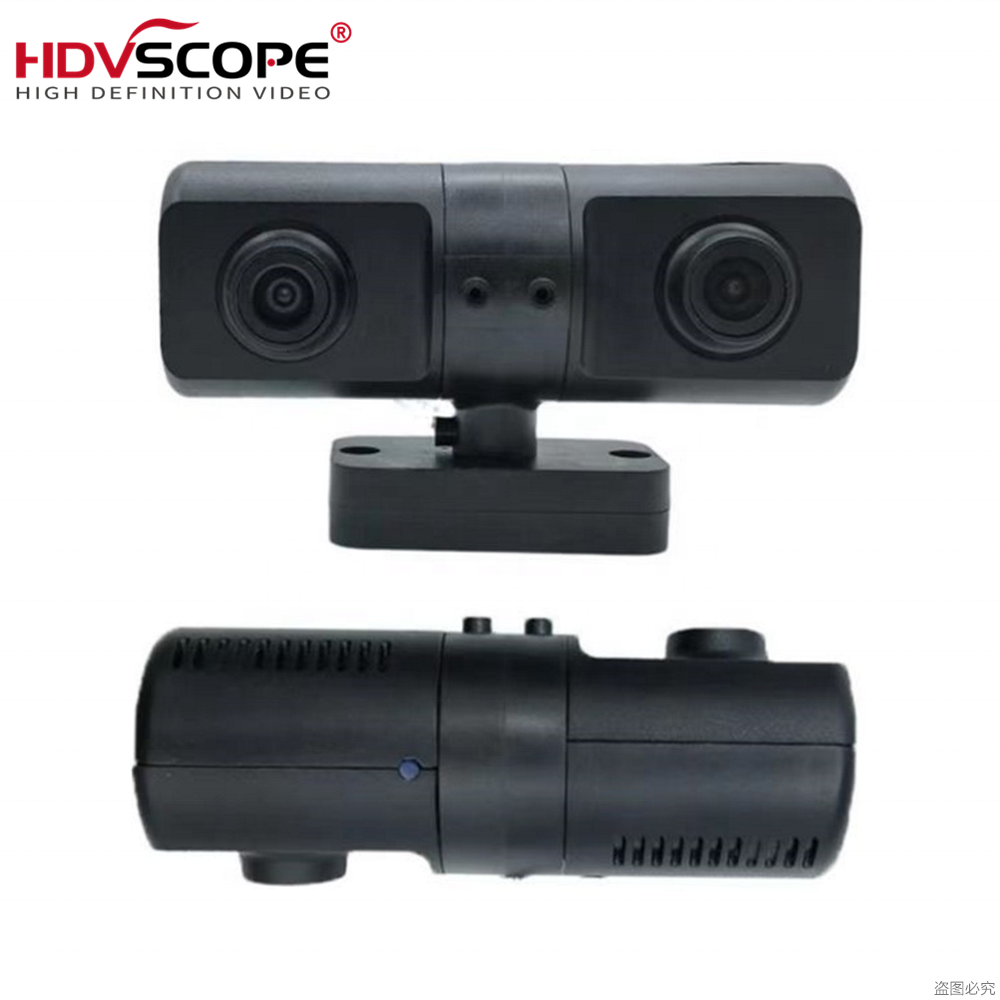
1/4" CMOS Dual Lens 1.0MP 1280*720 Night Vision USB Front Camera 125 Degree Wide Angle Lens 6PCS IR-Leds for CCTV Lenses
- Architecture: Binocular Dual-Lens Assembly
- Night Vision: Integrated 6PCS IR-LED Board
- Angle: 125° Ultra-Wide Field Coverage
Why Global Integrators Choose Shenzhen Brekta Electronics
Combining deep optical engineering expertise with flexible hardware customization for mission-critical industrial deployments.
Custom PCB & Optical Schematic Engineering
Our senior hardware team uses Protel and Allegro design tools to tailor circuit layouts, rigid-flex PCBs, dimensions (from 15x15mm micro-boards to standard 38x38mm modules), and pinout configurations matching your host system's mechanical housing perfectly.
Precision Sensor & ISP Tuning
We work directly with tier-1 sensor foundries including Sony (STARVIS / STARVIS 2), ON Semiconductor, and OmniVision. Every module undergoes custom Image Signal Processor (ISP) tuning for superior Wide Dynamic Range (WDR), low-lux signal-to-noise ratio, and color fidelity.
Strict Quality Control & 100% Inspection
From component SMT surface mounting to lens alignment and dark-room image testing, all modules undergo rigorous high-temperature burn-in and optical chart inspection. Certified to international CE, FCC, and RoHS environmental standards.
Strategic OEM Alignment: From Prototype to Mass Production
Whether you require small-batch evaluation samples (MOQ starting at 1 piece) or complete turnkey contract manufacturing for high-volume kiosk installations, Shenzhen Brekta Electronics ensures seamless technical alignment. Our localized supply chain in Shenzhen and Dongguan guarantees 1 to 3-day sample dispatch for standard models and under 2-week turnaround for customized PCB iterations.
White Paper: The Architecture of Next-Generation AHD & Hybrid Embedded Camera Modules
In modern industrial surveillance, intelligent machine automation, and embedded security infrastructures, choosing the optimal video transmission protocol and imaging hardware is a fundamental engineering decision. AHD (Analog High Definition) technology has evolved significantly from its early legacy analog roots, providing uncompressed, zero-latency real-time HD video streams over standard coaxial cables, dynamic twisted pair (UTP) lines, and custom slip-ring assemblies.
1. Technical Evolution: High-Definition Coaxial Signal Engineering
Unlike digital IP cameras that convert raw pixel arrays into compressed network packets (introducing latency and processor overhead at the edge), AHD modules encode raw RGB data directly into high-frequency luminance (Y) and chrominance (C) analog signals. This architecture yields distinct technical advantages for specialized OEM applications:
- Zero-Latency Video Pipeline: Signal propagation occurs at near optical speed without frame buffering, making AHD ideal for operator-controlled robotics, vehicle reverse displays, and automated teller machine (ATM) transaction logging.
- Extended Transmission Distance: Real-time 1080P and 4K AHD video can be transmitted over 500 meters via RG59 coaxial cable without requiring active signal repeaters or network switches.
- UTC (Up-The-Coax) Telemetry Control: Modern AHD modules support bidirectional UTC protocols, enabling remote OSD menu adjustments, focus control, and firmware synchronization over the single video signal wire.
2. Sensor Physics: Sony STARVIS Low-Lux Sensitivity vs. Standard CMOS
Industrial deployments often present compromised lighting environments—such as dimly lit night-time ATM lobbies, deep industrial pipeline inspections, or enclosed vending cabinets. OEM engineers must carefully evaluate the sensor's physical sensitivity (measured in minimum Lux).
By integrating Sony STARVIS and STARVIS 2 back-illuminated CMOS technology, Brekta's specialized AHD camera boards achieve light sensitivity down to 0.001 Lux (and even 0.0001 Lux on blacklight modules). By moving the metal wiring layer behind the photodiode array, light reception efficiency is maximized, dramatically eliminating thermal noise and image graininess under extreme low-light conditions.
3. Technical Decision Matrix: Comparing Camera Interface Protocols
To assist system architects in selecting the optimal module interface, the following matrix outlines the core performance parameters across popular embedded video interfaces:
| Interface Standard | Signal Latency | Max Cable Distance | Host CPU Load | Primary Industrial Use Cases |
|---|---|---|---|---|
| AHD / TVI / CVI (Analog HD) | < 1 ms (Zero Latency) | Up to 500 meters | Zero (Hardware Direct) | Mobile DVRs, ATMs, Security Gates, Industrial Monitors |
| USB UVC (Plug & Play) | 30 – 100 ms | 5 meters (Std USB 2.0) | Medium (Host OS Decoder) | Kiosks, PC-based Terminals, Document Scanners, Webcams |
| IP RTSP / ONVIF (PoE) | 150 – 300 ms | 100 meters (Cat5e/6) | High (Network Protocol Stack) | Perimeter Security, Multi-Node NVR Systems, Smart Cities |
| HD-SDI / Ex-SDI | < 1 ms (Zero Latency) | 100 – 200 meters | Zero (Uncompressed Digital) | Medical Imaging, Broadcast TV, High-End Defense Optics |
4. Hardware Dynamic Range Optimization: HDR vs. Software WDR
When a camera is positioned inside an ATM looking outward toward a bright, sunlit glass storefront, standard sensors suffer from severe subject silhouetting. Brekta’s OEM solutions utilize ON Semiconductor AR0230 and Sony WDR ICs that capture multiple exposures (short and long shutter speeds) per frame at the pixel level. The internal ISP merges these exposures in real time, balancing highlight brightness and shadow clarity without motion ghosting.
Future Procurement & Technological Trends in Surveillance Imaging
Strategic insights for B2B procurement managers planning next-generation hardware lifecycles (2025–2030).
1. Transition to Multi-Signal 4-in-1 Hybrid Architectures
Procurement departments are consolidating inventory by standardizing on 4-in-1 switchable video boards (AHD/TVI/CVI/CVBS). This allows system integrators to stock a single SKU that effortlessly retrofits legacy analog DVRs or interfaces with modern multi-format HD receivers, lowering supply chain overhead.
2. Edge-AI Pre-Processing at the Board Level
Future AHD and USB camera modules are increasingly integrating low-power NPU (Neural Processing Unit) co-processors directly onto the ISP board. This enables localized facial detection, liveness verification, and gesture recognition prior to video transmission, safeguarding privacy and reducing host compute load.
3. Ultra-Miniaturization & Rigid-Flex Integration
As smart devices, slim self-service checkouts, and medical devices shrink in size, camera PCBs must adapt. Demand for 15x15mm micro square cameras, pinhole optics, and modular ribbon cables is growing rapidly, requiring vendors to possess advanced SMD capabilities and precision optical alignment tooling.
Frequently Asked Questions (B2B Sourcing & OEM Engineering)
Clear answers to key technical, logistical, and customization questions raised by hardware buyers.