Featured OEM/ODM Camera Modules
High-performance imaging boards customized for ATM, VTM, self-service kiosks, AI retail, and industrial inspection systems.
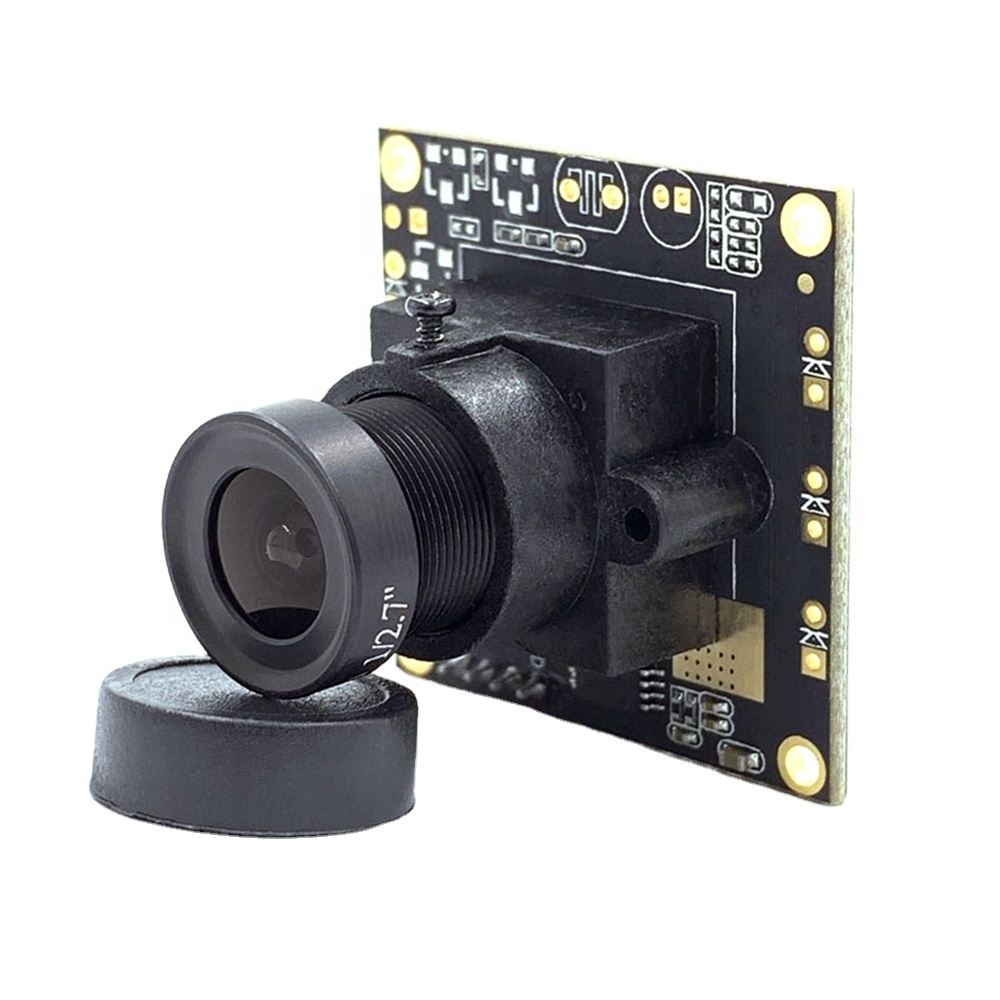
HOT SALE AR0230 Onsemi CMOS WDR 2.0MP 1920*1080 32*32mm Color USB Camera Module for ATM KIOSK Scaning Machine
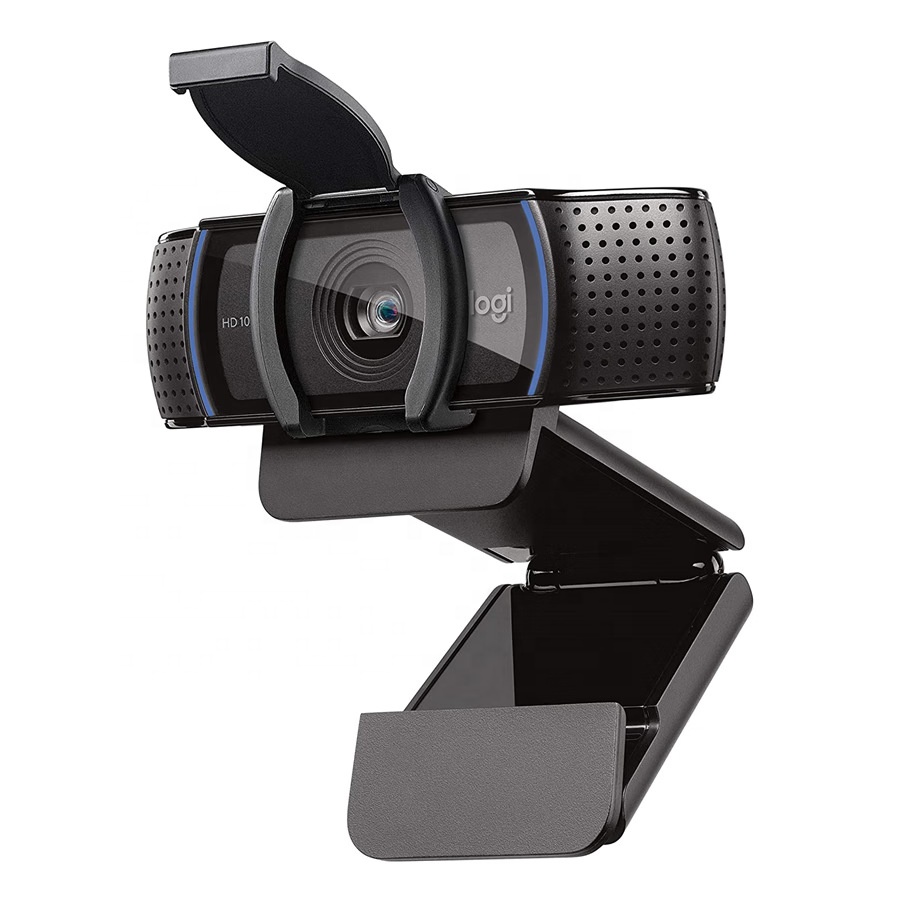
2MP FHD Color Autofocus USB Webcam Multi-Purpose Meeting Video Conference Call with 78° VFOV Dual Mics Privacy Shutter Shutters
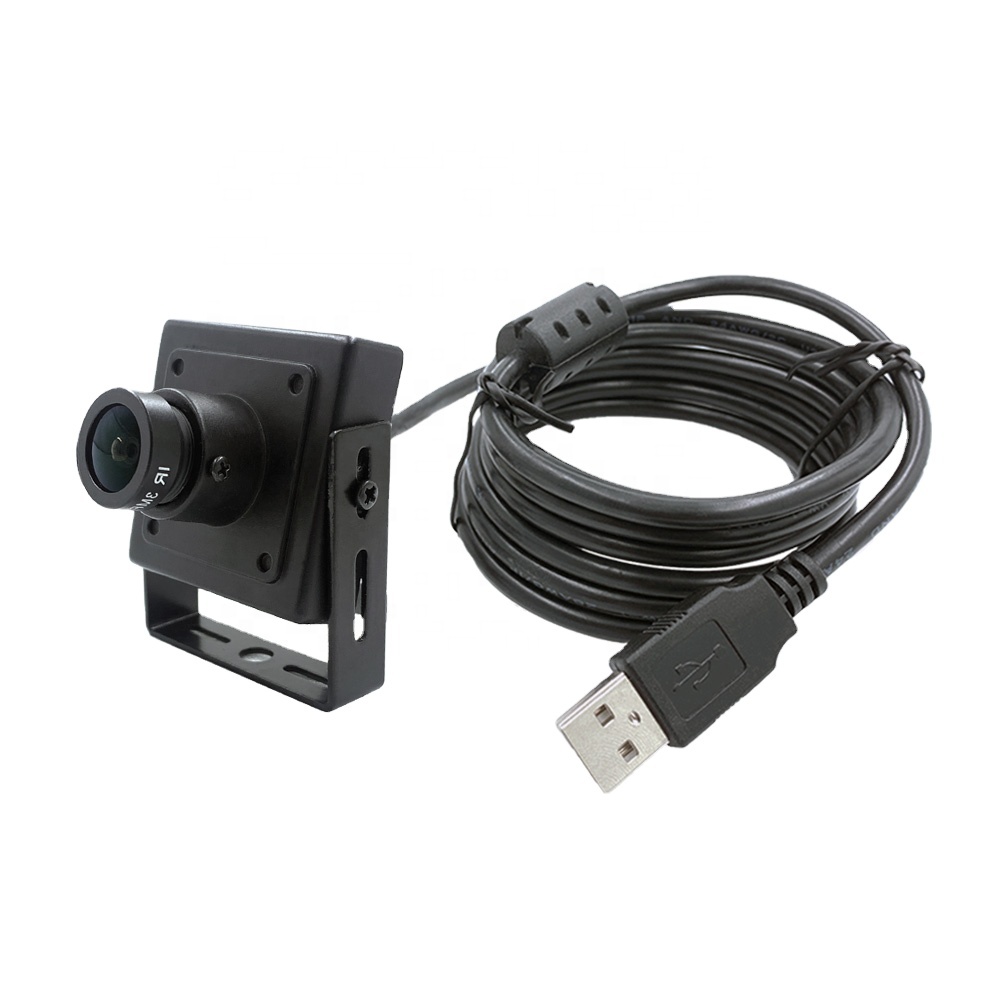
HD 720P 0.1 Low Lux UVC 2.1mm Wide-angle Lens MINI USB Camera Kiosk VTM CRS ATM Intelligent Machine Camera Module
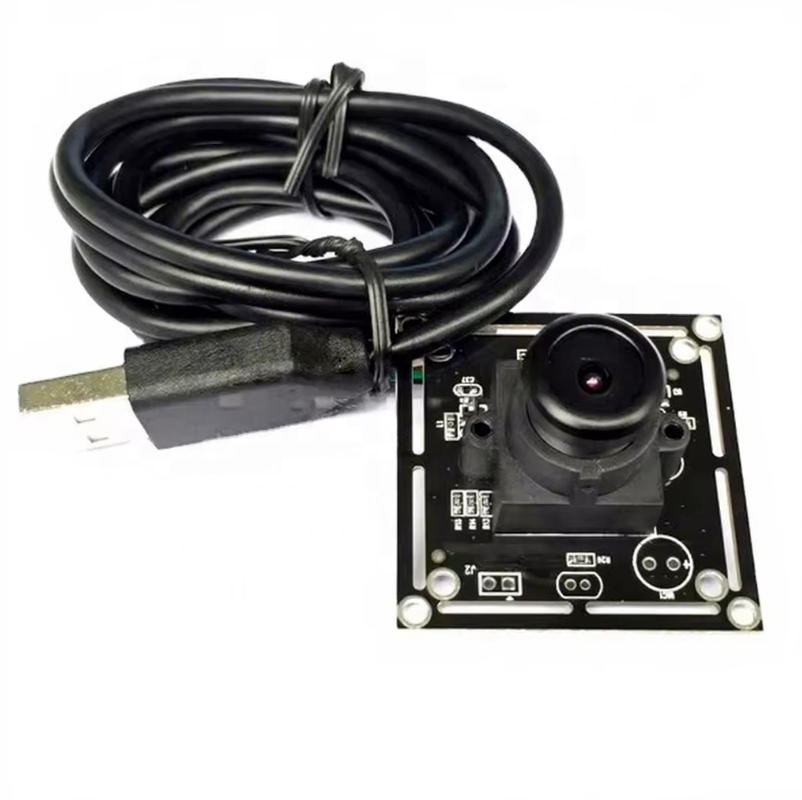
3.6mm Board Lens EX-View WDR 1.3MP 32*32mm Color USB Camera Module for Advertising Playing Equipment Electronic Equipment
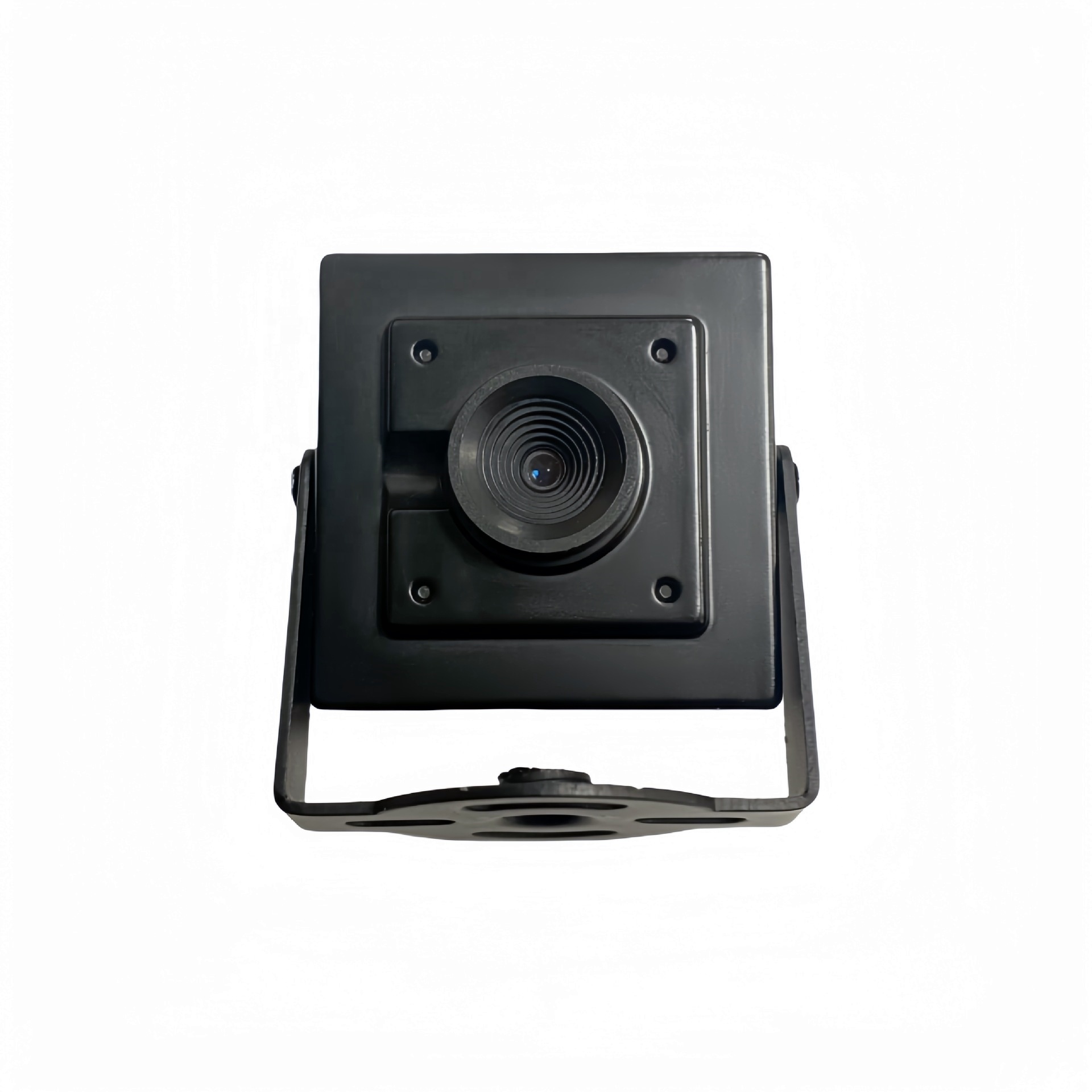
High Speed Auto Focus 4K UHD CMOS 12MP Color USB Camera Module for AI Self Check Out Retail Application Security Solution

50x50mm Support YUY2 MJPEG, 1/3.06'' CMOS 4K UHD Rolling Shutter 13MP 4192*3104 Color HDR USB Camera 3.24mm Distortionless Lens
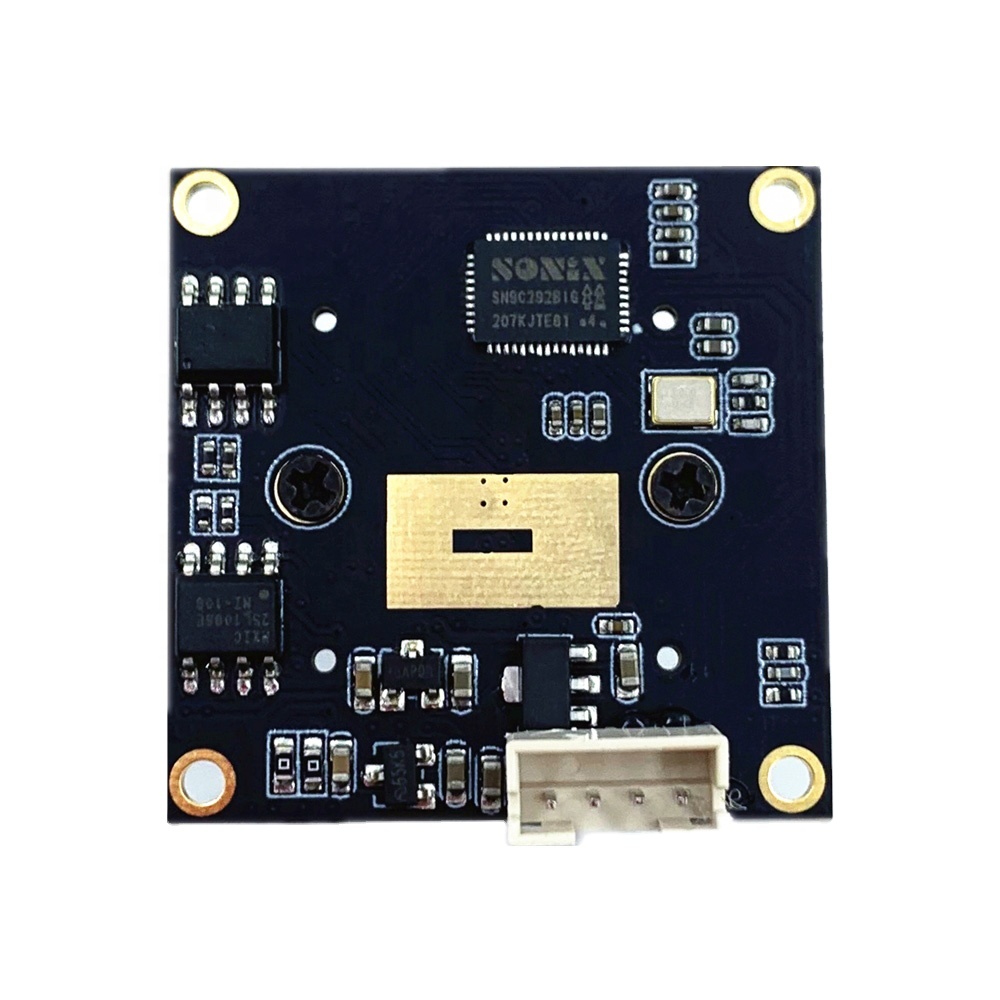
0.001Lux H.264 Rolling Shutter Starvis & WDR 2.0MP 1920*1080 32*32mm Color USB Camera Module Face Recognition for Video Wall
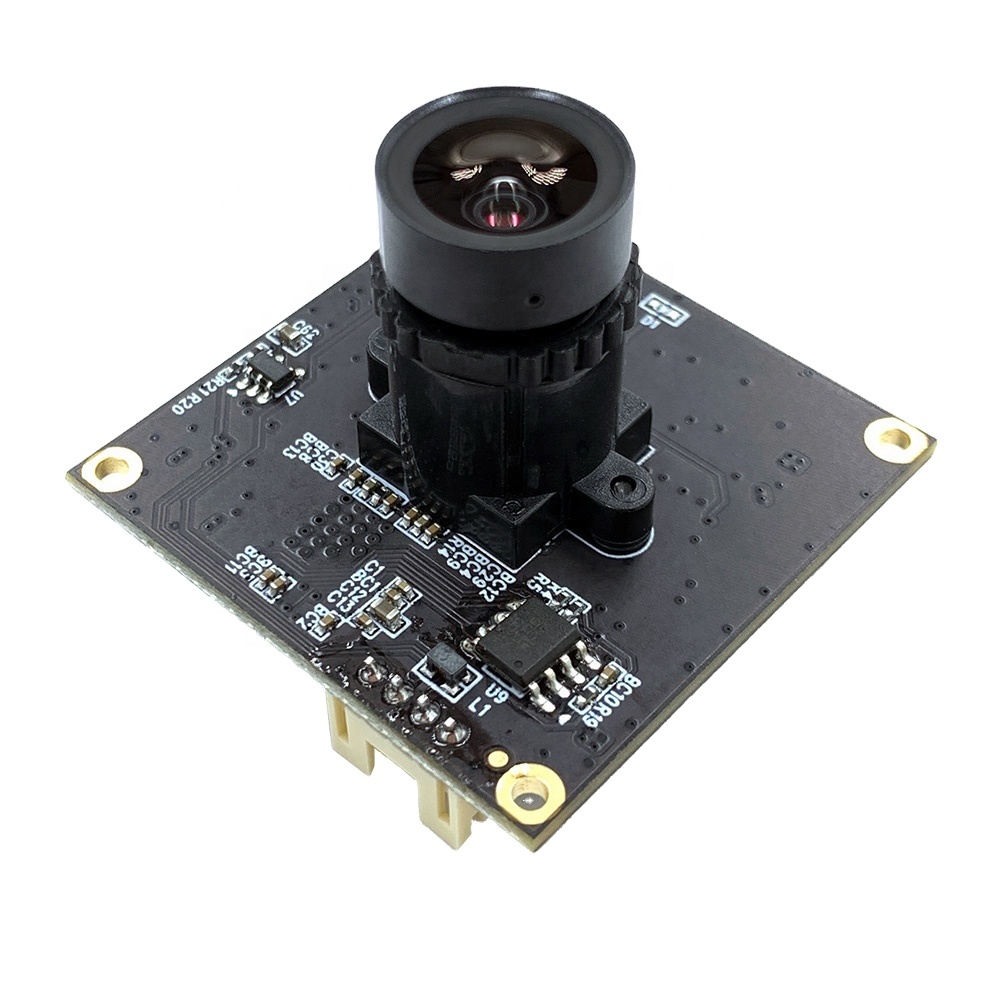
High Speed HDR 330fps 2.0MP 38*38mm USB Camera Module Wide Angle with 3.6mm Board Lens, Video Format Support YUY2 & MJPEG
Industrial Engineering & OEM/ODM Manufacturing Excellence
As a global pioneer in miniaturized visual imaging solutions, Shenzhen Brekta Electronics Co., Ltd. specializes in the end-to-end R&D, PCB layout design, optical alignment, and turnkey manufacturing of specialized CCTV camera modules. Operating out of advanced manufacturing hubs in Shenzhen and Dongguan, China, our team delivers custom imaging architecture for high-stakes enterprise applications, including financial ATMs, interactive smart kiosks, medical diagnostics, biometric access control, and automated industrial inspection systems.
Custom PCB & Hardware Layout
Our senior hardware engineers utilize Protel and Allegro to engineer compact multi-layer PCBs (from ultra-miniature 15×15mm to standard 38×38mm and 50×50mm footprints). We precisely engineer trace differential pairs to eliminate signal jitter across USB 2.0/3.0, MIPI CSI-2, Ethernet PoE, and Analog HD transmissions.
Tailored Optics & ISP Tuning
From M12 board lenses, pinholes, and 180° zero-distortion wide-angle fisheye lenses to motorized optical zoom modules, we calibrate Modulation Transfer Function (MTF) ratings. We custom-tune Image Signal Processors (ISP) for low-lux exposure, Wide Dynamic Range (WDR > 120dB), and accurate white balance under harsh artificial lighting.
Strict Quality Assurance & Compliance
Every camera module undergoes stringent multi-stage Quality Control (QC), including raw material inspection, Automated Optical Inspection (AOI), high-temperature aging burn-in tests, and 100% video output resolution verification. Fully certified to CE, FCC, and RoHS international standards with complete IP protection.
Technological Development Trends in Embedded Camera Modules
The global machine vision and embedded vision market is undergoing a rapid paradigm shift. Industrial procurement is moving beyond standard video capture toward highly intelligent, low-latency, and multi-spectral edge data acquisition. System integrators and OEM engineers must navigate five critical technological vectors when designing next-generation terminal devices.
1. High Dynamic Range (WDR/HDR > 120dB) for High-Contrast Environments
Self-service kiosks and outdoor ATMs operate under severe lighting gradients—ranging from direct sunlight reflections to dark indoor corridors. Modern CMOS sensors (such as Onsemi AR0230 and Sony STARVIS series) utilize multi-exposure staggered HDR algorithms to capture dark shadows and intense highlights simultaneously without motion artifacts or blown-out highlights.
2. Starlight Ultra Low-Lux Sensitivity (Down to 0.0001 Lux)
Surveillance in unlit public areas or enclosed machine interiors demands extreme sensitivity. Back-illuminated CMOS architecture increases quantum efficiency by capturing light directly into the silicon layer. Combined with 3D noise reduction (3DNR) firmware tuning, camera modules achieve full-color video streaming under near-pitch-black conditions without relying on power-hungry IR illuminators.
3. High-Frame Rate Capture (Up to 330fps) for Industrial Automation
High-speed manufacturing lines, conveyor sorting, and high-frequency movement tracking require frame rates far exceeding standard 30fps/60fps streams. Modern high-speed USB camera modules support up to 330fps in YUY2/MJPEG formats, preventing motion blur and enabling real-time computer vision inference on host systems.
4. Driver-Free Plug-and-Play UVC Protocol & Multi-OS Interoperability
Software integration efficiency directly impacts product launch timelines. Modern USB camera modules conform strictly to standard USB Video Class (UVC) protocols. This guarantees seamless, driver-free operation across Windows, Linux, Android, and macOS systems, eliminating driver conflict risks across legacy and modern IPCs.
Future Procurement Trends for System Integrators & OEM Buyers
Procurement directors and embedded systems architects face evolving operational challenges: component obsolescence, shifting software stacks, and tighter hardware integration constraints. When selecting an OEM/ODM camera module manufacturer, modern procurement strategies prioritize four essential evaluation criteria:
Modular Customization over Off-the-Shelf Hardware
Standard off-the-shelf webcams fail to meet the thermal, mechanical, and optical constraints of tight industrial enclosures. OEM procurement increasingly demands modified PCB dimensions (e.g., 32x32mm dual-board stackable layouts), specialized pin-header connectors (JST, Molex), custom cable lengths, and tailored lens FOVs (ranging from 60° to 180° zero-distortion optics).
Supply Chain Lifecycle & Long-Term IC Availability
Industrial product cycles typically span 5 to 10 years. Procuring consumer-grade camera boards leads to high redesign costs when consumer ICs face sudden EOL (End of Life). Partnering with established manufacturers like Brekta guarantees long-term supply stability with grade-A CMOS sensors from Onsemi, Sony, and OmniVision.
Total Cost of Ownership (TCO) & Rapid Evaluation Prototyping
Evaluating prototype performance rapidly reduces R&D cycles. Brekta supports sample dispatch within 1 to 3 working days and maintains a low minimum order quantity (MOQ starting at 1 piece) for evaluation. This risk-mitigated procurement model lets system integrators perform real-world field tests before committing to volume production.
Compliance Verification & Technical Support Guarantee
Navigating global market regulations requires complete certification packages. Procurement channels require CE, FCC, and RoHS validation, alongside a minimum 24-month manufacturer warranty. Direct access to dedicated FAE (Field Application Engineering) support ensures fast resolution of firmware and hardware integration issues.
Frequently Asked Questions (FAQ) for Camera Module Procurement
Technical answers to help system architects and purchasing managers evaluate camera module specifications.
What is the minimum order quantity (MOQ) for custom OEM/ODM camera modules?
Most of our standard USB, IP, and AHD camera modules can be ordered starting from 1 piece for evaluation and prototype testing. For custom OEM/ODM designs—such as customized PCB layouts, specialized connectors, or unique optical lens assemblies—we provide flexible MOQ options tailored to project requirements.
Do your USB camera modules require extra software drivers?
No. All Brekta USB camera modules comply fully with the standard USB Video Class (UVC) protocol. They operate driver-free across major operating systems, including Windows (7/8/10/11), Linux (with UVC support), Android, and macOS. They stream immediately upon connection via MJPEG, YUY2, or H.264 formats.
How do I choose between AR0230, Sony STARVIS, and high-resolution 4K sensors?
Selection depends on your target operating environment:
- High Dynamic Range (AR0230 WDR): Ideal for ATMs and outdoor kiosks subject to direct sunlight and high-contrast lighting.
- Low-Lux Night Vision (Sony STARVIS IMX291/IMX335): Recommended for unlit surveillance, night vision, and low-light facial recognition (down to 0.0001 Lux).
- 4K UHD (13MP / 12MP Autofocus): Best for high-detail document scanning, AI self-checkout, and precision OCR reading.
Can Brekta customize board dimensions, lenses, and cable harnesses?
Yes. Our in-house engineering team designs PCB layouts using Protel and Allegro. We customize board sizes (such as 15x15mm, 32x32mm, 38x38mm, 50x50mm), alter lens focal lengths (ranging from 1.7mm pinhole fisheye to 12mm telephoto), integrate IR-cut filters, add dual microphones, and alter cable interface connectors (USB Type-A, Micro-USB, Type-C, JST, Molex headers).
What certifications and warranties cover Brekta camera modules?
All security camera modules and industrial embedded camera boards manufactured by Brekta carry CE, FCC, and RoHS compliance certificates. Every product includes a 24-month comprehensive factory warranty, free warranty replacements for qualified issues, and lifetime technical engineering support.
How fast can samples be delivered for evaluation?
Standard catalog samples are dispatched within 1 to 3 working days. Custom prototyped samples (involving custom lens tuning or firmware adjustments) are typically delivered within 7 to 10 working days, ensuring your hardware R&D timeline remains on schedule.
Ready to Custom Engineering Your Embedded Camera Solution?
Consult directly with our experienced optical and hardware design engineers. Submit your physical dimension constraints, target sensor specs, lens FOV, and interface requirements for a comprehensive proposal and competitive factory quotation within 2 hours.