Enterprise-Grade Custom Camera Modules
Shortlisted embedded vision solutions engineered for ATMs, automated kiosks, medical devices, and high-speed industrial inspection platforms.
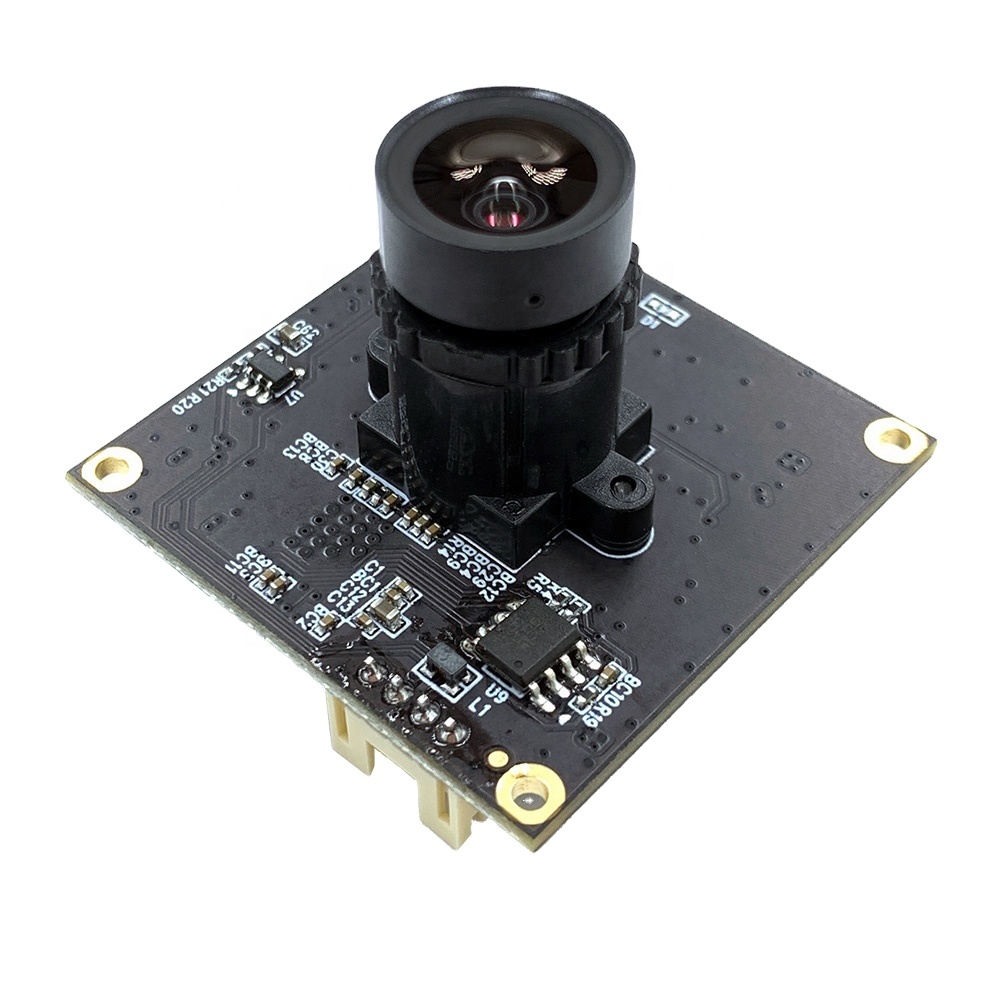
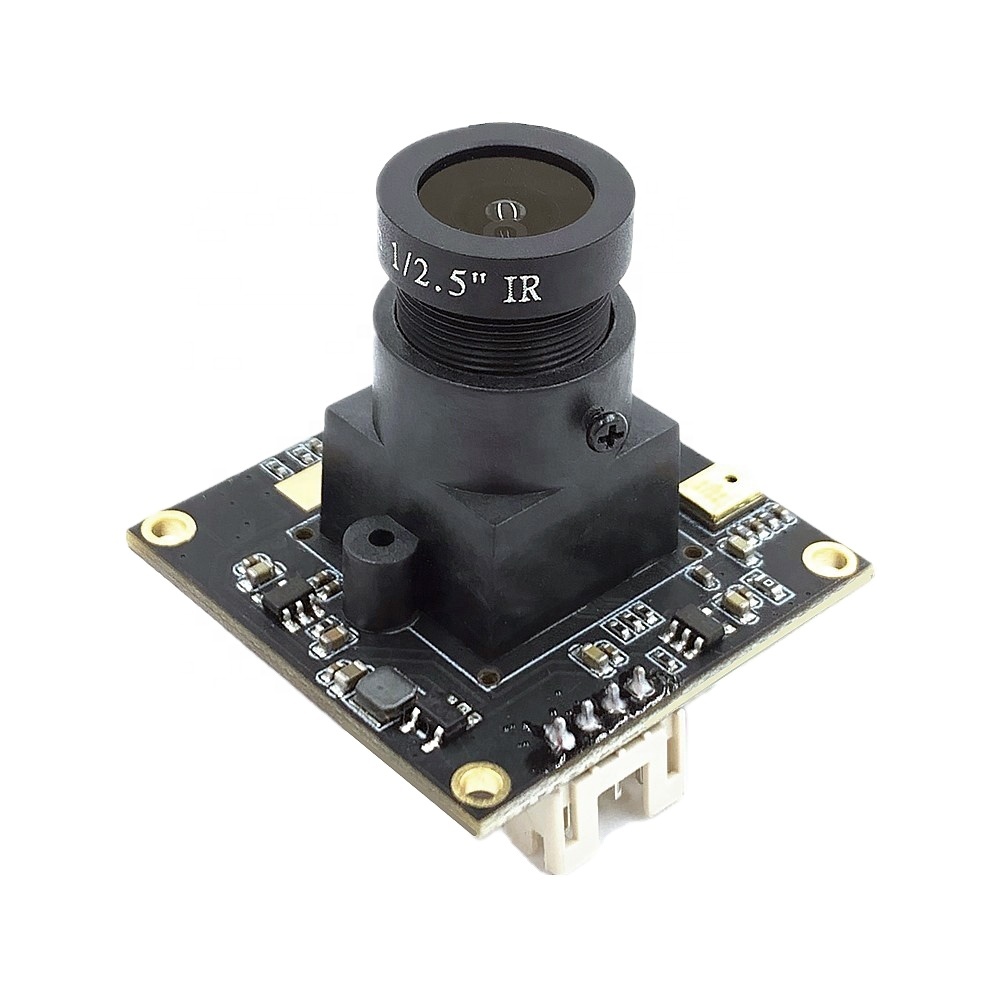
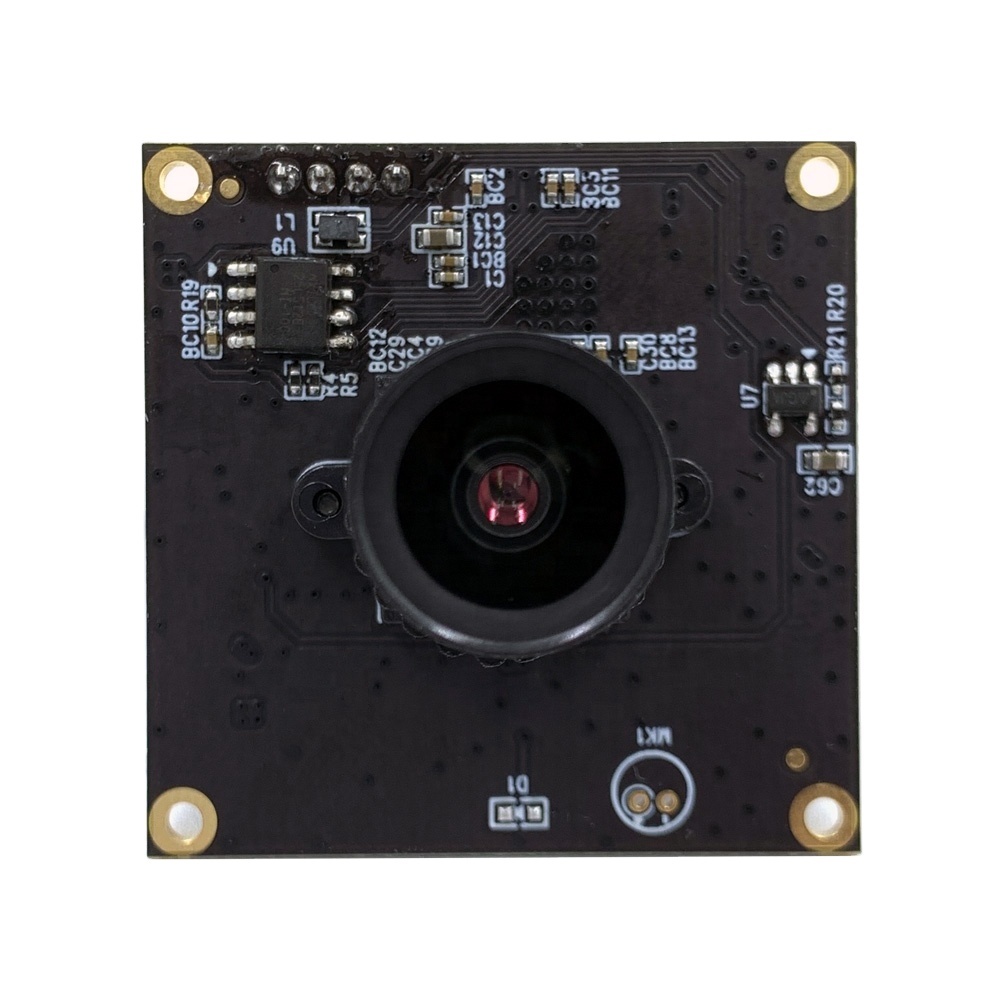
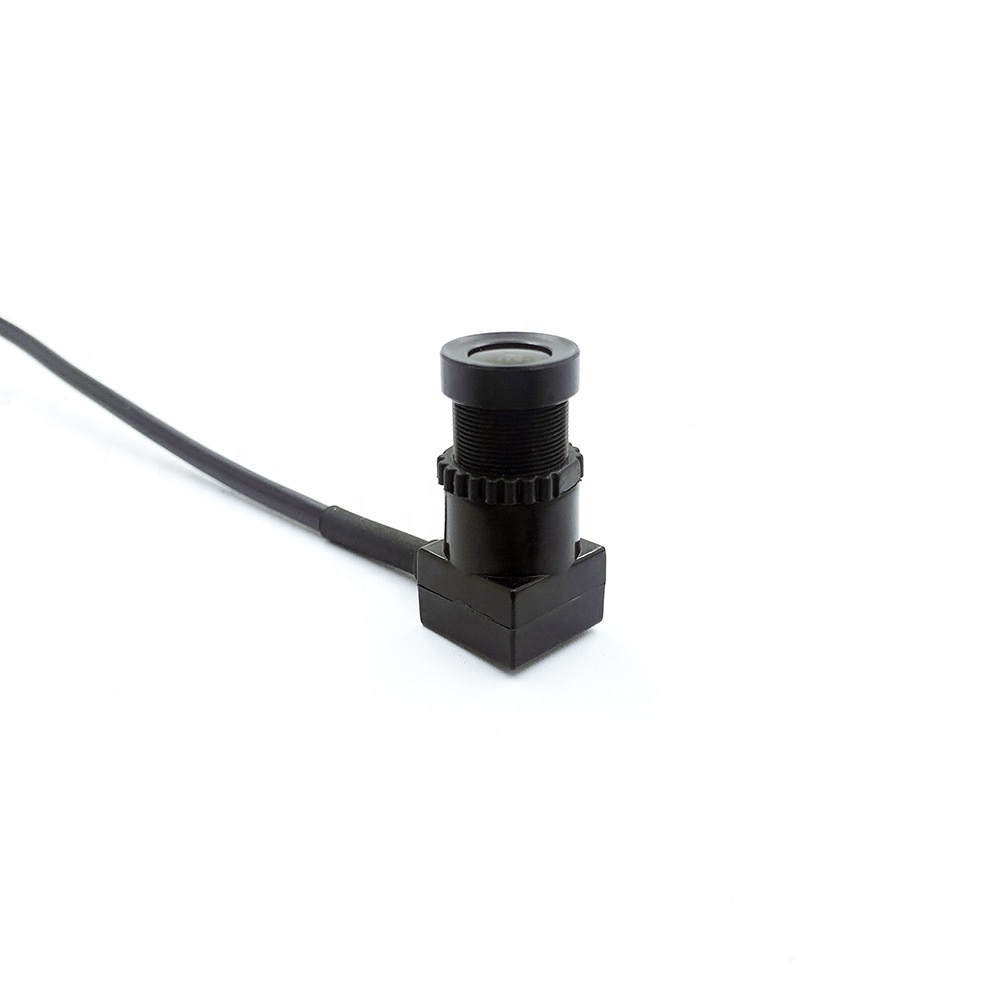
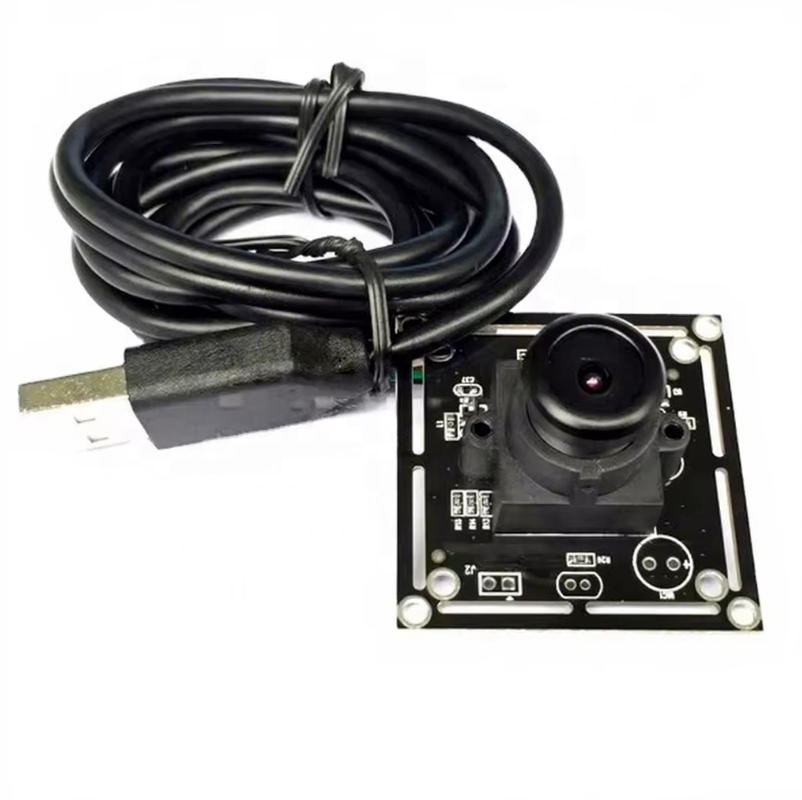

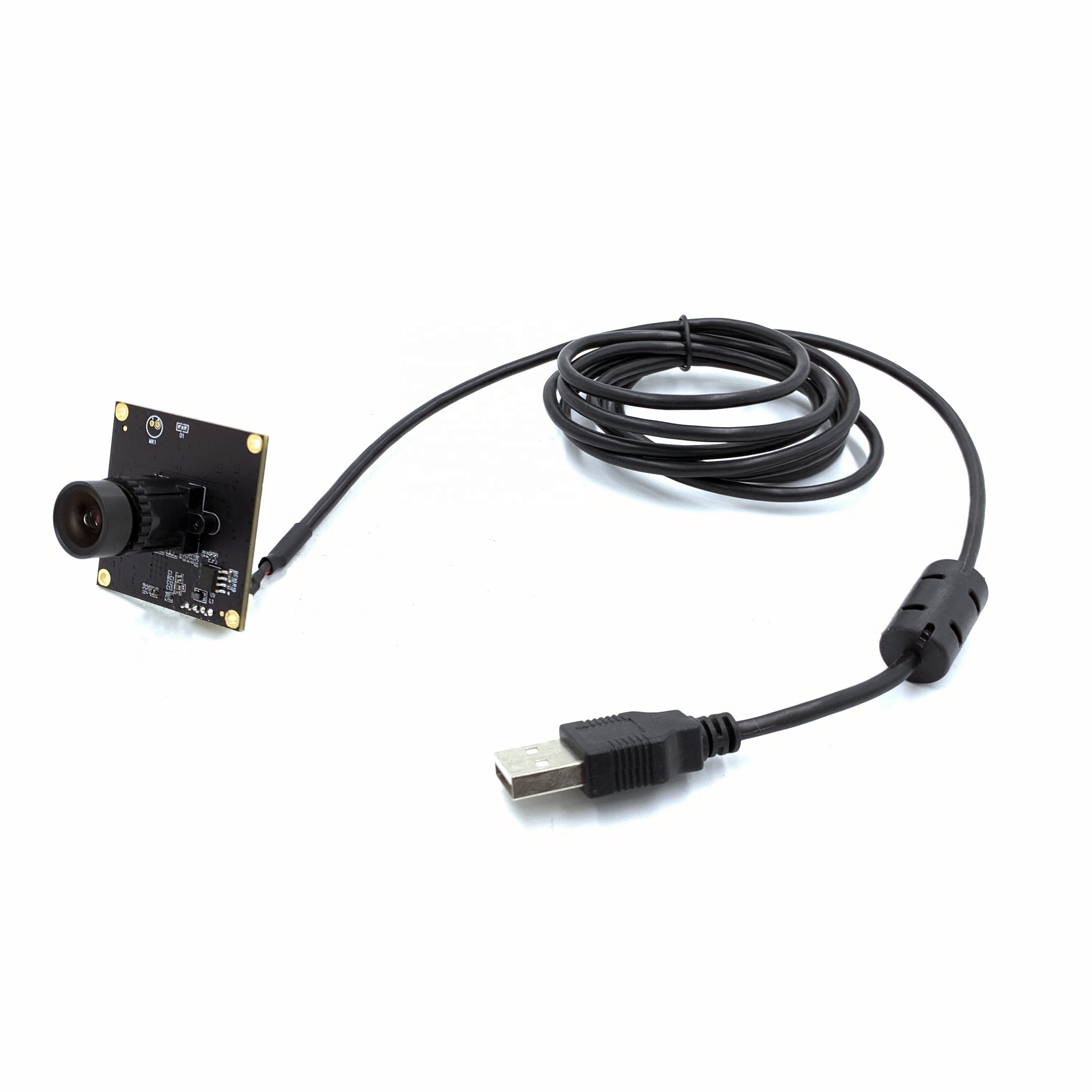
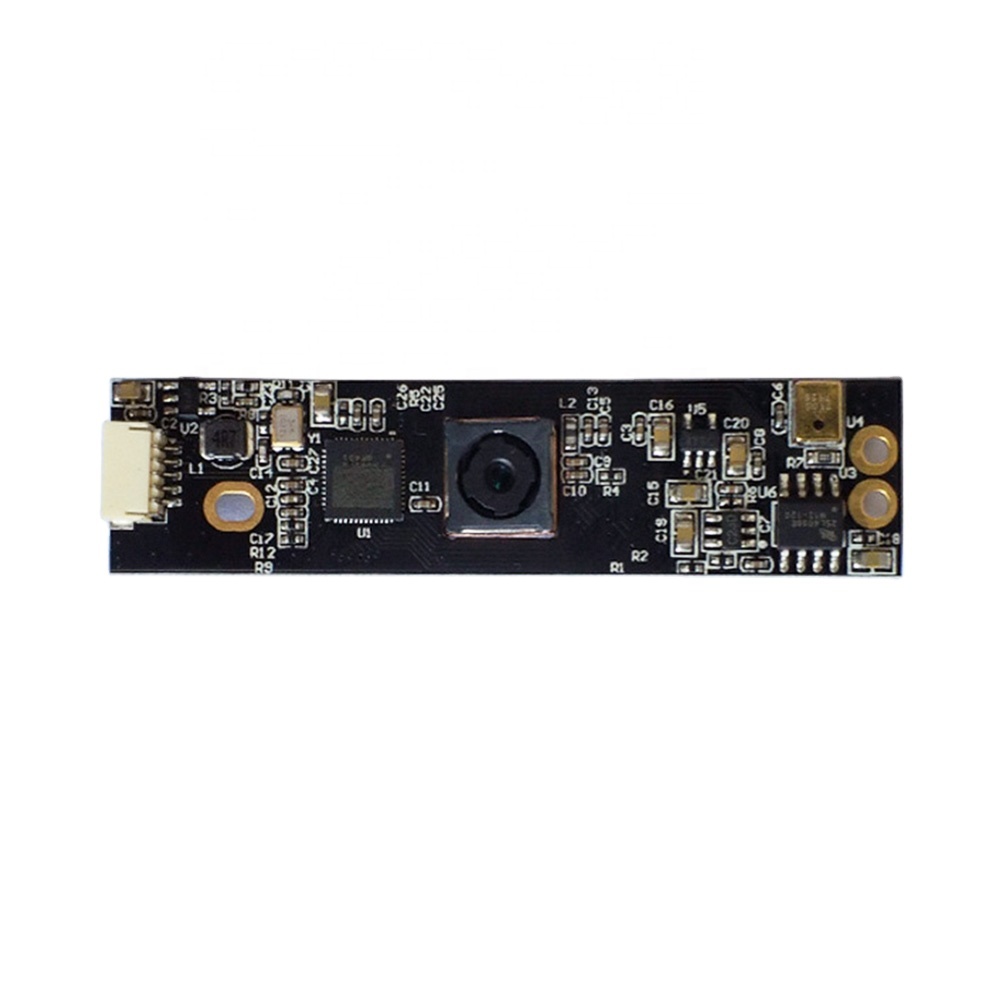
Engineering White Paper: OEM/ODM Custom Camera Module Sourcing & Architecture
An authoritative technical evaluation guide for B2B system integrators, optical engineers, and enterprise procurement directors.
1. Technical Foundations of Modern Custom Camera Module Architecture
In the evolving landscape of embedded vision, searching for a qualified OEM/ODM custom camera module exporter & exporters demands a nuanced understanding of electro-optical sub-systems. A commercial-grade embedded camera is not merely a combination of a sensor and a plastic lens; it represents a tightly integrated, noise-sensitive system that combines optical physics, Image Signal Processor (ISP) firmware tuning, printed circuit board (PCB) thermal design, and standardized output interfaces (such as UVC, MIPI CSI-2, and RTSP IP).
When engineering customized modules for critical infrastructure—including Virtual Teller Machines (VTM), automated teller machines (ATM), biometric examination systems, and robotic vision—system architects must balance several critical performance parameters:
- Sensor Quantum Efficiency (QE) & Pixel Pitch: The transition from standard front-side illuminated (FSI) sensors to Back-Illuminated (BSI) architectures—exemplified by Sony STARVIS and STARVIS 2 technologies—has elevated low-light performance. Achieving color imaging down to 0.001 Lux allows self-service kiosks operating in uncontrolled ambient lighting to maintain accurate facial recognition and document OCR without relying on intrusive LED illumination.
- High Dynamic Range (HDR) & Dynamic Scene Fusion: Environments like outdoor banking terminals or glass-fronted building lobbies present high-contrast lighting challenges. Integrated ISPs executing multi-exposure HDR algorithms (capturing short and long exposures simultaneously) allow wide dynamic ranges exceeding 100 dB. This prevents highlights from blowing out while recovering crucial shadow detail.
- High Frame Rate (330 FPS) & Temporal Resolution: Standard 30 fps or 60 fps sensors introduce motion blur when tracking rapidly moving objects or high-speed machinery. By utilizing custom high-speed bridge controllers, custom USB camera modules can deliver 330 fps at 1080P Full HD resolution, enabling real-time motion analysis and biometrics without frame drops.
- Lens Distortion Control & CRA Matching: Matching the Chief Ray Angle (CRA) of the optical lens assembly to the microlens array of the chosen CMOS image sensor is vital to prevent optical shading and color crosstalk near image perimeters. Custom OEM/ODM designs leverage non-distortion lenses (distortions < 0.5%) specifically designed for OCR document scanning and wide-angle face recognition.
Technical Insight: UVC Driverless Protocol & Bandwidth Optimization
Deploying custom USB camera modules across distributed device networks requires driverless standard compliance. Leveraging USB Video Class (UVC) protocols ensures plug-and-play operation across Windows, Linux, Android, and macOS. To manage high bandwidth demands—such as dual-stream 1080P at 330 fps or 8MP 4K imaging—advanced modules integrate hardware-level H.264, H.265, and MJPEG compression engines directly on the PCB, reducing host CPU utilization by up to 70%.
Starvis & Starlight Optics
Integration of Sony IMX291, IMX323, and IMX335 sensors delivering sub-0.001 Lux capability for dark ambient operation and night vision systems.
Ultra-High Frame Rates
Custom PCB schematics supporting uncompressed YUY2 and compressed MJPEG streams up to 330 FPS at Full HD 1080P resolution.
Micro Form Factors
Miniaturized rigid and flexible PCBs starting from 15×15mm, 32×32mm, and 38×38mm, engineered for space-constrained machine enclosures.
2. Technological & Development Trends in Embedded Vision Systems
As industry 4.0, smart retail, and edge artificial intelligence accelerate, the functional expectations placed on custom camera exporters are shifting dramatically. Key technological trends driving the next generation of custom camera modules include:
A. Converged Edge AI & ISP On-Chip Processing
Traditional vision architectures transmit raw optical feeds to a central host computer for processing. Future-ready custom camera modules offload primary neural network inference—such as face liveness detection, optical character recognition (OCR), and object tracking—directly onto embedded ISP microcontrollers. This edge processing architecture reduces bandwidth consumption, lowers system latency to under 5ms, and secures personal biometric data before transmission.
B. Global Shutter replacing Rolling Shutter in Machine Automation
While rolling shutter sensors remain economical for static surveillance, high-speed automated processes (such as conveyor sorting, robotics, and barcode inspection) suffer from the "jello effect" and focal plane spatial distortion. OEM exporters are increasingly integrating Global Shutter CMOS sensors (such as OmniVision OG02B10/OG01A10 series) to expose all pixels simultaneously, eliminating motion artifacts in dynamic environments.
C. Modular Multi-Sensor & Stereo Vision Systems
To support 3D depth mapping and anti-spoofing biometrics (essential for secure banking VTMs and access gates), single-lens modules are evolving into dual-sensor (RGB + IR) and multi-axial camera setups. Synchronized dual-board modules capture parallel visible and 850nm/940nm infrared spectra, allowing software algorithms to verify physical depth and human liveness instantly.
| Architecture Feature | Standard Off-the-Shelf Webcams | Industrial Custom OEM/ODM Modules |
|---|---|---|
| Form Factor Flexibility | Fixed plastic enclosures; bulky footprint | Miniaturized PCBs (15×15mm to 38×38mm) designed for OEM enclosures |
| ISP Customization | Locked factory firmware; basic auto-exposure | Tailored ISP tuning (AE, AWB, WDR, Contrast curves, Distortion Correction) |
| Frame Rate Capabilities | Typically 30 fps - 60 fps max | High-speed capture options up to 330 fps at 1080P HD |
| Low-Light Lux Threshold | Requires > 1.0 Lux or supplemental LED lighting | 0.001 Lux Starlight (Sony STARVIS BSI technology integration) |
| Lifecycle & Component Availability | Consumer phase-out within 12-18 months | Industrial longevity guarantee (5 to 10-year production commitment) |
3. Future B2B Sourcing & Procurement Trends for Global Enterprise Buyers
Procurement strategies within the embedded optical component industry have evolved from purely transactional pricing models toward holistic lifecycle partnership assessments. Enterprise buyers, tier-1 system integrators, and equipment manufacturers now prioritize the following core criteria when selecting an OEM/ODM camera module exporter:
- Design-for-Manufacturing (DFM) Agility: Exporters must demonstrate sophisticated CAD, Protel, and Allegro schematic capabilities. The ability to modify layout traces, select custom board connectors (e.g., JST, Molex, or USB Type-C), and re-engineer optical axes within days rather than months significantly reduces New Product Introduction (NPI) cycle times.
- Sample-to-Mass-Production Quality Locking: A common operational risk in overseas sourcing is a drop in quality between prototype samples and full-scale production. Enterprise sourcing standards require exporters to use identical active alignment tools, surface-mount technology (SMT) lines, and optical MTF (Modulation Transfer Function) bench testing for both evaluation samples and mass production runs.
- Total Cost of Ownership (TCO) & Extended Warranties: Field failures of camera modules in deployed networks (such as nationwide ATM installations or municipal exam monitoring kiosks) incur significant maintenance costs. Leading B2B buyers now mandate comprehensive factory warranties (e.g., 24 months) and rigorous burn-in thermal testing (-20°C to +70°C ambient operation) to minimize operational disruption.
- Flexible Minimum Order Quantity (MOQ) Protocols: Rapid prototyping and pilot testing demand initial sample volumes as small as 1 to 5 units. Top-tier exporters maintain direct component inventories from primary sensor foundries (Sony, OmniVision, SmartSens), enabling low MOQ entry thresholds without sacrificing custom engineering support.
Enterprise Strengths & Manufacturing Authority
Shenzhen Brekta Electronics Co., Ltd. brings over 13 years of specialized electro-optical design, manufacturing rigor, and international export leadership.
Headquartered in the global electronics manufacturing hub of Shenzhen, with expanded production facilities in Dongguan, Shenzhen Brekta Electronics Co., Ltd. is a specialized OEM/ODM manufacturer of compact vision systems. Our optical engineering team focuses on miniaturized USB (UVC), mini IP (RTSP/ONVIF), AHD, HD-SDI, and WiFi endoscope solutions.
Utilizing advanced EDA software including Protel and Allegro, our engineers customize PCB dimensions, lens optical focal lengths, field-of-view (FOV), cable wiring harnesses, ISP firmware, and housing enclosures. Serving enterprise client networks across North America, South America, Europe, the Middle East, and Asia-Pacific, Brekta products hold complete international compliance certifications including CE, FCC, and RoHS.
Frequently Asked Questions (FAQ) - Procurement & Engineering
Addressing core technical considerations and sourcing protocols for custom camera module projects.
Our OEM/ODM engineering customization spans every layer of the optical assembly: PCB outline dimensions (e.g., 15x15mm mini square, 32x32mm, 38x38mm, or custom flexible circuits), image sensor selection (Sony STARVIS BSI, OmniVision, SmartSens), lens optics (M12, M8, pinhole, non-distortion wide-angle, C/CS mount), cable harness interface (USB Type-A, Micro-USB, Type-C, JST connectors), ISP firmware parameters (AE lock, contrast curves, IR-cut switching), and enclosure housing IP ratings.
Capturing video at 330 frames per second provides ultra-high temporal resolution, virtually eliminating motion blur in dynamic application environments. For Virtual Teller Machines (VTMs), industrial motion analysis, counting systems, and high-speed document scanning, a 330 FPS rate allows computer vision algorithms to process individual frames with absolute geometric fidelity, drastically reducing OCR read errors and motion artifacts.
Sony STARVIS technology uses a Back-Illuminated (BSI) CMOS pixel architecture that places the wiring layer beneath the photodiode array rather than above it. This increases light collection efficiency per pixel, allowing the camera to capture rich, low-noise color images down to 0.001 Lux. This capability is ideal for voting machines, exam surveillance systems, and outdoor kiosks operating under dim or unassisted lighting conditions.
Yes. Our USB camera modules strictly comply with the USB Video Class (UVC) standard. This guarantees seamless, driverless operation across Windows, Linux, Android, macOS, and embedded ROS (Robot Operating System) environments. The modules automatically register as standard video capture devices, simplifying software integration for host applications.
Standard evaluation samples for in-stock configurations ship within 1 to 3 working days. Custom prototype designs (requiring unique PCB layouts or special optical lens matching) typically ship within 7 to 15 days. Minimum Order Quantities (MOQ) start at just 1 unit for evaluation. Every camera module is covered by a 24-month factory warranty along with lifetime technical engineering support.
Ready to Accelerate Your Custom Camera Module Project?
Consult directly with our electro-optical engineering team. Receive custom PCB schematics, optical ray matching evaluations, and factory-direct quotation within 2 hours.
Inquire Now