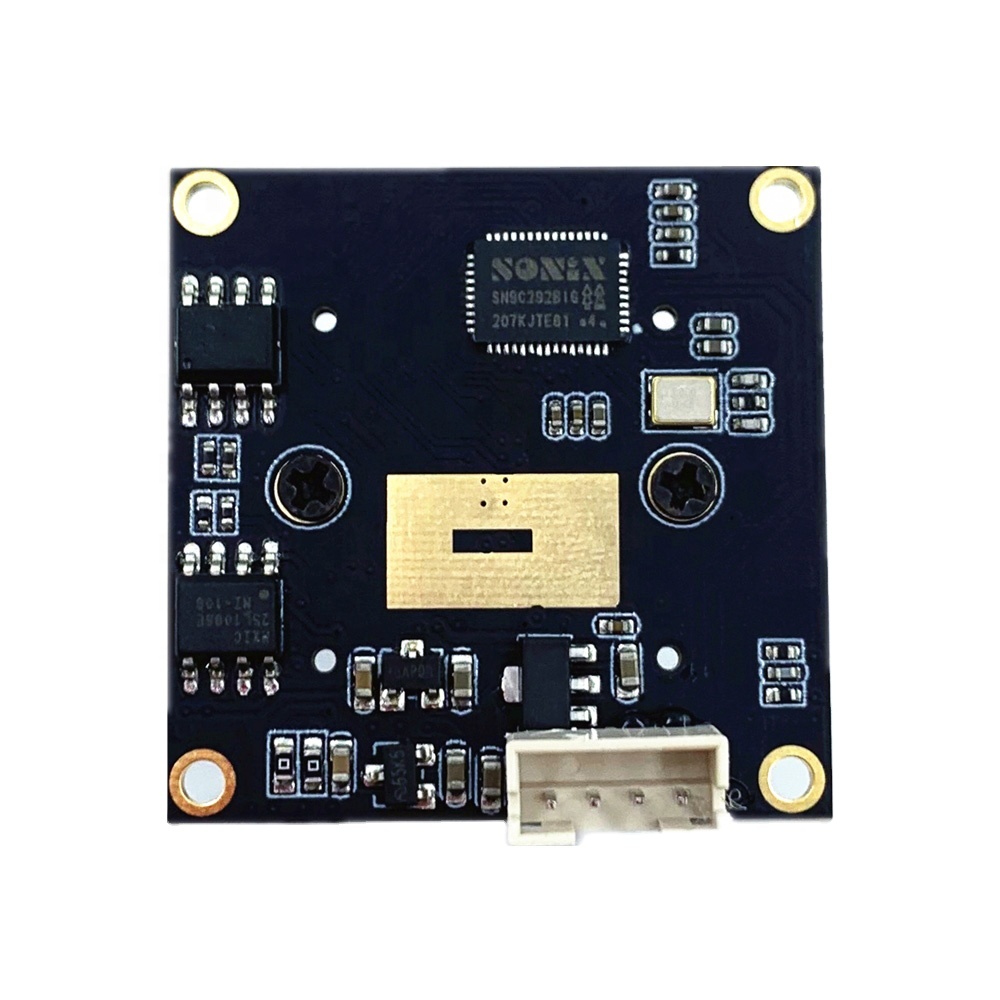
Precision Miniature USB Camera Modules
Direct from Shenzhen Brekta Electronics Factory — Optimized for Embedded Systems & Space-Constrained Industrial Enclosures
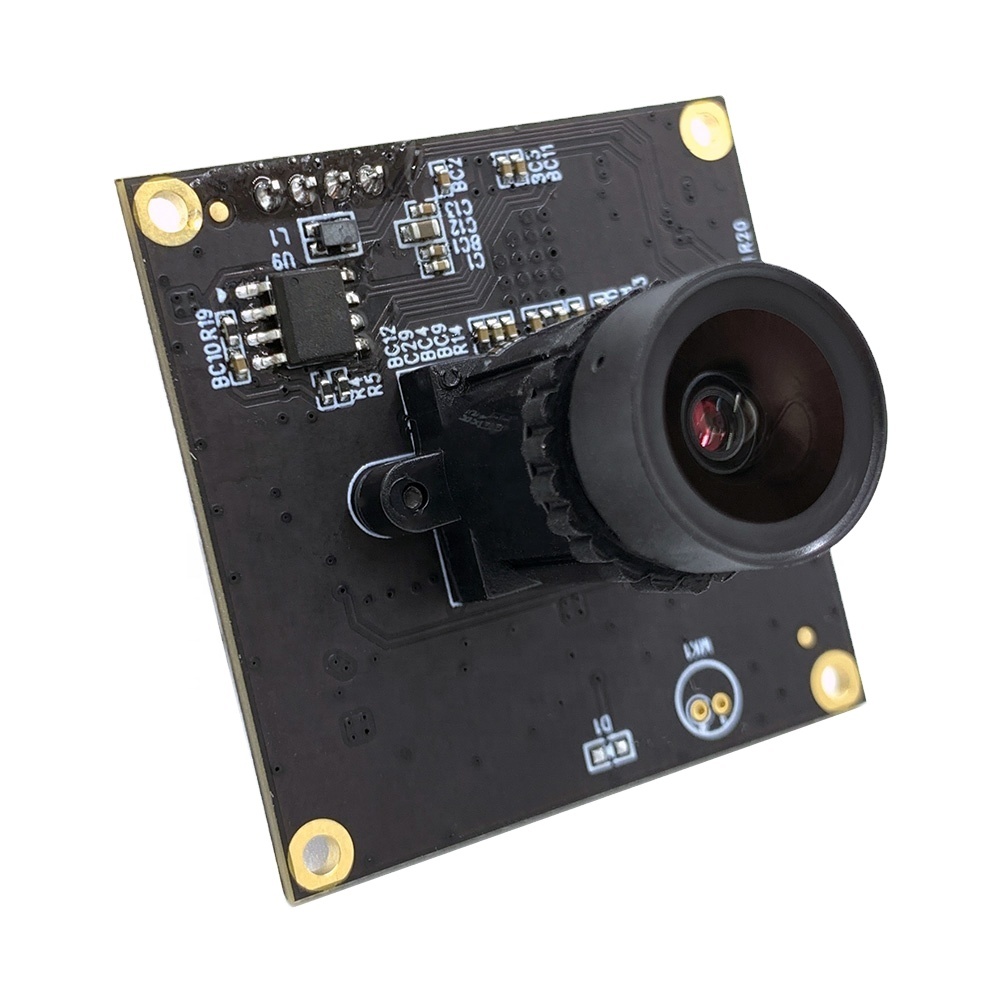
Customized High Speed HDR 330fps 2.0MP 38*38mm High Frame Rate USB Camera Module Wide Angle with 2.1mm Board Lens
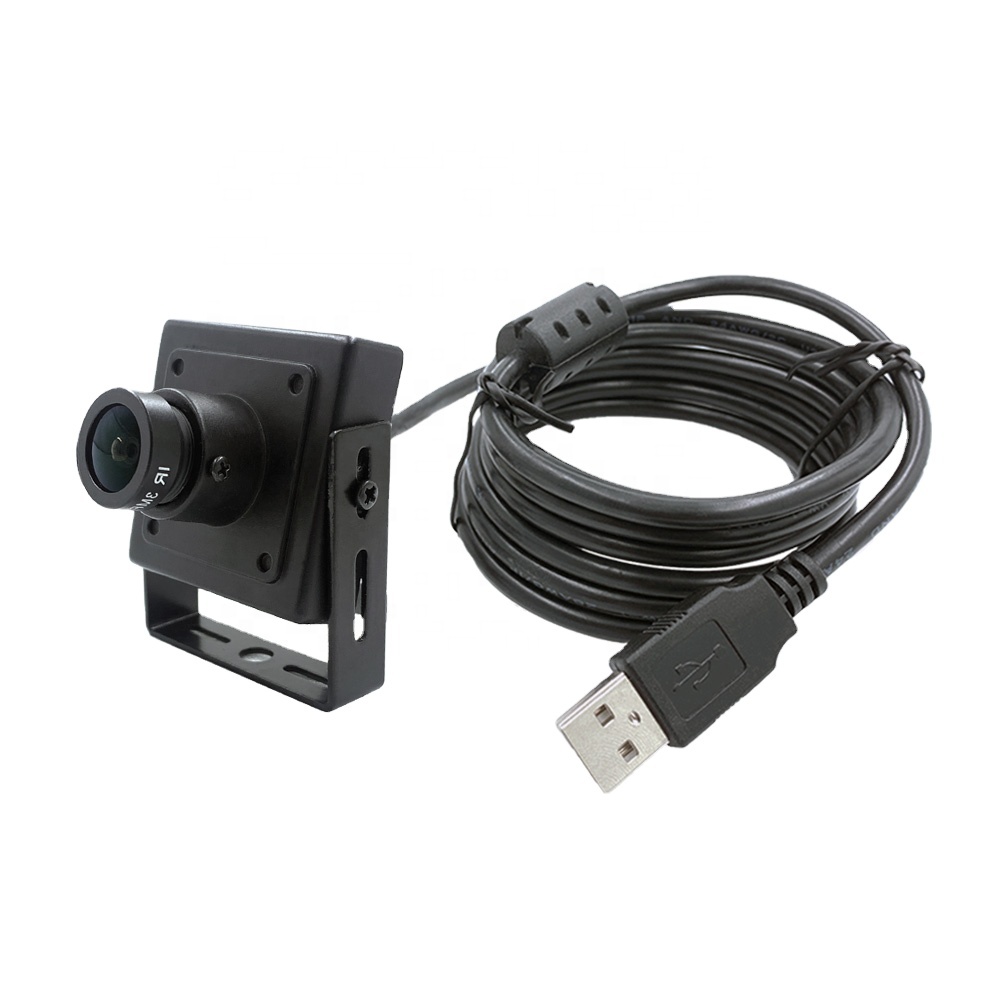
HD 720P 0.1 Low Lux UVC 2.1mm Wide-angle Lens MINI USB Camera Kiosk VTM CRS ATM Intelligent Machine Camera Module
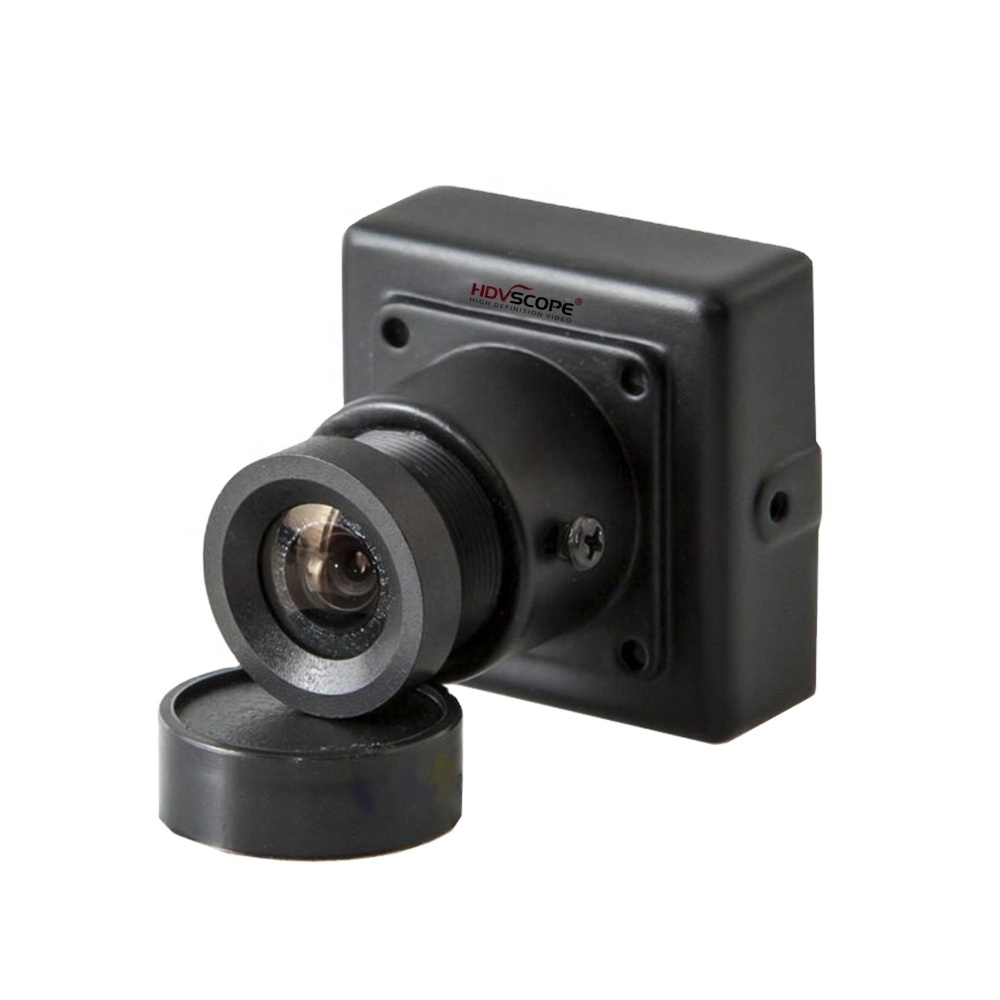
Rolling Shutter 2.0MP 0.1Lux 25*25mm Ultra-small Size Color USB Camera 3.6mm Board Lens Wide Angle 90 Degrees
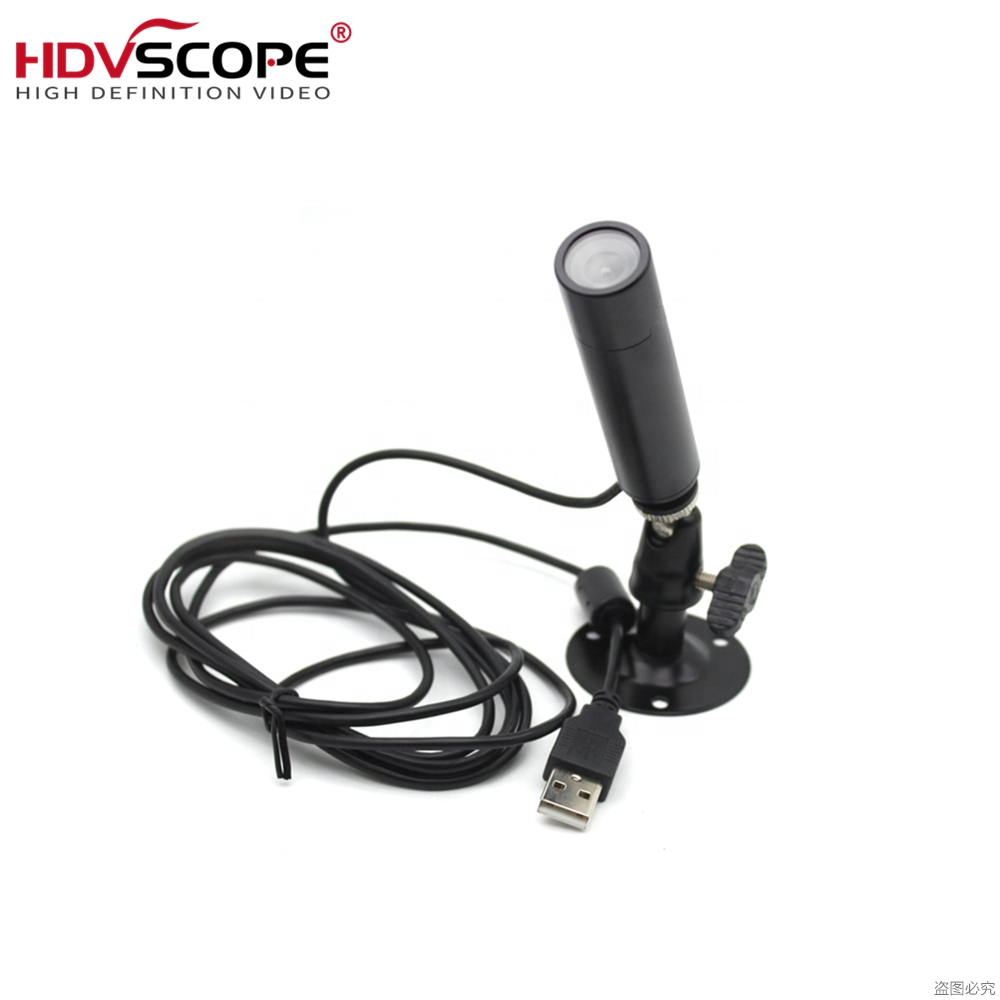
2MP 1/2.7" CMOS USB Camera 2.8mm Board Lens Waterproof IP67 Mini Bullet/Snake/Endoscope/Lipstick 1920*1080 Diameter 20mm CCTV
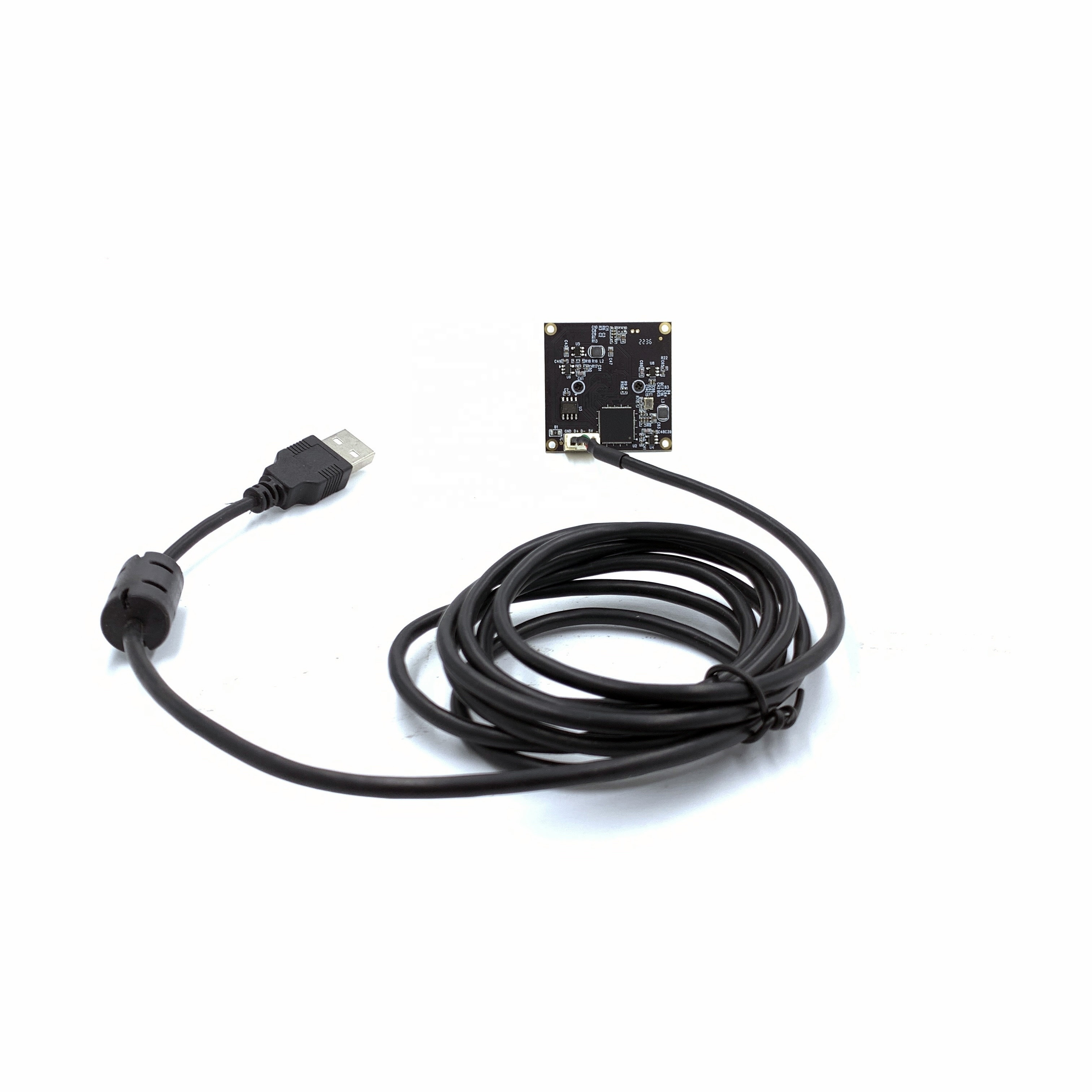
2.0MP 1920*1080 38*38mm High Speed HDR 330fps High Frame Rate Color Narrow Angle USB Camera Module with 3.7mm Lens

50x50mm Support YUY2 MJPEG, 1/3.06'' CMOS 4K UHD Rolling Shutter 13MP 4192*3104 Color HDR USB Camera 3.24mm Distortionless Lens
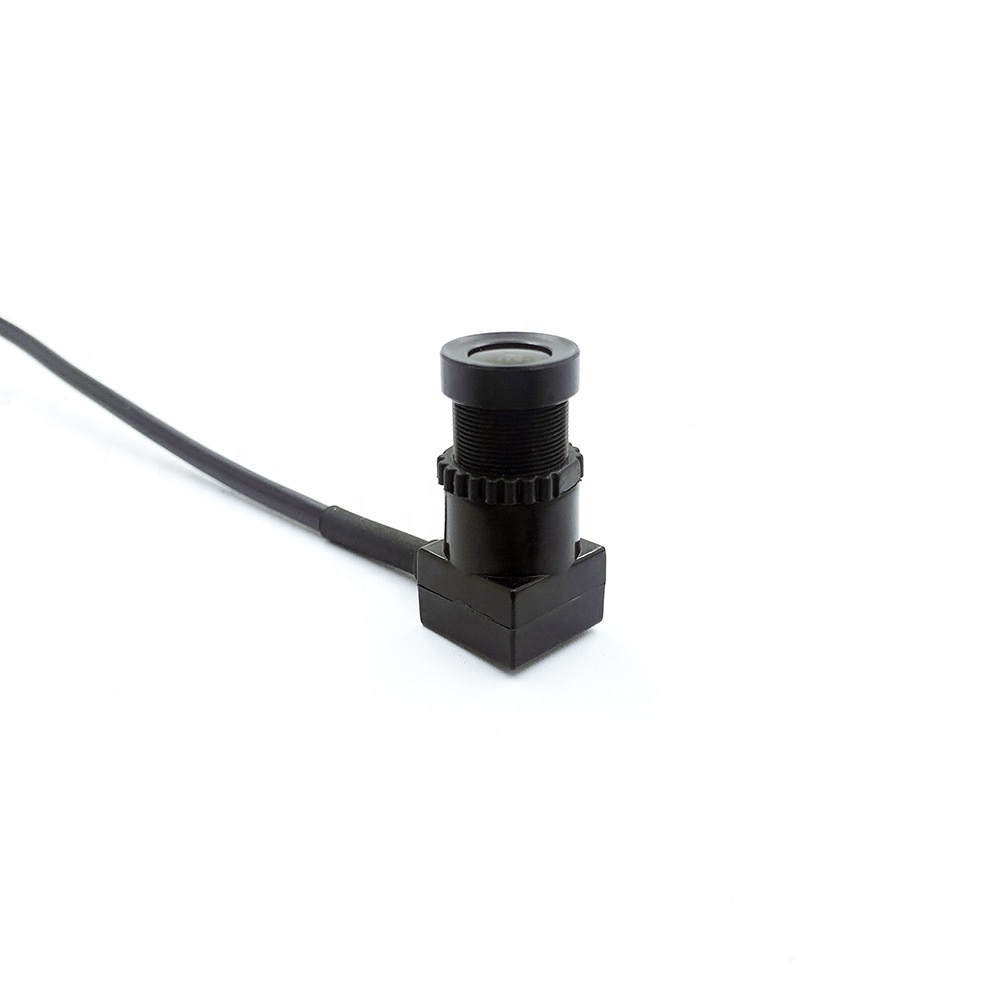
Supplier Low Light 0.1Lux Full HD 1920*1080P Mini Square 15*15mm Color USB Network Video Camera with 12mm Board Lens for Home
13+ Years
Micro Camera R&D Experience
15x15 mm
Ultra-Compact Board Form Factor
330 FPS
High Frame Rate Vision Capability
0.0001 Lux
Sony STARVIS Ultra Low-Light Sensitivity
Industrial OEM/ODM Engineering: Pinhole USB Camera Module Architecture
In the landscape of modern automated terminal design, medical diagnostic equipment, self-service financial kiosks (ATM/VTM/CRS), and embedded AI computer vision systems, spatial constraints present a major engineering challenge. Embedded systems require high-fidelity image acquisition through miniature aperture openings—frequently under 1.5mm to 3.7mm in diameter. Designing an high-gain OEM/ODM USB pinhole camera module demands an integration of micro-optics, custom printed circuit board (PCB) layouts, digital Image Signal Processor (ISP) tuning, and compliant USB Video Class (UVC) protocol firmware.
Shenzhen Brekta Electronics Co., Ltd. operates at the intersection of optical physics and industrial manufacturing. By deploying state-of-the-art Sony STARVIS back-illuminated CMOS sensors, OmniVision high-sensitivity image arrays, and multi-layer high-density interconnect (HDI) PCB stackups engineered via Protel and Allegro suites, Brekta delivers custom pinhole solutions that overcome historical optical trade-offs such as vignetting, chromatic aberration, low Modulation Transfer Function (MTF) values, and thermal throttling in unventilated chassis.
Technical Information Gain: Unlike standard webcams designed for open desktop monitoring, industrial-grade micro pinhole cameras must maintain optical Chief Ray Angle (CRA) alignment with tiny pinhole aperture caps to eliminate edge shadowing and maintain >100dB Wide Dynamic Range (WDR) under harsh ambient backlight conditions (e.g., glass building lobbies and outdoor ATMs).
1. Optical Physics & Micro Pinhole Lens Selection
Pinhole camera design requires balancing light throughput (F-number) against physical aperture size and depth of field. Traditional pinhole optics suffer from severe diffraction limits when the aperture diameter drops below the Rayleigh limit. Brekta addresses this by pairing specialized micro cone lenses, flat pinhole mounts, and board lenses (ranging from 1.7mm fisheye to 12mm telephoto) with low-F-number glass optical elements. This architecture preserves edge sharpness across full 1080p, 4K UHD, and 13MP array resolutions without inducing barrel distortion or light drop-off at peripheral pixel boundaries.
2. ISP Register Tuning & Low-Lux Starlight Performance
Capturing clean video down to 0.001 Lux or 0.0001 Lux demands real-time hardware noise reduction within the onboard ISP. Brekta’s engineering team writes custom firmware register profiles for 3D Noise Reduction (3DNR), Automatic Gain Control (AGC) curves, and spatial Wide Dynamic Range (WDR 2.0). When integrated into financial terminals, our modules prevent facial washed-out highlights during daylight while preserving high-contrast facial landmark vectors in pitch-black night environments, facilitating flawless 3D facial recognition, liveness detection, and fraud prevention algorithms.
Future Procurement & Technology Trends in Embedded USB Vision (2025–2030)
As industrial automation, unattended retail, and Smart City infrastructure evolve, procurement executives and principal hardware engineers must align their component sourcing strategies with next-generation vision standards. Based on empirical production data and collaborative engineering roadmaps with Tier-1 system integrators, Brekta identifies four pivotal trends reshaping the OEM/ODM micro camera landscape:
Ultra-High Frame Rate (120FPS–330FPS) Liveness Capture
Biometric verification and anti-spoofing systems require ultra-fast frame acquisition to eliminate motion blur and capture micro-expressions. 330fps high-speed USB camera modules (such as Brekta's 38x38mm HDR series) are rapidly replacing legacy 30fps units in high-security transaction points.
Edge AI & Dual Compression (H.264 / H.265 / MJPEG)
System bandwidth constraints demand hardware encoding directly on the camera board. Offloading video compression (H.264/H.265) to the USB ISP reduces host CPU consumption on embedded IPCs by up to 65%, enabling AI models to execute concurrently without frame drops.
Sony STARVIS 2 & Near-Infrared (NIR) Sensitivity
The phase-out of traditional halogen illuminators in favor of invisible 940nm IR LEDs requires camera sensors with high Quantum Efficiency (QE) in the 850nm–940nm spectrum. STARVIS 2 CMOS sensors provide clear monochrome imagery in zero-light environments without distracting users.
Miniaturized Form Factors (Down to 15x15mm)
As self-service kiosks, medical scopes, and smart doors become thinner, PCB real estate shrinks. Modern procurement specs favor modular 15x15mm, 25x25mm, and 32x32mm rigid-flex PCBs with multi-pin Molex or USB Type-C high-flex ribbon connectors.
Industrial Compliance & Ruggedization (IP67/IK10)
Outdoor cash dispensers, smart lockers, and industrial endoscopes demand IP67 ingress protection and anti-vibration potting. Procurement teams are shifting toward factory-sealed mini bullet and cylindrical camera modules with certified environmental ratings.
Driverless Universal Compatibility (UVC 1.1 / 1.5)
To ensure seamless deployment across heterogeneous operating systems (Windows 10/11, Linux Ubuntu/Debian, Android, and macOS), plug-and-play UVC protocol compliance eliminates the maintenance burden of proprietary third-party kernel drivers.
Technical Comparison Matrix: Choosing the Right Industrial Camera Interface & Spec
Selecting the optimal camera module specification requires evaluating physical, optical, and signal transfer parameters. The table below outlines core performance benchmarks engineered across Brekta's specialized micro camera product lines:
| Camera Module Category | Sensor Architecture | Max Resolution & FPS | Min. Illumination | Form Factor (PCB Size) | Target Application |
|---|---|---|---|---|---|
| Starvis Low-Lux Series | Sony STARVIS IMX291 / IMX307 | 1080P @ 30/60 FPS | 0.0001 Lux (Color) | 32x32mm / 38x38mm | 24/7 ATM Surveillance, Night Kiosks |
| High-Speed HDR Series | Customized High Frame Rate CMOS | 1080P @ 330 FPS | 0.1 Lux | 38x38mm Double-Board | Facial Liveness, Motion Tracking, Robotics |
| Ultra-Micro Square Series | 1/2.7" or 1/4" Industrial CMOS | 720P / 1080P @ 30 FPS | 0.1 Lux | 15x15mm / 25x25mm | Covert Pinhole, Compact VTM, Laptops |
| 4K UHD High-Res Series | 1/3.06" or 1/2.3" Sony IMX377 | 4K UHD (4192*3104) @ 30 FPS | 0.5 Lux | 50x50mm / 38x38mm | Document Scanning, Medical Imaging, OCR |
| IP67 Waterproof Mini Bullet | 1/2.7" Sealed Glass Lens Array | 1080P Full HD @ 30 FPS | 0.01 Lux | Φ 20mm Cylinder Body | Industrial Endoscopes, Outdoor Terminals |
Why Partner with Shenzhen Brekta Electronics Co., Ltd.?
Shenzhen Brekta Electronics Co., Ltd. is a premier high-tech enterprise specializing in the design, development, and high-volume manufacturing of compact camera modules. Operating dual facilities across Shenzhen and Dongguan, China, Brekta serves an international client base across North America, Europe, South America, the Middle East, and Asia-Pacific.
Full-Stack PCB & Hardware R&D
Our experienced engineering team utilizes professional EDA software suites including Protel and Allegro to design custom circuit boards, optimize high-speed differential signal routing, reduce Electromagnetic Interference (EMI), and ensure strict EMC compliance.
Rigorous 100% Quality Assurance
Quality control begins at raw material sourcing and extends through automated SMT placement, dust-free optical assembly, high-temperature burn-in testing, and individual optical MTF alignment before custom anti-static packaging and dispatch.
Flexible OEM/ODM & Low MOQ
We empower system integrators by offering sample evaluation orders starting from 1 piece. Fast-track prototyping delivers custom samples in 1–3 business days for in-stock components, reducing time-to-market for hardware projects.
Global Compliance & 24-Month Warranty
All Brekta security and industrial camera modules are fully certified with CE, FCC, and RoHS compliance. Every product is backed by a 24-month warranty, free replacement policy for non-artificial defects, and lifetime technical support.
Frequently Asked Questions (FAQ) — Hardware Sourcing & Customization
What is the minimum order quantity (MOQ) for custom OEM/ODM pinhole camera modules?
Most standard USB, IP, and AHD camera modules can be ordered from 1 piece for engineering evaluation and prototyping. Select customized OEM/ODM projects (involving non-standard PCB shapes, custom lens barrels, or specialized ISP firmware tuning) carry a flexible low MOQ of 2–10 pieces depending on component sourcing.
Are Brekta USB pinhole camera modules truly driver-free across modern operating systems?
Yes. Our entire USB camera module lineup strictly adheres to the standard UVC (USB Video Class) protocol. They operate seamlessly without additional software drivers on Windows 7/8/10/11, Linux (kernel 2.6.26 and higher), Android 4.0+, and macOS. Video output formats can be configured for MJPEG, YUY2, or hardware-encoded H.264/H.265.
How does pinhole lens size affect image clarity, low-light performance, and viewing angles?
Pinhole optics utilize small external opening caps (cone or flat pinhole aperture) mounted over board lenses (e.g., 3.7mm pinhole lens). While a smaller aperture physical opening creates a covert profile for ATMs or access terminals, light throughput is reduced. Brekta compensates for this by integrating high-gain sensors (Sony STARVIS 0.0001 Lux) and ultra-high dynamic range (WDR) processing to maintain crisp video quality even through micro-apertures.
Can Brekta customize PCB dimensions, cable lengths, and connector types for tightly packed enclosures?
Absolutely. PCB engineering is one of our core strengths. We custom-fabricate board form factors (including 15x15mm, 25x25mm, 32x32mm, 38x38mm, or irregular custom shapes) using Allegro/Protel layout software. Additionally, we customize USB cable lengths (up to 5m without active repeaters), wiring harnesses (JST, Molex, USB Type-A/C, 4-pin Micro-USB), IR-cut filters, onboard microphones, and firmware registers.
What quality certifications and warranty terms are provided with bulk orders?
All camera modules produced in our facilities hold full CE, FCC, and RoHS certifications, ensuring compliant entry into European and North American markets. We provide a comprehensive 24-month factory warranty on every module, along with a 100% pre-shipment optical test policy and lifetime technical support from our dedicated application engineering team.
What is the standard turnaround lead time from initial sample request to mass production shipping?
In-stock standard modules and sample units are dispatched within 1 to 3 working days. Custom OEM prototypes requiring unique optical tuning or modified PCB layers typically ship within 7 to 15 working days. Mass production volume lead times range between 2 to 4 weeks depending on component order scale and customized housing requirements.
Accelerate Your Embedded Vision Engineering Project
Contact Shenzhen Brekta Electronics today to speak directly with an optics engineer, request detailed module datasheets, or order custom evaluation samples with rapid dispatch.