Engineered for Industrial Automation, ATM/Kiosks, Remote Monitoring, and High-Speed Machine Vision.
1. Executive Summary & Market Ecosystem for AHD Camera Manufacturing
The global security surveillance and machine vision ecosystem is experiencing a major technological transition. Analog High Definition (AHD) cameras, along with complementary IP and UVC USB camera module interfaces, remain foundational technologies for mission-critical infrastructure, financial automation (ATMs/VTMs), automotive transportation, and smart industrial kiosks. As procurement directors and system integrators evaluate the landscape of Top 10 AHD Camera Factories & Exporters, moving beyond surface-level pricing to examine deep technical competencies—such as ISP tuning, low-illumination performance (Sony STARVIS® sensor integration), wide dynamic range (WDR), and mechanical miniaturization—becomes paramount.
Shenzhen, China, serves as the premier global epicenter for optical design, Surface Mount Technology (SMT) assembly, and sensor integration. Leading original equipment manufacturers (OEMs) and original design manufacturers (ODMs) engineered in the Pearl River Delta combine rapid prototyping capabilities with stringent international quality standards (CE, FCC, RoHS). This whitepaper offers an exhaustive evaluation framework for technical buyers, outlining engineering benchmarks, supply chain risk mitigation strategies, and upcoming trends in coaxial transmission and embedded machine vision.
Core Procurement Insight: Modern system integration requires multi-protocol flexibility. AHD platforms that seamlessly bridge coaxial HD infrastructure with digital UVC USB output or RTSP/ONVIF IP streaming deliver maximum legacy longevity while reducing total cost of ownership (TCO) across multi-year hardware deployments.
2. Structural Analysis of the Top 10 AHD Camera Factories & Exporters
Selecting a manufacturing vendor demands systemic evaluation across specialized operational metrics. The world's top AHD camera producers distinguish themselves through vertical manufacturing capabilities, proprietary circuit design, optical lens calibration, and robust testing standards.
Circuit & PCB Engineering
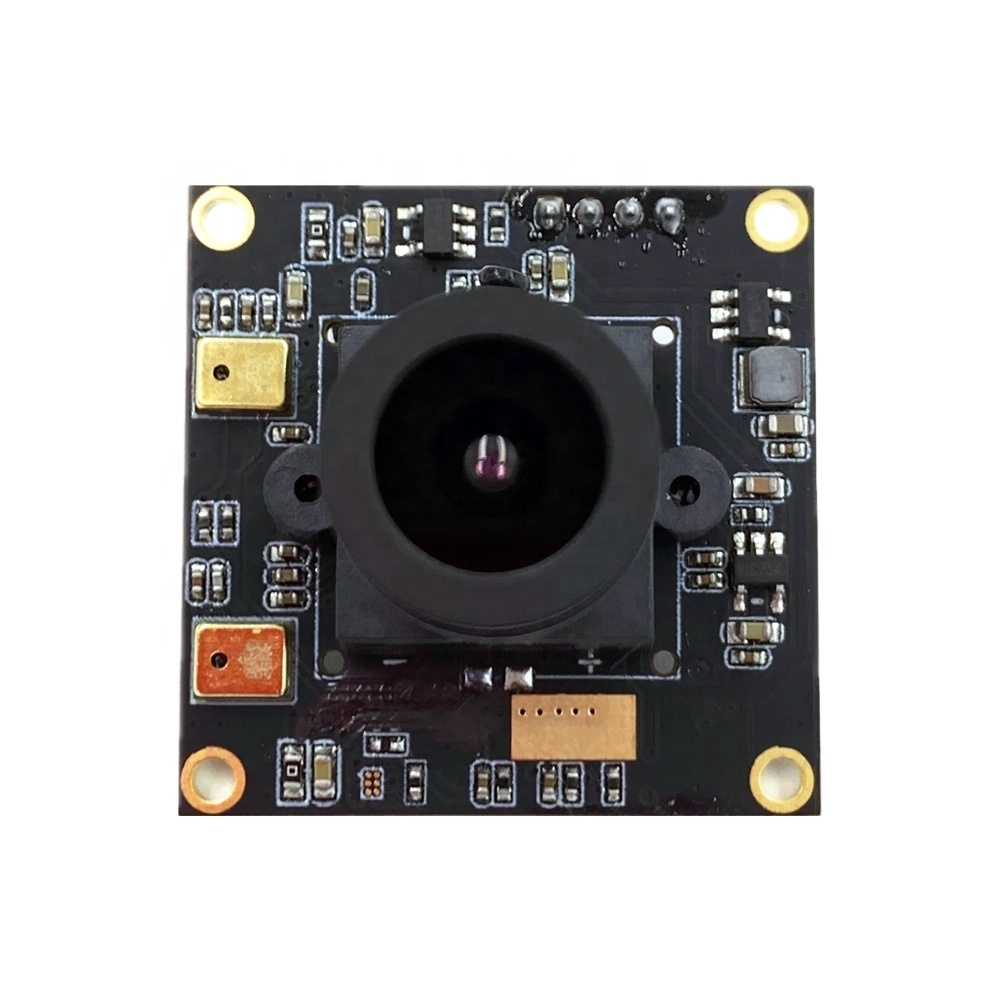
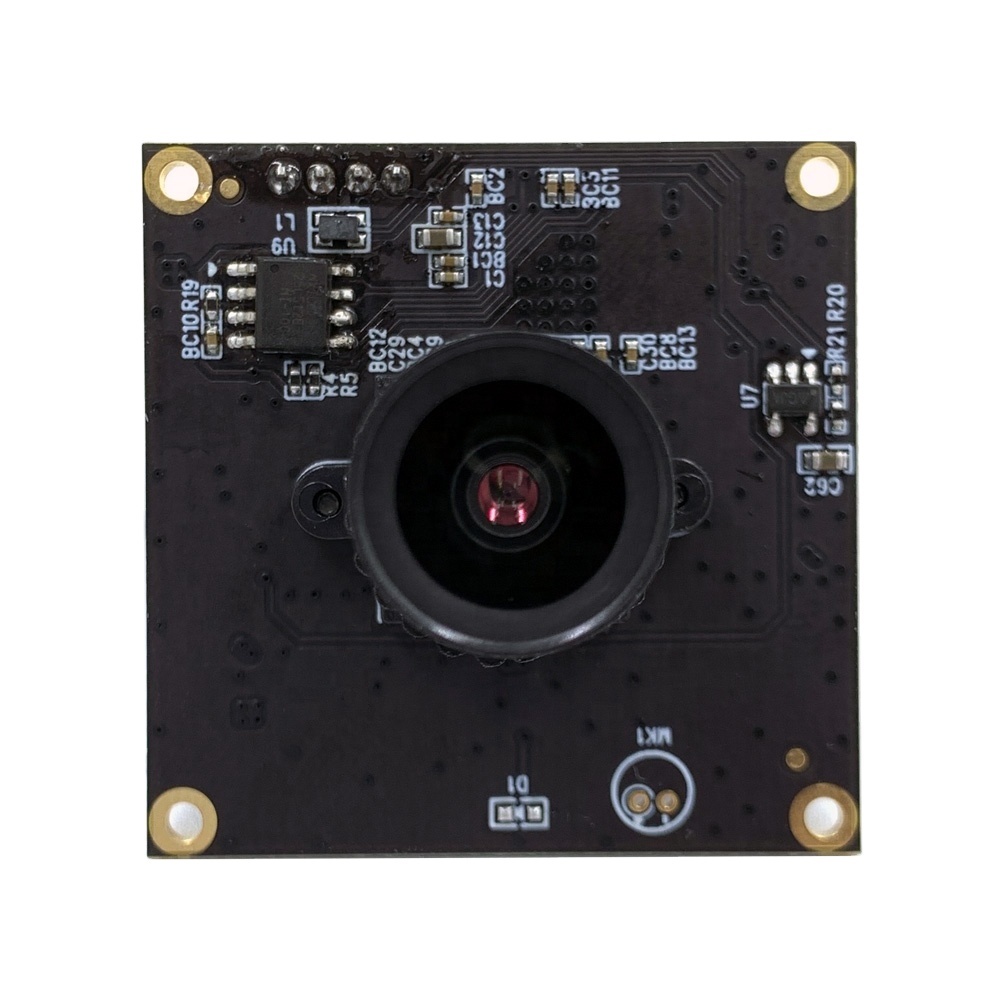
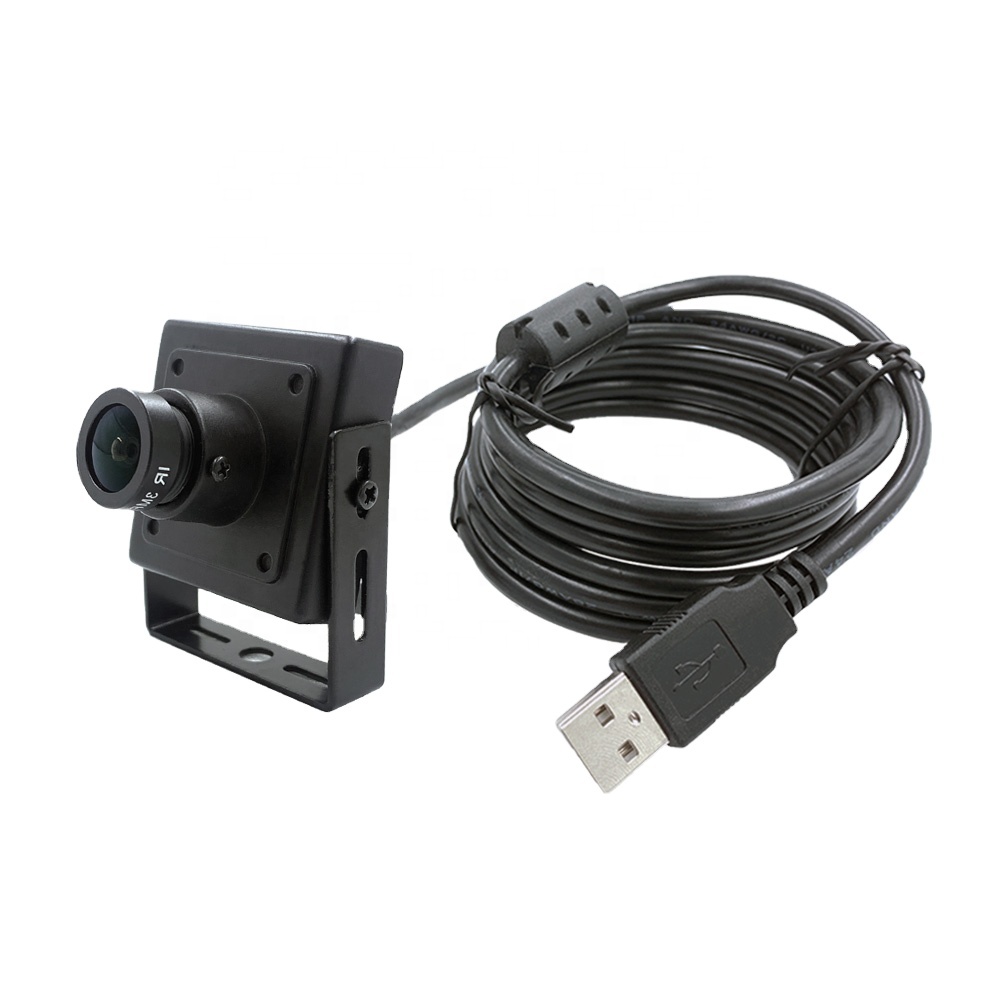
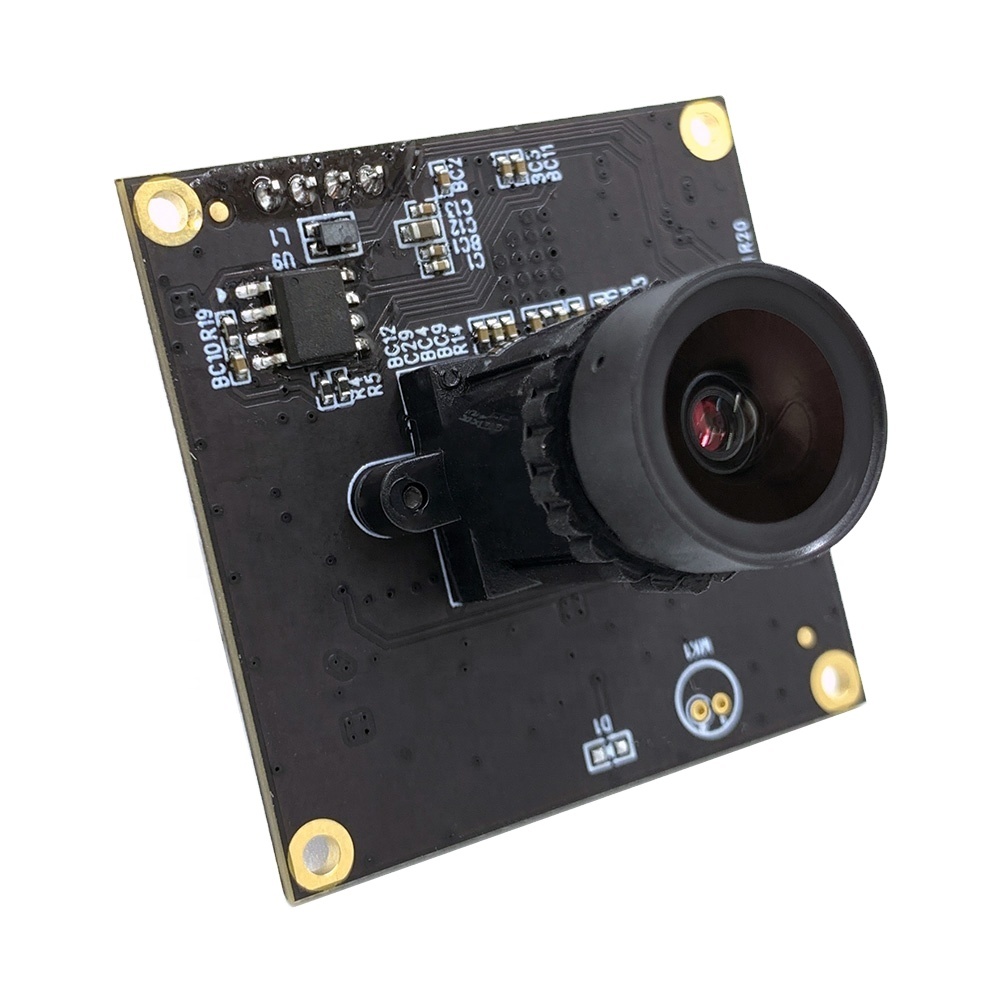
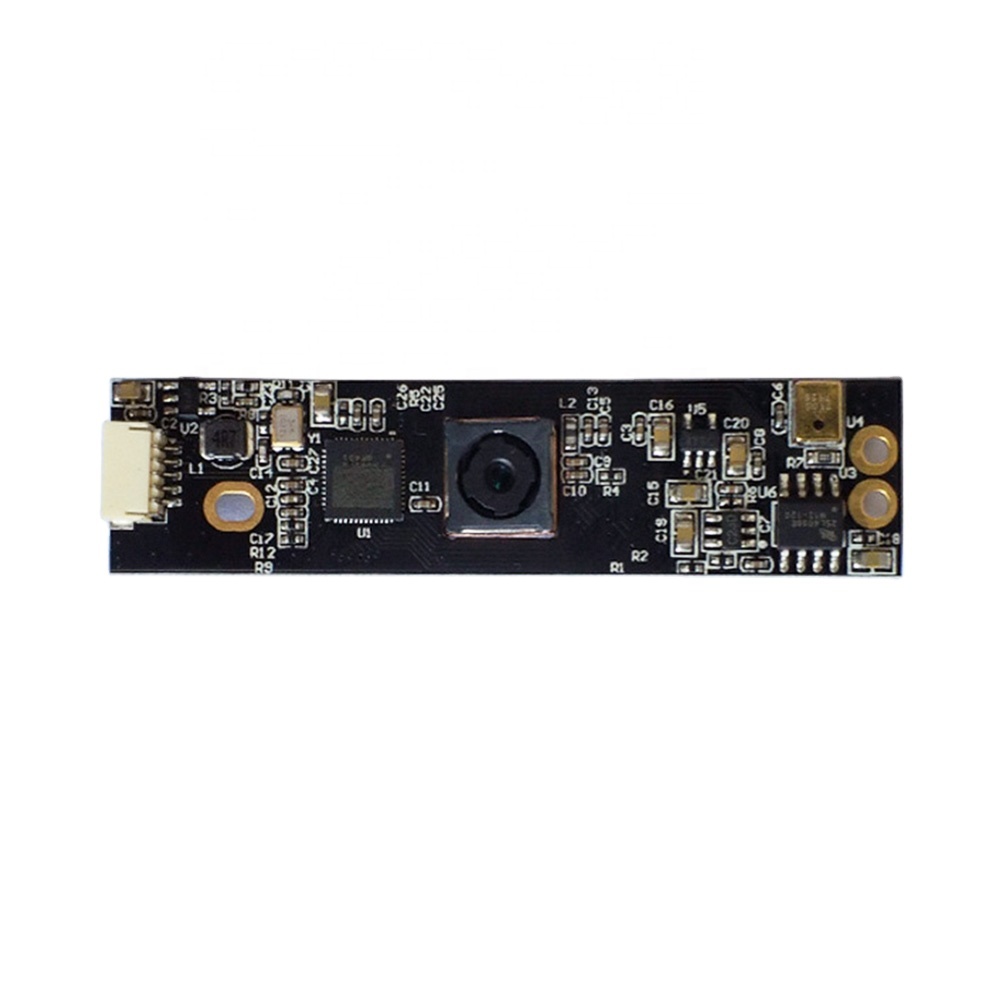
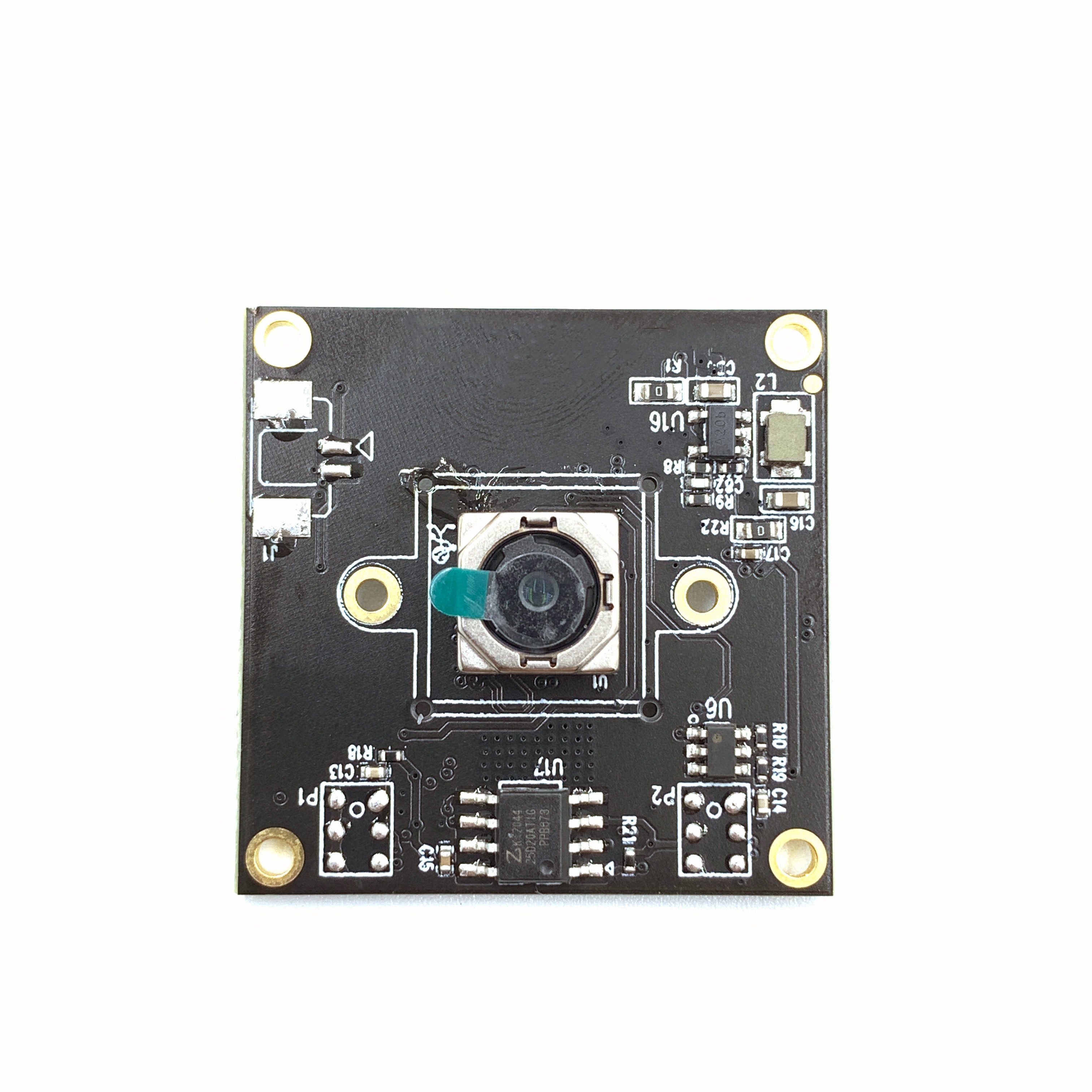
Top factories utilize advanced CAD suites like Allegro and Protel to design compact multi-layer PCBs (e.g., 15x15mm, 32x32mm, 38x38mm) that minimize electromagnetic interference (EMI) and power consumption.
Optical Calibration & Assembly
Cleanroom environments and automated optical alignment stations guarantee precise sensor-to-lens alignment, eliminating peripheral blur and optical tilt across wide-angle or fisheye configurations.
Environmental Rigor
Leading exporters subject 100% of finished camera boards to thermal stress testing (-20°C to +70°C), IP67 ingress immersion verification, and 24-hour continuous burn-in cycles prior to packaging.
| Evaluation Criterion | Tier 1 Manufacturer Benchmark | Standard Vendor Average | Impact on OEM Integration |
|---|---|---|---|
| Sensor Selection | Sony STARVIS / OmniVision / Aptina Tier-A | Generic / Refurbished Wafer | Determines SNR, low-lux performance, and lifespan |
| Frame Rate & Latency | Up to 330fps / Uncompressed Coax Transmission | 30fps with software buffer lag | Critical for high-speed tracking & motion capturing |
| Form Factor Flexibility | 15x15mm, 32x32mm micro board options | Fixed standard 38x38mm only | Enables integration into tight kiosk/ATM spaces |
| Quality Certification | CE, FCC, RoHS, ISO9001, 24-Month Warranty | Basic CE / 12-Month Warranty | Ensures smooth customs clearing and long-term uptime |
3. Corporate Advantage: Shenzhen Brekta Electronics Co., Ltd.
Shenzhen Brekta Electronics Co., Ltd. stands as a benchmark manufacturer in miniaturized camera modules, coaxial AHD 4-in-1 solutions, UVC driver-free USB boards, RTSP/PoE IP camera modules, and specialized endoscope systems. Headquartered in Shenzhen with expanded production lines in Dongguan, Brekta maintains an annual revenue profile of US$5M–US$10M and serves Tier-1 system integrators across North America, South America, Europe, the Middle East, and Asia.
Key Capabilities & Operational Rigor:
- Protel & Allegro PCB Architecture: Specialized in customized PCB footprints down to 15×15mm square and 20mm round forms tailored specifically for bank ATMs, self-service checkouts, smart vending cabinets, and medical endoscopes.
- Sensor & ISP Expertise: Deep algorithmic optimization for Sony STARVIS (e.g., IMX291, IMX323, IMX335), featuring ultra-low illumination capabilities (down to 0.0001 Lux), Hardware WDR (120dB+), and high-frame-rate output up to 330fps.
- Strict Quality Control Workflow: SMT component verification, automated optical inspection (AOI), dual-stage image resolution tuning, and environmental stress burn-in guarantee sample-to-bulk product consistency.
- Customer-Centric Logistics & Support: Standard samples dispatched in 1–3 business days, low evaluation MOQ starting at 1 piece, standard 24-month replacement warranty, and technical inquiry responses delivered within 2 hours.
4. Technological & Product Development Trends (2025–2030)
The AHD and embedded camera module sector is experiencing rapid technological evolution driven by edge artificial intelligence, higher resolution metrics, and hybrid interface architectures. System architects should align their product roadmaps with the following key technological trends:
A. Coaxial 4K/8MP & Uncompressed High-Frame-Rate Output
Historical analog latency and resolution caps have been erased. Advanced AHD standards now support 4K (8MP) resolution over standard RG59/RG6 coaxial cabling up to 500 meters without packet loss, video lag, or signal degradation. Furthermore, high-speed USB and AHD variants capable of 1080P at 330fps or 60fps uncompressed output are revolutionizing industrial automation, high-speed counting, and motion analysis.
B. Edge AI ISP Integration & Binocular Liveness Detection
Modern camera modules increasingly offload computer vision tasks directly onto the Image Signal Processor (ISP). Features such as hardware-based facial recognition, liveness detection (combining RGB color + IR dual-lens configurations), QR code scanning, and anti-spoofing logic are executed at the module level, drastically reducing CPU load on host controllers.
C. Sony STARVIS® Low-Lux & Hardware Wide Dynamic Range (WDR)
Surveillance in unpredictable lighting environments—such as direct sunlight behind an outdoor ATM kiosk or night-time ambient lighting—requires true Hardware WDR. Modern AHD and USB camera modules leverage stacked BSI (Back-Illuminated) CMOS sensors, achieving full-color clarity at sub-0.001 Lux conditions while balancing high-contrast shadows and highlights simultaneously.
D. Environmental Resilience & Anti-Fog Optical Enclosures
Industrial applications increasingly demand IP67/IP65 sealed camera assemblies featuring heated anti-fog front glass elements, wide working thermal ranges (-30°C to +85°C), and corrosion-resistant metallic housings designed for outdoor smart fridges, marine vessels, and heavy machinery.
5. Future Global Procurement Trends for B2B Buyers
Strategic purchasing demands anticipating market shifts, regulatory compliance demands, and supply chain dynamics. International buyers are prioritizing three structural purchasing models:
1. Hybrid Interface Flexibility (4-in-1 Coax & Driver-Free UVC USB)
Purchasing agents favor camera designs that support multi-mode output—switching between AHD, TVI, CVI, and CVBS via OSD toggles—or UVC standard USB connections that operate driver-free across Windows, Linux, Android, and macOS without requiring custom software integration.
2. Low-Risk Prototyping with Flexible MOQs
The friction of high minimum order quantities is disappearing. Modern OEM leaders like Brekta allow engineering teams to evaluate 1 to 5 sample units with fully customized lens focal lengths (1.7mm fisheye to 12mm telephoto) before committing to high-volume manufacturing runs.
3. Strict ESG & Regulatory Compliance
Global exporters must provide complete traceability documentation for RoHS (hazardous substances), CE directives, and FCC Part 15 subparts. Procurement departments are actively auditing supply chain transparency to avoid regulatory holds at European and North American customs border controls.
6. Frequently Asked Questions (FAQ) for Global Camera Buyers
Comprehensive engineering and commercial responses to common technical inquiries encountered during procurement cycles.
What is the minimum order quantity (MOQ) for custom AHD and USB camera modules?
Are sample units identical in quality to mass-production units?
What is the difference between AHD, TVI, CVI, and HD-SDI interfaces?
Do USB camera modules require custom driver installation on host devices?
Can lens parameters, cable pinouts, and PCB dimensions be customized?
What certifications and warranties are provided with exported modules?
Request Your Customized Technical Quotation & Samples
Partner with a trusted Shenzhen manufacturer. Provide your project dimensions, required sensor specs, lens FOV, and interface preferences—our engineering team responds within 2 hours.