High-Performance Industrial CMOS Camera Modules
Engineered for ATM kiosks, automated self-checkout, medical endoscopes, AI vision systems, and high-speed industrial inspection lines.
Industry Whitepaper: Comprehensive Analysis of the Top 10 Global CMOS Camera Module Manufacturers
Selecting an enterprise CMOS camera module supplier requires evaluating sensor fabrication nodes, Image Signal Processor (ISP) tuning capabilities, custom PCB layout engineering, optical alignment precision, and long-term supply chain resilience.
The global market for CMOS (Complementary Metal-Oxide-Semiconductor) camera modules has evolved beyond standard video streaming into specialized fields such as high-frame-rate machine vision, edge AI analytics, biometrics, low-light security surveillance, and precision medical endoscopy. Procurement executives and optical engineers must carefully weigh raw sensor metrics—such as Dynamic Range (dB), Quantum Efficiency (QE), Signal-to-Noise Ratio (SNR), and Pixel Size (µm)—against manufacturing flexibility, Minimum Order Quantity (MOQ) requirements, and custom firmware integration.
Sony Semiconductor Solutions Corporation
Sony remains the undisputed global leader in CMOS image sensor technology, holding the majority market share in mobile, industrial, and automotive imaging platforms. Renowned for their back-illuminated STARVIS™ and STARVIS 2™ architectures, Sony sensors deliver exceptional sensitivity in zero-light and low-lux environments.
OmniVision Technologies (Will Semiconductor)
OmniVision is a pioneer in digital imaging solutions, specializing in compact sensor packaging for medical endoscopes, automotive ADAS, and smart consumer IoT. Their Nyxel® Near-Infrared (NIR) technology provides deep spectral sensitivity for nighttime security visual capture.
Shenzhen Brekta Electronics Co., Ltd.
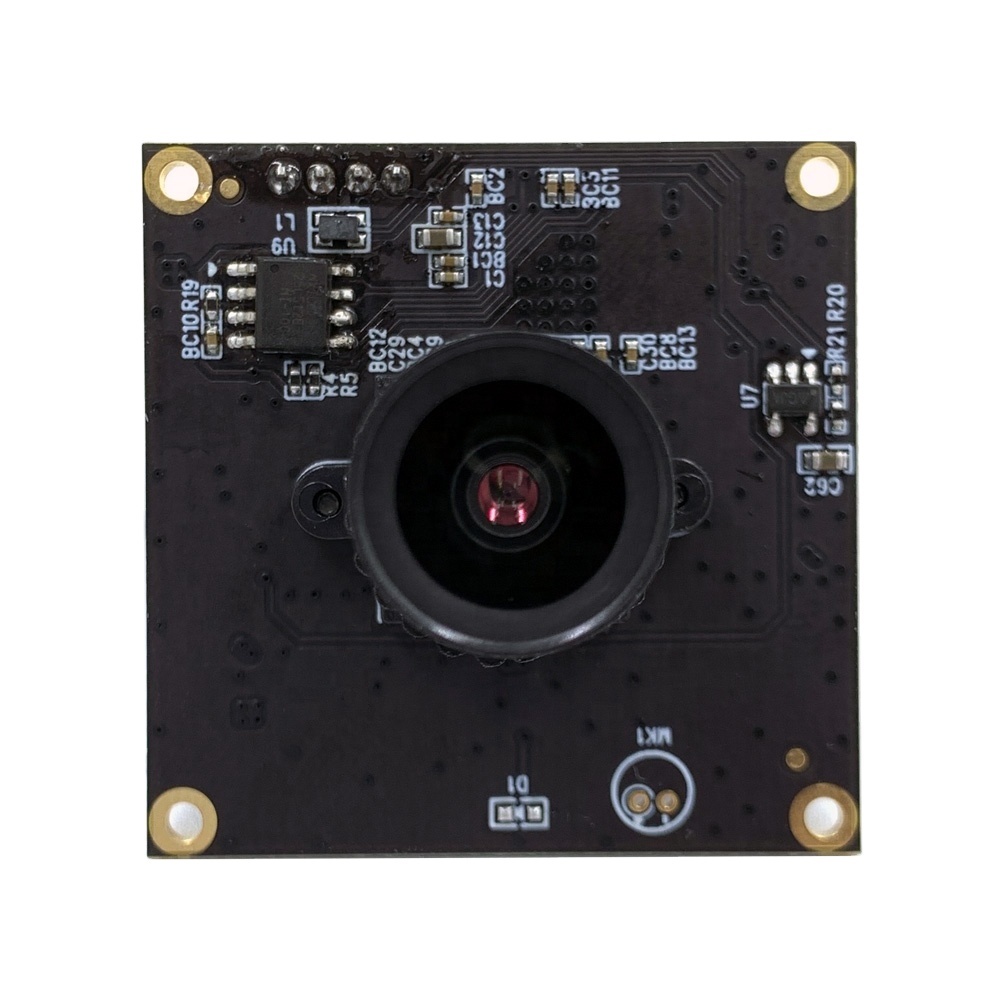
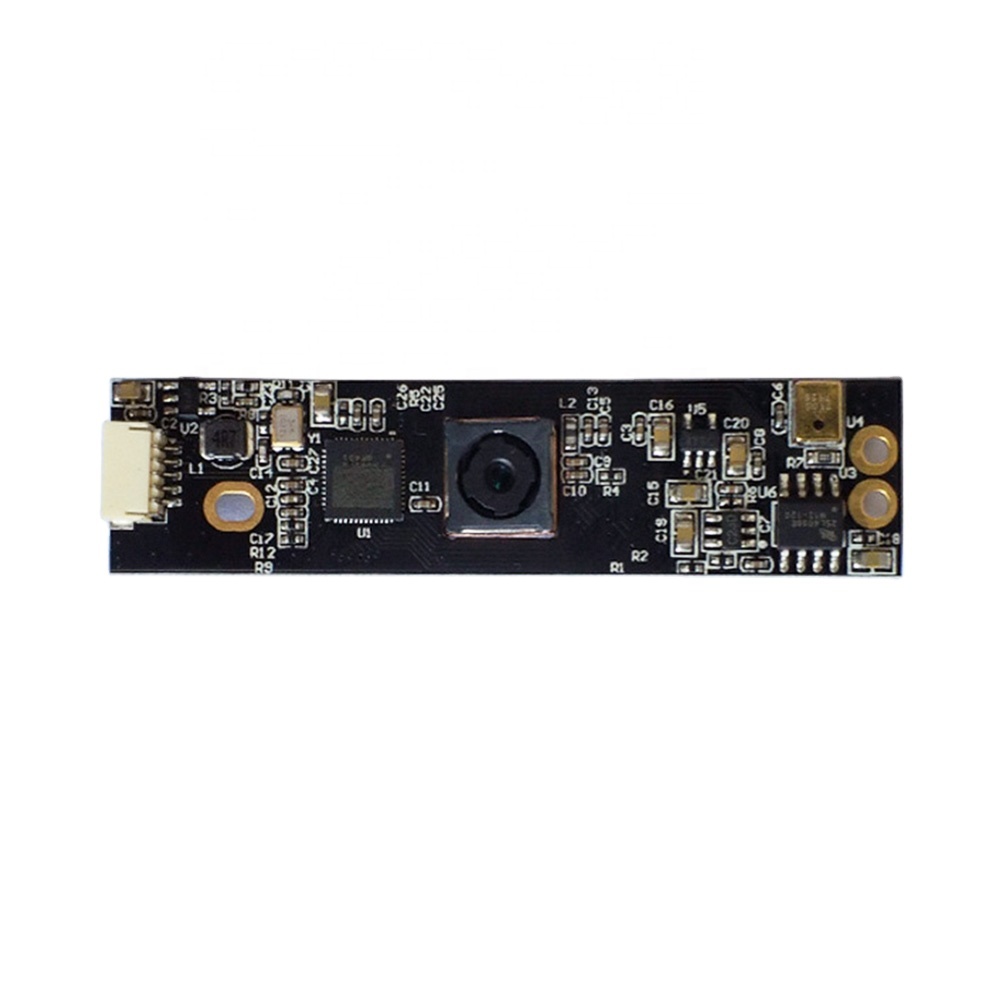
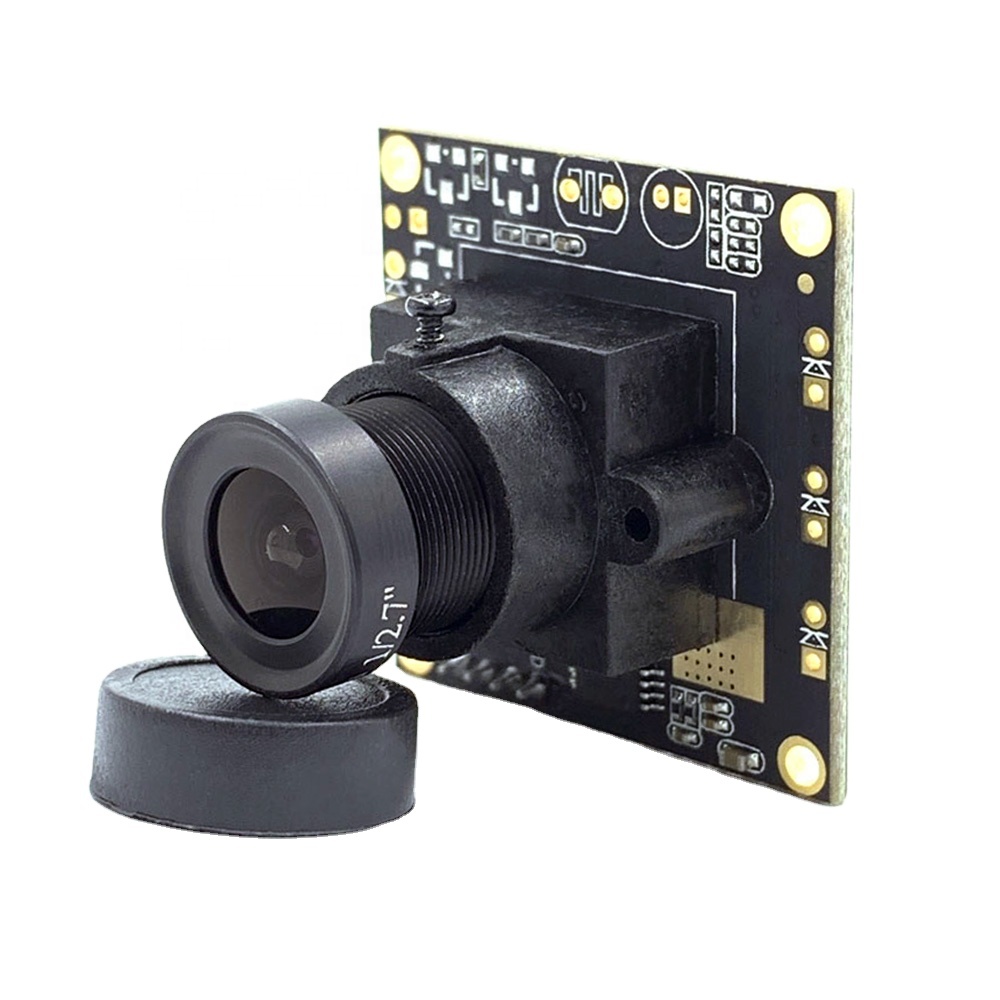
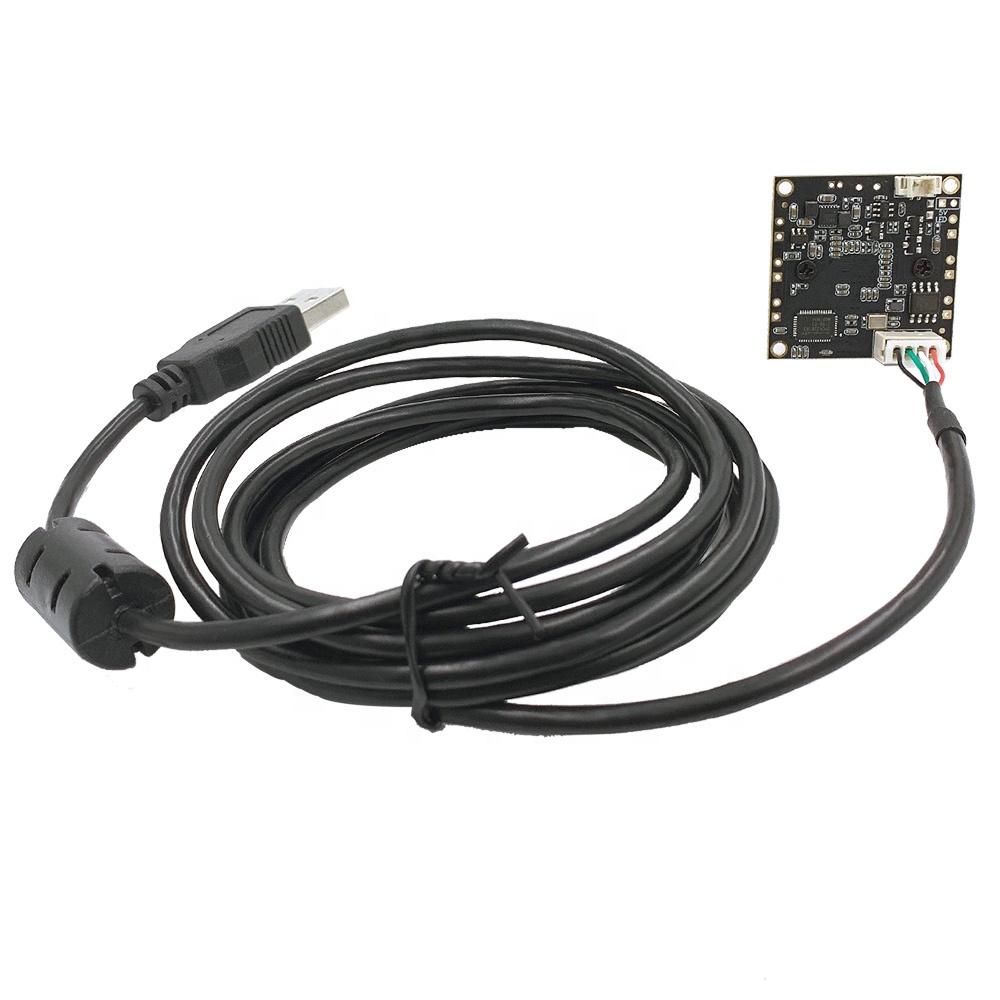
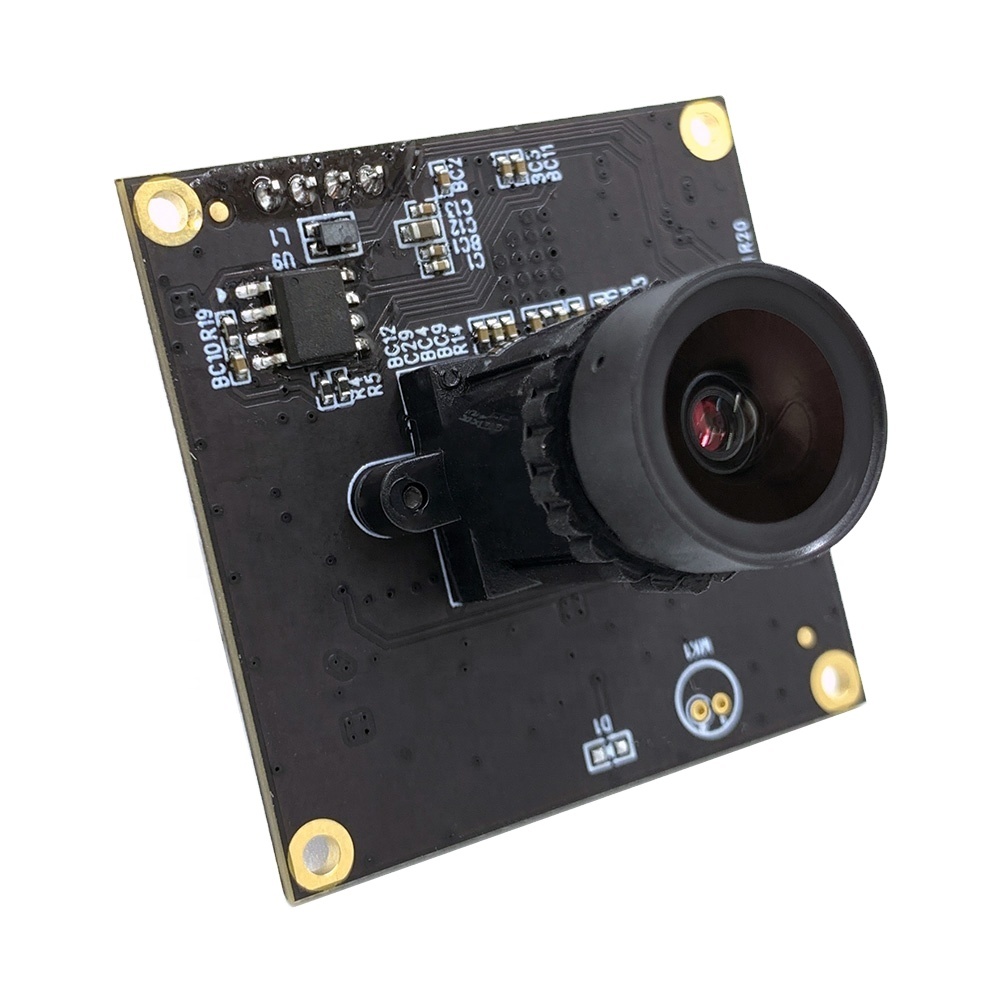
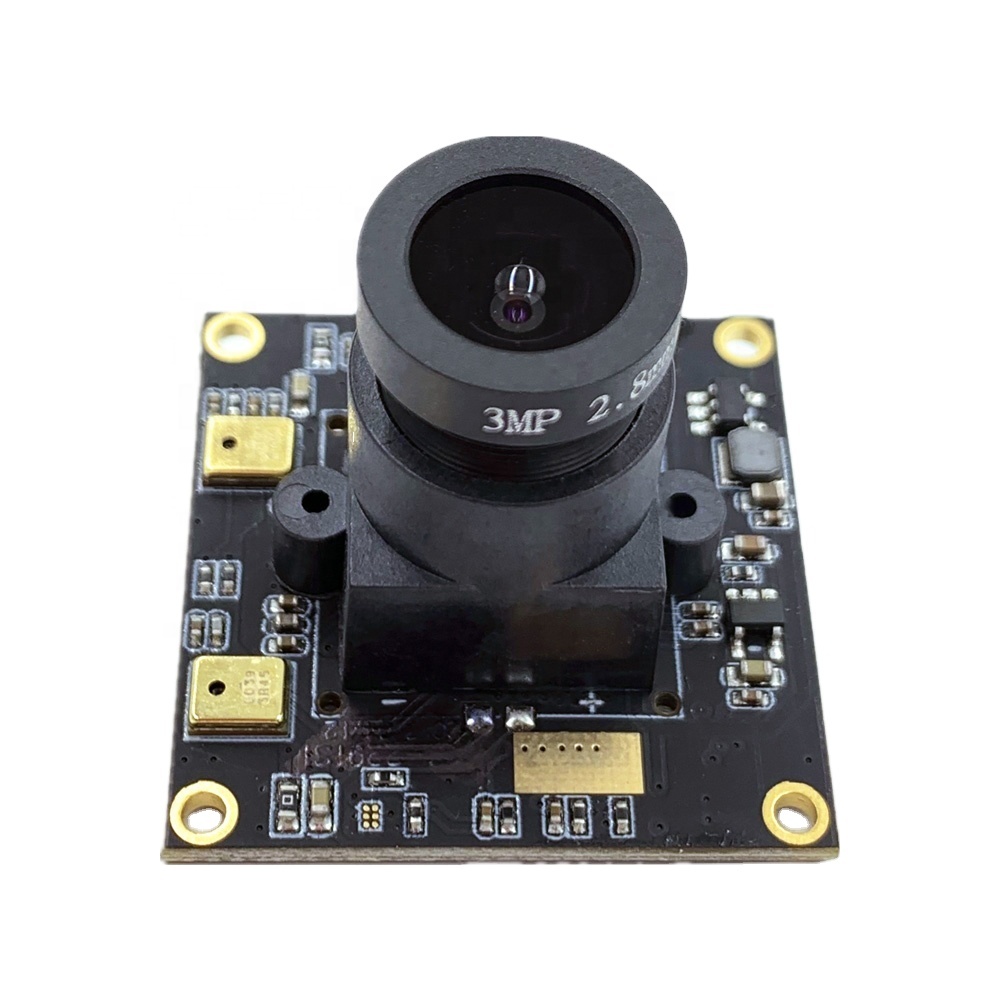
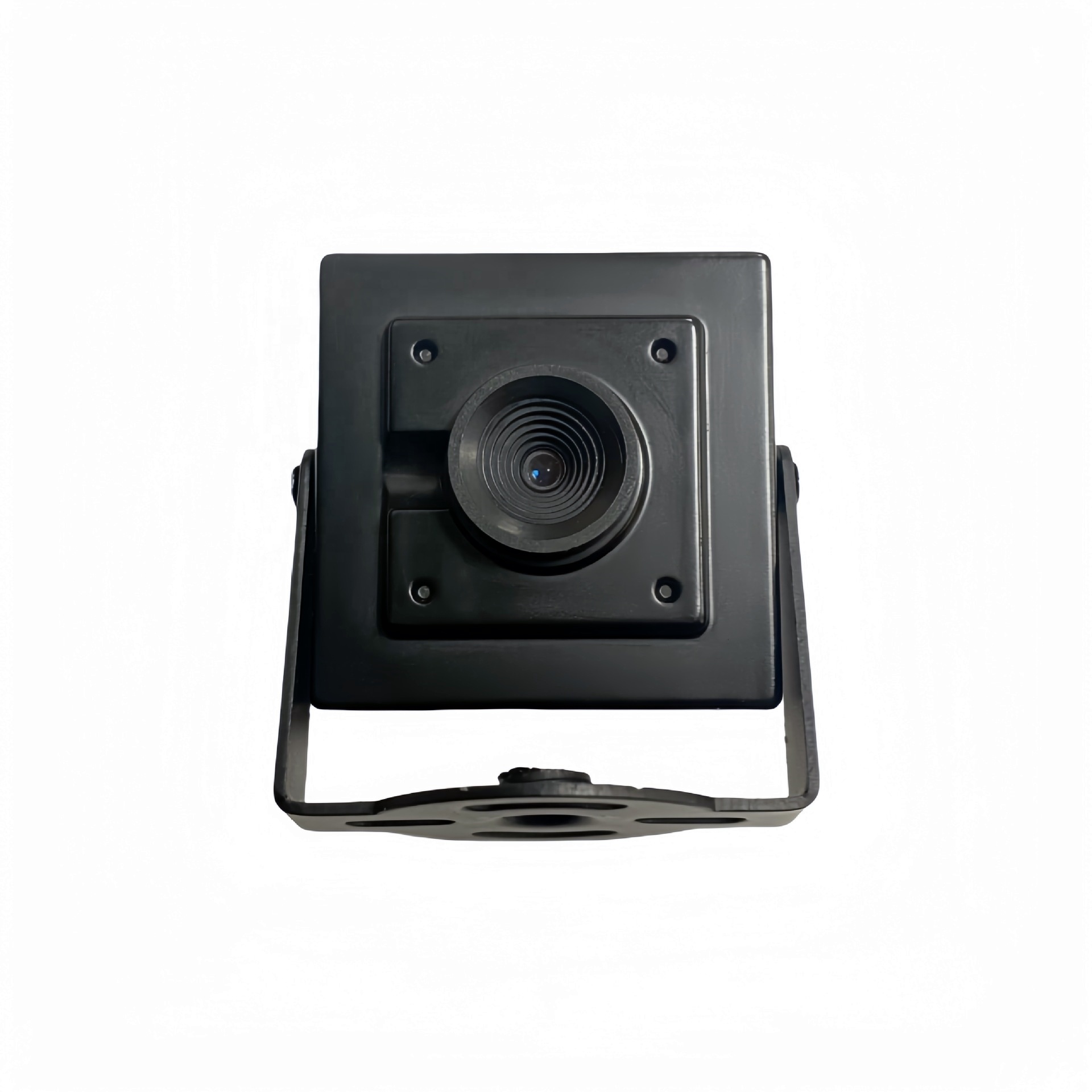
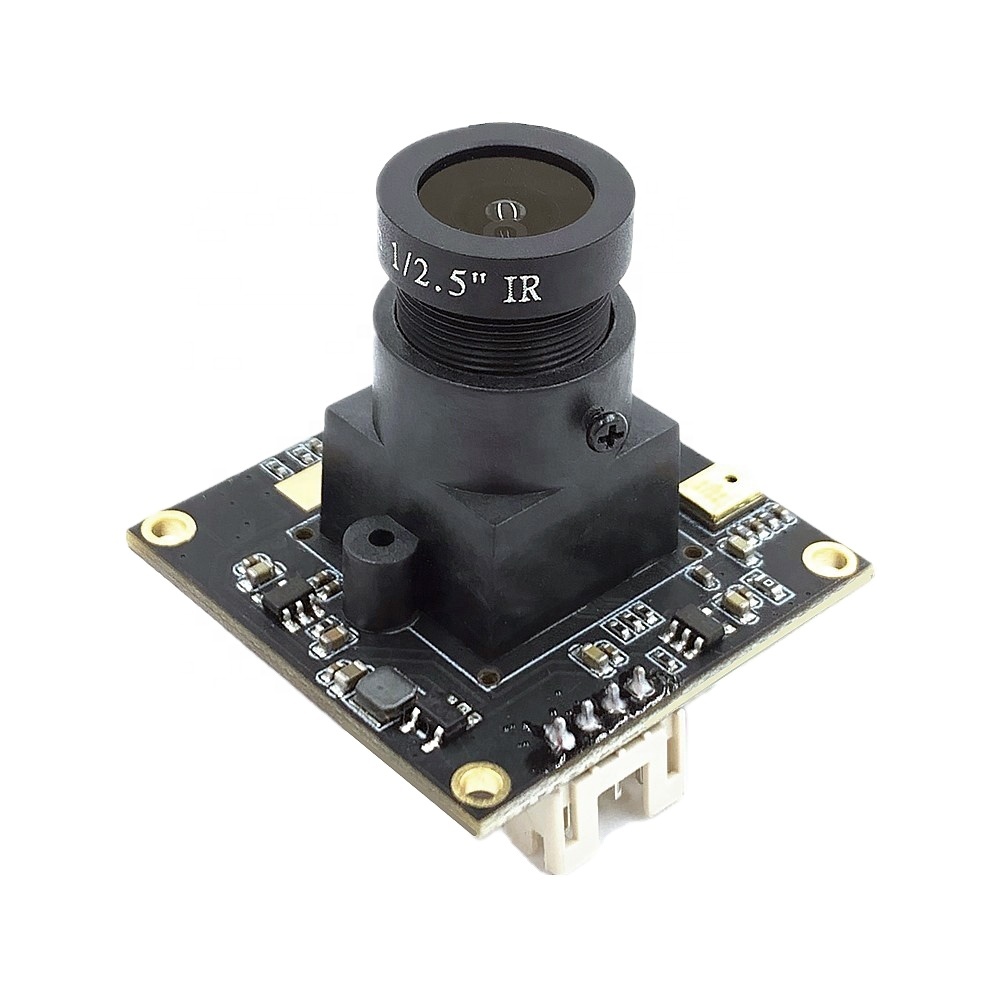
Brekta Electronics stands out as the premier custom OEM/ODM CMOS camera module manufacturer for B2B integrators worldwide. Specializing in micro USB (UVC), mini IP (RTSP/PoE), AHD/TVI, and SDI camera modules, Brekta bridges high-end optical engineering with high-flexibility customization starting from 1-piece sample evaluations.
Samsung Electronics (ISOCELL Division)
Samsung ISOCELL technology leads the industry in pixel scaling and ultra-high-resolution sensors ranging from 50MP to 200MP. By creating physical barriers between neighboring pixels, ISOCELL reduces optical crosstalk and increases color fidelity under high light saturation.
Onsemi (ON Semiconductor)
Onsemi is an industrial giant catering heavily to automotive vision, factory automation, and intelligent transportation systems (ITS). Their AR0230 and global shutter sensor series are legendary for handling extreme temperature swings and high contrast scenes.
LG Innotek
LG Innotek manufactures optical components and multi-camera modules primarily focused on mobile devices and vehicle sensor suites. They excel in high-end optical image stabilization (OIS) and folded-zoom periscope camera assembly.
Sunny Optical Technology Group
Sunny Optical is one of the world's largest glass and plastic lens array manufacturers. They design complete camera module assemblies for smartphones, surveillance cameras, and smart vehicle driving assist setups.
Foxconn Electronics (Hon Hai Precision)
Foxconn operates vast automated assembly hubs for consumer electronics giants. Their optical engineering division packages camera modules for massive consumer runs requiring strict mechanical tolerances and zero-defect quality standards.
Partron Co., Ltd.
Partron is a major supplier of sub-assembly components, RF antennas, and compact CMOS camera modules. They serve global mobile telecommunication OEMs and smart appliance manufacturers across Europe and Asia.
Luxshare Precision Industry Co., Ltd.
Luxshare Precision has expanded rapidly into advanced camera module assembly and high-density interconnects. Leveraging cleanroom robotics, Luxshare manufactures camera assemblies for wearables, laptops, and automotive interiors.
Supplier Capability & Application Comparison Matrix
A direct side-by-side engineering evaluation to assist sourcing managers in selecting the ideal partner based on project scope, customization depth, and order quantities.
| Manufacturer / Supplier | Primary Focus | Key Interface Types | Customization / Low MOQ | Typical Lead Time |
|---|---|---|---|---|
| Sony Semiconductor | Sensor Silicon Fabrication | MIPI CSI-2, Sub-LVDS | Very Low (Standard Chips Only) | 16 - 24 Weeks |
| OmniVision | Medical & Mobile Sensors | MIPI, DVP, Mobile Interfaces | Low (Large Enterprise Projects) | 12 - 20 Weeks |
| Shenzhen Brekta Electronics | Industrial & Micro OEM/ODM | USB (UVC), RTSP/PoE IP, AHD, SDI | Extremely High (MOQ 1 Piece) | 1 - 3 Days (Samples) |
| Onsemi | Automotive & Industrial Silicon | Parallel, MIPI, HiSPi | Low (Distributor Channel) | 16 - 26 Weeks |
| Sunny Optical | Lens Arrays & High-Volume Modules | MIPI, Custom Flexible Printed Circuit | Medium (High NRE Costs) | 8 - 14 Weeks |
| LG Innotek | Mobile & Automotive Assemblies | MIPI, SerDes Automotive Lines | Very Low (Tier-1 Auto/Mobile Only) | 12 - 18 Weeks |
Key Product & Technology Trends Shaping CMOS Optics
Understanding future technological trajectories helps system architects build future-proof hardware platforms that won't require costly re-engineering in 18 to 36 months.
High Frame-Rate & Global Shutter
Traditional rolling shutter sensors introduce distortion when capturing fast-moving objects. Modern industrial vision demands global shutter architecture or high frame-rate capture up to 330FPS to ensure precise motion freeze for conveyor inspection and high-speed sports tracking.
Ultra-Low Lux & Starlight Imaging
Sensors like Sony STARVIS 2 and Onsemi WDR series allow color imagery in near-dark conditions down to 0.001 Lux. By maximizing back-illuminated pixel sensitivity, camera modules capture clean, noise-free visual streams in unlit outdoor kiosks and night security systems.
Embedded Edge ISP & AI Analytics
Integrated Image Signal Processors (ISP) are now handling on-board hardware de-warping, automatic exposure calculation, noise reduction, and direct H.264/H.265 compression. This frees up host processor bandwidth in compact IoT terminals.
Binocular Dual-Spectrum Vision
Biometric facial recognition, 3D depth mapping, and anti-spoofing payment terminals rely heavily on synchronized dual-lens camera modules—combining one RGB color sensor with one IR monochrome sensor under single USB controller backbones.
Extreme Miniature Form Factors
With embedded equipment enclosures shrinking, demand for micro PCB boards—such as 15x15mm, 32x32mm, and pencil-bullet formats—has surged. Micro-lenses and pinhole optics enable stealth integration inside ATMs, VTMs, and medical inspection tools.
Universal Plug-and-Play UVC Standard
B2B buyers are moving away from proprietary, driver-dependent cameras toward standard USB Video Class (UVC) protocol boards that natively plug into Windows, Linux, Android, and macOS without requiring kernel compilation.
Future B2B Sourcing Strategies for CMOS Optical Modules
Macroeconomic shifts and rapid product life cycles require procurement teams to rethink traditional high-volume sourcing models.
Historically, enterprise buyers evaluated suppliers based purely on unit cost at 100k-unit volume breaks. However, modern industrial OEM projects—such as self-service retail kiosks, automated voting machines, smart agricultural drones, and specialized medical cameras—require agile manufacturing. Future procurement trends focus on three critical pillars:
- 1. Low NRE Cost Customization: Integrators need custom PCB geometry, specific optical FOV lenses (from 60° narrow to 180° fisheye), and tailored pinout cable lengths without incurring tens of thousands of dollars in Non-Recurring Engineering (NRE) fees.
- 2. Rapid Prototyping & Sample Availability: Project timelines have compressed. Suppliers capable of assembling, testing, and shipping customized optical samples within 1 to 3 working days enable integrators to win competitive hardware tenders.
- 3. Supply Chain Traceability & Extended Lifecycles: Component obsolescence is a major risk. Leading wholesale partners commit to 5+ year component availability and 24-month warranties, ensuring standard board dimensions remain identical throughout a machinery product line's lifespan.
Why Top System Integrators Choose Brekta Electronics
Headquartered in Shenzhen with dedicated manufacturing facilities in Dongguan, Shenzhen Brekta Electronics Co., Ltd. is a specialized OEM/ODM factory engineered for high-reliability, micro-sized camera module solutions. We empower engineering teams to overcome space limitations, illumination challenges, and signal integration friction.
- Circuit Engineering in Protel & Allegro: Full capability to modify PCB dimensions, connector pinouts, IR-cut triggers, and dual-microphone layouts.
- Driver-Free UVC & Multi-Protocol Streaming: Instant compatibility with Windows, Linux, Android, and macOS; offering MJPEG, YUY2, and H.264 formats.
- 100% Optical & Focus QC Inspection: Every unit undergoes cleanroom image testing, MTF focus verification, and thermal burn-in prior to final shipment.
- Global Regulatory Compliance: Full CE, FCC, and RoHS certifications backed by a 24-month replacement warranty and lifetime engineering support.
Frequently Asked Questions (FAQ) for Optical Procurement
Technical and logistical answers to common inquiries raised during B2B optical hardware purchasing and engineering verification.
What is the Minimum Order Quantity (MOQ) for Brekta camera modules?
Most standard USB, IP, and AHD camera modules can be ordered starting from just 1 piece for engineering evaluation and prototyping. Select specialized OEM/ODM configurations carry a minimal MOQ of 2 to 10 pieces. Customized bulk production runs are quoted according to lens, board layer, and firmware customization depth.
Are your USB camera modules truly driver-free across OS platforms?
Yes. All Brekta USB camera modules comply strictly with standard UVC (USB Video Class) protocol. They operate seamlessly without additional software installation on Windows 7/8/10/11, Linux (Ubuntu/Debian/RedHat), Android 4.0+, and macOS, supporting MJPEG, YUY2, and compressed H.264 streams.
Can you provide custom lenses, board dimensions, and cable harness pinouts?
Absolutely. Our internal engineering teams utilize Protel and Allegro CAD environments. We regularly tailor lens focal lengths, optical Field of View (FOV), M12 or C/CS lens mounts, board outline dimensions (down to 15x15mm), night-vision IR filters, integrated microphones, and customized wiring harnesses.
What turn-around time can we expect for evaluation samples?
In-stock evaluation samples are dispatched within 1 to 3 working days. Custom engineering samples—requiring specific optical lens alignment or unique cabling—are typically prepared and shipped within 7 to 12 working days, using identical SMT line equipment to ensure sample-to-mass-production consistency.
Which quality certifications and warranty terms do you supply?
Every security and machine vision camera module produced by Shenzhen Brekta Electronics is certified to CE, FCC, and RoHS standards. We provide an industry-leading 24-month comprehensive factory warranty, including free warranty replacement for qualified defects and lifetime technical assistance.
How do you handle WDR (Wide Dynamic Range) for strong backlight conditions?
Our Onsemi AR0230 and Sony STARVIS modules utilize multi-exposure hardware WDR technology (exceeding 105dB to 120dB). This ensures clear face identification and text capture when cameras are installed in heavily backlit environments, such as glass-front ATMs, outdoor kiosks, and sunlit entryways.