Engineered for extreme miniaturization, high dynamic range (HDR), and low-light surveillance, these eight high-demand camera modules represent the flagship solutions supplied by top global exporters for self-service terminals, ATM kiosks, medical scopes, and automated retail solutions.
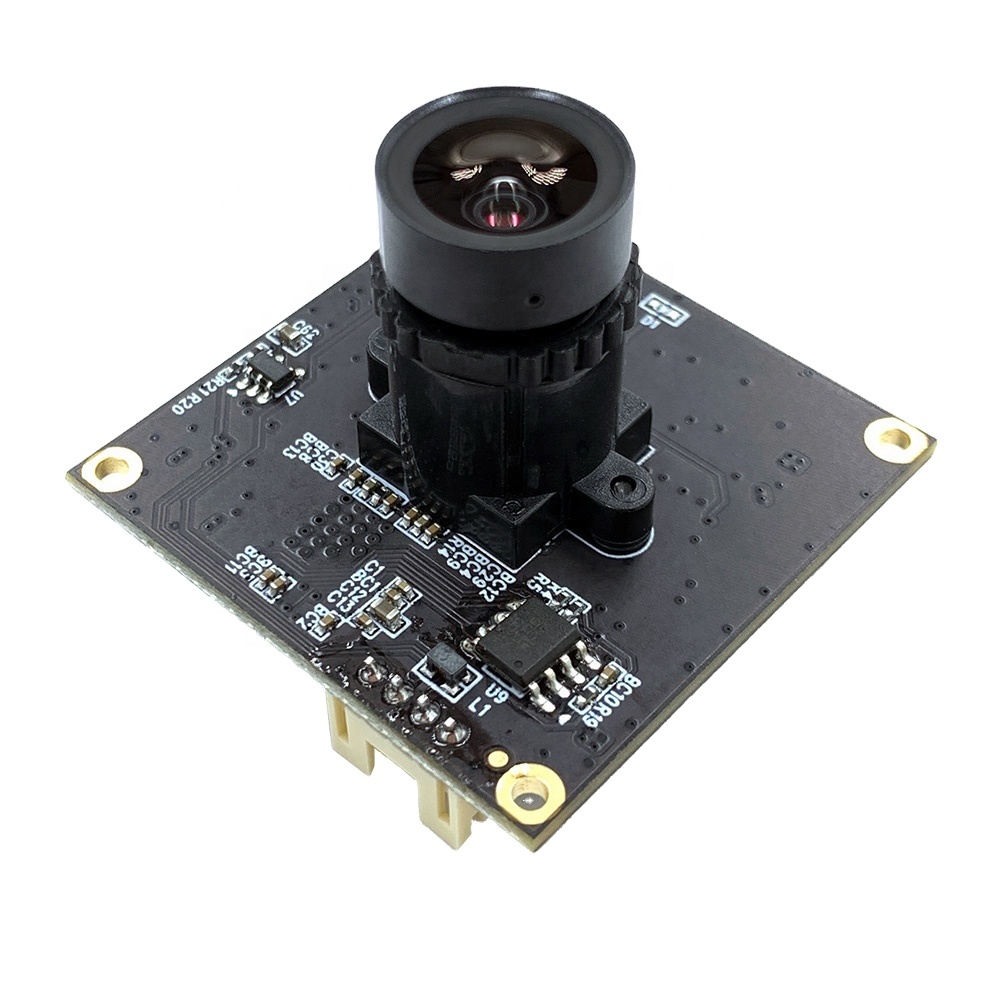
- High Frame Rate: Up to 330fps
- Dimensions: 38*38mm PCB
- Optical Lens: 3.6mm Wide Angle
- Encoding: YUY2 & MJPEG
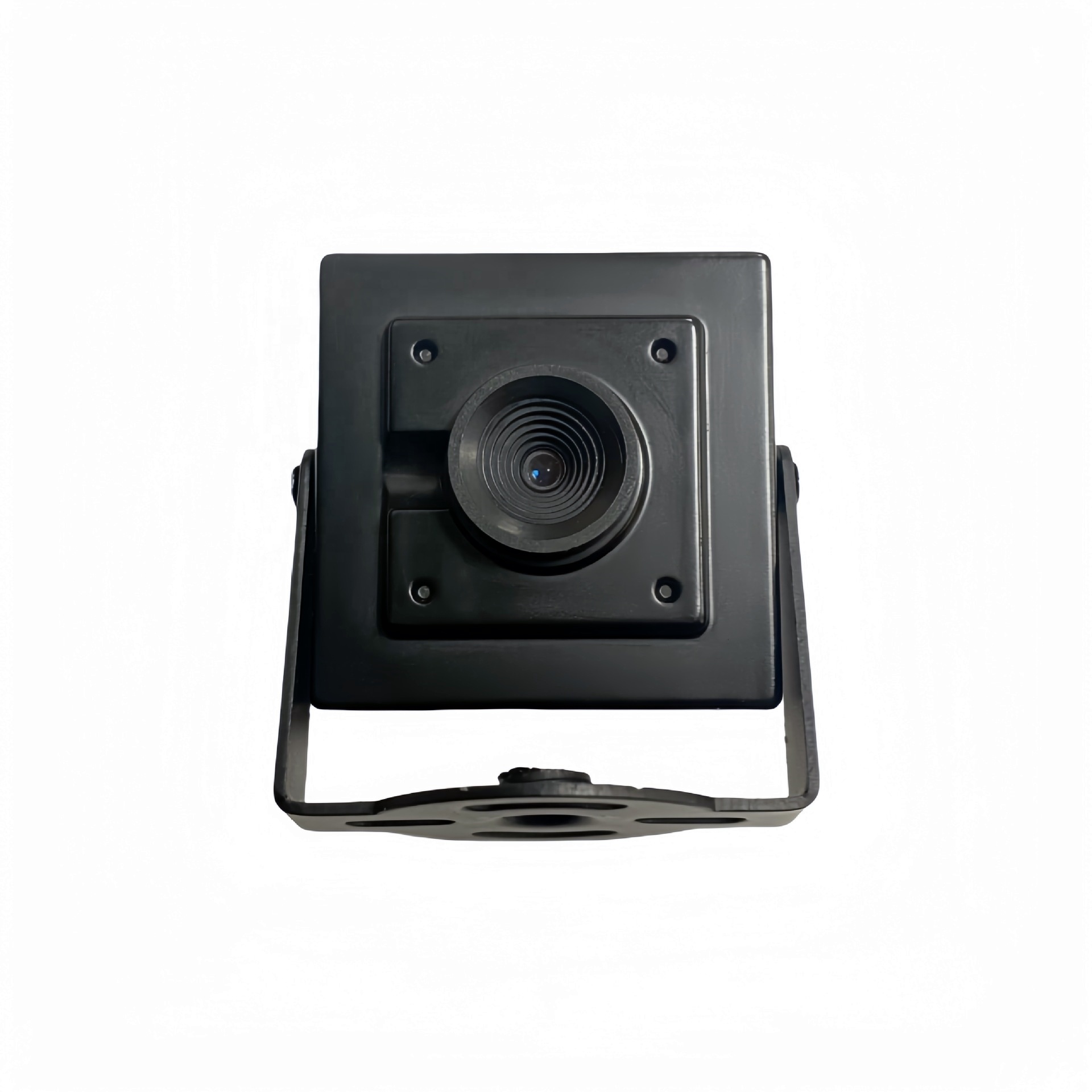
- Ultra HD Resolution: 12MP 4K CMOS
- Focusing: Rapid Auto Focus
- Target Application: AI Self-Checkout
- Interface: High-Speed USB 2.0/3.0
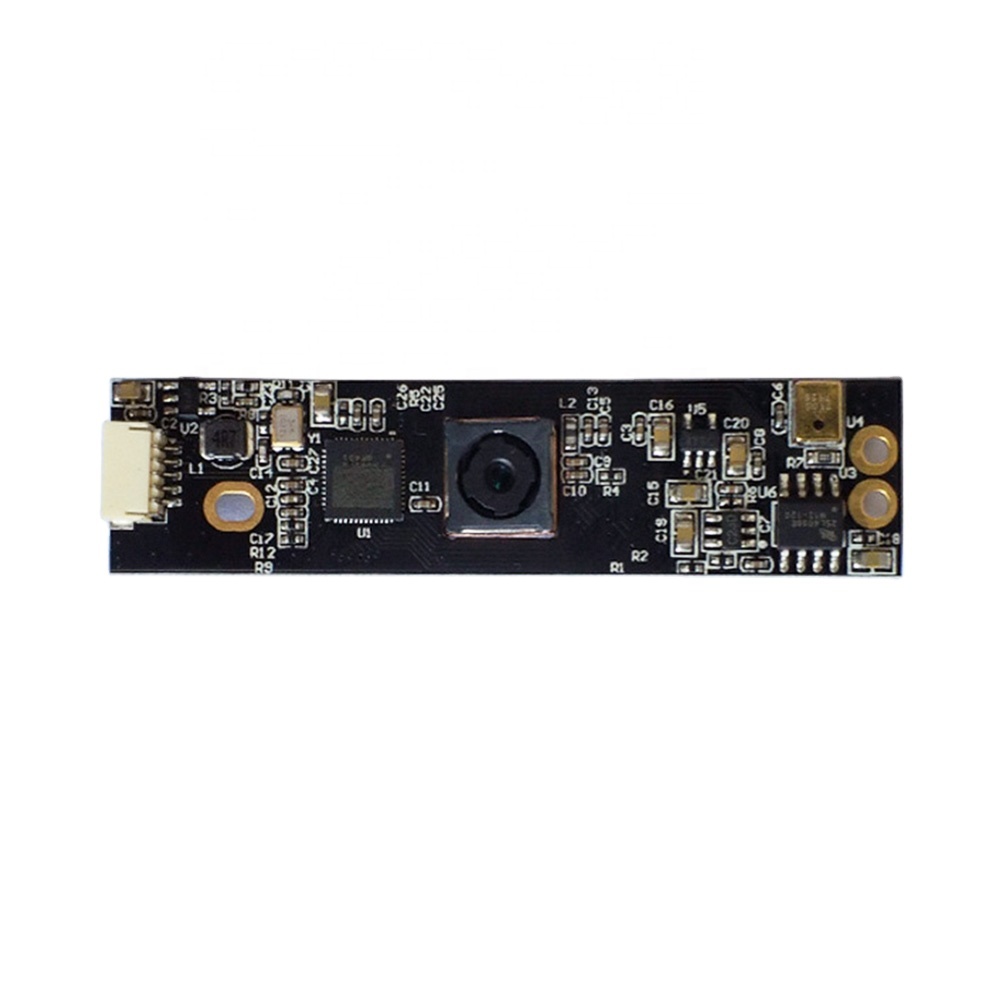
- Sensitivity: 0.1 Lux Low Illumination
- Form Factor: Slim 62*15mm Strip
- Resolution: 8.0MP (3264*2448)
- Shutter Type: Rolling Shutter
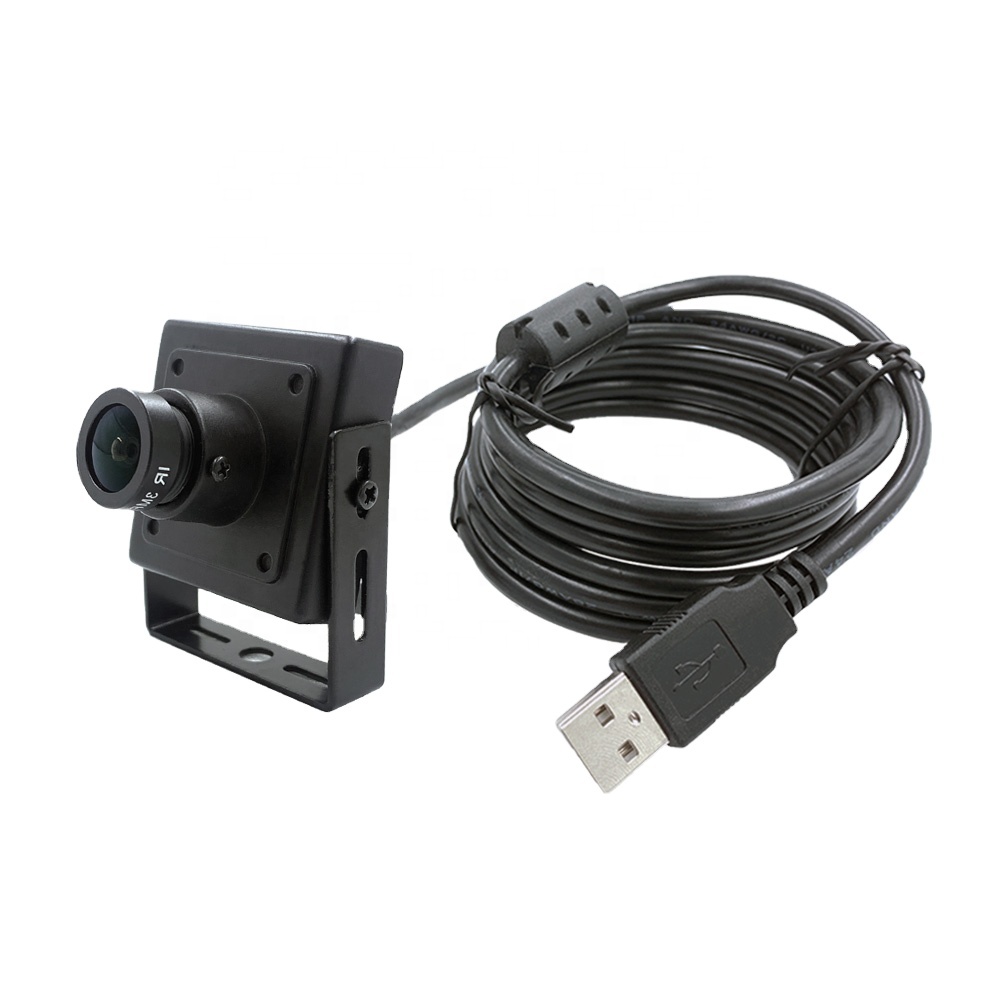
- Compact Design: Mini USB Module
- Lens: 2.1mm Ultra-Wide Angle
- Standard: UVC Plug-and-Play
- Application: ATM / VTM / Kiosks
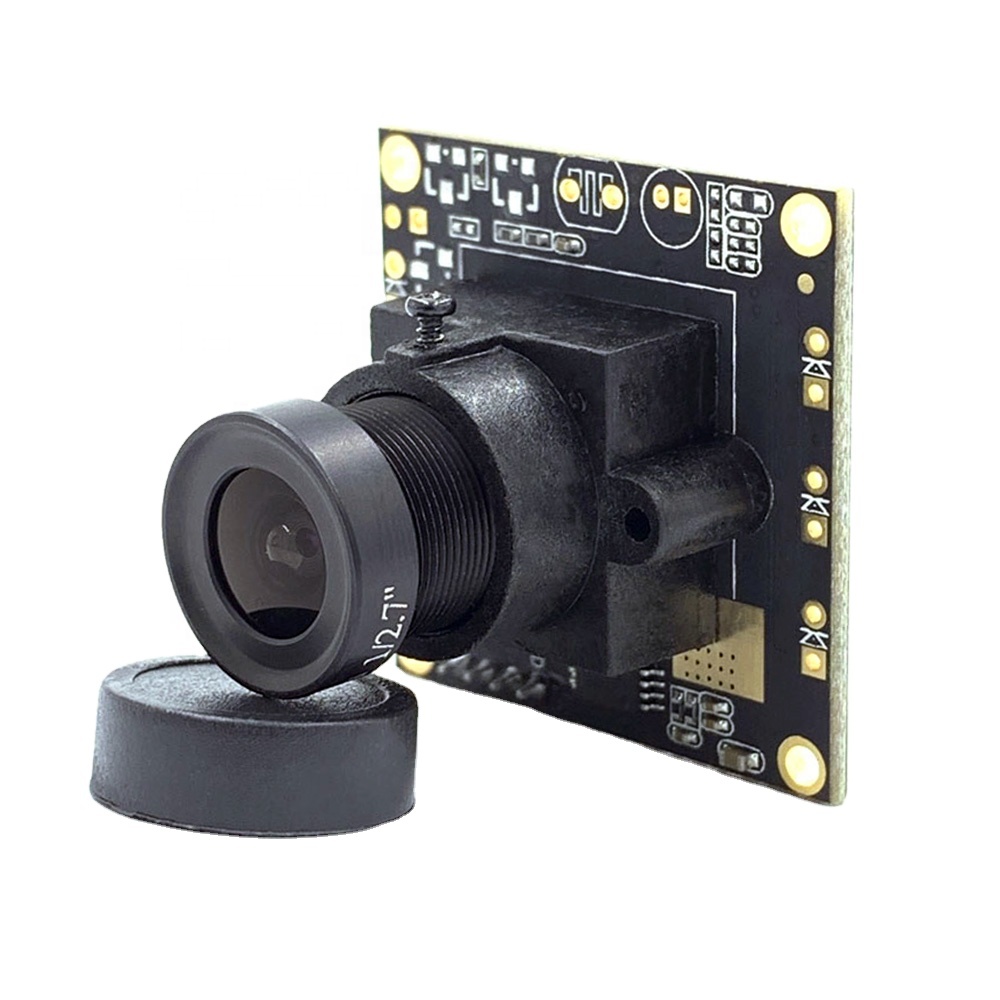
- Sensor: Onsemi AR0230 CMOS
- Dynamic Range: Hardware WDR
- Board Dimension: 32*32mm
- Output: 1080P Full HD Color
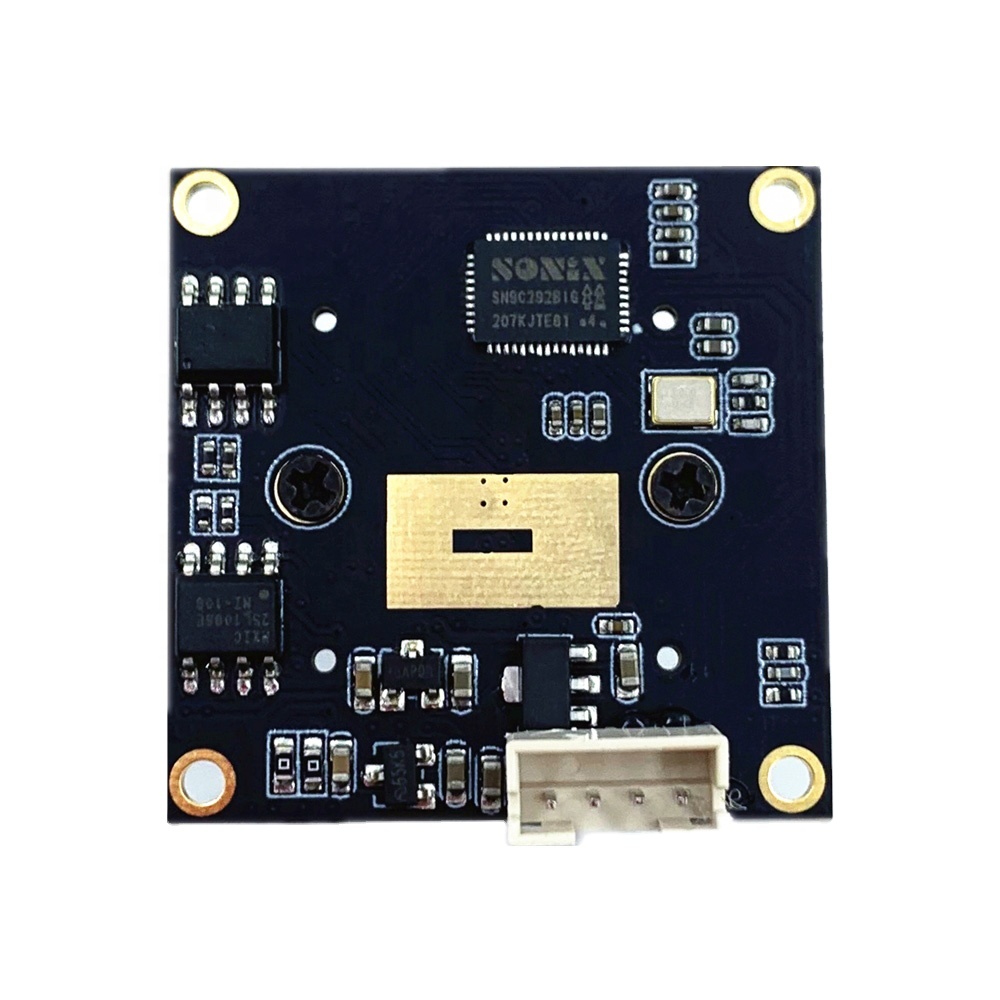
- Starlight Tech: 0.001 Lux Sensitivity
- Technology: Sony Starvis & WDR
- Compression: H.264 High Profile
- Application: Facial Recognition
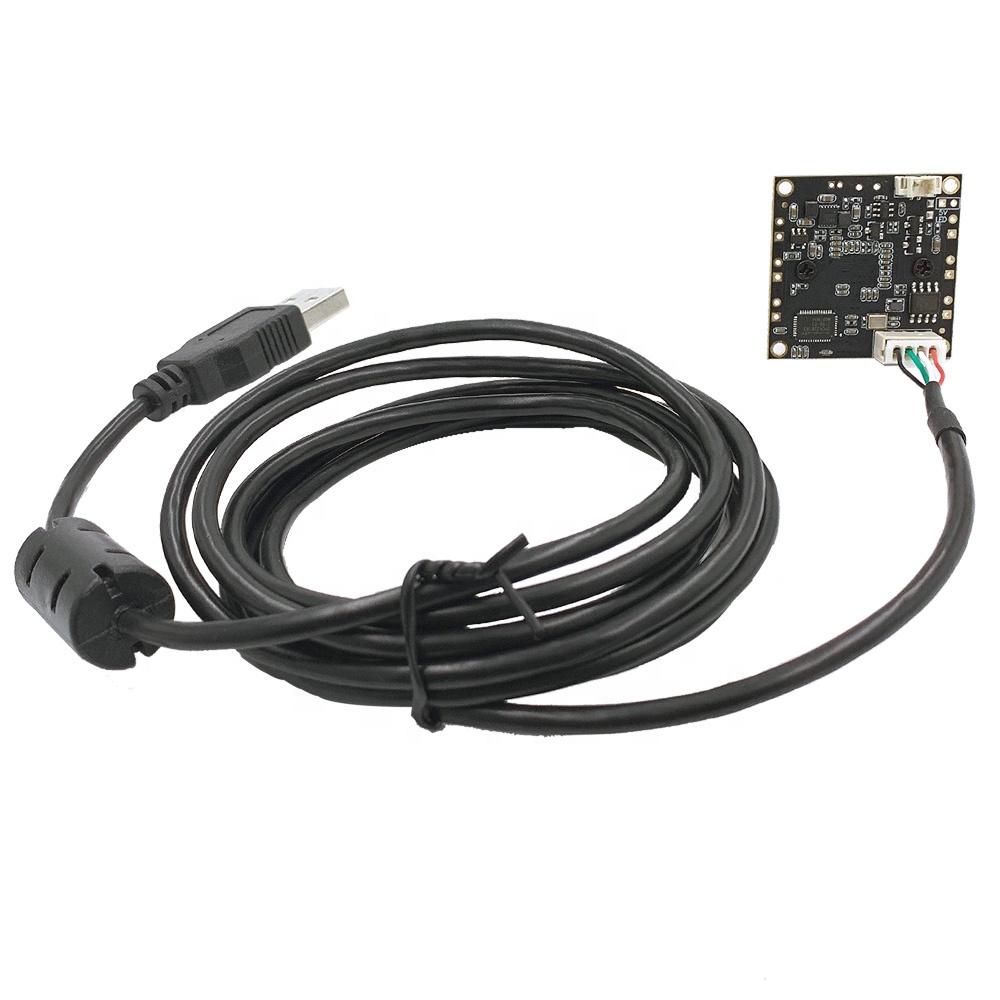
- High Reliability: ATM & Kiosk Grade
- Sensor Specs: AR0230 WDR Engine
- Resolution: 1920*1080 @ 30fps
- Size: Standard 32*32mm
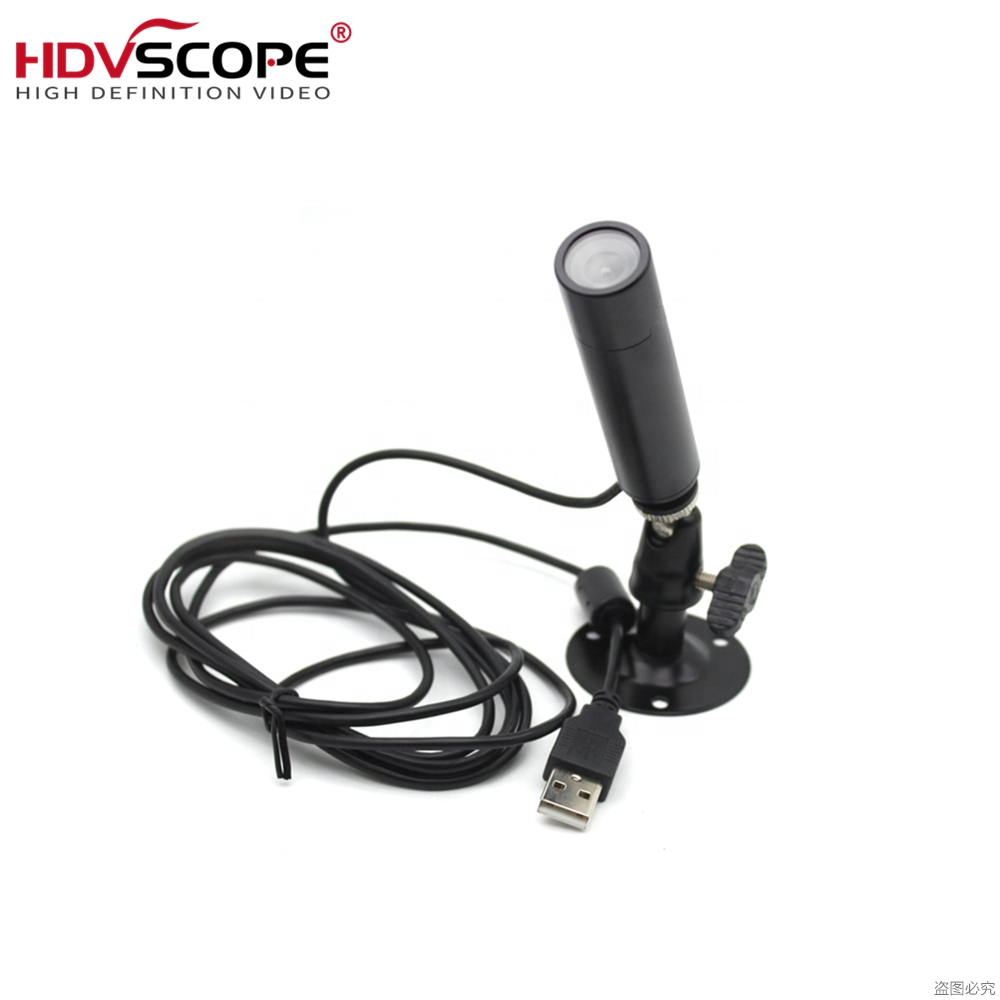
- Protection Rating: IP67 Waterproof
- Diameter: Compact 20mm Cylinder
- Structure: Mini Bullet / Endoscope
- Lens: 2.8mm Board Optics
1. Global Micro Camera Module Market & Top Exporter Landscape
The global market for miniaturized optical vision systems is undergoing a monumental shift driven by edge artificial intelligence, automated self-service financial ecosystems, biometrics, and medical-grade non-invasive inspection technologies. As system integrators demand ever-smaller mechanical envelopes, the reliance on top-tier micro camera module exporters and wholesalers in key manufacturing hubs—specifically Shenzhen and Dongguan, China—has become central to hardware procurement strategies.
When evaluating the top 10 exporters of micro camera modules, technical directors and sourcing managers must analyze suppliers beyond mere unit pricing. Core competencies such as Printed Circuit Board (PCB) spatial routing in Protel/Allegro, Image Signal Processor (ISP) firmware tuning, High Dynamic Range (HDR) balancing, and optical alignment yield are critical indicators of supplier viability. Leading manufacturers like Shenzhen Brekta Electronics Co., Ltd. have established rigorous quality control protocols that bridge the gap between low-volume custom sampling and million-unit mass production runs.
Global Export Compliance
Full adherence to international directives including CE, FCC, and RoHS certifications ensuring frictionless customs clearance across Europe, North America, and Asia-Pacific regions.
OEM/ODM Miniaturization
Custom PCB layouts down to micro 15*15mm form factors, pinhole lenses, flexible FPC connectors, and specialized sensor integration for tight mechanical enclosures.
100% Optical Inspection
Every finished camera board undergoes automated visual checking, focus optimization, exposure balancing, and burn-in testing prior to final seal packaging.
2. Technical Benchmark: Micro Camera Interfaces & Protocols
Selecting the correct physical interface and streaming protocol determines processor load, latency, distance limits, and driver requirements in embedded deployments. Below is an engineering comparison matrix designed to assist systems architects in specifying the ideal camera module architecture:
| Interface / Protocol | Max Resolution / Frame Rate | Driver Requirement | Transmission Distance | Primary OEM Application |
|---|---|---|---|---|
| USB 2.0 / UVC | 1080P @ 30/330fps, 4K @ 15fps | Driver-free (Win/Linux/Android/macOS) | Up to 5m (Direct) / 15m (Active) | ATMs, Self-Checkout Kiosks, Smart Vending |
| USB 3.0 High-Speed | 4K UHD @ 30-60fps, 12MP Raw | UVC Standard / Native SDK | Up to 3m (High Bandwidth) | AI Vision, Document Scanning, Inspection |
| IP Network (RTSP/ONVIF) | 6MP / 4MP @ 25fps (H.265/H.264) | Network Protocol / Socket Stream | Up to 100m (Ethernet/PoE) | Perimeter Security, Remote Fleet Monitoring |
| Analog HD (AHD/TVI/CVI) | 1080P / 5MP @ 25/30fps | Hardware DVR Receiver Board | Up to 500m (75-3 Coaxial Cable) | Legacy Security Retrofits, Vehicle CCTV |
| HD-SDI Broadcast | 1080P @ 60fps Uncompressed | Zero-latency SDI Converter | Up to 100m (Coaxial Cable) | Medical Endoscopy, Live Sports, Broadcast |
3. Key Industry Development Trends (2025–2030)
As hardware procurement cycles shorten, technological advancements in sensor chemistry and image signal processing are defining the next decade of industrial micro camera deployment. B2B purchasers must align their component selection with the following overarching trends:
A. Starvis & Blacklight Ultra-Low-Lux Sensitivities
Illumination limitations present a persistent challenge in unattended environments such as nighttime ATM lobbies, low-light parking structures, and internal machinery inspection. The transition toward back-illuminated CMOS architectures—exemplified by Sony STARVIS and STARVIS 2 technologies—enables camera modules to achieve vivid color reproduction at sensitivities as low as 0.001 Lux to 0.0001 Lux. Exporters capable of fine-tuning ISP gain controls without introducing severe thermal noise hold a critical advantage.
B. Hardware-Level Wide Dynamic Range (WDR / HDR)
In self-service retail kiosks and door entry systems, cameras frequently confront extreme backlighting from direct sunlight or bright artificial light. Traditional software-rendered digital WDR often fails under harsh contrast. Top exporters now feature dedicated hardware WDR sensors (such as the Onsemi AR0230) that combine multi-exposure frames at the sensor level, preserving shadow details without blowing out highlighted regions.
C. Edge AI Vision & High-Speed Frame Rates
Modern vision systems are no longer passive recording devices; they serve as inputs for convolutional neural networks (CNNs). Whether capturing high-speed bank-note serial numbers at 330 frames per second or processing facial biometrics for liveness verification, micro camera modules are integrating rapid auto-focus lenses, global shutters to eliminate rolling distortion, and low-latency compression codecs (H.264/H.265/MJPEG).
4. Future Procurement Trends for Enterprise Purchasing Directors
Global supply chain volatility has fundamentally shifted procurement priorities. Executive buyers are moving away from fragmented spot-market purchasing toward strategic factory alliances characterized by supply chain transparency, design-in engineering support, and stringent Total Cost of Ownership (TCO) management.
Low MOQ Evaluation & Rapid Prototyping
Leading exporters now accommodate initial sample evaluation starting from single units (MOQ = 1 pc), with standard samples dispatched within 1 to 3 working days. This lowers technical validation risk for design engineers prior to committing to mass production tooling.
Custom PCB Geometry & Cable Harnessing
Off-the-shelf square camera boards (38*38mm or 32*32mm) do not fit every mechanical housing. Future procurement favors factories offering custom PCB layout services—converting standard USB boards into ultra-thin 15*15mm square, 62*15mm strip, or 20mm cylindrical waterproof housings.
5. Factory Competencies: Shenzhen Brekta Electronics Co., Ltd.
With over 13 years of specialized manufacturing experience, Shenzhen Brekta Electronics Co., Ltd. stands out among micro camera module exporters. Operating out of advanced manufacturing facilities in Shenzhen and Dongguan, China, Brekta provides end-to-end OEM and ODM services for clients across North America, South America, Europe, the Middle East, and Asia.
Brekta’s engineering team utilizes industry-standard PCB design suites (Protel and Allegro) to deliver tailored hardware schemes. From high-speed UVC driver-free USB cameras to mini IP RTSP/ONVIF network boards, AHD 4-in-1 coaxial units, and medical-grade endoscopes, Brekta enforces rigorous quality control across every operational step.
Component Sourcing
Direct procurement of original CMOS sensors (Sony, Onsemi, OmniVision) and high-precision glass lenses with strict incoming material inspection.
SMT & Assembly
Dust-free cleanroom surface-mount placement and mechanical mounting engineered for long-term thermal stability.
ISP Tuning & QC
Individual firmware flashing, color matrix calibration, auto-focus testing, and 100% optical quality verification before shipment.
6. Frequently Asked Questions (Procurement & Integration FAQ)
Below are clear answers to the most common technical and commercial queries raised by hardware integration teams when sourcing micro camera modules.
Ready to Upgrade Your Vision Systems?
Contact our senior engineering and sales team today to request product datasheets, custom mechanical drawings, or evaluation samples. We respond within 2 hours during business operations.
Send an Inquiry