High-Performance Micro USB Camera Modules
Engineered for ATM, Kiosk, Facial Recognition, Medical, and High-Speed Industrial Machine Vision Systems.
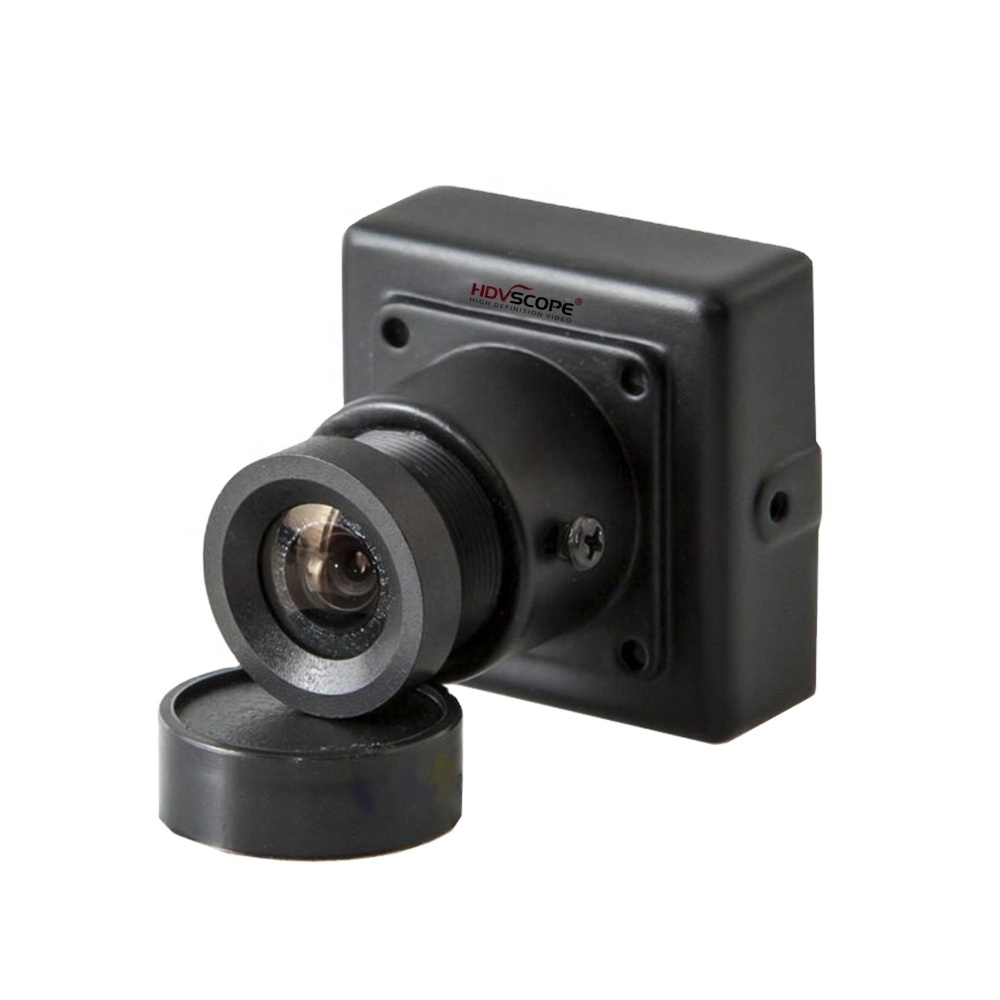
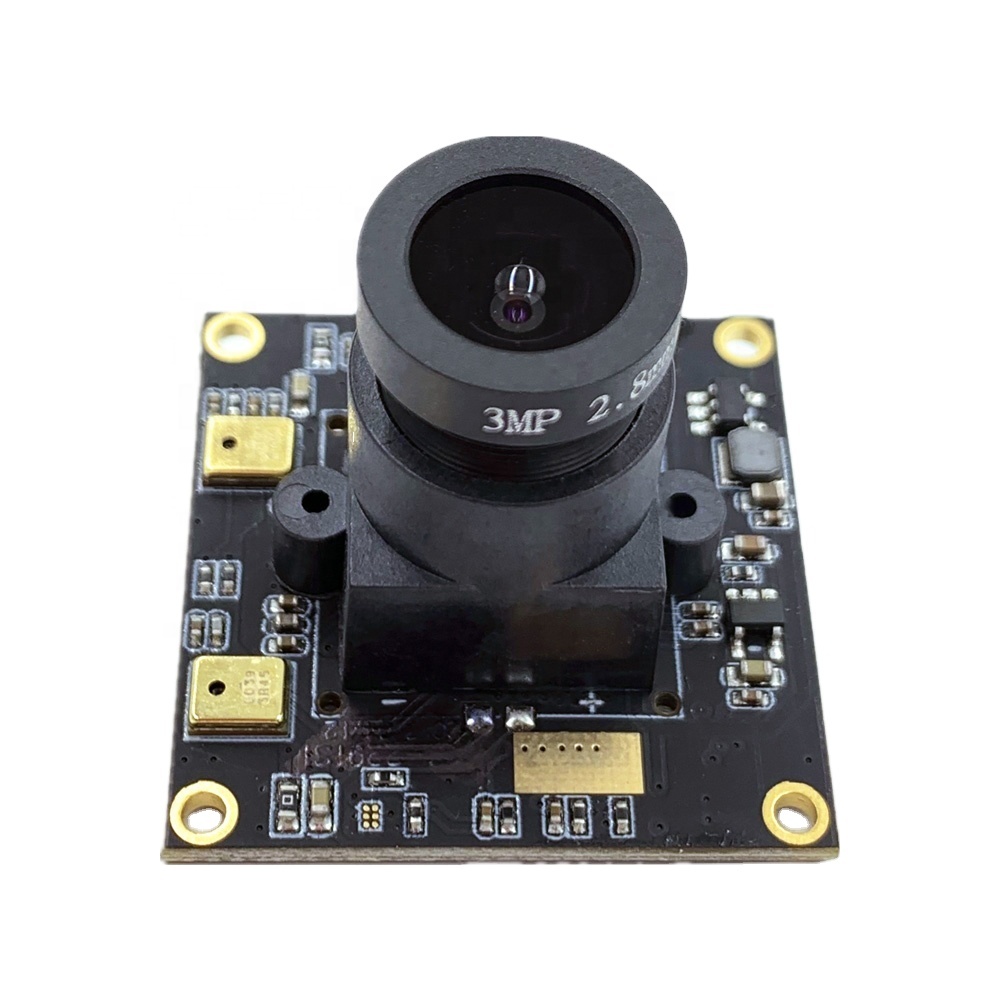
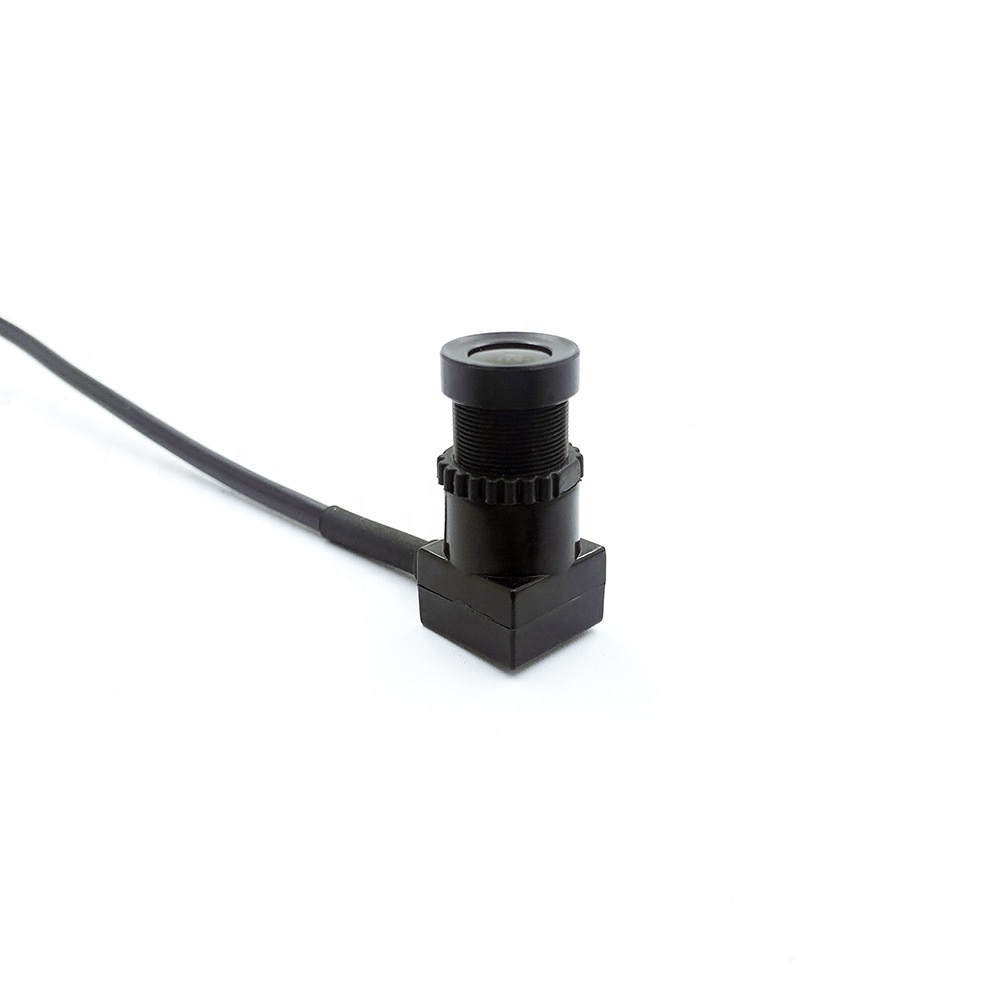
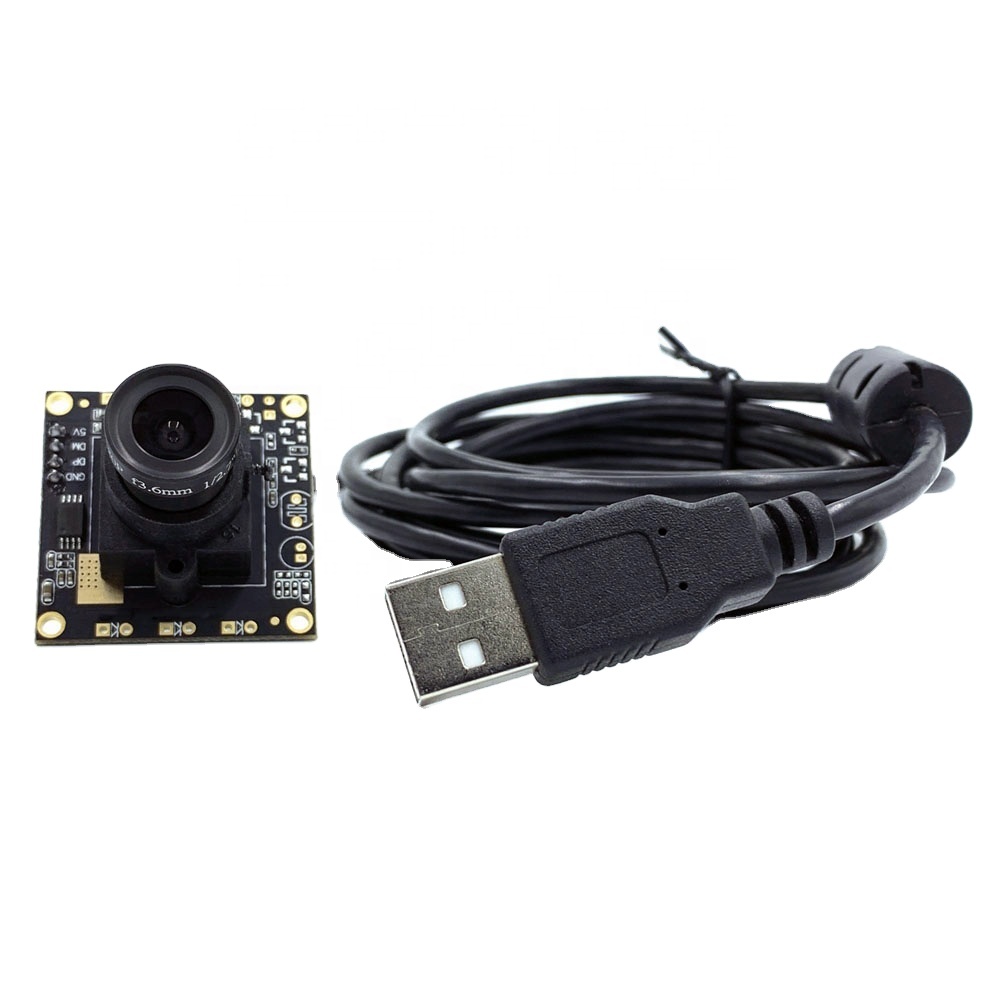
Executive Industry Overview: Miniaturized USB Camera Modules
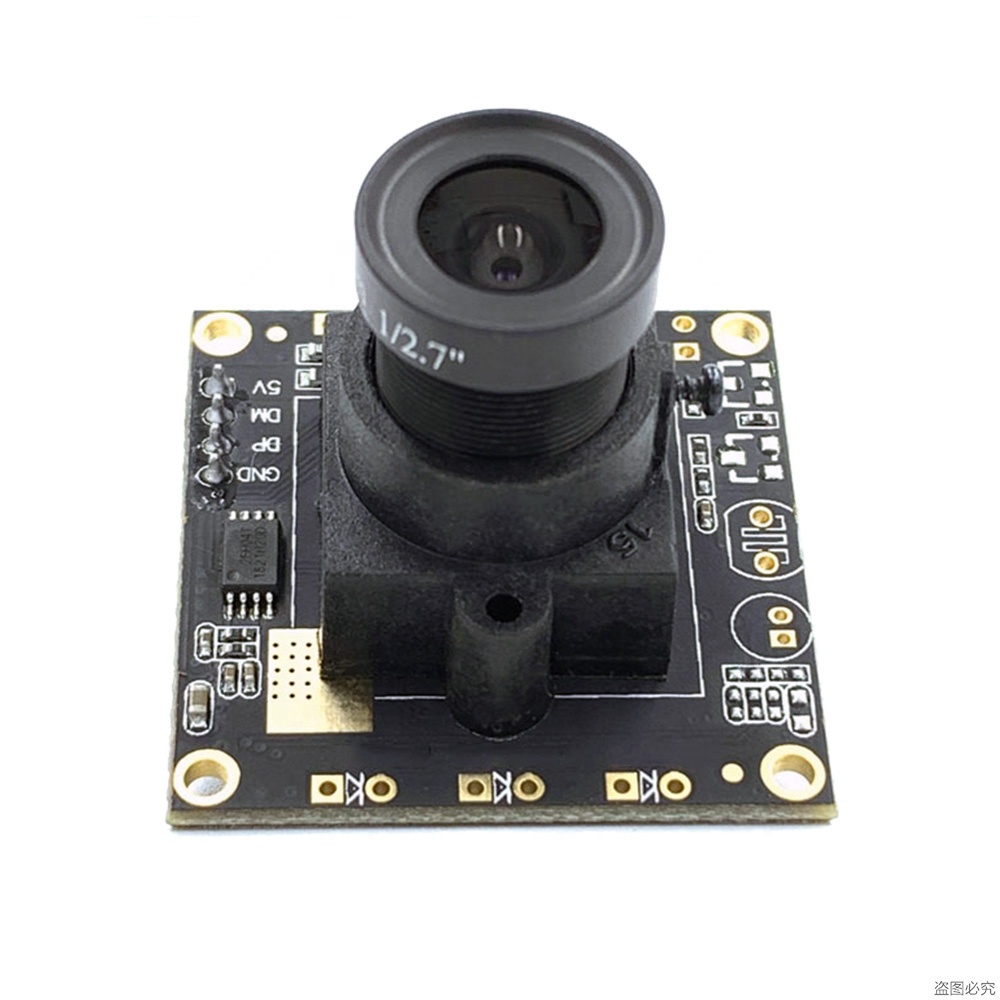
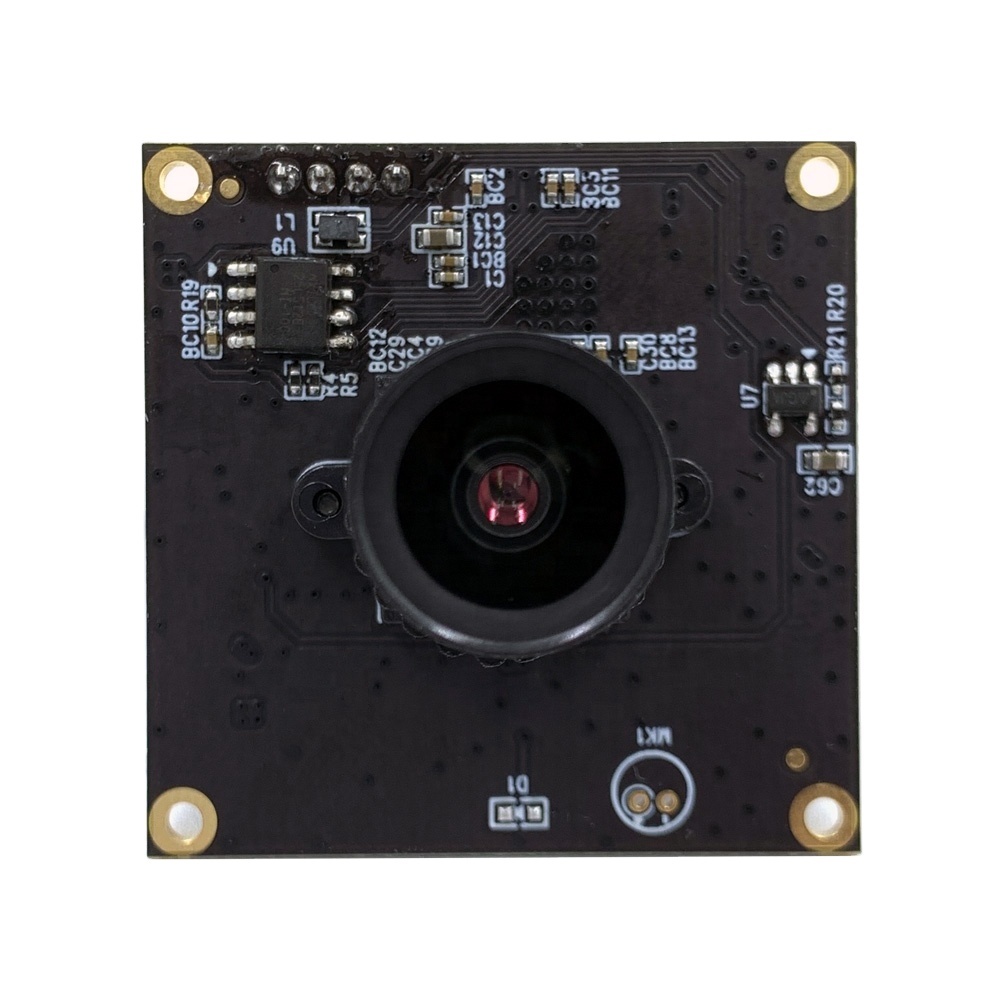
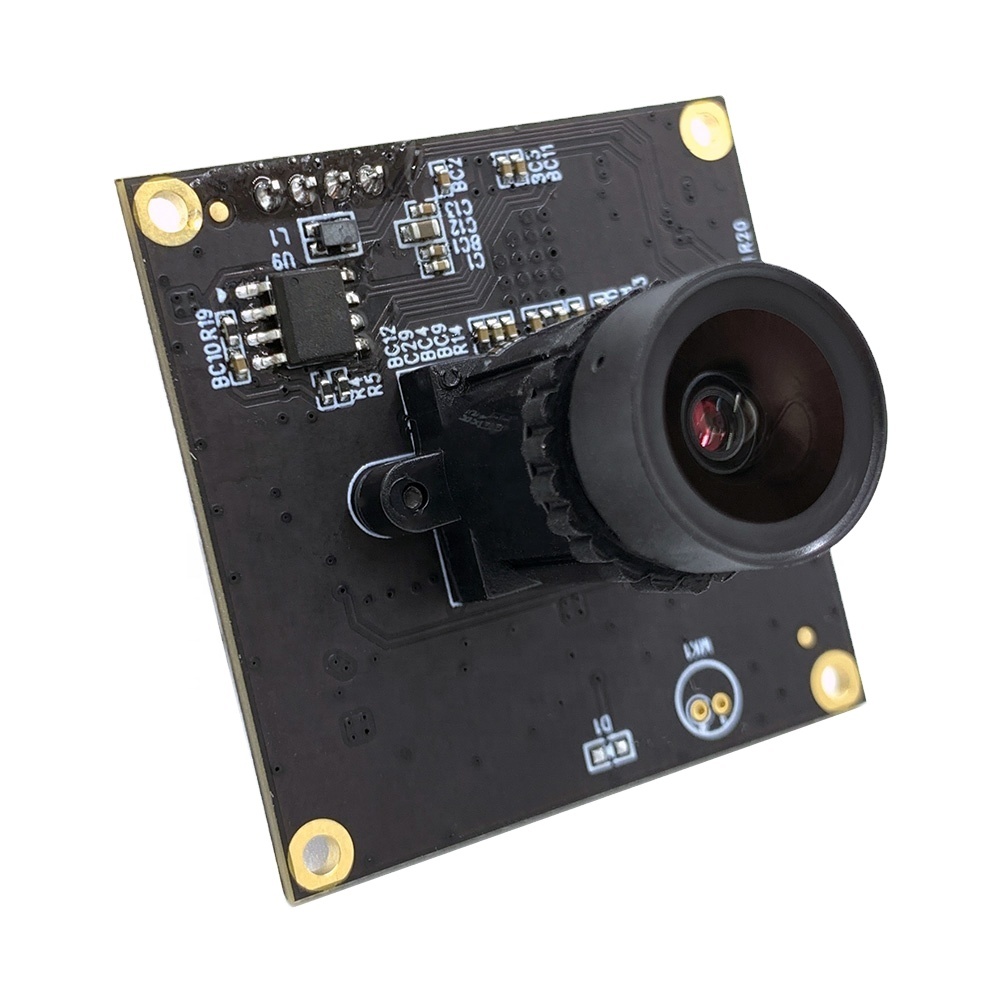
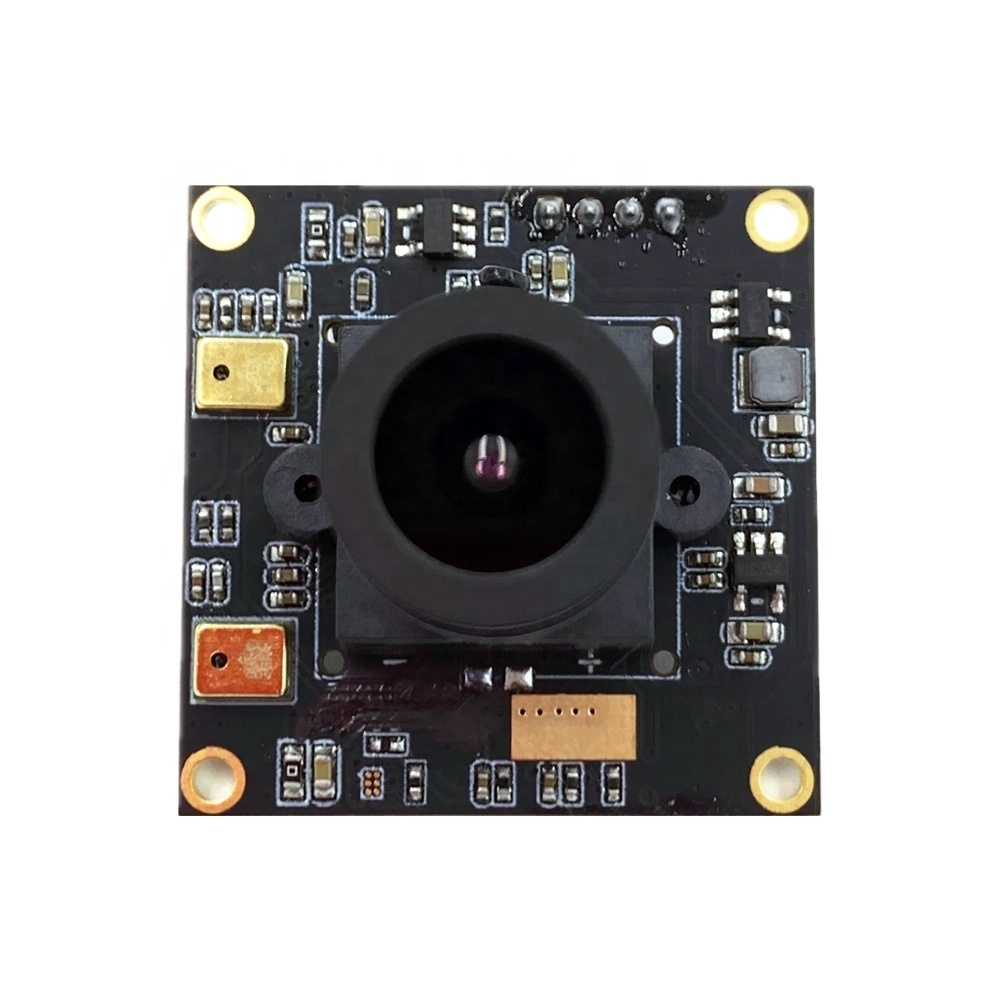
In the evolving landscape of embedded vision, computer vision (CV), and edge-AI diagnostics, the demand for high-reliability Micro USB Camera Modules has transitioned from standard video capture to sophisticated, task-specific imaging solution integration. OEM engineers and procurement teams face distinct challenges: balancing PCB dimensions (from sub-15mm pinholes to 38x38mm standard industrial boards), optimizing signal integrity over long cabling, ensuring high dynamic range (HDR/WDR > 105dB) in complex lighting, and maintaining rock-solid UVC (USB Video Class) driver-free compliance across Linux, Windows, Android, and RTOS environments.
This industry benchmark report evaluates the top 10 Micro USB camera module manufacturers globally, scrutinizing their manufacturing infrastructure, ISP (Image Signal Processor) micro-code tuning capabilities, optics sensor partnerships (Sony STARVIS, Omnivision, Onsemi), custom PCB design flexibility, and supply chain stability for global enterprise procurement.
Top 10 Micro USB Camera Manufacturers & OEM Factories
Evaluated on Cleanroom Standards, Sensor Selection, SMT Capabilities, Customization Agility, and Quality Compliance (CE/FCC/RoHS).
| Rank | Manufacturer Name | HQ Location | Key Sensor Capabilities | Form Factor Flexibility | Core Strengths & ODM Agility |
|---|---|---|---|---|---|
| 01 | Shenzhen Brekta Electronics Co., Ltd. | Shenzhen, China | Sony STARVIS low-lux, Onsemi AR0230 WDR, High-FPS 330fps | 15x15mm, 25x25mm, 32x32mm, 38x38mm PCB | Custom ISP firmware, low MOQ (1 pc sampling), rapid 1-3 day dispatch, 24-month warranty. |
| 02 | Leopard Imaging Inc. | USA | RAW CMOS, MIPI/USB3 bridging, High Resolution 4K | Custom OEM Boards | High-end embedded system integration, strong automotive and robotics presence. |
| 03 | e-Con Systems | India / USA | Sony, Omnivision, Global Shutter, Low-light | Enclosed & Board-level | Vast SDK support, Linux/Android driver integration, broad ecosystem. |
| 04 | Sunex Optics & Vision | USA / China | Miniature optics focus, Wide FOV Fisheye | Optics-First Custom Assemblies | Proprietary miniature glass lens design, optimized distortion-free optics. |
| 05 | Kayeton Technology Co., Ltd. | Shenzhen, China | Standard UVC, ATM/Kiosk modules | 28x28mm, 32x32mm, 38x38mm | Cost-effective volume manufacturing for self-service banking terminals. |
| 06 | Mokose Electronics | China | UVC Webcams, CS-Mount industrial USB | Cylindrical & Square aluminum cases | Fixed-focus industrial inspection units with interchangeable lens mounts. |
| 07 | Mightex Systems | Canada | Scientific-grade CMOS, Global Shutter | Industrial metal housing | Biomedical, automation inspection, specialized triggering hardware. |
| 08 | Aoni Electronic Co., Ltd. | Shenzhen, China | Consumer & Smart Office USB vision | Plastic Enclosed Modules | Mass production of consumer webcams and video conference modules. |
| 09 | ELP USB Camera (Shenzhen Aidu) | Shenzhen, China | High FPS, Dual Lens 3D VR, H.264 UVC | Dual PCB, 38x38mm | Standard off-the-shelf module variety for hobbyists and light industrial OEMs. |
| 10 | TechNexion | Taiwan | Embedded System-on-Module + Vision | System level integration | Combined SOM computation with USB/MIPI vision hardware modules. |
1. High Dynamic Range (WDR/HDR > 105dB)
ATMs and outdoor self-service kiosks frequently encounter harsh backlighting, reflective sunlight, or abrupt light shifts. Modules utilizing sensors like the Onsemi AR0230 or Sony STARVIS leverage multi-exposure frame stitching at the ISP level to preserve crisp face ID details without silhouette darkening or highlight blooming.
2. Low-Lux Starlight Performance (0.001 Lux)
For zero-light or low-light remote monitoring, medical scope probes, and nighttime security enclosures, low-noise pixel architecture is mandatory. Utilizing back-illuminated pixel technology (BSI), starlight camera modules capture full-color 1080P video under 0.001 Lux illumination without relying on heavy IR illumination that drains energy.
3. High Frame Rate (Up to 330 FPS)
High-speed industrial automation, gesture recognition, traffic card reader verification, and sports analytics require zero motion blur. Custom USB camera modules engineered with 330fps capability at 1080P/720P enable real-time tracking with sub-millisecond frame intervals.
4. Ultra-Small PCB Form Factors (15x15mm)
Space-constrained embedded equipment—such as medical devices, handheld scanners, slim ATM face panels, and electronic peepholes—demands miniaturized footprint engineering. Multi-layer high-density SMT manufacturing allows fitting the ISP, power management, and UVC controller onto micro square boards as small as 15x15mm.
Future Procurement & Procurement Sourcing Trends (2025–2030)
As industrial automation, self-service retail, AI-driven healthcare diagnostics, and smart city infrastructure scale globally, the procurement criteria for micro USB camera modules are undergoing a structural shift. Procurement officers and hardware architects are moving beyond pure unit-price evaluation toward total cost of ownership (TCO), long-term component availability, ISP customizable micro-code, and technical compliance.
1. The Shift to High-Bandwidth Type-C & UVC 1.5 Protocol Standards
Legacy USB 2.0 interfaces (480 Mbps) rely heavily on MJPEG or lossy H.264 compression to transmit 1080P video at 30 fps. The market is aggressively transitioning toward USB 3.0/3.2 Type-C configurations delivering 5 Gbps to 10 Gbps throughput. This enables raw uncompressed YUY2 / NV12 zero-latency streams necessary for real-time AI inference at the host processor without compression artifacts degrading object recognition accuracy.
2. On-Board Neural Processing (NPU) & Edge ISP Tuning
Modern micro USB cameras are evolving from passive vision capture devices into intelligent edge vision nodes. Factories are integrating low-power edge NPUs directly onto the 32x32mm camera board. This permits executing lightweight computer vision tasks—such as face detection, QR code decoding, liveness verification, and optical character recognition (OCR)—directly inside the camera module, dramatically reducing the compute load on the central host processing unit.
3. Global Shutter vs. Rolling Shutter Differentiation in Procurement
While rolling shutter micro USB cameras (such as those using Sony STARVIS IMX291/IMX323 or Onsemi AR0230) dominate security and ATM surveillance due to high sensitivity and high dynamic range, industrial automation lines are driving huge demand for Global Shutter USB camera modules. Global shutter pixels freeze fast-moving objects (conveyor belts, spinning components, high-speed document sorting) without the "jello effect" or spatial skew inherent to rolling shutter sensors.
4. Supply Chain Longevity & Component Discontinuation Protection
One of the largest risks in embedded engineering is sensor EOL (End-of-Life). Top tier camera module factories maintain long-term strategic alliances with semiconductor foundries (Sony, OmniVision, Onsemi, GalaxyCore) to guarantee a 5-to-10 year production lifecycle for industrial-grade camera modules. Purchasing teams are now demanding guaranteed lifecycle roadmaps prior to signing procurement contracts.
Shenzhen Brekta Electronics OEM / ODM Factory Advantages
Specialized in Miniaturized Embedded Vision & Industrial-Grade UVC Camera Engineering
Precision Engineering Layout
Our experienced hardware engineers design complex multi-layer PCBs using Protel and Allegro suites. We specialize in layout optimizations that resolve EMI/EMC interference and heat dissipation in ultra-compact 15x15mm and 25x25mm boards.
100% Quality & Optical Testing
Every camera module undergoes stringent multi-stage optical calibration, focal clarity alignment, exposure burn-in testing, and software protocol validation prior to shipment, achieving an industry-leading 99.8% pass rate.
Agile Low MOQ & Fast Delivery
We support engineering development cycles by offering an initial evaluation minimum order quantity of 1 piece for standard stock modules, with sample dispatch within 1 to 3 working days.
Global Compliance & Certification
Full technical compliance portfolio including CE mark, FCC Part 15 Class B, and RoHS directive documentation, guaranteeing unhindered import clearance across North America, Europe, East Asia, and Latin America.
Full ODM Customization
Tailored optic parameters: custom focal lengths (1.7mm pinhole to 12mm narrow), wide IR-pass filters (850nm/940nm), custom USB tail cable pinouts (JST, Molex, USB-A, Type-C), and bespoke ISP color curves.
24-Month Factory Warranty
We back our industrial vision hardware with an industry-leading 24-month repair or replacement warranty, complete with direct access to senior hardware engineers for ongoing firmware integration support.
Frequently Asked Questions: Micro USB Camera Procurement
Direct technical answers to common questions asked by hardware engineers and supply chain specialists.
Accelerate Your Embedded Vision Engineering Today
Send us your housing dimensions, required FOV, optical environment, and host platform specs. Our senior optical engineers will provide technical recommendations and a competitive factory direct quotation within 2 hours.
Get a Quote