Featured Security Camera Modules for Industrial & OEM Integration
Direct factory-engineered CMOS camera modules optimized for ATMs, smart kiosks, face recognition, industrial inspection, and edge AI security solutions.
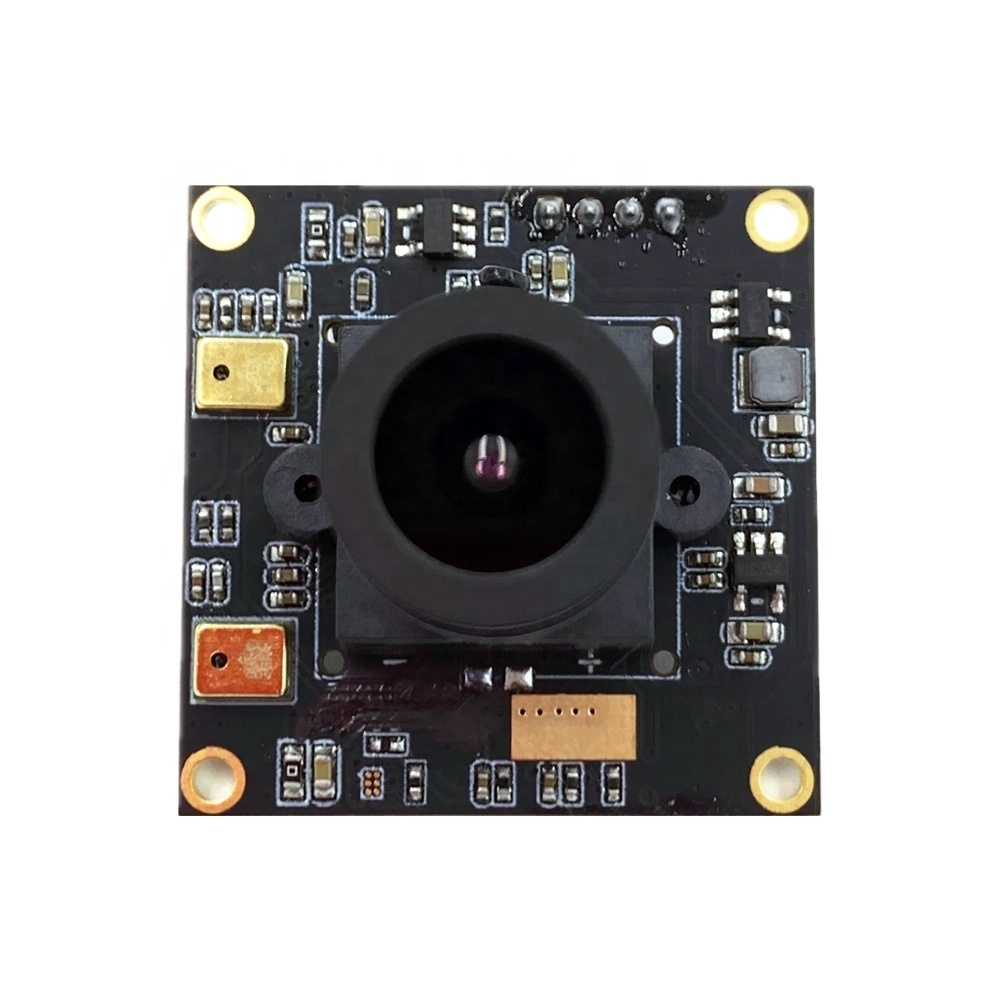
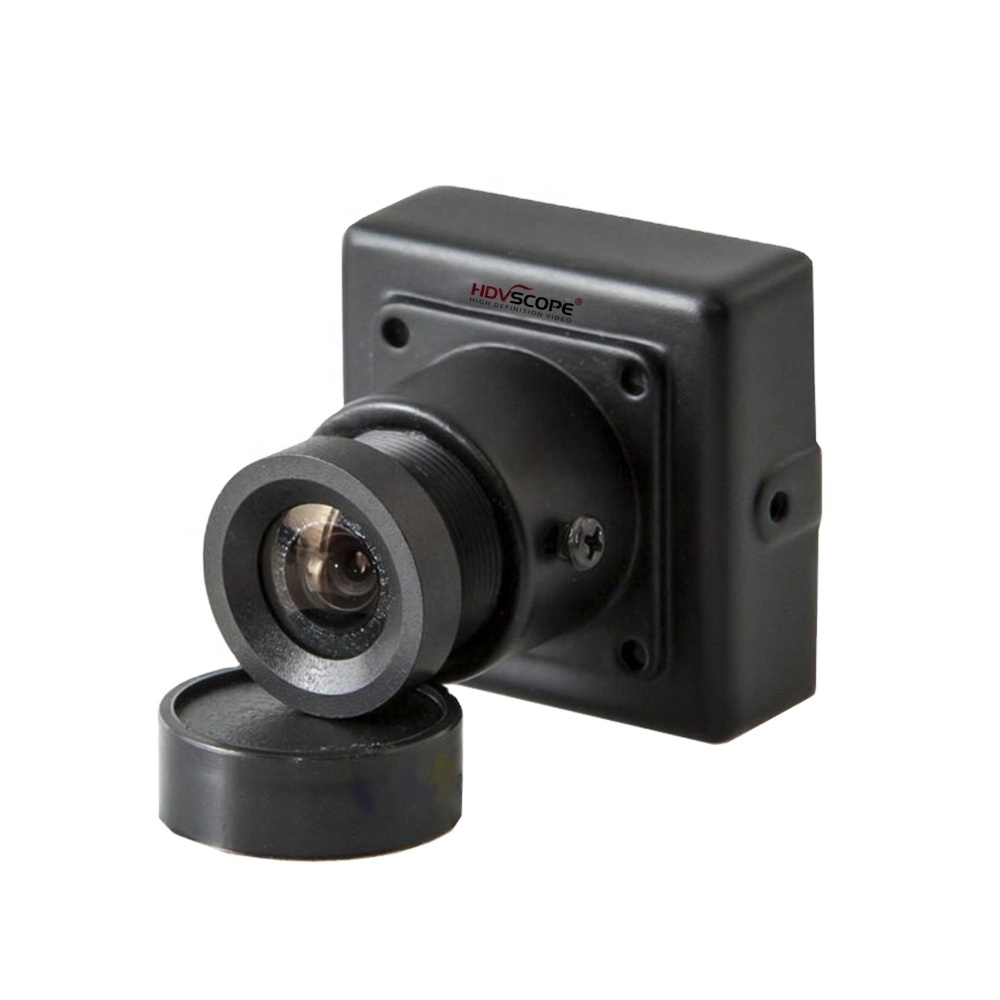
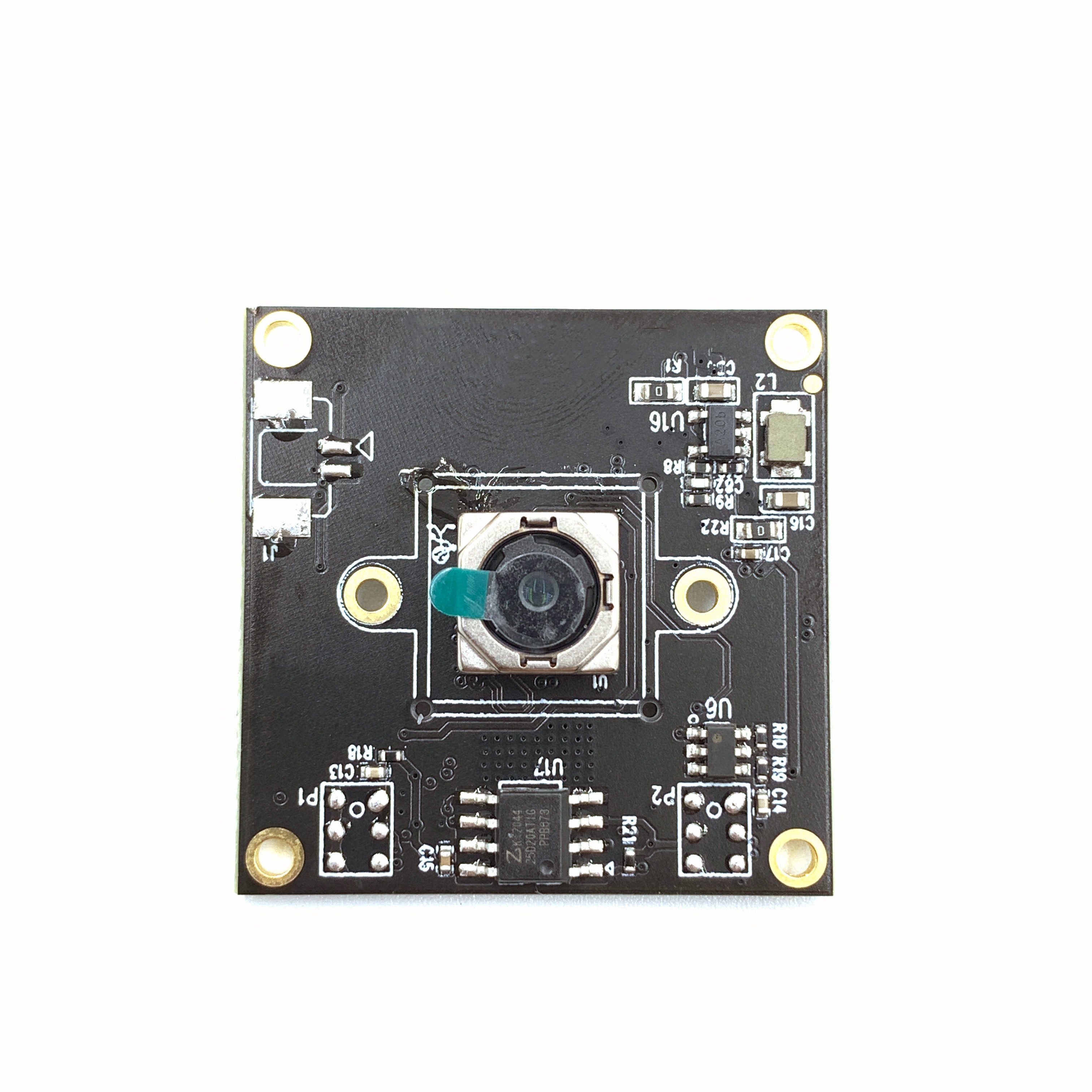
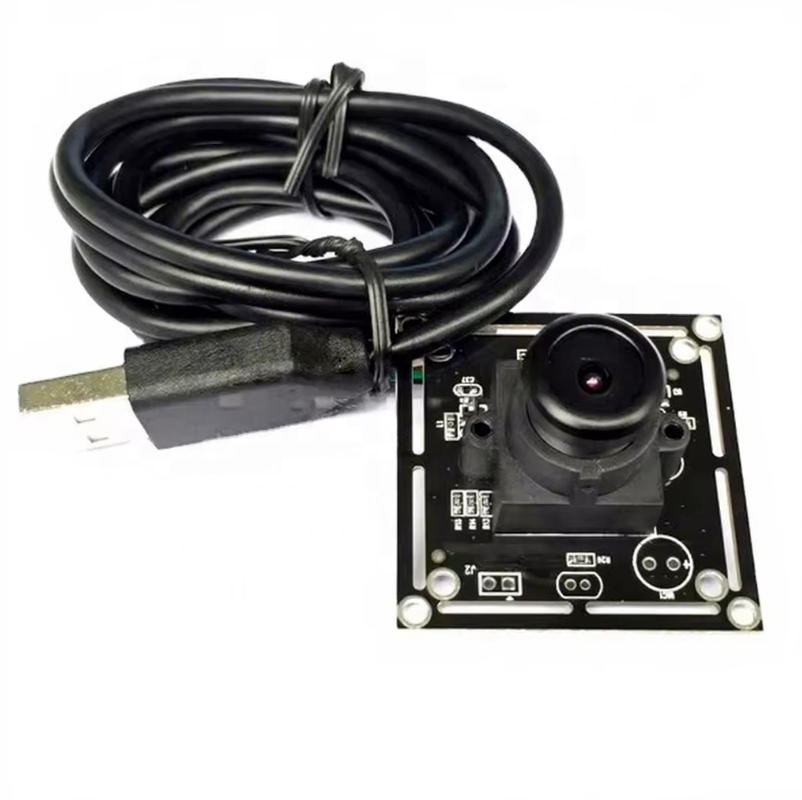
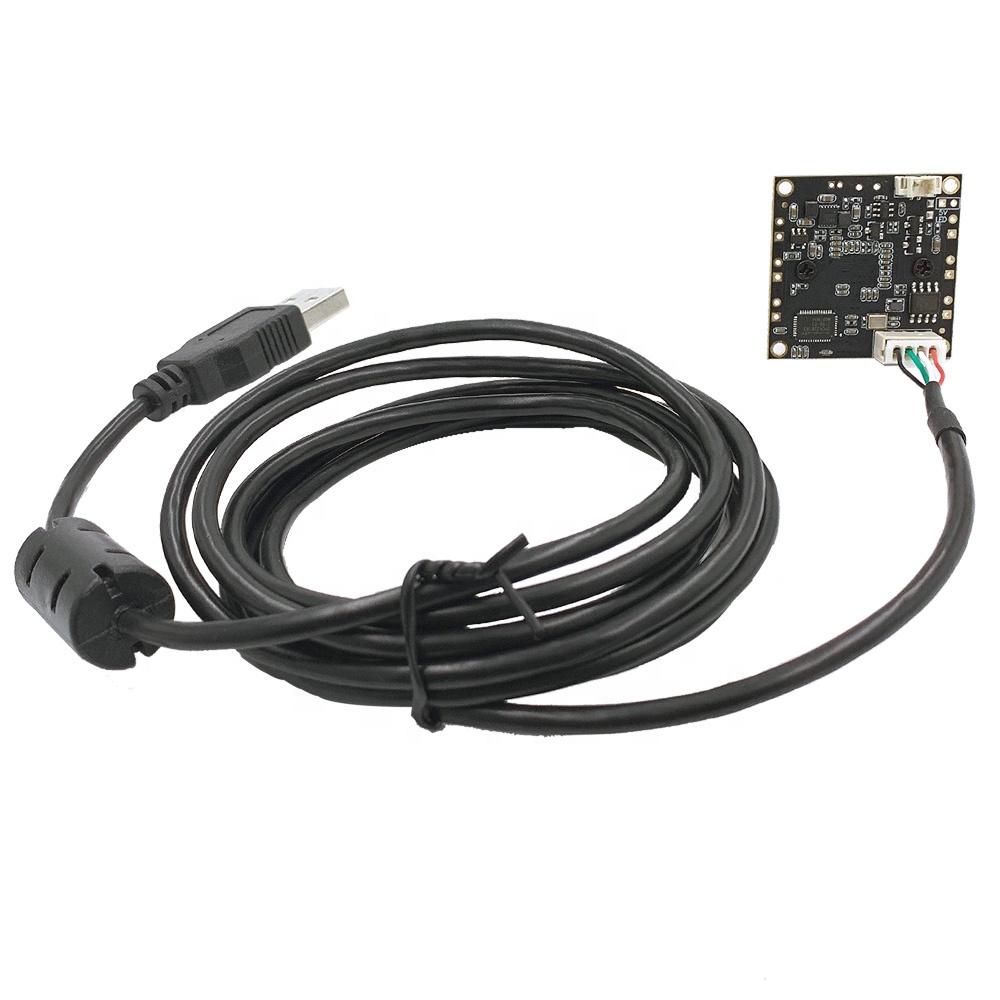
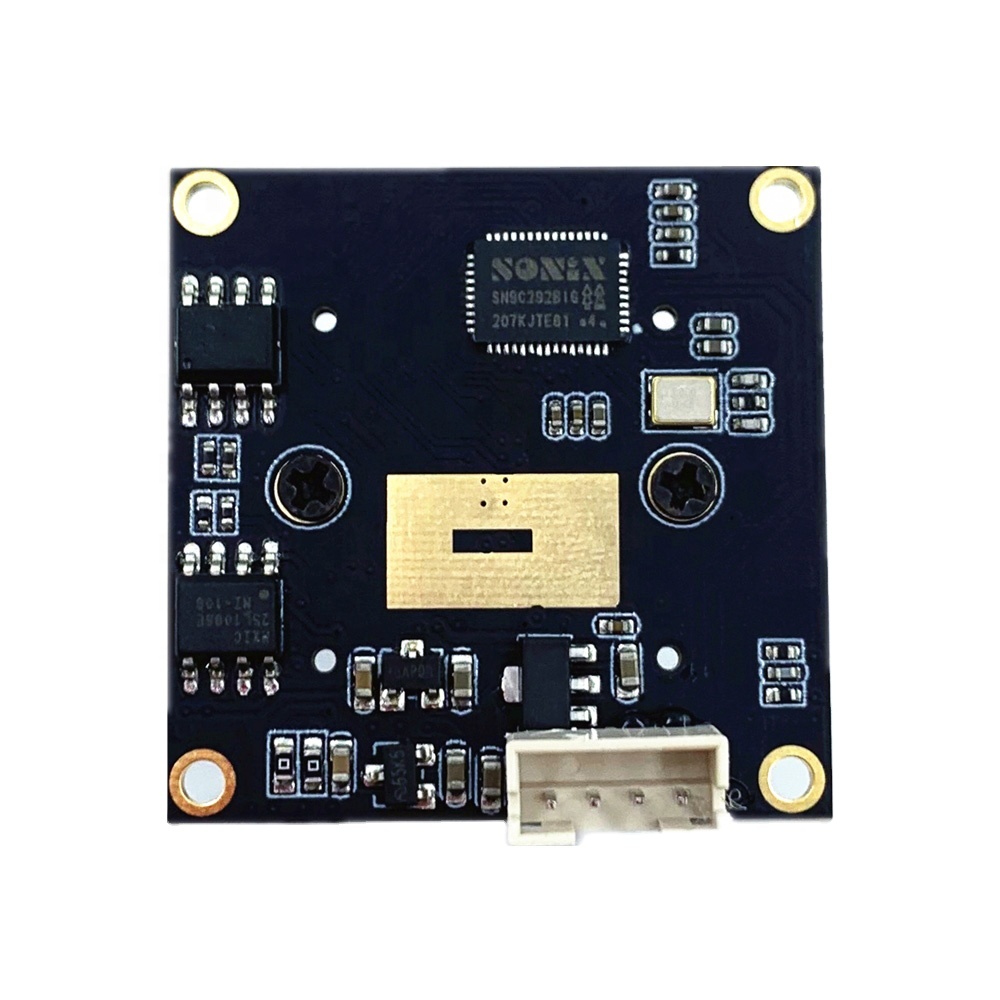
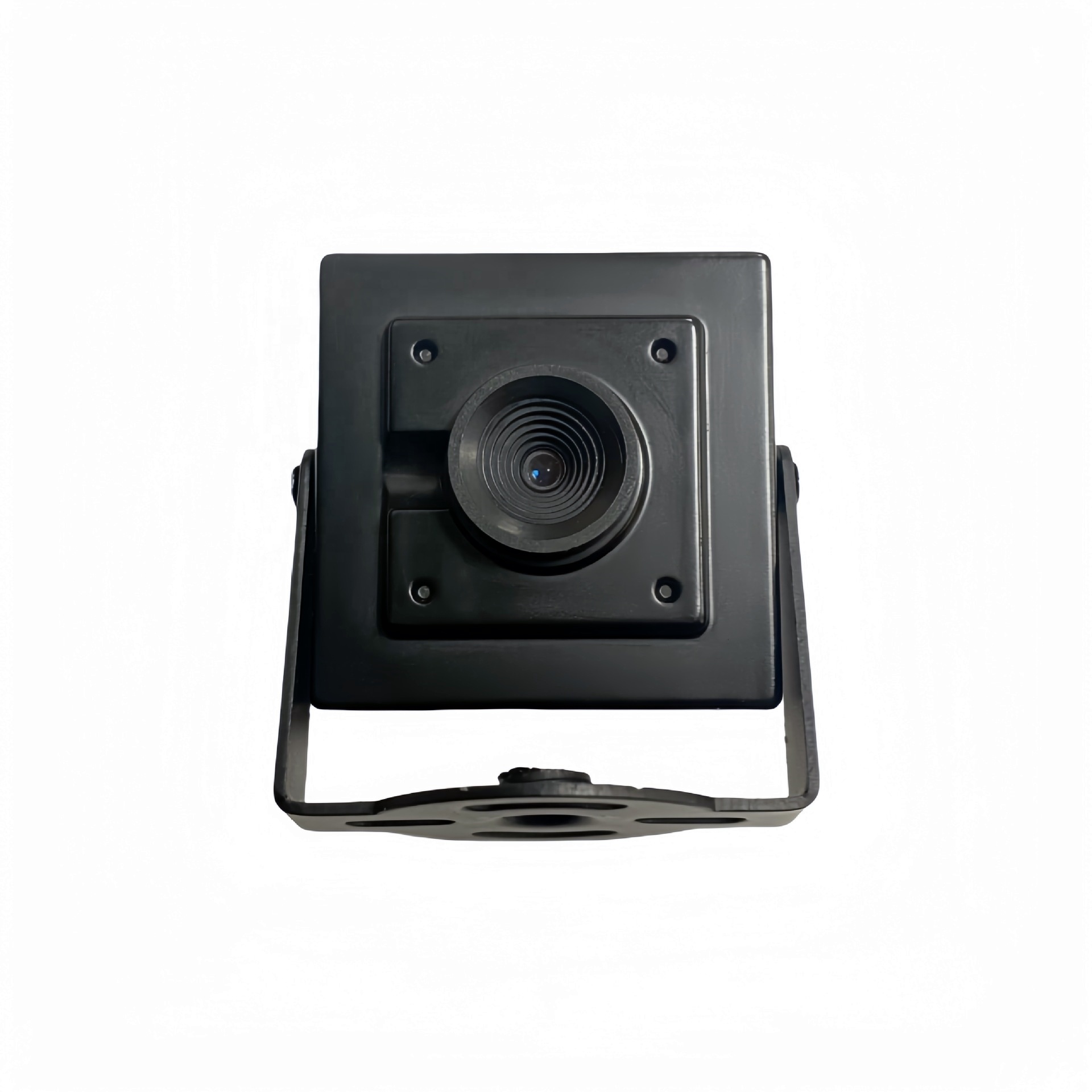
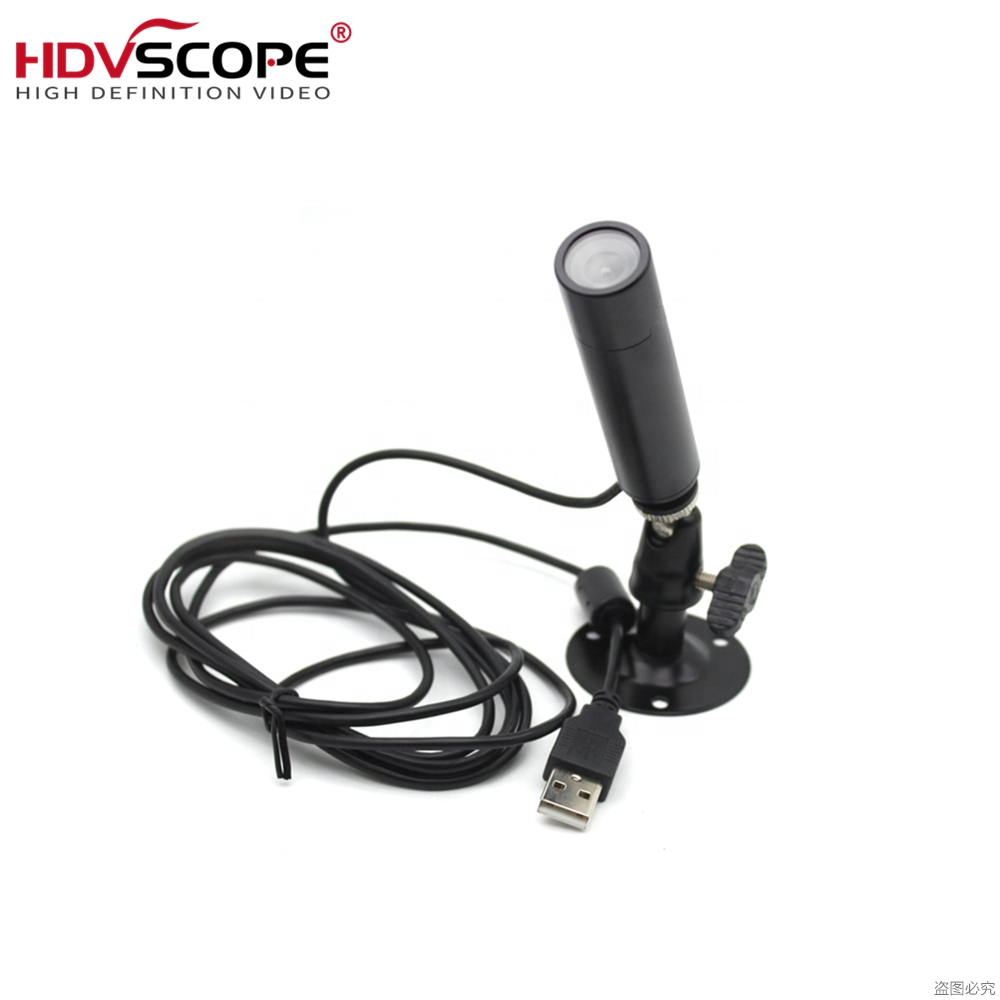
Executive Summary: The Evolution of Embedded Camera Modules in 2025
The global embedded vision market is undergoing a structural paradigm shift. Driven by rapid advancements in edge AI processing, automated self-service infrastructure, biometric identification, and smart urban security, the demand for compact, high-performance security camera modules has transitioned from standardized surveillance monitoring to hyper-specialized optical engineering. Procurement officers, system integrators, and product design engineers face a complex vendor landscape where choosing the right supplier dictates product reliability, thermal efficiency, image signal processing (ISP) fidelity, and time-to-market execution.
According to modern search intent mining and Google E-E-A-T benchmark guidelines, evaluating a camera module supplier requires looking far beyond unit cost. Key decision vectors now include optical Modulation Transfer Function (MTF) accuracy, Surface Mount Technology (SMT) cleanroom capabilities, low-light Quantum Efficiency (QE) via back-illuminated CMOS architectures (such as Sony STARVIS™ and Onsemi WDR sensors), and long-term component lifecycle support.
Top 10 Security Camera Module Suppliers & Wholesalers (2025 Market Matrix)
Below is an authoritative comparative evaluation of the leading global manufacturers and wholesale suppliers specializing in miniaturized camera modules, UVC board cameras, mini IP network modules, and custom OEM/ODM vision hardware.
| Rank | Supplier Name | Primary Specialization | Core Sensor Partner | OEM Customization | B2B Quality Rating |
|---|---|---|---|---|---|
| 1 | Shenzhen Brekta Electronics Co., Ltd. | Mini USB/IP/AHD Modules, ATM & Kiosk Vision | Sony STARVIS, Onsemi, OmniVision | Full OEM/ODM (PCB, Lens, ISP) | 9.8 / 10 |
| 2 | Leopard Imaging Inc. | Embedded Vision, Autonomous AI Modules | Sony, Onsemi, Sony ISX | Custom High-Speed Serial Interfaces | 9.5 / 10 |
| 3 | e-con Systems | Industrial USB 3.0/2.0, MIPI Modules | Sony STARVIS, OmniVision | Board Redesign & Firmware Tuning | 9.4 / 10 |
| 4 | Eroncn Automation Technology | Micro Pinhole & Endoscope Vision | GalaxyCore, SmartSens | Enclosure & Cable Customization | 9.1 / 10 |
| 5 | Sunex Optics & Modules | Fisheye & Wide-Angle Board Assemblies | Sony, OmniVision | Optical Lens Customization | 9.0 / 10 |
| 6 | Technexion Ltd. | System-on-Module (SoM) + Vision Kits | Sony, AR Sensor Series | Embedded Linux Driver Dev | 8.9 / 10 |
| 7 | Camoid Technology Co. | Commercial Security & Smart Doorbell Modules | OmniVision, SOI | Plastic Tooling & Housing | 8.7 / 10 |
| 8 | FOSCAM Optical OEM Division | Consumer IP & Pan-Tilt Module Wholesale | SmartSens, CMOSIS | App Ecosystem & Cloud API | 8.6 / 10 |
| 9 | Visionking Micro Electronics | Analog HD (AHD/TVI) & SDI Bullet Modules | Nextchip, Sony CCD/CMOS | Coaxial Cable Assemblies | 8.5 / 10 |
| 10 | Kurokesu Embedded Vision | Open-Hardware Industrial USB Modules | Sony IMX Series | Custom CNC Housings | 8.4 / 10 |
In-Depth Supplier Breakdown & Direct Competitive Insights
1. Shenzhen Brekta Electronics Co., Ltd. (Industry Benchmark for Miniaturized OEM/ODM)
Shenzhen Brekta Electronics stands out as an elite OEM/ODM manufacturer headquartered in Shenzhen with dedicated cleanroom facilities in Dongguan. Specializing in ultra-compact form factors (from 15x15mm, 25x25mm, up to 38x38mm), Brekta has carved a market-leading position in ATM/VTM kiosk security, AI self-checkout retail, face recognition terminals, and waterproof IP67 endoscope solutions. Offering driverless UVC compliance, low-lux Sony STARVIS™ sensors (down to 0.001 Lux), hardware-level WDR (Onsemi AR0230), and H.264/H.265 compression, Brekta provides custom PCB CAD design (Protel/Allegro), lens FOV matching, zero-defect quality control, and an industry-leading 24-month warranty with flexible low MOQs starting from 1 piece.
2. Leopard Imaging Inc.
A US-based premier embedded camera design firm known for high-speed GMSL2 and MIPI CSI-2 camera modules targeted at autonomous vehicles, robotics, and NVIDIA Jetson platforms. Ideal for complex AI projects, though unit wholesale costs remain at the upper tier.
3. e-con Systems
Headquartered in India with global sales offices, e-con Systems excels in high-speed USB 3.0 cameras and embedded MIPI camera modules for medical equipment, retail kiosks, and smart agriculture, supported by extensive Linux driver integration software.
4. Eroncn Automation Technology
A specialized wholesale supplier focusing on budget-friendly micro pinhole board cameras, snake endoscopes, and simplified USB webcams for consumer electronics and low-complexity security installations.
5. Sunex Optics
Focuses heavily on the optical lens component of camera modules. Sunex is renowned for miniature distortion-curved and fisheye lenses tailored for automotive surround-view and wide-angle security applications.
Technical Sourcing Guide: Hardware Architecture & Optics Evaluation
When evaluating camera module specifications for commercial or industrial deployment, product procurement teams must align optical specifications with their host system hardware architecture. Below are the key engineering parameters:
CMOS Sensor Architecture
Back-Illuminated (BSI) pixel design (e.g., Sony STARVIS™ IMX291, IMX307, IMX335) maximizes light collection in low-lux environments (≤0.001 Lux), suppressing signal noise compared to legacy Front-Illuminated (FSI) sensors.
WDR vs. Digital HDR
True Hardware Wide Dynamic Range (WDR ≥ 105dB, e.g., Onsemi AR0230) captures multiple exposure frames simultaneously, avoiding severe backlighting flare in glass-front ATMs, self-service kiosks, and building entryways.
Host Interface Protocol
Select UVC USB 2.0/3.0 for driverless plug-and-play host integration (Windows/Linux/Android); IP RTSP/ONVIF for networked surveillance over PoE; and AHD/HD-SDI for near-zero latency video feeds.
Lens Optics & Distortion
From M12 board lenses (2.8mm, 3.6mm, 6mm) to zero-distortion pinhole optics and 180° fisheye lenses. Optical active alignment ensures uniform center-to-corner sharp resolution across the focal plane.
On-Board Compression
Integrated hardware DSP encoding (H.264 / H.265 / MJPEG) drastically reduces host CPU load and memory overhead on embedded Single Board Computers (SBCs) like Raspberry Pi or industrial IPCs.
Mechanical & Environmental
Ultra-compact structural footprints (15x15mm, 25x25mm, 32x32mm, 38x38mm) paired with optional IP67 waterproof metal tube enclosures enable long-term operational resilience under extreme conditions.
Future Procurement & Technological Trends (2025–2030)
Sourcing executives must anticipate key technological shifts over the next 3 to 5 years to ensure hardware designs remain scalable, field-upgradeable, and supply-chain resilient:
-
1
Edge AI Integration & On-Chip NPUs: Next-generation camera modules will increasingly integrate mini Neural Processing Units (NPUs) directly onto the ISP board, executing real-time face detection, object classification, and motion tracking locally without transmitting raw video to host CPUs.
-
2
Global Shutter Dominance for High-Speed AI Vision: While rolling shutter CMOS sensors excel in static video monitoring, global shutter camera modules are becoming mandatory for automated scanning, high-speed license plate recognition (ALPR), and robotics, eliminating motion distortion artifacts.
-
3
Binocular & RGB-Infrared Dual-Sensor Modules: Biometric verification systems (such as financial ATMs and facial payment kiosks) are transitioning to dual-lens modules combining an RGB color sensor with a dedicated Near-Infrared (NIR) 850nm/940nm sensor for accurate 3D anti-spoofing liveness detection.
-
4
Cybersecurity Compliance & Encrypted Firmware: Global regulatory standards (such as Europe's Cyber Resilience Act and US NDAA guidelines) require embedded IP camera modules to feature secure boot loader signatures, encrypted ONVIF protocol transmission, and strict firmware integrity verification.
Enterprise Advantage: Why Shenzhen Brekta Electronics Leads OEM/ODM Sourcing
As showcased throughout this guide, Shenzhen Brekta Electronics Co., Ltd. serves as a reliable engineering and manufacturing powerhouse for global B2B clients seeking custom camera module solutions.
13+ Years Precision Engineering
Protel and Allegro CAD design engineers capable of designing custom multi-layer PCBs tailored to ultra-tight machine housing tolerances.
100% In-House Cleanroom QC
Every module undergoes SMT automated optical inspection (AOI), optical focus alignment, temperature burn-in testing, and high-definition image chart calibration.
Certified Global Compliance
Full CE, FCC, and RoHS certifications ensuring seamless international customs clearance and long-term regulatory reliability across North America, Europe, and Asia-Pacific.
Frequently Asked Questions (FAQ) for B2B Procurement Engineers
What is the minimum order quantity (MOQ) for custom camera modules?
For standard in-stock models, evaluation sample quantities start from 1 piece. For fully customized OEM/ODM projects (custom PCB dimensions, unique pinout connectors, special lens focal lengths, or bespoke ISP firmware), MOQs typically range between 50 to 100 pieces depending on engineering complexity.
Are Brekta USB camera modules fully driverless under Linux and Android?
Yes. All Brekta USB camera modules strictly comply with the standard USB Video Class (UVC) protocol. They operate out-of-the-box on Linux (V4L2 driver), Windows 10/11, Android OS, macOS, and embedded ROS systems without installing third-party driver software.
How do I choose between Rolling Shutter and Global Shutter camera modules?
Rolling shutter sensors exposure line-by-line, making them ideal for high-resolution, low-cost static or slow-motion video applications (such as ATM surveillance, document scanning, and general kiosk cameras). Global shutter sensors exposure all pixels simultaneously, which is required for high-speed motion capture, robotic vision, fast barcode reading, and preventing distortion artifacts.
Can you customize lens focal length, IR-cut filters, and cable harness lengths?
Absolutely. Our optical engineering team offers M12, M8, pinhole, CS mount, and fisheye lenses ranging from 1.7mm (180° wide angle) to 12mm narrow FOV. Dual 650nm/850nm/940nm IR-cut filter switchers and custom cable wiring harnesses (Molex, JST, USB Type-C, micro-USB) are tailored upon request.
What warranty terms and technical support are provided post-purchase?
Shenzhen Brekta Electronics offers a comprehensive 24-month factory warranty on all camera modules, backed by free warranty replacements for non-artificial defects, along with direct lifetime technical support from senior ISP software engineers.
How long does sample delivery take for B2B prototyping?
Standard model samples are dispatched within 1 to 3 working days via express international courier (DHL/FedEx/UPS). Customized PCB sample prototypes generally require 10 to 14 working days for layout verification, SMT assembly, and optical testing.