Flagship HD USB & IP Vision Modules
High-reliability optical hardware engineered for ATM terminals, self-service kiosks, medical scopes, and industrial automation.
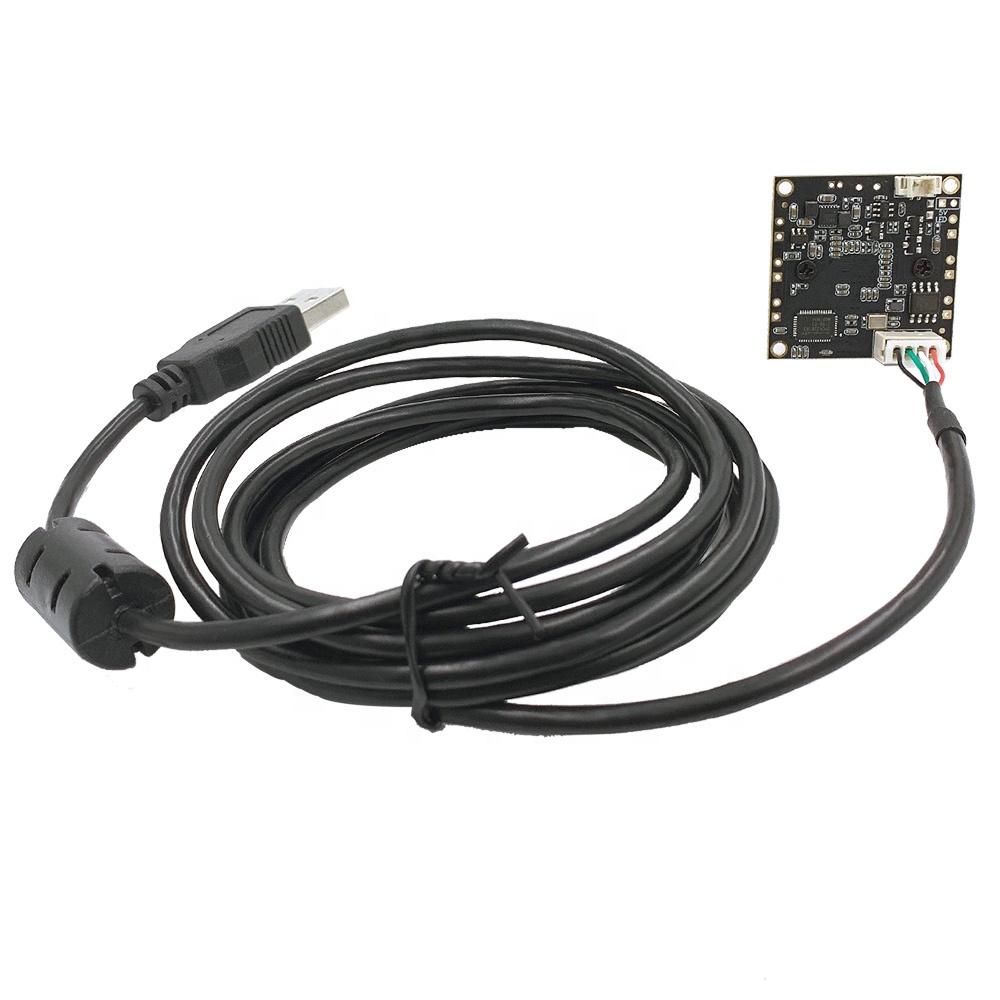
2.0MP Lens Color USB Camera Module for ATM KIOSK Scanning Machine AR0230 CMOS WDR 1920*1080 32*32mm

50x50mm Support YUY2 MJPEG, 1/3.06'' CMOS 4K UHD Rolling Shutter 13MP 4192*3104 Color HDR USB Camera 3.24mm Distortionless Lens
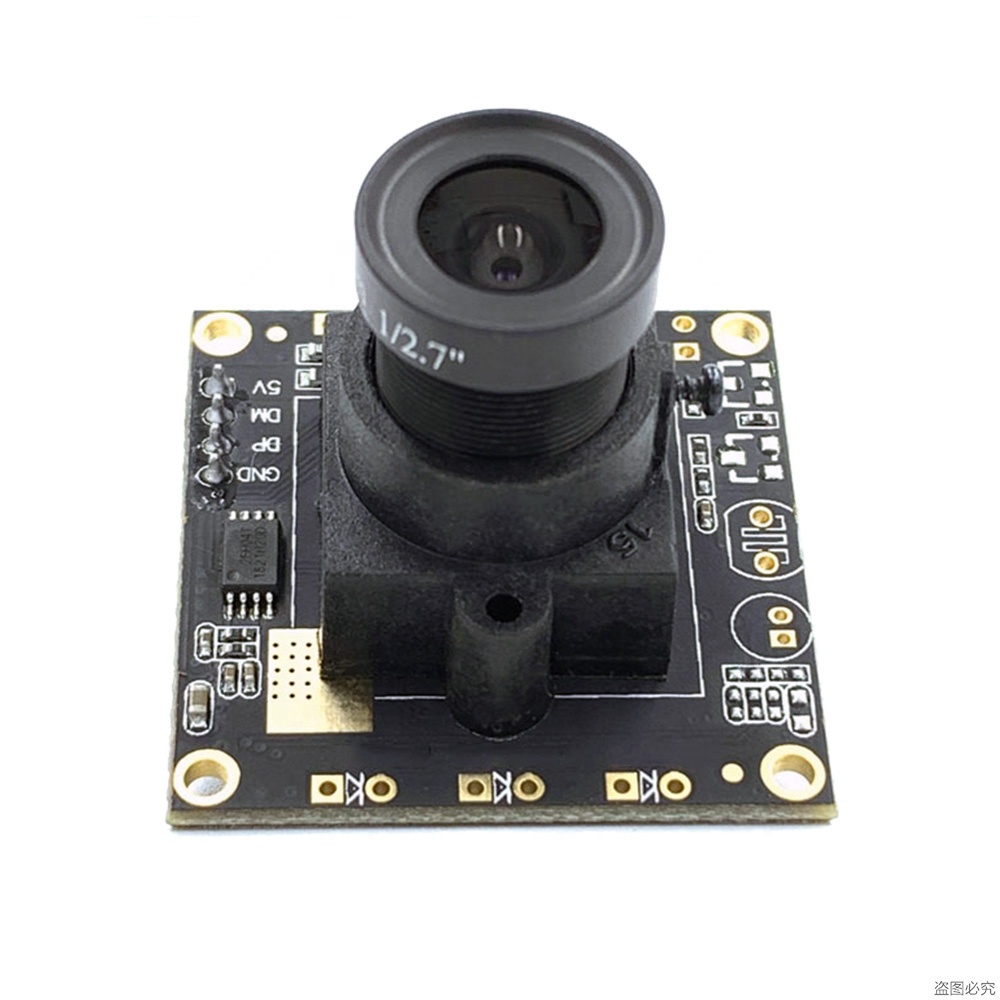
WDR 2.0MP 1920*1080 32*32mm Color USB Camera Module 1/2.7" AR0230 Onsemi CMOS for ATM KIOSK Scanning Machine
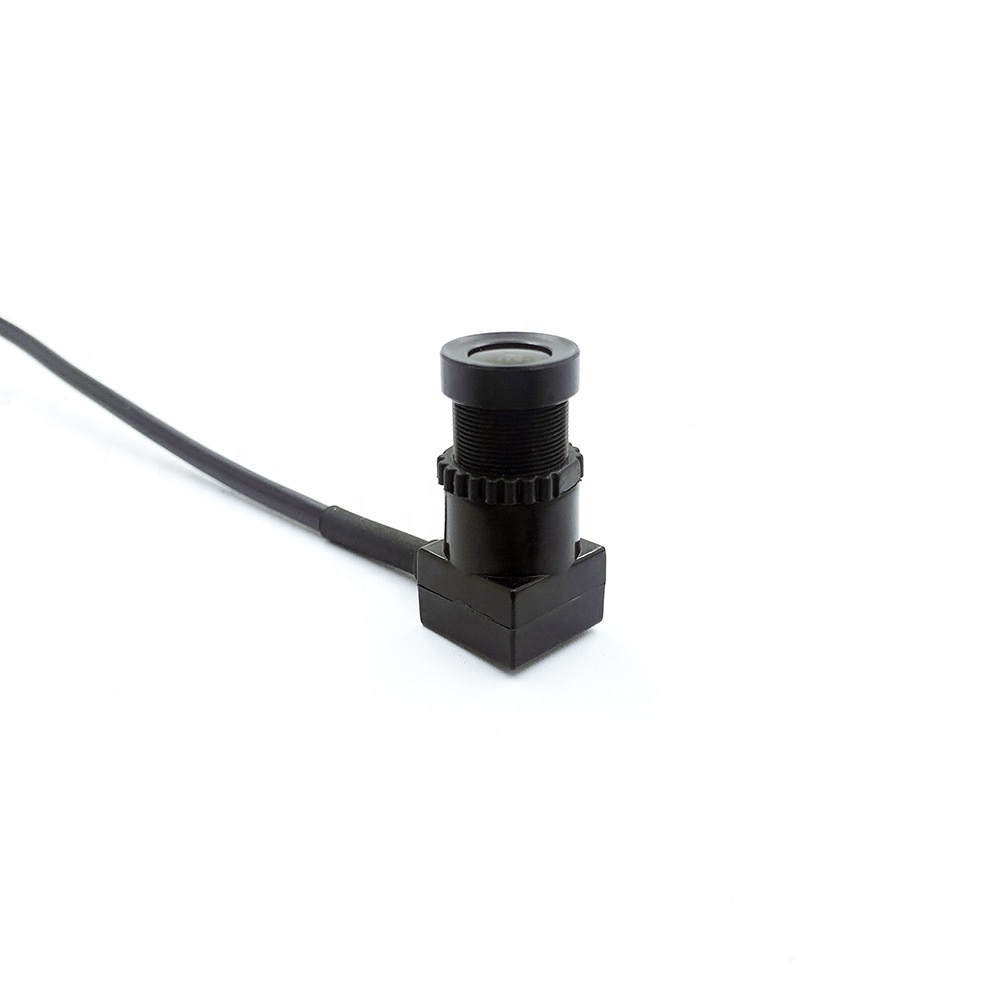
Supplier Low Light 0.1Lux Full HD 1920*1080P Mini Square 15*15mm Color USB Video Camera with 12mm Lens
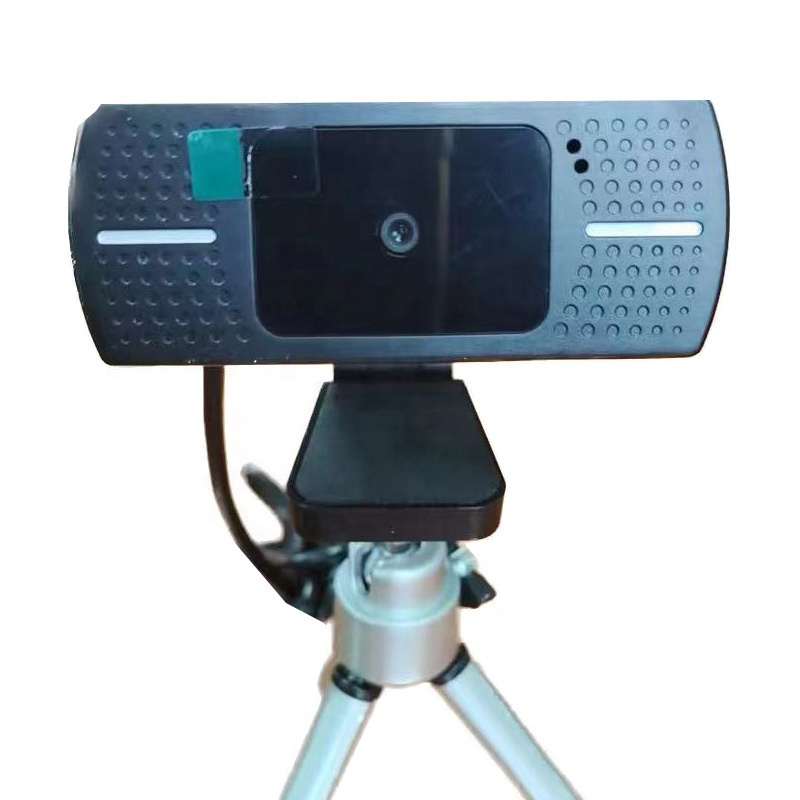
Factory Price 1080P 2.0MP USB Webcam 30fps 1920*1080 30*25mm Color F2.0 Autofocus Lens Multi-purpose Clip
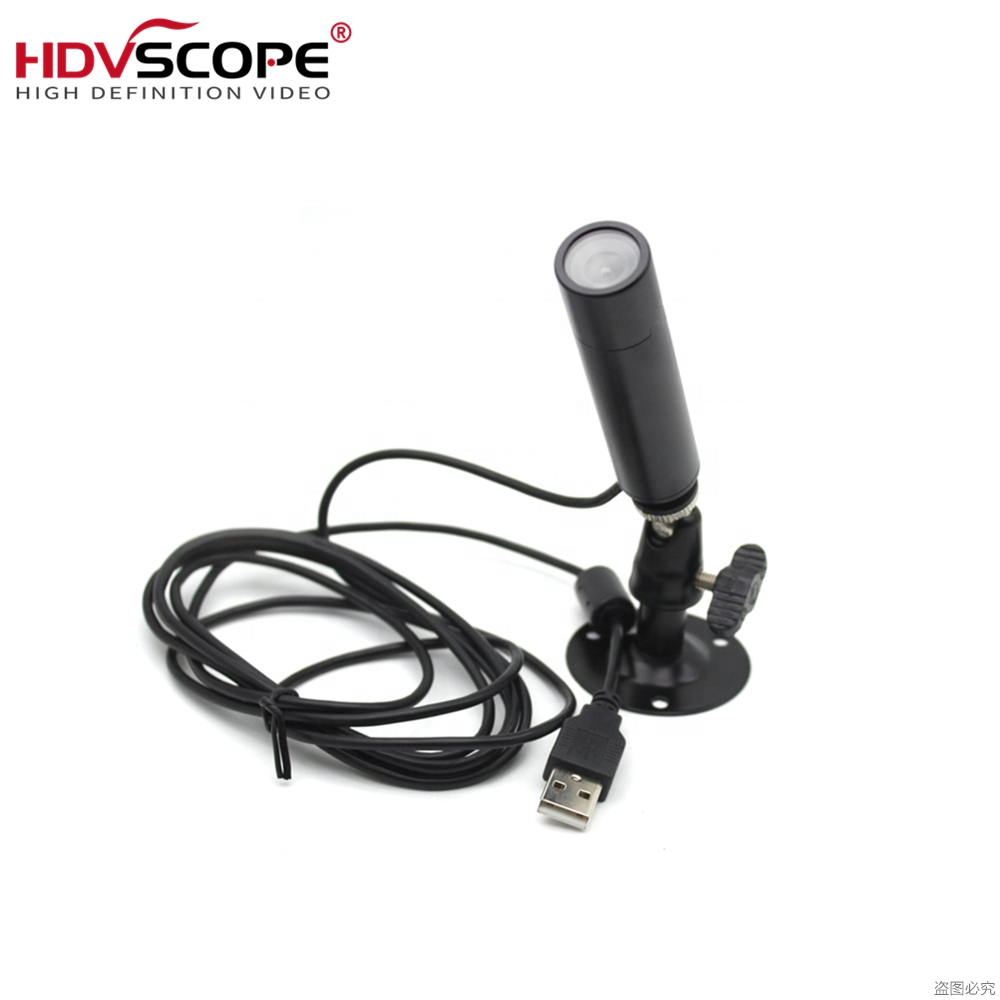
2MP 1/2.7" CMOS USB Camera 2.8mm Lens Waterproof IP67 Mini Bullet/Snake/Endoscope 1920*1080 Diameter 20mm
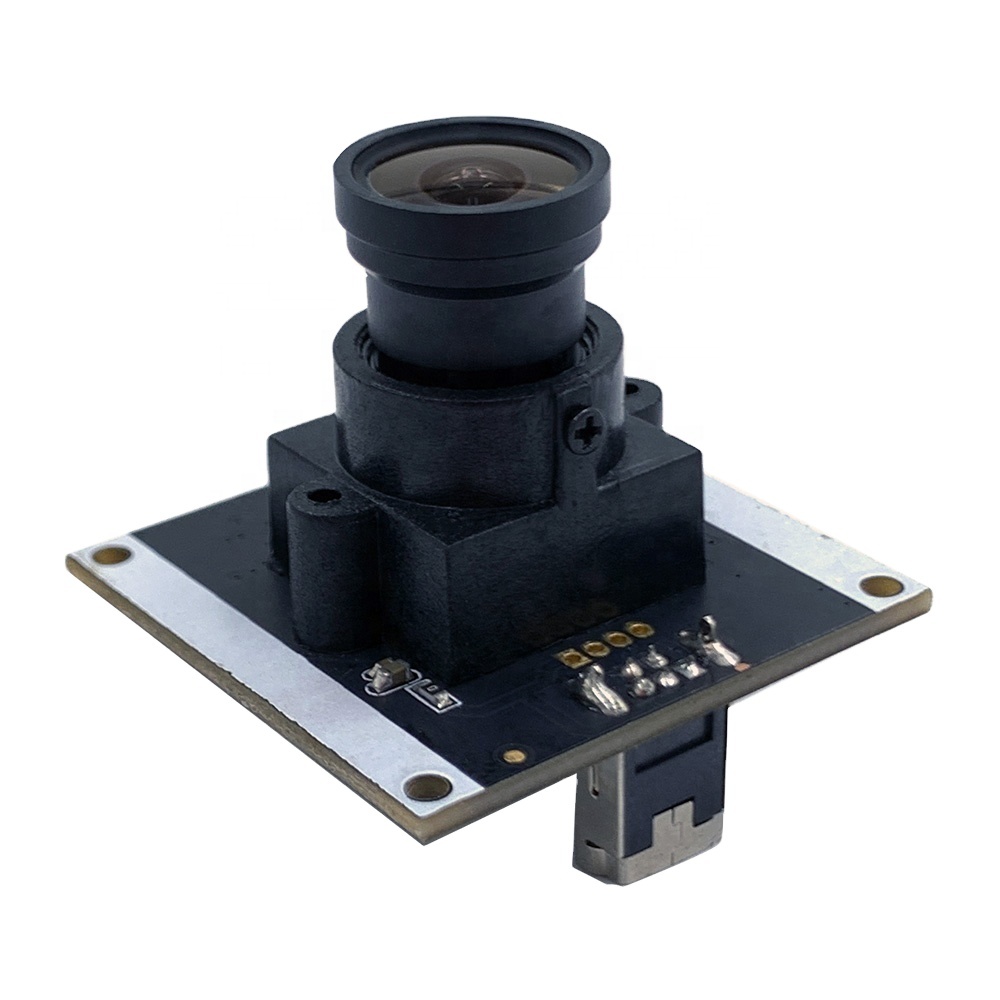
USB-Mini Connector 2.0MP Color USB Camera Module ATM KIOSK AR0230 CMOS WDR 1920*1080 30fps 0.01Lux
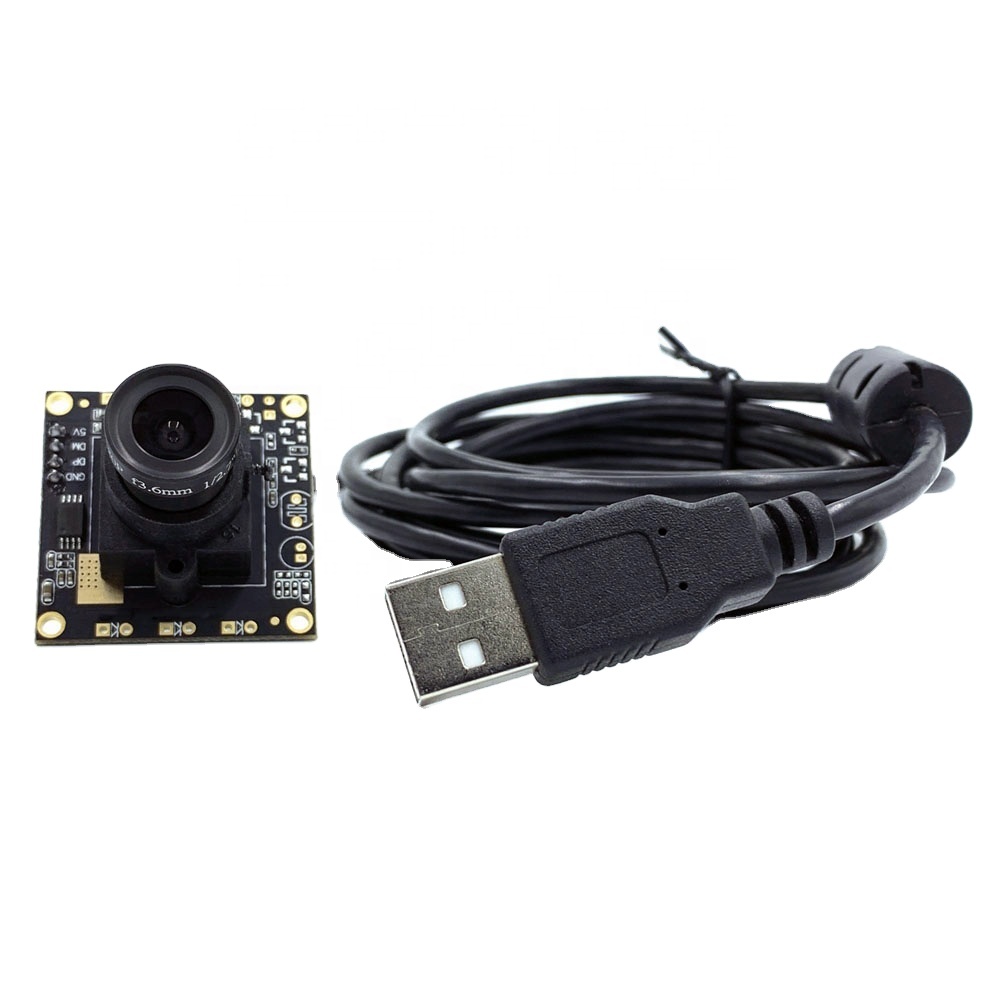
2.0MP Color USB Camera Module for ATM KIOSK Scanning Machine AR0230 Onsemi CMOS WDR 1920*1080 32*32mm
The industrial imaging landscape has underwent a paradigm shift over the last decade. As global procurement shifts toward intelligent automation, self-service infrastructure, edge-computing vision nodes, and biometric access validation, the demand for high-performance USB Video Class (UVC) camera modules has surged. China has established itself as the epicenter of optical engineering, SMT printed circuit board assembly (PCBA), and image signal processing (ISP) fine-tuning.
Modern USB camera modules are no longer mere video capturing peripherals; they are sophisticated integrated embedded systems. Incorporating advanced CMOS image sensors (CIS) from industry leaders such as Onsemi, Sony STARVIS, and OmniVision, premier Chinese original equipment manufacturers (OEMs) and original design manufacturers (ODMs)—including Shenzhen Brekta Electronics Co., Ltd.—deliver low-latency, driverless optical components engineered to operate continuously under extreme ambient conditions (-30°C to +70°C).
| Architecture Type | Protocol Standard | Bandwidth / Latency | Host OS Integration | Target System Applications |
|---|---|---|---|---|
| USB (UVC 1.1 / 1.5) | Direct USB Isochronous | Near-Zero (Sub-30ms) | Driverless: Windows, Linux, Android, macOS | ATMs, Vending Kiosks, Medical Devices, Document Scanners |
| IP (RTSP / ONVIF) | Ethernet TCP/UDP | 150ms – 400ms (Network dependent) | Requires SDK / RTSP Stream Parser | Perimeter Surveillance, NVR Storage, Fleet Telematics |
| Analog HD (AHD/TVI) | Coaxial Baseband | Zero Latency Analog | Requires DVR / Frame Grabber Card | Legacy Retrofits, Vehicle Monitoring Systems |
| MIPI CSI-2 | Direct Sensor Interface | Ultra Low (Hardware direct) | Requires Specific SoC Kernel Driver Setup | Custom Embedded SBCs, Drone Payload, Mobile Hardware |
In self-service financial terminals (ATMs) and outdoor smart kiosks, lighting environments fluctuate dramatically. A standard sensor positioned in a sunlit glass lobby facing an unlit indoor area experiences shadow clipping and highlight blowout, rendering facial identification or document optical character recognition (OCR) completely ineffective.
To overcome these optical constraints, enterprise-grade USB camera modules utilize Multi-Exposure Wide Dynamic Range (WDR) algorithms (such as the Onsemi AR0230 sensor offering up to 105dB to 120dB dynamic range). The integrated ISP captures multiple sequential frames at varying exposure durations (short, medium, long) and fuses them pixel-by-pixel into a single balanced 1080P frame at 30 frames per second.
1. Fixed Pattern Noise (FPN) Correction: Eliminates sensor-level pixel column inconsistencies prior to demosaicing.
2. 3D Dynamic Noise Reduction (3D DNR): Compares temporal motion vectors across adjacent frames to strip high-frequency Gaussian noise in environments under 0.01 Lux.
3. Chroma Subsampling Optimization: Supports uncompressed YUY2 for machine vision clarity and compressed MJPEG / H.264 to minimize host CPU consumption over USB 2.0 bus allocations.
As global engineering procurement managers and systems integrators prepare for next-generation hardware deployments, several critical technological trends are reshaping procurement specifications for camera modules exported from China:
1. Embedded Edge AI & NPU Co-Processing
Future USB camera boards are migrating from passive image capturing toward onboard edge processing. Systems now integrate micro NPUs directly onto the PCB, allowing real-time liveness detection, QR decoding, and gaze tracking directly on the module, offloading computing work from the host CPU.
2. Micro-Form Factor Standardization (15x15mm & 20mm)
Enclosure constraints in modern ultra-thin laptops, medical endoscopes, and covert ATM surveillance require aggressive miniaturization. The market is shifting from classic 38x38mm industrial boards to 15x15mm micro-square profiles and 20mm diameter waterproof IP67 bullet enclosures without compromising optical resolution.
3. Higher Resolution Real-Time 4K HDR at 60FPS
Demand for 4K UHD (3840x2160) vision has evolved from basic 15fps video capture to uncompressed, zero-latency 60fps streams utilizing USB 3.0/USB 3.1 Type-C interfaces, supporting medical diagnostic displays and precision industrial manufacturing robotics.
Navigating foreign procurement requires total supplier transparency, certified quality control workflows, and rapid engineering adaptability. As a trusted leader among Chinese HD USB camera exporters, Shenzhen Brekta Electronics Co., Ltd. operates state-of-the-art facilities in Shenzhen and Dongguan, Guangdong.
- Full-Cycle Custom Engineering (Protel / Allegro EDA): Our hardware team designs bespoke PCB footprints, adjusts lens focal lengths (from 1.7mm fisheye to 12mm telephoto or distortionless optical lenses), and tailors pinout harness connectors (USB 4-Pin, Type-C, Micro-USB) to match your custom housing.
- Rigorous SMT & Optical Alignment QC: Every production batch undergoes automated optical inspection (AOI), 100% resolution testing via ISO 12233 chart calibration, and environmental burn-in testing to eliminate infant mortality defects.
- Global Regulatory Compliance: Certified to CE, FCC, and RoHS standards, ensuring unhindered customs clearing and full regulatory compliance across EU, North American, South American, and APAC markets.
- Flexible Procurement Thresholds: We empower prototyping and low-volume pilot testing with evaluated sample orders starting from 1 piece, supported by a 24-month replacement warranty and lifetime technical engineering support.
What is the minimum order quantity (MOQ) for custom USB camera module orders?
Standard USB, IP, and AHD camera modules can be ordered starting from 1 piece for engineering evaluation. Standard production runs typically carry an MOQ of 2 to 10 units. Custom OEM/ODM designs featuring tailored PCB dimensions, non-standard optical lenses, or bespoke firmware configurations are quoted based on target specifications with minimal MOQ barriers.
Are your USB camera modules strictly driver-free (Plug & Play) across operating systems?
Yes. All Brekta USB camera modules fully comply with standard UVC (USB Video Class) protocols. They operate driver-free across Windows (7/8/10/11), Linux (Ubuntu, Debian, CentOS, custom Yocto builds), Android (4.0+), and macOS. The module is recognized as a standard V4L2 device in Linux environments immediately upon connection.
How do I select between YUY2 and MJPEG video output formats for embedded systems?
YUY2 provides uncompressed raw video, offering superior image fidelity without compression artifacts, which is essential for computer vision and OCR algorithms. However, YUY2 requires significant USB 2.0 bandwidth (limiting frame rates at high resolutions). MJPEG compresses frames onboard via the camera's ISP, dramatically reducing bandwidth usage and enabling 30fps to 60fps video at 1080P or 4K resolutions over standard USB 2.0 pipelines.
Can Brekta customize board dimensions, optics, cable lengths, and IR filtering?
Absolutely. Custom engineering is our core strength. We routinely tailor PCB sizes (e.g., 15x15mm, 32x32mm, 38x38mm, circular formats), integrate 850nm/940nm Infrared (IR) cut filters for day/night switching, configure distortionless or wide-angle fisheye optics (up to 180° FOV), and attach shielded cables with custom Molex/JST wire harness terminals.
What lead times and warranty protections are provided for overseas export orders?
In-stock standard sample orders are dispatched within 1 to 3 business days. Custom engineering prototypes typically ship within 7 to 15 working days. All products include a comprehensive 24-month warranty covering free technical replacement and dedicated lifetime software/hardware engineering support.
Ready to Upgrade Your Vision Systems Architecture?
Speak directly with our engineering team to request sample modules, custom PCB pinout drawings, or factory wholesale quotation sheets.
Inquire Now