Featured Mini AHD & Vision Camera Modules
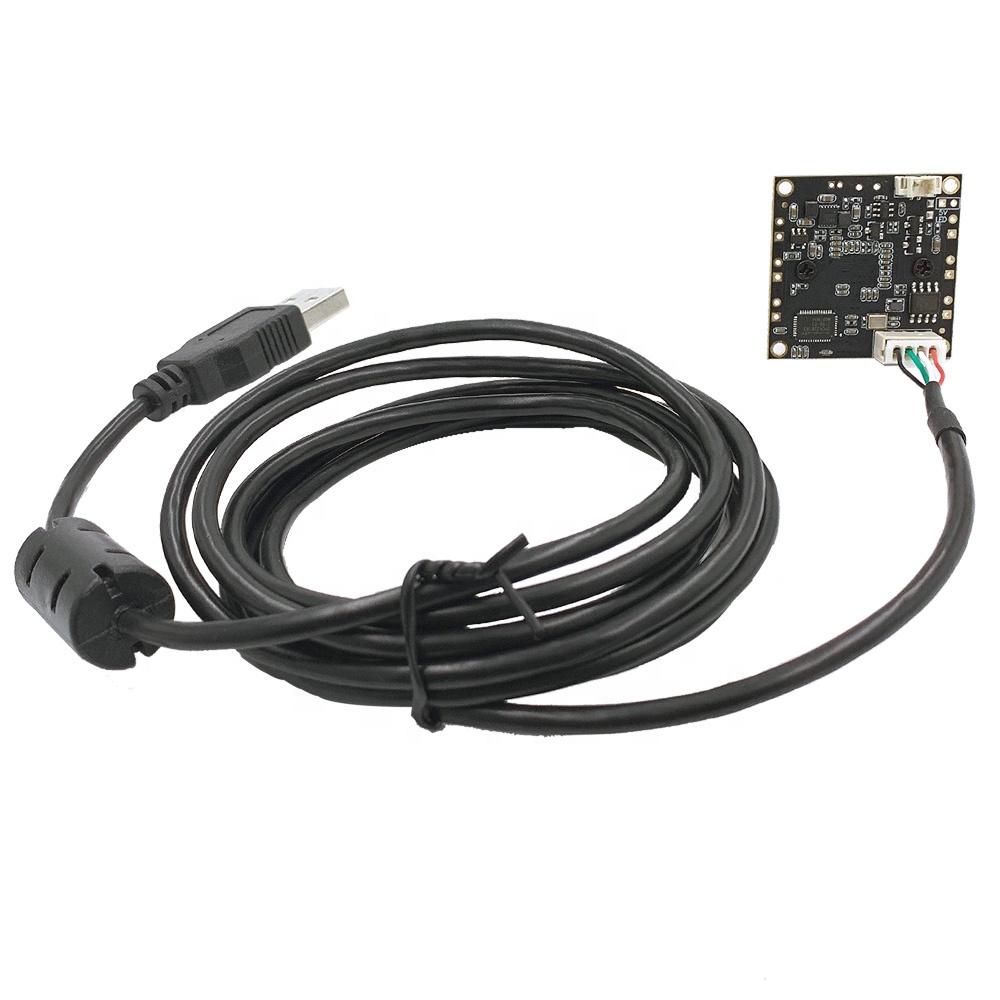
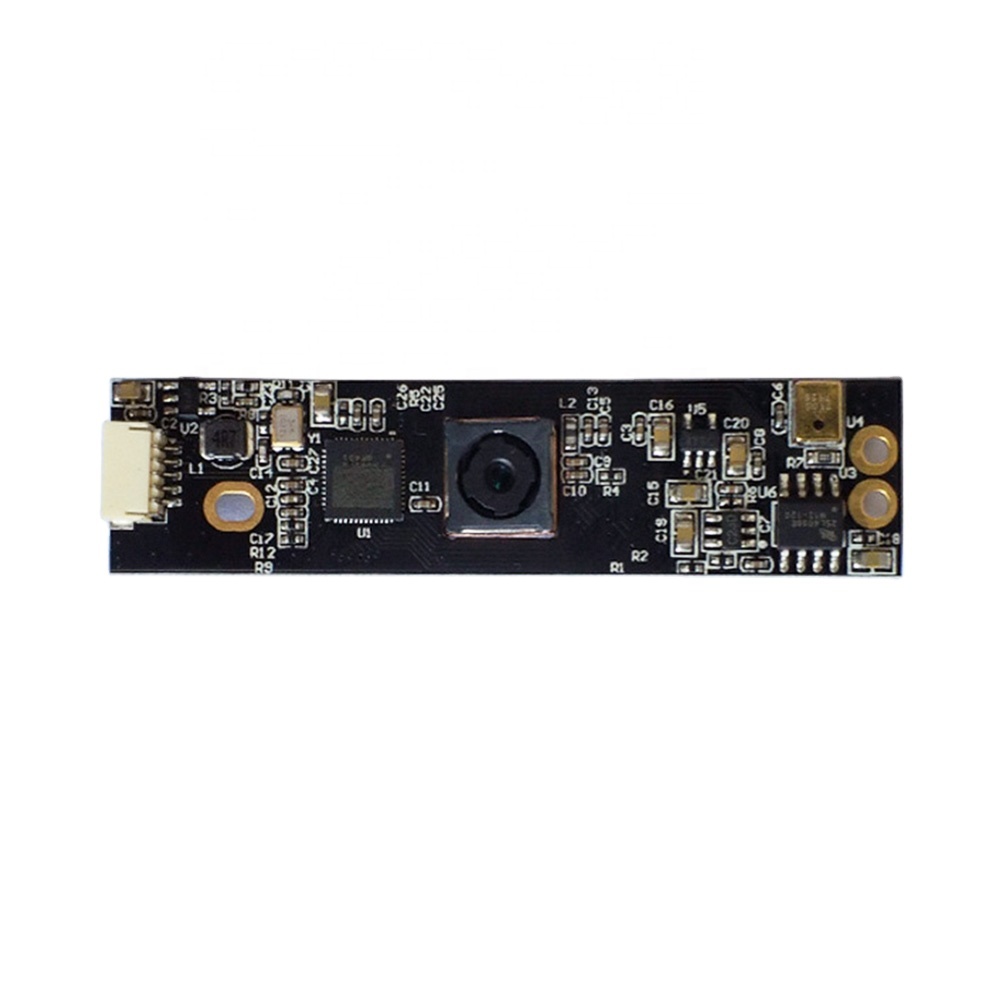
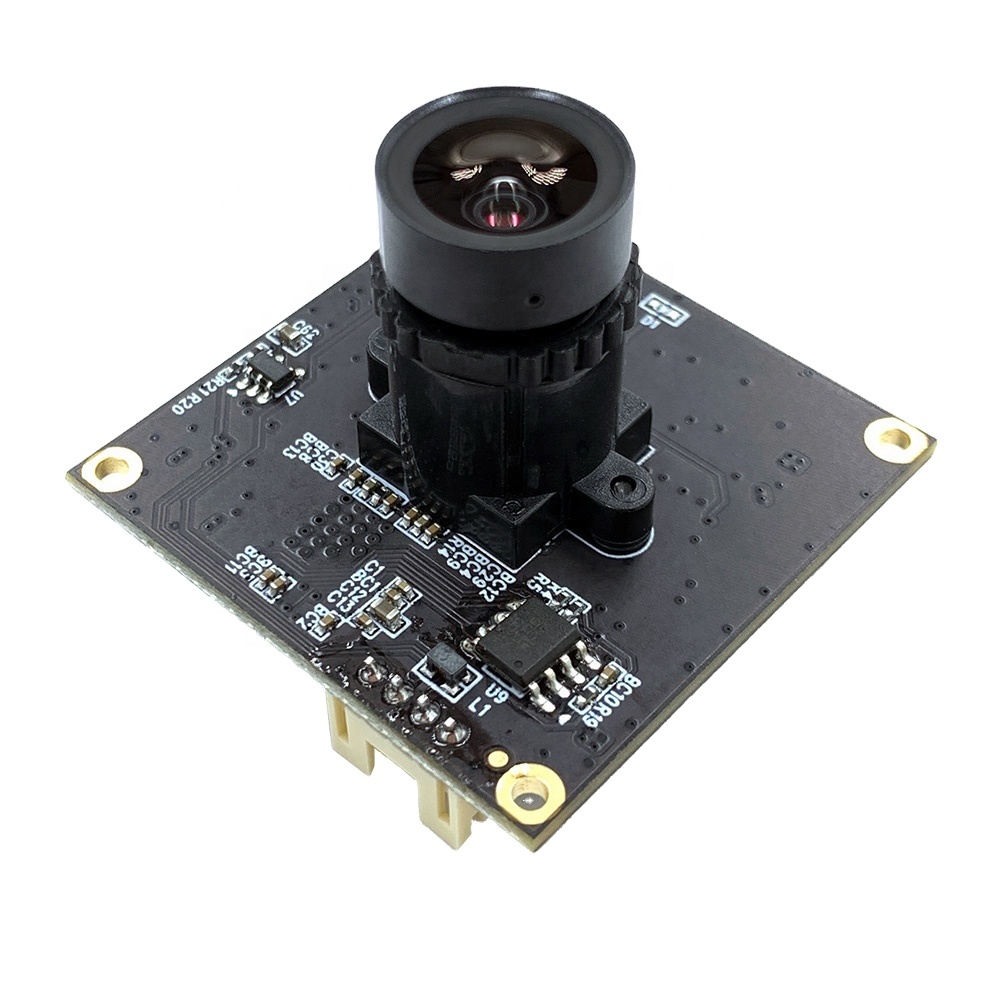
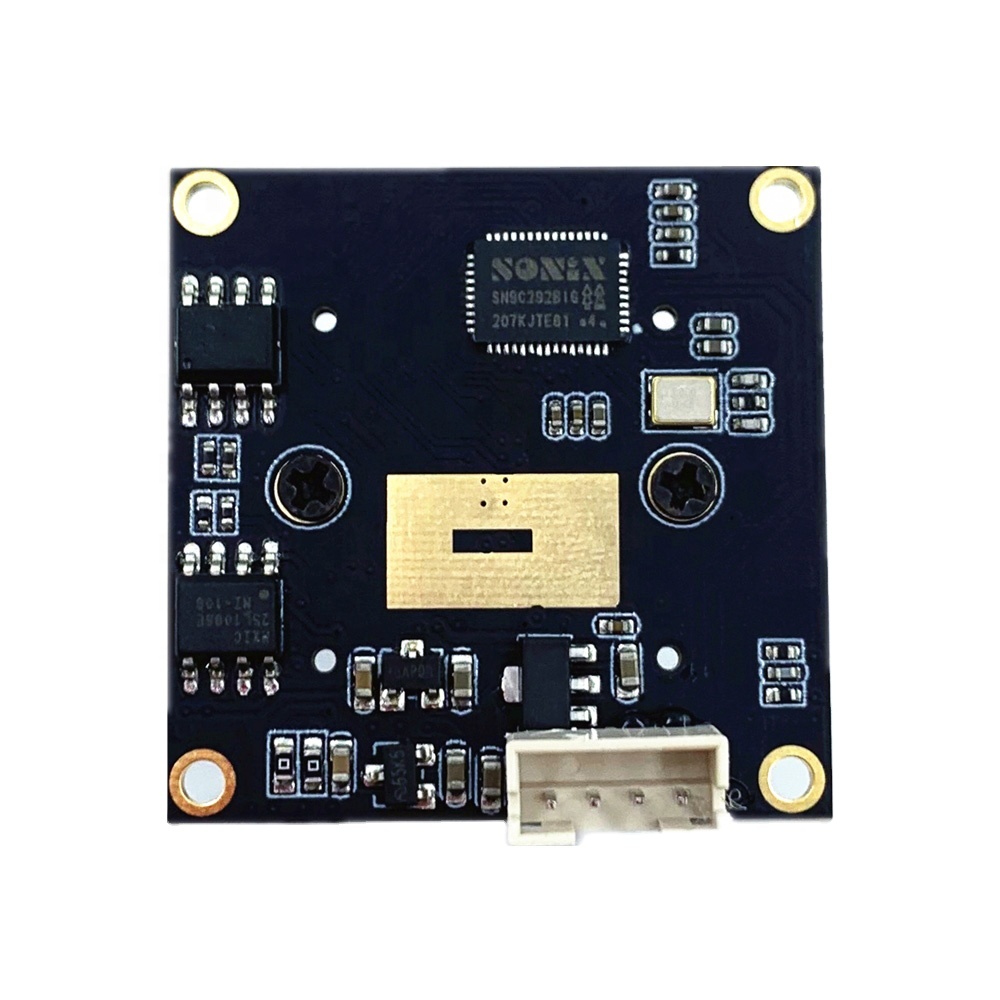
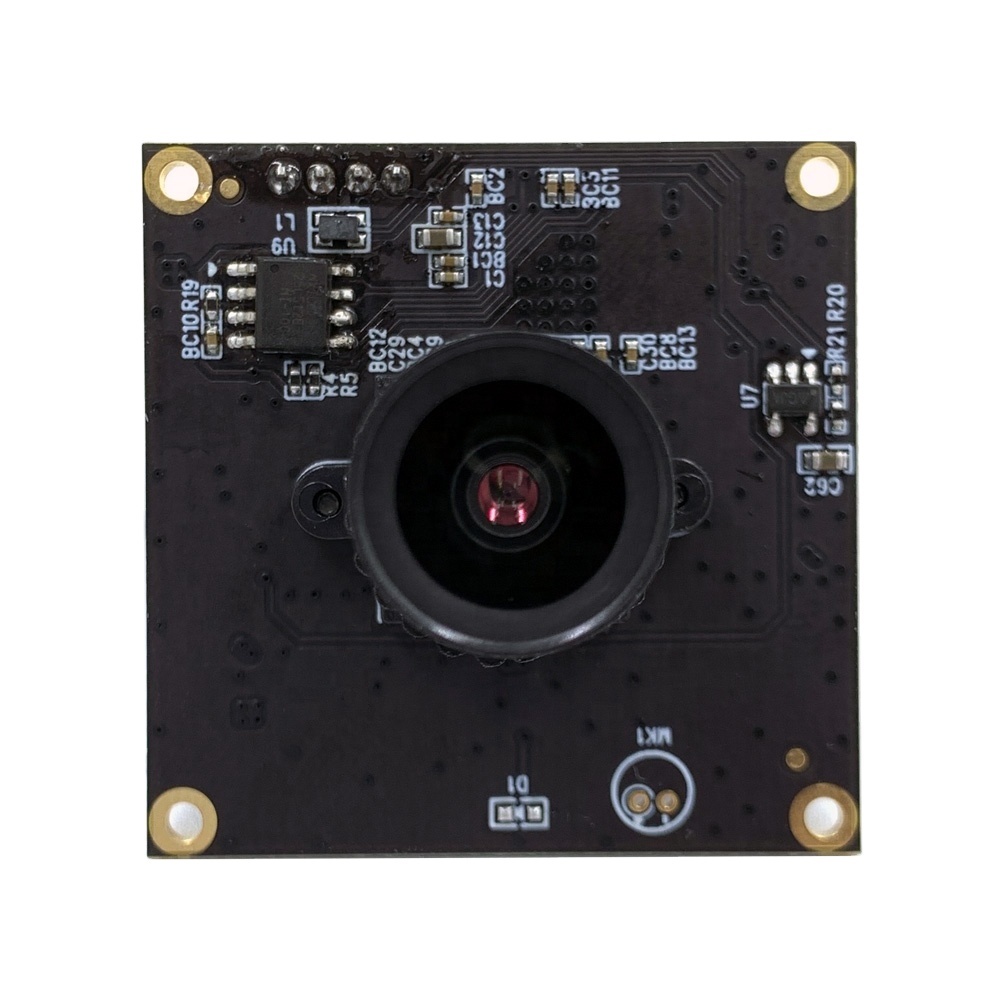
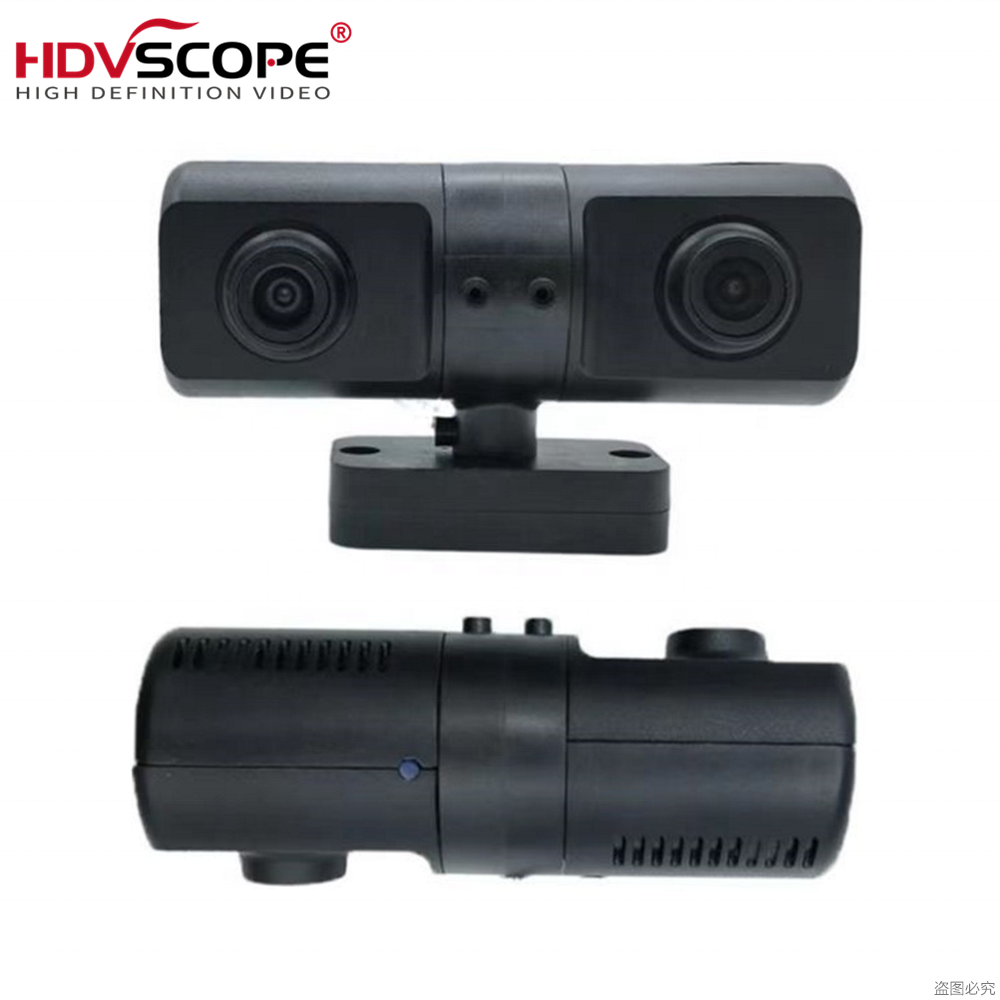
Explore our precision-engineered camera modules designed for ATM machines, self-service kiosks, intelligent vending, face-recognition access control, and high-speed industrial vision inspection.

B2B Sourcing Analysis: Mini AHD vs. UVC USB & IP Camera Modules
In the rapidly evolving landscape of computer vision and industrial automation, selecting the correct signal interface and optical architecture is pivotal for engineering directors, system integrators, and OEM equipment manufacturers. Mini AHD (Analog High Definition) camera modules, along with modern driver-free UVC (USB Video Class) and RTSP IP modules, represent the backbone of contemporary embedded video hardware across Asia, Europe, and the Americas.
AHD technology transmits uncompressed high-definition video over standard coaxial cabling or twisted-pair wires with near-zero transmission latency. Unlike digital packet-based streaming, which introduces frame buffer latency due to H.264/H.265 encoding overhead, AHD delivers raw image signals directly to image processors or frame grabbers. This makes mini AHD modules particularly dominant in real-time monitoring applications, vehicular surveillance, backward-compatible security retrofits, and closed-loop machinery automation where visual lag can compromise operational safety or transactional integrity.
| Architecture Interface | Transmission Latency | Max Cable Distance | Host Processor Overhead | Primary OEM Target Applications |
|---|---|---|---|---|
| Mini AHD (Analog HD) | < 5 ms (Near Zero) | 500 meters (RG59 Coaxial) | Zero Host CPU Decoding Required | ATM Kiosks, Fleet Telematics, Industrial Machine Vision |
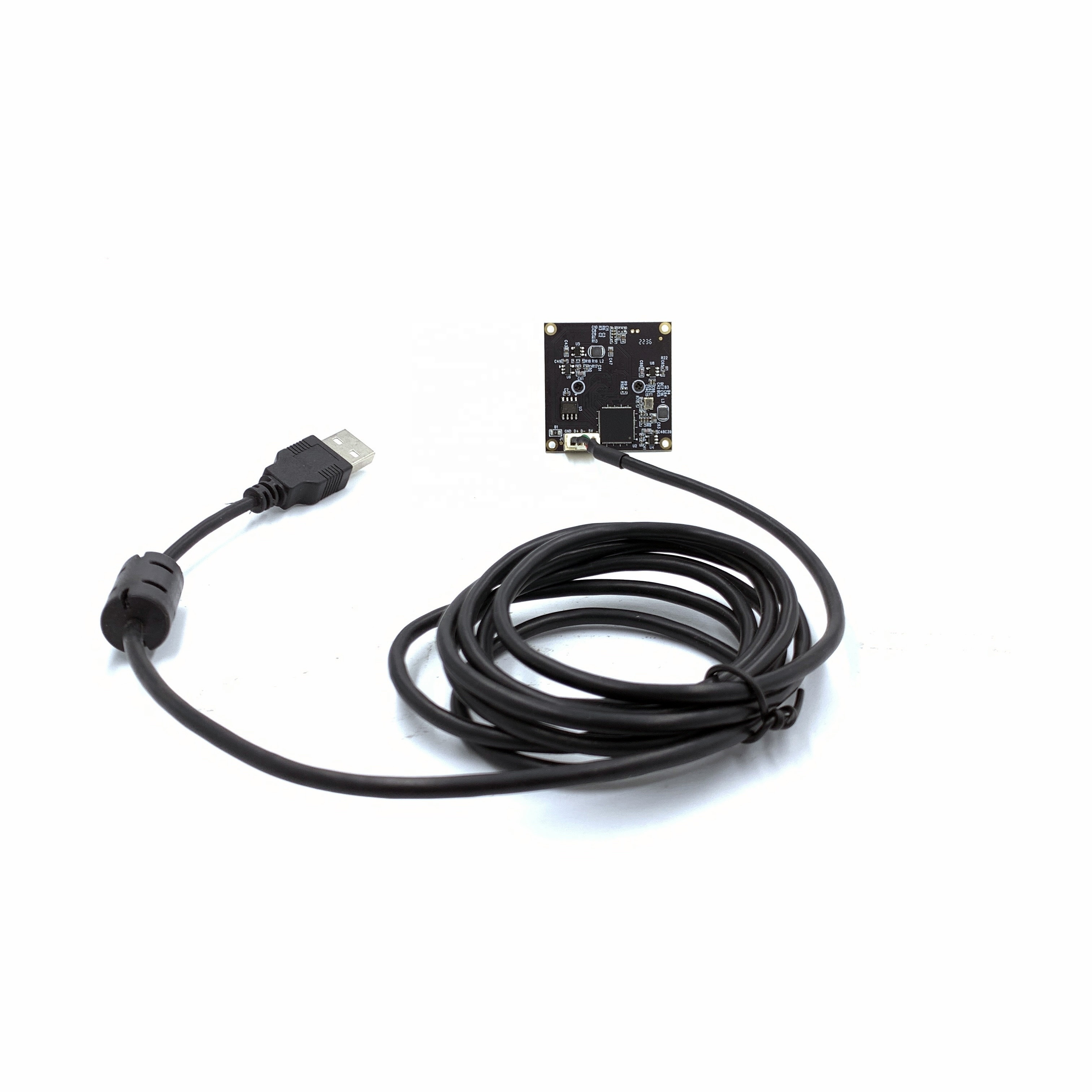
| UVC USB 2.0 / 3.0 | 30 - 80 ms | 3 - 5 meters (Standard Cable) | Low (UVC Standard Native Stack) | Self-Service Vending, Face ID, Document Readers |
| IP / RTSP / PoE | 120 - 300 ms | 100 meters (Cat5e/Cat6) | Medium (Requires H.264/H.265 Decoding) | Perimeter Security, Multi-Node Video Surveillance |
| HD-SDI / Ex-SDI | < 1 ms (Uncompressed) | 100 - 150 meters | Zero Host CPU Overhead | Medical Imaging, High-Precision Broadcast |
Future Procurement Trends in Mini AHD & Embedded Imaging (2025–2030)
As global buyers migrate toward smarter edge-computing architectures, procurement strategies for China-manufactured camera modules are shifting from basic component sourcing to integrated optoelectronic solutions. Overseas buyers must align their multi-year procurement roadmaps with several key technological inflection points:
1. Sony Starvis 2 Low-Lux Dominance
Sensor integration is moving aggressively toward back-illuminated pixel architectures like Sony Starvis 2 (e.g., IMX662, IMX678) and Onsemi WDR sensors (AR0230). Future procurement focuses on micro modules achieving full-color fidelity at 0.0001 Lux without requiring auxiliary infrared illumination that draws excessive thermal power inside sealed housings.
2. AI-Assisted ISP & Liveness Detection
Embedded camera modules are integrating hardware-level Image Signal Processors (ISP) optimized for biometrics. In financial ATM kiosks and unattended retail environments, dual-lens modules (RGB + NIR) with hardware liveness detection are replacing standard webcams to combat 3D mask spoofing.
3. Form Factor Miniaturization (< 15mm)
Component density on printed circuit boards (PCBs) has dramatically increased. Multi-layer PCB designs utilizing Protel and Allegro electronic design automation allow high-definition AHD and UVC circuitry to be compressed into square form factors as small as 15×15mm or 32×32mm, ideal for narrow-bezel displays and industrial endoscopes.
4. Hybrid Multi-Signal Output Options
Forward-thinking OEM suppliers in Shenzhen now provide hybrid boards capable of simultaneous analog HD output (AHD/TVI/CVI/CVBS 4-in-1) alongside digital USB (UVC) or Ethernet streaming. This hybrid topology reduces inventory SKU complexity for global exporters servicing diverse legacy and next-gen host machinery.
Why Global Buyers Partner with Shenzhen Brekta Electronics Co., Ltd.
Founded as a high-precision camera module factory in Shenzhen with expanded assembly facilities in Dongguan, Shenzhen Brekta Electronics Co., Ltd. has spent over 13 years delivering OEM/ODM electro-optical solutions to international buyers. Our core engineering strength lies in custom board design, optical tuning, and zero-defect SMT assembly.
Precision Engineering EDA
Our senior hardware team leverages Protel and Allegro to customize multi-layer PCB traces, ensuring rigorous electromagnetic compatibility (EMC/EMI) compliance for industrial equipment.
Stringent QC & Active Alignment
100% of finished camera modules undergo optical focus testing, color fidelity benchmarking, and thermal burn-in inspection before export, yielding a 98.1% buyer satisfaction rating.
Global Compliance & Warranty
All Brekta products are backed by CE, FCC, and RoHS certifications, accompanied by a comprehensive 24-month factory warranty and lifetime technical support.
Frequently Asked Questions (B2B Sourcing Guide)
Engineering & procurement answers based on Search Quality Rater guidelines and real-world buyer inquiries.
Ready to Engineer Your Custom Camera Module Solution?
Send your mechanical specifications, target housing dimensions, optical requirements, or interface preferences to our engineering sales team for immediate quote turnaround within 2 hours.
Get a Quote