Featured USB Microscope & Micro Inspection Camera Modules
Explore China's top-tier UVC USB camera modules engineered for machine vision, micro-optical inspection, automated teller terminals, industrial endoscopes, and ultra-high-speed recording.
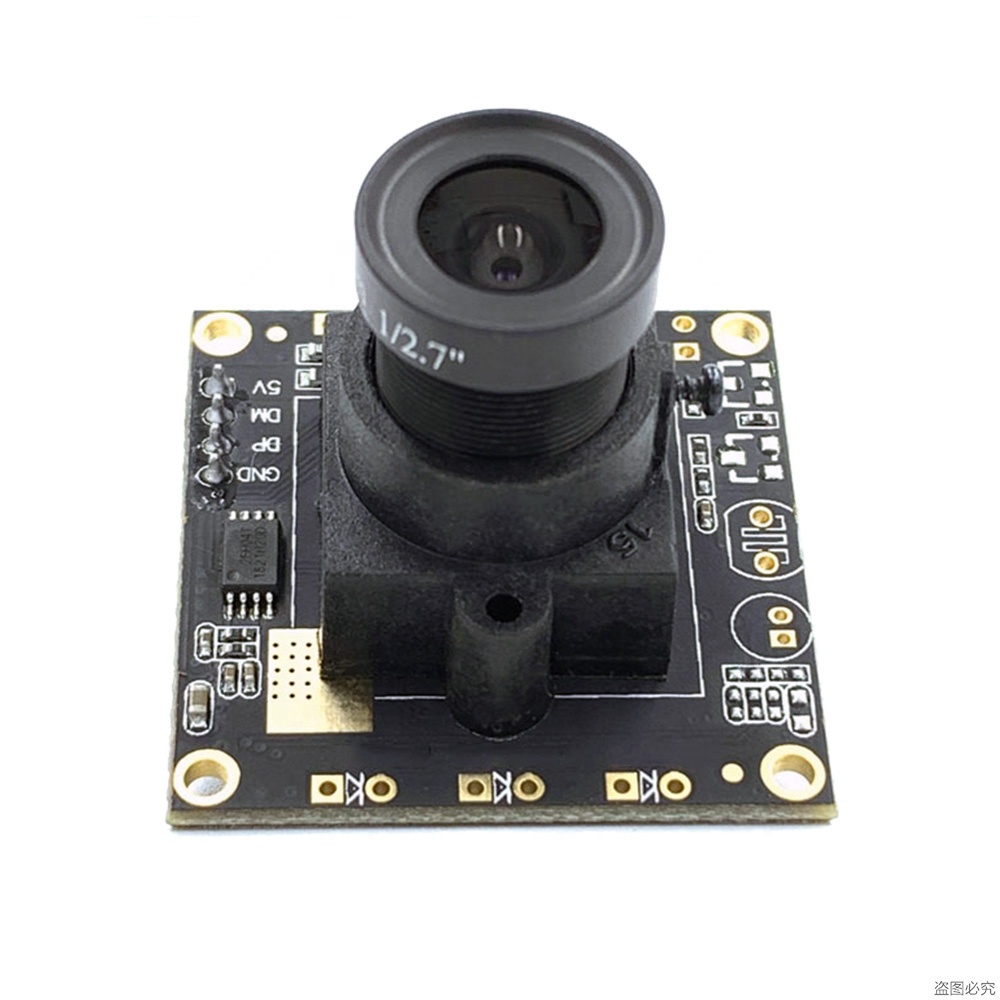
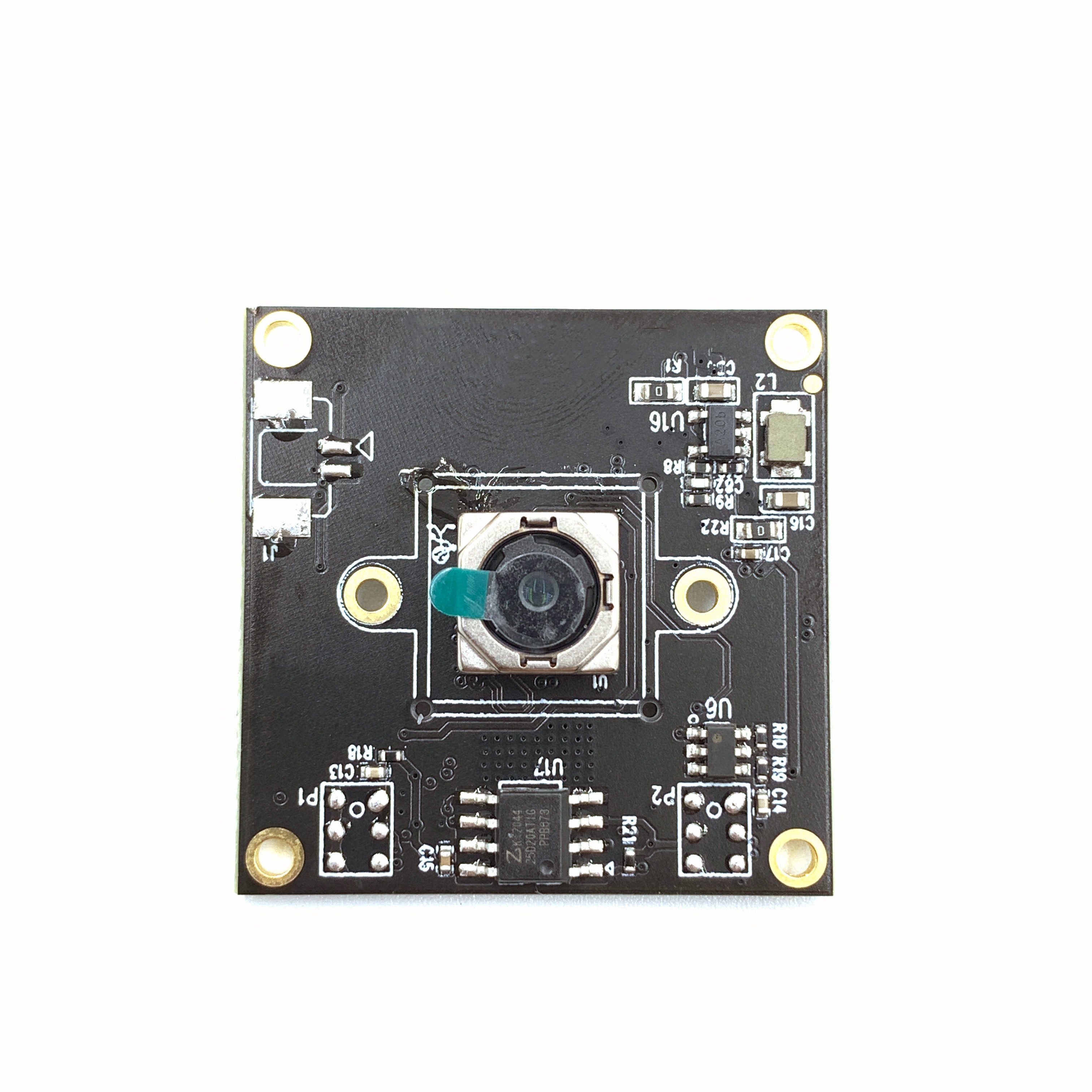
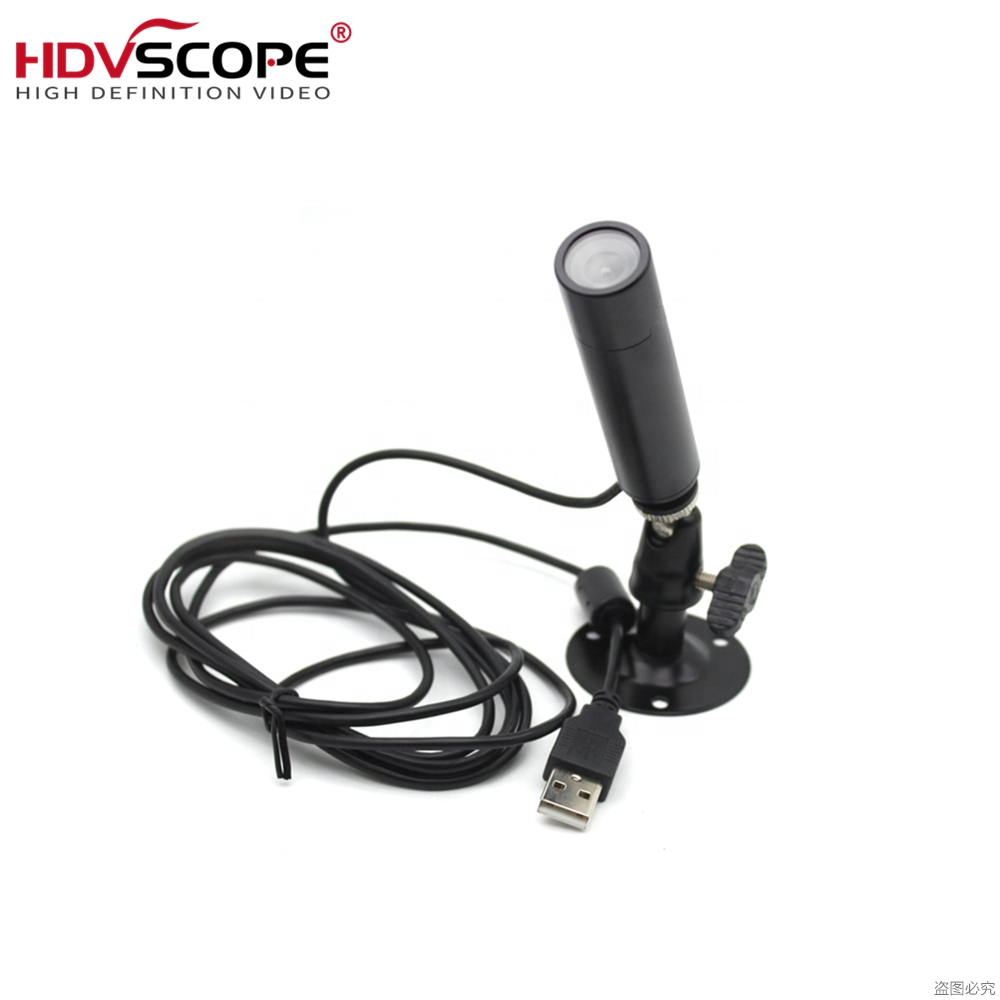

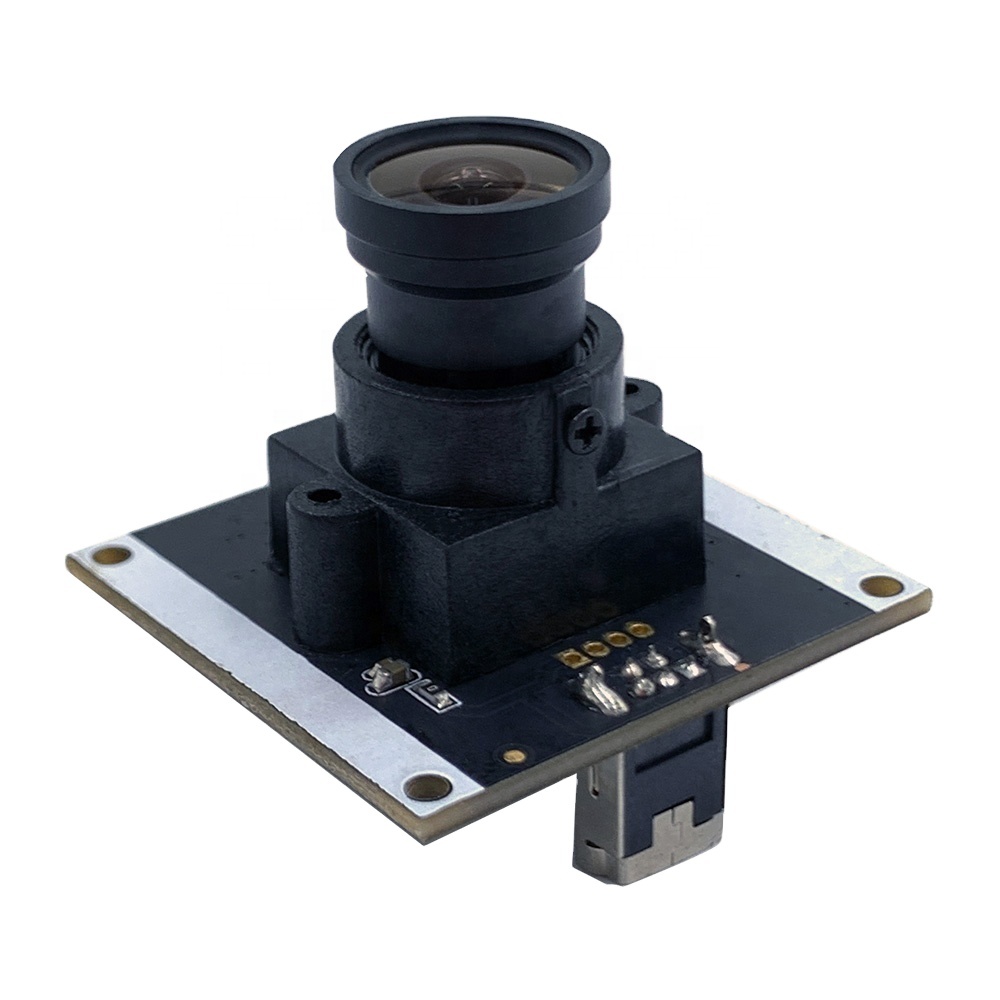
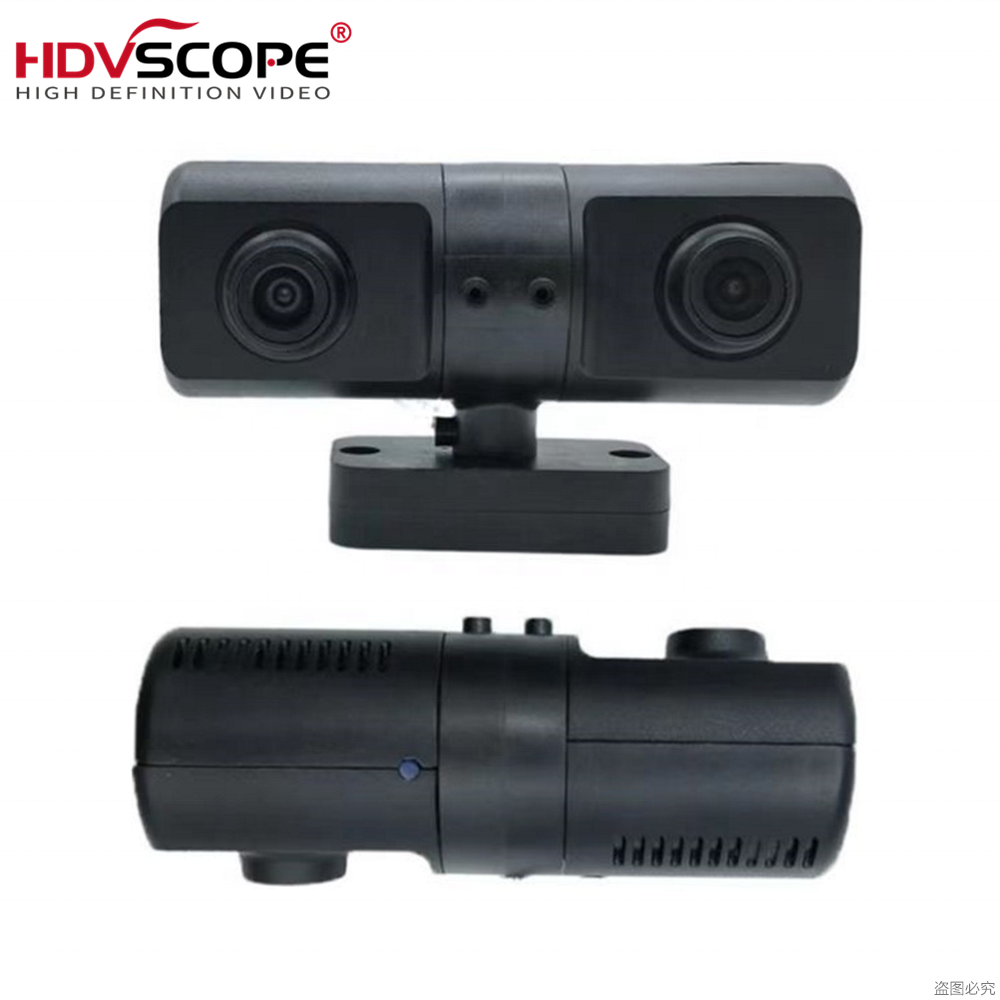
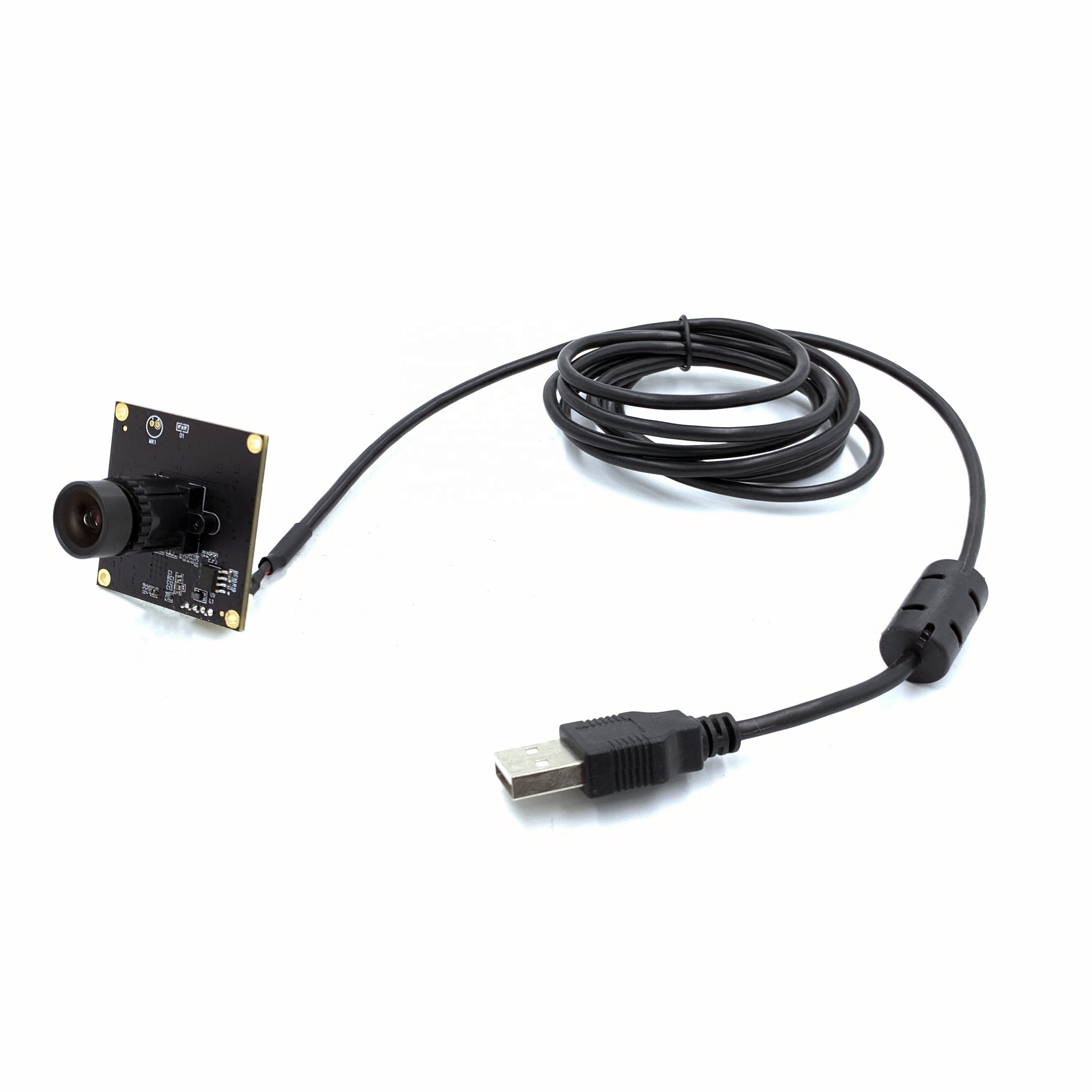
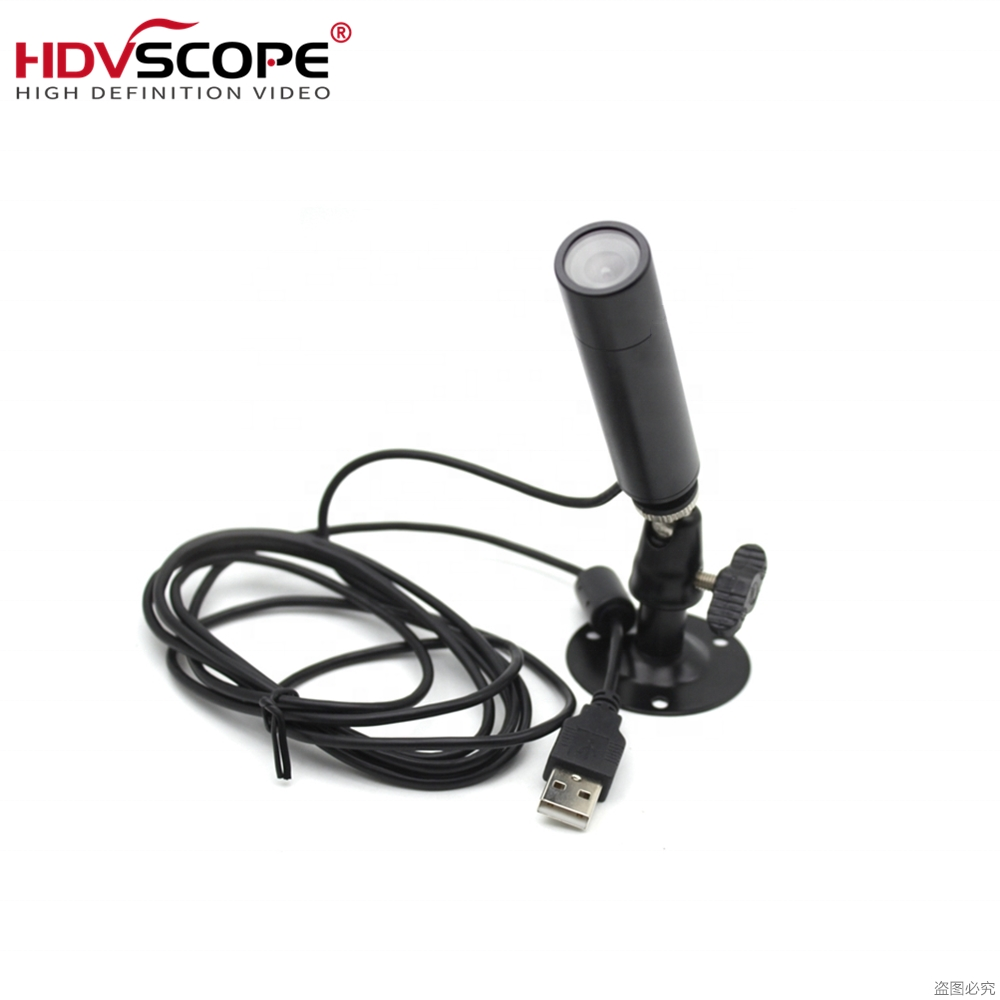
Executive Overview: The Landscape of China’s USB Microscope & Micro Inspection Camera Manufacturing
In modern industrial automation, biomedical analysis, electronic assembly, and self-service machine design, the demand for compact, high-performance optical imaging tools has expanded dramatically. As a global manufacturing hub centered in the Guangdong province (specifically the Shenzhen-Dongguan industrial cluster), Chinese original equipment manufacturers (OEMs) and original design manufacturers (ODMs) produce over 70% of the world's miniaturized vision systems and USB camera modules.
A USB microscope camera module acts as the optical engine within automated optical inspection (AOI) setups, biological microscopes, surface-mount technology (SMT) quality verification rigs, medical endoscopes, and unmanned retail terminals. Unlike consumer webcams, industrial USB micro-inspection modules require rigorous signal integrity, ultra-low thermal noise, exact focus retention, precise color reproduction, and seamless UVC (USB Video Class) protocol compliance across Windows, Linux, Android, and macOS kernel ecosystems.
When global hardware buyers evaluate Chinese wholesale suppliers for microscope and embedded camera modules, technical capability must be weighed alongside quality control systems, firmware ISP customization capabilities, and long-term supply stability. Leading original factories—such as Shenzhen Brekta Electronics Co., Ltd.—combine PCB engineering in Protel/Allegro, specialized optical aligners, cleanroom SMT production, and comprehensive CE/FCC/RoHS compliance to deliver micro-vision modules built for continuous 24/7 industrial service.
Key Technical Pillars of Industrial USB Microscope Cameras
Selecting the optimal micro camera architecture requires an understanding of the underlying sensor physics, optical lens mechanics, onboard ISP processing, and interface bandwidth.
CMOS Sensor Architectures
Utilizing premium Onsemi (e.g., AR0230 WDR), Sony STARVIS back-illuminated sensors (e.g., IMX291), and high-resolution OmniVision chips designed for low-lux clarity, true dynamic range up to 105dB, and ultra-low noise under high optical magnification.
Ultra High Frame Rates (Up to 330 FPS)
Eliminate motion blur in dynamic micro-inspection. Advanced ISP pipeline architectures achieve uncompressed output or low-latency MJPEG streaming up to 330 frames per second at 1080P resolution for fast industrial sorting and automated optical testing.
Compact PCB Footprints (15x15mm to 38x38mm)
Modular board layouts configured in micro 15*15mm, 32*32mm, or standard 38*38mm form factors. Designed to drop into space-constrained housings including ATM bezels, micro endoscopes, snake probes, and smart kiosk scanners.
Ruggedization & IP67 Encapsulation
Precision-machined metal housing cylinders, sealed optics, and potting treatments providing IP67 dust and waterproof ingress protection. Ensures continuous operation in high-humidity, oily, or dusty industrial environments.
Autofocus & Variable Optical Focal Range
Integrated Voice Coil Motor (VCM) autofocus modules combined with macro/micro lenses enable rapid focal adjustments from 0.1mm inspection distances up to infinity, ideal for document validation and micro-component analysis.
UVC Driver-Free Plug & Play Integration
Native USB Video Class (UVC) protocol compliance eliminates driver installation friction. Stream raw YUY2, high-compression MJPEG, or onboard encoded H.264 video data directly to host processors over USB 2.0/USB 3.0 interfaces.
Technical Development Trends in USB Microscope & Micro Inspection Imaging
The industrial microscope camera landscape is undergoing rapid innovation driven by advancements in semiconductor packaging, optical lens fabrication, and edge artificial intelligence. B2B procurement managers and system integrators must understand these core engineering shifts when specifying hardware for multi-year project lifecycles:
1. Migration to Back-Illuminated (BSI) & STARVIS Sensor Architectures
Traditional Front-Illuminated (FSI) sensors suffer from light attenuation caused by metal wiring layers above the photodiode array. The industry standard has shifted toward Back-Illuminated (BSI) pixel technology—exemplified by Sony STARVIS and STARVIS 2 series. By positioning the photodiode layer above the circuitry, quantum efficiency (QE) rises significantly, enabling crisp 1080P color imaging in near-pitch-black conditions down to 0.001 Lux to 0.0001 Lux. In micro-inspection, where high magnification narrows the effective numerical aperture (NA) and reduces incoming photon density, low-lux sensitivity eliminates the requirement for hot, power-hungry external light sources.
2. Ultra-High Frame Rate Acquisition for High-Throughput AOI
Conventional cameras capped at 30 FPS create severe bottlenecks on automated assembly lines and high-speed sorting machines. Advanced Chinese OEM module manufacturers now offer optimized ISP bridges capable of streaming 1080P video at up to 330 FPS over standard USB interfaces. Achieving these frame rates requires high-speed global or rolling shutter control, synchronized frame triggers, and low-latency onboard MJPEG buffer pipelines to prevent dropped frames during high-magnification inline quality checks.
3. Dynamic WDR / HDR Image Processing (Up to 105dB)
Industrial inspection environments often present harsh lighting contrasts—such as metallic reflections from PCB solder joints or direct sunlight bleeding into outdoor kiosk terminals. Integrating sensors like the Onsemi AR0230 with multi-exposure High Dynamic Range (HDR) hardware algorithms yields up to 105dB of dynamic range. This prevents over-exposure of specular highlights while simultaneously pulling clear structural details out of shadowed regions inside microscopic cavities.
4. VCM Autofocus vs. Fixed Macro Optics
Traditional microscopes rely on manual gear knurling for focal adjustments, which is impractical for automated robotic arms or sealed machine enclosures. Modern USB microscope camera modules incorporate miniature Voice Coil Motor (VCM) actuators driven by closed-loop autofocus algorithms. The camera dynamically calculates contrast metrics across defined Regions of Interest (ROI) and adjusts focal positioning within milliseconds, enabling seamless transition between wide-field location scans and close-up 100x micro-inspections.
Future Procurement Trends & Sourcing Forecast (2025–2030)
Sourcing strategies for electronic vision components are evolving beyond unit-price negotiation toward total lifecycle cost, supply chain resiliency, and hardware-software synergy. Overseas buyers sourcing from China should align their procurement roadmaps with the following strategic trends:
A. Integration of Edge AI & Onboard Neural Processing
The next generation of USB micro-inspection modules will transition from passive frame-grabbers to intelligent edge nodes. Integrated System-on-Chip (SoC) micro-ISPs carrying NPU (Neural Processing Unit) acceleration cores allow direct execution of light-weight TensorFlow Lite or ONNX models on the camera board. This enables real-time defect detection, optical character recognition (OCR), micro-crack identification, and barcode decoding right at the optics level, drastically reducing host PC CPU overhead and USB bus traffic.
B. Shift Toward USB Type-C & High-Bandwidth USB 3.2 / USB4 Standard
While USB 2.0 (480 Mbps) remains popular due to cable length flexibility and lower controller cost, modern high-resolution micro cameras (8MP, 16MP, 4K UHD) are rapidly adopting USB 3.0 / USB 3.2 Gen 1 (5 Gbps) and Type-C connectors. Higher bandwidth enables uncompressed 4:2:2 YUY2 or raw RGB video output at 60 FPS, eliminating compression artifacts that can interfere with sub-pixel algorithmic measurements in scientific microscopy.
C. Agile OEM/ODM Micro-Customization & Low MOQs
Global equipment manufacturers increasingly demand tailored form factors rather than off-the-shelf catalog products. Leading Chinese suppliers are restructuring production lines to support agile prototyping. Engineering teams can modify PCB layer stacks, adjust lens mount threading (M12, C/CS mount, pinhole), integrate custom LED ring circuits, and flash customized UVC descriptors (vendor ID, product name, serial number) with minimum order quantities starting as low as 1 to 10 pieces for prototype evaluation.
D. Compliance-Driven Vendor Selection (CE, FCC, RoHS, REACH)
Regulatory scrutiny across North America and Western Europe demands rigorous proof of material compliance and electromagnetic safety. Tier-1 buyers require factory partners to provide audited CE certification, FCC Class B testing reports for emission safety, and RoHS/REACH compliance documentation prohibiting hazardous substances in solder pastes and optical glass coatings.
Industrial USB Camera Module Specifications Comparison Matrix
Use this quantitative reference guide to evaluate camera module categories against your specific system parameters.
| Module Architecture | Optical Format & Sensor | Max Resolution | Frame Rate (FPS) | Illumination / WDR | Primary Industrial Application |
|---|---|---|---|---|---|
| WDR Industrial Module | 1/2.7" Onsemi AR0230 | 1920 × 1080 (2.0MP) | 30 FPS @ 1080P | Up to 105dB True WDR | ATM, VTM, Kiosk Document & Face Scan |
| Autofocus Micro Module | 1/3.2" Color CMOS | 3264 × 2448 (8.0MP) | 15 FPS @ 8MP / 30 FPS @ 1080P | 0.1 Lux Low-Lux | Micro-Component Inspection, Document OCR |
| IP67 Waterproof Bullet | 1/2.7" CMOS Encapsulated | 1920 × 1080 (2.0MP) | 30 FPS @ 1080P | 0.01 Lux / 2.8mm Lens | Pipe Inspection, Industrial Endoscopes |
| Starvis Low-Lux Module | 1/2.8" Sony STARVIS IMX | 1920 × 1080 (2.0MP) | 30 FPS @ 1080P | 0.001 Lux Ultra Low-Light | 24/7 Low-Light Vision, Night Surveillance |
| High-Speed Frame Module | 1/3" High-Speed CMOS | 1920 × 1080 (2.0MP) | 330 FPS @ 1080P / 720P | HDR Supported / Global Shutter | High-Speed Automated Optical Inspection (AOI) |
| Dual-Lens Stereo Module | 1/4" Dual CMOS Array | 1280 × 720 × 2 (1.0MP) | 30 FPS Dual Stream | Integrated 940nm / 850nm IR LEDs | 3D Depth Sensing, Liveness Detection |
Enterprise Capabilities & OEM/ODM Manufacturing Advantages
When sourcing industrial vision hardware from China, partnering directly with a qualified original factory guarantees consistent optical performance, zero unauthorized component substitution, and long-term design stability. Shenzhen Brekta Electronics Co., Ltd. stands at the forefront of compact USB, IP, and micro-camera module design, serving system integrators across North America, Europe, South America, and Asia.
Core Manufacturing Credentials:
- 13+ Years of Specialized Expertise: Dedicated engineering teams specializing in miniaturized camera module layouts, SMT assembly, and optical calibration.
- Protel & Allegro PCB Engineering: In-house multi-layer circuit design capability to adapt board sizes down to custom micro dimensions (15×15mm, 20mm round, 32×32mm, 38×38mm).
- 100% Optical & Focus QC Testing: Every single camera module undergoes MTF resolution verification, color fidelity balancing, burn-in testing, and pixel defect check prior to vacuum packaging.
- Comprehensive Global Compliance: Certified to international quality standards with complete CE, FCC, and RoHS documentation for seamless customs entry.
- Flexible Low MOQ & Rapid Sampling: Standard sample dispatches within 1 to 3 working days with low evaluation thresholds starting from just 1 piece.
- 24-Month Warranty Commitment: Comprehensive 2-year quality guarantee featuring direct replacement support and lifetime technical assistance from dedicated vision engineers.
Need Custom PCB Dimensions, Unique Lenses, or Specific Firmware Parameters?
Talk directly with our vision application engineers. We offer turnkey OEM/ODM modifications for focal length, field of view (FOV), IR-cut filter switching, cable length pinouts, and custom UVC device naming.
B2B Procurement & Technical FAQ
Clear answers to key technical, engineering, and supply chain questions encountered during industrial camera module selection.
Accelerate Your Vision Project with Direct Manufacturer Pricing
Request our latest 2025 Product Catalog, comprehensive datasheet specifications, STEP 3D CAD files, and wholesale factory pricing quotation today.