Featured High-Performance Camera Modules & OEM Board Solutions
Explore our precision-engineered camera modules designed for industrial inspection, ATM financial kiosks, biometrics, auto-checkout AI retail, and high-security video monitoring. Every module is built with optical-grade glass lenses, premium CMOS image sensors (including Sony STARVIS and OnSemi WDR), and multi-layer PCB design standards.
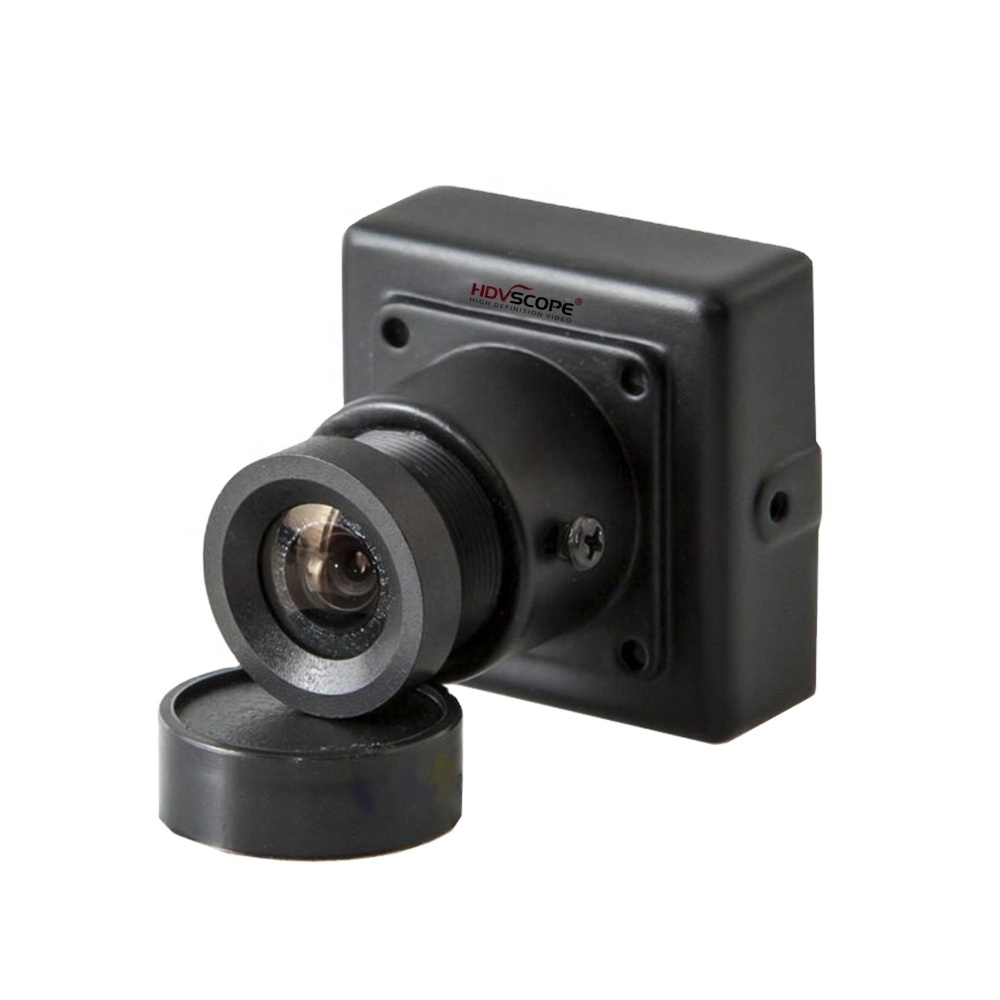
Rolling Shutter 2.0MP 0.1Lux 25*25mm Ultra-small Size Color USB Camera 3.6mm Board Lens Wide Angle 90 Degrees
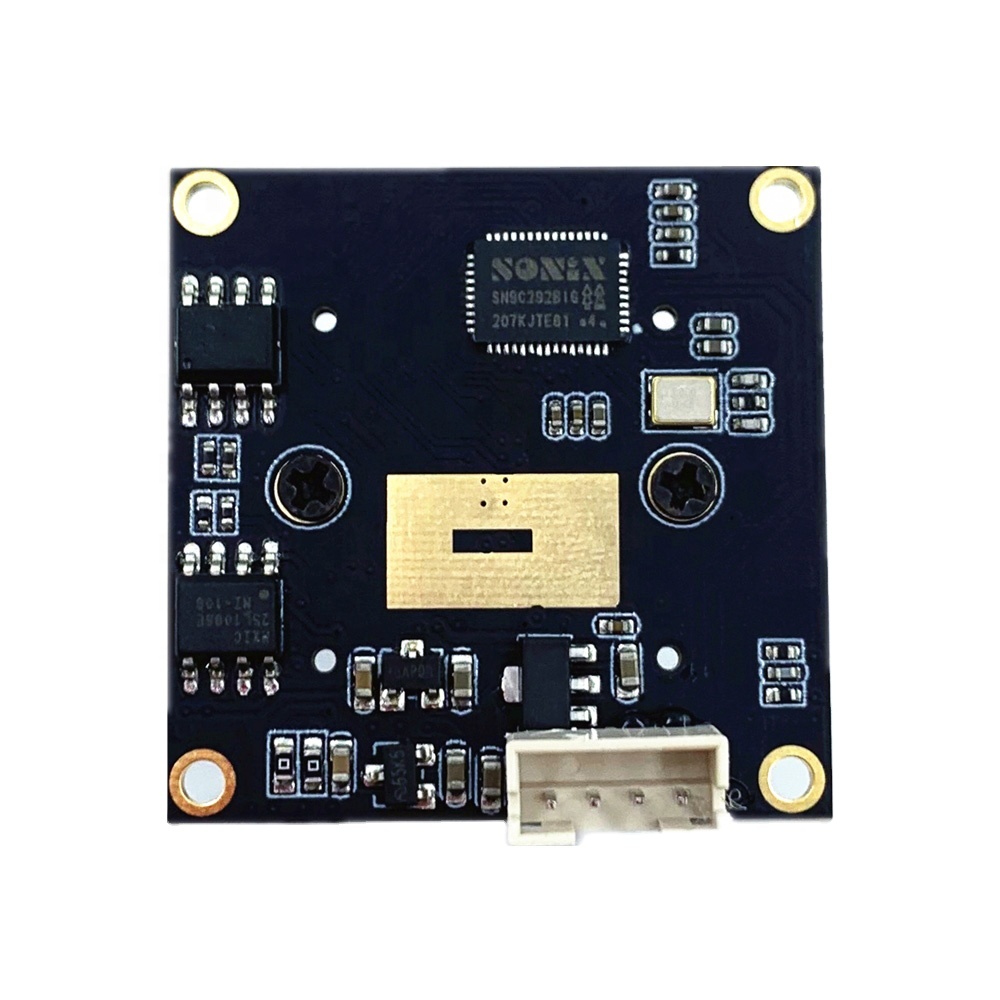
0.001Lux H.264 Rolling Shutter Starvis & WDR 2.0MP 1920*1080 32*32mm Color USB Camera Module Face Recognition
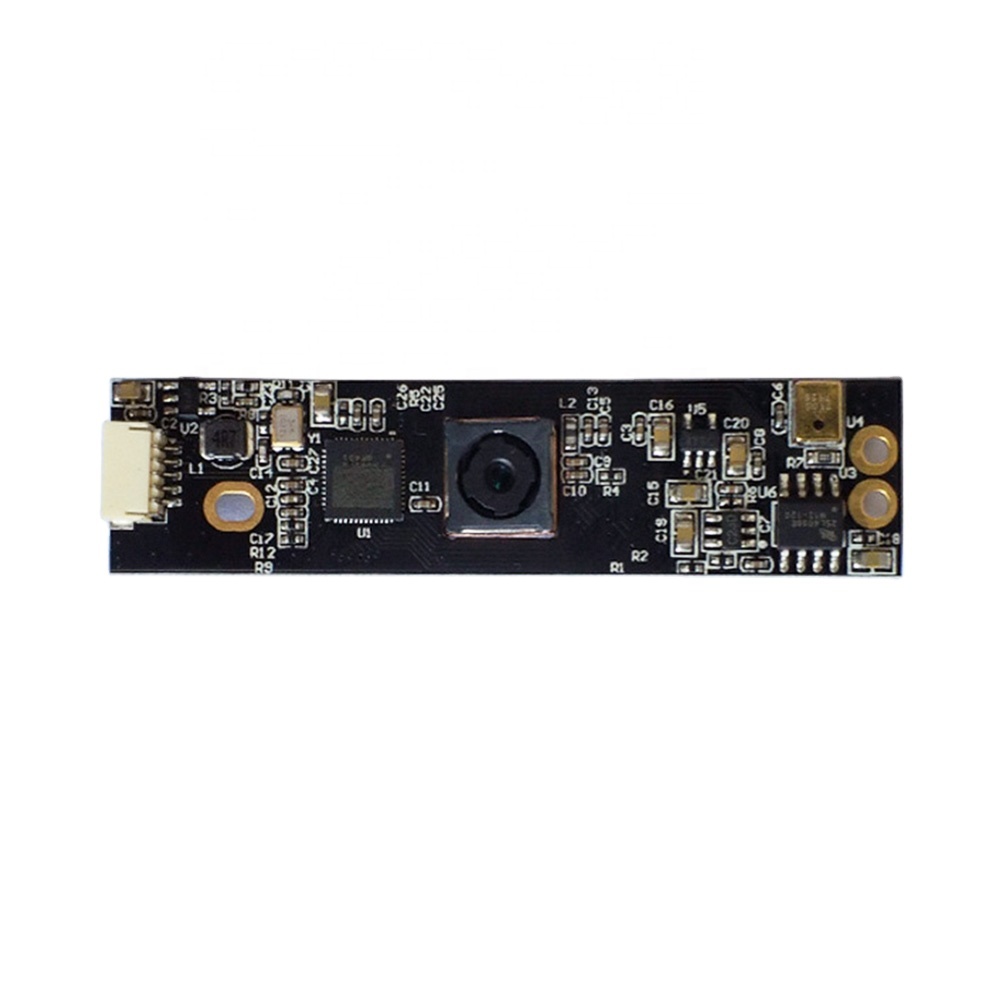
Low Lux 0.1 Customized 1/3.2" CMOS Autofocus 8.0MP 3264*2448 15fps 62*15mm Color USB Camera Module
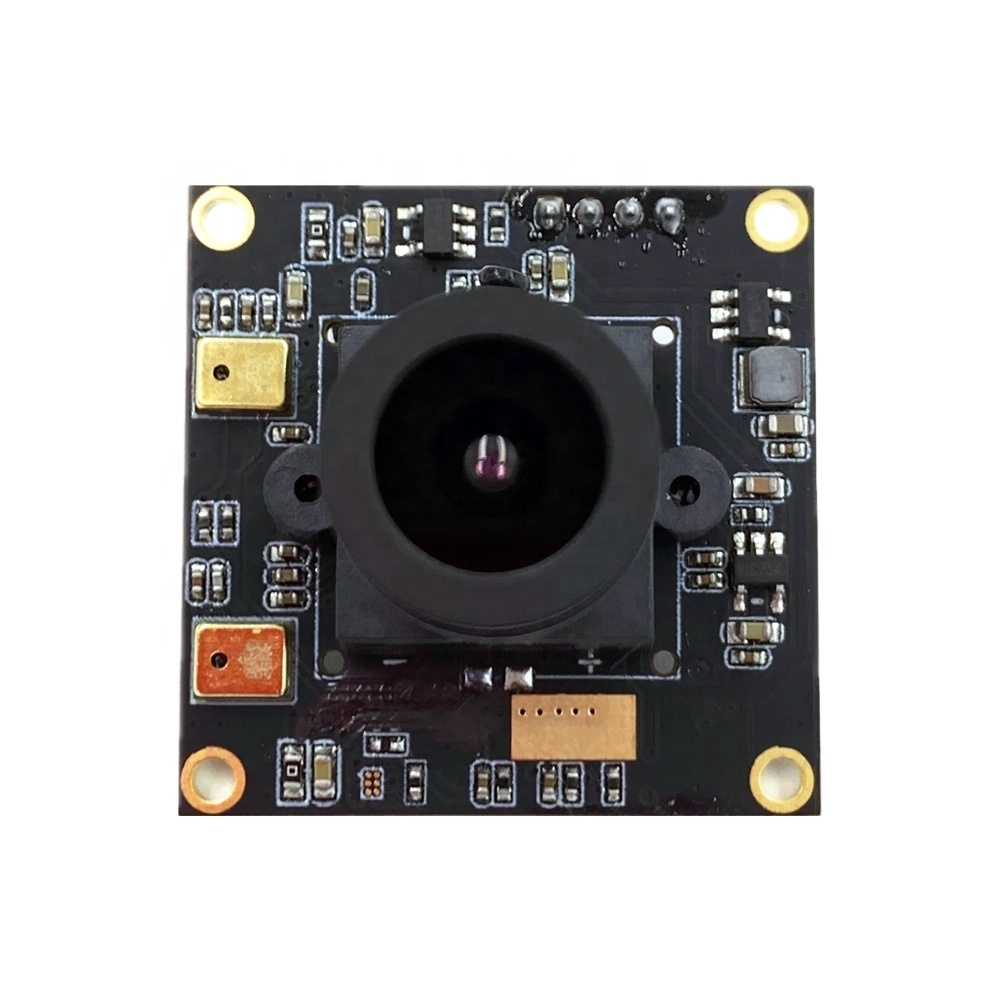
2.0MP 1920*1080 Rolling Shutter 0.001Lux H.264 Starvis & WDR 32*32mm Color USB Camera Module
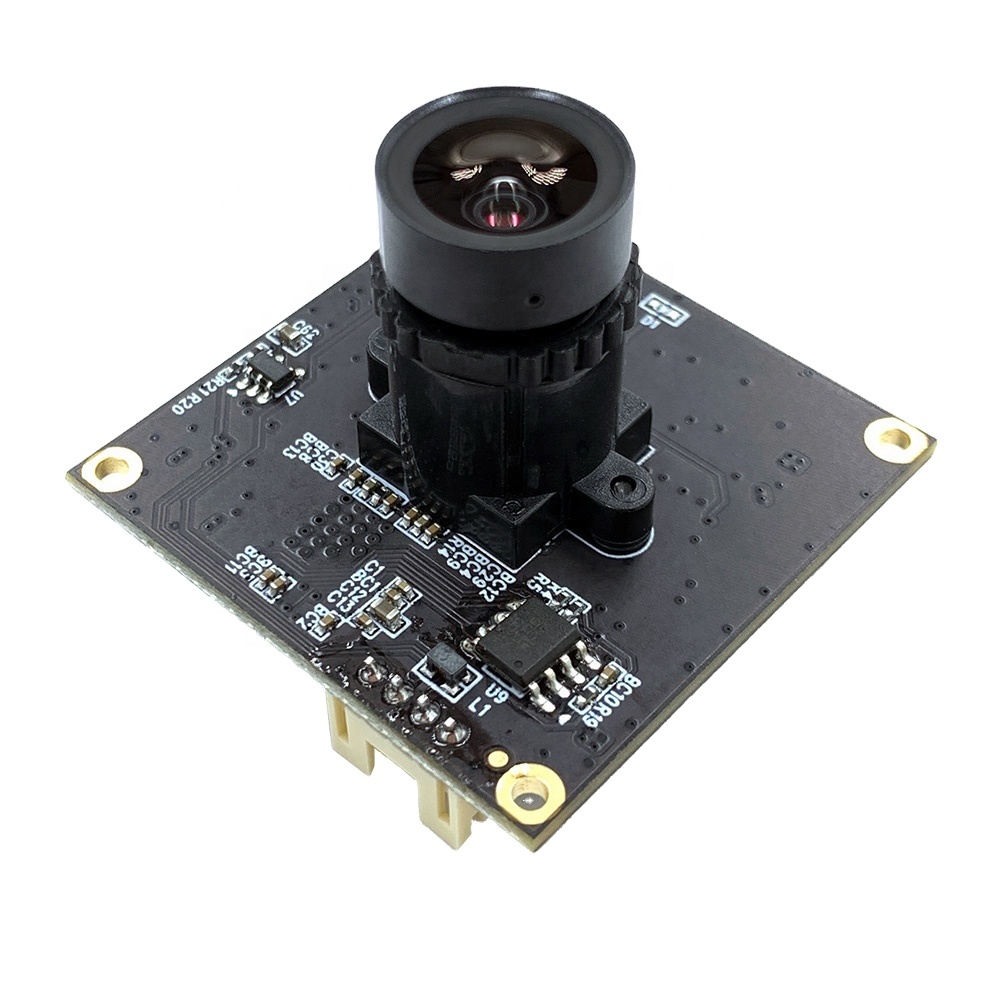
High Speed HDR 330fps 2.0MP 38*38mm USB Camera Module Wide Angle with 3.6mm Board Lens
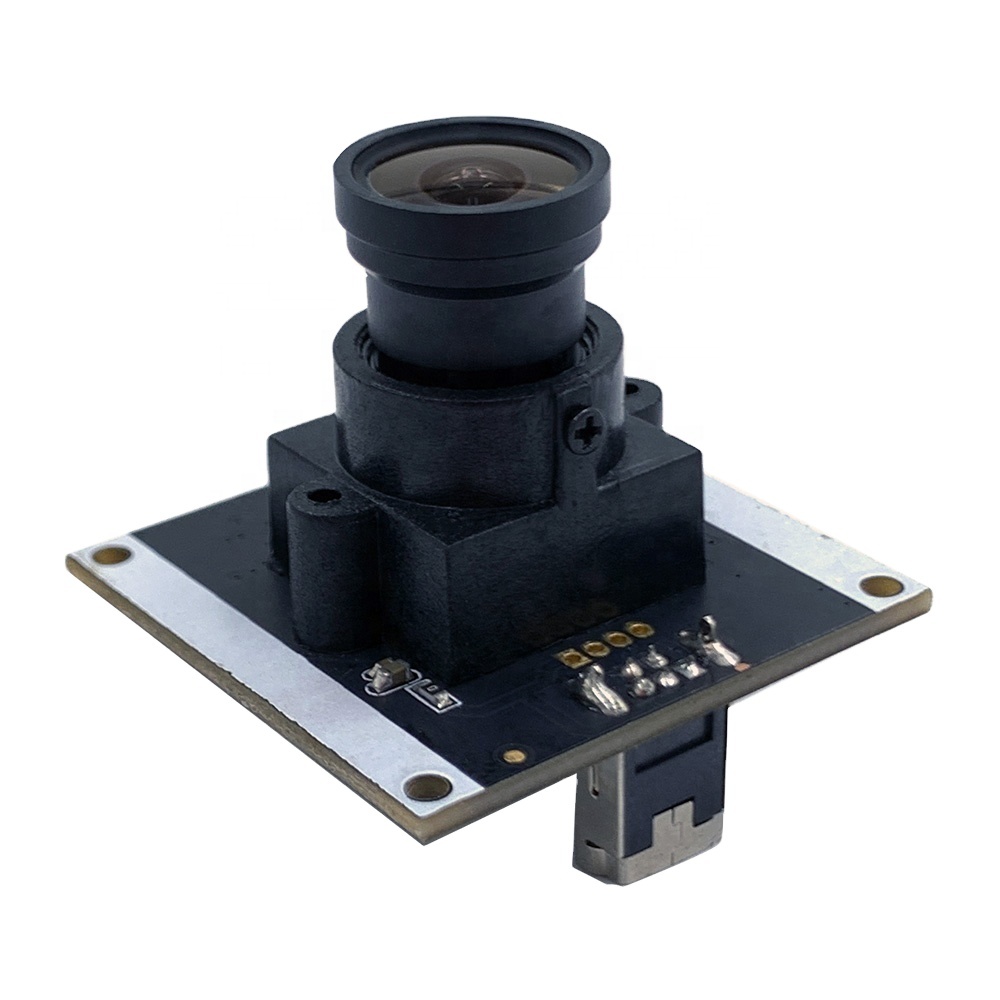
USB-Mini Connector 2.0MP Color USB Camera Module ATM KIOSK AR0230 Onsemi CMOS WDR

32*32mm Starvis & WDR 0.001Lux 2.0MP Color USB Camera Module 4mm Non-distortion Lens
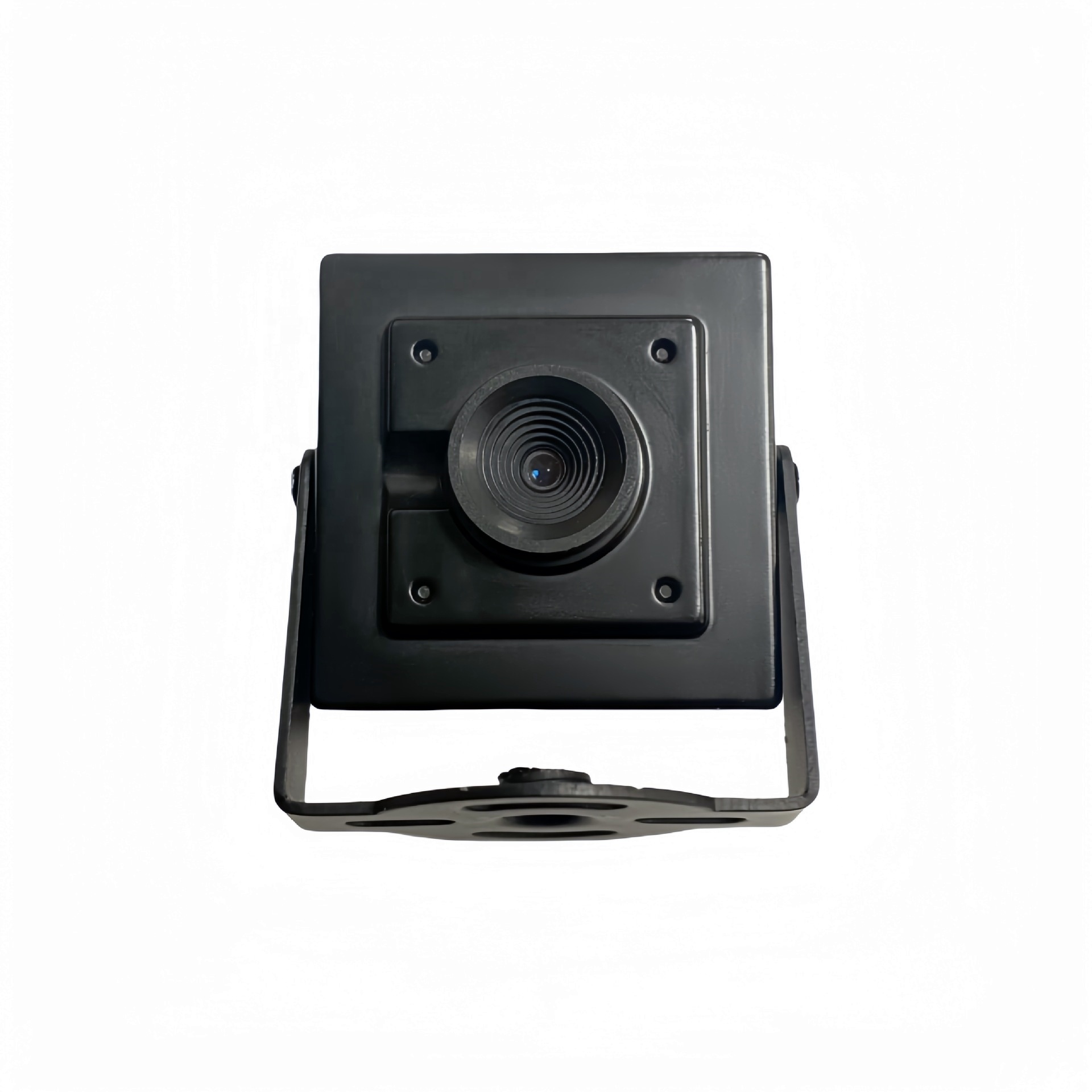
High Speed Auto Focus 4K UHD CMOS 12MP Color USB Camera Module for AI Self Check Out Retail
B2B Procurement & Engineering Guide: Navigating AHD & Embedded Camera Optics
In the rapidly evolving landscape of machine vision, embedded system integration, and commercial surveillance, selecting the right Analog High Definition (AHD) camera module and digital board camera platform is a critical architectural decision. Unlike consumer webcams, industrial OEM camera boards must operate continuously under harsh thermal conditions, maintain uncompromised signal integrity over extended cable runs, and interface seamlessly with host processing units (such as ARM SOCs, industrial PCs, or DVR system backplanes).
As a verified OEM factory with over 13 years of specialized manufacturing experience headquartered in Shenzhen and Dongguan, Shenzhen Brekta Electronics Co., Ltd. serves global procurement officers, embedded hardware engineers, and system integrators across North America, South America, Europe, the Middle East, and Asia-Pacific. This technical whitepaper explores the critical technology shifts, architectural choices, quality benchmarks, and strategic purchasing trends defining the AHD and micro camera board market in 2025 and beyond.
Understanding AHD (Analog High Definition) vs. Digital Interfaces (USB UVC, IP RTSP, HD-SDI)
When evaluating vision hardware for kiosks, ATMs, security, or inspection devices, engineering teams frequently balance three competing factors: latency, transmission distance, and system cost. AHD technology has fundamentally redefined analog video transmission by allowing uncompressed 1080P, 4MP, 5MP, and even 4K resolution streams to be transmitted over standard 75-ohm coaxial cables or twisted-pair wires (UTP) up to 500 meters without frame drops or signal delay.
| Interface Protocol | Latency Spectrum | Max Cable Run | Host Hardware Requirements | Primary Industrial Best-Use |
|---|---|---|---|---|
| AHD / HD-TVI / CVI | < 1ms (Zero Latency) | 300m - 500m (Coax / UTP) | DVR Board / Analog Video Capture Card | Retrofit systems, long-distance monitoring, vehicle fleet DVRs |
| USB Video Class (UVC) | 30ms - 100ms (Driver-free) | 3m - 5m (Direct USB2.0/3.0) | Standard PC, Android Box, Linux Host | ATMs, Self-service Kiosks, Face Recognition, Smart Retail |
| IP Network (RTSP/ONVIF) | 150ms - 300ms (Packetized) | 100m (PoE Cat5e/6) | Ethernet Switch, NVR, Cloud Platform | Perimeter security, remote IP camera networks, IoT devices |
| HD-SDI / Ex-SDI | Zero Latency (Broadcast) | 100m - 150m (HD Coax) | Broadcast Monitor / SDI Frame Grabber | Medical endoscopes, live sports broadcasting, surgical vision |
Future Technological Trends in AHD & Embedded Camera Module Sourcing
As hardware applications become smarter and embedded edge devices process real-time analytics, camera board manufacturers must adapt to new optical and ISP (Image Signal Processor) requirements. Key technological vector trends include:
1. Sony STARVIS 2 & Starlight Low-Lux Dominance
Modern security and machine vision demands color clarity under extreme low-light environments (down to 0.0001 Lux). Integrating sensors such as the Sony STARVIS IMX291, IMX307, and IMX335 allows AHD modules to capture clear facial features and license plates without requiring intrusive external white illumination.
2. Hardware-Level True WDR & HDR (>120dB)
ATMs, video intercoms, and self-checkout counters are frequently installed near bright glass facades or direct sunlight. Hybrid multi-exposure HDR and True Hardware WDR (such as OnSemi AR0230) prevent target dark-face silhouetting and light blowouts, guaranteeing reliable 24/7 image capture.
3. Extreme Form Factor Miniaturization (15×15mm)
Sensing equipment must seamlessly fit into compact mechanical housings. Custom SMT layouts, rigid-flex PCB configurations, pinhole optics, and ultra-thin board geometries enable module integration into tight enclosures like smart doorbells, endoscope probes, and hidden cash-slot security points.
Strategic Sourcing Insights for Global B2B Buyers & Wholesalers
When sourcing camera modules at scale, wholesale importers and OEM buyers often face challenges related to sample-to-mass-production consistency, thermal dissipation, lens decentering, and firmware stability. Here is how leading engineering teams mitigate procurement risk:
- Verify Sensor Authenticity & ISP Tuning: Ensure your factory supplier uses Tier-1 original sensor wafers (Sony, Omnivision, OnSemi) rather than downgraded or refurbished silicon. Verify that the ISP firmware includes customized AEC (Auto Exposure Control) and AWB (Auto White Balance) parameters tuned for your specific lighting environment.
- Demand Robust Thermal Design: High-frame-rate ISP chips generate localized heat. PCB layouts engineered in multi-layer copper (designed using professional EDA platforms like Allegro or Protel) dissipate thermal load efficiently, preventing image noise degradation and component failure over 24/7 continuous operation cycles.
- Optical Alignment & Lens Selection: From wide-angle 1.7mm fisheye lenses with zero distortion to 4K multi-element glass motorized zoom assemblies, mechanical lens alignment must be executed under automated MTF (Modulation Transfer Function) testing rigs to eliminate edge blur and focus shift.
- Strict International Compliance: Commercial deployment requires full compliance documentation including CE mark, FCC Part 15 subpart B, and RoHS environmental standard certificates to ensure smooth customs verification and global market entry.
Why Partner with Shenzhen Brekta Electronics Co., Ltd.?
As a verified manufacturer specializing in miniaturized and industrial-grade vision solutions, Brekta provides end-to-end OEM/ODM engineering customization backed by robust manufacturing infrastructure:
Custom OEM/ODM Engineering & SMT Capability
Our engineering team designs custom PCB dimensions (15×15mm, 25×25mm, 32×32mm, 38×38mm, or tailored irregular geometries), custom flex ribbon cables, pinout definitions, lens focal lengths, IR-Cut filters (650nm / 850nm / 940nm), dual-lens binocular setups, and private-label firmware branding.
100% Quality Control & 24-Month Warranty
Every component undergoes stringent raw material inspection, automated SMT soldering, optical alignment, and 100% finished-unit image testing before packing. We stand behind our industrial camera modules with a comprehensive 24-month replacement warranty and lifetime technical support.
Frequently Asked Questions (FAQ) for B2B Purchasing Directors & Engineers
What is the Minimum Order Quantity (MOQ) for standard and custom camera modules?
For standard in-stock USB, IP, AHD, and micro camera board models, our minimum evaluation order quantity is 1 piece. This allows engineering teams to validate image quality, driver compatibility, and mechanical dimensions before placing bulk production orders. For customized OEM/ODM projects (custom PCB shape, unique cable interface, specific ISP tuning, or custom housing), MOQs typically range between 50 to 500 pieces depending on engineering requirements.
Are Brekta USB camera modules UVC compliant and driver-free across operating systems?
Yes. All of our USB board cameras adhere strictly to the USB Video Class (UVC) standard. They are 100% driver-free plug-and-play compatible across Windows (10/11/Server), Linux (Ubuntu, Debian, CentOS), Android (4.0+), macOS, and embedded platforms like Raspberry Pi or Jetson Nano. Video stream formats support MJPEG, YUY2, and H.264 / H.265 compression depending on the selected model.
Can you customize lens specifications, focal length, distortion, and IR filters?
Absolutely. We offer a full spectrum of optical customizations including M12 (S-mount), CS-mount, C-mount, and ultra-compact pinhole lenses. You can select standard FOV angles (60°, 90°, 120°) or ultra-wide fisheye optics (170°, 180°, 190°) with low-distortion optical glass configurations. Additionally, we provide dual-band IR-cut filter options (650nm standard, 850nm/940nm pass-through for night vision illumination).
What is the lead time for evaluation samples and mass production orders?
Standard sample orders for existing product lines are dispatched within 1 to 3 working days. Custom engineering prototype samples (requiring custom PCB layout or specialized cable fabrication) are typically produced within 7 to 15 working days. Mass production lead time generally ranges from 2 to 3 weeks following sample sign-off and approval.
What quality assurance and international safety certifications do your cameras hold?
Our production facilities operate under strict ISO-compliant quality control procedures. All security and industrial camera modules are certified for CE, FCC, and RoHS compliance. Every single camera unit undergoes 100% automated optical resolution test, color accuracy calibration, burn-in aging, and final packaging inspection prior to shipment.
Ready to Elevate Your Vision System Hardware?
Connect with our senior camera optics engineers today. Receive fast technical feasibility feedback, detailed datasheets, custom engineering quotes, and fast-track sample dispatches.
Contact Us