Precision Auto Focus & High-Performance USB Modules
Engineered for ATM kiosks, embedded machine vision, medical diagnostic devices, and low-light surveillance networks.
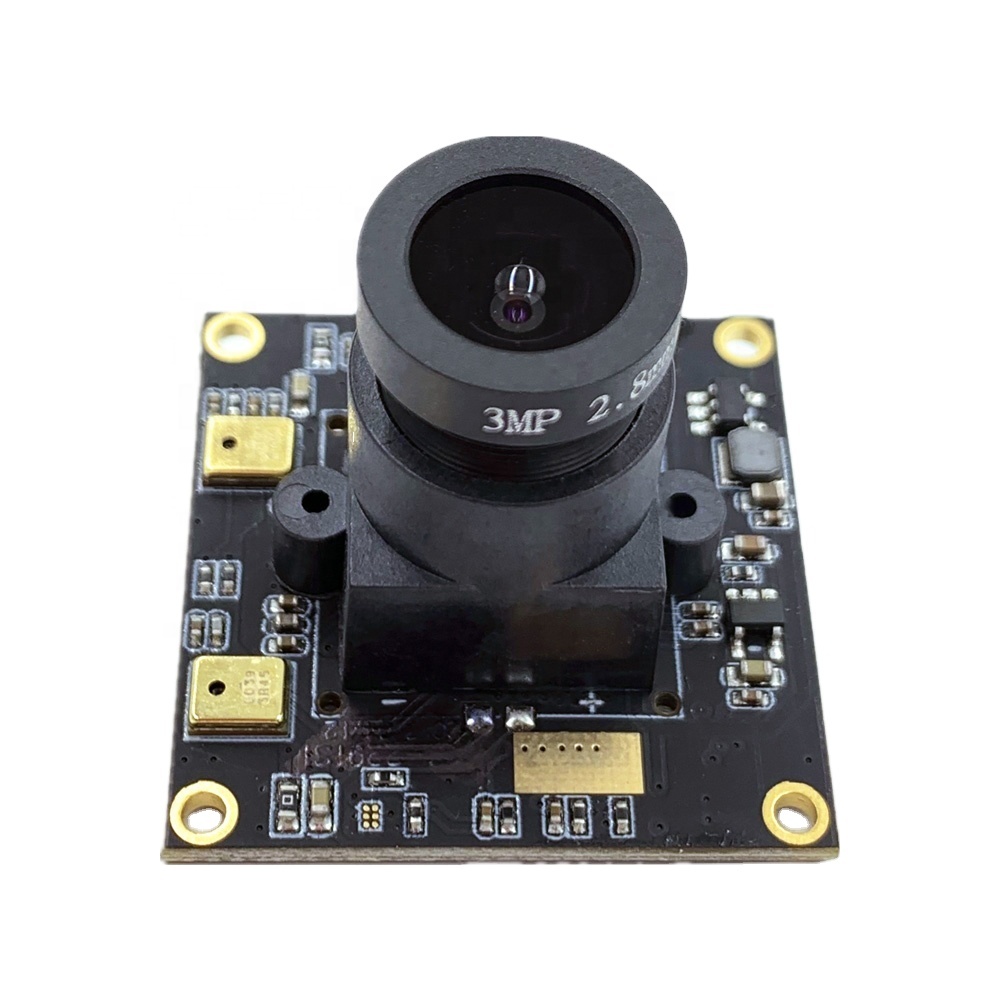
60 Degree 0.001Lux H.264 Rolling Shutter Starvis & WDR 2.0MP 1920*1080 32*32mm Color USB Camera Module

1920*1080 32*32mm 0.001Lux H.264 Rolling Shutter Starvis WDR 2.0MP Color USB Camera Module 160 Wide Angle
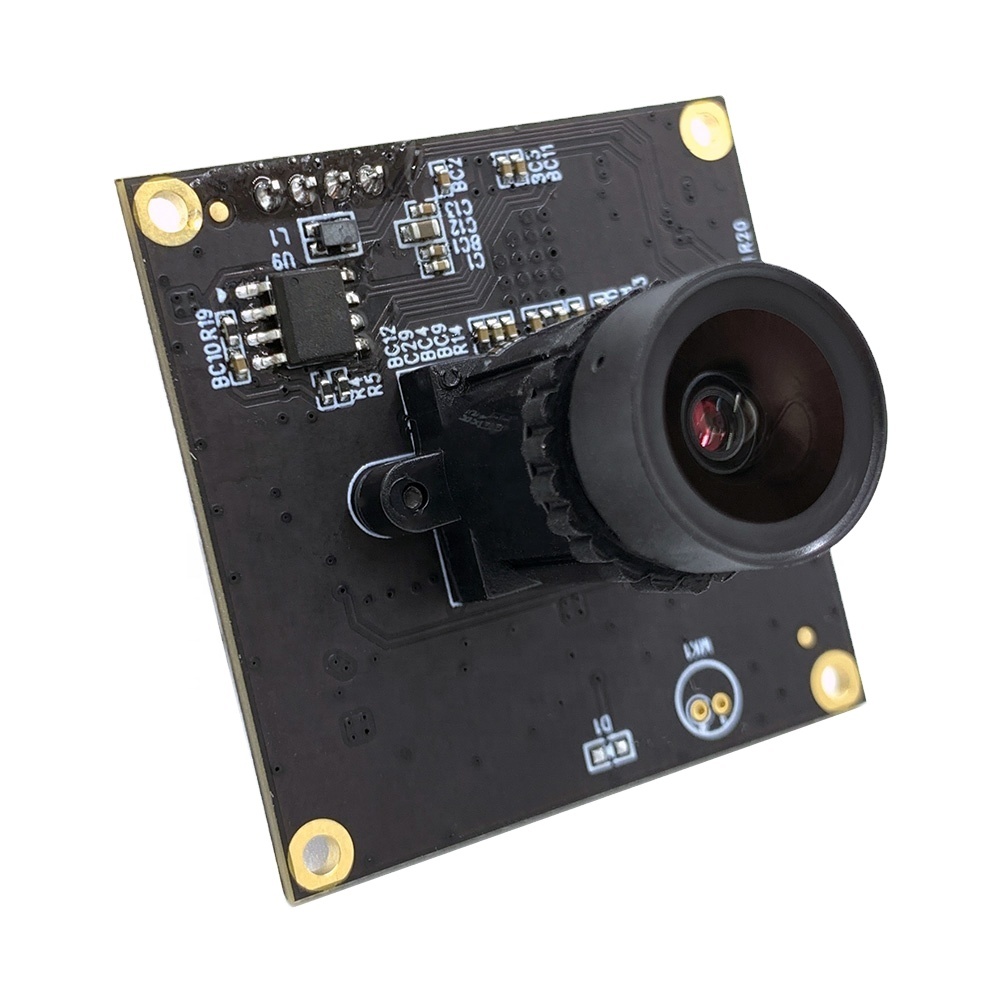
Customized High Speed HDR 330fps 2.0MP 38*38mm High Frame Rate USB Camera Module Wide Angle
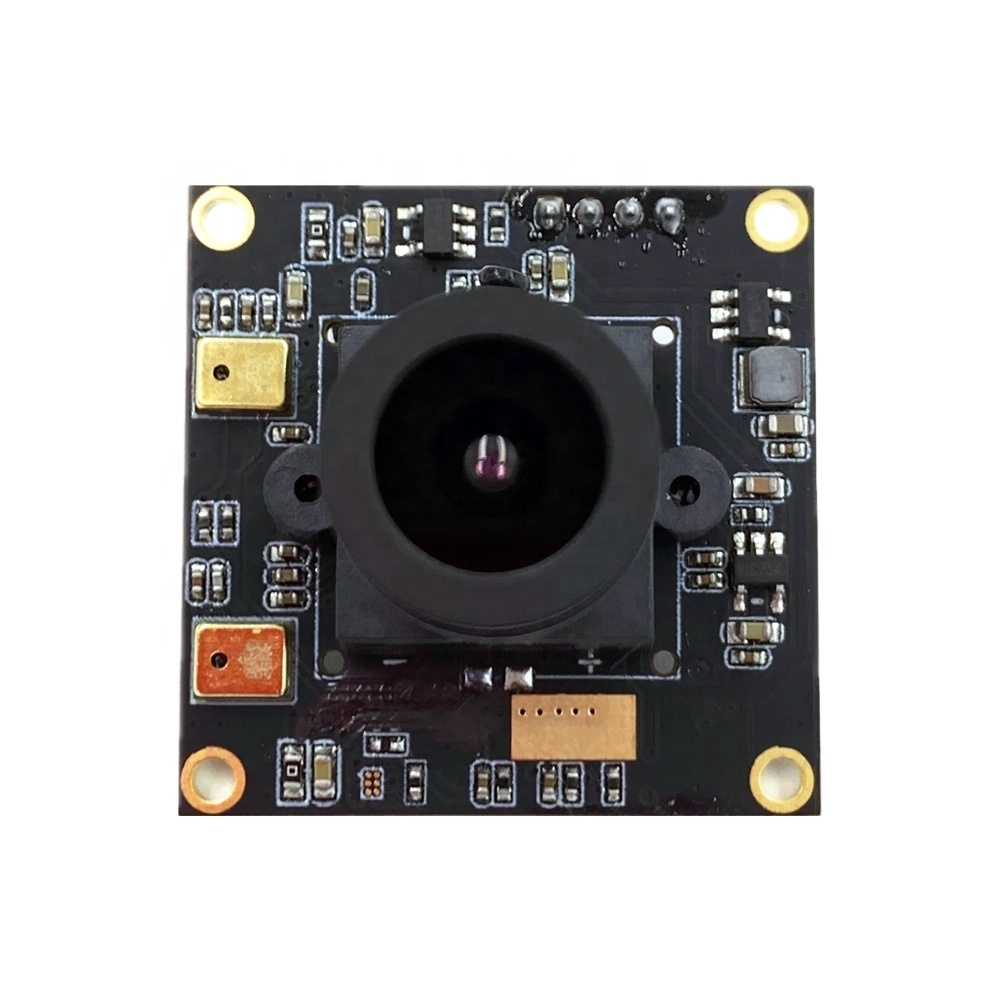
2.0MP 1920*1080 Rolling Shutter 0.001Lux H.264 Starvis & WDR 32*32mm Color USB Camera Module
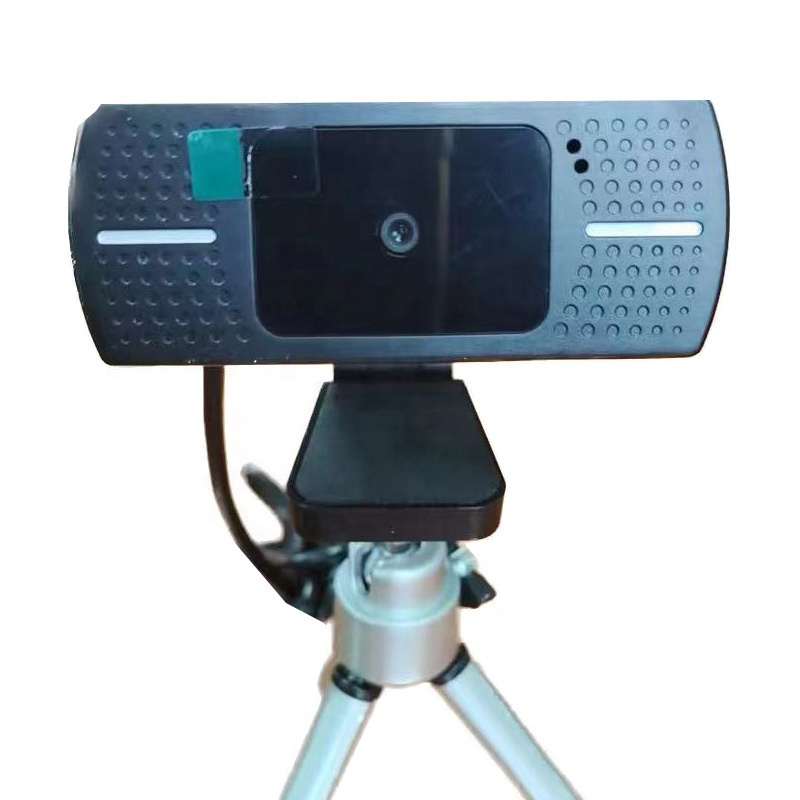
Factory Price 1080P 2.0MP USB Webcam 30fps 1920*1080 30*25mm F2.0 Autofocus Lens Multi-purpose Clip
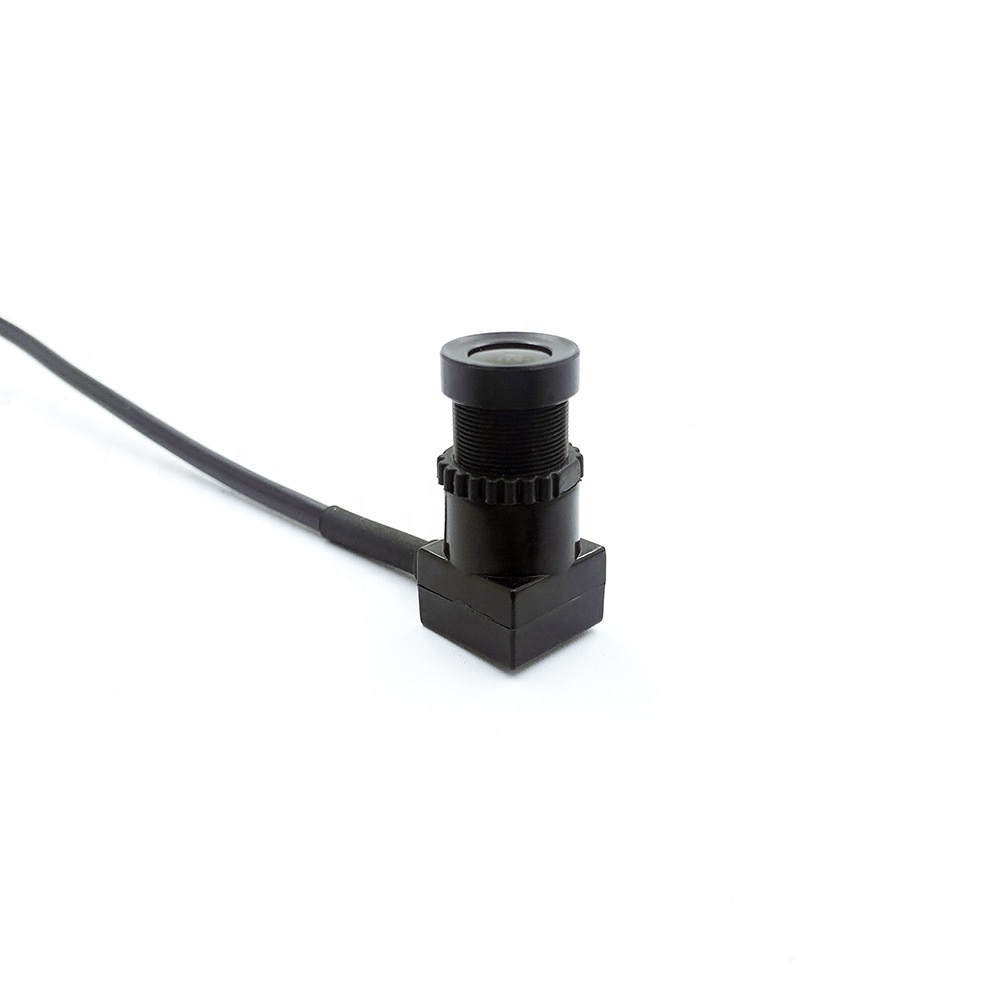
Supplier Low Light 0.1Lux Full HD 1920*1080P Mini Square 15*15mm Color USB Network Video Camera
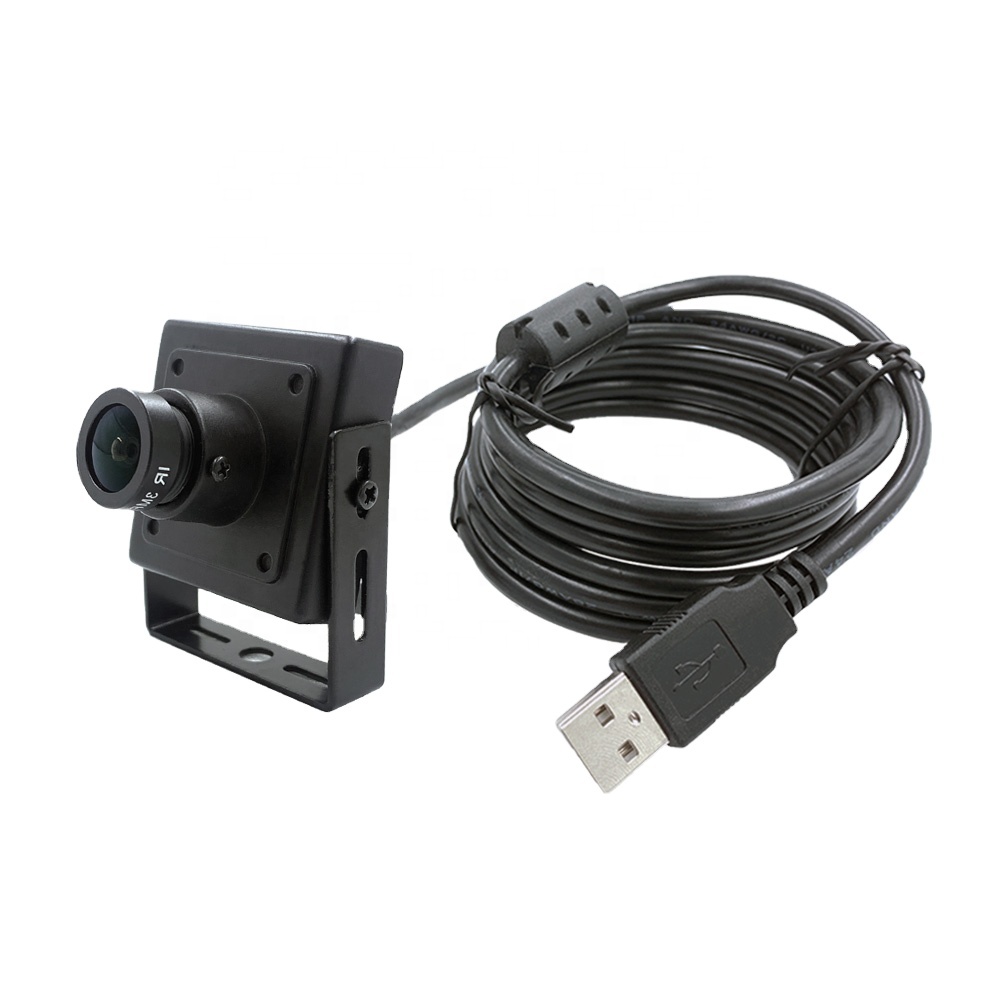
HD 720P 0.1 Low Lux UVC 2.1mm Wide-angle Lens MINI USB Camera Kiosk VTM CRS ATM Camera Module
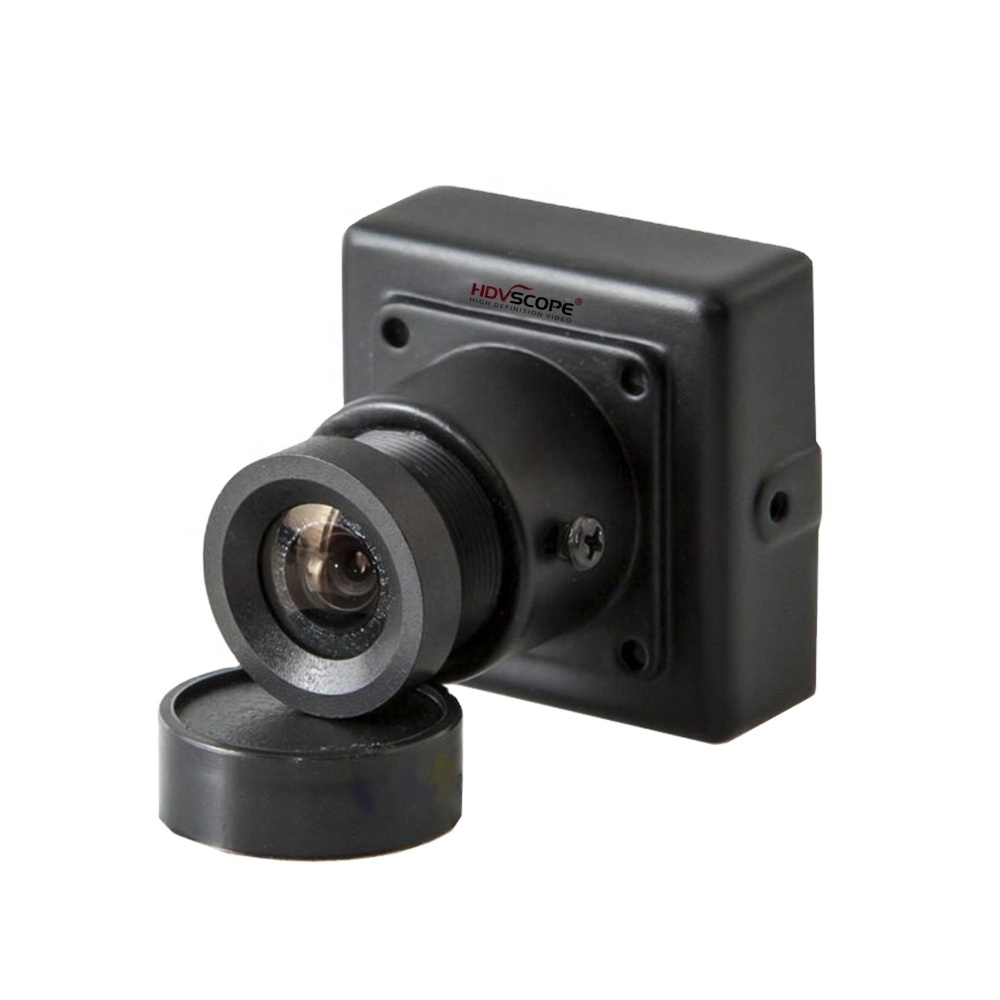
Rolling Shutter 2.0MP 0.1Lux 25*25mm Ultra-small Size Color USB Camera 3.6mm Board Lens Wide Angle
1. Technical Architectural Overview of Auto Focus USB Camera Modules
Modern machine vision, biometric authentication, and industrial automated systems rely heavily on sub-millimeter optics and high-speed image acquisition. Selecting the right Auto Focus (AF) USB camera factory involves far more than comparing sensor megapixel counts. Industrial buyers must evaluate the underlying motor driver physics, Image Signal Processor (ISP) tuning algorithms, and interface protocol compliance.
Auto Focus USB camera modules integrate dynamic optical structures capable of altering focal distances in real time without manual mechanical intervention. In embedded architectures—such as Automated Teller Machines (ATMs), Video Teller Machines (VTMs), self-service checkouts, and medical inspection endoscopes—objects appear at varying working distances. A fixed-focus lens creates motion blur or depth-of-field clipping, severely degrading optical character recognition (OCR), 1D/2D barcode parsing, and facial facial recognition algorithms.
Voice Coil Motor (VCM)
Utilizes electromagnetic force to shift lightweight lens assemblies smoothly along the optical axis, enabling sub-50ms focus lock for dynamic document scanning.
Liquid Lens Actuation
Employs electrowetting technology to change curvature without moving parts, delivering infinite mechanical endurance and vibration resistance for robotics.
Phase Detection (PDAF) ISP
Compares dual optical light paths within the sensor pixel matrix to compute instant distance vectors, eliminating focus hunting in high-speed applications.
Engineering Insight: Focus Locking Mechanisms in Industrial Environments
While consumer-grade webcams employ simple Contrast Detection Auto Focus (CDAF)—which sweeps the entire focal range causing visible "breathing" artifacts—industrial-grade AF camera modules manufactured by Shenzhen Brekta Electronics utilize hybrid ISP firmware. By combining CDAF with preset focus lookup tables (LUT) and hardware-driven VCM step controls, target lock is achieved within 30ms to 120ms even under low-contrast ambient illumination down to 0.001 Lux.
2. Technological & Industry Development Trends (2025–2030)
The global demand for high-performance auto focus USB camera modules is undergoing a rapid evolution driven by edge artificial intelligence, miniaturization, and advanced low-light sensor innovations.
A. Ultra Low-Illumination & High Dynamic Range (HDR) Integration
Legacy camera modules struggled in high-contrast or pitch-black environments. Modern B2B procurement strategies prioritize Sony STARVIS and STARVIS 2 back-illuminated CMOS sensors (such as the IMX291 and IMX335). Combined with hardware WDR (Wide Dynamic Range) exceeding 120dB, these modules capture simultaneous bright highlights and shadowed facial details—crucial for outdoor kiosks and unlit security perimeters.
B. Edge-AI ISP Processing & On-Board Compression
As host system processing units are offloaded to focus on core business logic, the camera module itself is becoming an intelligent edge node. Advanced AF camera modules now integrate secondary micro-ISPs capable of executing H.264/H.265 video encoding natively on board. This drastically reduces USB bandwidth consumption, allowing multiple 1080p or 4K streams to run across a single USB 2.0 or USB 3.0 bus without frame dropping.
C. Driver-Free UVC Standardization & Cross-Platform Compatibility
Industrial systems operate across heterogeneous operating system environments—including Windows Embedded, Ubuntu Linux, Android Enterprise, and macOS. Leading camera factories build strictly compliant USB Video Class (UVC 1.1/1.5) firmware. Plug-and-play operation eliminates the deployment headache of proprietary kernel drivers, ensuring seamless integration into ROS (Robot Operating System) and custom C++/Python machine vision frameworks.
3. Optical Interface & Technical Parameter Comparison Matrix
To assist procurement directors and system architects in selecting the optimal module specification, the following comparison details key engineering parameters across primary sensor and auto focus configurations:
| Module Category | Sensor Architecture | Focusing Mechanism | Optimal Distance | Primary Industrial Use-Case |
|---|---|---|---|---|
| AF VCM Mini Series | 1/2.7" or 1/3" CMOS (2MP - 8MP) | Voice Coil Motor (VCM) | 5 cm to Infinity | Document Scanners, Medical Instruments, Desktop Webcams |
| STARVIS Ultra-Low Lux | Sony STARVIS IMX291 / IMX335 | Fixed / Manual / AF Hybrid | 30 cm to 10 m | ATM Surroundings, Night-vision Kiosks, Security Access |
| High-Frame Speed HDR | Specialized Global/Rolling Shutter | Fixed Wide-Angle / AF | 10 cm to 3 m | High-speed Conveyor Inspection, 330fps Motion Capture |
| Pinhole & Micro Square | 1/4" or 1/2.8" Micro Sensor | Fixed Board / Cone Lens | 15 cm to 2 m | Concealed ATM Face Camera, VTM Cash Dispensers |
4. Future Procurement Trends for B2B Auto Focus Camera Modules
Sourcing managers must align their supply chains with upcoming technological shifts to prevent premature hardware obsolescence. Over the next five years, key purchasing criteria will focus on:
- Long Lifecycle Component Availability: Industrial equipment often remains in active service for 7 to 10 years. Sourcing from verified manufacturers who guarantee silicon sensor supply continuity (silicon roadmap transparency) is vital to avoid costly redesign cycles.
- Custom PCB Footprints & Thermal Dissipation: Compact enclosures (such as 15x15mm, 25x25mm, or 32x32mm) require multi-layer PCB design (Protel/Allegro engineered) with optimized copper pouring to dissipate heat generated by ISP chips and VCM motors during continuous 24/7 operation.
- Unified Connector Interfaces: Transitioning from standard USB Type-A pigtails to micro 4-pin/5-pin JST connectors, Type-C interfaces, and customized ribbon cables to allow ultra-thin mounting behind glass panels.
5. Enterprise Advantages & Factory Capabilities of Shenzhen Brekta Electronics
As a leading China OEM/ODM enterprise based in Shenzhen with specialized manufacturing facilities in Dongguan, Shenzhen Brekta Electronics Co., Ltd. stands out as a trusted global manufacturer of miniaturized USB, IP, and AHD camera modules.
Precision Engineering & Customization
Our engineering team utilizes Allegro and Protel for PCB layout customization. We tailor optical FOVs (60° to 180° fisheye), focal lengths, board dimensions (15mm micro up to 38mm industrial), ISP tuning parameters, cable lengths, and custom housings.
Strict Quality Control & Certification
Every single camera module undergoes 100% automated and manual image resolution testing, color rendition verification, and electrical burn-in. All camera solutions hold international CE, FCC, and RoHS certifications, ensuring compliant customs clearance worldwide.
With an annual revenue reaching up to US$10M, serving clients across North America, Europe, South America, and Asia, Brekta backs its hardware reliability with an industry-leading 24-month warranty, fast sample dispatches (1–3 working days for stocked items), and a zero-minimum-order-quantity (MOQ 1 pc) sampling policy for rapid R&D evaluation.
Frequently Asked B2B Sourcing Questions
Get immediate answers to common technical, optical, and logistical inquiries prior to submitting your quote request.
What is the minimum order quantity (MOQ) for custom Auto Focus USB modules?
For evaluation and prototyping, our MOQ is just 1 piece for standard models. For OEM custom hardware modifications—such as custom PCB layouts, specialized lens mounts, or cable connector tailoring—sample quantities start at 2 to 10 pieces depending on engineering complexity.
Are these auto focus USB camera modules truly driver-free on Linux and Android?
Yes. All of our USB camera modules strictly comply with the standard USB Video Class (UVC) protocol. They operate seamlessly without installing third-party drivers across Windows (7/8/10/11), Linux (Ubuntu, Debian, CentOS), Android (4.0+), and macOS systems. Standard video formats include MJPEG, YUY2, and hardware H.264/H.265 streams.
How does your factory ensure image parameter consistency between sample and mass production?
We lock the complete Optical Bill of Materials (BOM)—including sensor silicon batch, lens barrel vendor, ISP firmware checksum, and passive components. Every bulk production run is calibrated against the golden master sample approved by the client, using automated optical testing charts to verify sharpness, white balance, dynamic range, and focus accuracy.
Can you provide custom firmware for specific auto-focus speeds or fixed distance locks?
Absolutly. Our software engineers can modify the ISP firmware to fine-tune VCM response curves, establish fixed focus lock distances upon bootup, implement custom auto-white-balance (AWB) zones, or output custom UVC product strings and vendor IDs (VID/PID) for branding.
What warranty and technical support services do you provide to overseas buyers?
We provide a comprehensive 24-month hardware warranty with free unit replacement for any non-manmade defects. Additionally, our engineer-backed sales team guarantees an inquiry response within 2 hours during business operations, supported by lifetime engineering support for SDK integration and debugging.
Ready to Upgrade Your Vision Systems?
Contact our engineering sales team today for free technical consultation, custom PCB schematics, and rapid sample dispatches within 1 to 3 business days.
Get a Quote