High-Precision Industrial USB & CCD-Class Camera Modules
Engineered for seamless integration into self-service kiosks, ATMs, medical diagnostics, access controls, and automated machine vision terminals.
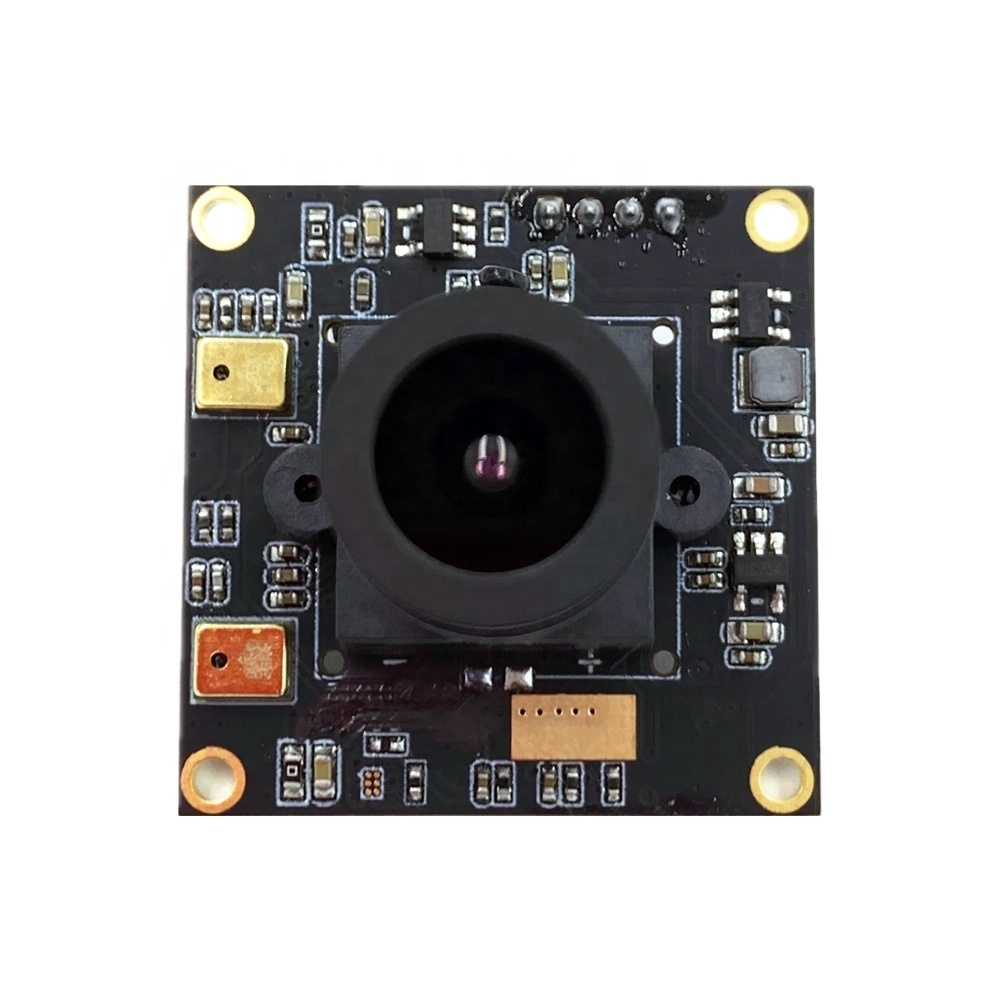
- 0.001 Lux Night Vision Sensitivity
- 32x32mm Ultra-Compact Form Factor
- H.264 / MJPEG Hardware Compression
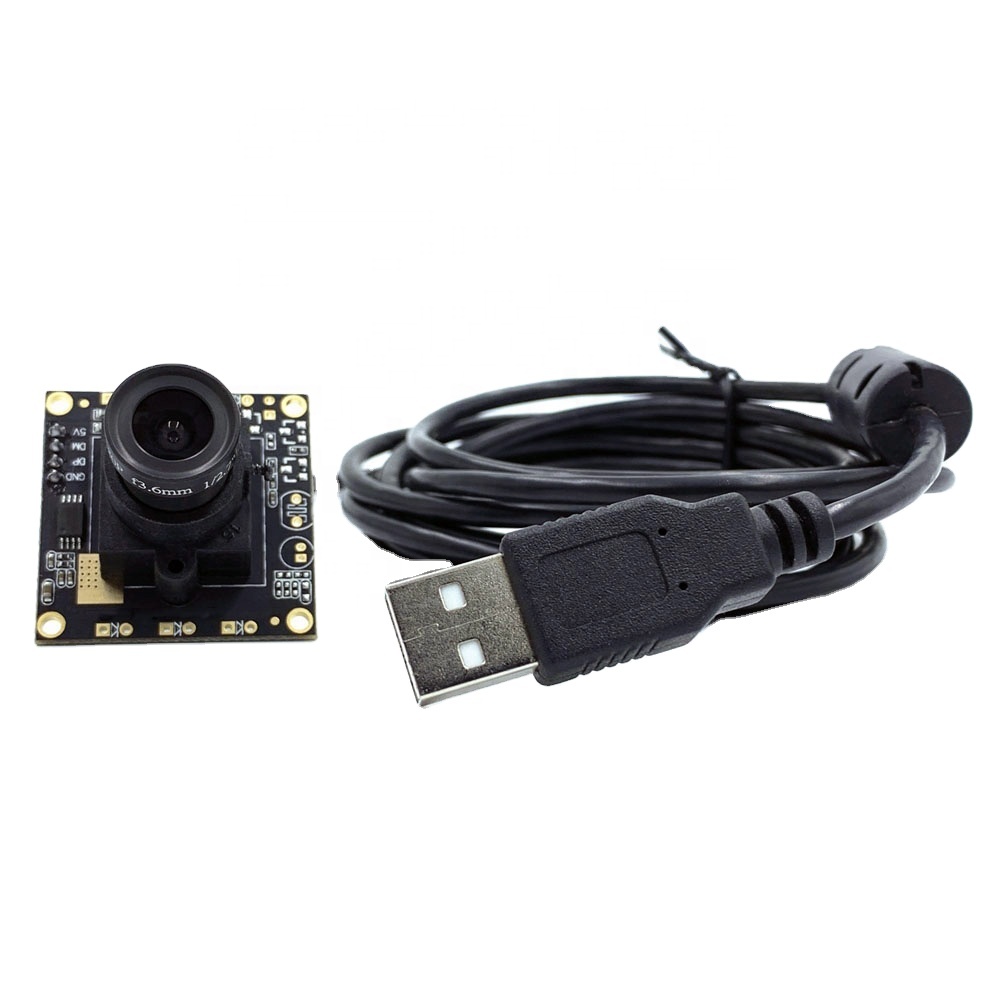
- 105dB Wide Dynamic Range Target
- Engineered for ATM & Kiosk Scanners
- 32x32mm Standard Board Footprint
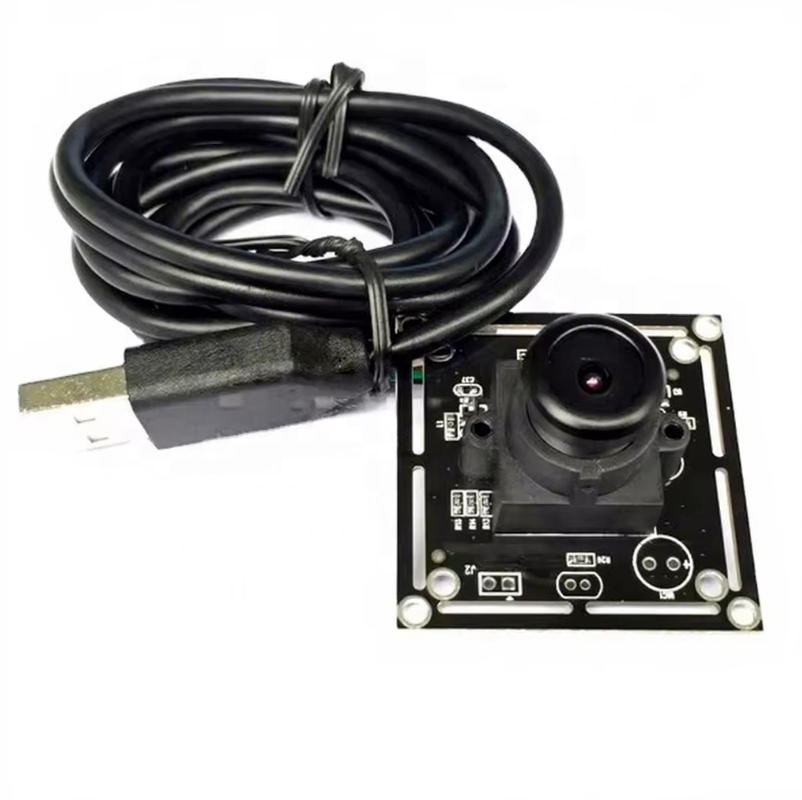
- 3.6mm Industrial Optical Board Lens
- High Light SNR & Contrast Definition
- Ideal for Advertising & Media Displays
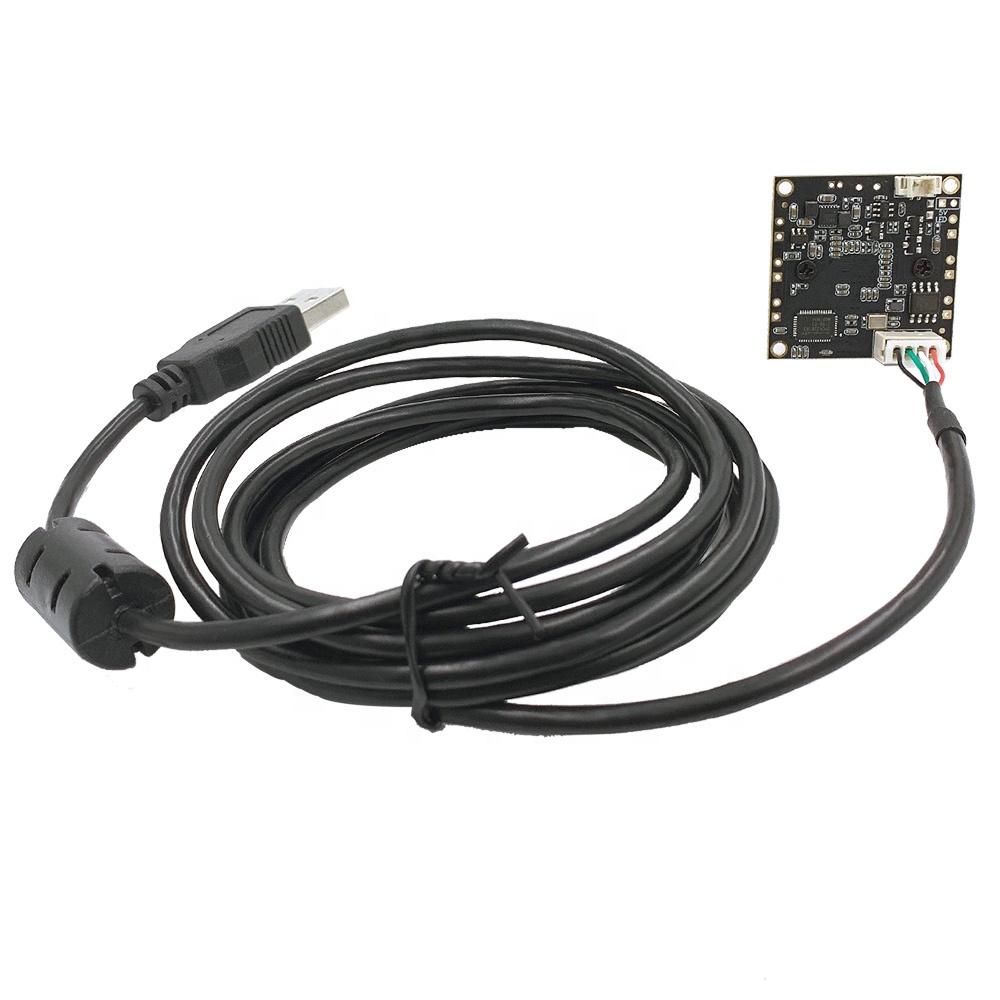
- 1920x1080 Full HD Color Rendition
- Anti-Glare Backlight Compensation
- Driverless UVC Plug & Play Design
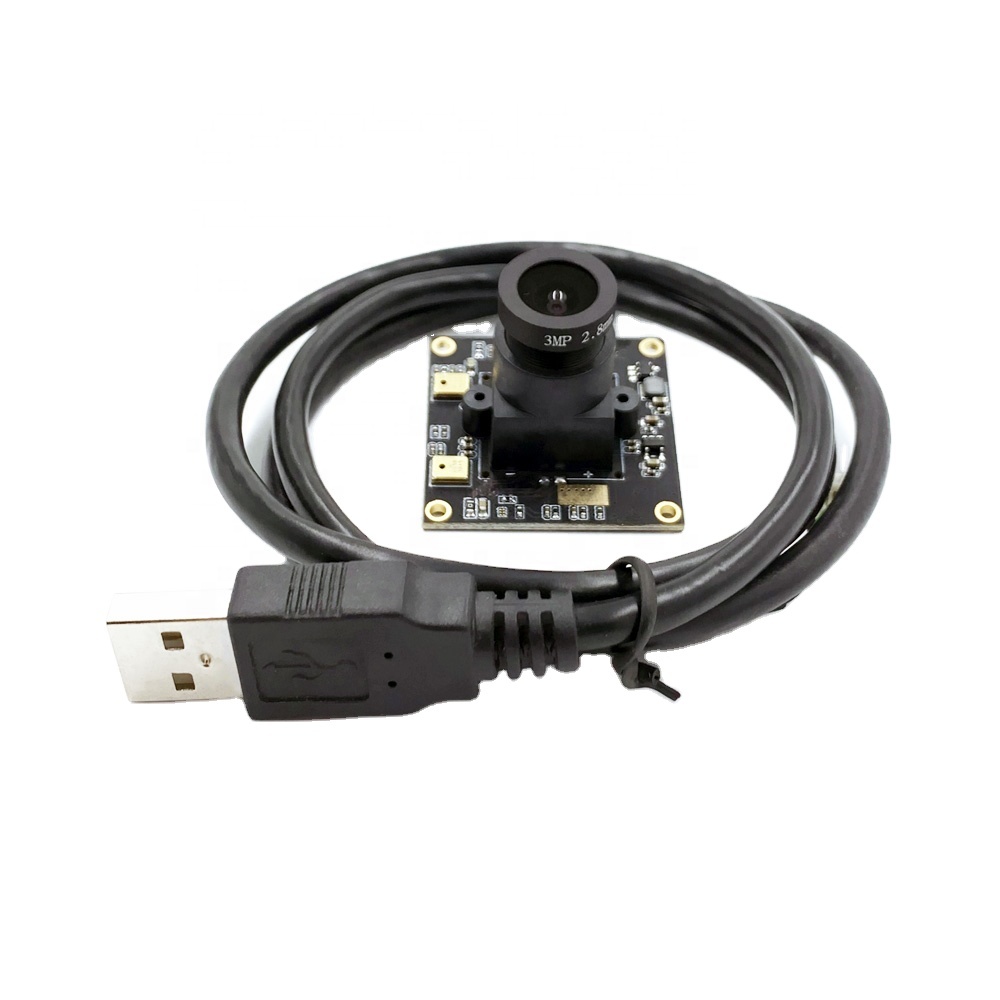
- 0.001 Lux Ultra-Low Light Imaging
- Integrated Intercom Audio & Video Streams
- 32x32mm Embedded System Profile
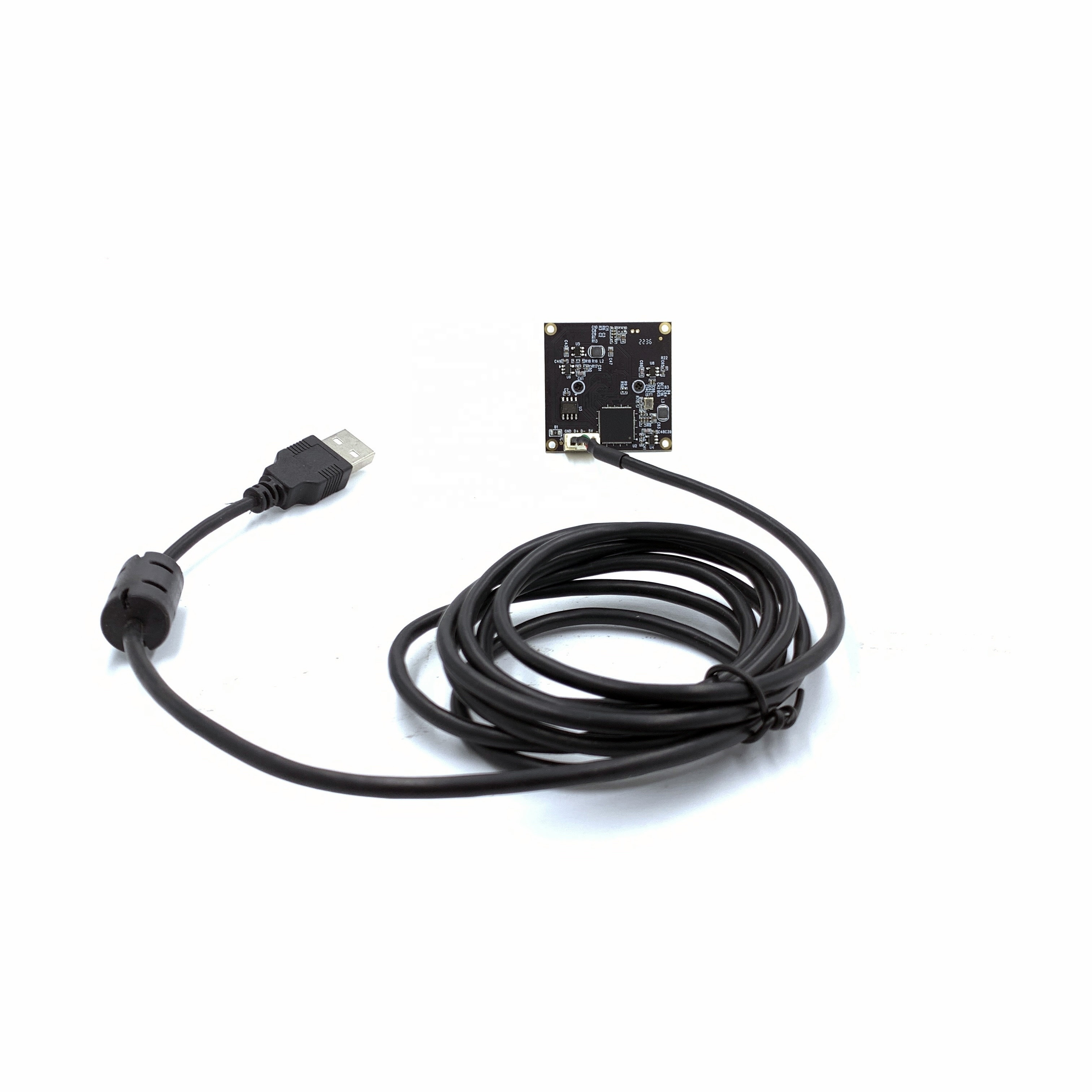
- Ultra-Fast Motion Capture at 330 FPS
- 3.7mm Narrow Angle Precision Lens
- 38x38mm High-Speed ISP PCB Board
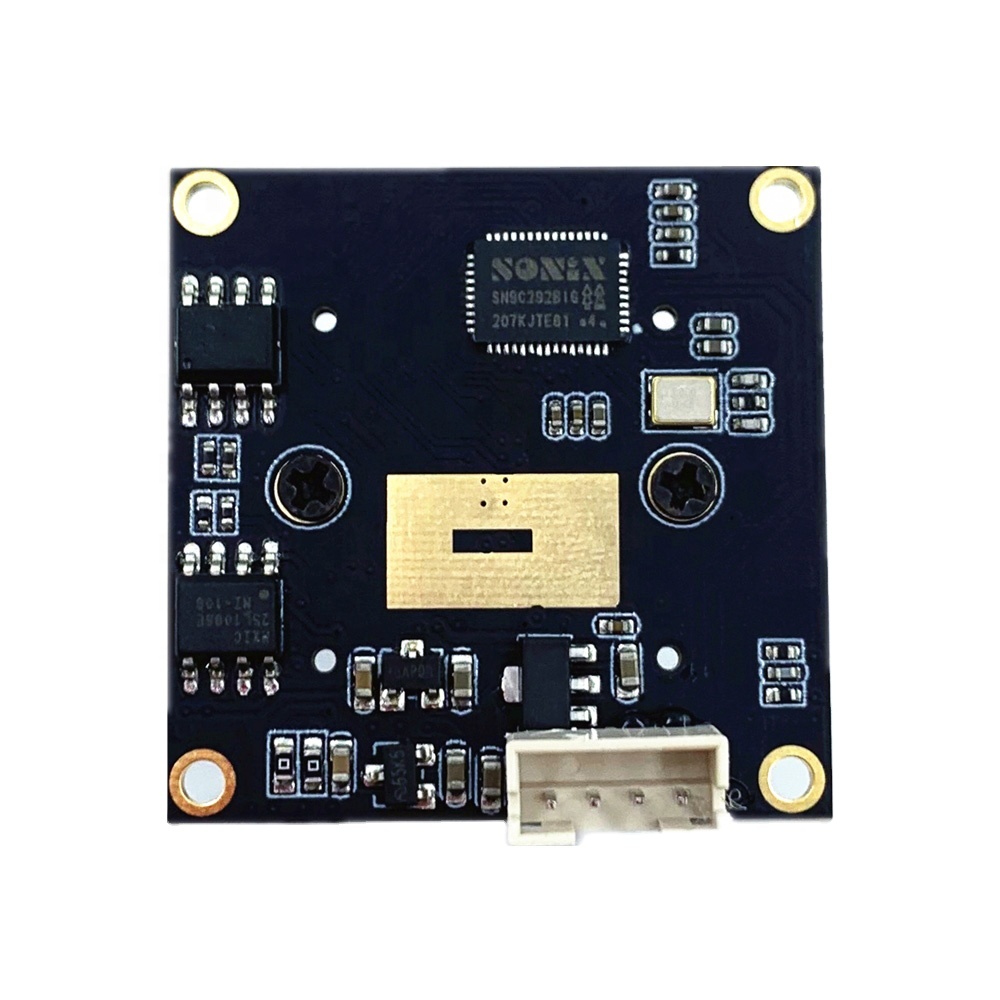
- Biometric Facial Algorithm Optimization
- Zero Latency Video Wall Feed Stream
- Hardware H.264 Dual Video Output
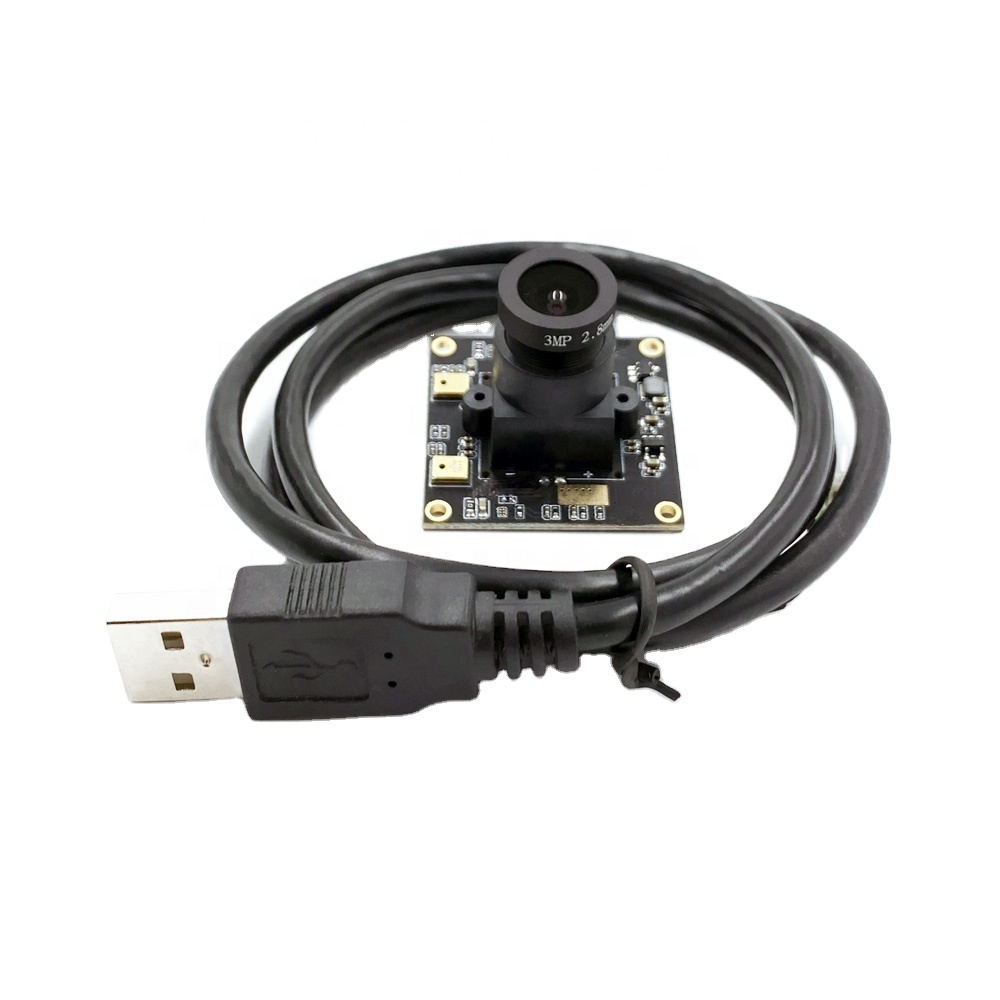
- 0.001 Lux Low-Illumination Capture
- Wide Dynamic Range (WDR) Engine
- 32x32mm Kiosk Space-Saving Module
Technical Whitepaper: Evolution of Industrial USB CCD & Modern Starlight Sensors
In the landscape of industrial imaging and machine vision, Charge-Coupled Device (CCD) sensors were historically considered the absolute gold standard for optical fidelity, blooming resistance, and uniform charge transfer. However, recent breakthroughs in back-illuminated pixel architecture—specifically Sony STARVIS™ CMOS technology and advanced hardware-level Wide Dynamic Range (WDR) sensors such as the Onsemi AR0230—have fundamentally transformed the procurement criteria for industrial B2B vision systems.
Modern embedded USB camera modules combine the low-noise characteristics and true-color reproduction of traditional CCD chips with the high frame rates, lower thermal output, and UVC driverless integration of state-of-the-art CMOS image signal processors (ISPs). As a primary global manufacturer and exporter based in Shenzhen and Dongguan, Shenzhen Brekta Electronics Co., Ltd. bridges this architectural gap by supplying OEM optical assemblies that deliver CCD-grade signal-to-noise ratios (SNR) alongside high-speed USB 2.0/USB 3.0 interfaces.
| Technical Dimension | Traditional Industrial CCD | Brekta Sony STARVIS™ USB Module | Onsemi AR0230 Hardware WDR |
|---|---|---|---|
| Low-Lux Sensitivity | 0.01 – 0.1 Lux (Requires Active IR) | 0.001 Lux (Color Starlight) | 0.01 Lux (Enhanced Near-IR) |
| Dynamic Range (WDR) | 60 dB – 72 dB (Standard) | 85 dB – 100 dB (Digital WDR) | Up to 105 dB (Hardware Multi-Exposure) |
| Max Frame Rates (1080P) | 15 FPS – 30 FPS | 30 FPS – 60 FPS | Up to 330 FPS (High-Speed Models) |
| Interface Integration | Complex Frame Grabbers & Analog | UVC USB Plug & Play (Driverless) | UVC USB Plug & Play (Driverless) |
| Board Power Consumption | High (3.5W – 5.0W) | Ultra-Low (< 1.2W via USB Bus) | Low (< 1.5W via USB Bus) |
Future Procurement Trends in USB & Embedded Vision Modules
An engineer's foresight into hardware evolution, interface migration, and system architecture demands for global OEM procurement over the next decade.
1. Hardware Compression at the ISP Edge
As self-service terminals and edge computing systems increase resolution to 4K and frame rates to 330FPS, raw YUY2 bandwidth strains USB 2.0 host controllers. Procurement is heavily shifting toward camera modules featuring onboard H.264/H.265 hardware encoders that compress high-definition video directly on the 32x32mm PCB, reducing host CPU overhead by up to 70%.
2. Extreme Low-Lux & Zero-Illumination Optics
Commercial ATMs, outdoor order kiosks, and remote monitoring points frequently operate under unpredictable ambient lighting. Sourcing specifications now prioritize sensors capable of resolving sharp facial and document details at 0.001 Lux starlight levels without resorting to bright, intrusive LED illuminators that distort color fidelity.
3. High-Speed Frame Capture (300+ FPS)
Industrial automation lines, high-speed sorting systems, and gesture-tracking devices demand high frame rate optical modules. Transitioning from standard 30 FPS to 330 FPS at Full HD 1080P eliminates motion blur and rolling shutter distortion, enabling real-time visual inspection in manufacturing robotics.
4. Hardware WDR for Backlit Environments
Kiosks deployed against glass facades or sunlight-exposed lobbies require 105dB+ hardware Wide Dynamic Range. Unlike software-emulated WDR that induces digital noise, hardware double-exposure sensors like the Onsemi AR0230 balance extreme highlight glare and deep shadows simultaneously.
5. Miniaturization (15x15mm to 32x32mm)
Enclosure dimensions for smart locks, doorbells, and micro-terminals continue to shrink. Engineers require dual-board and single-board configurations with modular lens choices (M12 board lens, pinhole cone lens, fisheye) that integrate cleanly without overheating within sealed housings.
6. Universal Driverless OS Compatibility
Modern cross-platform embedded hardware relies on standard UVC (USB Video Class) protocol compliance. Systems running Windows, Linux, Android, or macOS can enumerate the camera module immediately upon connection without installing custom third-party kernel drivers.
Enterprise Competencies: Shenzhen Brekta Electronics Manufacturing Advantage
As a leading USB CCD camera module manufacturer and global exporter, Shenzhen Brekta Electronics Co., Ltd. operates state-of-the-art production facilities in Shenzhen and Dongguan, China. Backed by a dedicated R&D engineering unit utilizing industry-leading PCB design software suites including Protel and Allegro, Brekta delivers custom optical module solutions tailored strictly to customer mechanical drawings and firmware parameters.
Frequently Asked Procurement & Engineering Questions
Detailed technical answers to common integration queries raised by procurement officers and system architects.
What is the key advantage of Sony STARVIS™ USB modules over standard CCD modules in kiosk manufacturing?
Are Brekta USB camera modules fully driverless on embedded Linux and Android operating systems?
How does Onsemi AR0230 Hardware WDR differ from software-emulated WDR in glare-heavy environments?
Can Brekta customize board dimensions, focal lengths, pinout connectors, and USB cable lengths?
What quality control procedures guarantee sample-to-mass-production consistency for overseas buyers?
What is the typical sample turnaround time and shipping warranty policy for international engineering orders?
Accelerate Your Vision Project with Custom Engineering Samples
Consult with our senior optics and PCB hardware engineers today. We review your enclosure CAD models, lens targets, and interface requirements to deliver rapid-prototyped evaluation samples.