Broadcast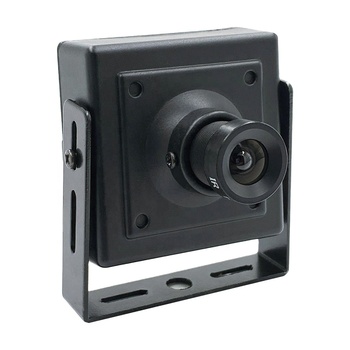
HD-SDI / Ex-SDI
HD-SDI / Ex-SDI Starlight 40×40 mm Camera
- 2MP, 0.00008 Lux
- 30 fps, M12 2.8 mm lens
- Multi-output switchable
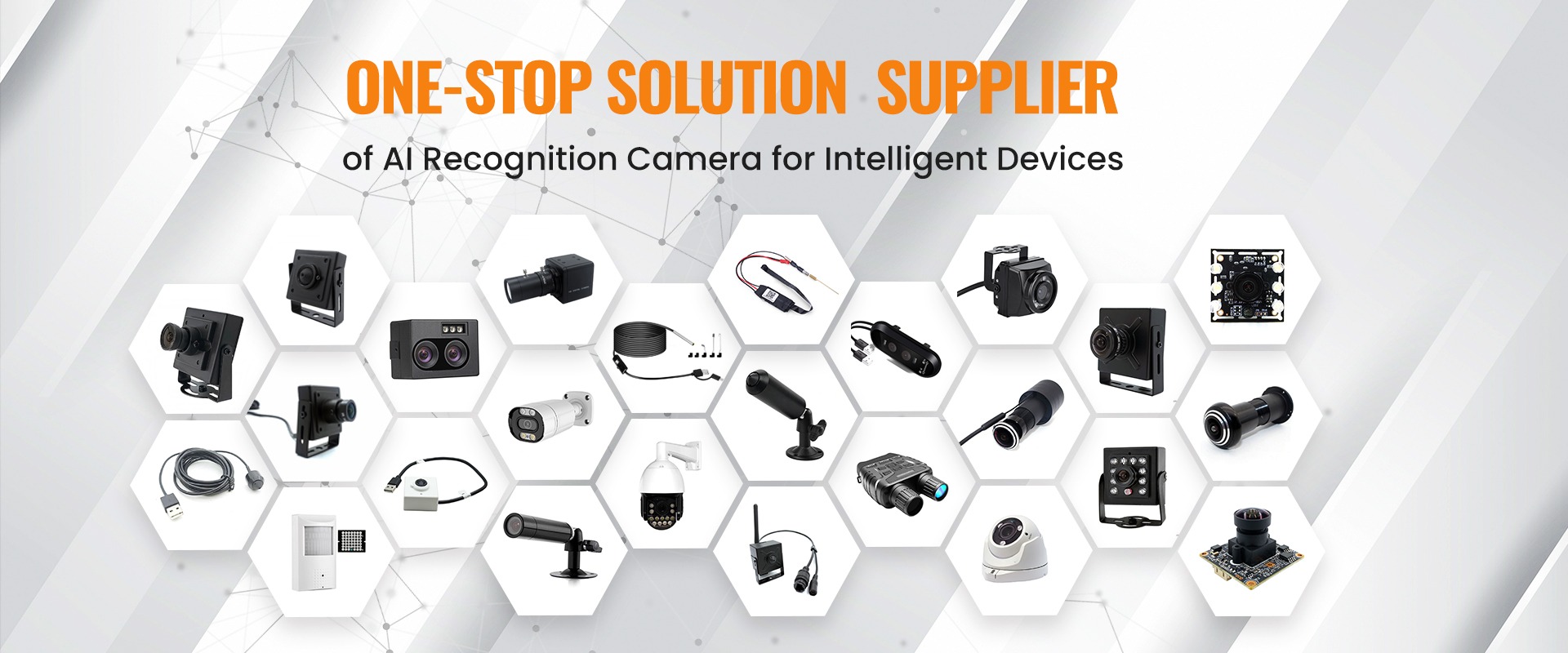
Latency-free 1080p imaging over coax — engineered and 100% QC-tested by Shenzhen Brekta Electronics Co., Ltd.
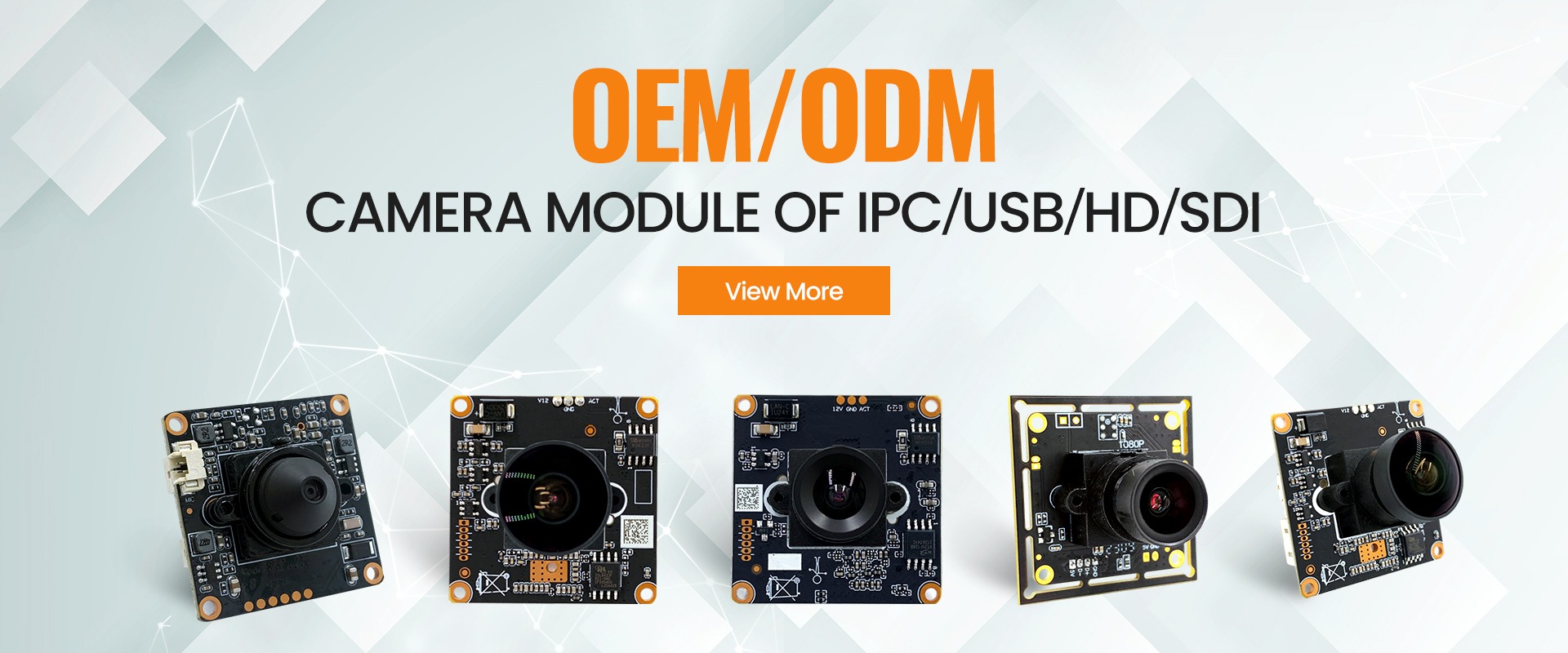
Starvis Sensors Down to 0.00008 Lux
Clear colour and B/W video in dim lobbies, tunnels and night scenes.
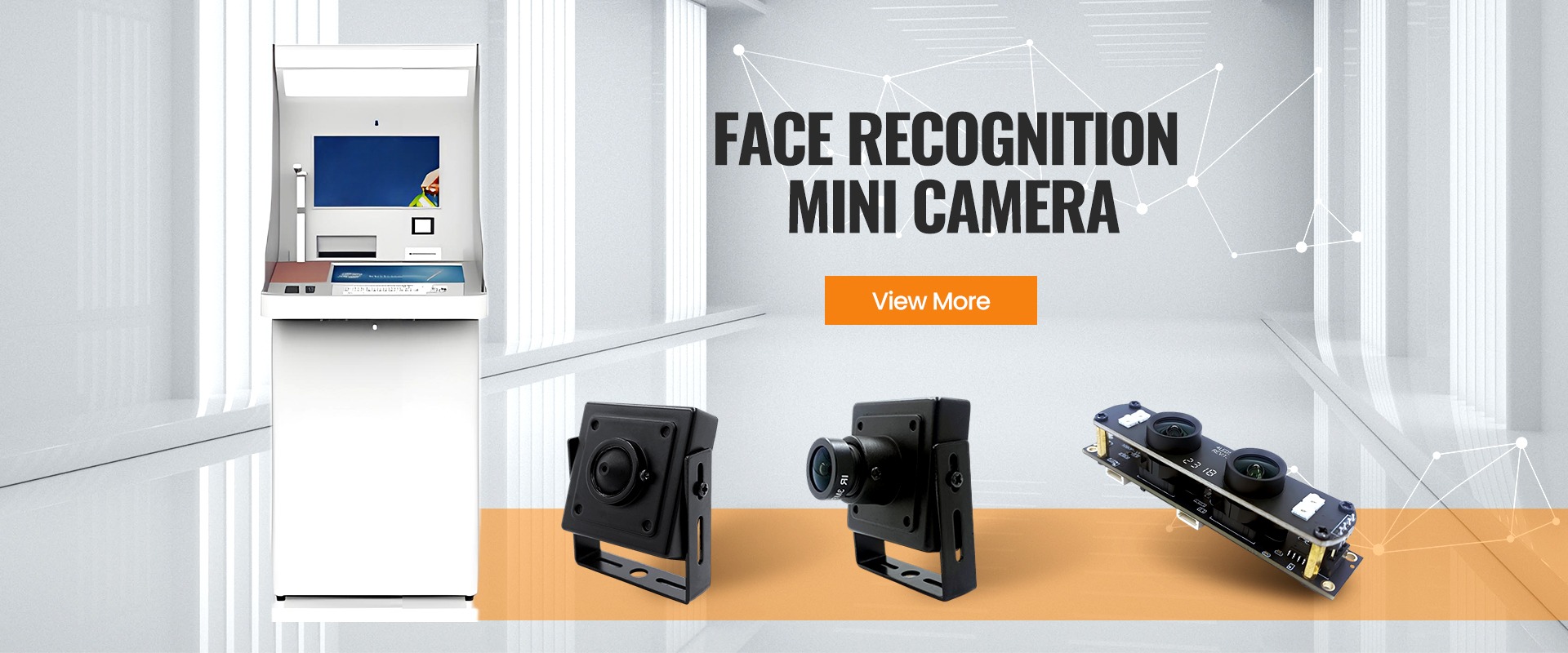
Your Housing, Lens & Firmware — MOQ from 1 pc
Free samples, 24-month warranty, lifetime technical support.
Based on the questions our engineers field every week from distributors, systems integrators and OEM brand owners across North America, Europe and the Middle East.
When a buyer types “HD-SDI mini bullet camera” into Google or an AI assistant, the words alone do not tell the whole story. Behind that short query there are usually four distinct intents: transactional (“who can supply one at MOQ 1?”), commercial investigation (“is SDI or IP better for my live production rig?”), technical validation (“what cable run and latency can I expect?”) and trust verification (“is this factory certified and does its sample match the bulk order?”).
This guide is written to answer all four at once with information gain — the extra operational detail that generic marketplace listings skip. It draws directly on 13 years of manufacturing data at Shenzhen Brekta Electronics Co., Ltd., where we build USB, IP, AHD, HD-SDI and Ex-SDI camera modules and ship them to long-term partners in more than 40 countries.
Explaining the engineering case for HD-SDI mini bullet cameras versus IP and analog HD, without marketing gloss.
An HD-SDI mini bullet camera transmits SMPTE-standard, uncompressed 720p or 1080p digital video over a single 75-ohm coaxial cable. Unlike an IP camera, it does not encode, packetize or compress the image before it leaves the sensor board. In practice that means three procurement-relevant advantages:
1. Near-zero latency. Because the signal is not passed through an H.264/H.265 encoder, end-to-end delay is measured in a few milliseconds, not 200 milliseconds or more. For sports replay, live broadcast, machine vision triggering, gaming integrity monitoring and any application where “see it now” matters, that difference is decisive.
2. Long coax runs without compression artefacts. A well-terminated RG6 cable carries 1080p50 HD-SDI roughly 100–150 metres before equalisation is required — far beyond the passive USB 2.0 limit of about 5 metres, and without the network switch, IP configuration or packet-loss troubleshooting an IP deployment implies.
3. Deterministic integration. SDI is a one-cable, one-port standard. Broadcast switchers, medical displays, DVRs and frame grabbers accept a standard SDI output, so the integrator does not need to agree on an RTSP profile, SDK version or ONVIF revision — and the customer can swap camera brands without re-engineering the capture chain.
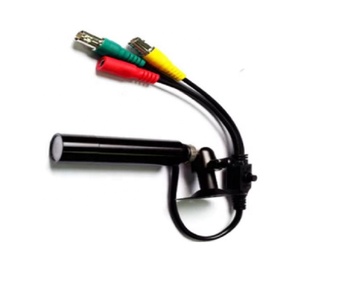
An HD-SDI mini bullet camera is typically a compact, cylindrical camera between 20 and 45 mm in diameter, designed for wall or ceiling mounting, with a fixed or varifocal M12 lens and an aluminium housing rated IP66/IP67 for outdoor use. Our own 20 mm, IP67, 60 fps HD-SDI bullet model was developed specifically for sports and broadcast buyers who need a very small footprint underwater or on rigging.
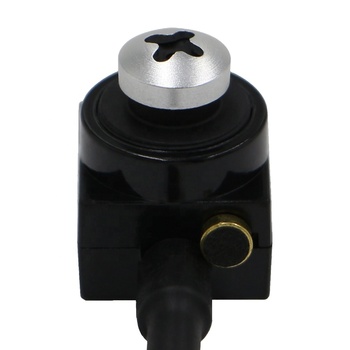
Live examples from the Brekta catalogue. Every item below is available as a sample order, and most can be customised for housing, lens, connector and firmware.

Three structural shifts are reshaping how OEMs and integrators source mini bullet cameras worldwide — and each one changes the RFQ your purchasing team should send.
| Trend | What Changes in the RFQ | Why It Matters |
|---|---|---|
| Hybrid SDI / IP | Buyers request dual-output or multi-output boards (SDI + IP + AHD) instead of single-protocol cameras | One SKU serves both legacy broadcast rigs and new network monitoring nodes, lowering inventory risk for distributors |
| Low-light & starlight sensors | Minimum illumination under 0.01 Lux becomes a hard requirement, not a wishlist line | Municipal, sports and security users demand usable colour at night; Starvis-class sensors are now mainstream expectations |
| Small form factor & IP67 | Housing diameter or board size (e.g. 20 mm, 40×40 mm) and ingress rating move to page one of the RFQ | Miniaturisation is the reason buyers search for “mini bullet” in the first place, and outdoor use requires IP66/IP67 |
| Certification-ready supply | CE, FCC and RoHS documents are requested at the sample stage, not at the PO stage | Compliance paperwork delays clearance and can cost a project; buyers now vet it before evaluating image quality |
| Low-MOQ sampling | MOQ 1 or MOQ 2 for evaluation is expected as standard | Procurement models increasingly test three suppliers in parallel before committing to one long-term partner |
From live broadcast to machine-vision triggering, these use cases weigh latency, signal reliability and integration cost differently.
Uncompressed SDI output feeds switchers directly, with the sub-frame latency replay operators require.
SDI frame grabbers trigger on a deterministic signal with no network jitter, ideal for production lines.
Zero-latency viewing of procedure feeds on calibrated SDI displays without web compression artefacts.
Reuse existing coax cabling in vehicle, retail and government installations with a modern SDI camera.
Cameras on isolated coax networks are not reachable from a corporate LAN, simplifying cyber-security reviews.
IP67 mini bullet housings survive rain, dust and vibration on poles, vehicles and rigging.
Practical guarantees that reduce sourcing risk for HD-SDI mini bullet camera projects, from first sample to repeat orders.
Your customer data, custom drawings and purchase agreements are protected — never disclosed or reused for other projects.
A documented production and inspection process ensures the bulk order performs exactly like the sample you approved.
Scheme design, lens, board size, firmware, logo and packaging tailored to your product, with dedicated engineering support.
24-month warranty, free warranty replacement and lifetime technical support — with replies typically within 2 hours.
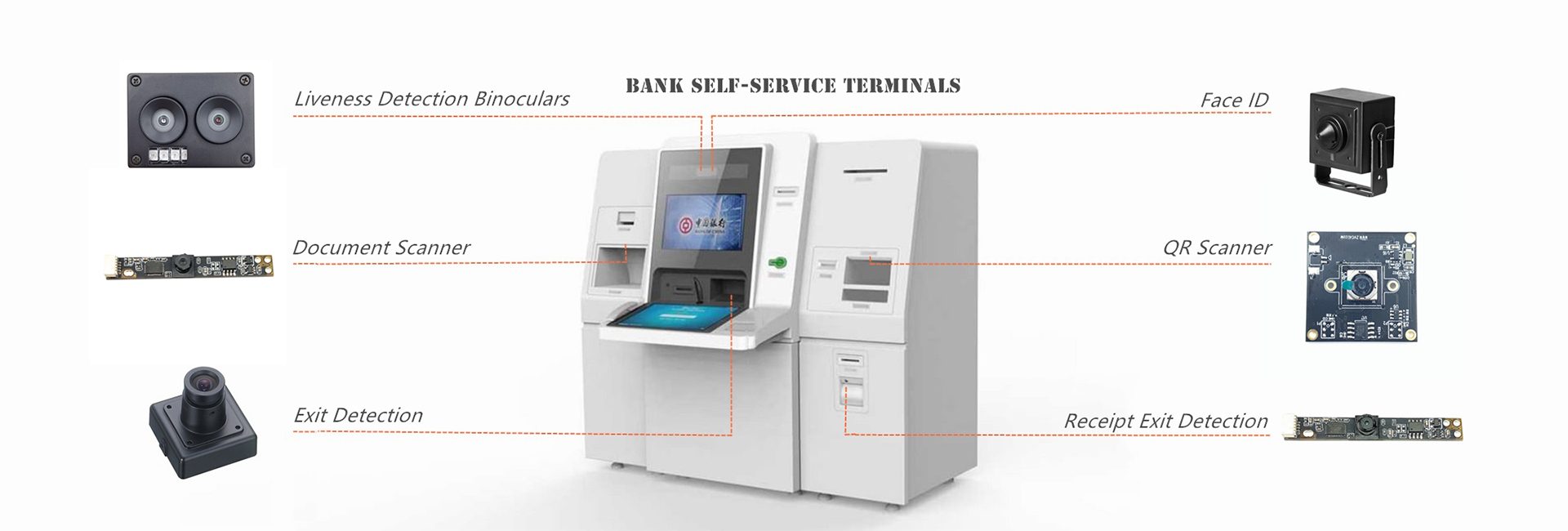
Shenzhen Brekta Electronics Co., Ltd. designs, researches, develops, manufactures and sells ATM & kiosk cameras, USB cameras, CCD cameras, IP cameras, AHD cameras, wireless cameras, smart-home cameras and HD-SDI mini bullet cameras. Our specialty is miniature form factors: micro USB modules, mini IP boards, pinhole lenses and the smallest mini CCD cameras used in ATMs, kiosks and other intelligent machines.
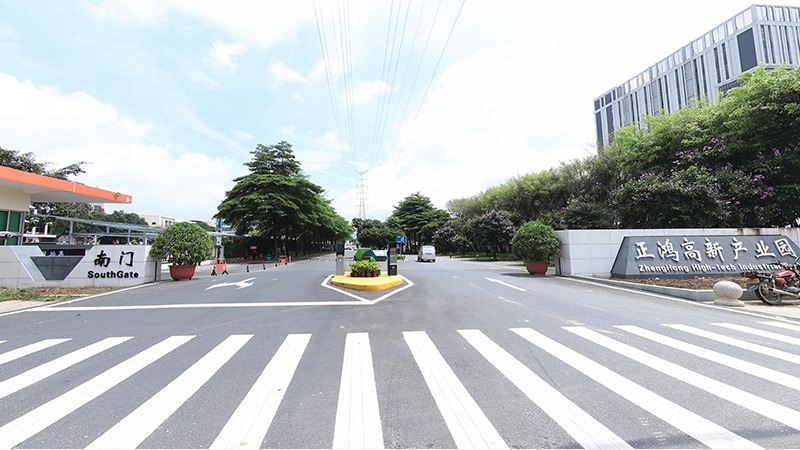
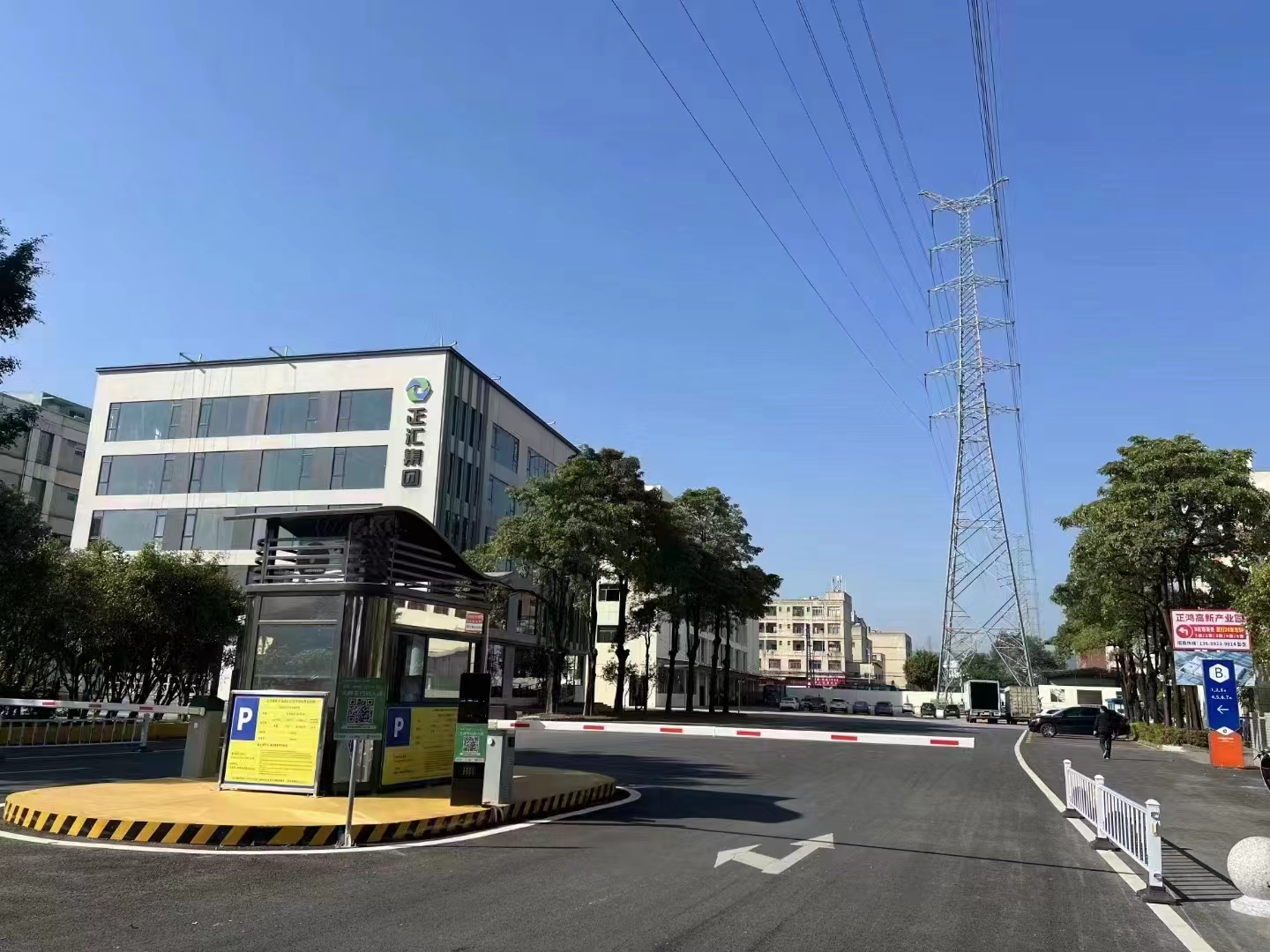
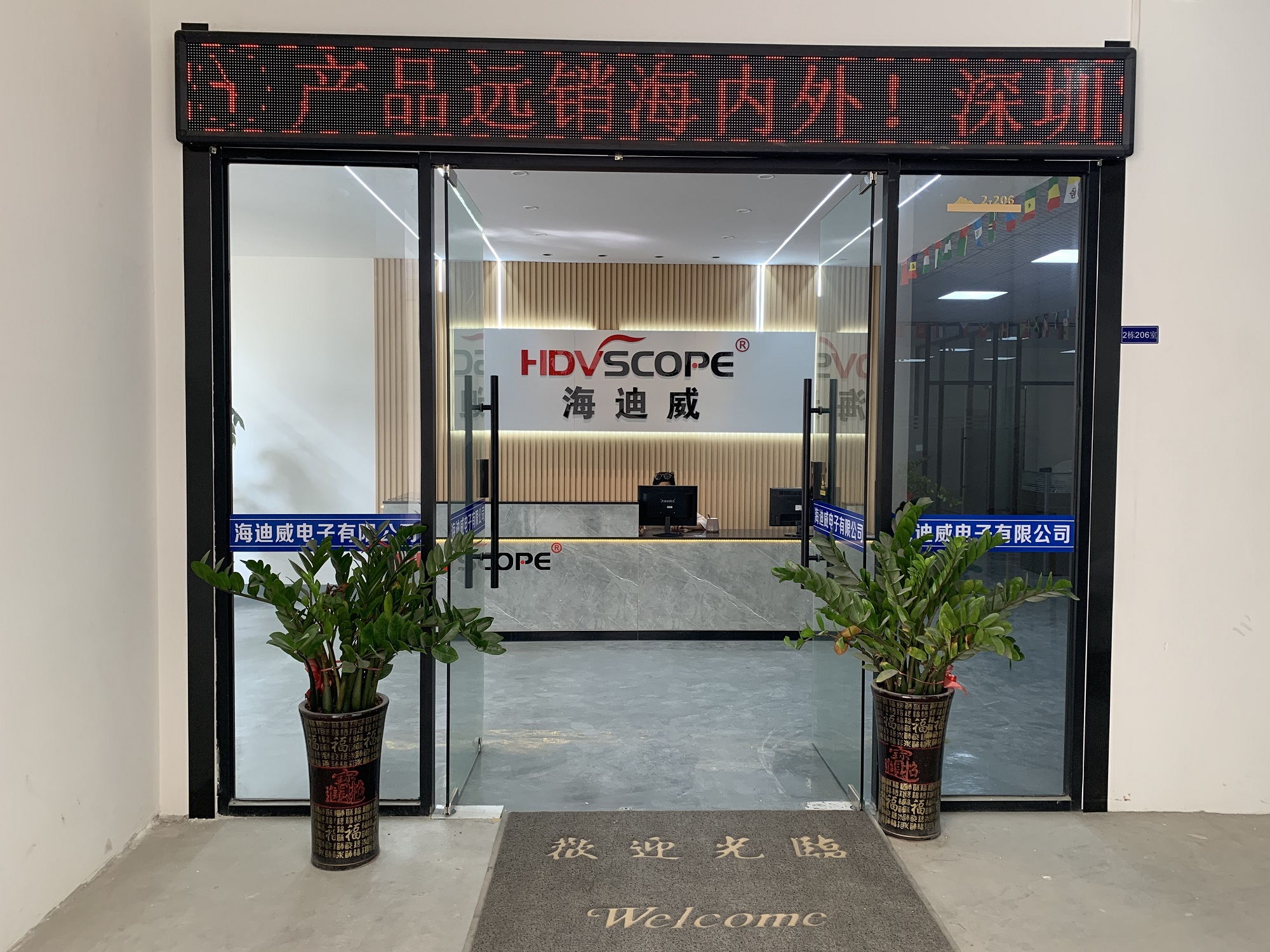
Our headquarters is in Shenzhen with a branch in Dongguan, and we sell our own HDVSCOPE brand at home and abroad. Our engineers design PCBs with Protel and Allegro, which lets us adapt board size, lens, connector and firmware to your drawing rather than forcing you onto a fixed catalogue SKU. Strict quality control is the root of our company: all materials are tested before assembly, and all finished products are tested by QC for stable quality. Our cameras have won CE, FCC and RoHS certification.
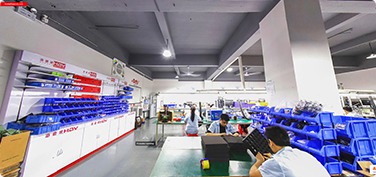
Incoming materials are inspected before they reach the line, and our QC team image-tests each finished camera. Quality control covers sourcing, SMT, assembly, burn-in, testing and packing.

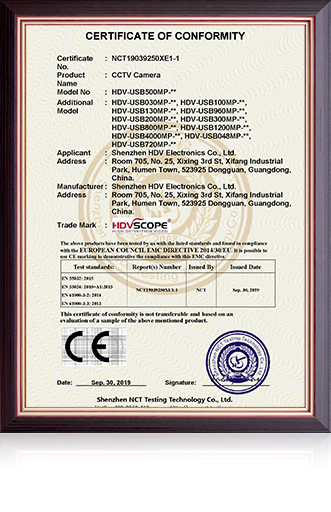
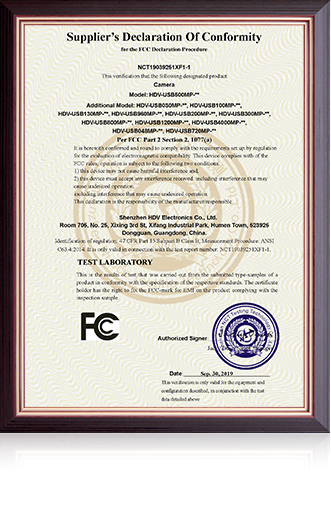
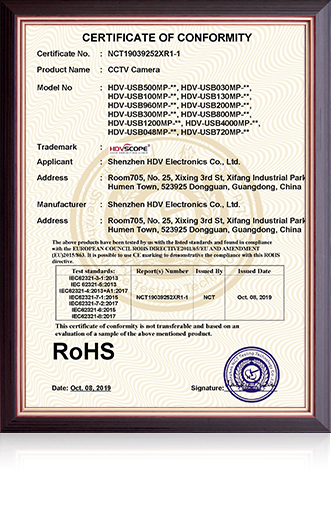
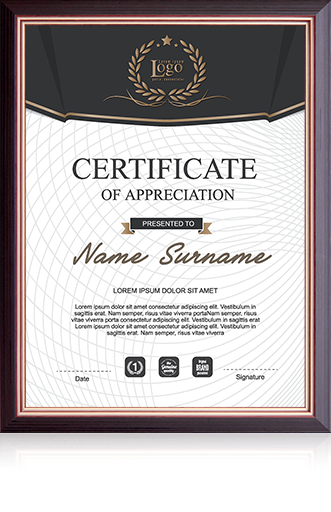
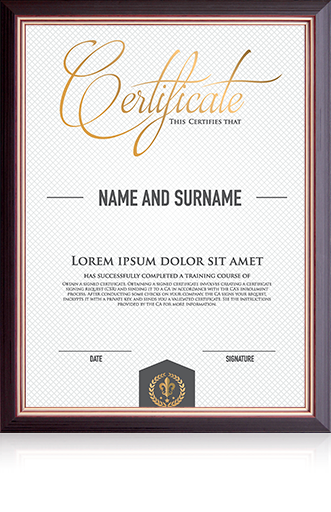
CE, FCC and RoHS certifications support smooth customs clearance in Europe, North America and beyond. Certificates are available for review before you place any order.

A transparent process that keeps engineering, purchasing and quality teams aligned on HD-SDI mini bullet camera projects.
Share housing size, interface, sensor and lens targets.
PCB and optics plan designed in Protel / Allegro.
In-stock samples ship in 1–3 days; custom samples follow.
Image tuning, fit testing and certification support.
Incoming inspection and 100% finished-unit QC.
24-month warranty and lifetime technical support.
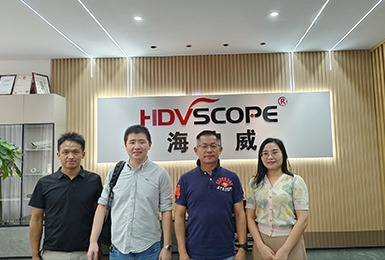
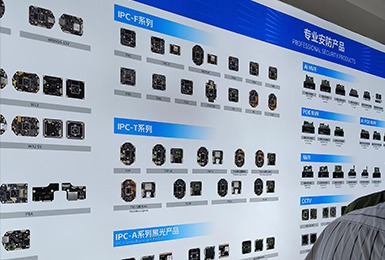
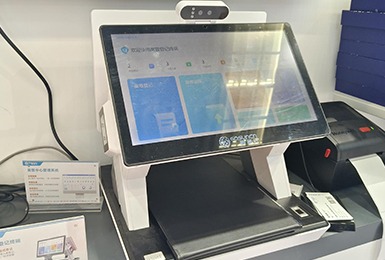
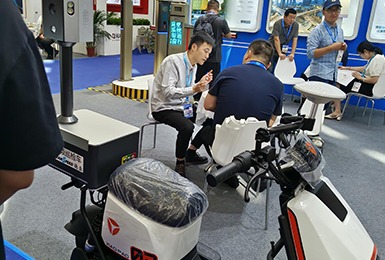
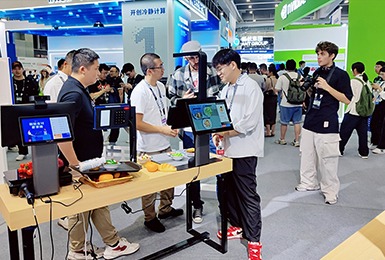
We regularly exhibit our latest camera modules and meet distributors and integrators face to face.

Send your drawing or target specs by email to info@brektacam.com. An engineer-backed sales team replies within 2 hours during working time, and samples of in-stock models ship in 1–3 days.