Featured AI & Industrial Camera Modules
High-frame-rate, WDR, low-lux Starvis, and autofocus vision hardware tailored for machine vision, robotics, and kiosk integration.
Executive White Paper: AI Camera Engineering & Optical Sourcing in Estonia
As Northern Europe’s premier digital economy and a global flagship for autonomous innovation, Estonia has rapidly transformed into a hotbed for advanced robotics, autonomous logistics, AI-driven IoT infrastructure, and smart city implementations. Driven by a national imperative toward digitalization (e-Estonia), tech hubs across Tallinn, Tartu, and Narva require state-of-the-art machine vision hardware that bridges the gap between raw optical capture and high-throughput Neural Processing Units (NPUs).
Selecting an authoritative AI camera manufacturer in Estonia or an established original equipment manufacturer (OEM) capable of delivering direct-to-factory customization involves strict technical benchmarks. Machine vision systems deployed in Baltic environments face severe environmental and operational challenges: sub-zero thermal extremes, rapid light transitions during low-angle winter sunshine, extended hours of darkness, and strict European Union data governance protocols (GDPR & NIS2 cybersecurity guidelines).
This B2B technical guide serves hardware engineering leads, system integrators, and procurement directors in Estonia seeking to specify, evaluate, and deploy embedded AI camera modules, industrial USB vision boards, and miniature IP cameras tailored for real-world deployment.
Localized Application Scenarios in Estonia’s Tech Industry
Industrial visual processing demands in Estonia span several specialized high-tech vectors. Custom camera boards engineered by Brekta Electronics are optimized to handle these localized operational requirements:
Autonomous Last-Mile Delivery Robots
Estonia is the worldwide pioneer in last-mile sidewalk delivery platforms (e.g., Starship Technologies heritage). Embedded AI vision systems require ultra-wide-angle distortion-corrected lenses, 1080p high frame rate USB modules, and 120dB WDR to navigate snow-covered walkways, avoid pedestrians, and process depth cues under dynamic lighting.
Forestry & Timber Automated Quality Inspection
Forestry represents a cornerstone of Estonia’s industrial sector. Automated sawmills and timber processing plants implement 8MP autofocus and high-speed rolling/global shutter camera modules to analyze log grain, detect internal defects, and measure cut dimensions in real time at conveyor speeds exceeding 300 meters per minute.
Baltic Maritime & Border Security Infrastructure
Port of Tallinn and eastern border checkpoints leverage ultra-low-light Sony STARVIS sensors (0.001 Lux capability) and IP67 waterproof mini USB/IP cameras. These optical units operate flawlessly during pitch-black Baltic winter nights for automated container code recognition, license plate recognition (ALPR), and vessel monitoring.
E-Government Kiosks & Automated VTMs
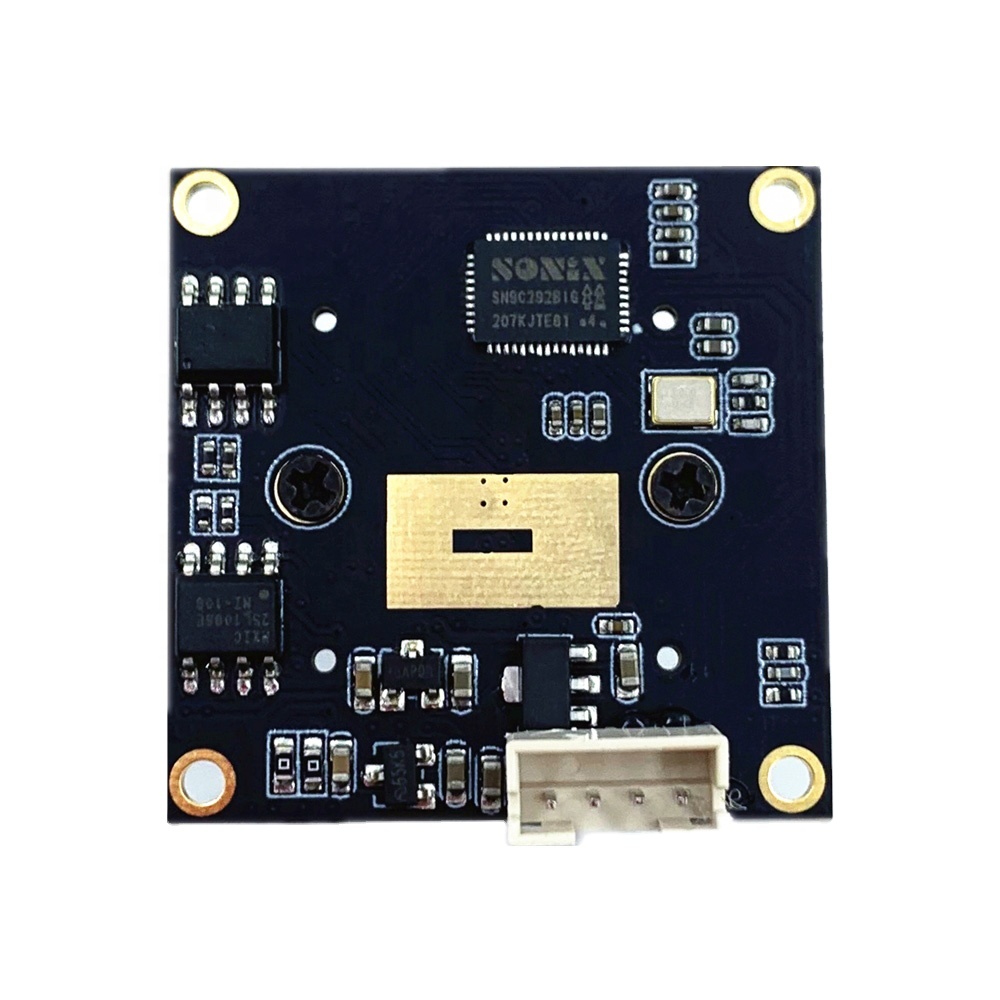
As part of Estonia’s advanced e-ID and self-service public services, specialized banking kiosks and identification terminals require compact 32x32mm dual-spectrum (RGB + IR) camera boards. These enable biometric face recognition, anti-spoofing liveness detection, and document scanning under variable indoor lighting.
Deep-Dive Technical Architecture for Edge AI Vision Systems
When selecting AI camera hardware, system architects must look beyond simple megapixel counts. Brekta Electronics designs camera PCBs utilizing Protel and Allegro CAD environments, targeting four critical physical and electronic performance pillars:
1. High Frame Rate & Latency-Free Sensor Integration
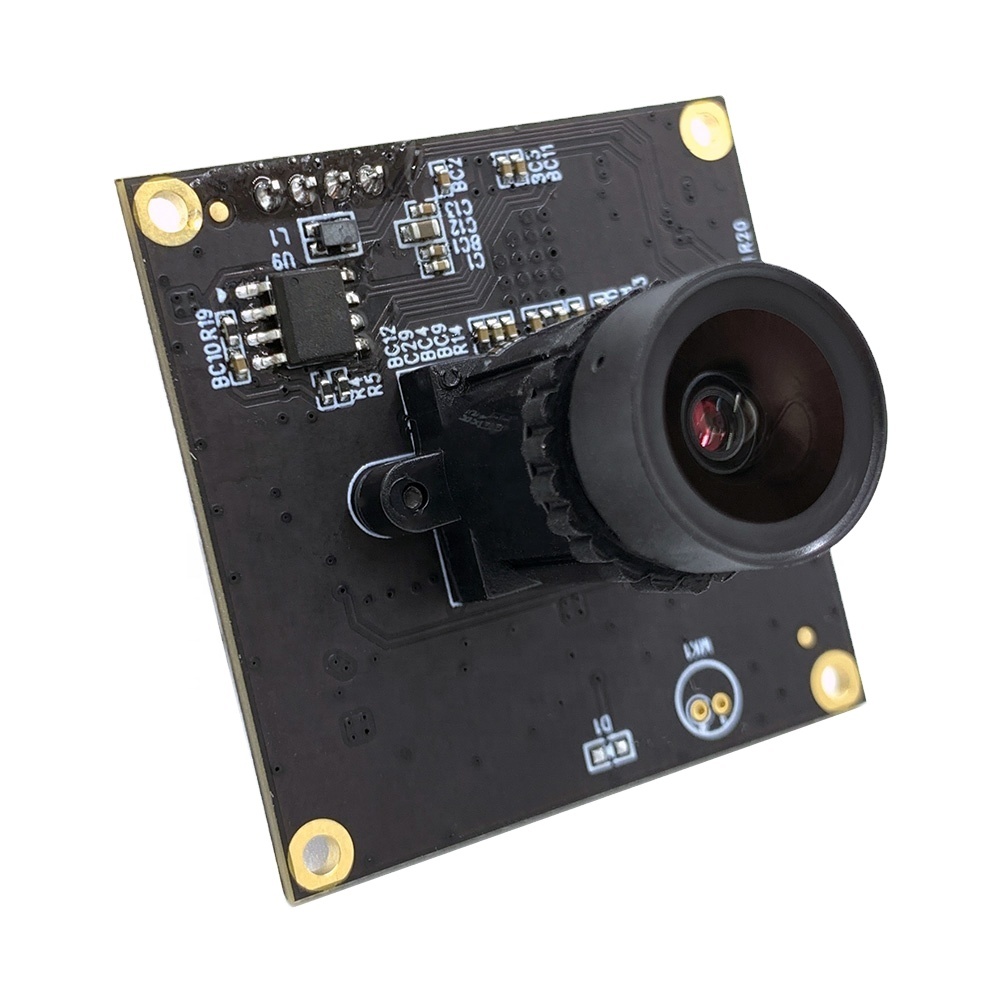
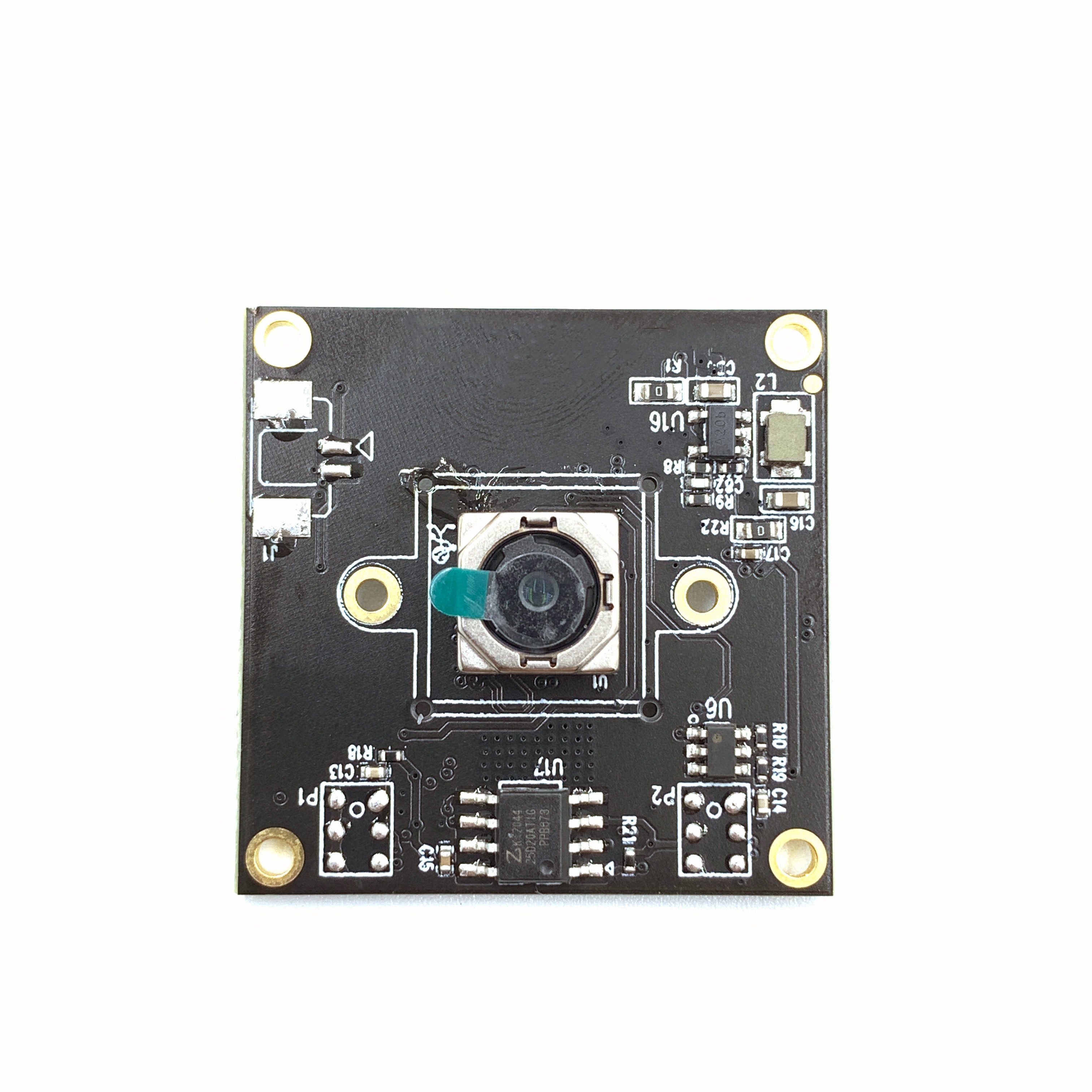
For high-speed movement tracking and industrial robotics, frame dropped issues or motion blur lead to immediate AI inference failure. Our customized High Speed HDR 330fps 2.0MP camera module operates via USB 2.0 / USB 3.0 UVC protocols, delivering uncompressed image buffers directly to host processors (NVIDIA Jetson Orin, Raspberry Pi CM4, or industrial x86 systems) with under 5ms motion-to-photon latency.
2. Low Illumination Performance: Sony STARVIS & WDR Technology
In Baltic latitudes, sunlight angles create extreme contrast gradients (bright reflection on ice adjacent to deep shadows). Utilizing sensors like the 1/2.8" Sony STARVIS IMX291 and Onsemi AR0230 WDR chipsets, Brekta camera modules achieve dynamic ranges up to 120dB. Dual-exposure synthesis allows simultaneous capture of dark shadows and blown-out highlights, preserving pixel data for edge AI segmentation.
3. Sub-Zero Operating Thermal Envelopes
Estonian outdoor deployments demand hardware validated for operational temperatures between -30°C and +70°C. Brekta industrial camera PCBs feature industrial-grade passive components, temperature-compensated crystal oscillators (TCXO), and thermal dissipation pads that prevent sensor thermal noise and focus shift caused by lens barrel contraction.
4. Plug-and-Play UVC Driverless Protocol
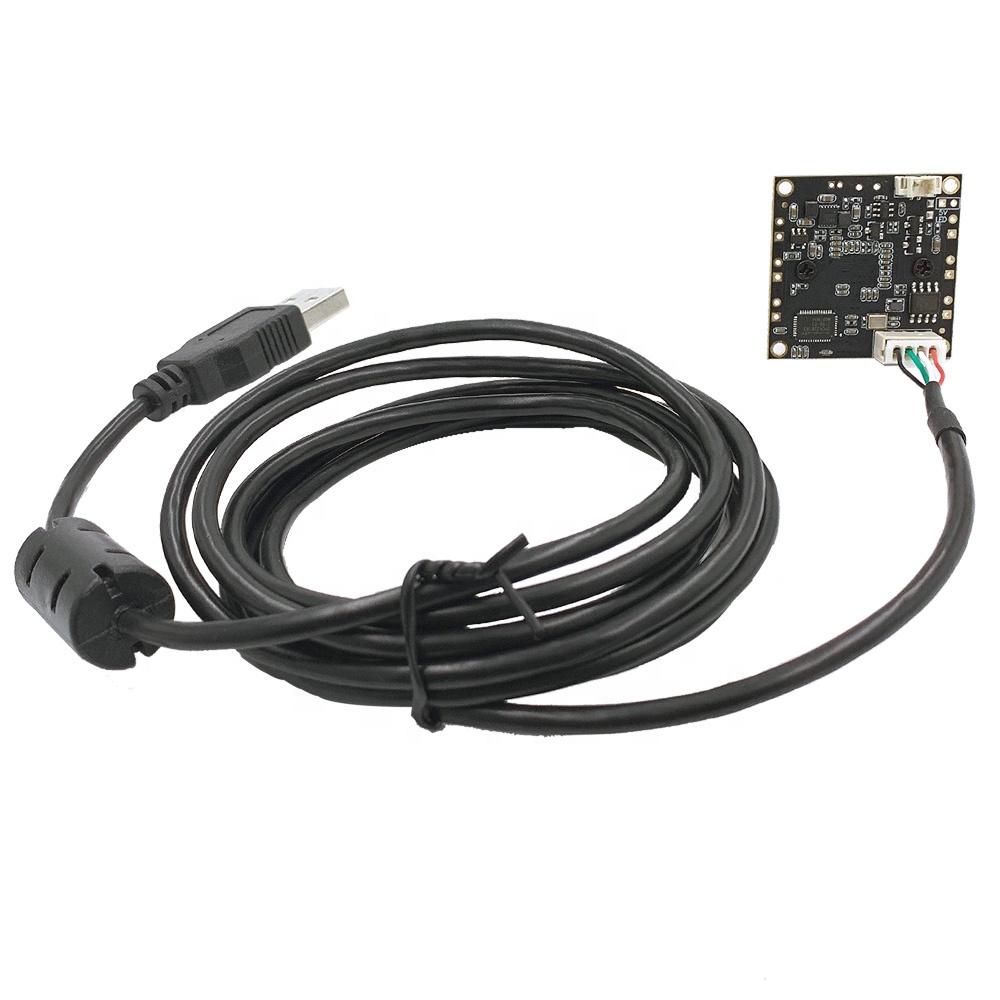
To eliminate proprietary driver dependencies, our complete lineup of USB camera modules strictly adheres to the USB Video Class (UVC) standard. Whether operating on Linux (Ubuntu, Yocto), Android, Windows, or macOS, these cameras output native MJPEG, YUY2, or H.264 video streams out of the box, drastically reducing software integration cycles for Estonian engineering teams.
Localized Market Trends Shaping Camera Sourcing in Estonia
An analysis of current procurement requests from Estonian systems integrators reveals three key shifts in visual hardware architecture:
1. On-Board Hardware Encoding (H.264/H.265 at the Edge)
To reduce CPU loads on embedded single-board computers, camera modules with integrated H.264/H.265 video compression hardware are rapidly replacing standard YUY2 raw boards. This allows smooth 1080p stream transmission over wireless mesh networks or low-bandwidth IoT gateways.
2. Zero-Trust Hardware & EU GDPR Privacy Compliance
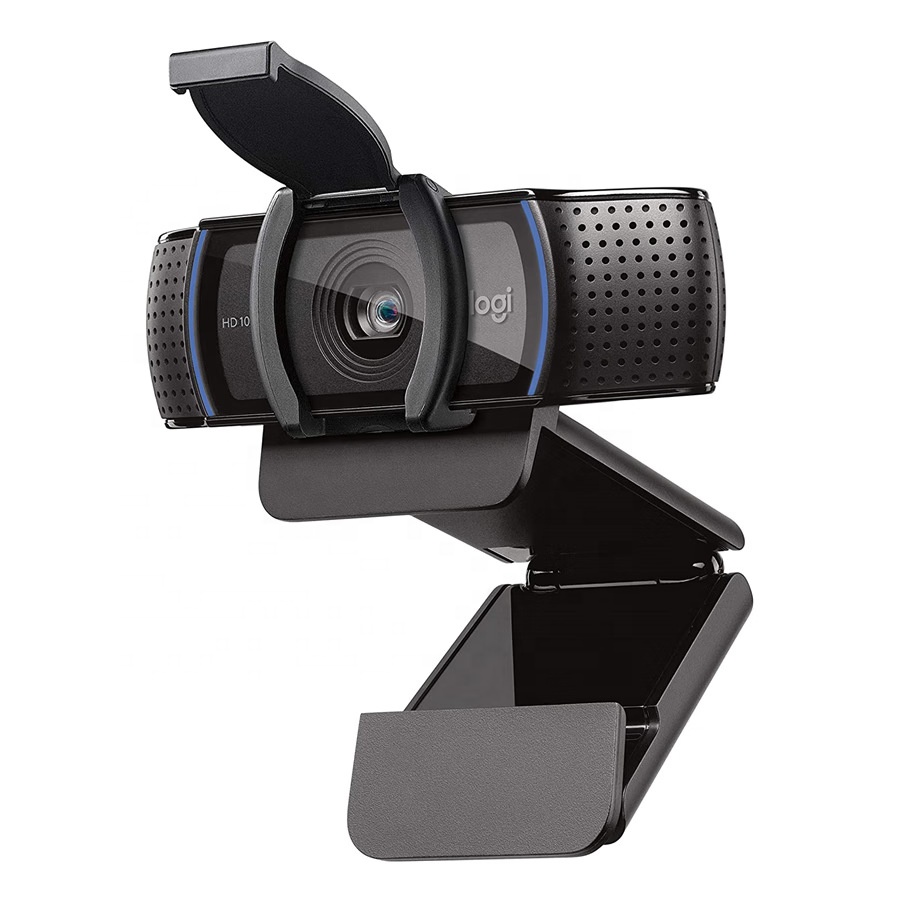
With strict EU privacy mandates, Estonian clients require hardware-level optical privacy shutters or dual-stream firmware capabilities that enable local facial blurring prior to network transmission. Brekta provides custom firmware parameters to satisfy these compliance checkpoints.
3. Compact Modular Form Factors (15x15mm & 32x32mm)
As industrial machinery becomes increasingly sleek and space-constrained, demand has surged for ultra-compact board sizes. Flexible ribbon-cable sensor heads separated from the ISP mainboard allow seamless mounting inside tight robocar chassis or narrow doorframes.
Camera Interface Selection Matrix for Machine Integrators
Compare key electrical and optical metrics across our specialized industrial product lines to select the appropriate interface for your host processor:
| Camera Category | Sensor & Resolution | Frame Rate & Form Factor | Key Interface / Output | Target Local Application |
|---|---|---|---|---|
| High-Speed UVC USB | 2.0MP CMOS / AR0230 | Up to 330 FPS (38x38mm) | USB 2.0 High Speed (UVC) | Robotics, Rapid Sorting, Motion Analysis |
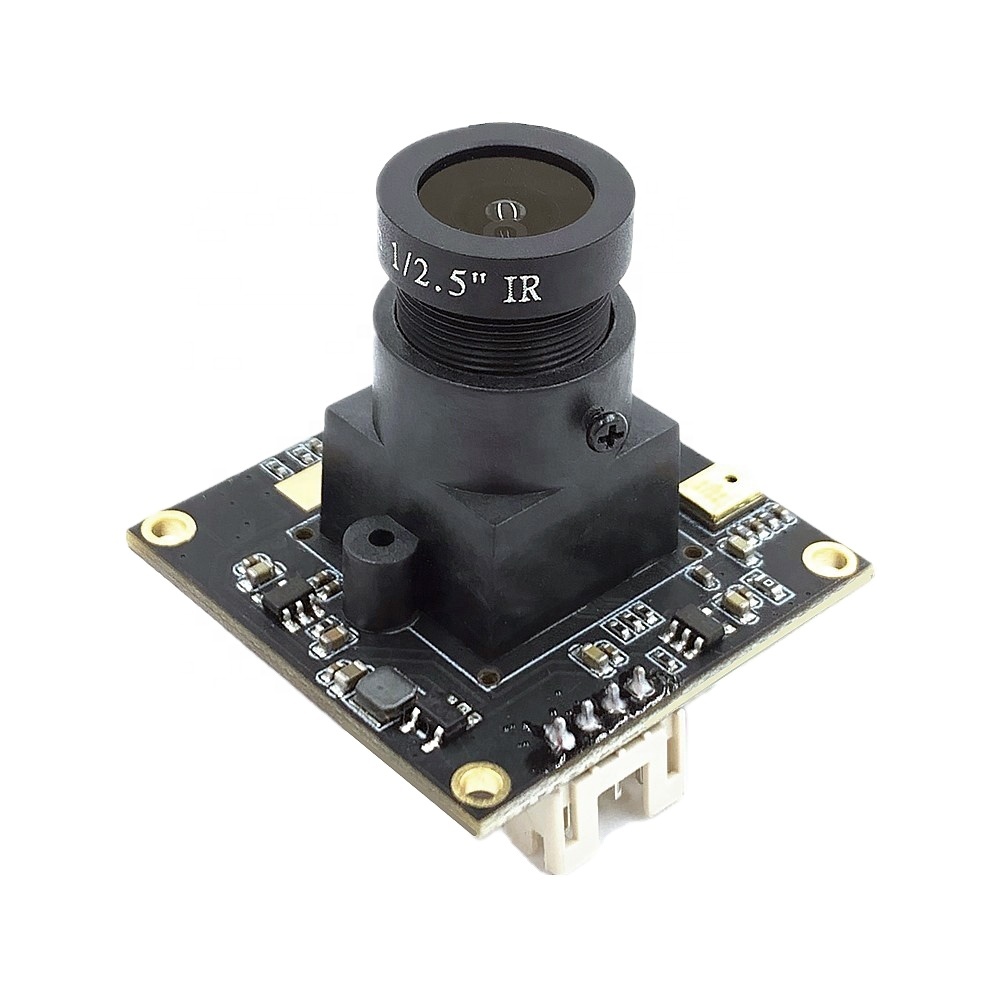
| Low-Lux Night Vision | 2.0MP Sony STARVIS IMX291 | 30 FPS @ 0.001 Lux (32x32mm) | USB / MJPEG / H.264 | Baltic Maritime, Night Border Surveillance |
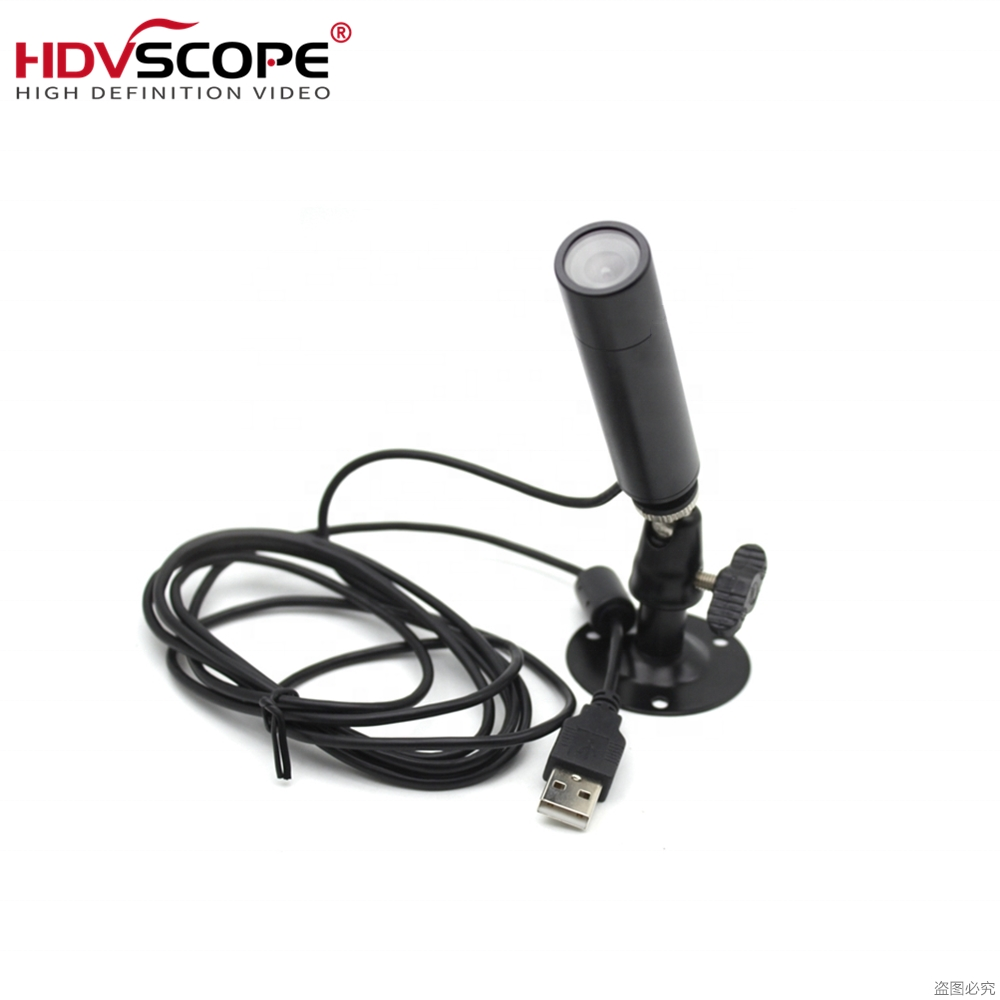
| Industrial IP67 Mini | 2.0MP 1/4" CMOS | 30 FPS @ 720P (20mm Dia. Tube) | USB 2.0 / Waterproof Cable | Underbody Vehicle Inspection, Outdoor Pipe AI |
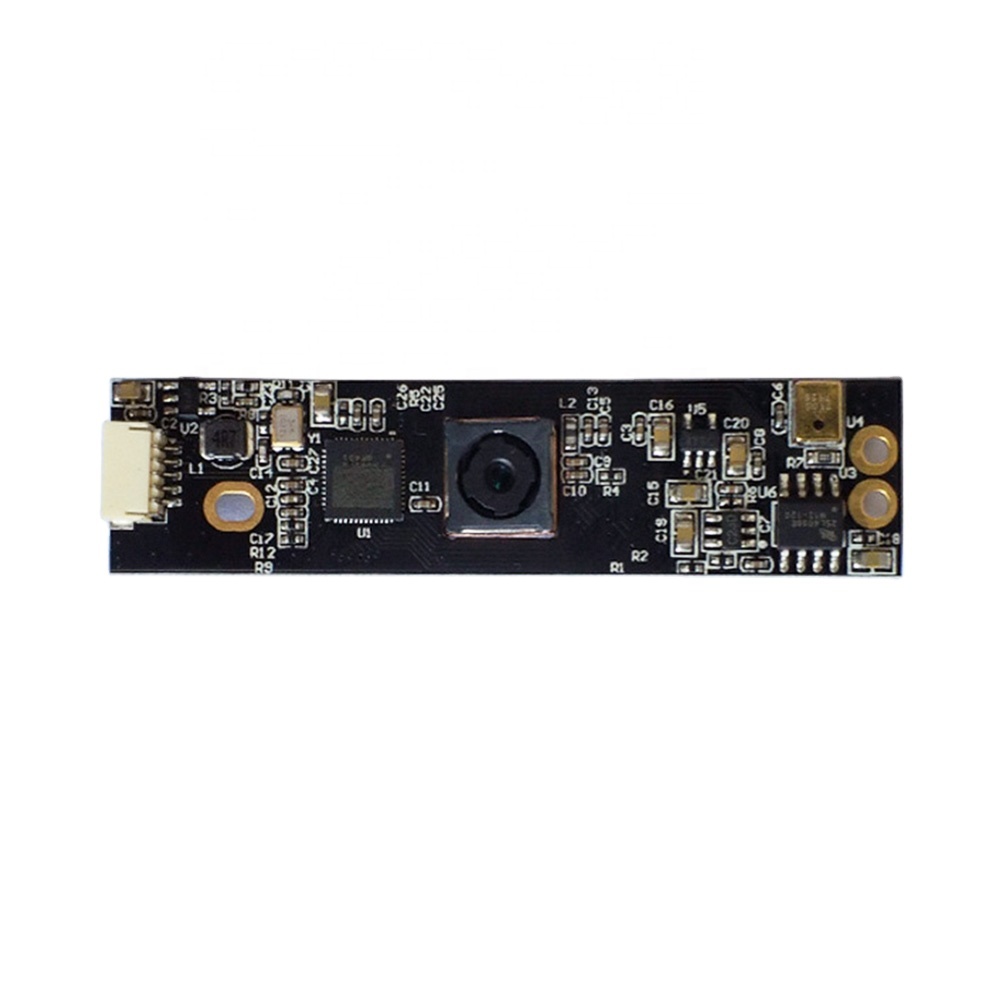
| High-Res Autofocus | 8.0MP 1/3.2" CMOS | 15 FPS @ 3264x2448 (62x15mm) | USB 2.0 YUY2 / MJPEG | Document Capture, Timber Defect Analysis |
| Smart Kiosk & VTM | 2.0MP Onsemi WDR | 30 FPS @ 1080P WDR (32x32mm) | UVC Driverless USB | E-ID Kiosks, Banking ATM, Face Recognition |
Why Partner with Brekta Electronics for Estonia Projects?
Shenzhen Brekta Electronics Co., Ltd. is a specialized high-tech OEM/ODM enterprise focused on the research, engineering, and manufacture of micro USB, IP, AHD, and specialized machine vision camera modules. Serving international clients across Europe, North America, and Asia, our facility delivers end-to-end optical engineering support:
Full ODM/OEM Customization
Our engineering team utilizes Protel and Allegro PCB design software to build tailor-made circuit layouts, customize cable lengths, integrate IR-cut filters, fine-tune ISP firmware, and configure custom FOV lens mounts from sample evaluation to mass production.
Strict Quality Control & Certification
Every single camera module undergoes rigorous optical testing, image clarity calibration, and burn-in aging prior to dispatch. Products are fully certified under CE, FCC, and RoHS standards, ensuring effortless compliance for European market distribution.
Low MOQ & Fast Sample Turnaround
We empower innovative tech startups and system integrators with low initial thresholds—standard evaluation samples ship within 1 to 3 working days with MOQs starting as low as 1 piece.
24-Month Warranty & Rapid Support
All Brekta products carry a comprehensive 24-month factory warranty with direct technical replacement and a guaranteed 2-hour response window during business operating hours.
Frequently Asked Questions (FAQ) - B2B Sourcing in Estonia
Ready to Build Custom Machine Vision Systems in Estonia?
Contact our senior optical engineering team today to request hardware samples, submit technical drawings, or receive a tailored quotation within 2 hours.
Get a Quote