High-Performance USB Camera Modules for Industrial OEM Integration
Featured UVC USB, Low-Lux Starvis, WDR Onsemi, and High-Speed Module Configurations Available for Instant OEM Evaluation
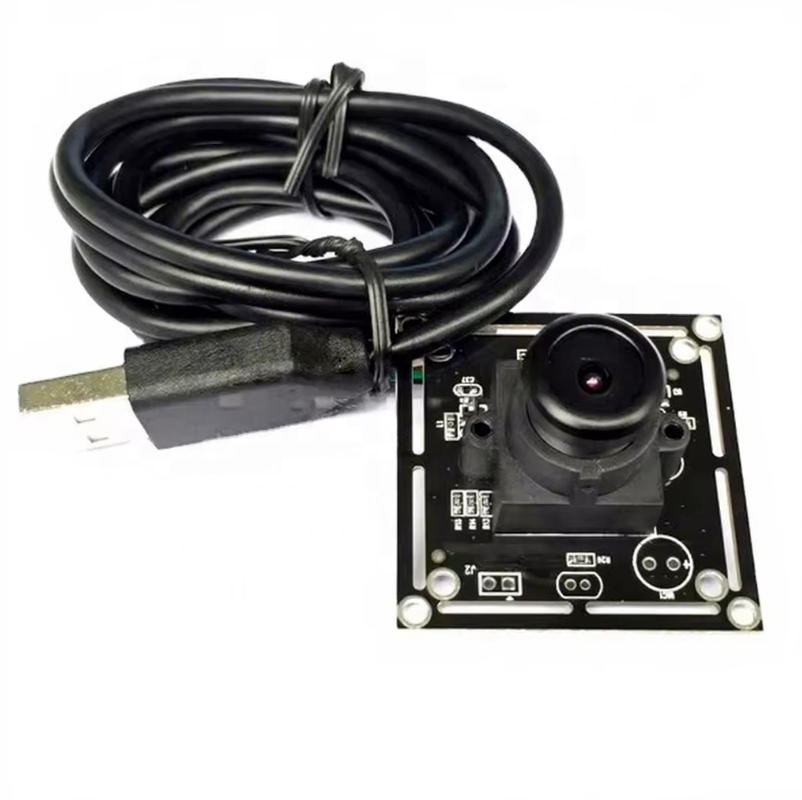
3.6mm Board Lens EX-View WDR 1.3MP 32*32mm Color USB Camera Module for Advertising Playing Equipment Electronic Equipment

32*32mm Starvis & WDR 0.001Lux 2.0MP 1920*1080 Color USB Camera Module Face Recognition 4mm Non-distortion Lens for Video Wall
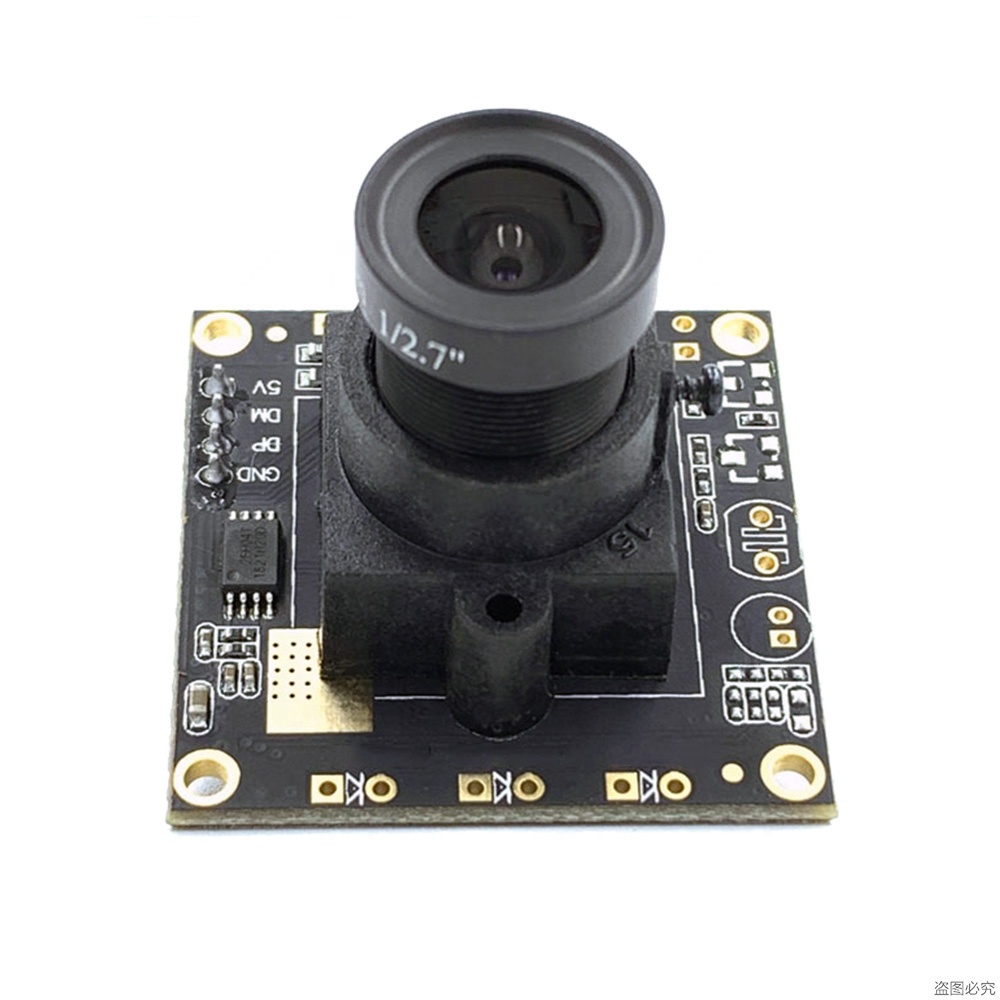
WDR 2.0MP 1920*1080 32*32mm Color USB Camera Module 1/2.7" AR0230 Onsemi CMOS for ATM KIOSK Scanning Machine Hot Sale
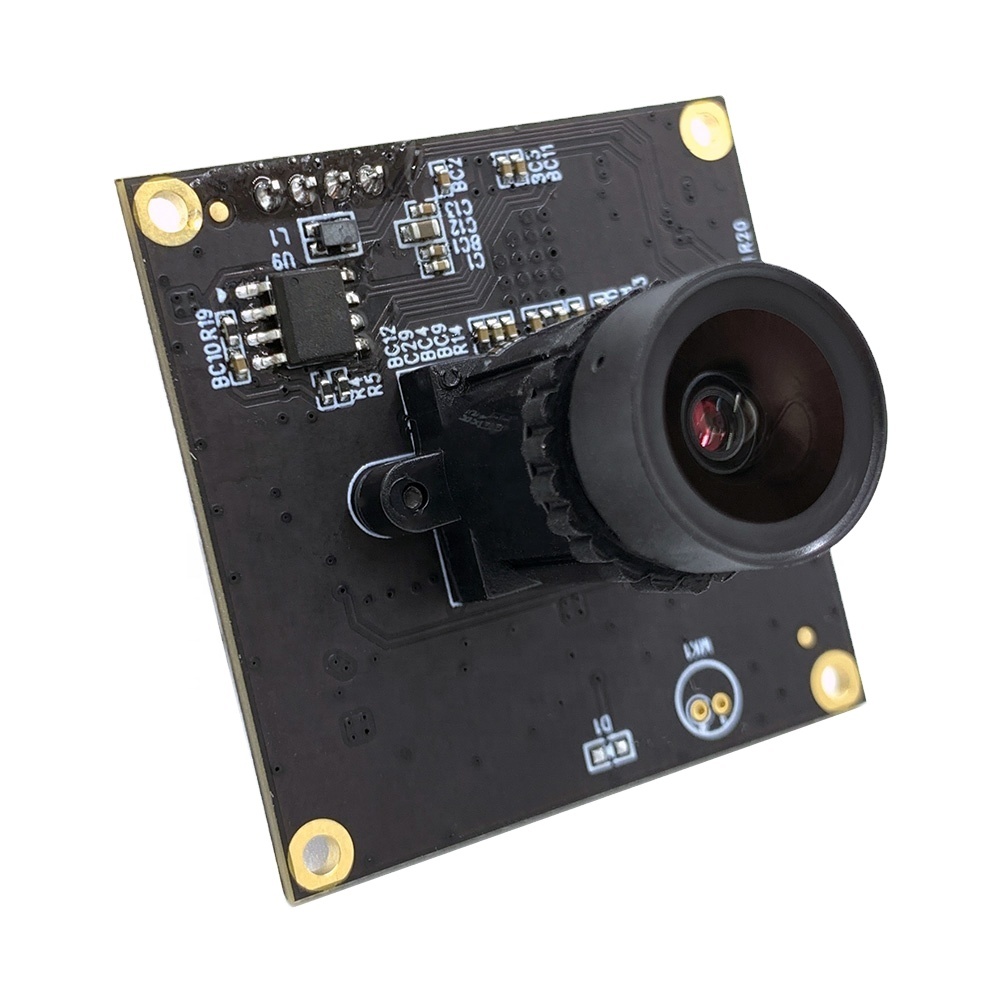
Customized High Speed HDR 330fps 2.0MP 38*38mm High Frame Rate USB Camera Module Wide Angle with 2.1mm Board Lens
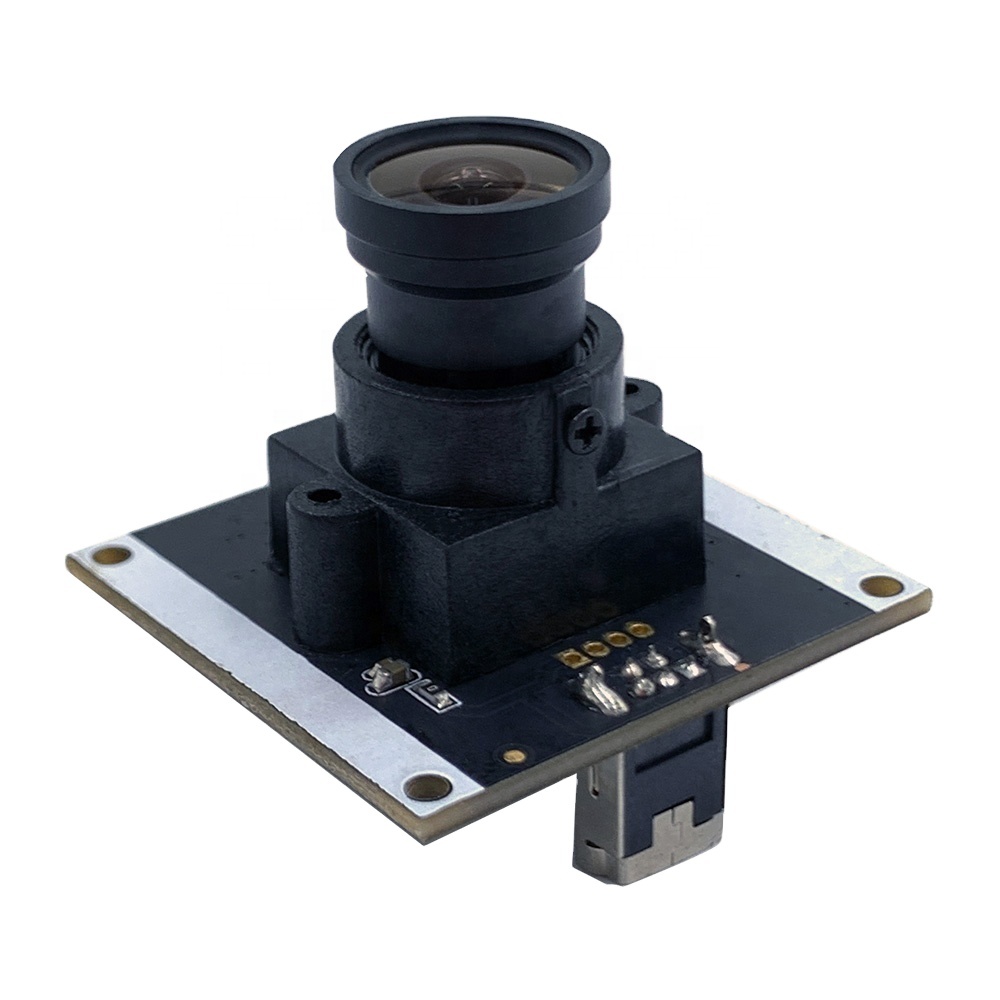
USB-Mini Connector 2.0MP Color USB Camera Module ATM KIOSK Scaning Machine AR0230 Onsemi CMOS WDR 1920*1080 30fps 0.01Lux HDV
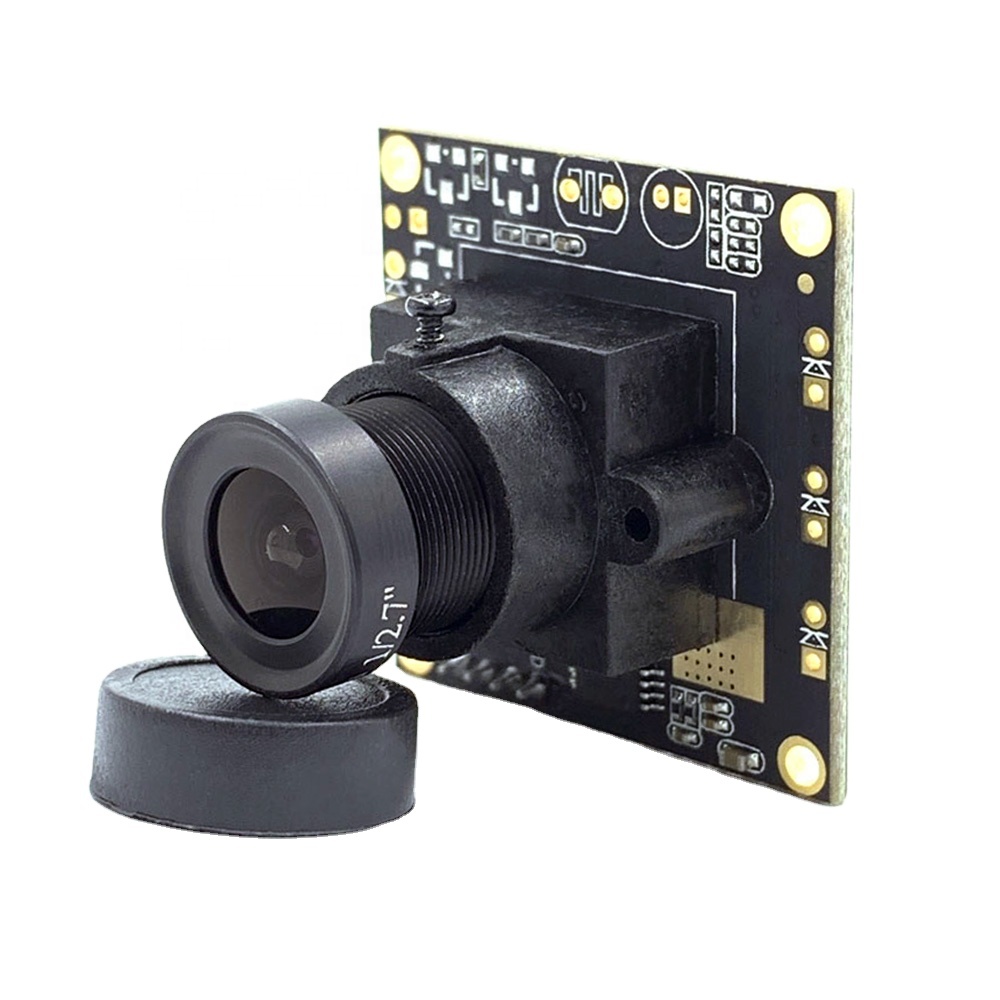
1920*1080 32*32mm AR0230 Onsemi CMOS WDR 2.0MP Color USB Camera Module for Information Technology Solutions
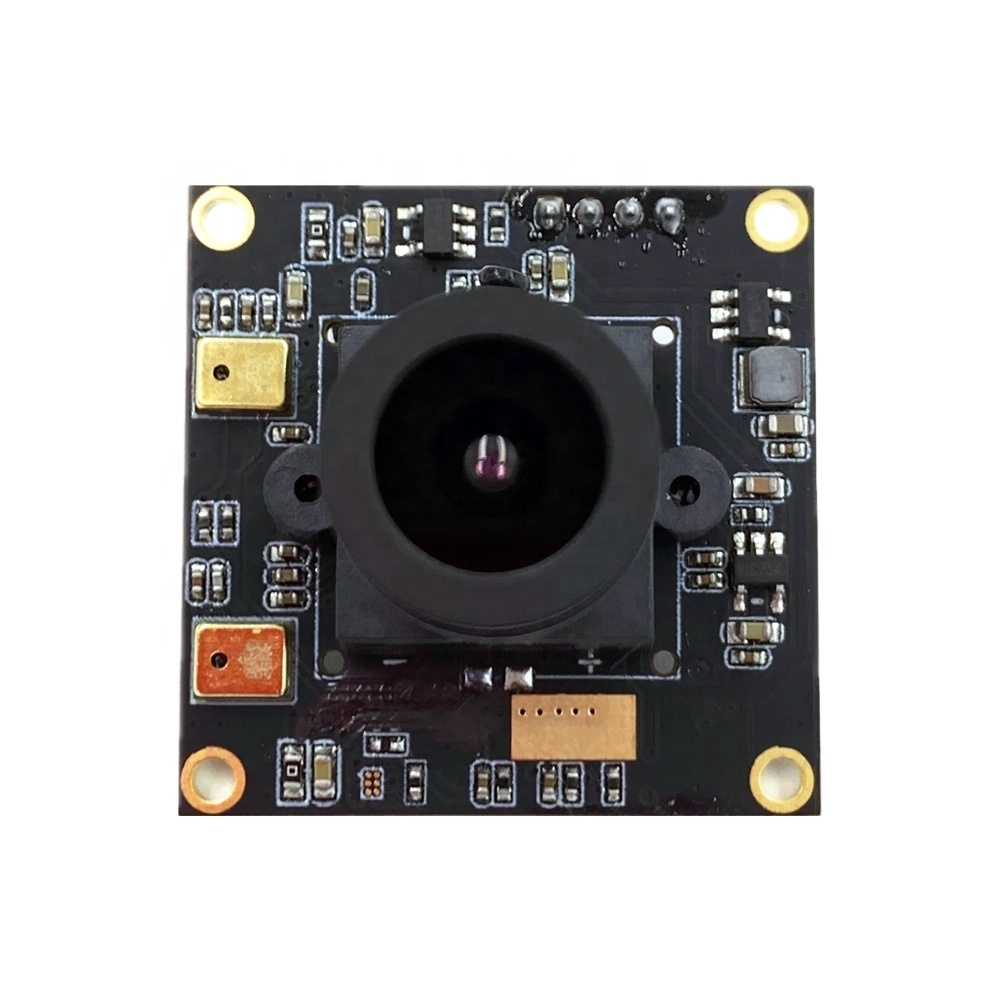
2.0MP 1920*1080 Rolling Shutter 0.001Lux H.264 Starvis & WDR 32*32mm Color USB Camera Module for Remote Monitoring
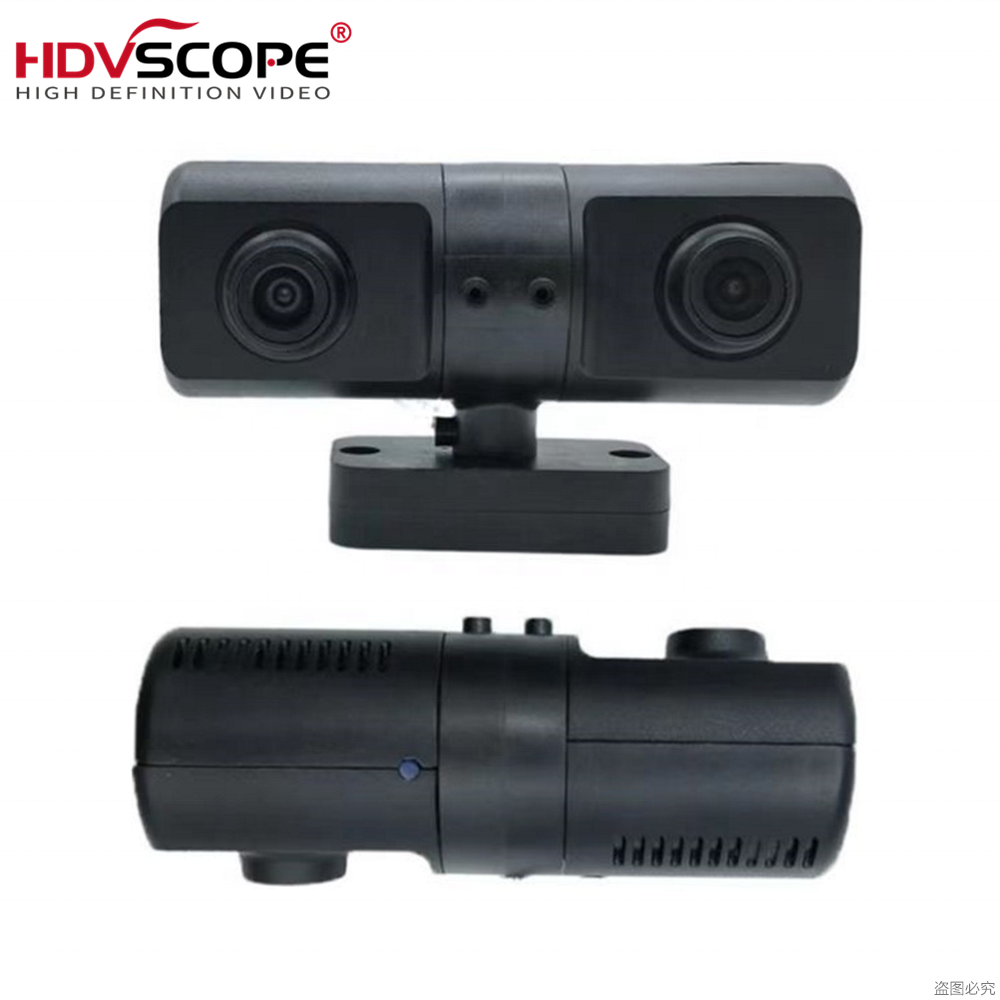
1/4" CMOS Dual Lens 1.0MP 1280*720 Night Vision USB Front Camera 125 Degree Wide Angle Lens 6PCS IR-Leds for CCTV Lenses
Engineering High-Precision Auto Focus USB Camera Modules for Triesen Manufacturing Ecosystems
In the highly specialized industrial micro-region of Triesen and the surrounding Rhine Valley optical corridor in Liechtenstein, machine vision requirements demand an unprecedented level of sub-millimeter optical clarity, thermal stability, and seamless software integration. As precision engineering, medical instrumentation, automated assembly, and high-security financial terminals advance toward autonomous Edge-AI processing, selecting the optimal Auto Focus USB camera manufacturer and factory supplier becomes a critical operational vector.
Standard consumer webcams and off-the-shelf fixed-focus camera boards fail to meet the dynamic focal range, rapid contrast-detection or phase-detection response times, and ruggedized vibration resistance mandatory in Alpine manufacturing environments. The deployment of Voice Coil Motor (VCM) driven auto focus systems, combined with High Dynamic Range (HDR) Onsemi and Sony Starvis CMOS sensors, provides the technological bridge required for automated inspection systems operating under fluctuating ambient light and varying target working distances.
The Optical Physics of Micro-Voice Coil Motor (VCM) Focus Actuation
Auto Focus (AF) camera modules engineered for embedded industrial machines rely on miniature electromagnetic Voice Coil Motors to shift the optical lens assembly along the Z-axis with sub-micron precision. Unlike stepper motors, VCM actuators offer near-instantaneous response times (typically 10ms to 30ms step response), low power dissipation, and a miniature footprint compatible with 15x15mm, 32x32mm, and 38x38mm standard PCB form factors.
When combined with custom Image Signal Processors (ISP), the auto-focus algorithm continuously evaluates contrast gradient curves (Contrast Auto Focus) or utilizes dual-pixel phase detection. For automated document capture, high-speed QR code reading, micro-component alignment, and biometric facial verification in Triesen's cleanroom and bank automation environments, VCM-driven autofocus eliminates depth-of-field constraints, ensuring pin-sharp focus from 3cm macro distances to infinity.
Localized Application Scenarios in Triesen & Alpine High-Tech Clusters
How Advanced Optical USB Camera Modules Drive Precision Engineering, Cleanroom Robotics, and Smart Infrastructure in Liechtenstein
Micro-Mechanics & Precision Optics Assembly
In Triesen’s renowned precision manufacturing workshops, mini USB auto-focus modules are integrated into automated optical inspection (AOI) rigs to verify micro-gear tolerances, dental instrument machining, and surface finishes down to micrometer resolutions.
Medical Robotics & Cleanroom Instrumentation
Featuring driverless USB Video Class (UVC) plug-and-play protocols and medical-grade PCB coatings, our compact camera boards deliver real-time 1080P/4K video feeds for diagnostic devices, liquid handling robotics, and sterile laboratory automation.
Smart Financial Kiosks & VTM Liveness Verification
Liechtenstein's banking and fiduciary automation infrastructure utilizes dual-lens RGB + IR and 120dB WDR AR0230 Onsemi camera modules to prevent spoofing, capture client ID documents across extreme lighting, and ensure seamless biometric face recognition.
Extreme Alpine Environmental Monitoring
Industrial outdoor enclosures deployed across the Rhine Valley leverage our 0.001 Lux Sony Starvis low-light sensor modules and wide-temperature range (-20°C to +70°C) circuitry for 24/7 weather monitoring, tunnel safety, and perimeter surveillance.
High-Speed Motion Analysis (Up to 330 FPS)
Factories operating automated conveyor belts and robotic sorting lines utilize customized 330fps high-frame-rate USB camera modules to capture ultra-fast transient defects without motion blur or rolling shutter distortion.
Reverse Logistics & Smart Packaging Scanning
Compact 32x32mm USB auto-focus camera boards embedded in parcel lockers and reverse vending units rapidly auto-adjust focal depth to read wrinkled 1D/2D barcodes on packages of varying volumes and heights.
Technical Matrix: Fixed Focus vs. Manual Iris vs. VCM Auto Focus USB Modules
When selecting embedded imaging components for complex OEM projects in Triesen, hardware engineers must evaluate focus mechanism trade-offs regarding response velocity, mechanical wear, working distance flexibility, and ISP tuning complexity.
| Optical Parameter | Fixed Focus Board Modules | Manual Adjustable Lens | VCM Auto Focus USB Modules |
|---|---|---|---|
| Target Working Distance | Static (e.g., set at 60cm hyperfocal) | Manual lock required | Dynamic Macro (3cm) to Infinity |
| Focus Actuation Speed | N/A (Fixed Optics) | Manual Operator Adjustment | 10 ms – 30 ms Instantaneous VCM |
| Vibration & Shock Rating | Very High (Solid State) | Medium (Thread set-screws can shift) | High (Damped VCM Springs) |
| Depth-of-Field (DoF) Flexibility | Limited by physical aperture stop | Restricted to static preset | Adaptive ISP Focus-Tracking Algorithm |
| Ideal Application in Triesen | Fixed document scanners, fixed angle CCTV | Static lab inspection setups | Robotics, Variable Kiosks, Medical Devices |
| UVC Driverless Compatibility | Standard USB 2.0 / 3.0 UVC | Standard USB 2.0 / 3.0 UVC | UVC Extension Units (Focus Control via SDK) |
Localized Machine Vision Trends in Triesen & Central European Industry 4.0
The industrial market across Liechtenstein and German-speaking DACH regions is experiencing a rapid convergence between traditional embedded Linux/Windows systems and decentralized Edge AI visual compute modules. Procurement teams and engineering directors in Triesen are increasingly searching for OEM camera factories capable of delivering highly customized sensor hardware backed by predictable supply chains and robust technical documentation.
1. Migration to High Dynamic Range (HDR / WDR) Sensors
In real-world industrial environments—such as glass-fronted bank lobbies, semi-outdoor automated kiosks, or brightly lit factory floors—uneven illumination causes catastrophic sensor overexposure or deep shadow blackouts. Modern procurement specifications strictly mandate sensor chips featuring Hardware WDR (such as the Onsemi AR0230 providing up to 120dB dynamic range) to guarantee contrast fidelity across high-contrast environments.
2. Transition from USB 2.0 to High-Bandwidth USB 3.0 & Type-C Connectors
While standard 1080P 30fps MJPEG streams operate comfortably within USB 2.0 480Mbps bandwidth constraints, modern 4K resolution inspection, 60fps uncompressed YUY2 video, and ultra-high-frame-rate 330fps tracking demand USB 3.0 SuperSpeed architecture. Factories in Triesen are standardizing on flexible Type-C and lockable Molex/JST micro-connectors to prevent accidental disconnects in vibrating industrial machinery.
3. Low-Lux Starvis Technology replacing Traditional IR Illuminators
Active Infrared (IR) LEDs introduce glare on metallic or glassy surfaces and consume considerable power. Sensor innovations such as Sony's Starvis backside-illuminated (BSI) pixel technology achieve sensitivities down to 0.001 Lux, enabling full-color image capture in near-dark conditions without artificial IR illumination.
Shenzhen Brekta Electronics: Enterprise OEM/ODM Advantages
Direct Factory Engineering, Protel/Allegro PCB Customization, and Rigorous ISO-Level Quality Assurance for European Integrators
Full In-House Engineering & Design
Our senior hardware team utilizes Protel and Allegro CAD suites to design multi-layer PCB layouts customized to client housing constraints, connector orientations, and EMI shielding mandates.
Strict Quality Control & Burn-In Testing
100% of finished camera modules undergo optical focus alignment, ISP color calibration, temperature soak cycling, and full function testing prior to vacuum packaging and air dispatch.
Sample Dispatch in 1–3 Days & Low MOQ
We support evaluation cycles in Triesen with rapid sample fulfillment (1–3 working days for standard models) and flexible Minimum Order Quantities starting from just 1 piece for OEM engineering tests.
24-Month Warranty & Lifetime Tech Support
Every industrial camera board includes a 24-month comprehensive factory warranty with free unit replacement coverage and direct access to senior optical engineers for firmware tuning.
CE, FCC & RoHS European Compliance
All Brekta products strictly comply with European Union Electromagnetic Compatibility directives, environmental RoHS norms, and FCC Class B requirements for effortless import into Liechtenstein.
Strict IP Protection & Confidentiality
We respect custom industrial intellectual property. Proprietary GERBER files, housing dimensions, and custom firmware schemes are locked under rigorous Non-Disclosure Agreements (NDAs).
Frequently Asked Questions (FAQ) for Triesen B2B Buyers & Engineers
Why choose an Auto Focus USB camera module over a fixed-focus module for industrial machines in Triesen?
Are Brekta USB camera modules driverless under Embedded Linux and Windows IoT?
Can you customize the PCB size, cable harness, and optical lens angle for our enclosure in Triesen?
What high frame rate options are available for ultra-fast motion tracking?
What dynamic range features are available for scenes with harsh backlighting or glare?
What is the minimum order quantity (MOQ) and sample lead time for evaluation in Liechtenstein?
How do low-lux Starvis sensors perform in low-light industrial environments?
What certifications do your camera modules hold for European market entry?
What operating temperature range do your industrial camera boards support?
What warranty and technical support services are provided post-purchase?
Partner with a Leading Auto Focus USB Camera Manufacturer
Consult with Our Direct Optical Engineers for Customized PCB Drawings, Free Evaluation Samples, and Complete Technical Specifications Tailored for Your Triesen OEM Project.
Inquire Now