Featured Automotive & Industrial Camera Modules
Precision-engineered imaging hardware optimized for ADAS, in-cabin monitoring, machine vision, and extreme environmental durability.
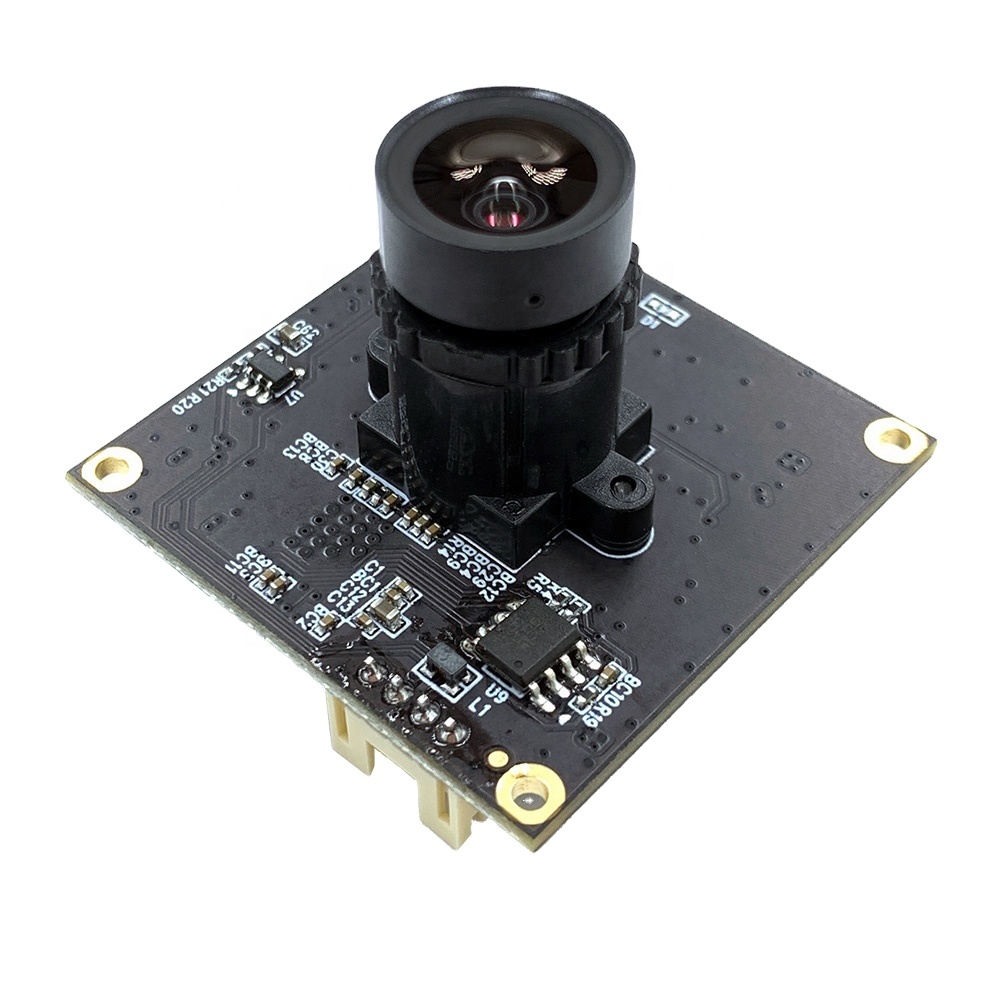
- Frame Rate: Ultra High 330fps
- Dynamic Range: High Dynamic Range (HDR)
- Form Factor: 38*38mm Board, YUY2/MJPEG
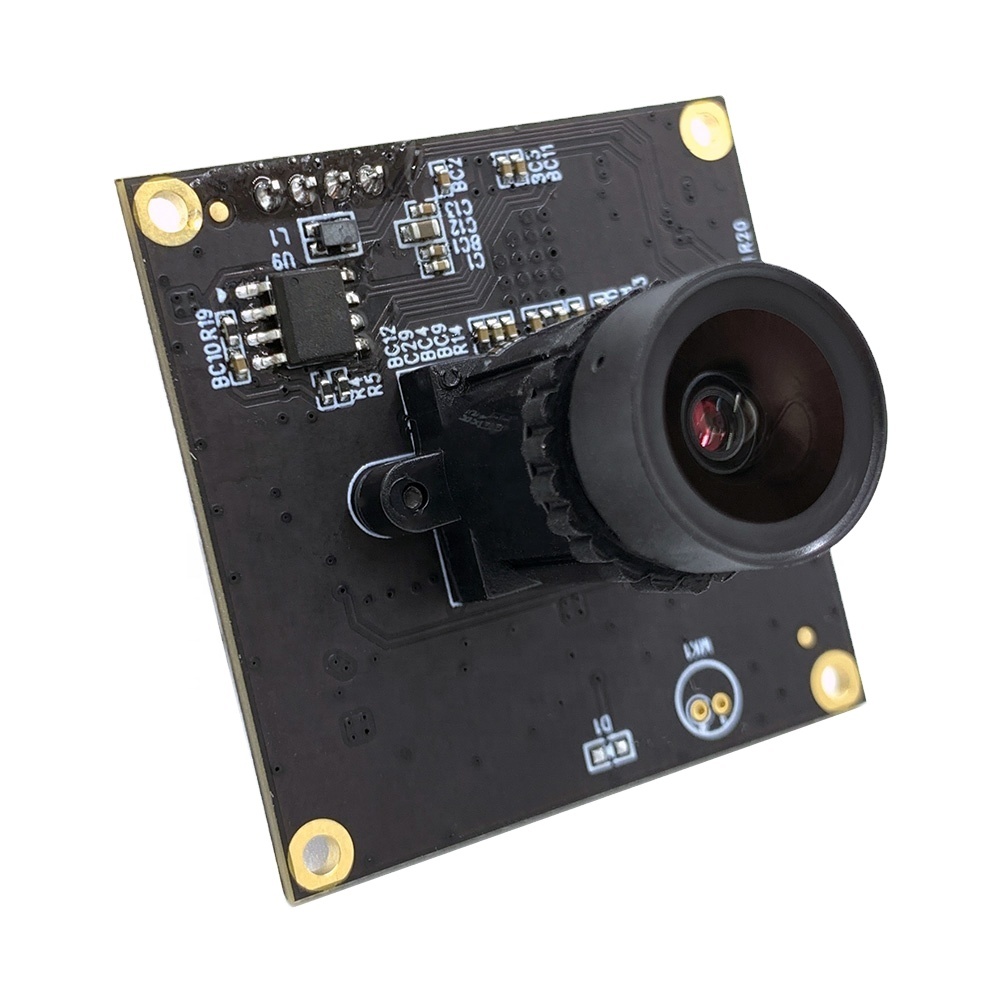
- Optics: 2.1mm Ultra Wide Angle
- Frame Rate: High Frame Rate 330fps
- Customization: Flexible FPC & Board Layout
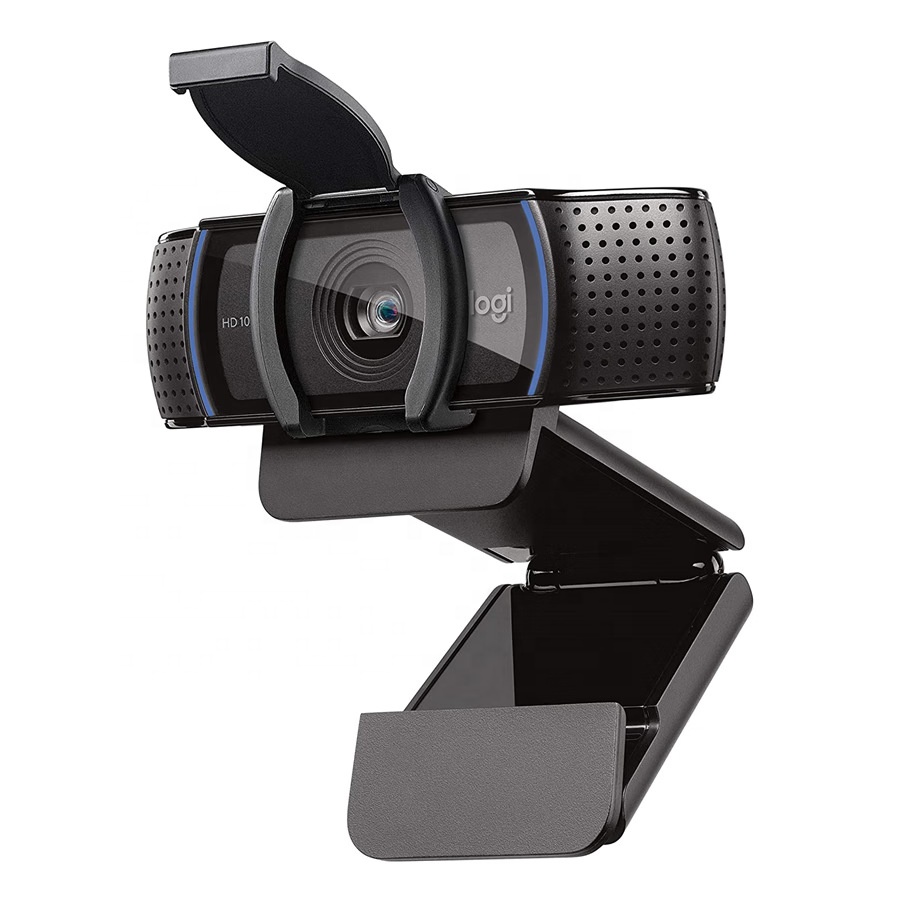
- Focus: Fast Color Autofocus System
- FOV: 78° Visual Field of View
- Extras: Dual Mics & Hardware Shutter
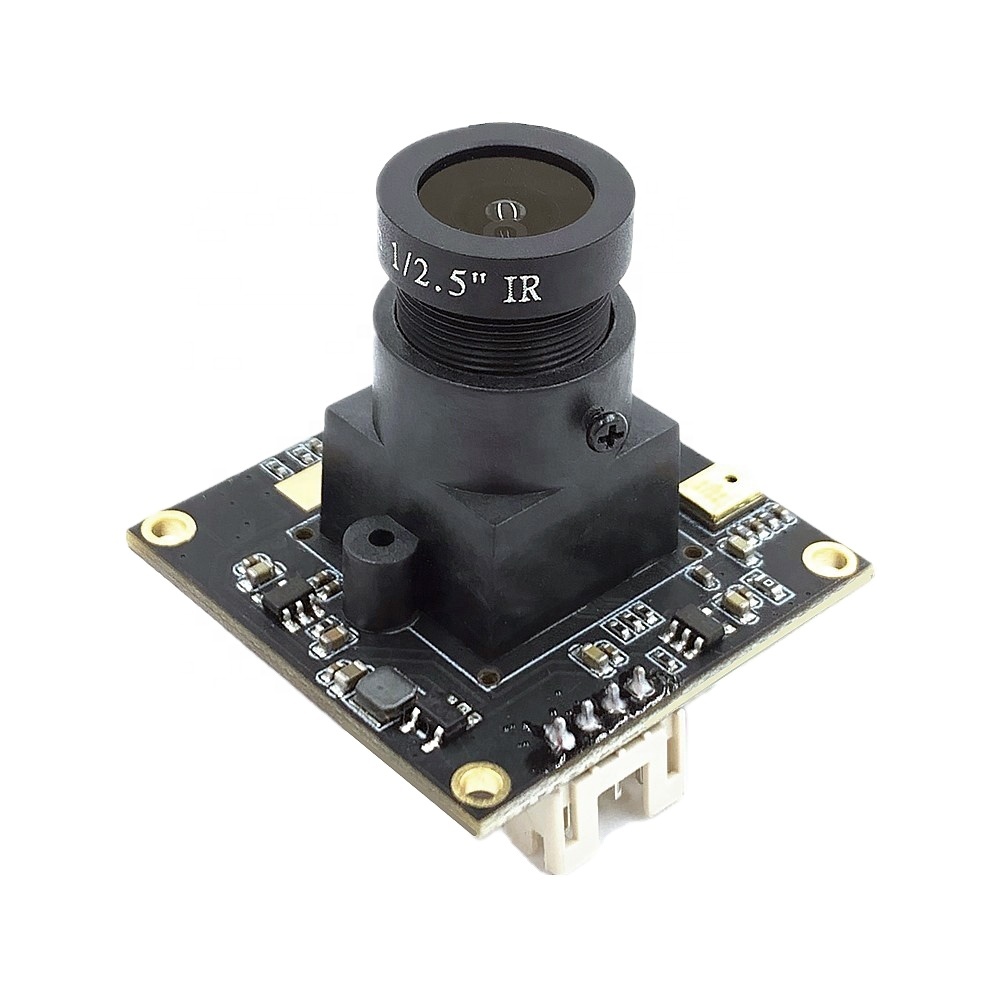
- Sensor: Sony Starvis™ Ultra Low Light
- Sensitivity: 0.001 Lux Night Color
- Compression: Onboard H.264 / WDR
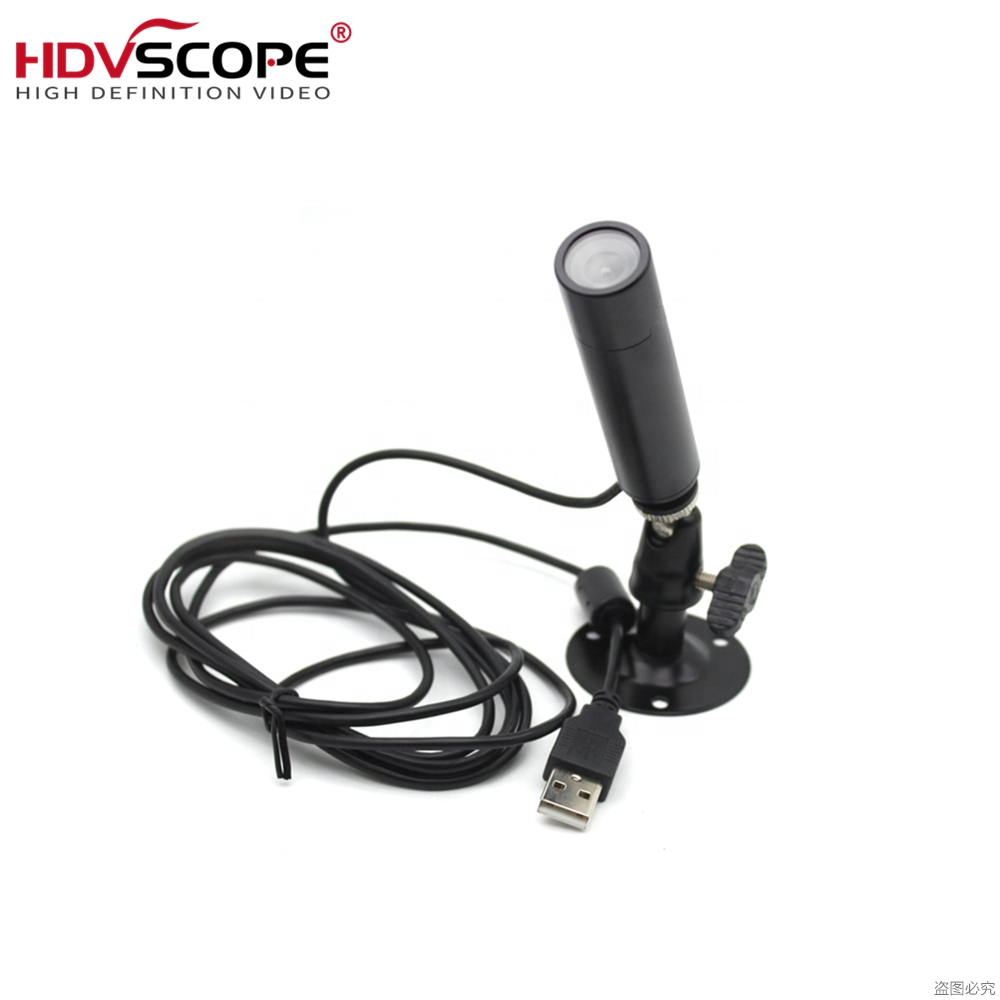
- Protection: IP67 Waterproof Bullet Housing
- Compact Size: 20mm Micro Diameter
- Lens: 2.8mm Wide Angle Board Lens

- Precision: Non-Distortion 4mm Lens
- Target App: Face Recognition & DMS
- Dimensions: 32*32mm PCB Size
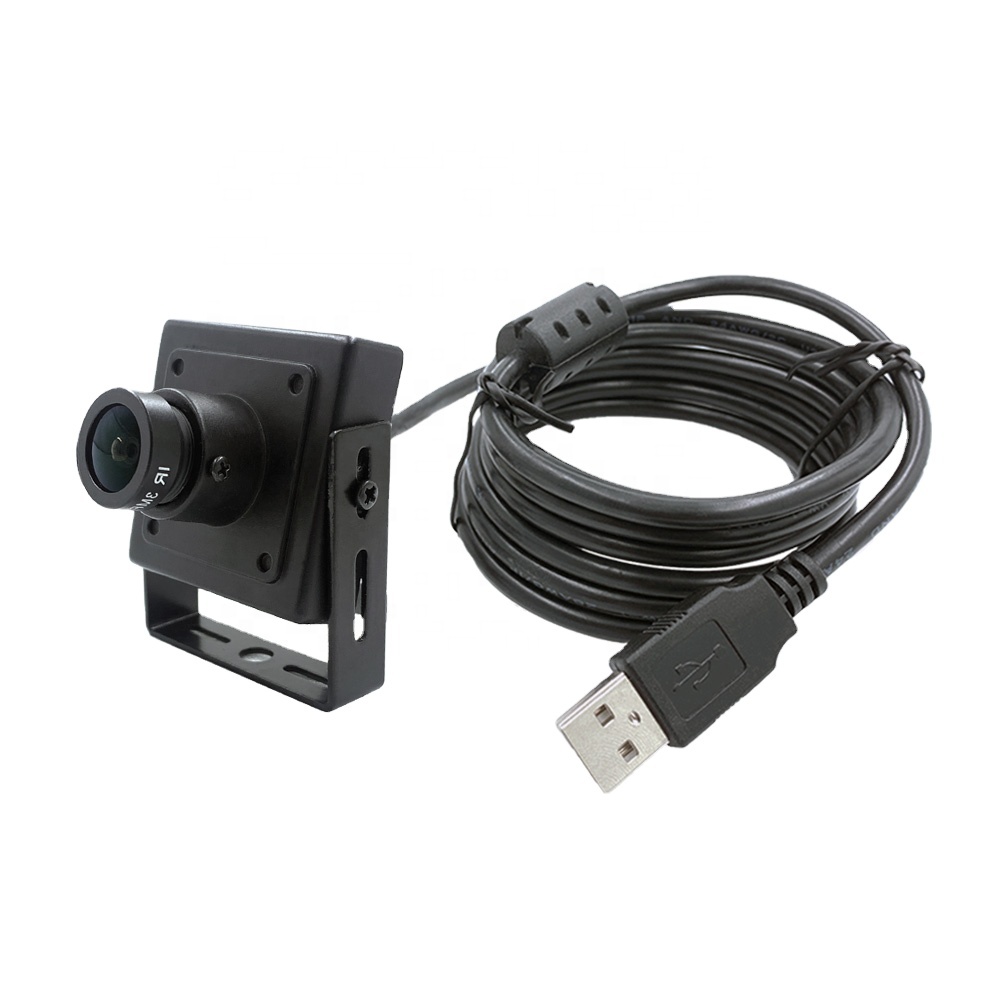
- Interface: UVC Plug-and-Play Driverless
- Low-Light: 0.1 Lux Starlight Target
- Use Case: Embedded Kiosks & In-Vehicle
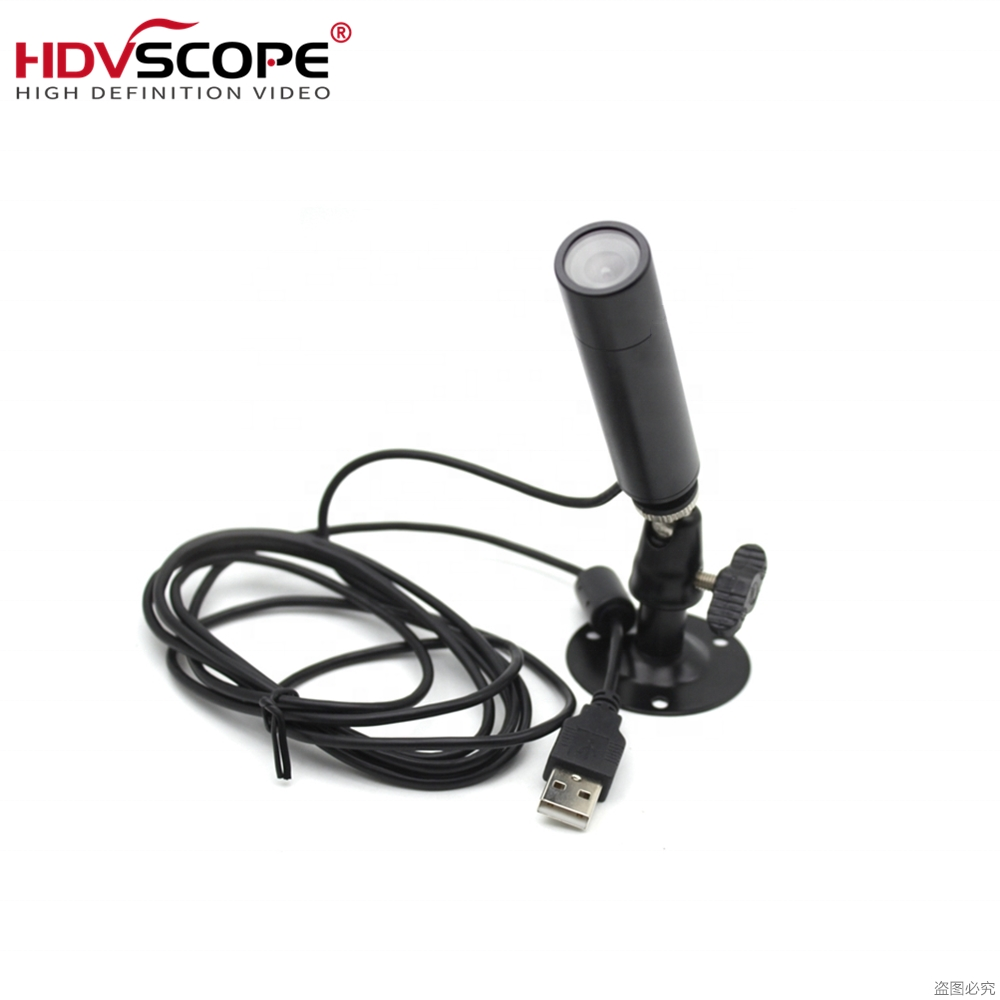
- Waterproof: Full IP67 Enclosure
- Sensor: High-Speed 1/4" CMOS
- Scope: Industrial Machine Vision & Auto
1. Technical Whitepaper: Automotive Camera Module Engineering & Strategic Supply Serving Balzers
The global automotive vision ecosystem is undergoing a generational shift. As driver assistance systems transition from basic parking sensors toward Level 2+ and Level 3 autonomous driving architectures, the optical demands placed on embedded camera modules have magnified exponentially. Located in the Rhine Valley, Balzers (Liechtenstein) stands as a world-renowned hub for advanced thin-film coatings, high-vacuum optical technology, and precision industrial engineering. Serving OEMs, Tier-1 system integrators, and industrial machine builders in Balzers requires an uncompromising commitment to optical alignment, thermal resilience, zero-defect manufacturing, and high-speed data transmission.
As a leading China-based camera module manufacturer—headquartered in Shenzhen with dedicated cleanroom facilities in Dongguan—Shenzhen Brekta Electronics Co., Ltd. bridges cutting-edge CMOS sensor engineering with European precision standards. By deploying high-speed SMT assembly, 6-axis Active Alignment (AA) process equipment, and specialized PCB circuit routing designed via Protel and Allegro platforms, we manufacture miniature USB, UVC, IP, AHD, and custom flex-PCB camera modules that meet the stringent reliability metrics demanded by European automotive, industrial inspection, and robotics sectors.
Information Gain Insight: Modern automotive vision modules deployed in Alpine geographies like Liechtenstein and Central Europe must solve dual extreme challenges: handling instant dynamic light changes (e.g., entering dark mountain tunnels under bright sunlight) while maintaining 330fps frame rates to eliminate motion blur during high-speed highway travel. Our high-frame-rate HDR modules achieve over 120dB dynamic range to prevent sensor blinding.
1.1 Engineering the Optical Core: Active Alignment & Thermal Dissipation
In traditional consumer webcam assembly, lenses are mechanically threaded into M12 or M8 holders. However, automotive and industrial-grade applications demand microscopic optical precision. A deviation of just 2 micrometers in lens centering or a tilt of 0.1 degrees across the sensor plane causes severe optical edge softness, throwing off ADAS neural network object recognition algorithms.
To serve automotive integrators supplying Balzers and European markets, our factory utilizes automated 6-axis Active Alignment (AA) systems. During assembly, the camera sensor is powered on, capturing real-time Modulation Transfer Function (MTF) test target charts while robotic arms position the multi-element glass lens in 3D space (X, Y, Z, Pitch, Yaw, Roll). The UV-curable optical adhesive is cured only when MTF values reach peak sharpness across all four corners and the optical center simultaneously.
6-Axis Active Alignment (AA)
Eliminates corner softness and optical tilt by dynamically focusing lenses under live sensor feed before UV curing, guaranteeing maximum MTF resolution across the entire image field.
Extreme Temp Operability
Engineered with automotive-grade automotive substrates and glass-metal lens barrels that maintain sharp focus across temperature swings from -40°C sub-zero Alpine winters to +85°C internal cabin heat.
Hydrophobic Coating Integration
Compatible with specialized thin-film optical coatings (such as those pioneered in Balzers vacuum deposition lines) providing scratch resistance, oleophobic repelling, and anti-fog performance.
2. Localized Automotive & Industrial Application Scenarios in Balzers & Central Europe
Liechtenstein and its neighboring Swiss and Austrian industrial clusters house top-tier manufacturers of high-vacuum equipment, automated assembly lines, specialty vehicles, and precision components. Deploying camera modules in this regional ecosystem involves highly specific physical and operational environments:
Scenario A: Driver Monitoring Systems (DMS) & Occupant Status (OMS) in European Electric Vehicles
European Union General Safety Regulation (GSR II) mandates Advanced Driver Distraction Warning (ADDW) systems for all newly registered vehicles. Our 32*32mm Rolling Shutter 0.001Lux Starvis & WDR USB Camera Modules are embedded discreetly within the steering column or A-pillar. Equipped with 940nm bandpass IR filter integration and non-distortion 4mm lenses, these modules capture precise driver eye-tracking, blink frequency, and head pose data even through dark sunglasses and pitch-black night conditions without blinding the vehicle occupants.
Scenario B: Autonomous Mobile Robots (AMR) & Optical Inspection in Cleanrooms
High-tech manufacturing facilities in Balzers producing optical components utilize automated guided vehicles (AGVs) and AMRs for material handling. Our Customized High-Speed HDR 330fps 2.0MP USB Modules with 2.1mm Wide-Angle Lenses allow AMRs to perform visual SLAM (Simultaneous Localization and Mapping) and high-speed QR-code floor navigation at rapid transit speeds, drastically increasing cleanroom throughput while eliminating visual motion blur.
Scenario C: Heavy Agricultural & Alpine Road Machinery Surround Vision
Operating snowplows, mountain slope maintenance vehicles, and municipal municipal trucks in Liechtenstein requires 360-degree situational awareness under dense fog, heavy snow, and sub-zero temperatures. Our 2MP IP67 Mini USB Bullet Cameras (20mm Diameter) feature fully potted stainless-steel/aluminum housings, reinforced strain-relief cabling, and wide thermal tolerance, serving as rugged external surveillance eyes that withstand high-pressure water jet cleanings and road salt spray.
Automotive Vision Protocol Comparison Matrix
Selecting the optimal camera bus architecture is critical for balancing signal latency, CPU overhead, and hardware integration cost. The table below outlines the trade-offs engineered into our module lineup:
| Interface Standard | Data Bandwidth | Max Harness Distance | Latency Profile | Primary Industrial / Automotive Application |
|---|---|---|---|---|
| USB 2.0 UVC (High-Speed) | Up to 480 Mbps | 3m - 5m (Direct) / 15m (Active) | Ultra-Low (< 30ms @ MJPEG/H.264) | In-Cabin DMS, Kiosks, AMR Robots, Diagnostic Equipment |
| USB 3.0 / SuperSpeed | Up to 5 Gbps | 3m (Copper) / 100m (Optical) | Near-Zero Uncompressed YUY2/RAW | High-Speed 330fps Visual SLAM, Automated Optical Inspection |
| IP / Ethernet (RTSP / ONVIF) | 10/100/1000 Mbps | 100m (Standard Cat5e/Cat6) | 120ms - 200ms (H.265 Encoded) | Perimeter Security, Fleet Telematics, Infrastructure Cameras |
| AHD / HD-SDI Coaxial | 1.485 Gbps (SDI) | 100m - 300m (Coaxial Cable) | Zero Delay (Uncompressed Analog HD) | Commercial Vehicle Dash Cam Retrofits, Marine, Rearview Mirrors |
3. Localized Development Trends in Central European Automotive Vision (2025–2030)
As the automotive supply chain around Liechtenstein and Switzerland accelerates towards full electrification and digital connectivity, four macro engineering trends are shaping camera module specifications:
3.1 High-Frame-Rate Tracking (330fps) for Edge-AI Neural Networks
Standard 30fps or 60fps video feeds are no longer sufficient for high-speed edge AI processing. When a vehicle travels at 130 km/h on European motorways, it covers approximately 36 meters per second. A 30fps camera captures an image only every 1.2 meters, creating significant visual gaps during critical obstacle detection windows. By deploying HDR 330fps ultra-high-speed camera modules, edge processors receive visual data every 10 centimeters of travel, allowing neural networks to run object tracking, trajectory calculation, and brake activation with unmatched precision.
3.2 Starvis™ Low-Lux Sensitivity & LED Flicker Mitigation (LFM)
Modern European traffic infrastructure relies entirely on pulse-width modulated (PWM) LED traffic lights, variable speed message signs, and matrix LED automotive headlights. Standard rolling shutter cameras often experience severe "flicker" or black band artifacts due to frequency mismatch between the sensor readout and LED pulses. Our advanced Sony Starvis™ back-illuminated sensor modules incorporate LED Flicker Mitigation algorithms alongside 0.001 Lux ultra-low light sensitivity, ensuring stable sign recognition inside dimly lit Alpine tunnels and unlit rural roads.
3.3 Convergence of Cybersecurity & Firmware Integrity
With UN ECE Regulation R156 (Software Updates) and UN ECE R155 (Cybersecurity) governing European automotive type approvals, raw camera hardware must support encrypted firmware execution. Shenzhen Brekta Electronics provides customized EEPROM flash locking and signed firmware options on our USB and IP board lines, preventing malicious side-loading of code into the vehicle’s central domain controller.
4. Shenzhen Brekta Electronics: OEM/ODM Manufacturing Superiority
Sourcing camera modules directly from an experienced OEM manufacturer provides European buyers with a decisive competitive advantage in customizability, unit cost structure, and engineering agility. Shenzhen Brekta Electronics Co., Ltd. offers a comprehensive suite of enterprise manufacturing guarantees tailored for system integrators serving Balzers and global markets:
13+ Years Specialization
Over a decade focused strictly on micro USB (UVC), mini IP, AHD, and custom industrial camera board architectures with over 500 active OEM client configurations globally.
In-House PCB Layout R&D
Our electrical engineers utilize industry-standard Protel and Allegro CAD software to design custom multi-layer Rigid and Flex-PCB (FPC) board geometries suited to cramped client enclosures.
Low MOQ Prototyping
We break traditional factory barriers by offering sample engineering evaluation orders starting from just 1 piece, with standard samples dispatched within 1 to 3 working days.
24-Month Extended Warranty
Every camera module undergoes strict automated optical inspection (AOI), high-temperature aging burn-in, and full image quality calibration, backed by a 2-year replacement warranty.
Global Compliance (CE/FCC/RoHS)
Full material traceability and compliance with European environmental directives (RoHS, REACH) and electromagnetic standards (CE, FCC Class B) for seamless import into Liechtenstein & EU.
Rapid Technical Support (< 2h)
Dedicated sales engineers provide direct technical support with average response times under 2 hours, offering Linux/Windows SDK integration assistance and UVC descriptor tuning.
5. Frequently Asked Questions (FAQ) for Procurement & Engineering Teams in Balzers
Below are authoritative answers to the most common questions raised by procurement managers, hardware leads, and optical engineers importing camera modules into Liechtenstein and Central Europe: