Featured CE Certified CMOS Camera Modules for Paphos Integrators
Driver-free UVC USB, Starvis low-light, high-speed HDR, and ultra-compact camera modules tailored for self-service kiosks, ATM/VTM systems, access control, and maritime surveillance in Cyprus.
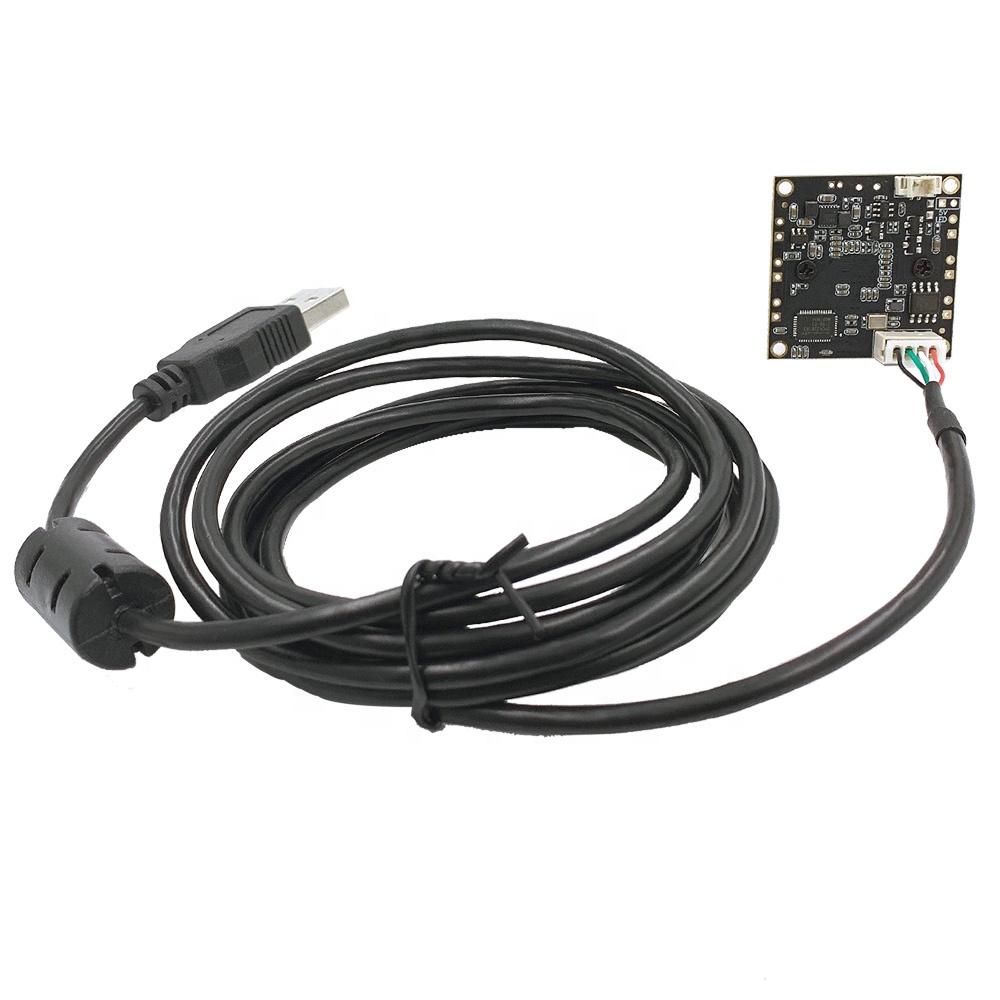
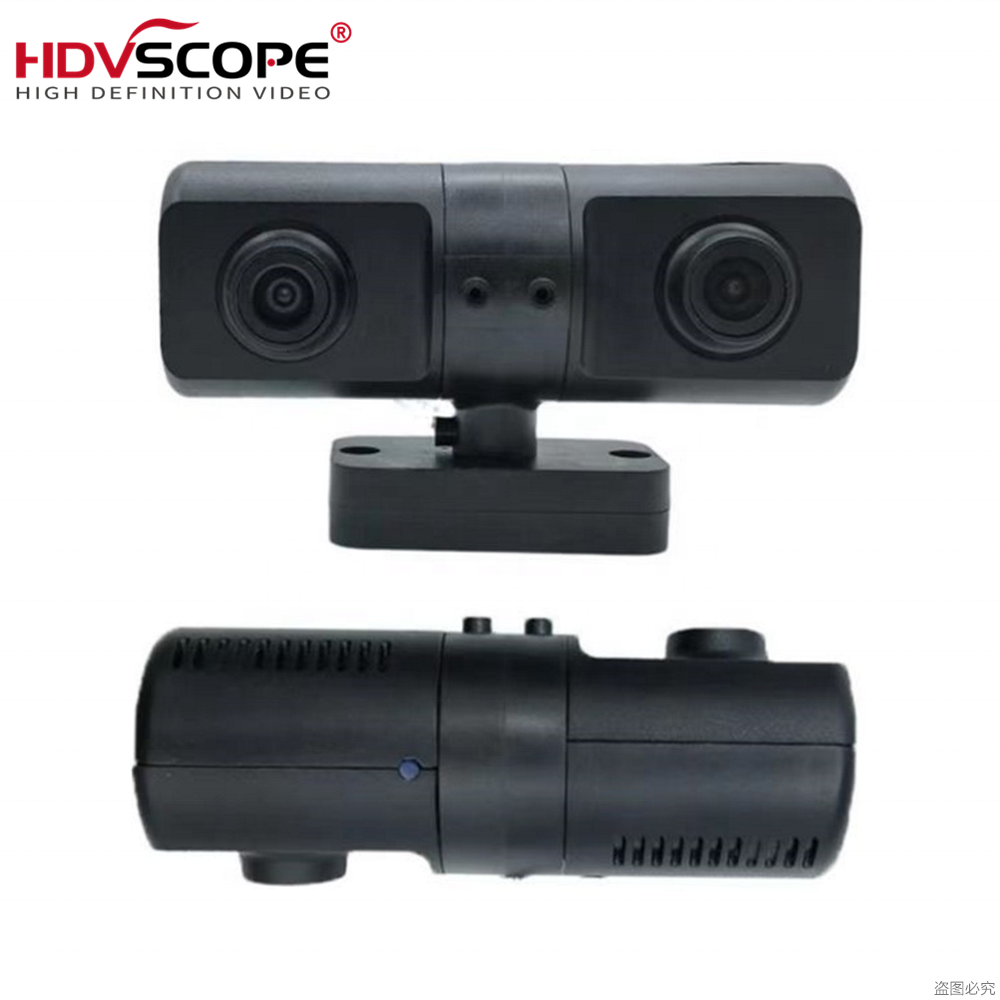
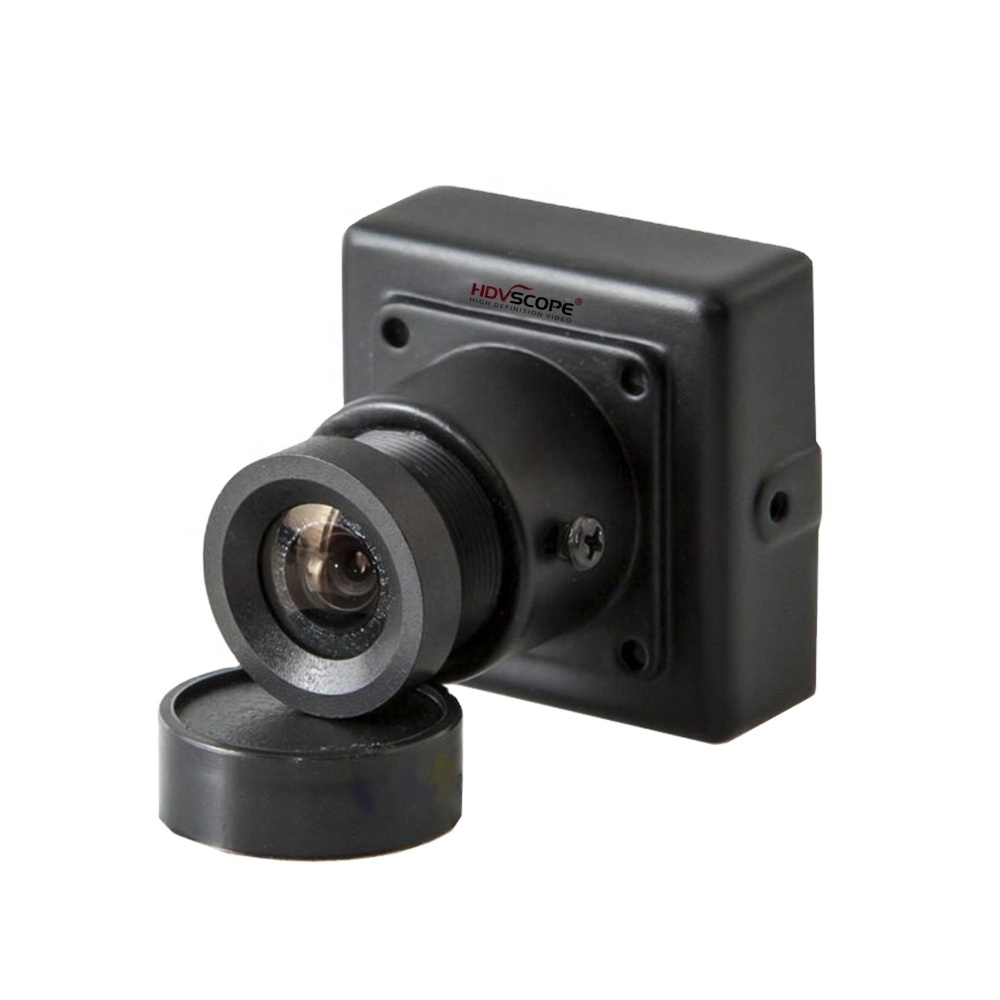
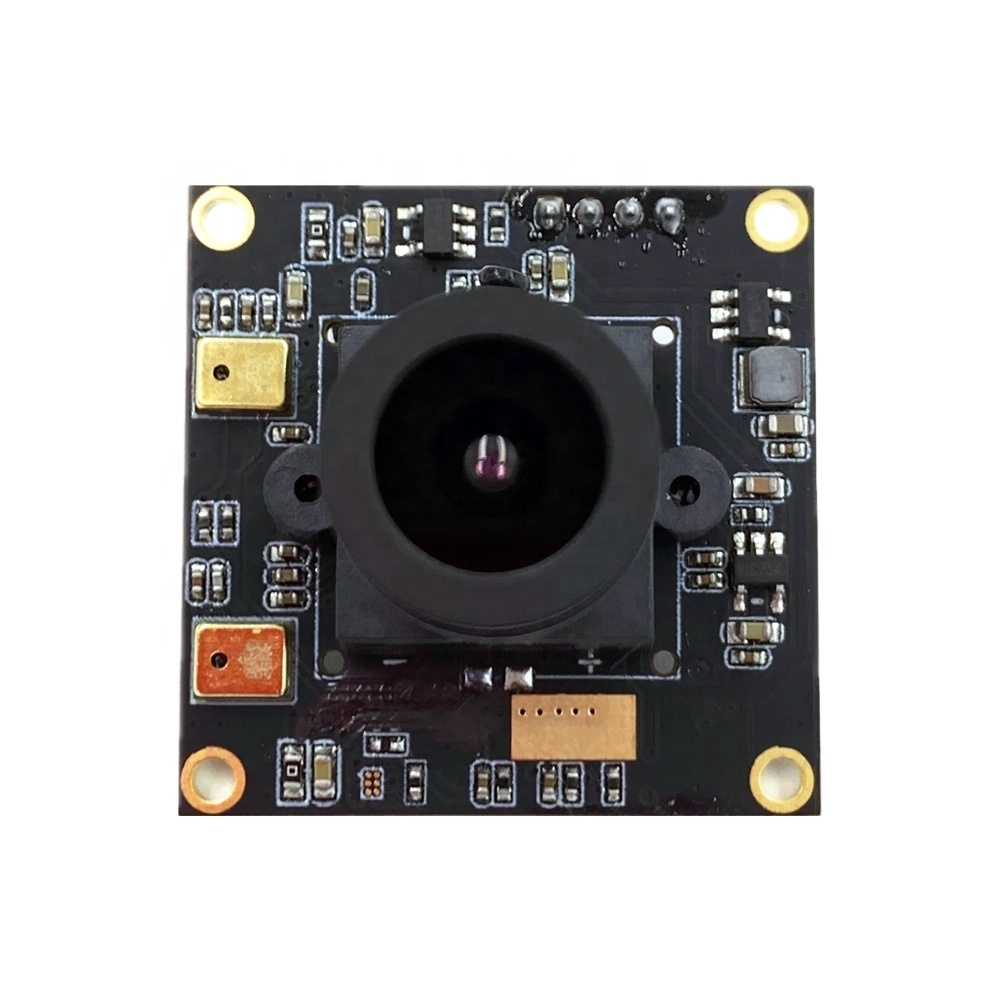


Strategic Engineering Overview: CMOS Image Sensor Architecture for Mediterranean Deployments
As the primary commercial hub in Western Cyprus, Paphos is experiencing a rapid technological evolution across its hospitality, maritime, banking, and public municipal sectors. Supplying advanced vision hardware to Paphos requires a sophisticated understanding of localized environmental stress factors, rigorous European Union electromagnetic and safety regulations, and precise Image Signal Processor (ISP) tuning. Electronics manufacturers and system integrators operating within Paphos face distinct operational challenges: extreme solar illumination exceeding 100,000 Lux in outdoor environments, high ambient operating temperatures during Mediterranean summers, atmospheric salt spray in coastal zones, and strictly enforced EU GDPR video capture guidelines.
Shenzhen Brekta Electronics Co., Ltd. serves as a high-precision OEM/ODM manufacturer and exporter, delivering fully CE-certified CMOS image sensor modules specifically customized to address these demanding criteria. By integrating premium silicon wafers from leading semiconductor foundries—including Sony STARVIS, Onsemi (Formerly Aptina), and OmniVision—with engineered multi-layer Printed Circuit Boards (PCBs) and thermal-dissipation substrates, our camera solutions maintain superior Signal-to-Noise Ratios (SNR), exceptional Wide Dynamic Range (WDR), and long-term hardware reliability.
Information Gain Insight: Unlike generic camera suppliers, Brekta customizes the firmware pipeline at the kernel level. For Cyprus installations, our engineers implement tailored ISP tuning for local light color temperature (ranging from 2,800K warm indoor lobby light to 6,500K direct Mediterranean sunlight) alongside hardware-level backlight compensation (BLC) and 120dB True WDR frame-stitching algorithms.
Optical Sensing Paradigms: Starvis Back-Illuminated vs. HDR Rolling Shutter Architectures
To select the appropriate image sensor for Paphos-based embedded systems, engineering teams must evaluate the underlying silicon layout. Conventional Front-Side Illuminated (FSI) sensors place the metallic wiring layer above the photodiode array, blocking a portion of incident light. In contrast, Back-Side Illuminated (BSI) sensor technology, such as Sony STARVIS and STARVIS 2, relocates the interconnect layer beneath the light-receiving surface. This optical rearrangement yields a dramatic improvement in light collection efficiency, elevating sensor sensitivity down to 0.001 Lux and even 0.0001 Lux under unlit nighttime conditions.
| Sensor Architecture | Silicon Model Examples | Dynamic Range (WDR) | Min. Illumination | Primary Target Applications in Paphos |
|---|---|---|---|---|
| Onsemi HDR CMOS | AR0230 / AR0821 | 105 dB - 120 dB | 0.1 Lux (Color) | ATM/VTM Kiosks, Outdoor Document Scanners, High-Glare Entrances |
| Sony STARVIS BSI | IMX291 / IMX327 / IMX335 | 120 dB (DOL-WDR) | 0.001 to 0.0001 Lux | Paphos Marina Night Security, Perimeter Surveillance, Low-Light Kiosks |
| OmniVision High-Res | OV4689 / OV2710 / OS05A20 | 80 dB - 100 dB | 0.05 Lux | High-Speed Inspection, ID/Passport Verification, Access Control Walls |
| Sony High-Speed HDR | IMX377 / IMX485 (Up to 330fps) | 96 dB - 110 dB | 0.01 Lux | Industrial Automation, High-Velocity Object Tracking, Traffic Control |
European Union Regulatory Compliance & Technical Standards for Cyprus
Importing electronic components into Cyprus demands strict adherence to EU directives enforced by the Department of Customs and Excise and the Department of Electrical & Mechanical Services in Nicosia. Purchasing non-compliant or uncertified CMOS camera modules creates legal liability, potential customs seizures, and operational failures caused by electromagnetic interference (EMI). Shenzhen Brekta Electronics guarantees full compliance across all exported products, providing comprehensive Technical Construction Files (TCF) and Declarations of Conformity (DoC).
EMC Directive 2014/30/EU
Tested against EN 55032 (Emissions) and EN 55035 (Immunity). Ensures camera clock frequencies do not interfere with nearby wireless networks, airport radar systems, or marine VHF communications in Paphos.
RoHS 3 Directive 2015/863
Strict limitation of lead, cadmium, mercury, and phthalates (DEHP, BBP, DBP, DIBP). Essential for sustainable deployment in environmentally protected regions like the Akamas Peninsula.
UVC Protocol & Driverless Architecture
USB Video Class (UVC 1.1 / 1.5) standard integration. Guarantees plug-and-play operation across Windows, Linux (Ubuntu/Debian/Yocto), Android OS, and macOS without requiring proprietary third-party drivers.
Thermal & Substrate Reliability
Industrial FR-4 and Aluminum PCB construction rated for -30°C to +85°C. Features low thermal expansion coefficients to eliminate optical focal drift caused by Mediterranean heat expansion.
ISP Processing: Hardware-Level Dynamic Range and Noise Reduction
In high-dynamic range environments, such as a glass-front hotel lobby or a self-service check-in kiosk facing the Mediterranean Sea, standard CMOS sensors suffer from severe highlight clipping (over-exposure) or dark shadow noise. Brekta’s advanced CMOS modules solve this via dual-exposure digital overlap WDR (DOL-WDR). The ISP captures two distinct frames—a short exposure for highlight regions and a long exposure for shadow detail—stitching them frame-by-frame at up to 60 frames per second. Furthermore, integrated 2D and 3D spatial Noise Reduction algorithms filter out thermal gain noise, preserving crisp pixel clarity essential for AI biometric matching and optical character recognition (OCR).
Targeted Application Scenarios Across Paphos & Western Cyprus
Our CMOS camera modules are engineered to serve specific high-growth sectors within Paphos and the broader Paphos District, catering to original equipment manufacturers (OEMs), system integrators, and software developers.
1. Luxury Hospitality & Smart Hotel Self-Service Kiosks
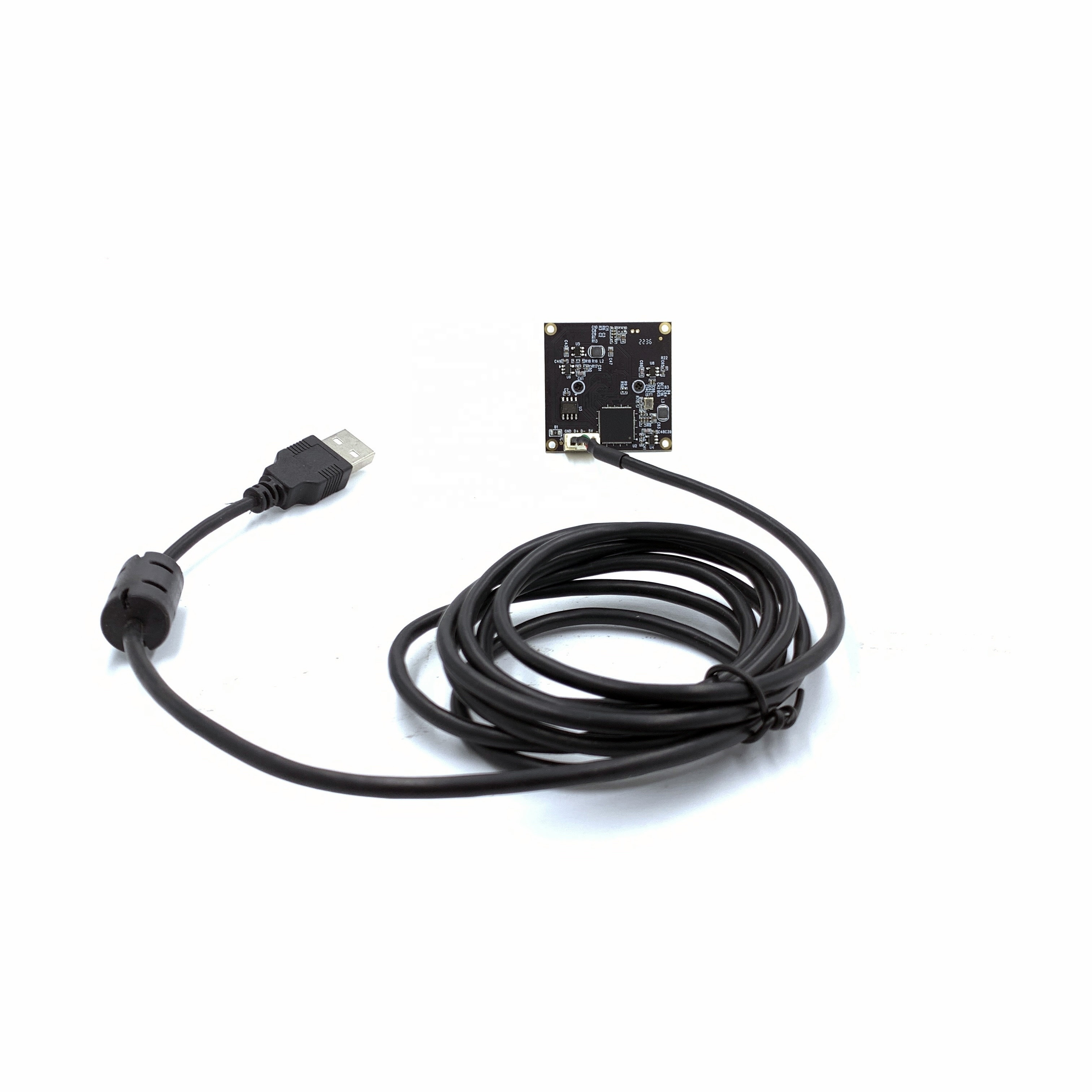
The Paphos coastline features scores of luxury resorts and boutique hotels upgrading to contact-free guest check-in terminals, automated key-card dispensers, and biometric access gates. Integrating compact USB camera modules—such as the 32*32mm Starvis & WDR 2.0MP Module with Non-Distortion Lens—allows terminal manufacturers to achieve high-accuracy facial verification under ambient lobby lighting and high-glare glass facades. The non-distortion optical system ensures that facial geometry is captured accurately without fish-eye warping, directly optimizing matching speeds for AI facial recognition algorithms.
2. Self-Service Banking Terminals (ATM / VTM) & Currency Exchange
Paphos is a primary tourist hub with heavy transaction volumes across cash machines, automated teller terminals (ATMs), and multi-currency exchange kiosks. Security requirements dictate 24/7 video capture of user interactions and cash dispensing slots. Our 2.0MP AR0230 Onsemi CMOS Module provides true 105dB WDR, capturing clear facial detail even when direct sunlight strikes the terminal screen. Furthermore, ultra-small form factor modules (25*25mm or 15*15mm pinhole cameras) easily mount inside restricted metal chassis behind anti-vandal pinhole glass.
3. Maritime, Yacht Harbor & Port Infrastructure Security
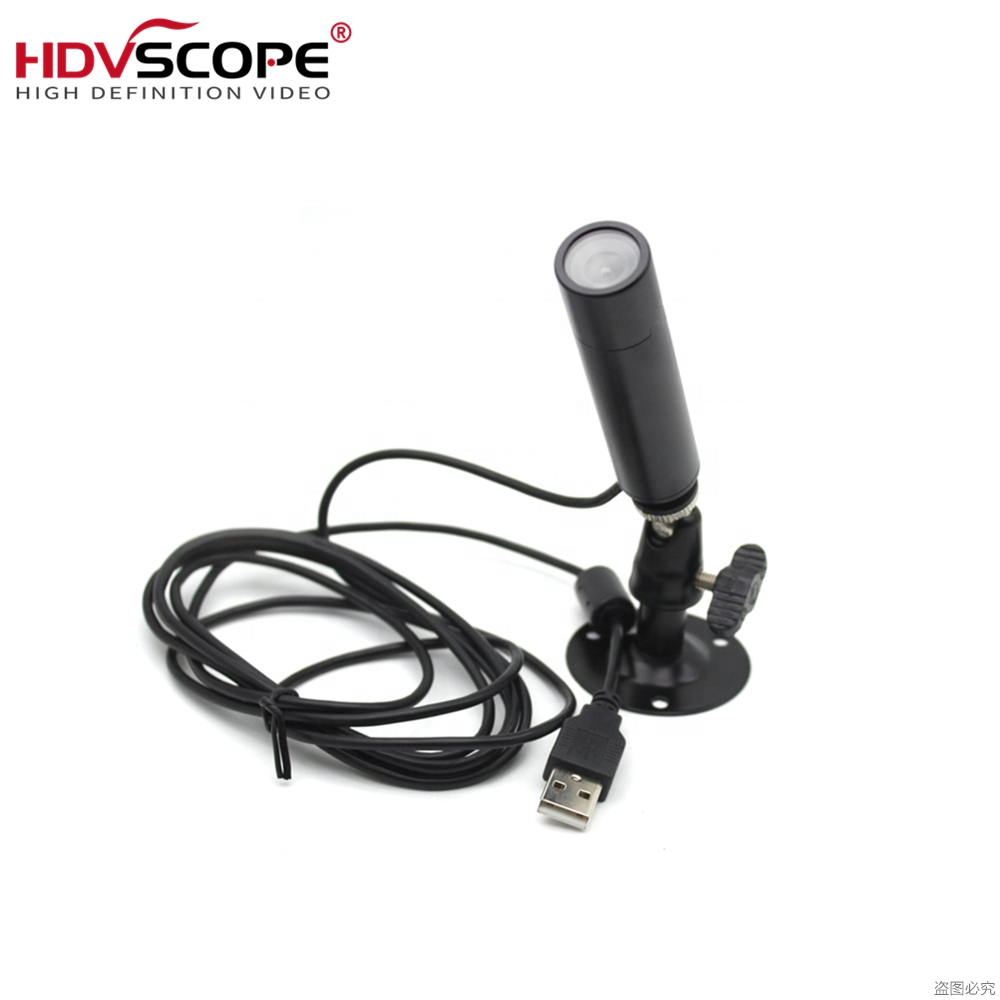
Paphos Harbor and nearby coastal developments require robust perimeter surveillance hardware capable of resisting high humidity, saline corrosion, and low-light coastal darkness. Encased mini bullet units—such as the 2MP IP67 Waterproof Mini USB Camera (20mm Diameter)—are ideal for mounting on marine access control turnstiles, vessel inspection equipment, and underwater research probes. The IP67 sealed anodized housing prevents moisture ingress, while the high-sensitivity CMOS sensor retains color rendition under moonlight.
4. Agritech & Solar-Powered Smart Agriculture
In the agricultural plains surrounding Paphos and the Akamas region, local automated greenhouse managers and precision farming integrators utilize our high-resolution camera modules (such as the 13MP 4K UHD HDR Distortionless Module) for automated crop growth monitoring, pest detection, and drone-mounted canopy inspection. Low power consumption design allows these modules to be driven directly by solar-buffered edge computing nodes over standard USB 2.0/3.0 interfaces.
Cyprus & Paphos Smart Infrastructure Trends (2025–2030)
Driven by national initiatives like "Digital Cyprus" and the European Union’s Smart Cities Framework, Paphos has invested heavily in smart parking management, intelligent traffic monitoring, solar-powered public lighting, and digital municipal management. Integrators sourcing CMOS vision hardware for regional deployment must align with several macro technological trends:
- Shift Toward Edge AI Biometrics: Local processing of facial recognition, license plate recognition (LPR), and object classification is replacing cloud streaming to minimize bandwidth costs and comply with EU GDPR rules. This requires camera modules with clean raw image output (MJPEG/YUY2/Uncompressed) and high signal fidelity.
- Adoption of Dual-Spectrum & Dual-Lens Modules: Combining a visible RGB sensor with an Near-Infrared (NIR) or thermal sensor in a single dual-lens camera board allows access control terminals to execute physical liveness detection, preventing spoofing attempts using high-resolution photographs or smartphone displays.
- High-Speed Document & QR Capture: With the expansion of automated border control systems at Paphos International Airport and digital check-in counters, 5MP to 13MP auto-focus USB modules are increasingly specified to scan passsports, EU Digital Health certificates, and mobile QR passes within milliseconds.
Shenzhen Brekta Electronics: Enterprise Manufacturing Powerhouse
Headquartered in the global electronics manufacturing epicenter of Shenzhen, with specialized assembly branches in Dongguan, Shenzhen Brekta Electronics Co., Ltd. brings over 13 years of precision engineering experience to international system integrators. We operate state-of-the-art SMT (Surface Mount Technology) lines, dust-free optical cleanrooms, and automated ISP tuning chambers. Our engineering team utilizes CAD tools including Protel and Allegro to execute custom multi-layer PCB layouts, customized lens holder mountings (M12, M8, M7, C/CS mount), and customized cable harness designs.
Custom Optical Engineering
Custom focal lengths ranging from 1.7mm fisheye (180° FOV) to 50mm telephoto narrow angle. IR-cut filter options (850nm, 940nm, or dual pass) built directly into the lens mount.
Flexible Form Factor PCB Design
Standard sizes (38*38mm, 32*32mm, 25*25mm) or custom ultra-miniature flexible PCBs tailored to fit tightly space-constrained kiosk enclosures.
100% Quality Assurance & Burn-In
Every camera module undergoes automated optical inspection (AOI), MTF resolution testing, frame rate verification, and high-temperature burn-in testing prior to vacuum packaging.
Rapid Prototyping & Global Shipping
Standard catalog samples dispatched within 1–3 business days. Reliable air express delivery directly to Paphos, Limassol, and Larnaca with complete export documentation.