Standard & Custom Miniature Camera Modules
Engineered for constrained housings, real-time closed-loop automation, ATM security, and harsh industrial environments in the Gothenburg ecosystem.
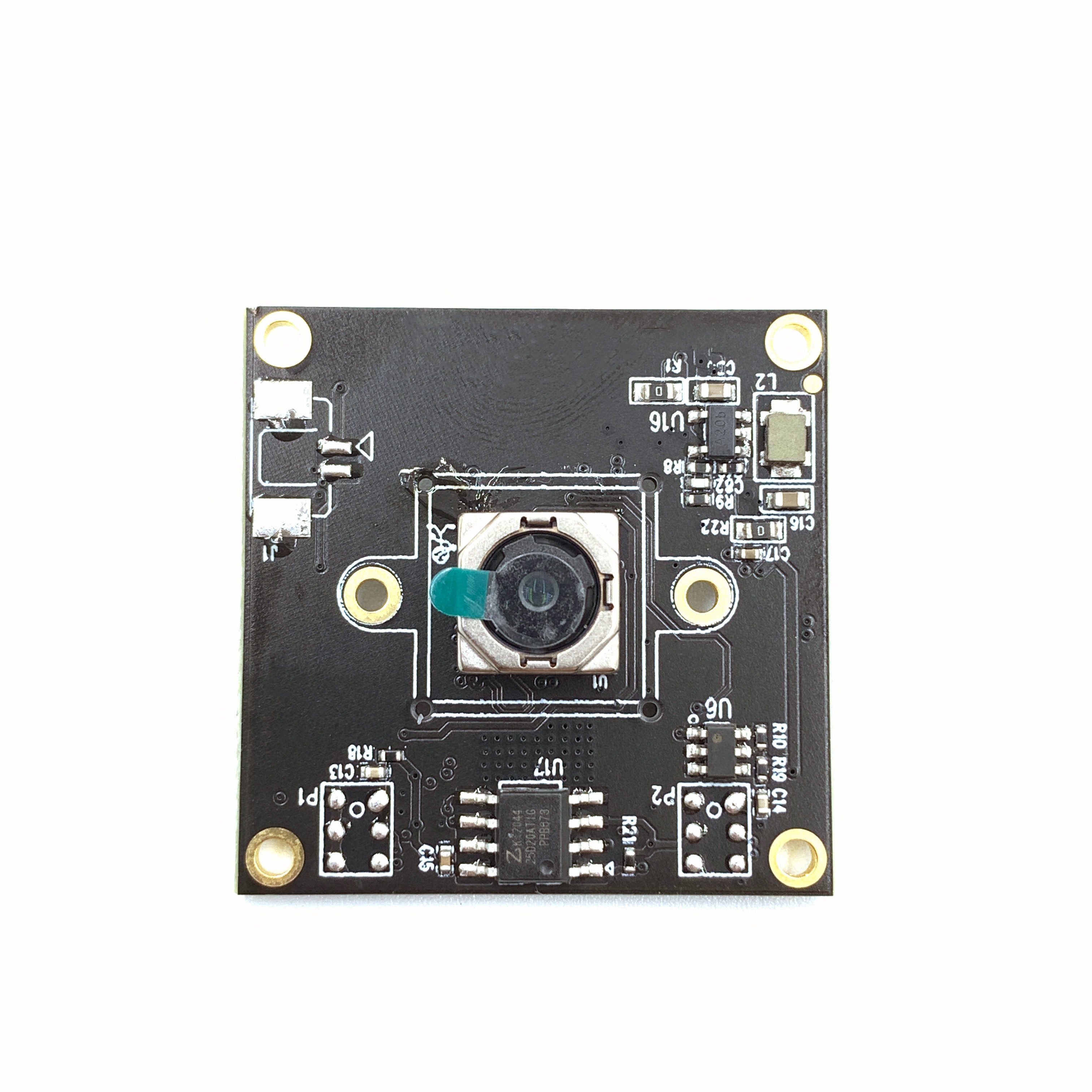
15fps Autofocus Low lux 0.1 8.0MP 32*32mm Color USB Camera Module
- Resolution: 3264*2448 High-Def
- Form Factor: 32*32mm Compact PCB
- Focusing: Dynamic Rapid Autofocus
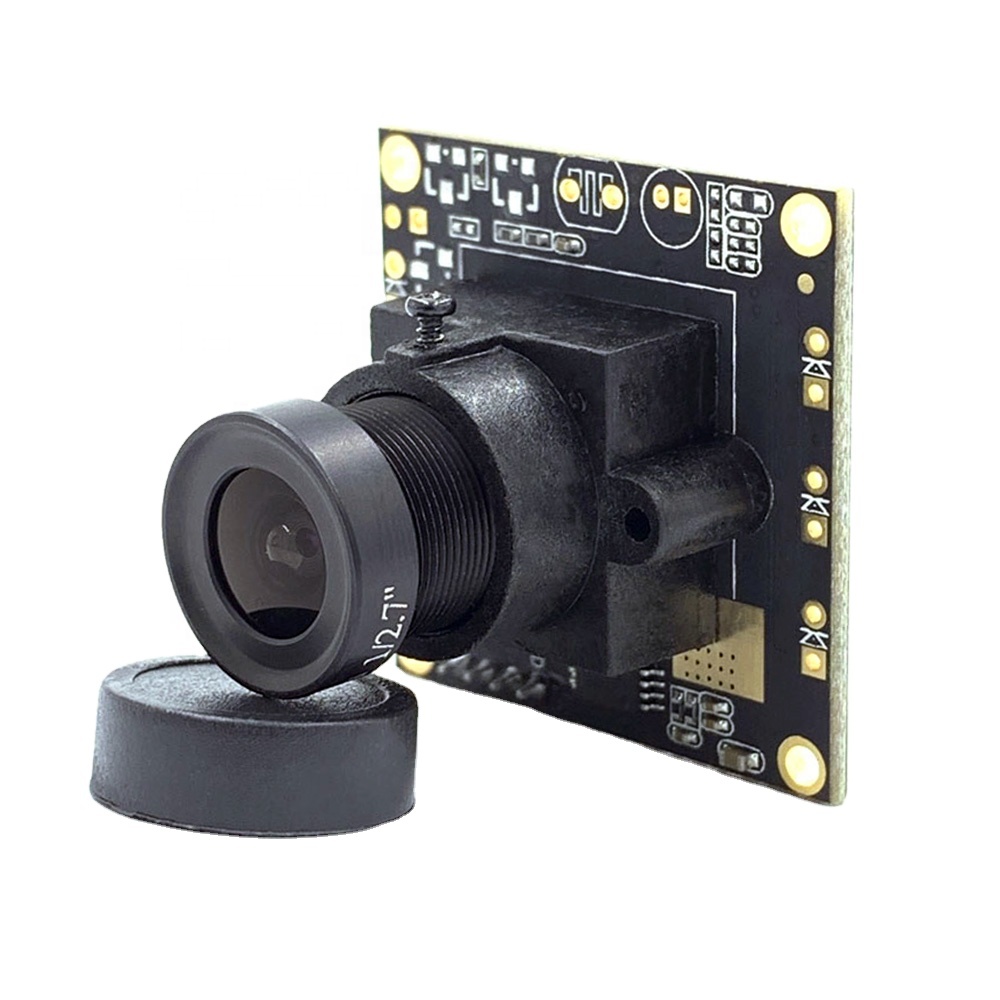
1920*1080 32*32mm AR0230 Onsemi CMOS WDR 2.0MP Camera Module
- Sensor: 1/2.7" Onsemi AR0230 CMOS
- WDR: Ultra-High Dynamic Range
- Target: Industrial IT & Terminals
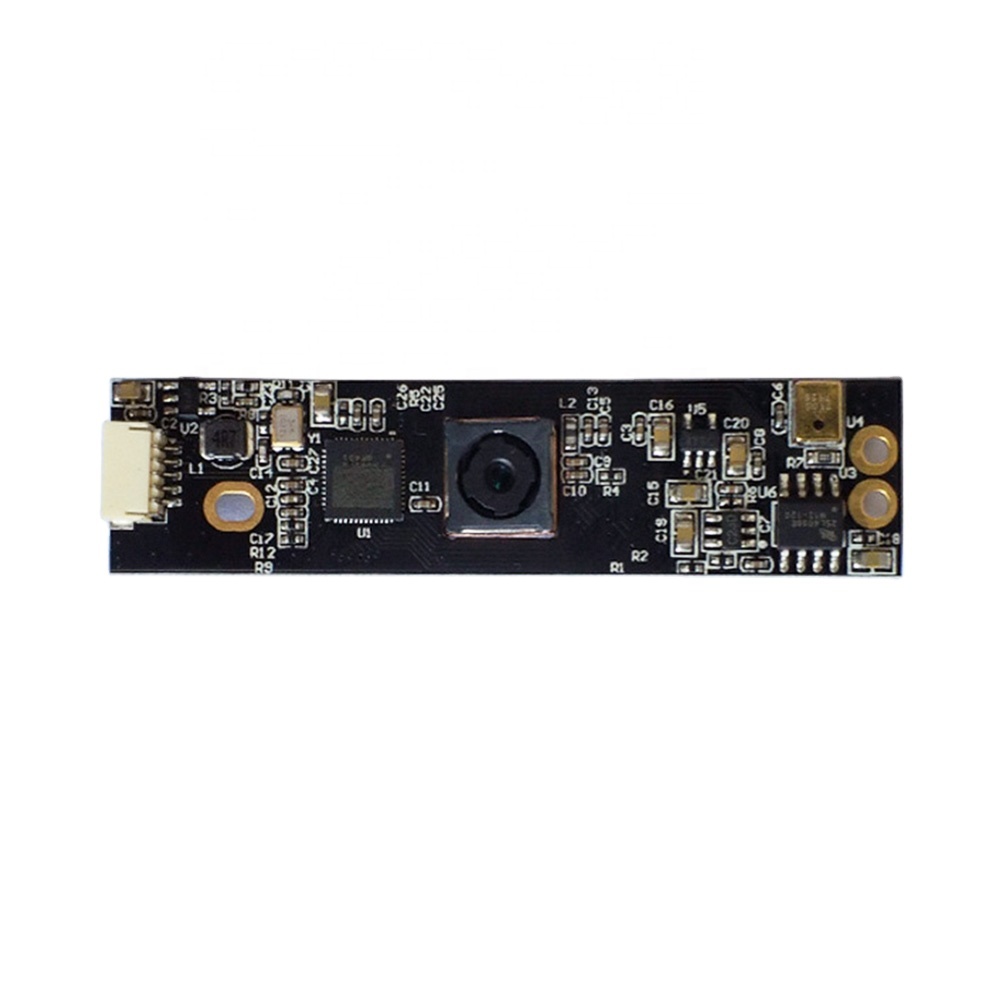
Low Lux 0.1 Customized 1/3.2" CMOS Autofocus 8.0MP 62*15mm Module
- Dimensions: 62*15mm Ultra-Slim
- Shutter: High-Speed Rolling Shutter
- Output: YUY2 / MJPEG Dual Stream
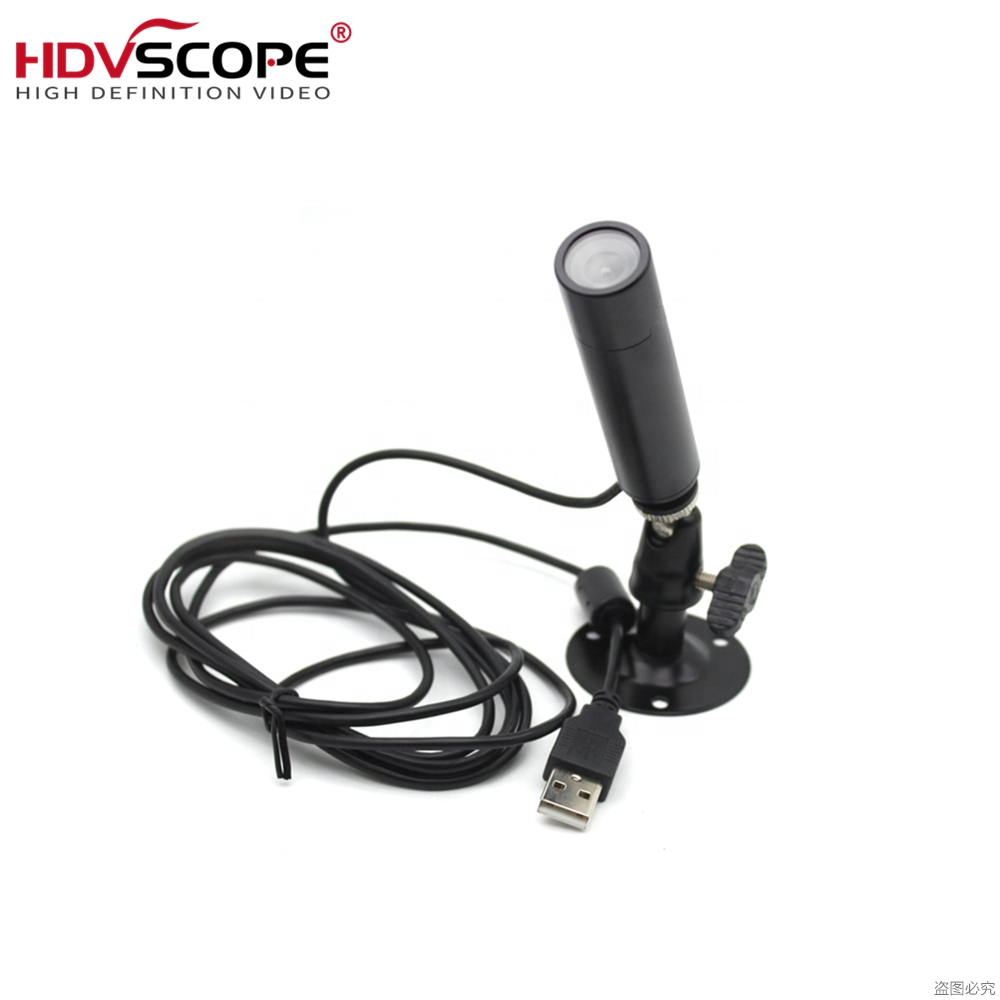
2MP 1/2.7" CMOS IP67 Mini Bullet/Snake Waterproof Camera
- Enclosure: IP67 Waterproof Bullet
- Diameter: 20mm Micro Cylinder
- Lens: 2.8mm Wide Angle Board Lens

50*50mm 4K UHD 13MP 4192*3104 Color HDR Camera Module
- Optics: 3.24mm Distortionless Lens
- Resolution: 13MP 4K Ultra High-Def
- Features: High Dynamic Range HDR

32*32mm Starvis & WDR 0.001Lux 2.0MP Face Recognition Module
- Sensitivity: 0.001 Lux Ultra Low-Light
- Optics: 4mm Non-Distortion Lens
- Application: AI Face Recognition

1080P 32*32mm 0.001Lux H.264 Starvis 160° Wide Angle Module
- FOV: 160° Ultra-Wide Field of View
- Compression: Hardware H.264/MJPEG
- Sensor: Sony Starvis Low Illumination
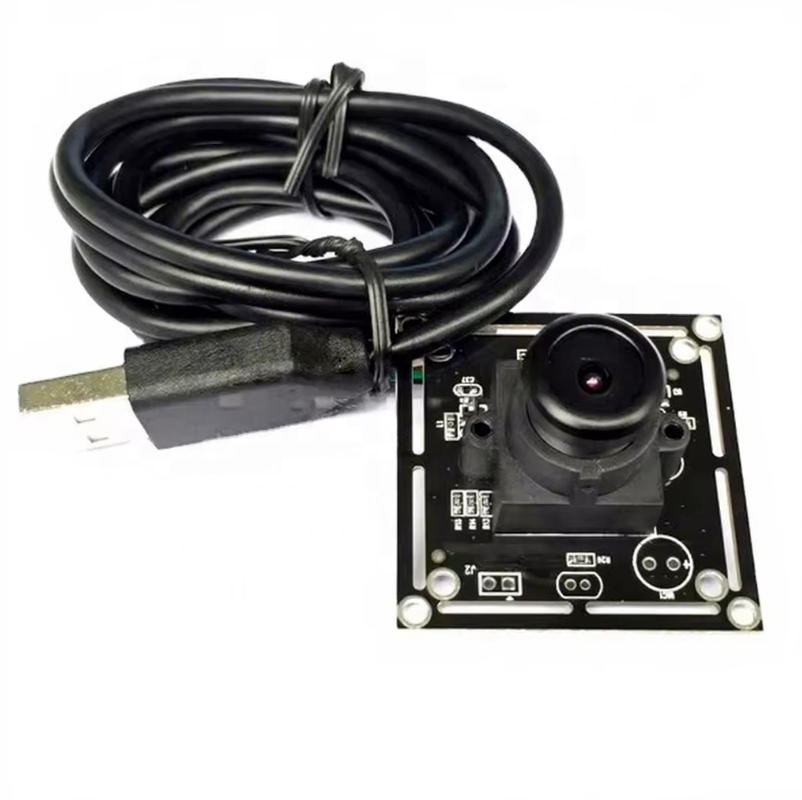
3.6mm Board Lens EX-View WDR 1.3MP 32*32mm Color Camera Module
- Lens: 3.6mm Industrial Board Lens
- Tech: EX-View Enhanced Sensitivity
- Use: Advertising & Commercial Kiosks
Industrial Whitepaper: Deploying Mini CVBS Micro-Cameras in Gothenburg's Heavy Industry & Maritime Sectors
In the era of gigabit Ethernet and high-definition IP video infrastructure, engineering procurement directors across Western Sweden (Västra Götaland)—spanning Gothenburg's busy maritime port terminals, automotive crash-testing hubs in Hisingen, and automated logistics warehouses—frequently ask: Why do miniature Composite Video Broadcast Signal (CVBS) cameras remain an irreplaceable component in critical machine vision architectures?
The answer lies in fundamental physics, deterministic latency requirements, and uncompromised electromagnetic resilience. A standard CVBS analog signal (conforming to PAL 50Hz / 625 lines or NTSC 60Hz / 525 lines) transmits raw, uncompressed analog video waveforms over 75-ohm coaxial lines or shielded twisted pairs (STP). Unlike IP stream compression (H.264/H.265) or USB UVC protocol handshakes, CVBS introduces absolute zero frame-buffer latency (<1 millisecond). In fast-moving mechanical control loops, automated robotic arm end-effectors, maritime winch monitoring, and heavy equipment blind-spot mitigation, a delay of even 150 milliseconds caused by IP encoding can result in catastrophic operational failure.
Key Takeaway for Swedish Systems Integrators: Mini CVBS modules engineered by Shenzhen Brekta Electronics provide direct, analog copper-level reliability with zero OS dependency, eliminating software stack crashes, driver incompatibility, and network packet jitter under intense electromagnetic noise.
Technical Signal Integrity & Impedance Matching in Extended Coaxial Runs
Gothenburg’s industrial environments pose severe electrical challenges. High-voltage marine generators at Göteborgs Hamn (Port of Gothenburg), heavy-duty inverter drives in electric vehicle testing facilities, and sub-zero outdoor installations generate massive radio-frequency interference (RFI) and ground potential differences. To maintain crisp 700 TVL to 1200 TVL visual clarity across coax distances up to 300 meters without ghosting or color bleeding, Brekta’s CE-certified Mini CVBS camera modules incorporate multi-stage active signal conditioning:
Low-Impedance CVBS Drivers
Integrated 75-ohm differential line amplifiers maintain precise 1.0Vp-p video signal output, minimizing reflections across RG59 and RG6 coaxial cables.
Sony Starvis Sensor Integration
Equipped with Sony IMX323 / IMX307 STARVIS CMOS sensors, achieving ultra-low light performance down to 0.001 Lux for illumination-deprived engine rooms.
EMC/EMI Shielded Copper PCBs
4-layer FR4 PCB layout designed in Allegro with dedicated ground planes, meeting EU EMC Directive 2014/30/EU and EN 50130-4 industrial standards.
Architectural Comparison Matrix: Mini CVBS vs. Micro IP vs. USB Camera Modules
When selecting vision hardware for OEM integration in Sweden, engineers must evaluate trade-offs between image resolution, signal distance, latency, and host processing overhead:
| Evaluation Vector | Brekta Mini CVBS Analog | Industrial Micro IP (RTSP/ONVIF) | Industrial USB (UVC Class) |
|---|---|---|---|
| Transmission Latency | Real-Time (< 1 ms) | 120 ms – 350 ms (Buffer Dependent) | 30 ms – 90 ms (USB Host Load) |
| Max Cable Distance | 300 meters (Coaxial RG59) | 100 meters (Ethernet Cat6 without PoE extender) | 3 – 5 meters (Without active repeaters) |
| Host CPU Processing Overhead | Zero (Direct Analog Capture Card) | Medium (Software Video Decompression) | High (UVC Frame Decoding & USB bus lock) |
| EMC / Ground Isolation | Extremely High (Balanced Balun Option) | High (Galvanic Transformer Isolated) | Moderate (Vulnerable to ground loops) |
| Operating System Dependency | None (Plug & Play to Display / DVR) | Requires TCP/IP Stack & Firmware SDK | Requires UVC Kernel Drivers (Win/Linux/Android) |
| Gothenburg Nordic Suitability | Ideal for Harsh Mechanical & Marine | Ideal for Networked City Surveillance | Ideal for Close-Range Self-Service Kiosks |
Tailored Micro Vision Solutions for the Gothenburg Market
From Kattegat maritime shipping vessels to automotive test rigs at Lindholmen Science Park, discover how our CE certified CVBS micro cameras perform in local Swedish industries.
Maritime & Port Automation in the Kattegat Strait
Gothenburg operates Scandinavia's largest seaport. Our ultra-compact IP67/IP68 stainless steel pinhole CVBS cameras are custom-engineered for mounting inside crane spreader heads, shipboard winch monitoring, and diesel engine room surveillance. Featuring anti-corrosion marine-grade anodized aluminum or 316L stainless steel housings, these units resist saltwater erosion and high vibration, feeding real-time analog video directly to legacy bridge displays.
Automotive Testing & Heavy Machinery (Volvo Ecosystem)
Located in the heart of Sweden's automotive corridor (Torslanda & Lindholmen), vehicle developers require micro cameras capable of fitting into tight engine bays, wheel wells, and crash-test cabin spaces. Brekta's 15x15mm mini CVBS board cameras withstand sub-zero Nordic temperatures down to -40°C and severe impact shocks up to 50G, delivering raw video to high-speed multi-channel analog recorders without thermal throttling.
Self-Service Retail, Vending & ATM Kiosks
In Gothenburg's modern public transit network (Västtrafik stations) and urban retail centers, automated ticketing machines, reverse vending systems, and banking ATMs require covert pinhole security cameras. Our micro CVBS and Hybrid AHD/CVBS modules integrate seamlessly behind 2mm pinhole apertures or tinted acrylic plates, ensuring wide dynamic range (WDR) performance under extreme lobby backlighting.
Industrial Automation & Robotic End-Effectors
In manufacturing plants across Hisingen and Mölndal, automated robotic arms require lightweight, flexible visual feedback. Weighing under 12 grams with ultra-flexible coaxial cable harnesses, Brekta’s micro CVBS cameras supply instant visual verification for pick-and-place robots and welding alignment units without adding mechanical inertia to fast-moving actuators.
Gothenburg Market Trends: Transitioning to 4-in-1 Hybrid CVBS/AHD & EU Regulatory Compliance
The industrial electronics landscape in Sweden is governed by strict regulatory frameworks and evolving technology standards. As Swedish distributors and wholesale buyers modernize legacy infrastructure, two pivotal trends dominate the market:
1. The Migration Toward 4-in-1 Hybrid Coaxial Modules (CVBS / AHD / TVI / CVI):
Traditional standard-definition CVBS (D1 / 960H resolution) is increasingly upgraded to hybrid analog micro cameras. Brekta’s latest generation of micro modules features an inline OSD switch or wire jumper that allows Gothenburg system integrators to toggle dynamically between standard CVBS (for backward compatibility with legacy analog monitors and composite capture cards) and 1080P/5MP High-Definition Analog (AHD/TVI/CVI) over existing coaxial wiring. This dual-capability protects existing capital investment while providing a seamless upgrade path to high-definition machine vision.
2. Rigorous EU CE Compliance & Environmental Sustainability (RoHS / REACH):
Importing industrial electronics into Sweden requires rigorous adherence to European Union directives. Shenzhen Brekta Electronics maintains complete compliance documentation, guaranteeing that every mini CVBS camera shipped to Gothenburg fulfills:
- EMC Directive 2014/30/EU: Tested against EN 55032 Class B for electromagnetic emissions and EN 50130-4 for industrial immunity.
- Low Voltage Directive (LVD) 2014/35/EU: Safe 12V DC / 5V DC low-voltage operating margins.
- RoHS Directive 2011/65/EU & Amendment (EU) 2015/863: 100% lead-free soldering and eco-friendly component sourcing.
- REACH Regulation (EC) No 1907/2006: Free from Substances of Very High Concern (SVHC).
Frequently Asked Questions by Swedish Wholesale Buyers
Clear, direct answers regarding video standards, custom ODM modifications, shipping logistics to Gothenburg, and factory warranties.
Are your Mini CVBS cameras compatible with Swedish/European PAL TV standards?
What is the typical Minimum Order Quantity (MOQ) for custom CVBS PCB dimensions or cable lengths?
How fast can evaluation samples be delivered to Gothenburg or Landvetter Airport (GOT)?
How do Brekta CVBS cameras prevent ground loop video noise in heavy maritime installations?
Do you provide formal CE Declaration of Conformity (DoC) certificates for customs clearance in Sweden?
What warranty and technical support terms are extended to Gothenburg B2B wholesalers?
Direct Wholesale Factory Advantages
Shenzhen Brekta Electronics Co., Ltd. combines advanced R&D engineering with strict quality control to serve global OEMs and Nordic security wholesalers.
In-House Design Engineering
Our engineering team utilizes Protel & Allegro to develop custom PCB layouts, sensor carrier boards, and tailored ISP firmware within 5 to 7 working days.
100% Optical & Image QC
Every single camera module undergoes rigorous automatic optical inspection (AOI), color temperature calibration, and high-temperature burn-in before shipping.
Flexible Sourcing & Low Risk
Sample orders from 1 piece allow zero-risk prototype testing. Fast mass production turnaround ensures stable inventory for Swedish wholesale partners.
Dedicated B2B Support
Direct communication with experienced vision hardware engineers. Quick quotes, NDA protection, custom branding, and lifelong technical assistance.
Ready to Upgrade Your Vision Systems in Gothenburg?
Whether you require standard CE-certified mini CVBS analog cameras, low-light Sony Starvis modules, or full ODM housing development, our engineering team is ready to assist.