CE-Certified Vision Camera Modules for Machine Integration
Industrial-grade UVC USB, WDR, HDR, and Low-Lux CMOS camera boards optimized for autonomous mobile robots (AMRs), automated guided vehicles (AGVs), and Seattle industrial OEM equipment.
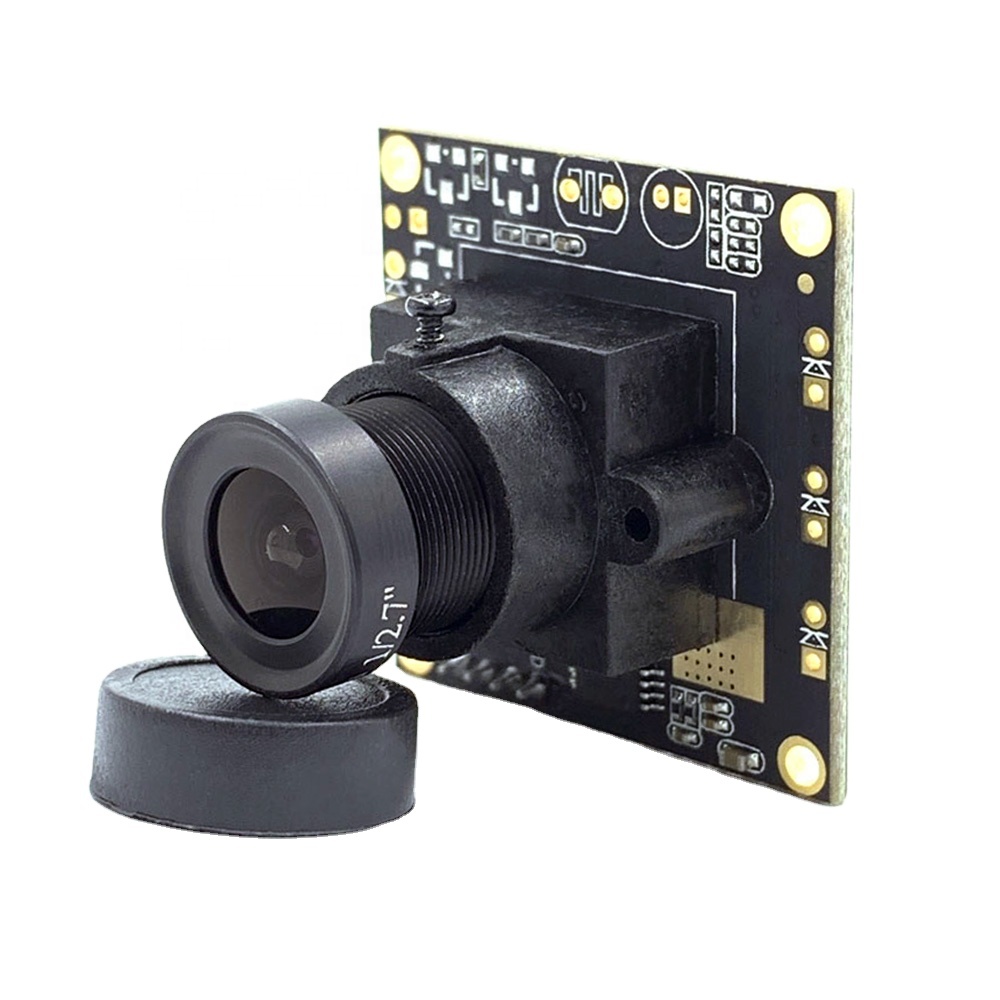
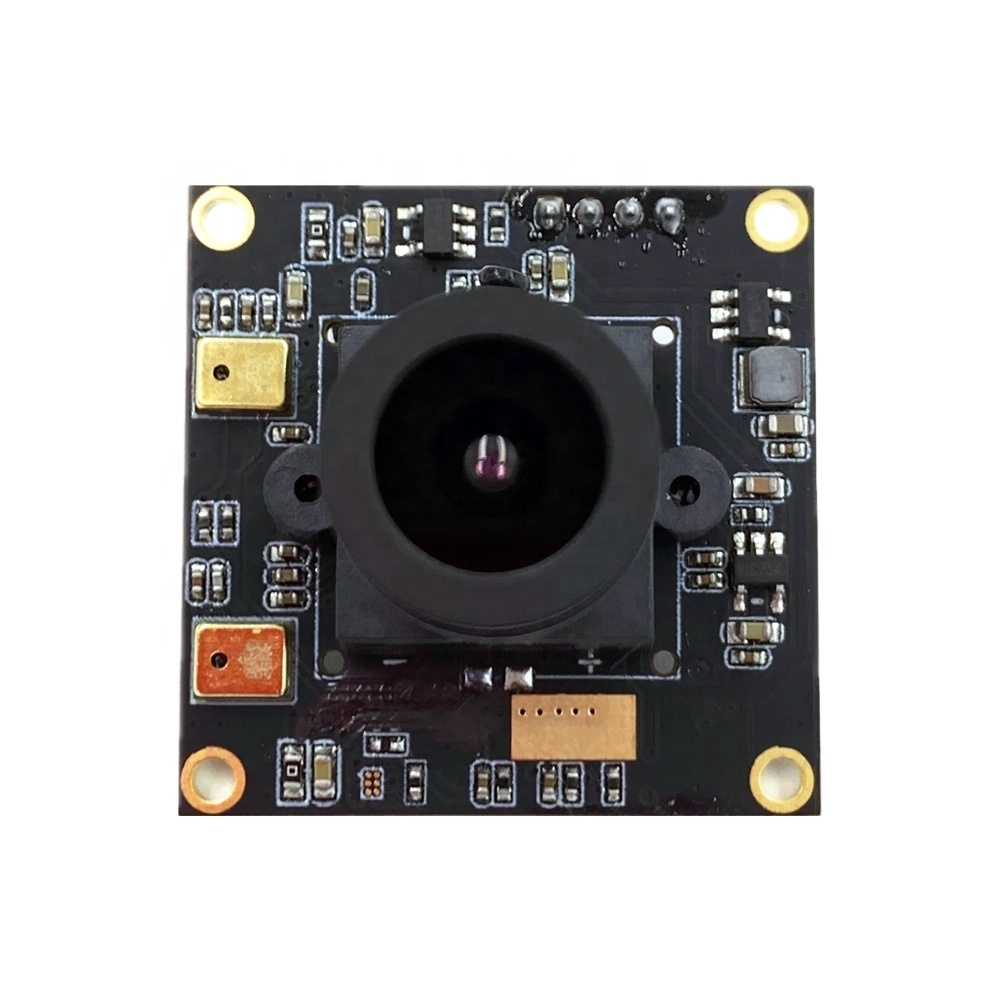
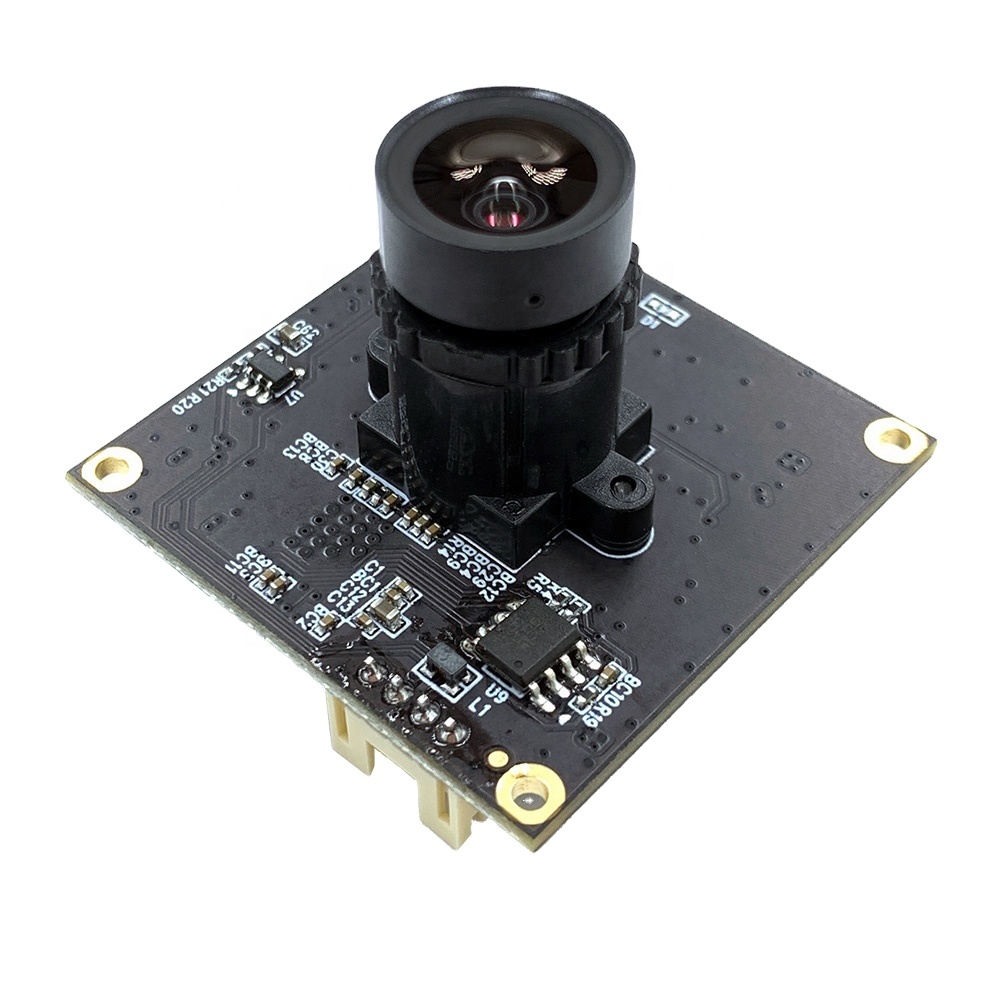
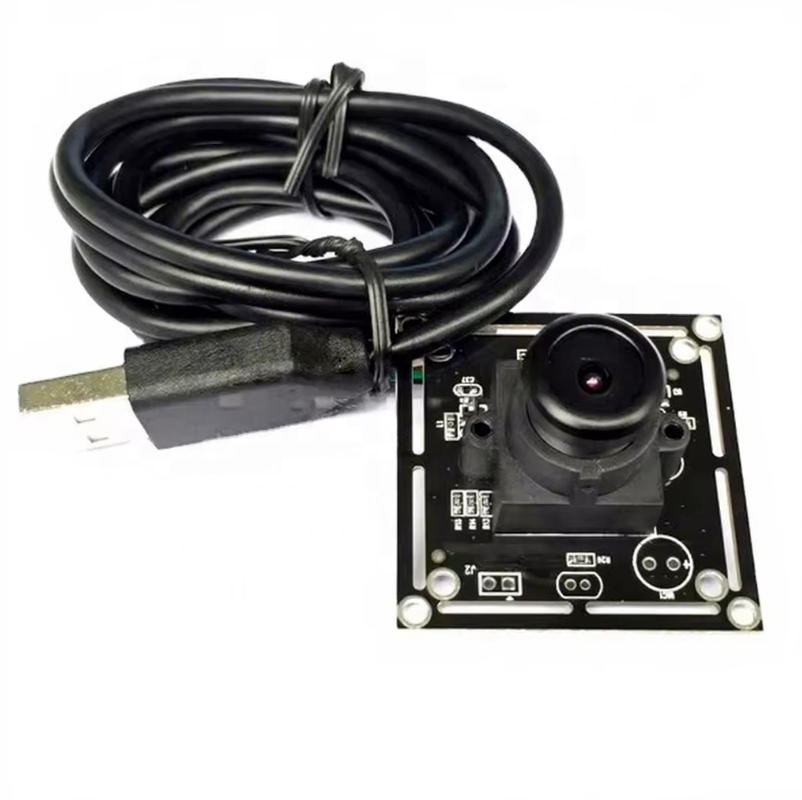
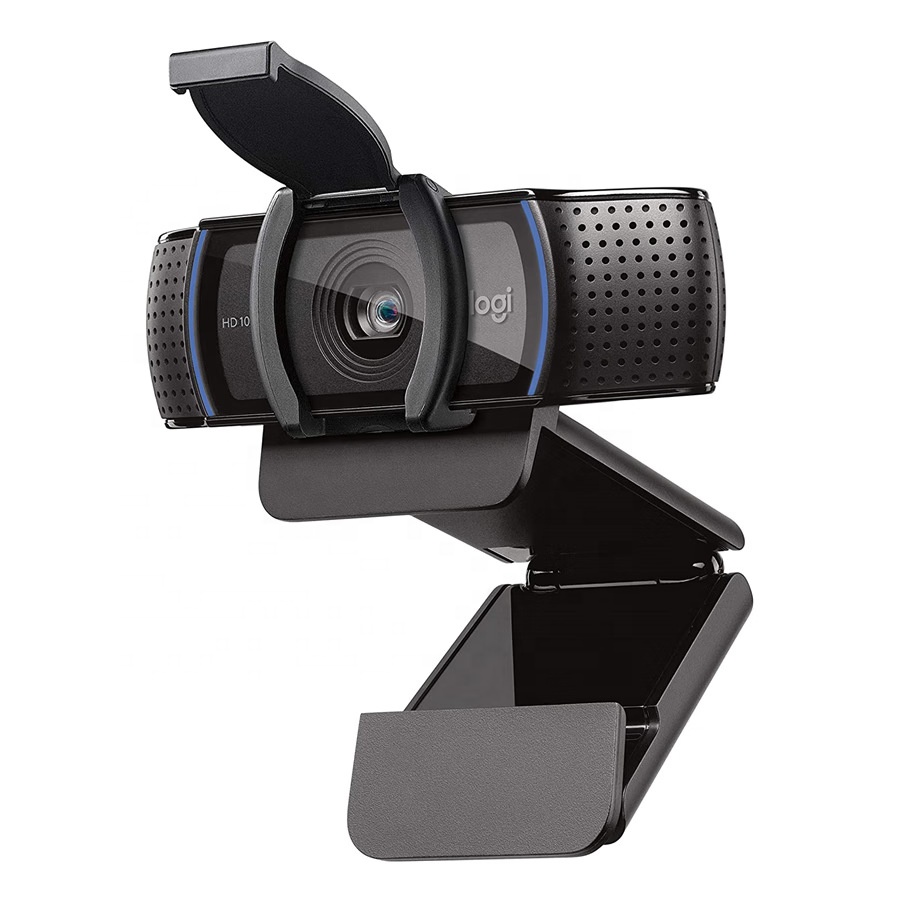
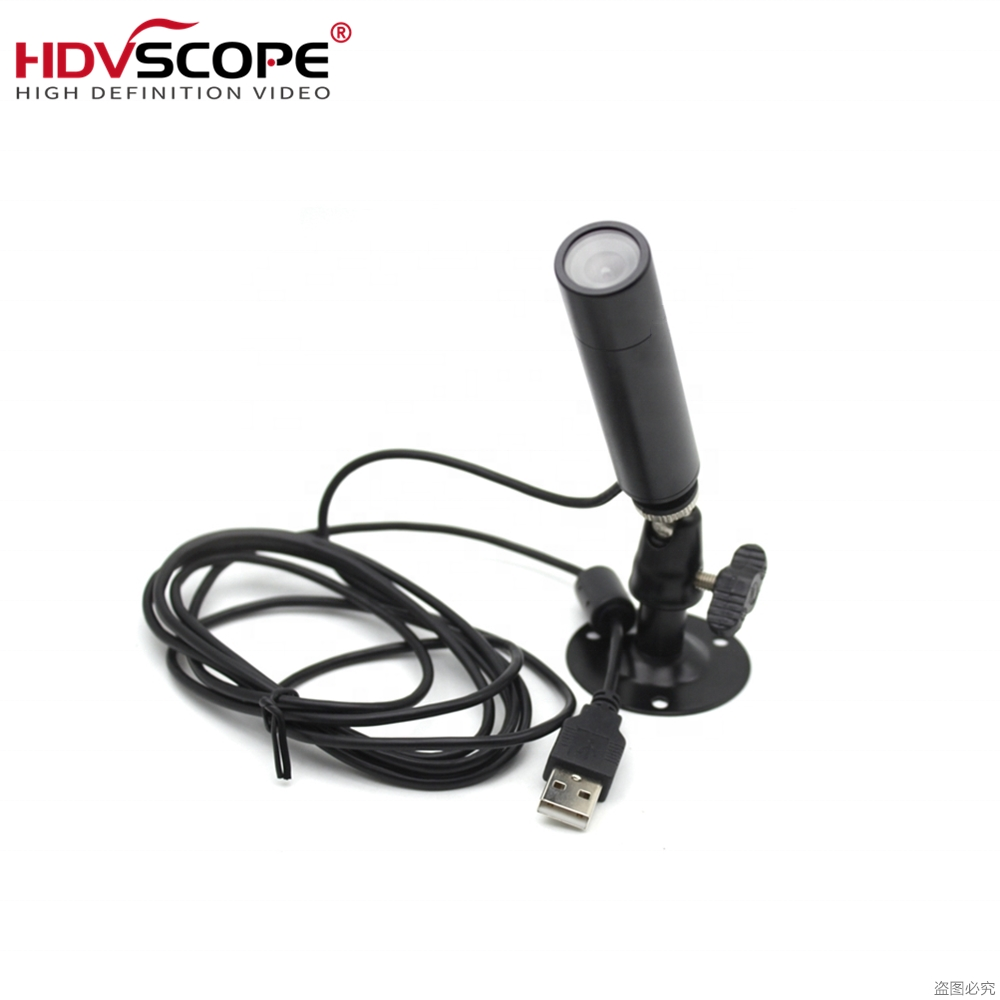

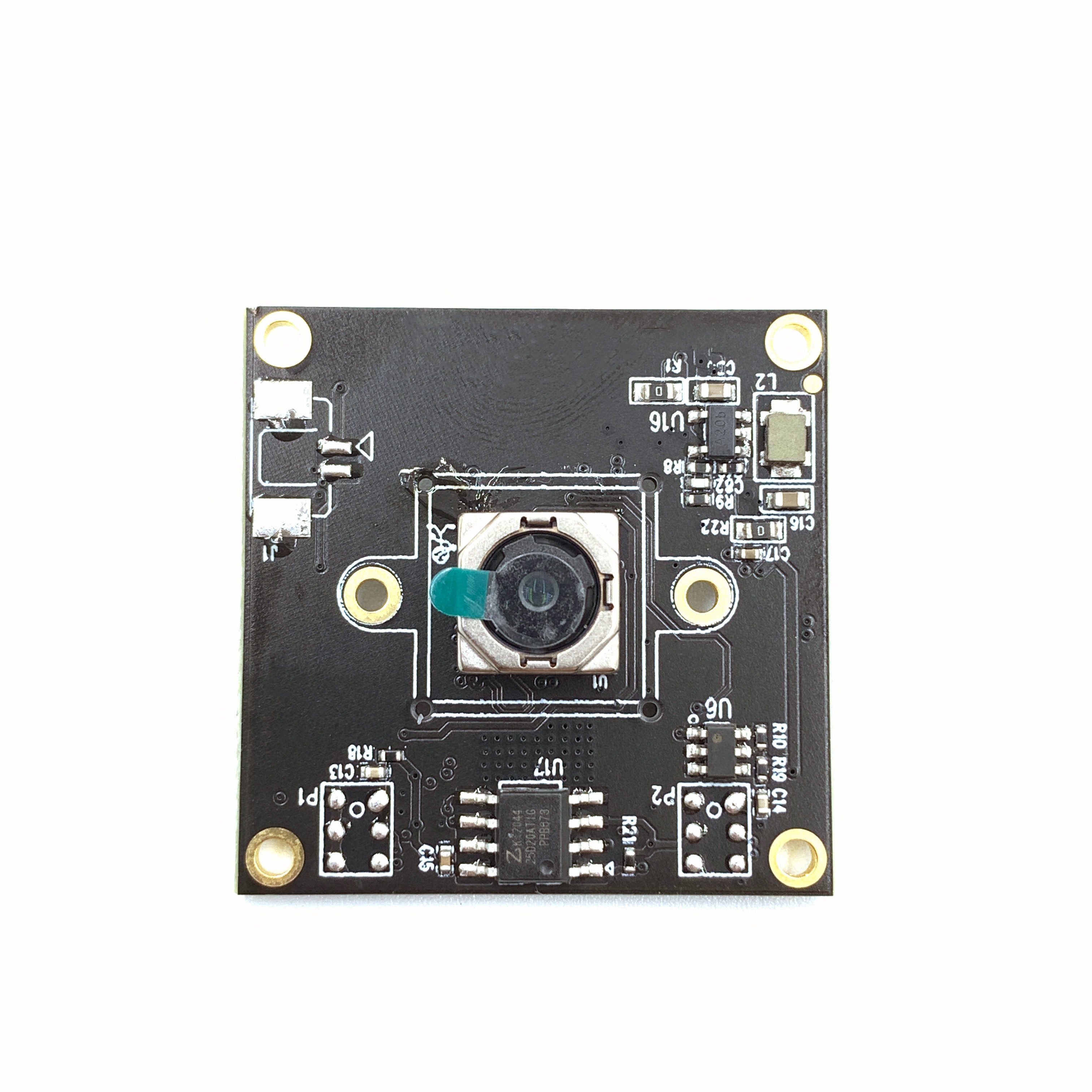
Whitepaper: Architecting Next-Generation Robot Vision Systems for Seattle’s High-Tech Ecosystem
The Greater Seattle region, encompassing key industrial centers such as Everett, Renton, Bellevue, Kent Valley, and the Port of Seattle, stands as a global epicentre for aerospace engineering, automated cloud logistics, maritime innovation, autonomous retail technology, and robotics-assisted life sciences. As industrial systems transition from legacy fixed automation to autonomous, AI-driven spatial perception, the demand for CE-certified high-performance robot vision camera modules has grown exponentially.
Modern machine vision goes beyond capturing raw video streams; it serves as the critical sensory gateway for Edge AI processing pipelines, Visual Simultaneous Localization and Mapping (VSLAM), zero-defect industrial quality inspection, and optical character recognition (OCR). For Original Equipment Manufacturers (OEMs) and wholesale system integrators operating in Seattle, sourcing vision components requires rigorous evaluation of image signal processor (ISP) tuning, dynamic range management under fluctuating ambient lighting, electromagnetic compatibility (EMC), thermal dissipation in micro-enclosures, and native driverless software compatibility with ROS/ROS2, Linux, Android, and Windows operating environments.
As an industry-leading camera module manufacturer, Shenzhen Brekta Electronics Co., Ltd. provides specialized OEM/ODM vision architecture solutions designed to meet the rigorous performance, regulatory, and mechanical criteria demanded by Seattle's advanced technological infrastructure. Every unit manufactured across our ISO-aligned production facilities undergoes comprehensive optoelectronic testing, ensuring seamless hardware-software integration for demanding industrial deployments.
Localized Application Scenarios across the Greater Seattle & Puget Sound Region
Seattle’s industrial landscape presents unique visual computing challenges—ranging from severe illumination variance in Pacific Northwest maritime conditions to strict millimeter-level precision requirements in aerospace assembly lines. Below are the primary domain-specific deployment vectors where Brekta’s vision camera modules excel:
Kent Valley Fulfillment & Autonomous Logistics
AMRs and AGVs operating within massive logistics hubs require wide-angle, zero-distortion UVC cameras (such as the 4K 13MP or 330fps High-Speed modules) for real-time barcode decoding, optical palatal identification, and VSLAM obstacle avoidance under dynamic warehouse lighting.
Everett & Renton Aerospace Structural Inspection
Precise riveted joint analysis, structural alignment, and automated fastener validation require high-resolution CMOS sensors like the Sony Starvis and Onsemi AR0230 WDR modules. These provide exceptional wide dynamic range (WDR) to eliminate reflective glare off machined titanium and carbon fiber composites.
Puget Sound Maritime & Port Automation
Container inspection cranes, vessel identification systems, and autonomous surface vehicles operating along the Puget Sound coastline rely on IP67 waterproof mini USB cameras. Built to withstand moisture, high humidity, and sea-salt mist, these cameras feature Starvis low-lux (0.001 Lux) capabilities for 24/7 fog and nighttime clarity.
South Lake Union Bio-Tech & Medical Automation
Laboratory automation systems, automated slide scanners, and pipetting inspection robots mandate micro PCB board dimensions (such as 15x15mm or 32x32mm) paired with 8MP to 13MP autofocus optical assemblies capable of sharp macro-distance imaging and detailed specimen recording.
Autonomous Checkout & Smart Retail Equipment
Seattle is the global testing bed for cashierless retail kiosks and intelligent vending machines. High-frame-rate (330fps) and HDR dual-microphone camera modules capture fast shopper gestures, multi-item visual identification, and facial verification with total data privacy compliance.
Smart Infrastructure & Municipal Inspection
Sub-surface pipe inspection tools, bridge monitoring crawlers, and municipal maintenance drones demand compact 20mm outer-diameter IP67 camera heads coupled with flexible, strain-relieved USB harnesses capable of delivering crisp video across broad operating temperatures.
Technical Architecture: Hardware Specs & Lens Selection Matrix
Selecting the optimal camera architecture depends heavily on your system's target computing platform and operational lighting environment. The matrix below outlines key engineering parameters across our primary product series available for Seattle OEMs and engineering teams:
| Sensor Architecture | Resolution / Frame Rate | Optical Interface | Optical Dynamic Range | Target OEM Systems |
|---|---|---|---|---|
| Onsemi AR0230 CMOS | 1080P @ 30fps | Fixed M12 / 3.6mm Lens | WDR (Up to 105dB) | Backlit ATMs, Outdoor Kiosks, Access Terminals |
| Sony Starvis IMX291 | 1080P @ 30fps / H.264 | 32x32mm Dual-Board M12 | Low-Lux (0.001 Lux) WDR | Night Surveillance, Sub-surface Marine, Patrol AMRs |
| High-Speed Sensor Array | 2.0MP @ 330fps (VGA @ 330) | 38x38mm Board / YUY2 & MJPEG | HDR High Frame Rate | High-Speed Conveyor Sorting, Motion Analysis |
| Sony IMX377 / 4K Array | 13MP (4192*3104) / 4K UHD | 3.24mm Distortionless Optics | Hardware HDR | OCR, PCB Inspection, Precision Medical Imaging |
| 1/4" Miniature Industrial | 1280*720P HD | 20mm Diameter IP67 Tube | Standard Dynamic Range | Endoscopes, Pipe Inspection Crawlers, Tight AMRs |
Key Hardware Considerations for OEM Systems Integration
1. USB Video Class (UVC) Protocol & Driverless Native Compatibility: All Brekta USB modules comply with the standardized UVC protocol. This guarantees driverless plug-and-play integration across Linux distributions (Ubuntu, Debian, Fedora with V4L2 drivers), ROS/ROS2 node environments, Android OS, and Windows 10/11 platforms without requiring external proprietary software wrappers, thereby reducing software maintenance overhead.
2. Wide Dynamic Range (WDR) & Dynamic Lighting Compensation: In real-world robotic environments, visual sensors frequently contend with extreme contrast, such as direct sunlight filtering through warehouse bay doors or reflective metallic finishes on factory floors. Modules incorporating hardware-level WDR (such as the Onsemi AR0230) capture dual-exposure frames per cycle, combining high and low exposure pixels inside the onboard ISP to deliver noise-free visual tracking.
3. Low-Lux Sensitivity & Night Vision Starlight Sensing: Using back-illuminated Sony Starvis pixel technology, our 0.001 Lux ultra-low-light camera boards maintain full color fidelity in near-dark conditions. This visual performance eliminates the requirement for power-hungry external LED illuminators on battery-operated AMRs and security inspection rovers.
Seattle Vision Technology Trends & Wholesalers Market Dynamics
The Pacific Northwest has fast become a leading development center for embedded Edge AI vision, driven by local cloud computing leaders, AI startups, and top-tier engineering talent. As a result, procurement trends among Seattle-area wholesalers and system integrators have shifted significantly toward compact, specialized hardware architectures:
- Migration toward Edge AI Perception: Instead of offloading raw visual streams to cloud servers, modern AMRs process computer vision locally using NVIDIA Jetson, Intel NUC, or ARM-based neural processing units (NPUs). This transition requires camera modules that deliver uncompressed YUY2 streams or latency-free MJPEG compression at high frame rates.
- Miniaturization & Custom Form Factors: Standard box cameras are increasingly being replaced by bare PCB board sets (15x15mm micro boards, 32x32mm, and 38x38mm modular formats) that fit seamlessly into custom-molded robotic enclosures and slimline kiosk profiles.
- Strict Quality & Certification Rigor: Wholesale distributors in Washington state require comprehensive regulatory compliance. Equipment exported to North American and European markets must hold valid **CE, FCC, and RoHS certifications** to ensure compliance with strict electromagnetic interference (EMI) and environmental safety standards.
Why Global Integrators & Seattle Wholesalers Partner with Shenzhen Brekta
As a vertically integrated original manufacturer specializing in micro USB and IP camera modules, Shenzhen Brekta Electronics Co., Ltd. combines advanced R&D with disciplined quality control to deliver exceptional engineering value to our global OEM partners:
CE, FCC & RoHS Certified
Every vision product is fully tested and certified under CE, FCC, and RoHS standards, protecting your intellectual property, ensuring international compliance, and facilitating frictionless global customs clearance.
Allegro & Protel Customization
Our experienced electronics engineering team designs custom PCB board layers, modifies lens FOVs (from 60° narrow to 190° fisheye), customizes cable pinouts, and fine-tunes ISP firmware parameters to match your exact mechanical housing.
24-Month Warranty & Rapid Sampling
We back our manufacturing quality with a 24-month hassle-free hardware replacement warranty. In-stock evaluation samples ship within 1–3 business days with low minimum order quantity (MOQ) requirements starting from 1 unit.
Frequently Asked Questions for Seattle Vision System Integrators
Yes. All Brekta USB camera modules follow the standard USB Video Class (UVC) driverless architecture. They are recognized natively by Linux kernels (V4L2 driver stack), ROS/ROS2, OpenCV, Android, macOS, and Windows operating systems. You can immediately access raw frame buffers using standard node drivers without installing third-party kernel extensions.
Our camera modules comply with key international standards, including CE EMC directives (EN 55032 Class B for emissions, EN 55035 for immunity), FCC Part 15 Class B for North American markets, and RoHS environmental directives. Official compliance documentation and test reports are available upon request for B2B client verification.
Absolutely. We specialize in custom OEM engineering. Our team utilizes Protel and Allegro CAD environments to tailor PCB board sizes (down to 15x15mm micro-squares), adjust lens mounts (M12, CS, C-mount, or pinhole optics), modify cable connector types (JST, Molex, custom USB-C/Micro-USB), and tune ISP color balance and gamma parameters for specialized applications.
Our Sony Starvis low-lux (0.001 Lux) and WDR (Onsemi AR0230) modules are engineered to handle dense overcast sky conditions, twilight, and low-light marine fog common in the Puget Sound area. Additionally, our IP67 waterproof mini bullet and tube camera housings prevent moisture ingress and internal optical fogging under high ambient humidity.
Standard off-the-shelf evaluation samples are dispatched within 1–3 business days via expedited air express (DHL/FedEx/UPS), reaching Seattle within 3–5 days. Custom OEM/ODM sampling timelines vary from 10 to 15 business days depending on tooling and PCB design complexity. Standard bulk production orders feature an average turnaround time of 2 to 3 weeks.
To support prototyping and initial engineering validation, standard models carry an MOQ of just 1 piece. For custom OEM/ODM solutions involving custom PCB layouts, specialized cable assemblies, or private-label branding, MOQs are flexible and evaluated on a per-project basis to ensure low risk during early phase development.
Request Your CE Certified Camera Module Quotation & Prototyping Kit
Partner with a trusted vision manufacturer. Share your mechanical drawings, target sensor resolution, lens field-of-view, and interface requirements with our senior engineering team today.
Send an Inquiry