Whitepaper: Engineering High-Performance Industrial USB Cameras for Global OEMs
In modern machine vision, intelligent self-service terminals, and automated industrial inspection, the optical module represents the critical interface between physical reality and digital perception. As global systems integrators build solutions for client engineering executives such as David, selecting a reliable, high-gain industrial USB camera manufacturer in China requires navigating sensor physics, Image Signal Processing (ISP) algorithms, thermal management, USB Video Class (UVC) compliance, and custom board layout constraints.
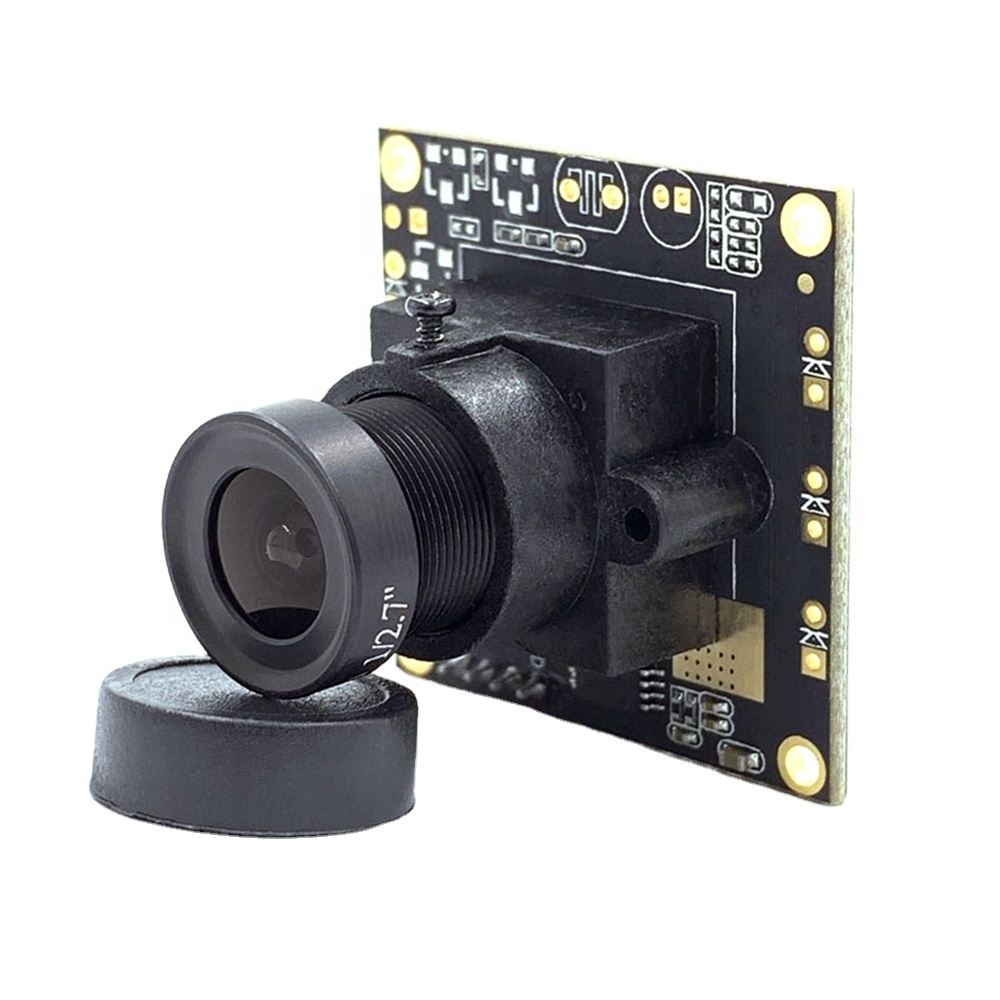
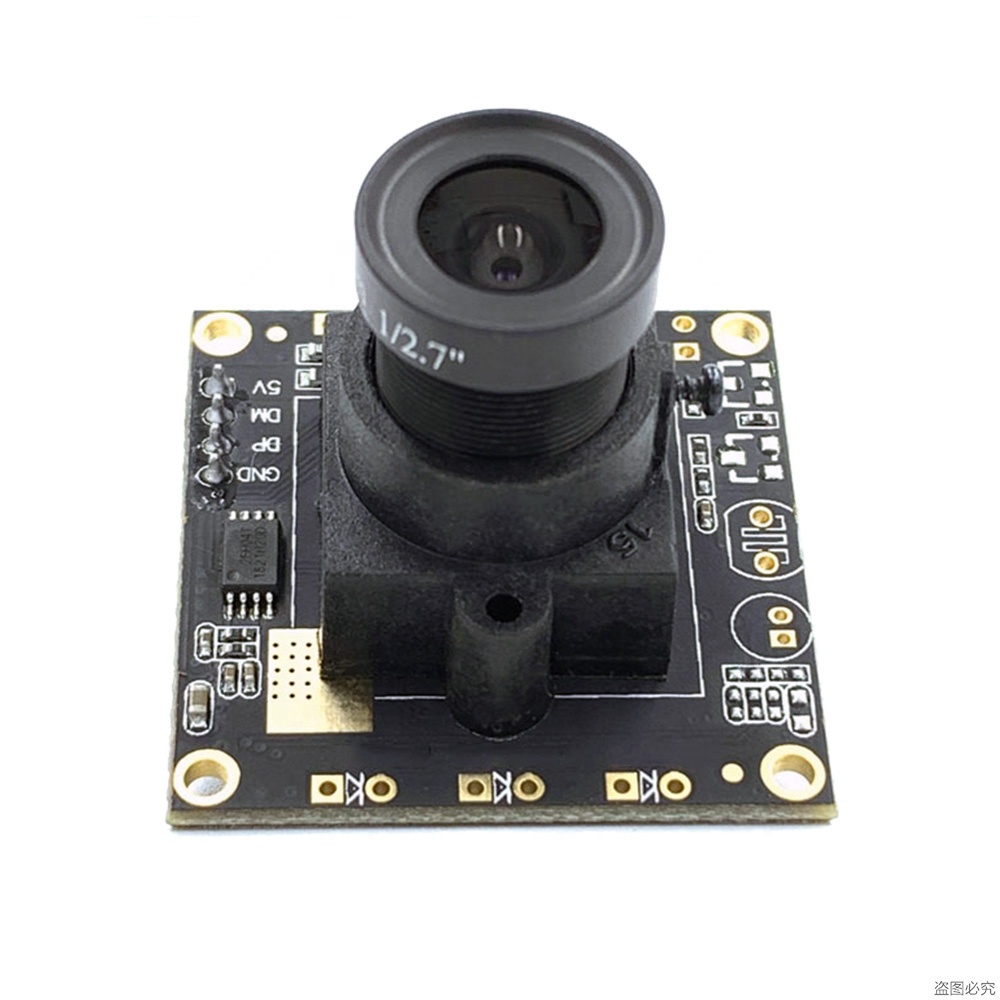
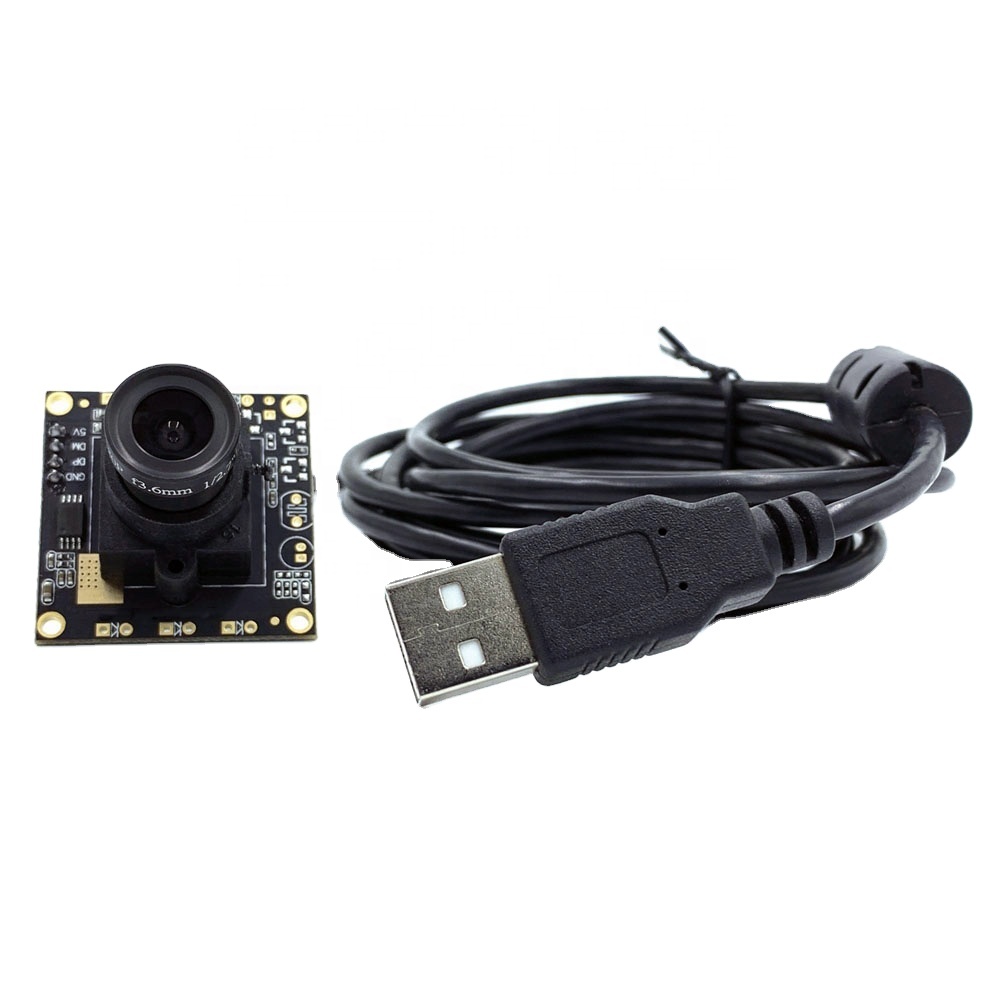
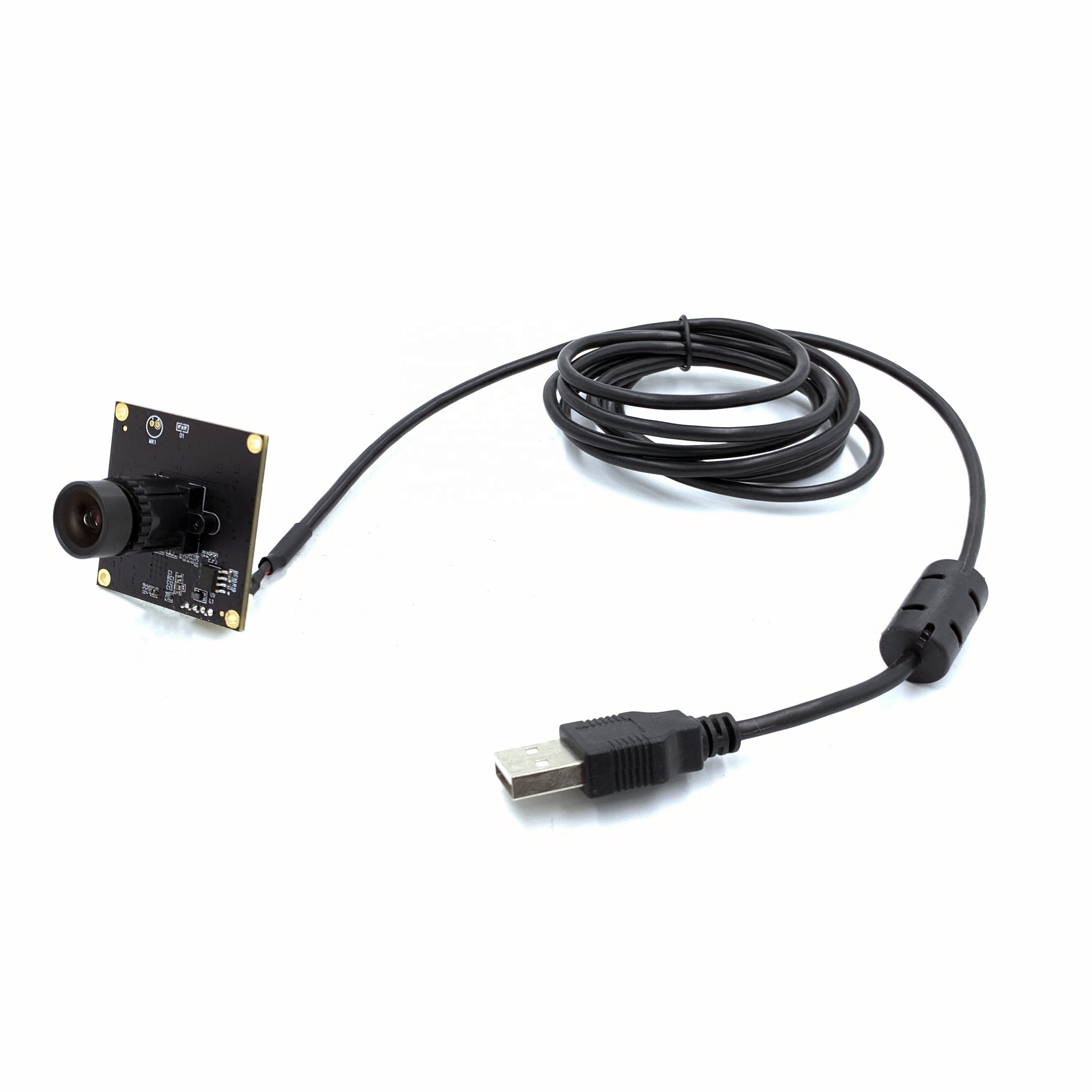
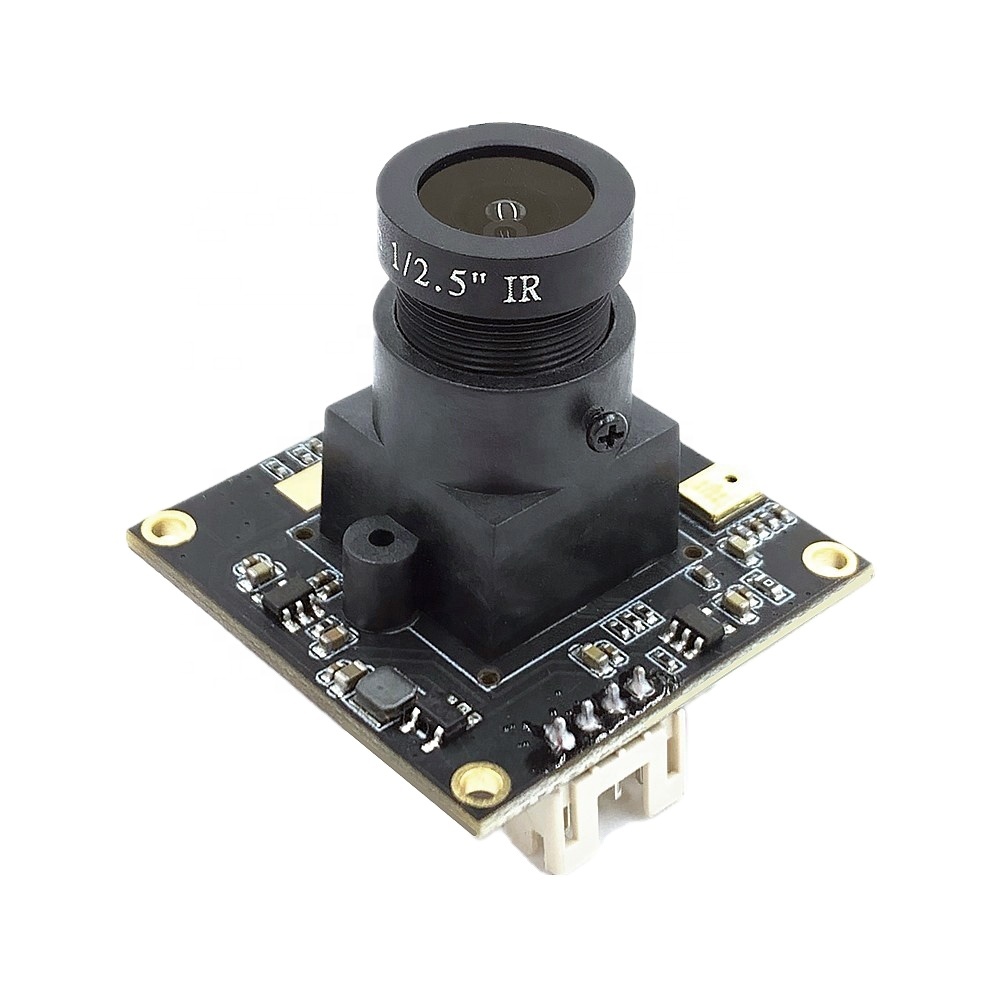
Shenzhen Brekta Electronics Co., Ltd. operates at the apex of miniature optical module manufacturing. By integrating advanced Onsemi AR0230, Sony STARVIS IMX291, and high-resolution CMOS sensors into compact 15x15mm, 32x32mm, and 38x38mm printed circuit board (PCB) architectures, Brekta solves complex optical engineering challenges including backlight glare, low-light chromatic noise, and motion-blur artifacts in high-speed transaction environments.
Information Gain Benchmark: Standard consumer webcams suffer from severe frame dropping under variable lighting and lack driverless cross-platform compatibility. Industrial-grade UVC USB camera modules engineered by China OEM manufacturers deliver zero-loss MJPEG/YUY2/H.264 video streams with hardware-level WDR tuning up to 120dB, operating continuously in harsh thermal envelopes (-20°C to +70°C).
1. Advanced Sensor Physics & ISP Architecture: Onsemi AR0230 vs. Sony STARVIS
Selecting the optimal CMOS sensor architecture determines optical fidelity across harsh industrial environments. For self-service banking ATMs, Virtual Teller Machines (VTMs), and public kiosks, extreme contrast between indoor ambient lighting and sunlight glare through glass windows creates severe optical dynamic range challenges.
- Onsemi AR0230 WDR Architecture: Utilizing a 1/2.7-inch optical format with a 3.0µm x 3.0µm pixel array, the Onsemi AR0230 delivers up to 105dB to 120dB Wide Dynamic Range (WDR). Through multi-exposure staggered frame blending inside the hardware ISP, the module preserves facial detail in direct backlighting while maintaining sharp detail in shaded regions without chromatic overflow.
- Sony STARVIS IMX291 Low-Lux Performance: Built upon back-illuminated pixel technology, the STARVIS series achieves extraordinary sensitivity down to 0.0001 Lux. For night-time automated voting machines, outdoor inspection systems, and low-light surveillance, STARVIS sensors convert near-infrared photons into high-signal-to-noise color video streams without needing power-hungry floodlights.
- Ultra-High Frame Rate Capture (Up to 330 FPS): For rapid industrial assembly line tracking, high-speed document OCR scanning, and biometric motion analysis, high-frame-rate modules eliminate rolling shutter distortion. Operating at up to 330 frames per second at 720p/1080p resolutions, these modules feed clean images to host machine-vision algorithms without processor lag.
2. UVC Driverless Protocol & Cross-Platform Hardware Interoperability
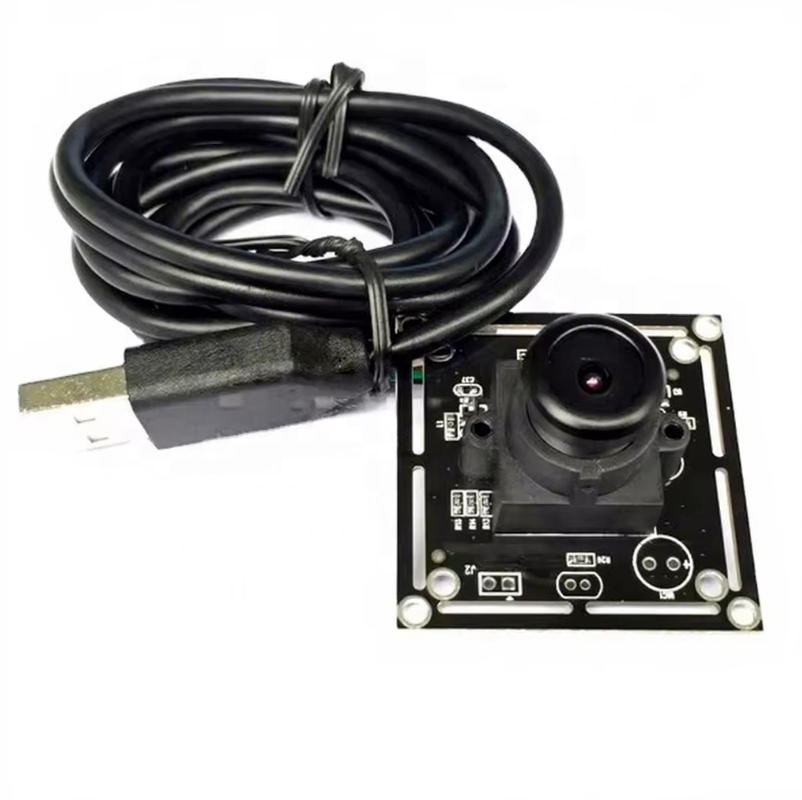
A primary friction point for system integrators is OS driver dependency. Brekta’s industrial USB camera modules adhere strictly to the USB Video Class (UVC 1.1 / UVC 1.5) standard, enabling instant plug-and-play operation across Windows, Linux (Ubuntu, Debian, CentOS), Android OS, macOS, and Real-Time Operating Systems (RTOS).
| Output Compression Format | Bandwidth & Latency Profile | Primary Industrial Application | Host Processor Overhead |
|---|---|---|---|
| YUY2 (Uncompressed) | High Bandwidth / Near-Zero Latency | Machine Vision, AI Edge Face ID, OCR | Low CPU usage; Direct Memory Access |
| MJPEG (Motion JPEG) | Balanced Bandwidth / Sub-15ms Latency | ATM Recording, HD Kiosk Display, VoIP | Moderate decoding load on host PC |
| H.264 / H.265 (Hardware Encoded) | Low Bandwidth Stream / Compression Buffer | Remote Machine Fleets, Network VTM, IP NVR | Zero encoding load; direct stream save |
3. Form Factor Miniaturization & Thermal Dissipation Engineering
Embedding high-performance image sensors into enclosed industrial housings (such as ATM keypads, smart fridge door bezels, or micro-endoscopes) presents severe thermal limits. High sensor temperatures degrade signal-to-noise ratios (SNR), causing thermal dark-current noise (graininess) and focus shift due to lens barrel expansion.
Brekta’s engineering team designs custom multi-layer FR4 and aluminum-substrate PCBs in Protel and Allegro. By optimizing thermal vias, routing ground planes efficiently, and implementing passive heat-sink couplings, operating junction temperatures are kept well within nominal limits. This ensures long operational lifespans exceeding 50,000 hours MTBF (Mean Time Between Failures).
Integrated 32x32mm AR0230 WDR modules with pinhole lenses provide invisible anti-skimming video monitoring, facial biometric capture, and transaction receipt audit logging under high-contrast lobby lighting.
Anti-fog coated 180° fisheye panoramic USB cameras operating reliably inside refrigerated environments (-20°C), providing real-time AI inventory tracking and automated grab-and-go SKU recognition.
Dual-lens RGB + IR USB camera boards used in security access turnstiles, airport passport control gates, and automated voting systems to prevent spoofing with 3D mask detection.
High-speed 330fps global/rolling shutter camera modules mounted on SMT pick-and-place robotics and PCB assembly lines for micro-defect checking, alignment, and barcode reading.
Waterproof IP67 micro camera probes with integrated LED rings and flexible soft cables, providing high-resolution internal inspection for pipe maintenance and medical equipment diagnostics.
Compact Wi-Fi/IP door-eye cameras featuring 170° fisheye views, two-way audio, invisible 940nm IR night vision, and cloud app integration for home security brand owners.
Localized Market Trends: The Next Decade in Embedded Vision
As industrial automation accelerates across North America, Europe, East Asia, and Latin America, procurement requirements for industrial USB cameras are shifting from basic video capture to specialized, intelligent edge modules.
Trend 1: On-Board Edge AI & ISP Pre-Processing
Modern industrial PCs (IPCs) and Raspberry Pi / NVIDIA Jetson edge compute units are offloading raw image preprocessing to the camera module. Modern UVC camera boards incorporate dedicated ISP micro-controllers capable of hardware noise reduction, lens distortion correction (dewarping fisheye images into rectilinear views), and automatic ROI (Region of Interest) cropping directly on the camera hardware before data transmission.
Trend 2: Convergence of Low-Lux Starlight with True WDR
Historically, system designers had to choose between high-dynamic-range imaging (WDR for bright light) and low-lux starlight performance (for darkness). The integration of advanced sensors such as the Sony STARVIS IMX291 alongside Onsemi digital WDR architectures allows a single industrial USB camera to transition seamlessly between harsh midday glare and 0.0001 Lux darkness, eliminating dual-camera setups.
Trend 3: Customization at Low Minimum Order Quantities (MOQs)
B2B buyers no longer accept rigid catalog-only camera options. Leading China industrial camera manufacturers provide rapid prototyping and customized PCB dimensions (e.g., matching exact mechanical mounting standoffs in custom kiosks), custom cable harnesses (JST, Molex, Hirose connectors), and customized optical filters (IR-pass 850nm/940nm or dual-band pass) with MOQs starting at single evaluation units.
13+ Years Machine Vision OEM/ODM Experience
Specialized cleanroom assembly facility located in Shenzhen and Dongguan, China, dedicated to miniature optical module design and production.
100% Optical & Image Quality Assurance
Every camera module undergoes 100% automated resolution chart testing, color balance calibration, and multi-hour thermal burn-in before export shipment.
Full Custom Hardware & Firmware Engineering
PCB layout customization in Protel/Allegro, field-of-view lens selection (2.1mm to 16mm, manual/autofocus/varifocal), custom UVC descriptors, and branding logo placement.
Global Compliance & 24-Month Warranty
Certified to CE, FCC, and RoHS international standards. Backed by a 24-month warranty, free replacement policy, and rapid ≤2-hour engineering technical response time.
Ready to Upgrade Your Machine Vision Hardware?
Contact our senior optical application engineers to request sample evaluation units, custom PCB drawings, or factory-direct OEM quotations today.
Get a Quote